
37 moments
Born in Groot-Zundert
· Groot-Zundert, North Brabant, Netherlands
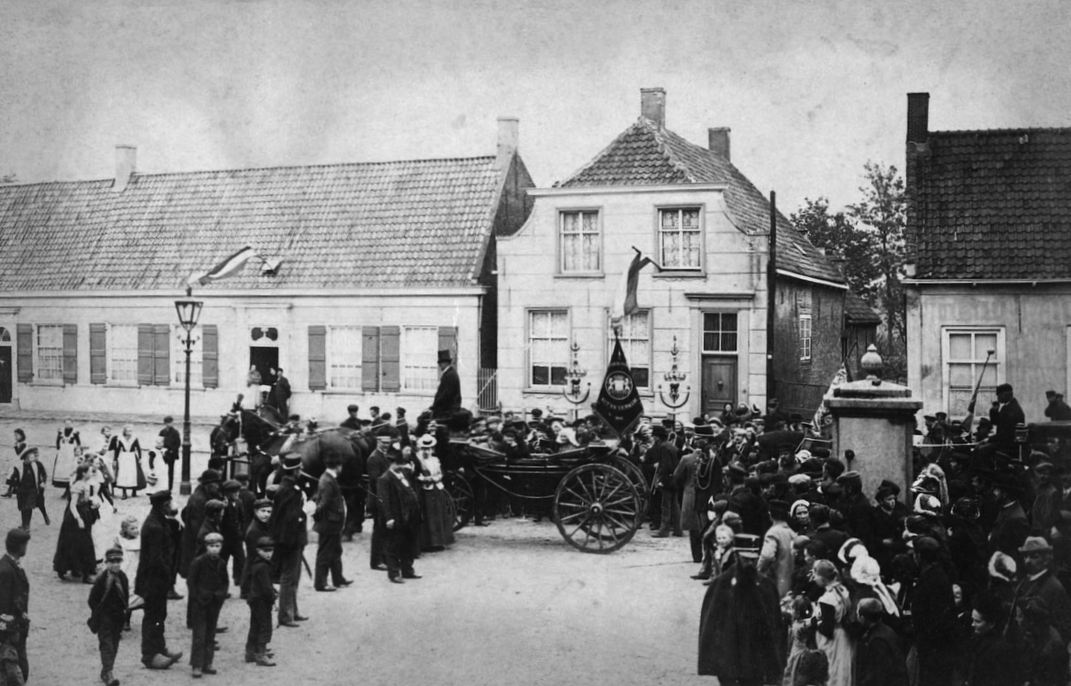
Wikimedia Commons · Public domain · file Vincent Willem van Gogh was born in the North Brabant village where his father served as a Dutch Reformed minister. Settlement coordinates represent Groot-Zundert.
Boards at Zevenbergen
· Stationstraat 16, Zevenbergen, North Brabant, Netherlands
Van Gogh began two years at Jan Provily's boarding school, his first extended residence away from his family. Coordinates are representative of the documented modern address, Stationstraat 16.
Enters school in Tilburg
· Tilburg, North Brabant, Netherlands
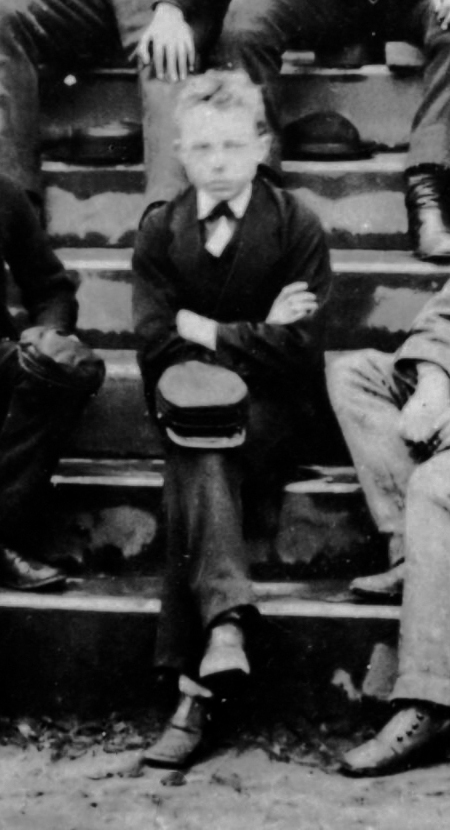
Wikimedia Commons · Public domain · file Van Gogh entered the Koning Willem II secondary school, where Constant Cornelis Huijsmans taught drawing. Settlement coordinates are used because the historical school site is not specified in the quoted evidence.
Works for Goupil in The Hague
· The Hague, South Holland, Netherlands
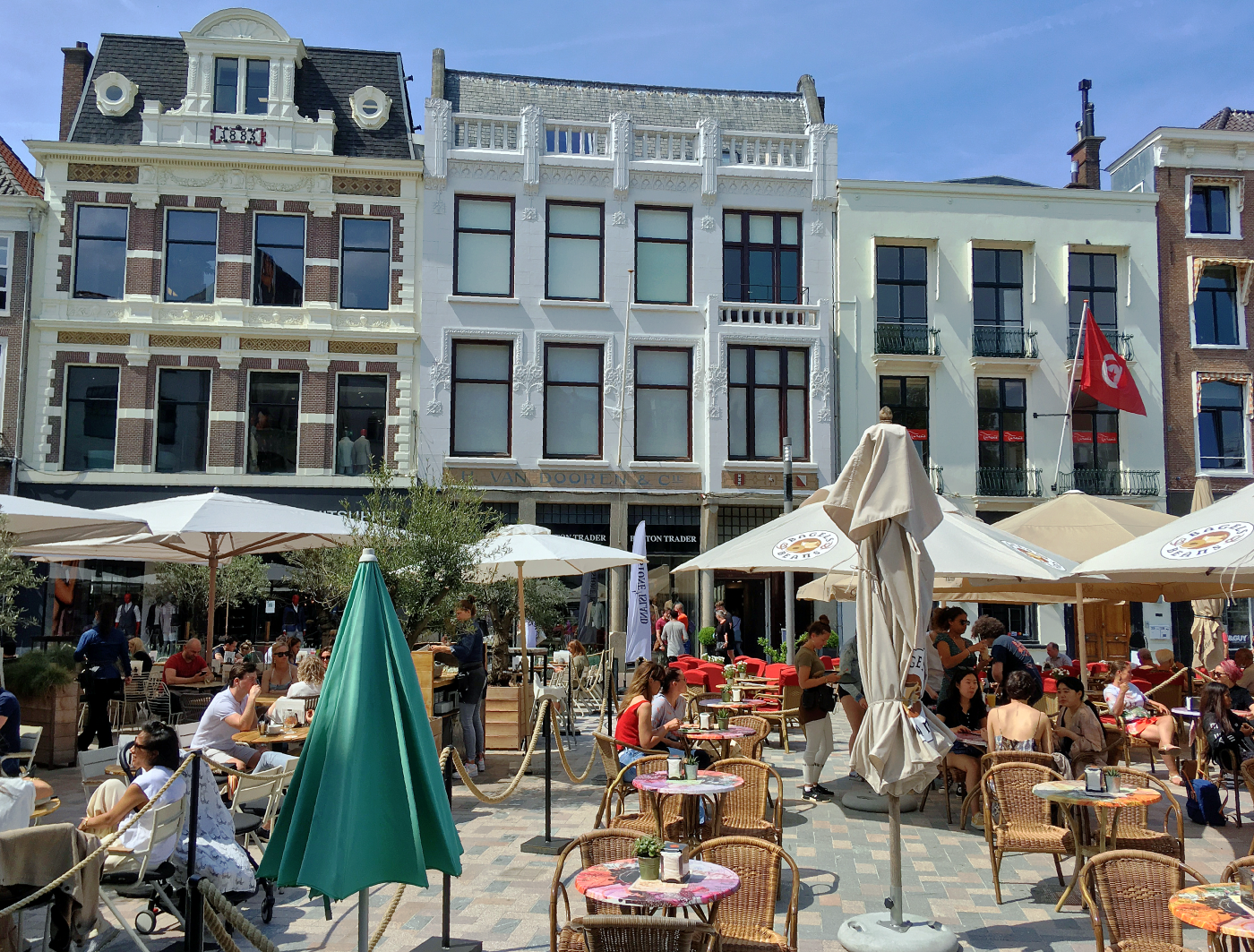
Wikimedia Commons · Creative Commons Attribution-Share Alike 3.0 Unported · file During his apprenticeship with art dealer Goupil & Cie, Van Gogh was documented in The Hague by his earliest surviving letter to Theo. Coordinates represent central The Hague near Goupil's historical premises.
Visits Paris art institutions
· Paris, France
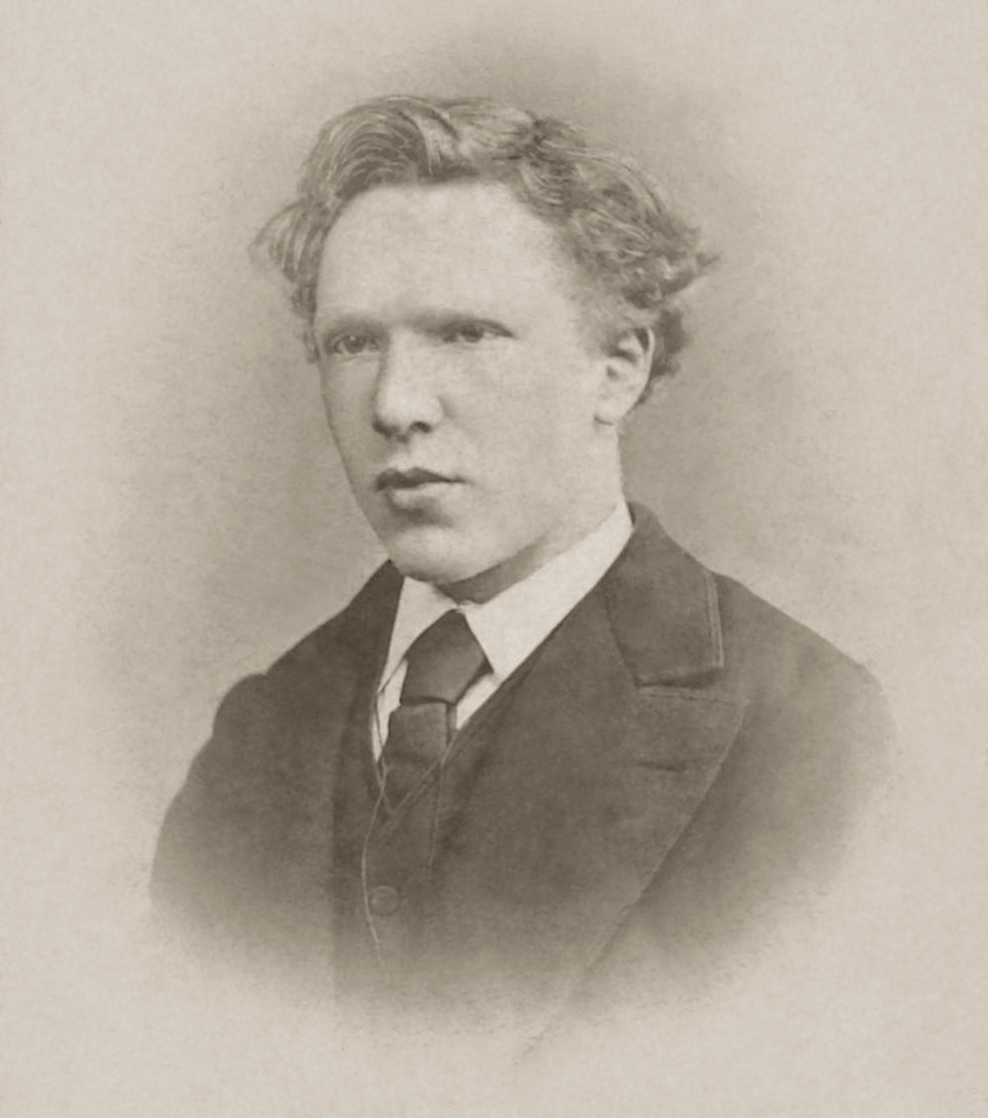
Wikimedia Commons · Public domain · file En route to his new London position, Van Gogh visited Goupil branches, the Salon, the Louvre, and the Musée du Luxembourg in Paris. The Louvre is used as a representative point for this multi-site Paris visit.
Begins work in London
· Southampton Street, Strand, London, England, United Kingdom
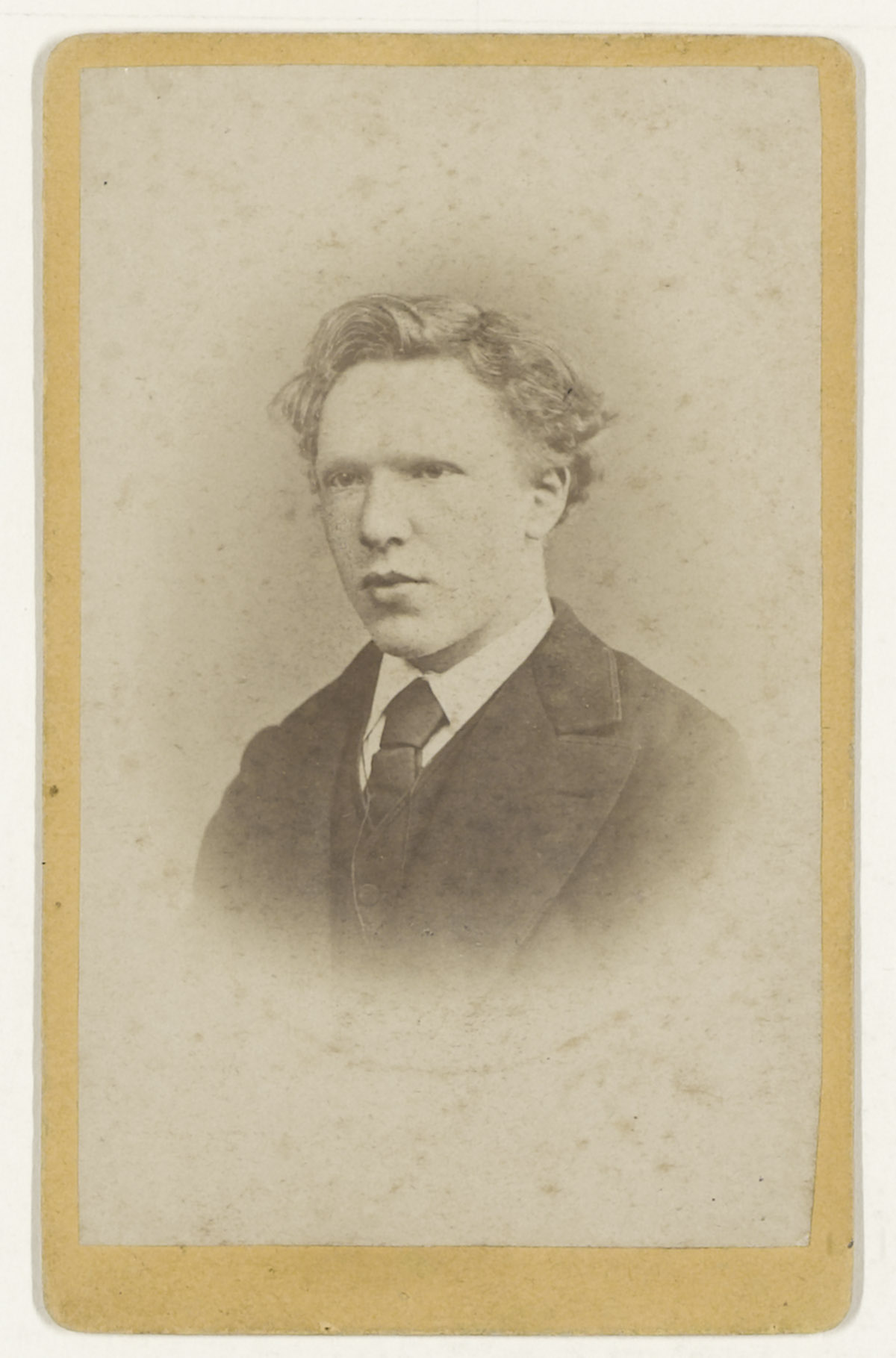
Wikimedia Commons · Public domain · file Van Gogh worked at Goupil's Southampton Street branch and described living in a quiet London suburb. Coordinates represent Southampton Street near the former Goupil branch.
Lives at Ivy Cottage
· 395 Kennington Road, London, England, United Kingdom
Van Gogh moved to Ivy Cottage while continuing his London employment, beginning the first of two periods at this address. Month-level precision reflects the supported move date.
Works at Goupil headquarters in Paris
· Paris, France
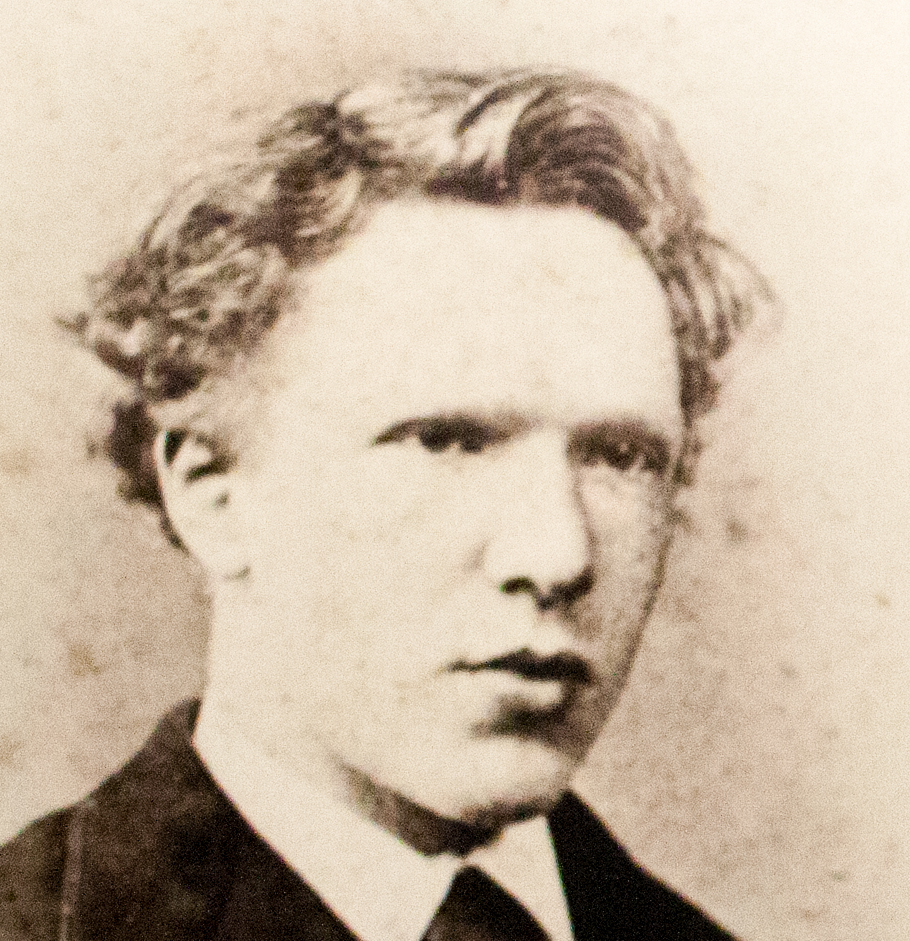
Wikimedia Commons · Public domain · file Transferred from London, Van Gogh worked at Goupil's Paris headquarters and visited exhibitions and museums. Coordinates represent the Place de l'Opéra area associated with Goupil.
Arrives to teach in Ramsgate
· 11 Spencer Square, Ramsgate, Kent, England, United Kingdom
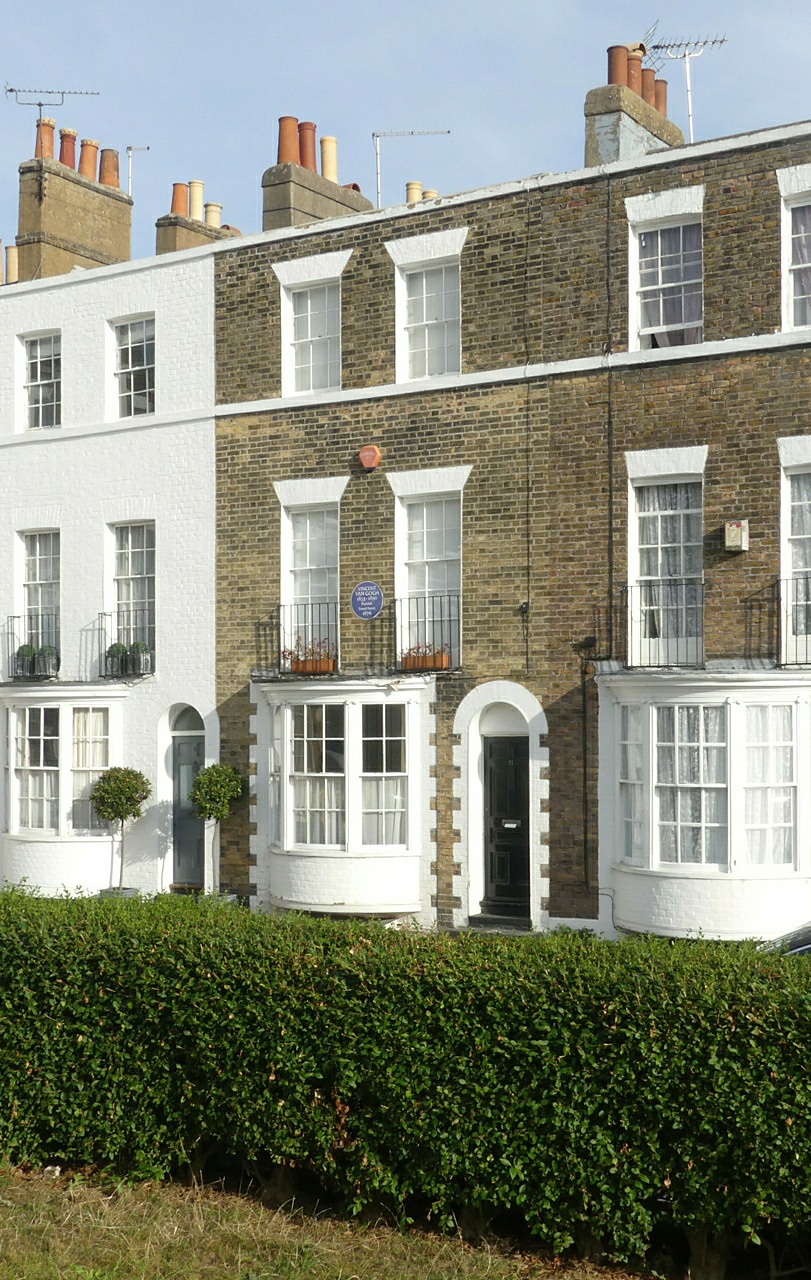
Wikimedia Commons · Creative Commons Attribution-Share Alike 2.0 Generic · file After leaving Goupil, Van Gogh reached William Stokes's school in Ramsgate and lodged nearby at Spencer Square. The letter is dated 17 April and describes his arrival during the preceding journey.
Teaches and assists ministry in Isleworth
· Isleworth, London, England, United Kingdom
Van Gogh was living in Isleworth, where he worked first at a relocated school and then as an assistant to Methodist minister Thomas Slade-Jones. Settlement coordinates cover his documented Isleworth workplaces on Twickenham Road.
Studies in Amsterdam
· Amsterdam, North Holland, Netherlands
Wikimedia Commons · Public domain · file Van Gogh lived with his uncle Jan near Amsterdam's naval dockyard while preparing for university entrance examinations. Coordinates represent the former naval dockyard area where his uncle resided.
Trains as an evangelist in Laeken
· Laeken, Brussels, Belgium
Van Gogh lived in Laeken while attending an evangelical training school, though he ultimately failed its examinations. The editorial dating spans several possible November days; modern English generally renders Laken as Laeken.
Preaches in the Borinage
· Wasmes, Colfontaine, Hainaut, Belgium
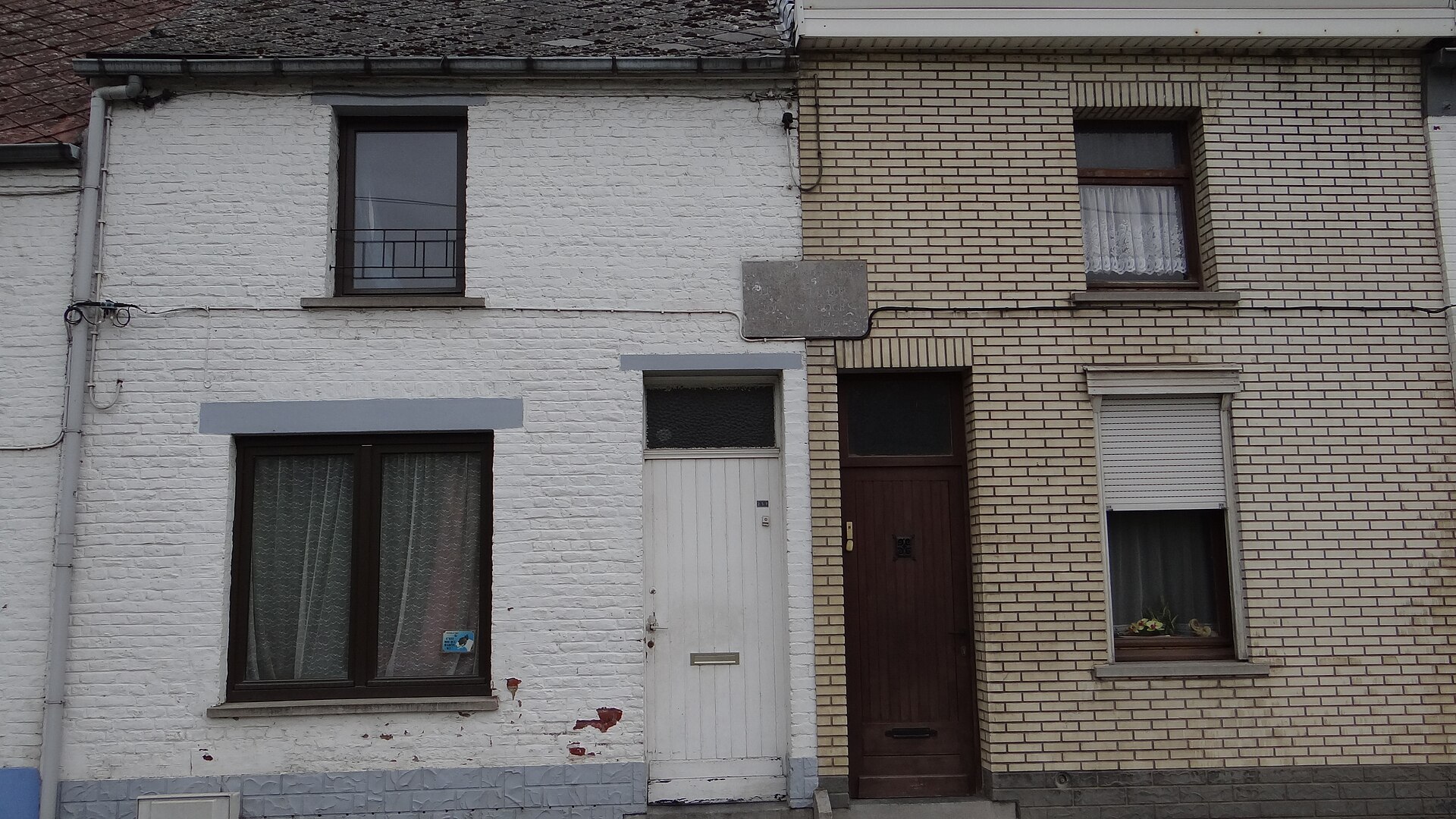
Wikimedia Commons · Creative Commons Attribution-Share Alike 3.0 Unported · file Van Gogh was in Wasmes undertaking evangelical work among mining communities and preaching in meeting rooms and workers' homes.
Serves at Petit-Wasmes
· Petit-Wasmes, Colfontaine, Hainaut, Belgium
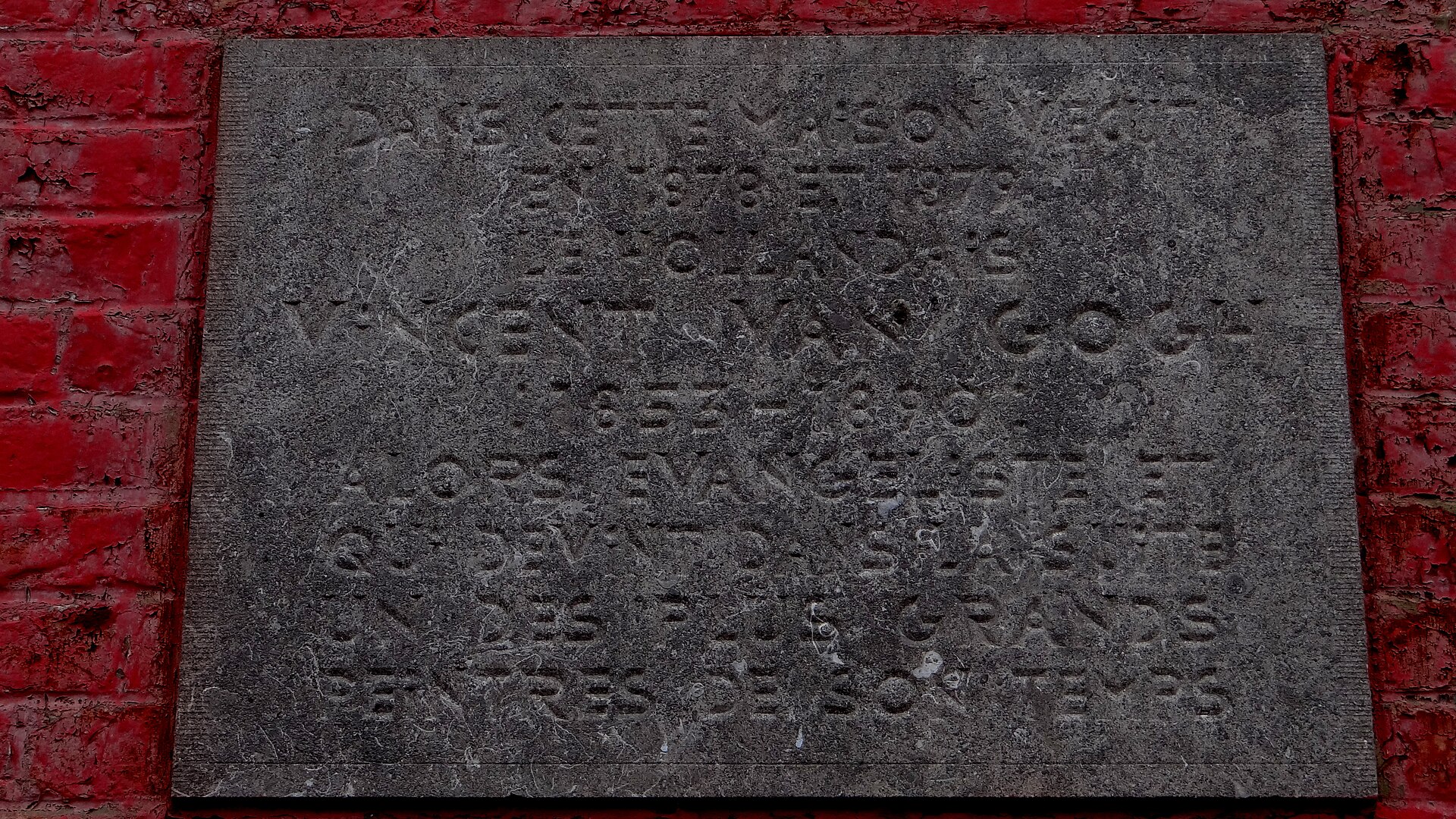
Wikimedia Commons · Creative Commons Attribution-Share Alike 3.0 Unported · file During his missionary appointment, Van Gogh lived among impoverished miners at Petit-Wasmes and adopted deliberately austere conditions. Only month precision is used because the letter is dated within a sixteen-day range.
Returns to Cuesmes
· Cuesmes, Mons, Hainaut, Belgium
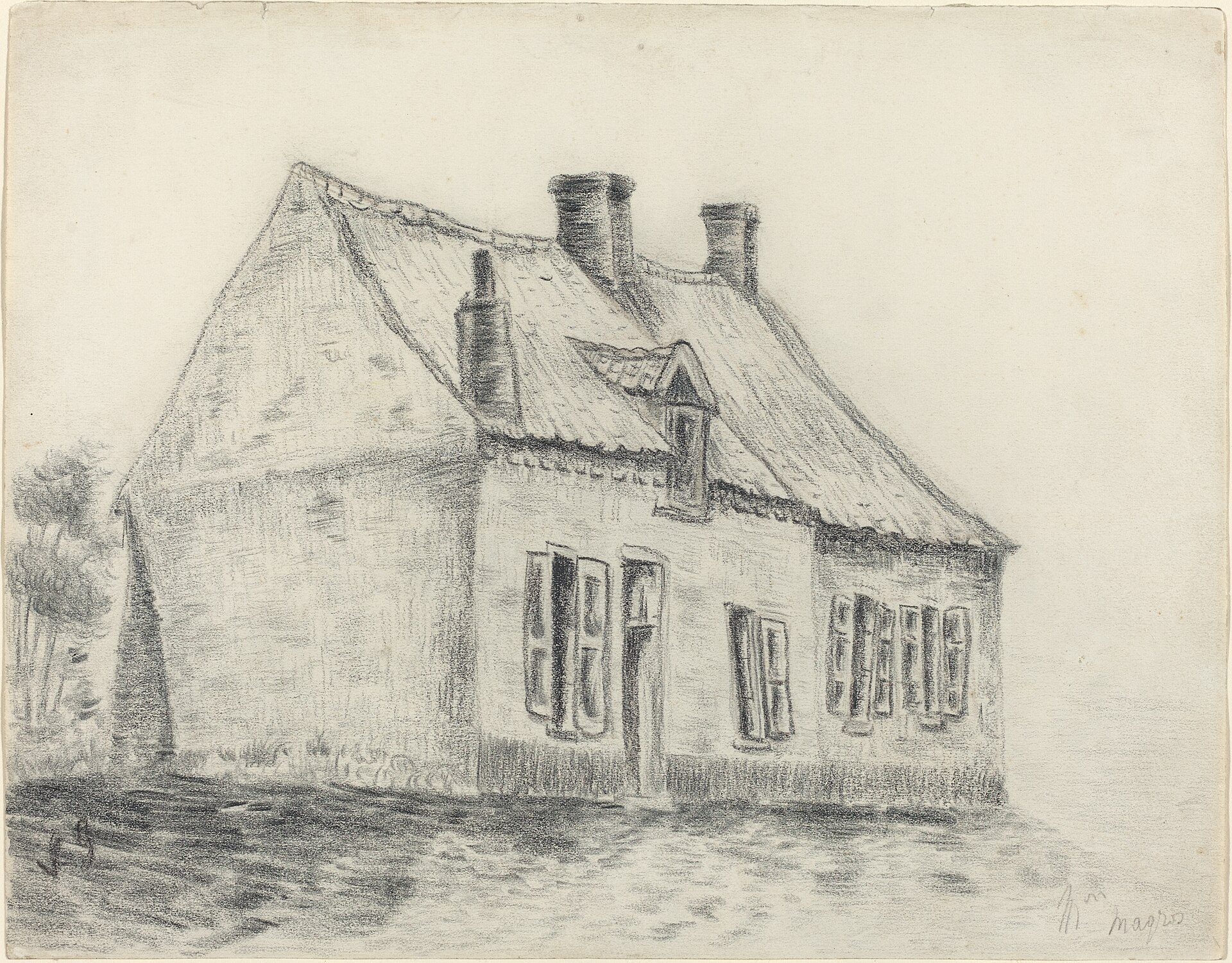
Wikimedia Commons · Creative Commons CC0 License · file After a period with his parents, Van Gogh returned to the Borinage and stayed in Cuesmes during the crisis that preceded his commitment to art. The letter heading places him in Cuesmes between about 22 and 24 June 1880.
Studies art in Brussels
· Brussels, Belgium
Van Gogh moved to Brussels, consulted artists, met Anthon van Rappard, and enrolled in elementary instruction at the Royal Academy. Coordinates represent central Brussels near the Royal Academy.
Works from his parents' home in Etten
· Etten-Leur, North Brabant, Netherlands
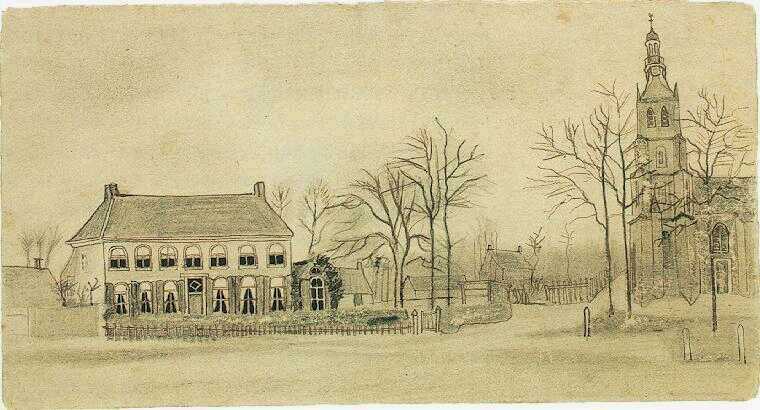
Wikimedia Commons · Public domain · file Back in Etten, Van Gogh developed his drawing practice and worked from local people and landscapes while staying with his parents. The historical village of Etten is now part of Etten-Leur.
Studies with Anton Mauve
· The Hague, South Holland, Netherlands
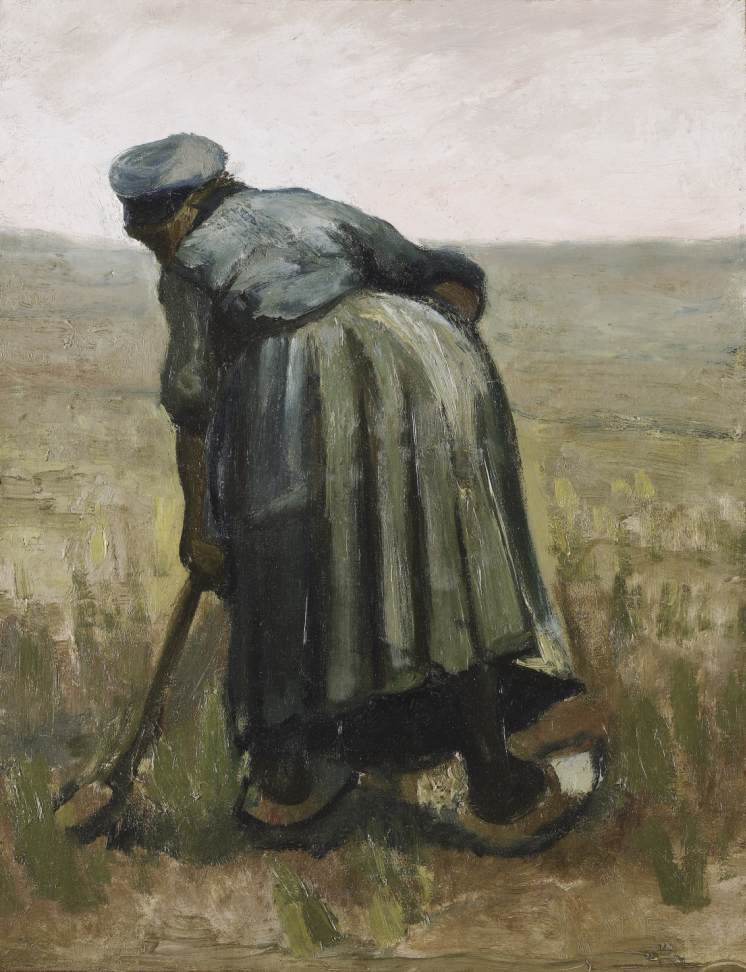
Wikimedia Commons · Public domain · file Van Gogh stayed in The Hague and worked under Anton Mauve, who encouraged his use of watercolour and oil paint. Month precision reflects the three-day editorial date range.
Establishes a Hague studio
· Schenkweg, The Hague, South Holland, Netherlands
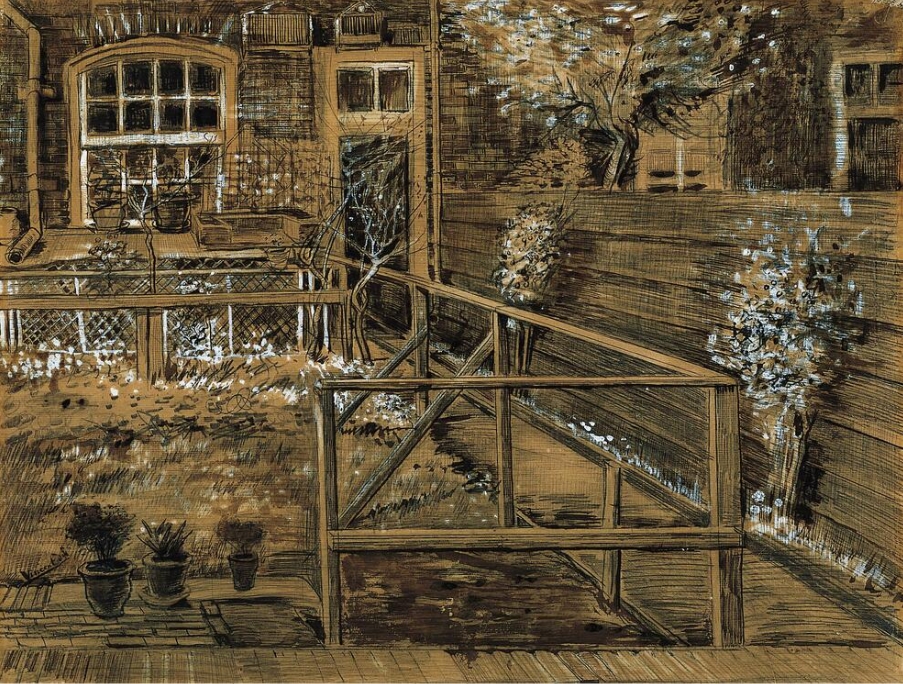
Wikimedia Commons · Public domain · file After leaving his parents following a Christmas quarrel, Van Gogh rented a studio off Schenkweg and settled in The Hague. Coordinates are representative of the historical Schenkweg area; the original streetscape has changed.
Arrives in Hoogeveen
· Hoogeveen, Drenthe, Netherlands
After leaving Sien Hoornik, Van Gogh travelled north to Drenthe and lodged in Hoogeveen before moving deeper into the peat district. The letter spans two days, so month precision is used.
Settles near Nieuw-Amsterdam
· Nieuw-Amsterdam and Veenoord, Drenthe, Netherlands
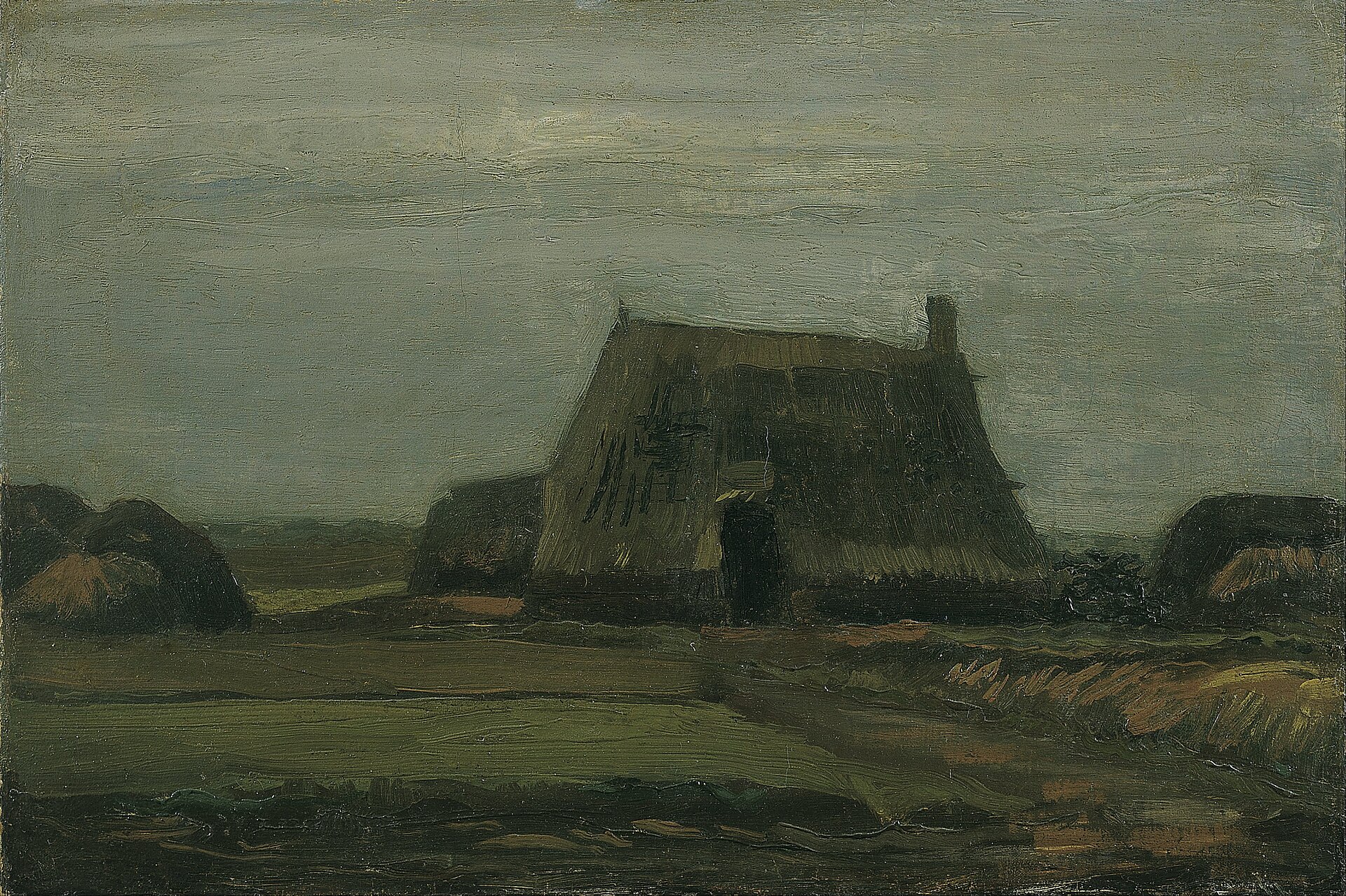
Wikimedia Commons · Public domain · file Van Gogh travelled by towboat to the Nieuw-Amsterdam and Veenoord peatlands, lodging with Hendrik Scholte and painting the surrounding countryside. His lodging was technically in Veenoord, although his letters used Nieuw-Amsterdam; coordinates fall between the adjoining settlements.
Continues working in the Drenthe peatlands
· Nieuw-Amsterdam, Drenthe, Netherlands
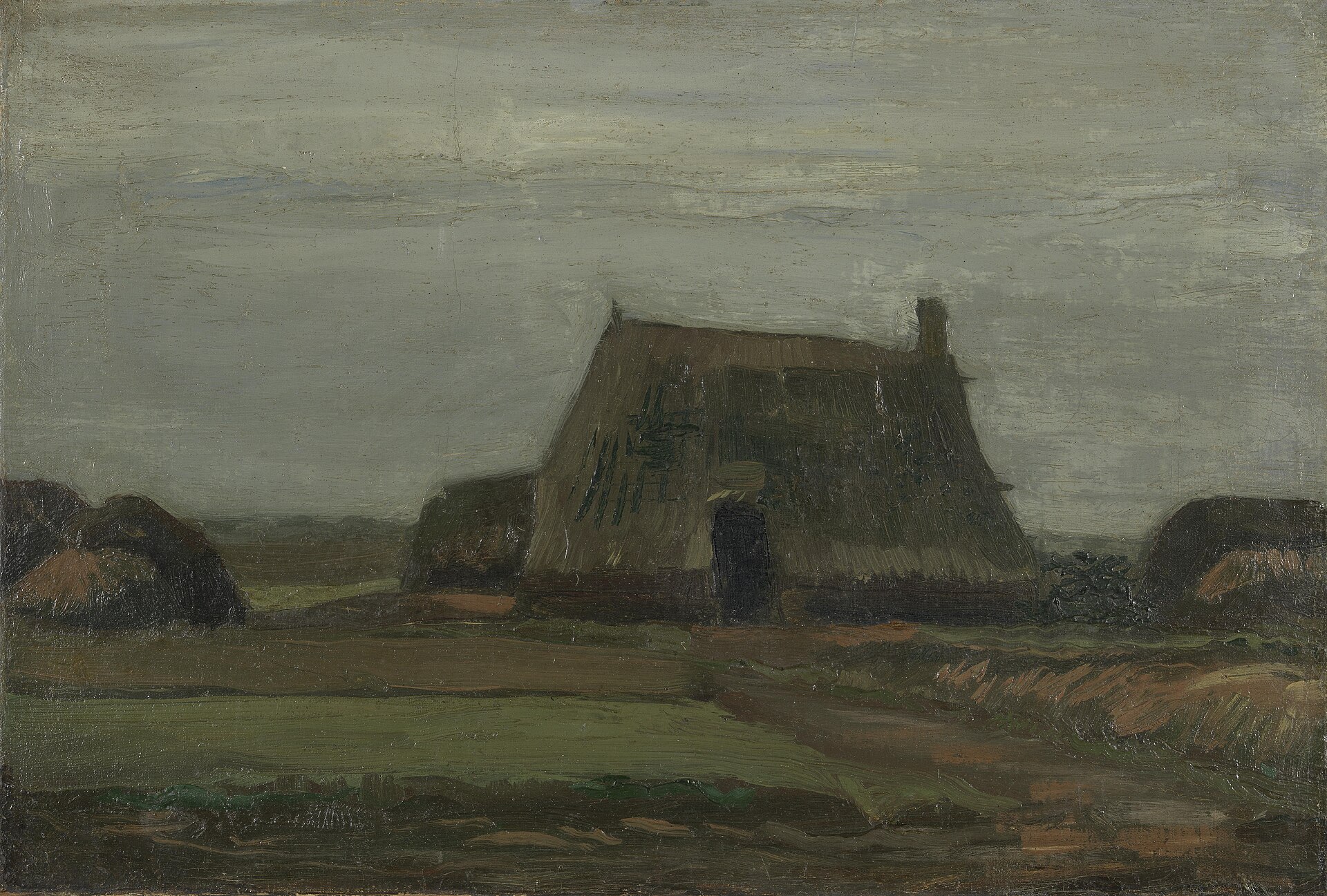
Wikimedia Commons · Public domain · file Van Gogh remained based near Nieuw-Amsterdam, producing drawings and paintings of peat workers, cottages, canals, and autumn landscapes. The day is editorially approximate, so month precision is used.
Joins his parents in Nuenen
· Nuenen, North Brabant, Netherlands
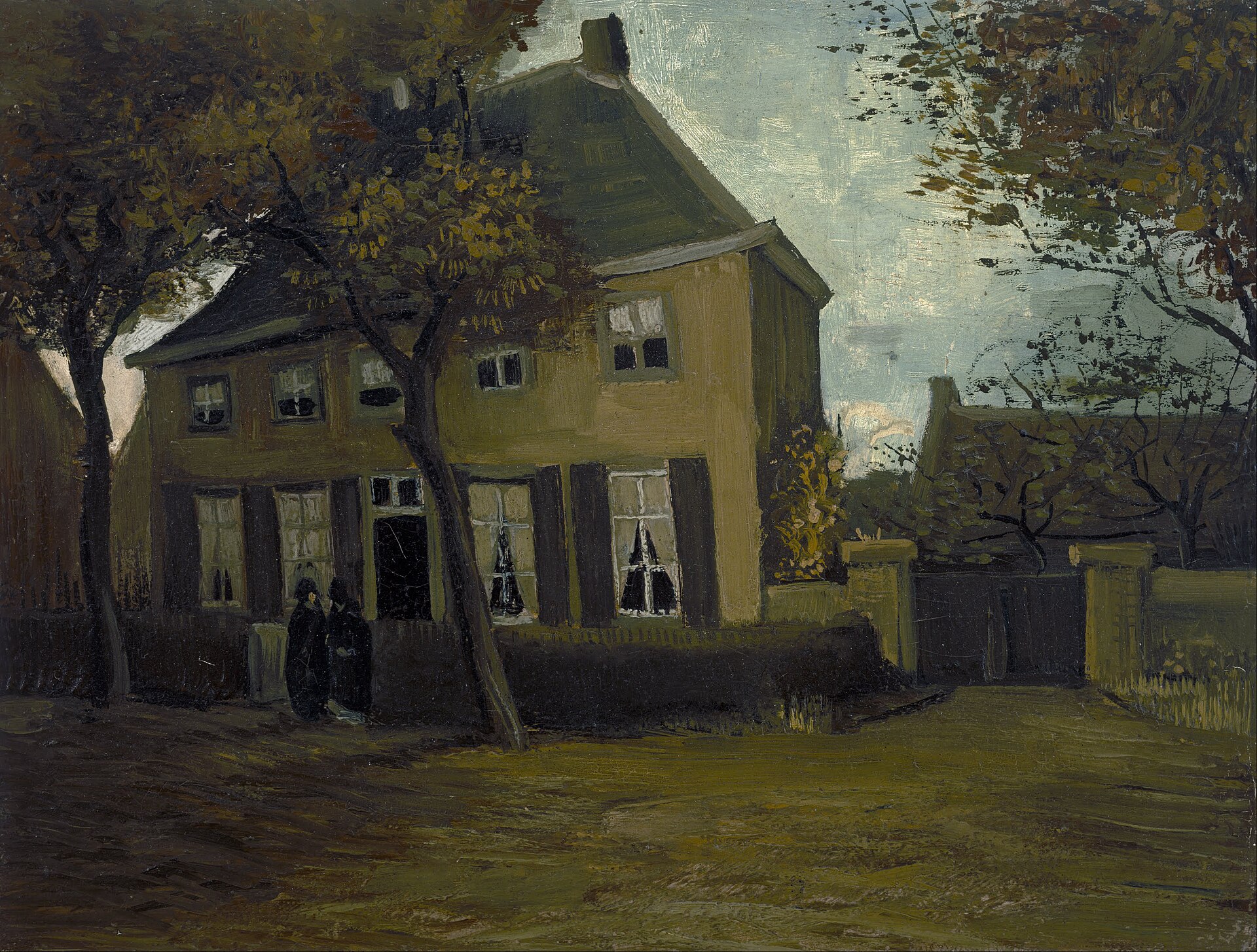
Wikimedia Commons · Public domain · file Driven by isolation in Drenthe, Van Gogh moved to Nuenen, where his parents occupied the parsonage and where he developed his peasant studies. The day is approximate; coordinates represent the Nuenen parsonage area.
Completes The Potato Eaters period
· Nuenen, North Brabant, Netherlands
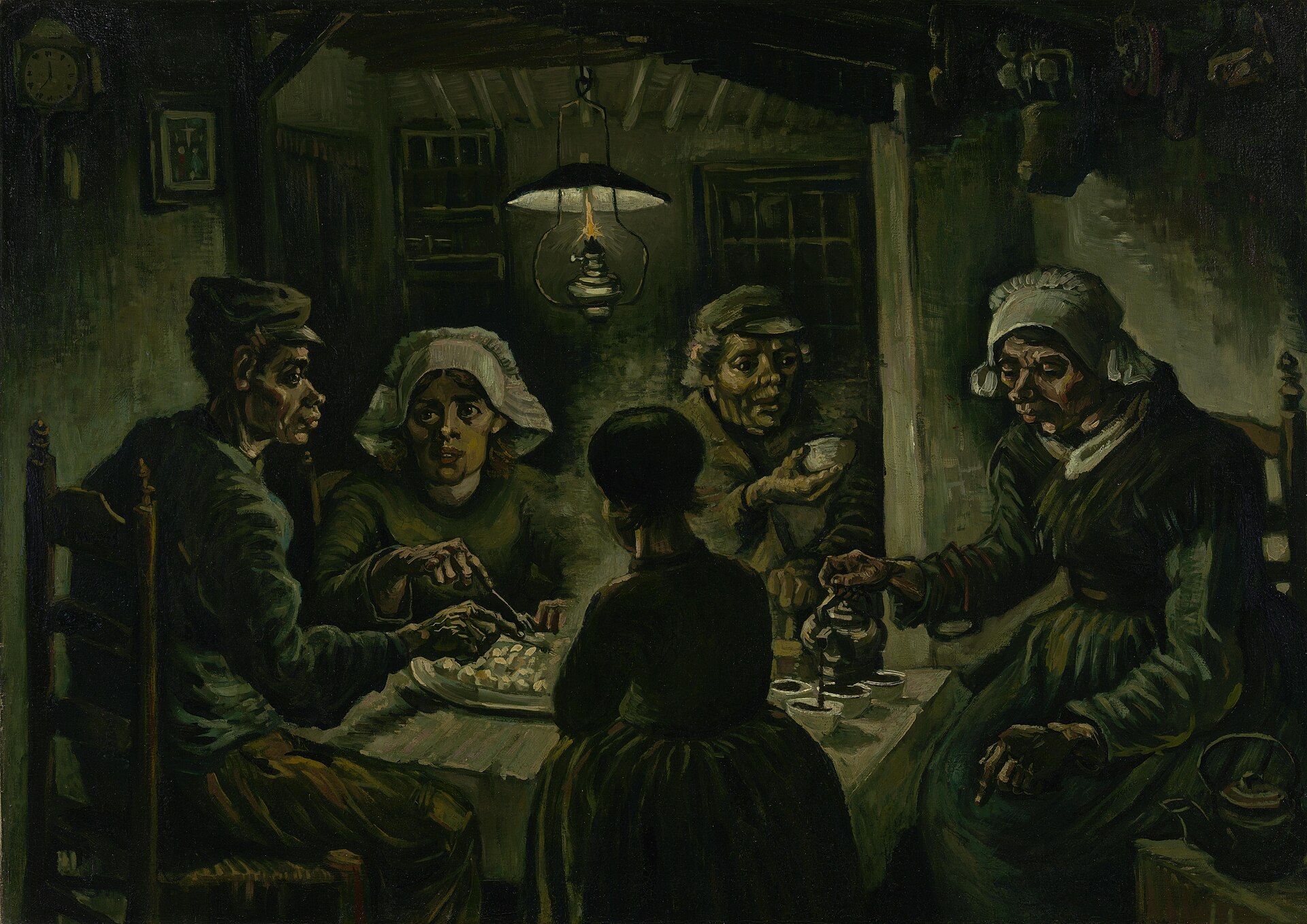
Wikimedia Commons · Public domain · file Still based in Nuenen, Van Gogh completed The Potato Eaters, the culmination of extensive studies of Brabant peasants and rural labour. Month precision reflects the two-day letter date.
Moves to Antwerp
· Lange Beeldekensstraat, Antwerp, Belgium
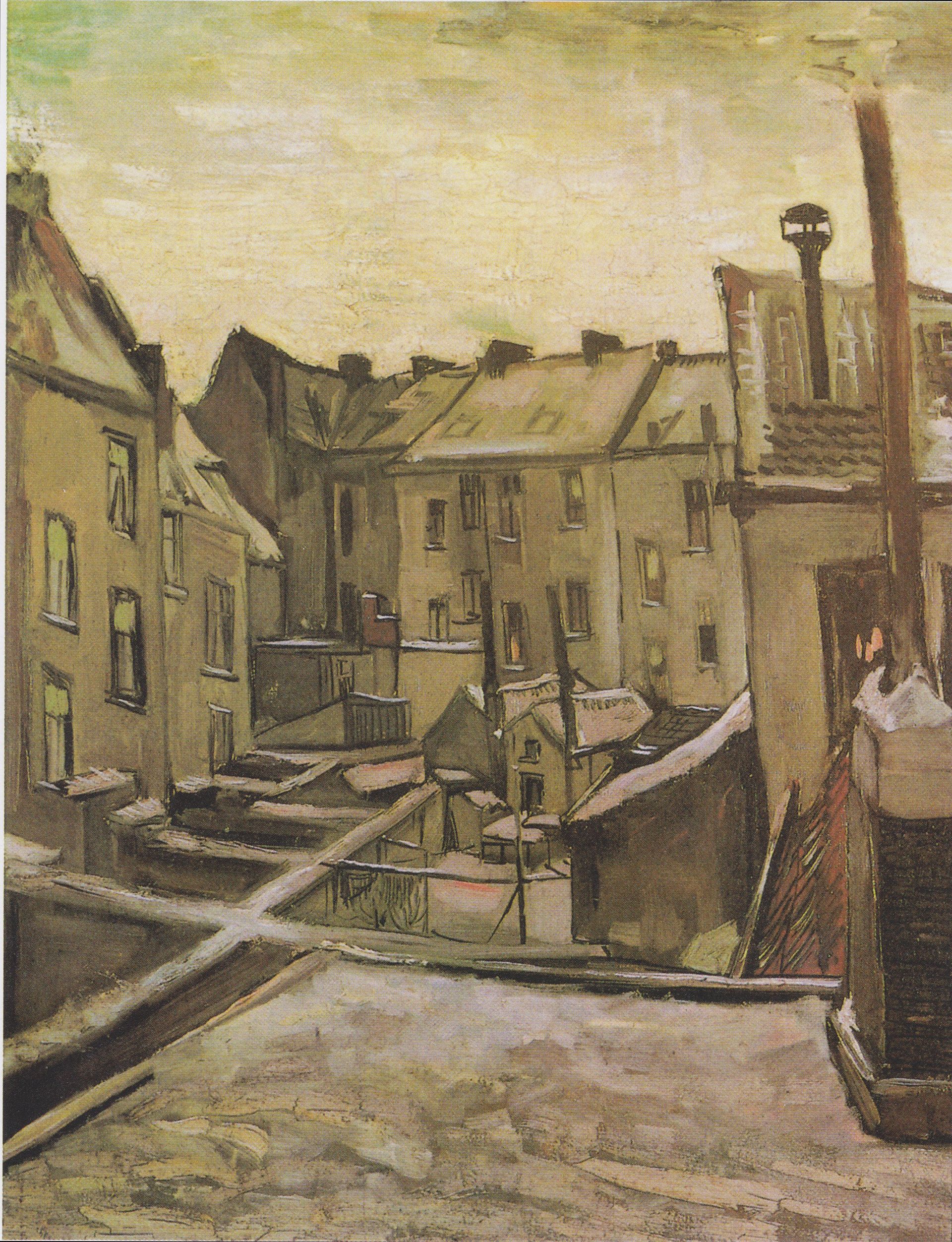
Wikimedia Commons · Public domain · file Van Gogh left Nuenen for Antwerp, rented a room above a paint dealer, studied Rubens, visited museums, and collected Japanese prints. The exact historical house number is not established in the quoted evidence; coordinates represent the street.
Lives with Theo in Paris
· Montmartre, Paris, France
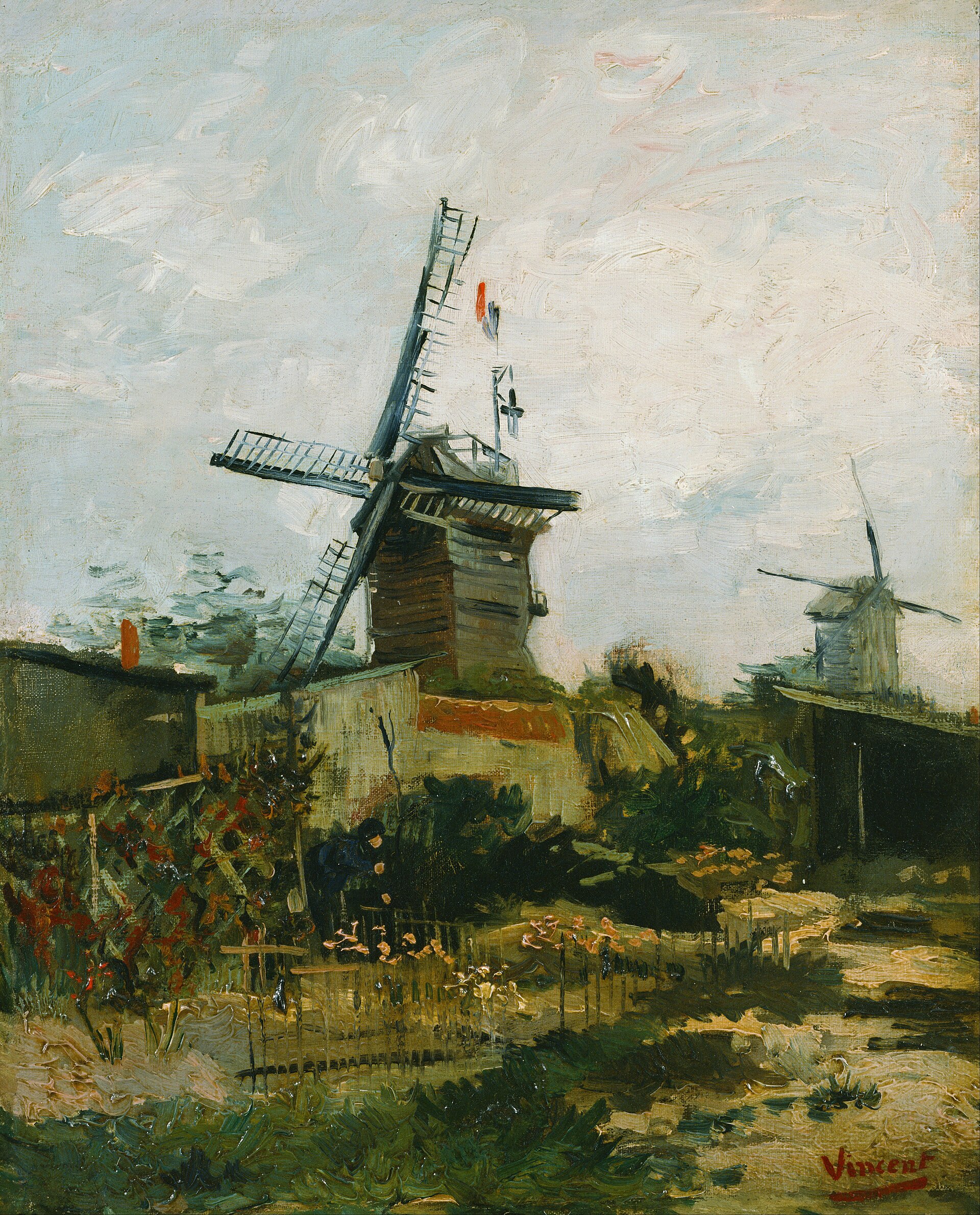
Wikimedia Commons · Public domain · file Van Gogh moved into his brother Theo's Paris household, encountered Impressionism and Neo-Impressionism, and formed relationships with avant-garde artists. Year precision is used because the quoted museum timeline gives a multi-year residence range.
Studies during the Antwerp winter
· Antwerp, Belgium
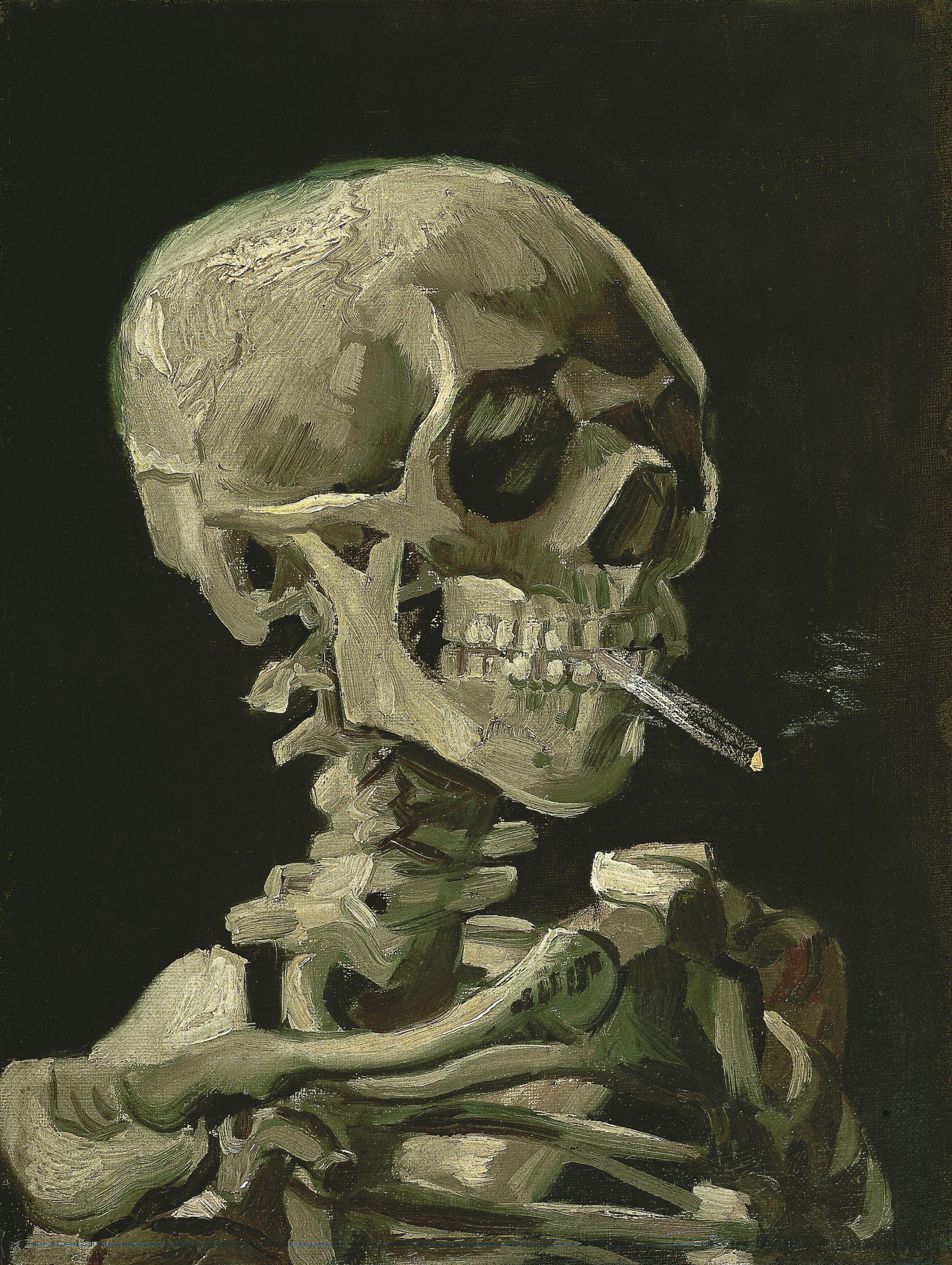
Wikimedia Commons · Public domain · file Van Gogh remained in Antwerp shortly before enrolling in the Royal Academy's antique drawing class. Coordinates represent the Royal Academy of Fine Arts area; the cited letter establishes city-level presence.
Arrives in Arles
· Restaurant Carrel area, Arles, Bouches-du-Rhône, France
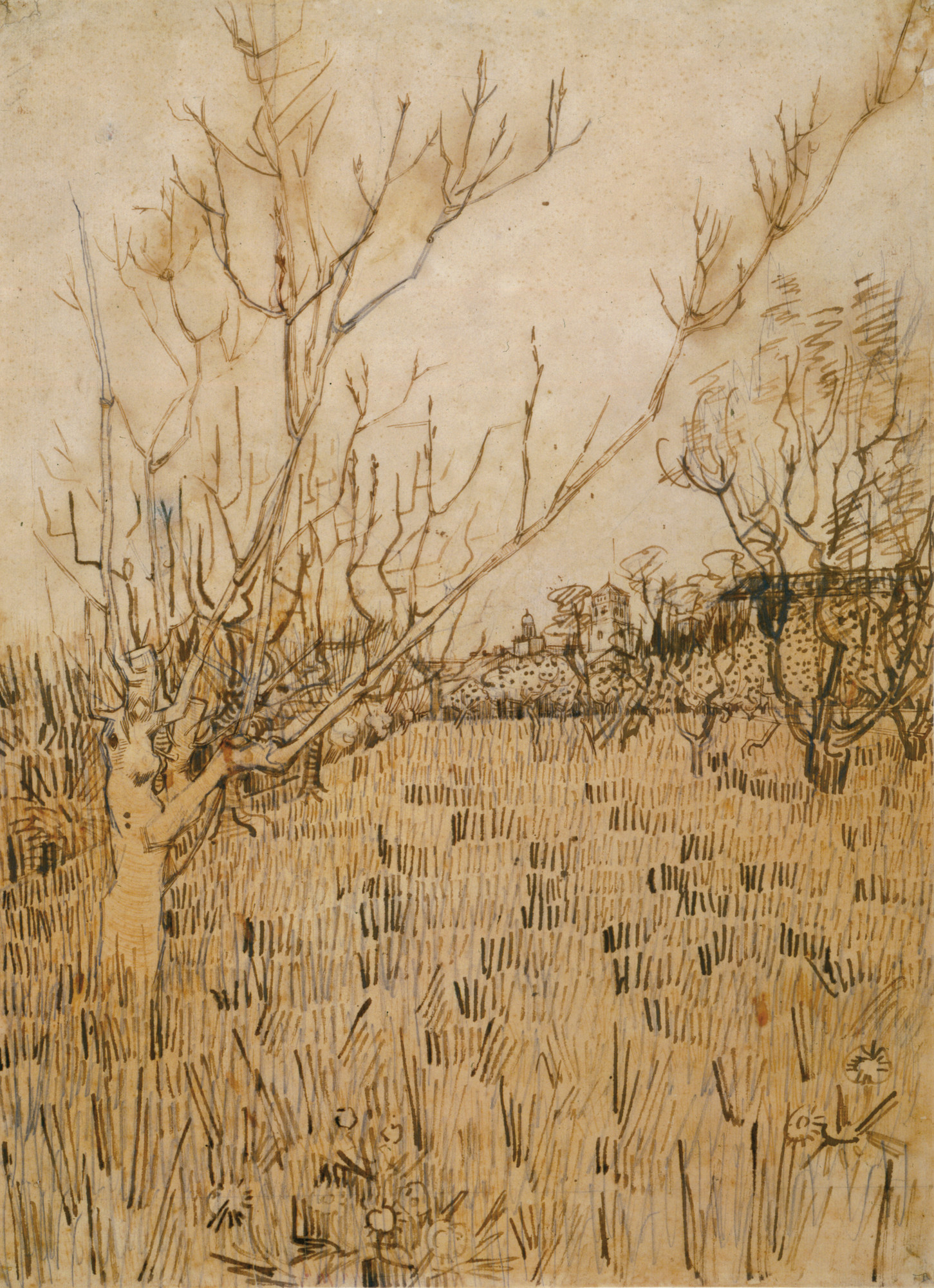
Wikimedia Commons · Public domain · file Van Gogh left Paris for Provence, initially lodging at Restaurant Carrel and beginning the intensely productive Arles phase of his career. The broader chronology dates his arrival to 20 February; the quoted museum text supports month precision and Provence presence.
Works at Saintes-Maries-de-la-Mer
· Saintes-Maries-de-la-Mer, Bouches-du-Rhône, France
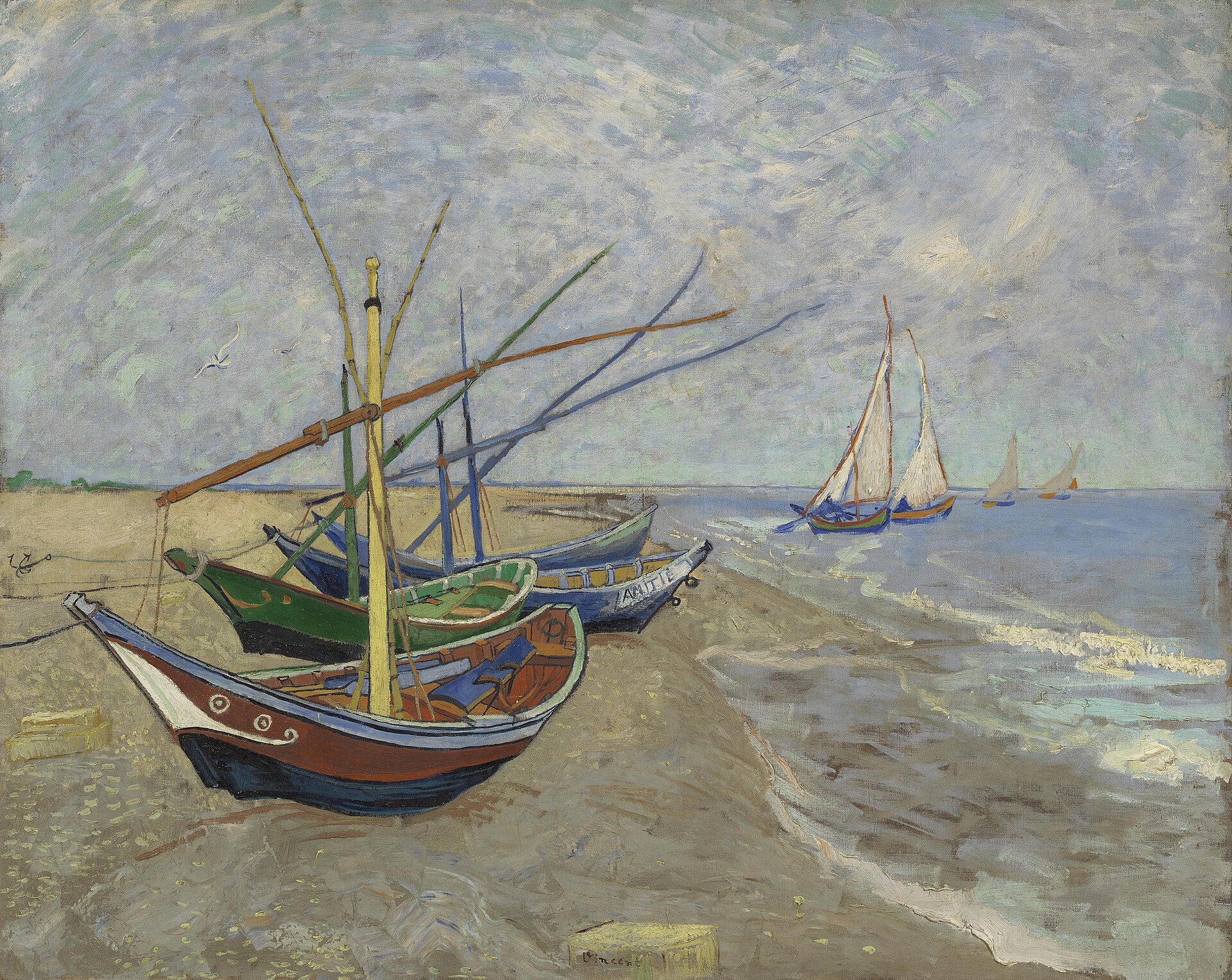
Wikimedia Commons · Public domain · file Van Gogh spent about a week in the Mediterranean fishing village, painting its beach, boats, sea, and settlement. The letter has two possible dates, so month precision is used.
Spends first night in the Yellow House
· Yellow House site, Place Lamartine, Arles, Bouches-du-Rhône, France
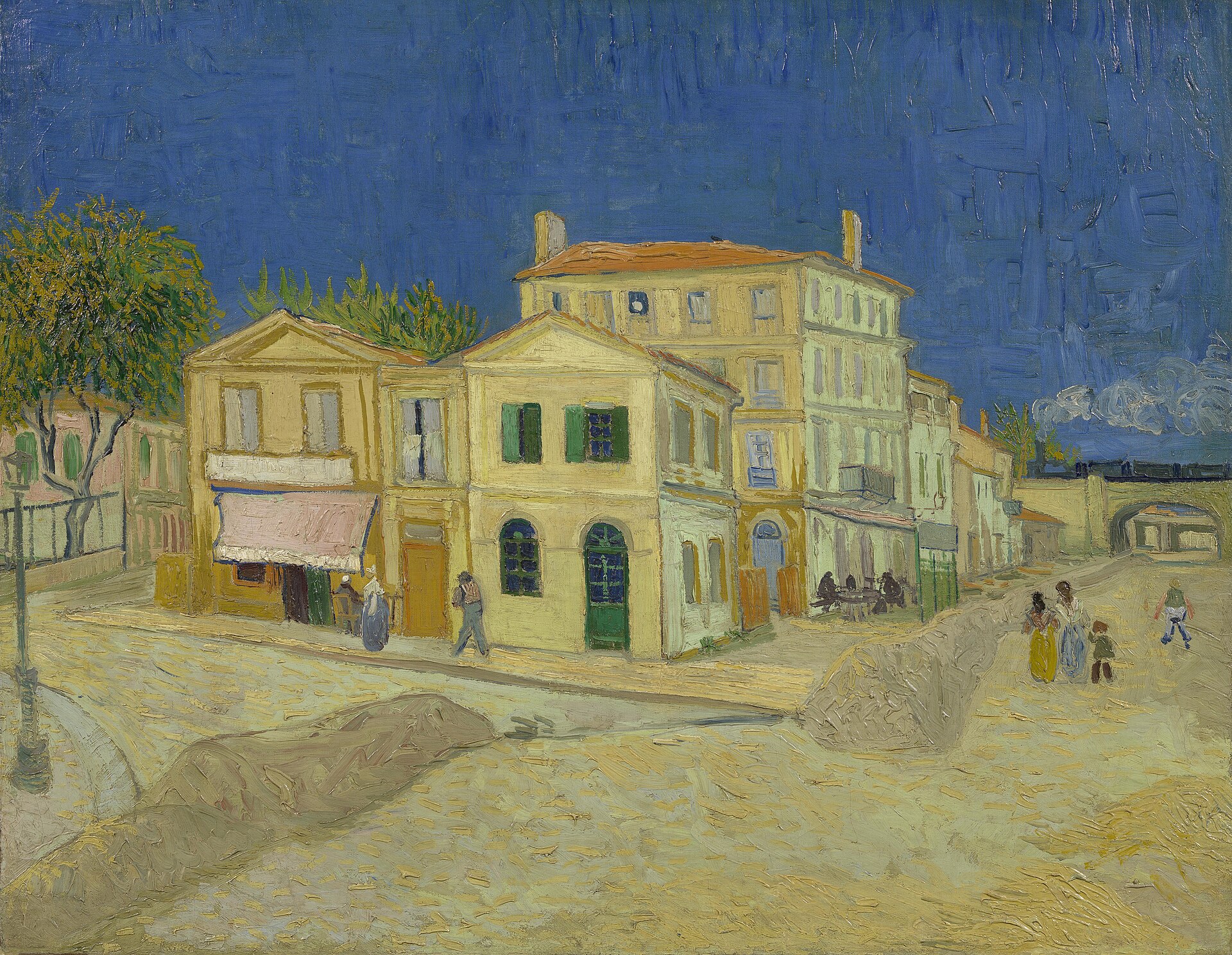
Wikimedia Commons · Public domain · file Van Gogh began sleeping in the Yellow House, the Arles studio-home he hoped would become the centre of an artists' community. The building was destroyed during the Second World War; coordinates identify its former site.
Treated at the Old Hospital in Arles
· Espace Van Gogh, former Old Hospital, Arles, Bouches-du-Rhône, France
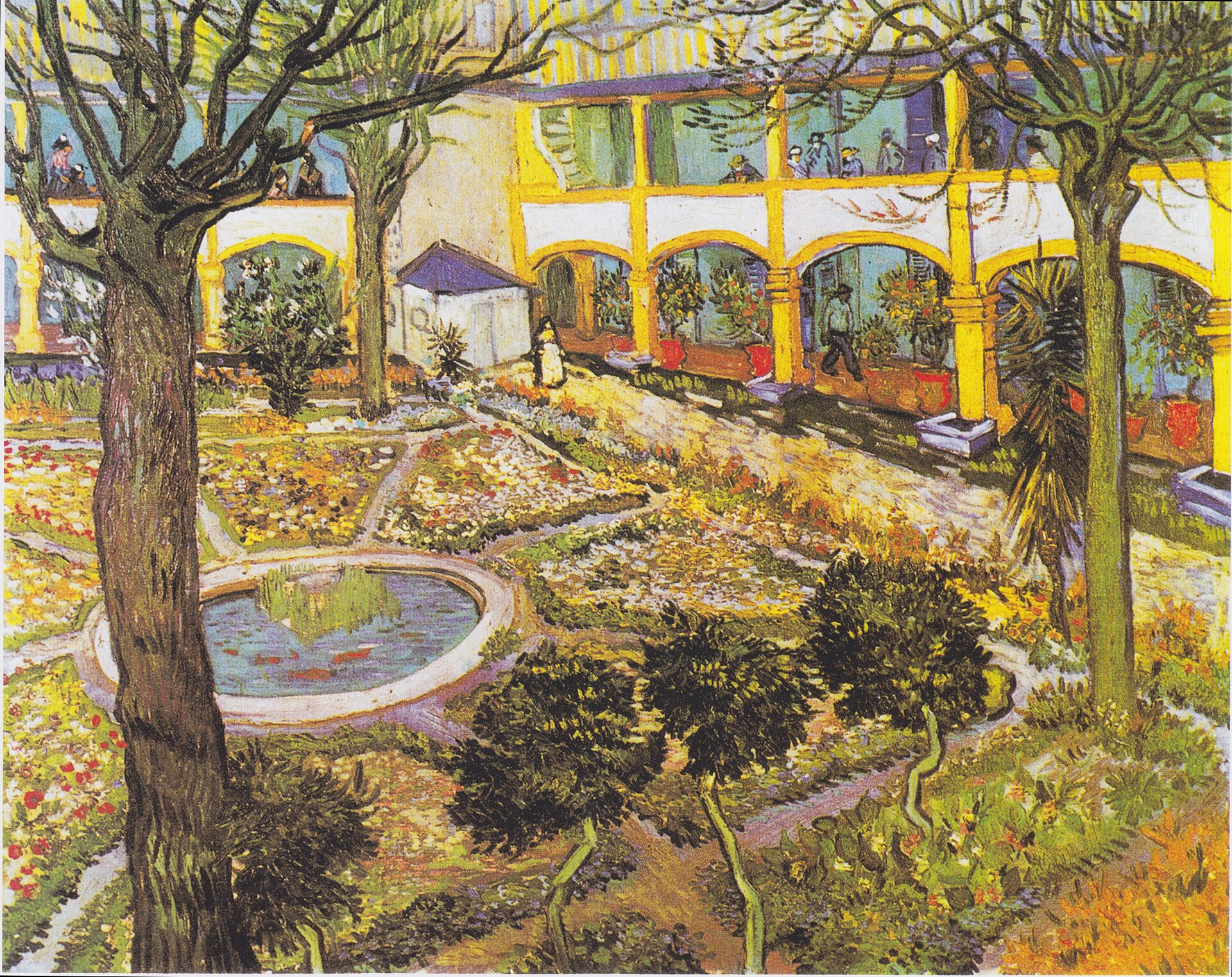
Wikimedia Commons · Public domain · file Following his ear injury and mental crisis, Van Gogh stayed at Arles's hospital in December 1888 and returned during January 1889. This card merges the closely related December and January hospital stays.
Documents life at Saint-Rémy
· Saint-Paul-de-Mausole, Saint-Rémy-de-Provence, Bouches-du-Rhône, France
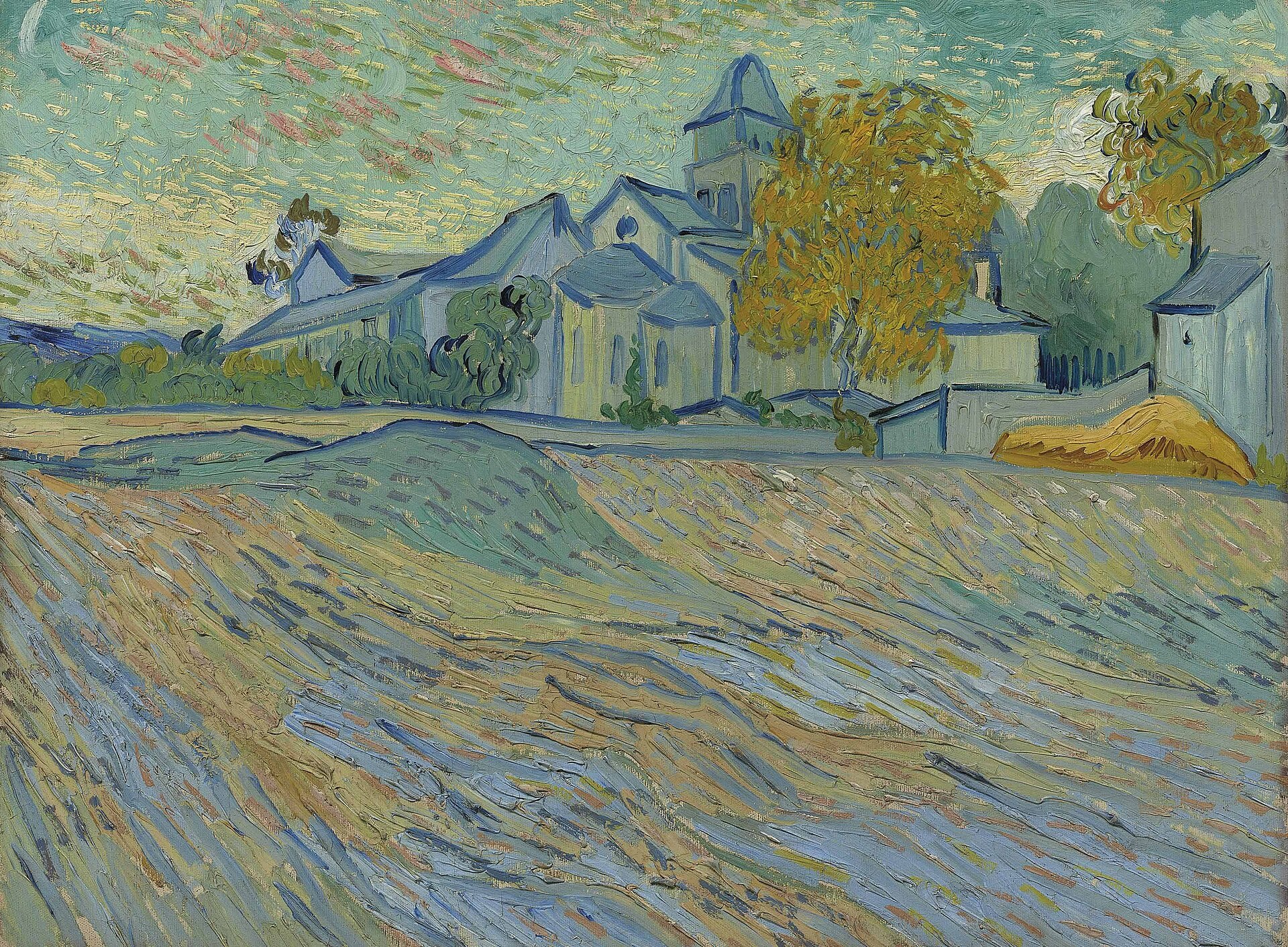
Wikimedia Commons · Public domain · file A letter written shortly after admission independently documents Van Gogh's physical presence in Saint-Rémy during the asylum period. The editorial date is approximate; this distinct card records correspondence from his new institutional residence.
Enters Saint-Paul asylum
· Saint-Paul-de-Mausole, Saint-Rémy-de-Provence, Bouches-du-Rhône, France
Van Gogh voluntarily became a patient at Saint-Paul-de-Mausole, using a second cell as a studio and painting the institution and surrounding landscape. Month precision follows the quoted residence range; other evidence dates admission to 8 May.
Arrives for final months in Auvers
· Auvers-sur-Oise, Val-d'Oise, France
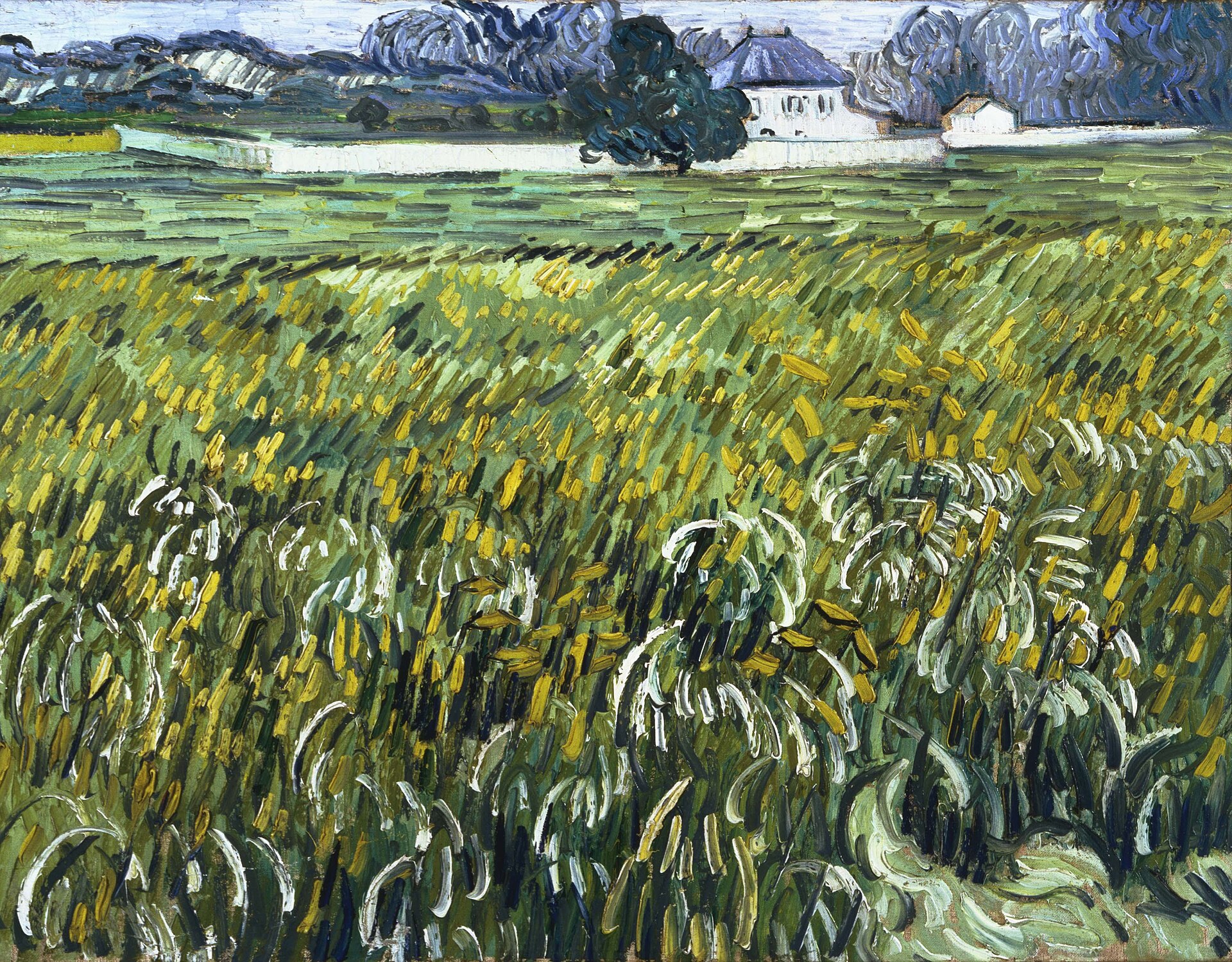
Wikimedia Commons · Public domain · file Van Gogh moved to Auvers-sur-Oise to work near Dr Paul Gachet and within reach of Theo in Paris, beginning an exceptionally productive final period. Settlement coordinates represent central Auvers-sur-Oise.
Lodges at Auberge Ravoux
· Auberge Ravoux, Auvers-sur-Oise, Val-d'Oise, France
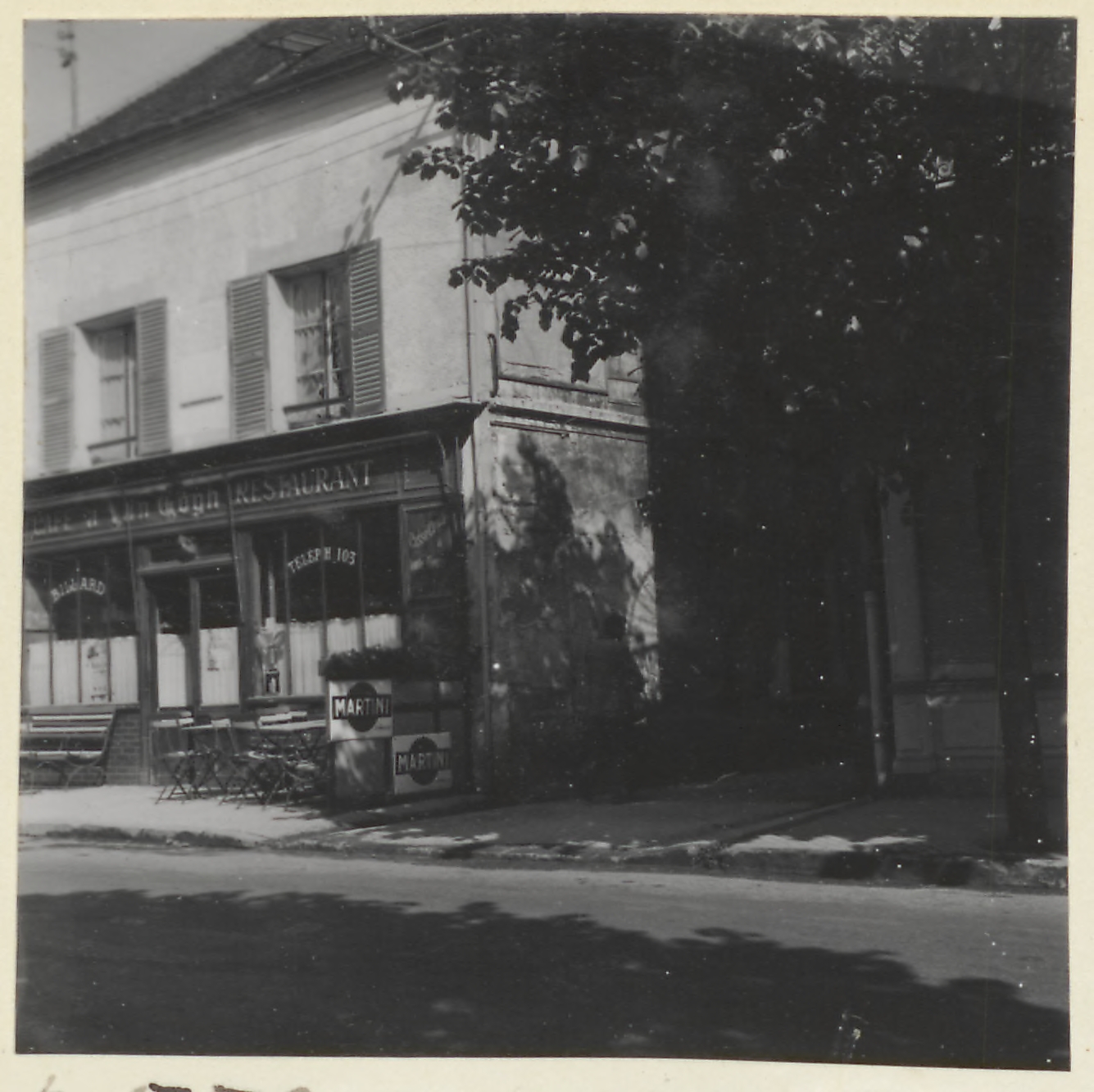
Wikimedia Commons · Public domain · file Throughout his final seventy days, Van Gogh occupied a small attic room at the Ravoux inn in the centre of Auvers-sur-Oise. Exact building coordinates are supplied by the cited article.
Works from Auvers-sur-Oise
· Auvers-sur-Oise, Val-d'Oise, France
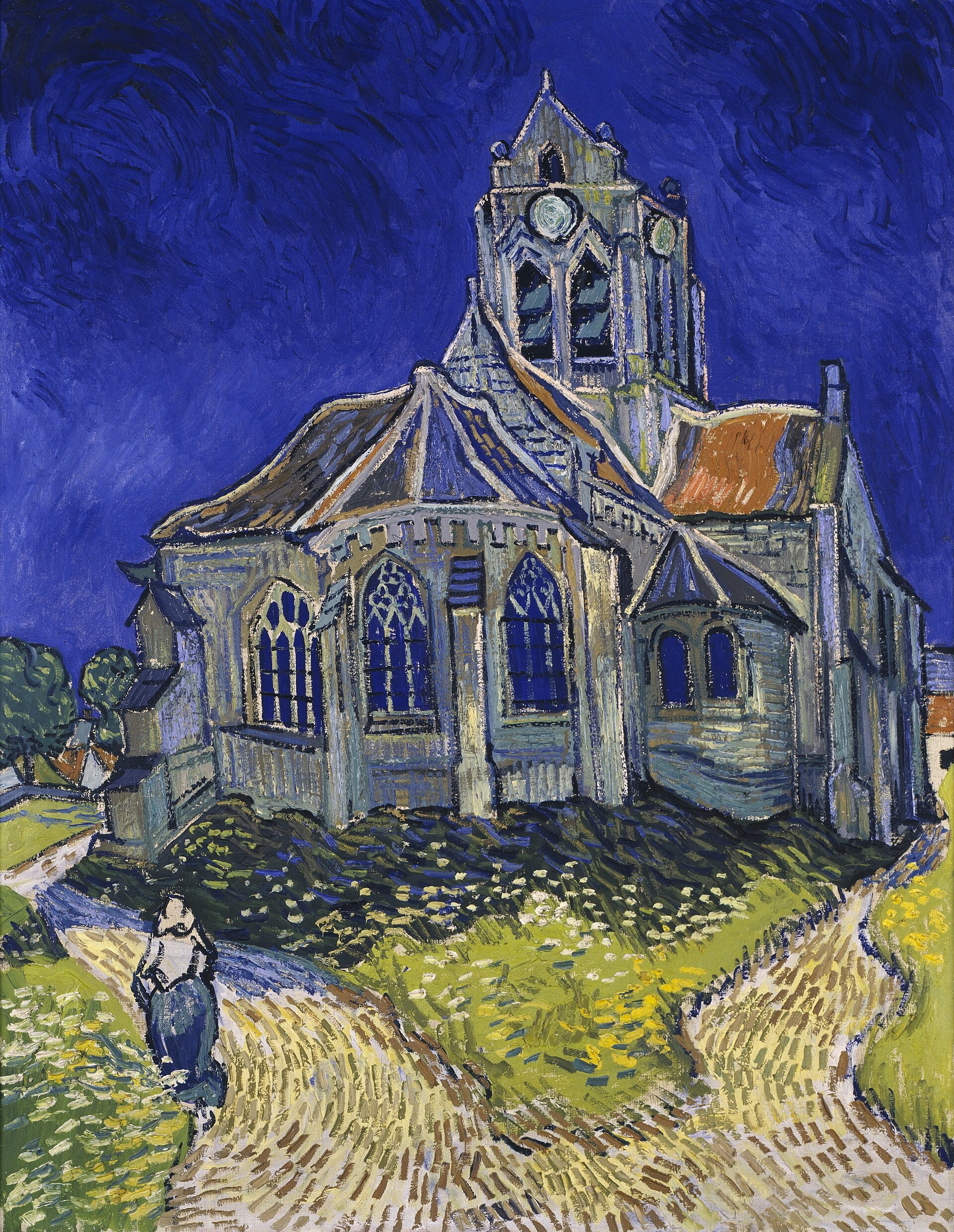
Wikimedia Commons · Public domain · file Van Gogh's correspondence documents him in Auvers while he painted its houses, gardens, portraits, church, and surrounding wheat fields.
Dies at Auberge Ravoux
· Auberge Ravoux, Auvers-sur-Oise, Val-d'Oise, France
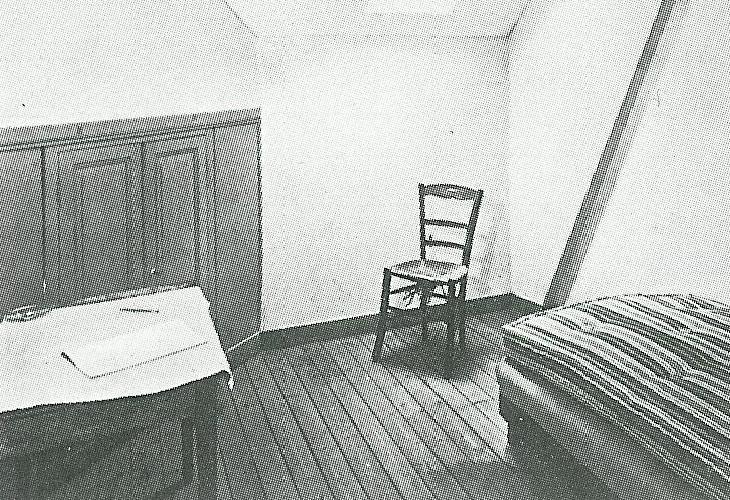
Wikimedia Commons · Public domain · file Two days after sustaining a gunshot wound in Auvers, Van Gogh died in his room at the Ravoux inn with Theo nearby. Exact time is commonly recorded as approximately 1:30 a.m.; the card uses the supported calendar date.