
39 moments
Born in Besançon
· Besançon, Doubs, France
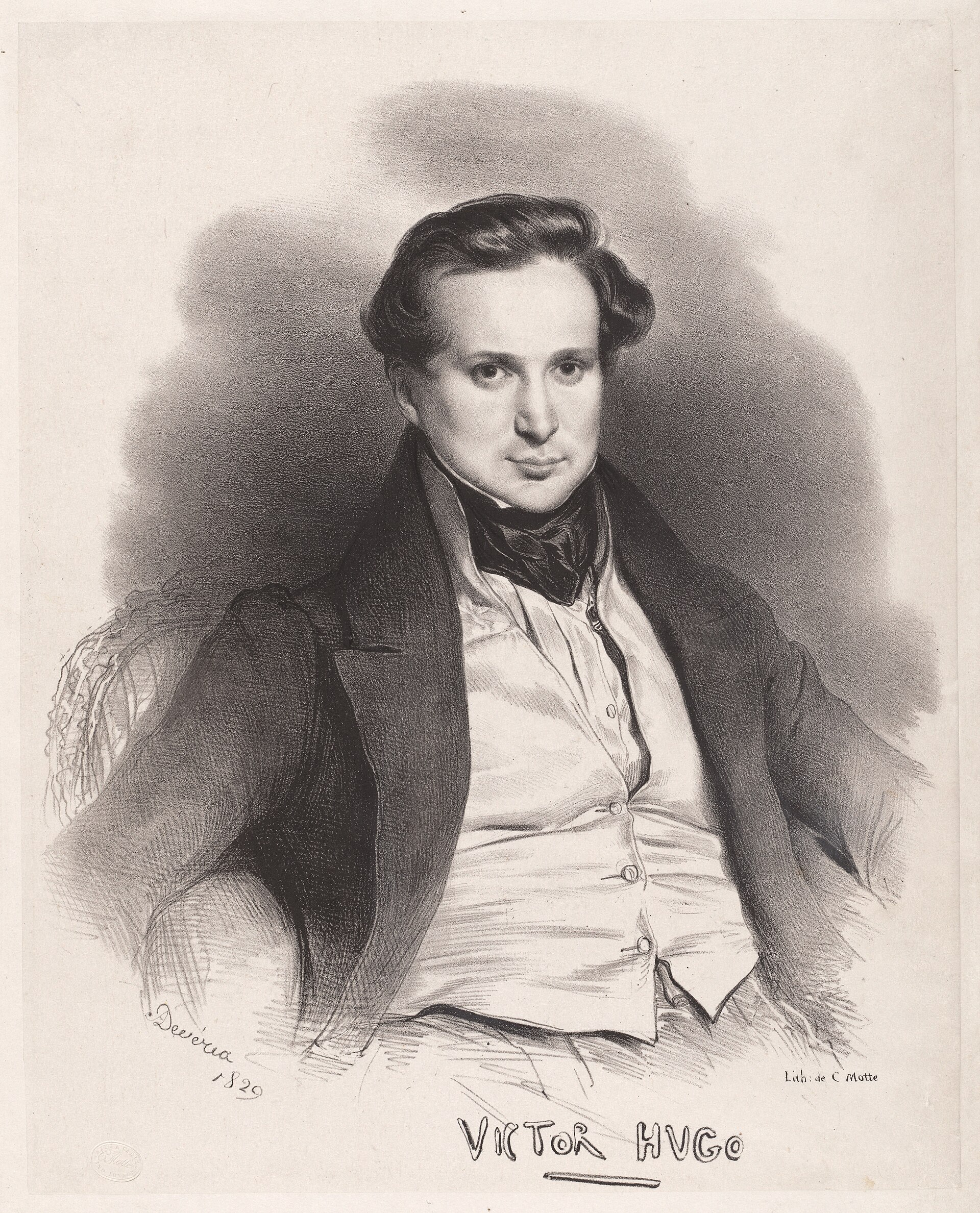
Wikimedia Commons · Public domain · file Victor-Marie Hugo was born in the eastern French garrison city where his father was stationed. Settlement coordinates; the cited evidence does not identify the exact birthplace.
Rejoins his father in Avellino
· Avellino, Campania, Italy
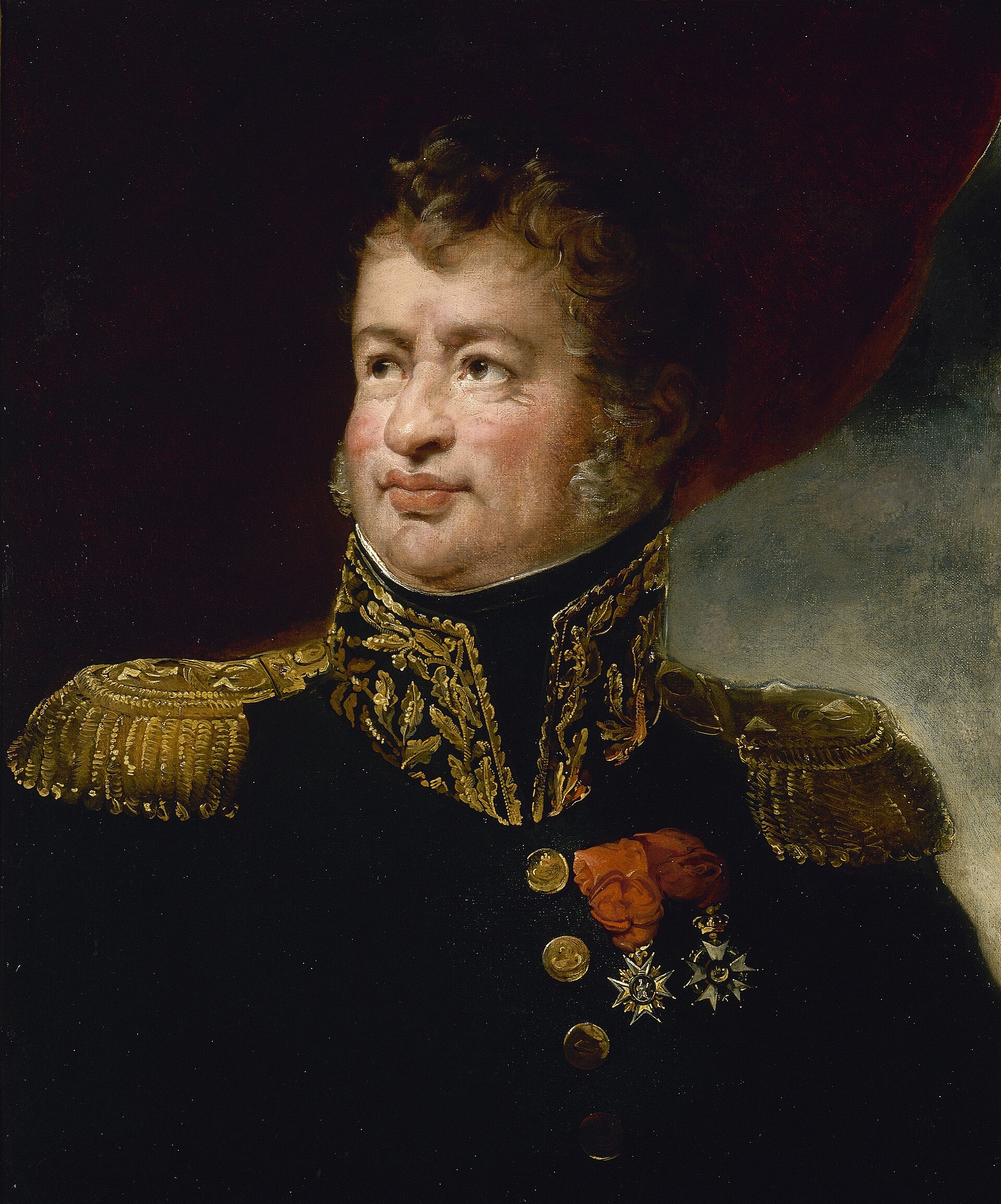
Wikimedia Commons · Public domain · file During his unsettled military-family childhood, Hugo accompanied his mother and brothers to rejoin his father in southern Italy. Settlement coordinates; sources differ on whether the Italian family journey should be assigned to late 1807 or summarized under 1808.
Studies in Madrid
· Escuelas Pías de San Antón, Madrid, Spain
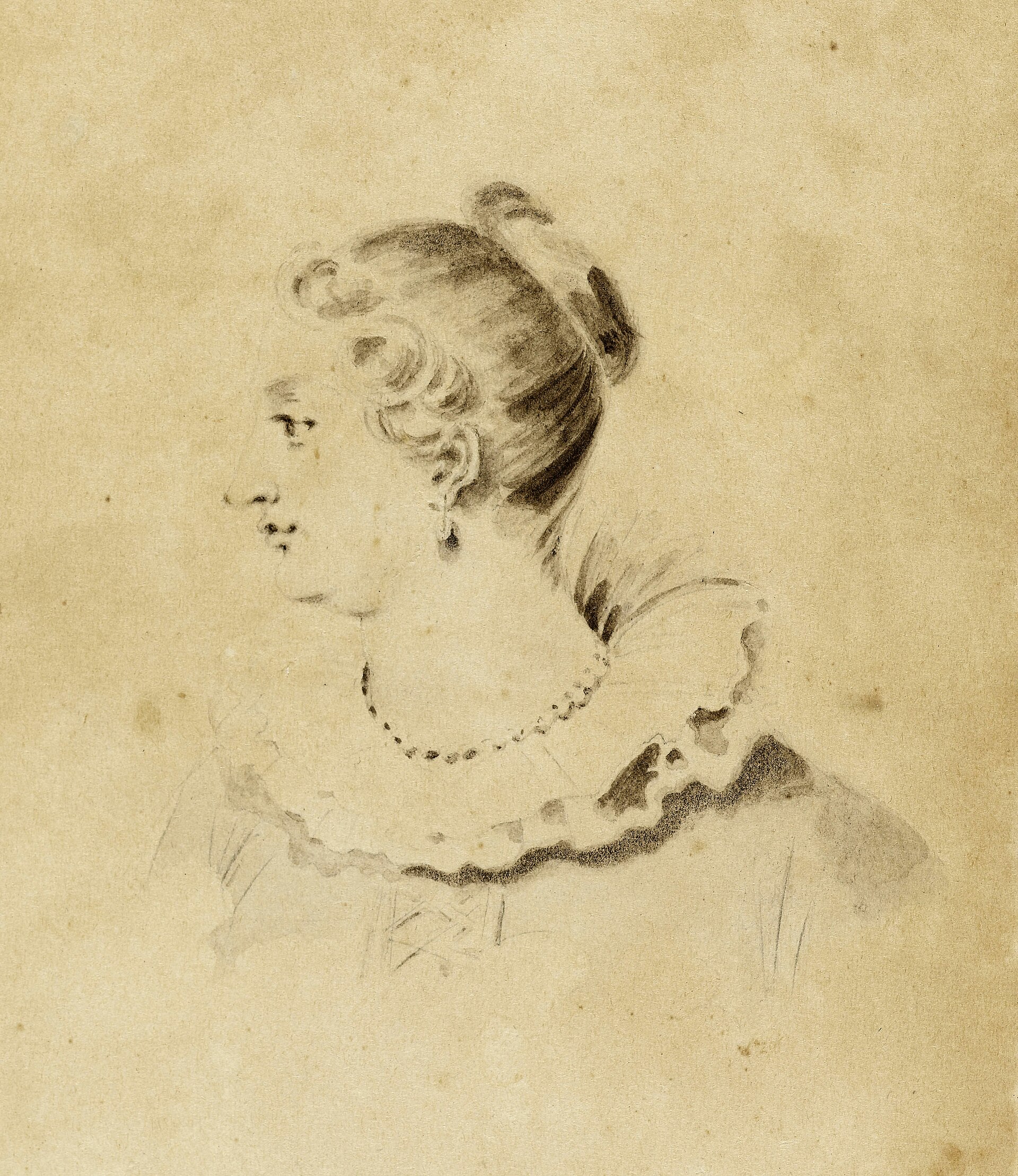
Wikimedia Commons · Public domain · file Hugo spent part of his childhood in Madrid while his father served Joseph Bonaparte's Spanish government. The coordinate represents the historic San Antón school complex associated with the college.
Attends Charles X's coronation
· Notre-Dame de Reims, Reims, France
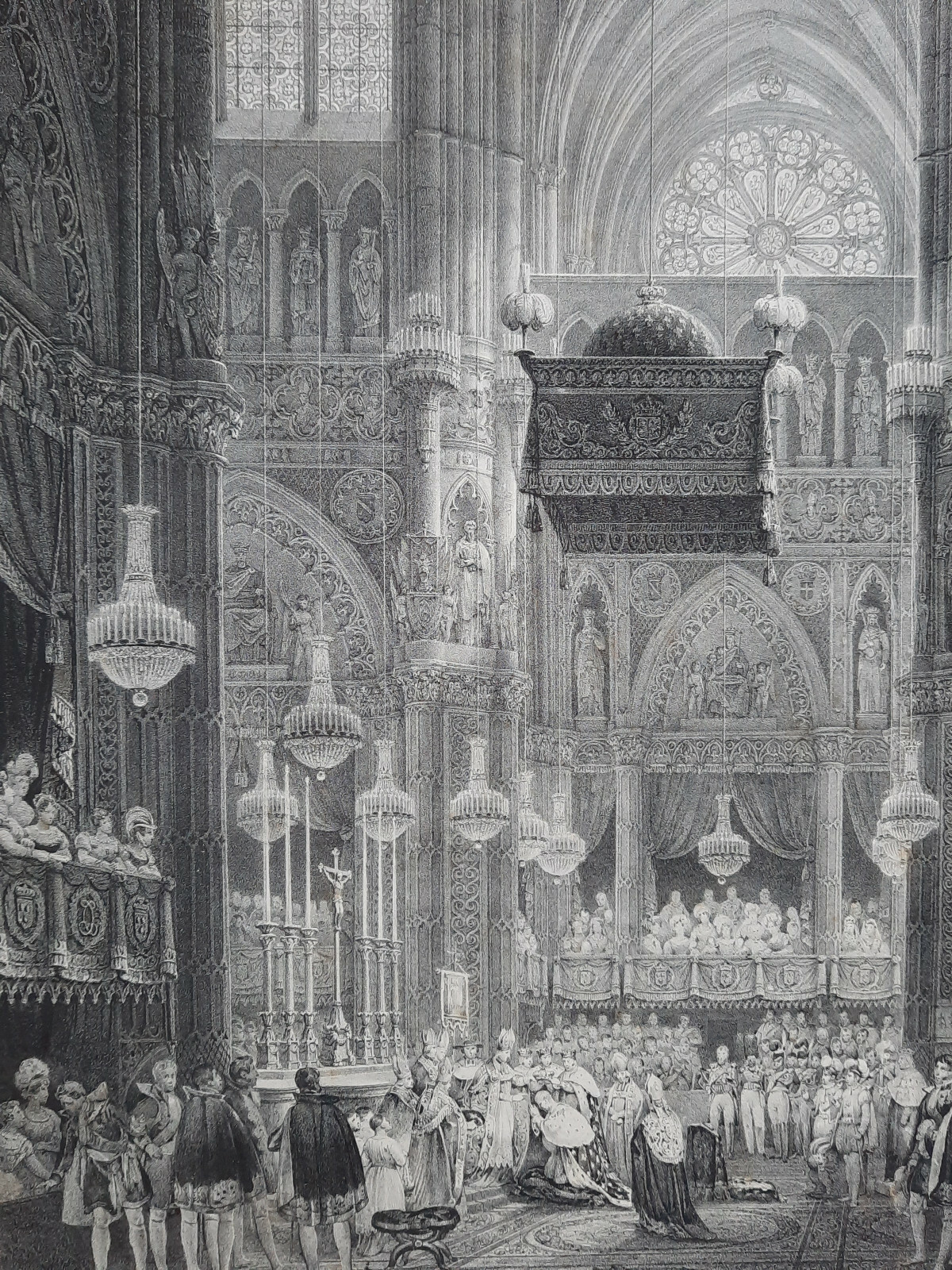
Wikimedia Commons · Public domain · file The young royalist poet attended the final coronation of a French monarch and commemorated it in verse.
Visits the Chamonix valley
· Chamonix-Mont-Blanc, Haute-Savoie, France
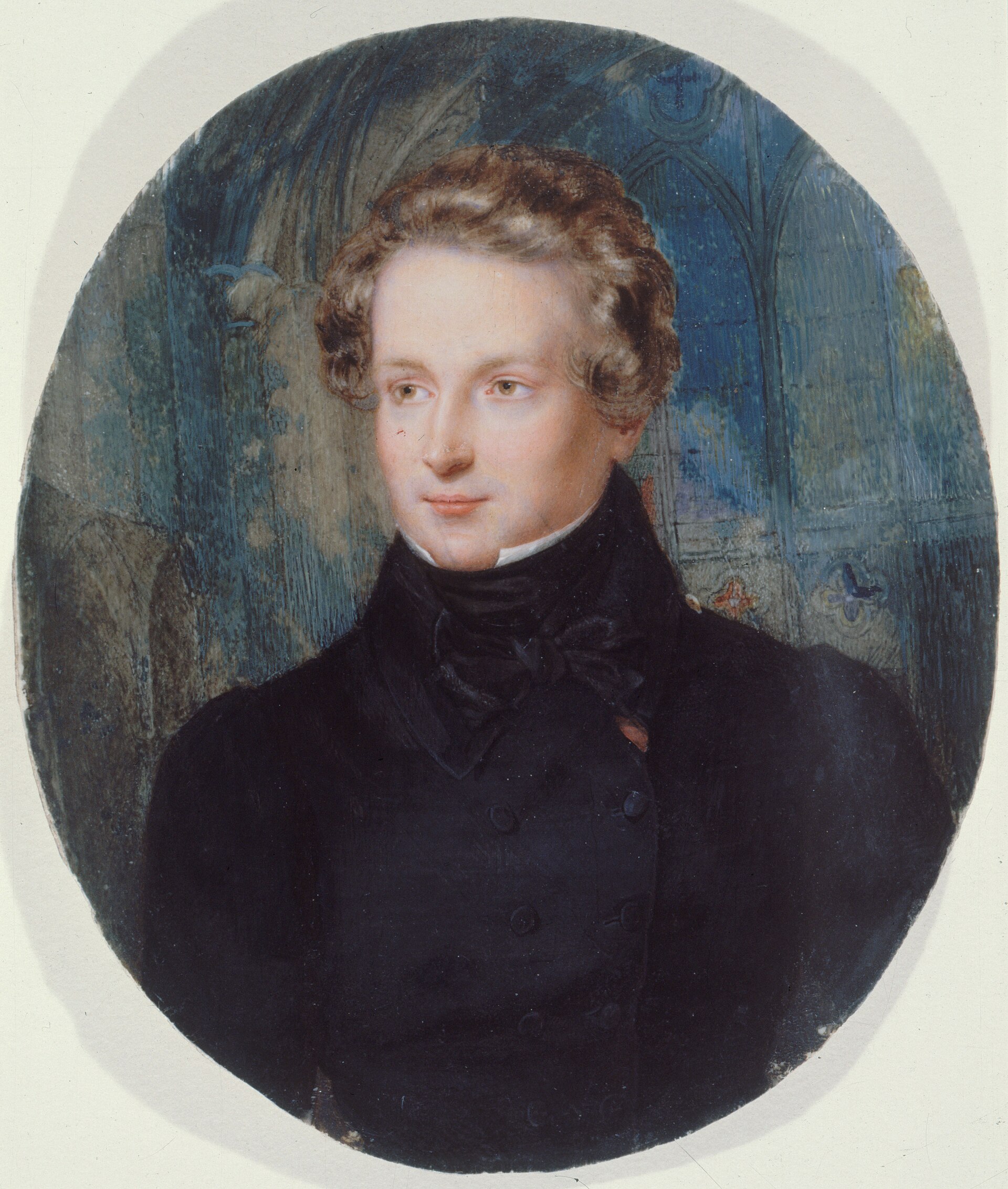
Wikimedia Commons · Public domain · file Hugo toured the Alps with the Nodier family, gathering material for an early travel narrative. The wider journey lasted from 2 August to 5 September; the source does not give Hugo's exact arrival day in Chamonix.
Hosts the Romantic Cénacle
· Rue Notre-Dame-des-Champs, Paris, France
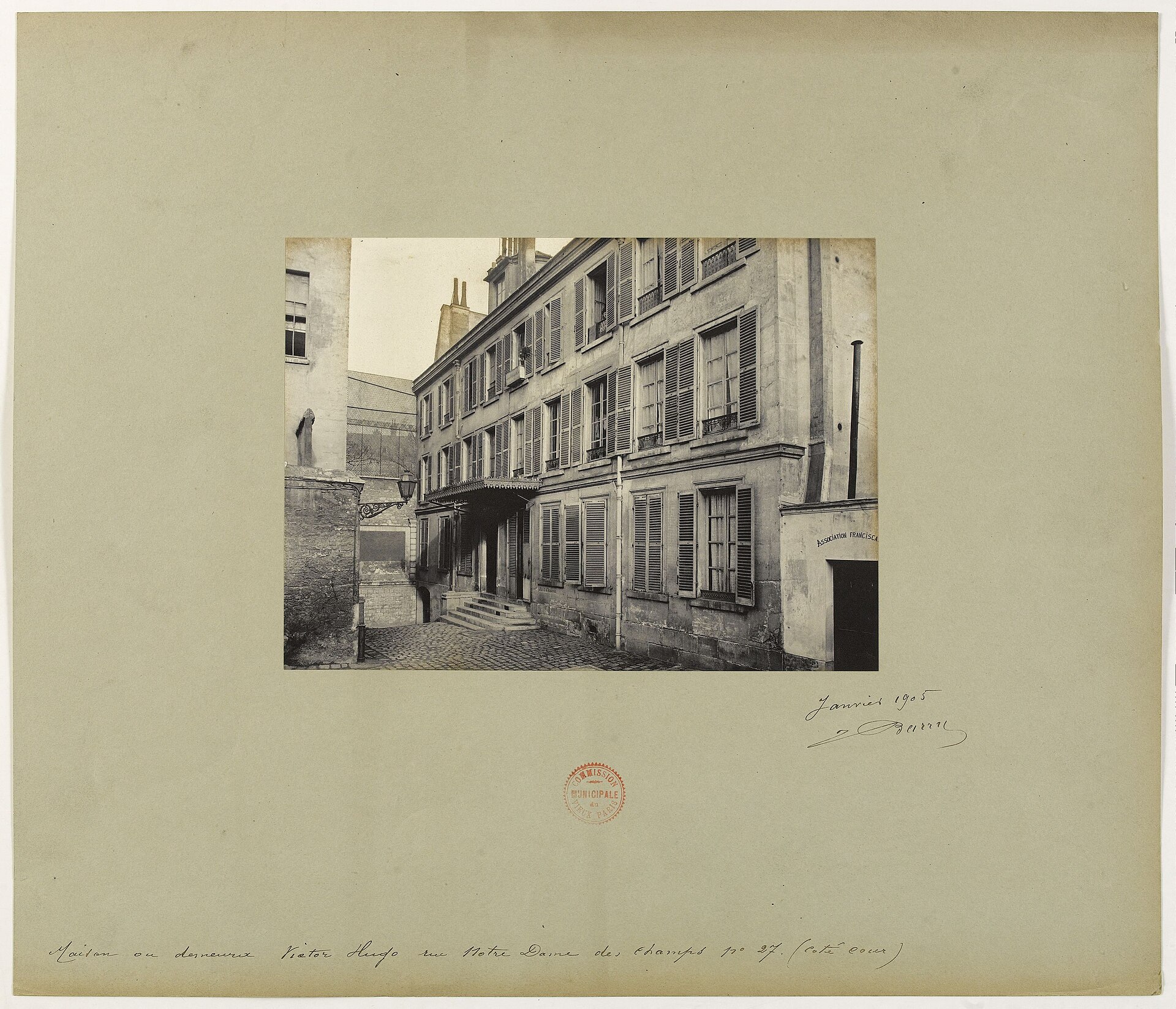
Wikimedia Commons · CC0 1.0 Universal Public Domain Dedication · file At his rue Notre-Dame-des-Champs home, Hugo received artists and writers associated with the emerging Romantic movement. Street-level representative coordinate; the quoted chronology does not provide a building number.
Moves to rue Jean-Goujon
· Rue Jean-Goujon, Paris, France
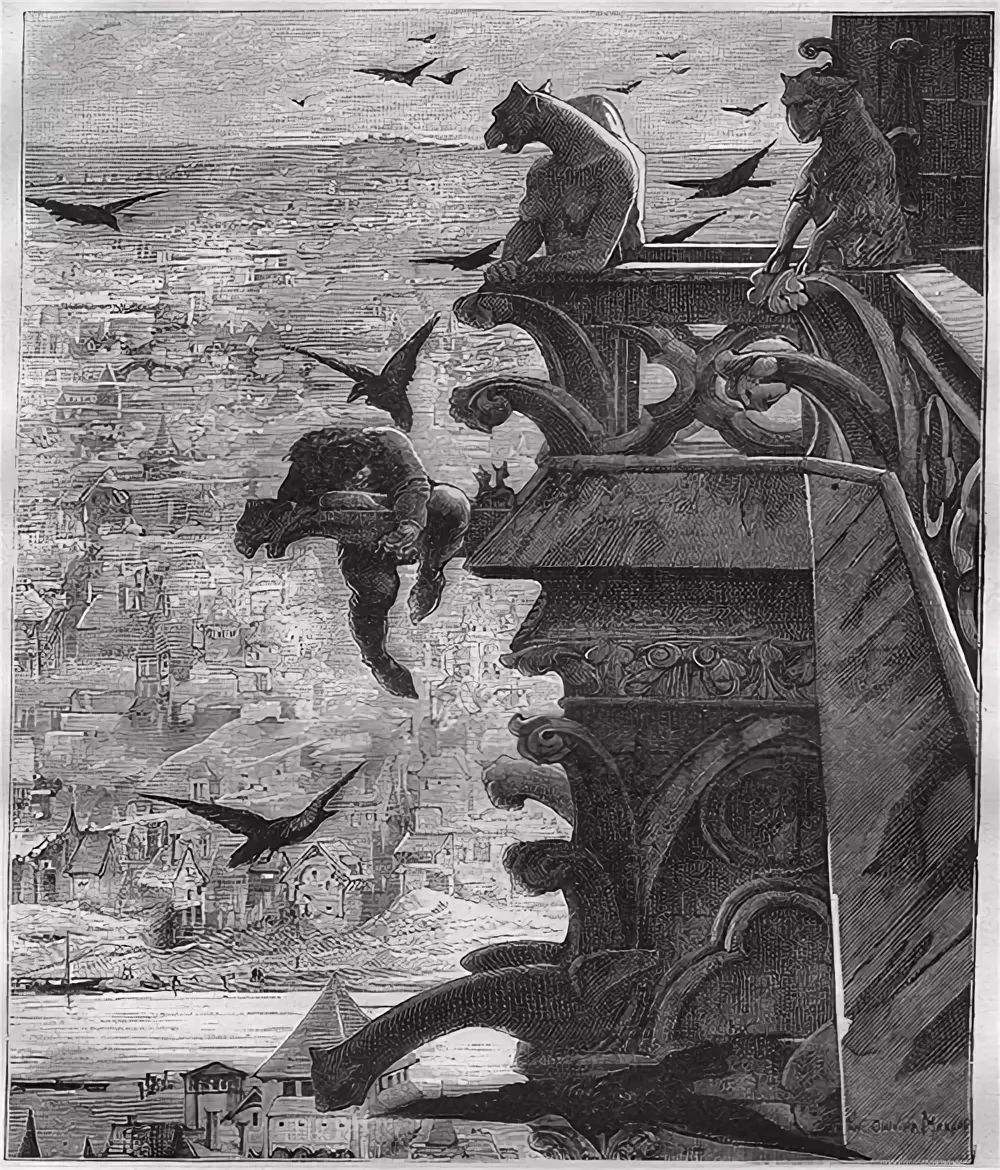
Wikimedia Commons · Public domain · file Hugo moved his household after his previous residence became overwhelmed by visitors following the success of Hernani. Street-level representative coordinate; the source does not specify the historical house number.
Settles at Place Royale
· Maison de Victor Hugo, 6 Place des Vosges, Paris, France
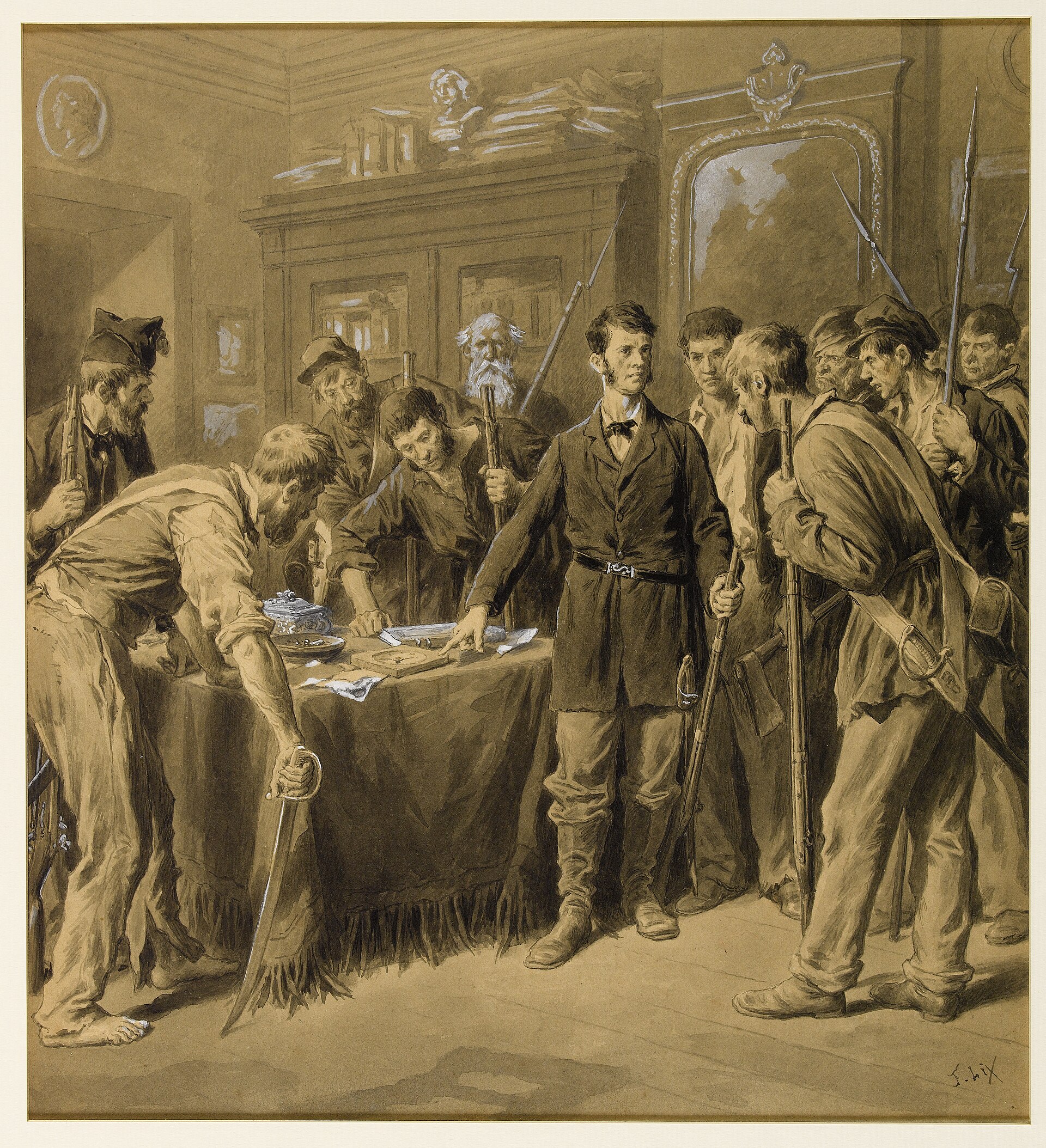
Wikimedia Commons · CC0 1.0 Universal Public Domain Dedication · file Hugo and his family moved into the apartment that became his principal home during his ascent as a major author and public figure. The square was then named Place Royale.
Reunites with Juliette in Brest
· Brest, Finistère, France
Wikimedia Commons · Public domain in the United States · file Hugo traveled into Brittany to rejoin Juliette Drouet, beginning an important shared journey through the region. Settlement coordinates.
Draws the cliffs of Étretat
· Porte d'Aval, Étretat, Seine-Maritime, France
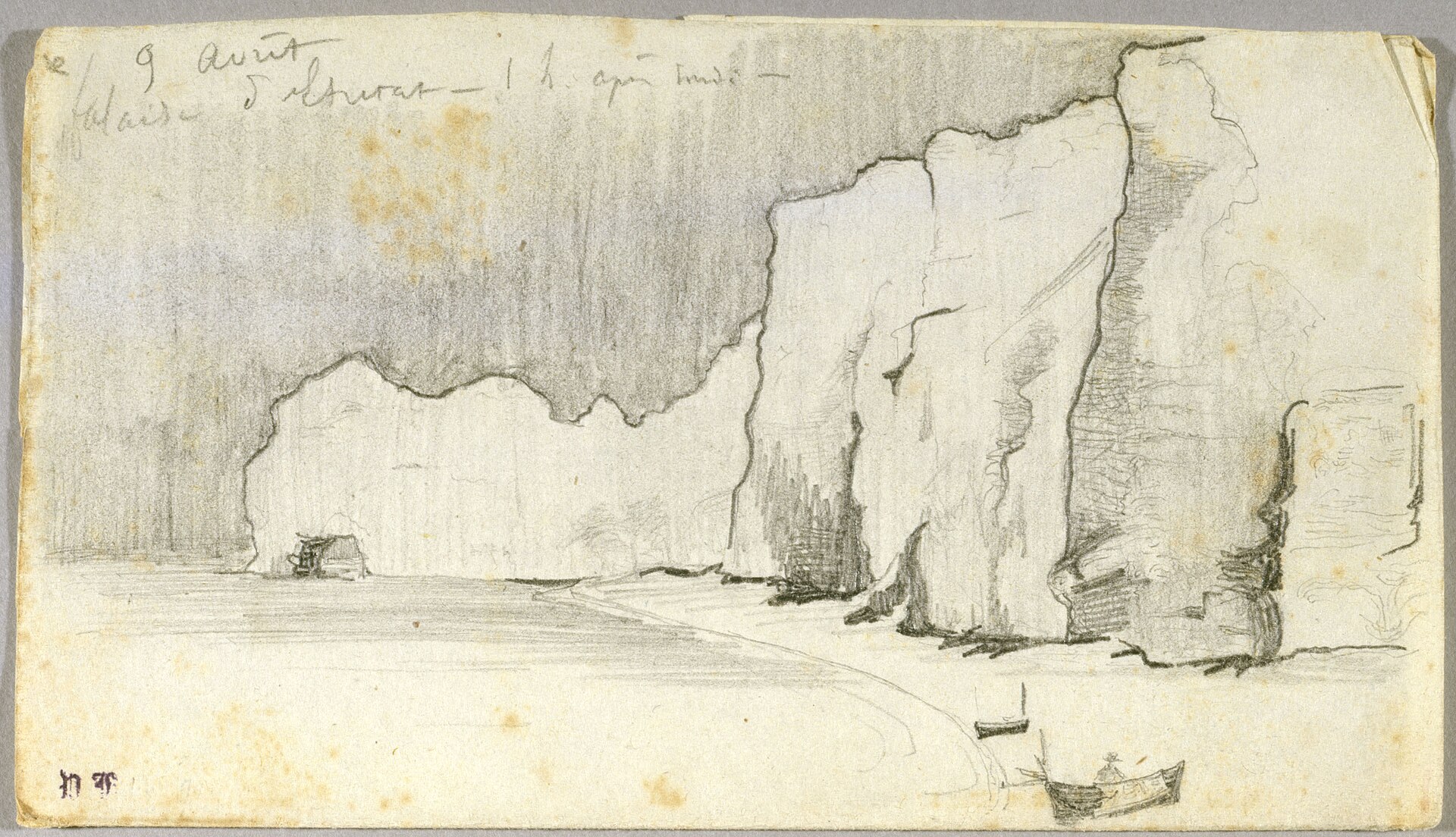
Wikimedia Commons · CC0 1.0 Universal Public Domain Dedication · file On his Normandy journey with Juliette Drouet, Hugo studied and drew Étretat's monumental coastal formations. Coordinate represents the Porte d'Aval cliffs depicted in his travel notebook.
Writes from Mont-Saint-Michel
· Mont-Saint-Michel, Manche, France
Hugo reached Mont-Saint-Michel during his extensive 1836 journey through western France and Normandy. Evidence is the dateline of Hugo's letter.
Travels through Belgium
· Brussels, Belgium
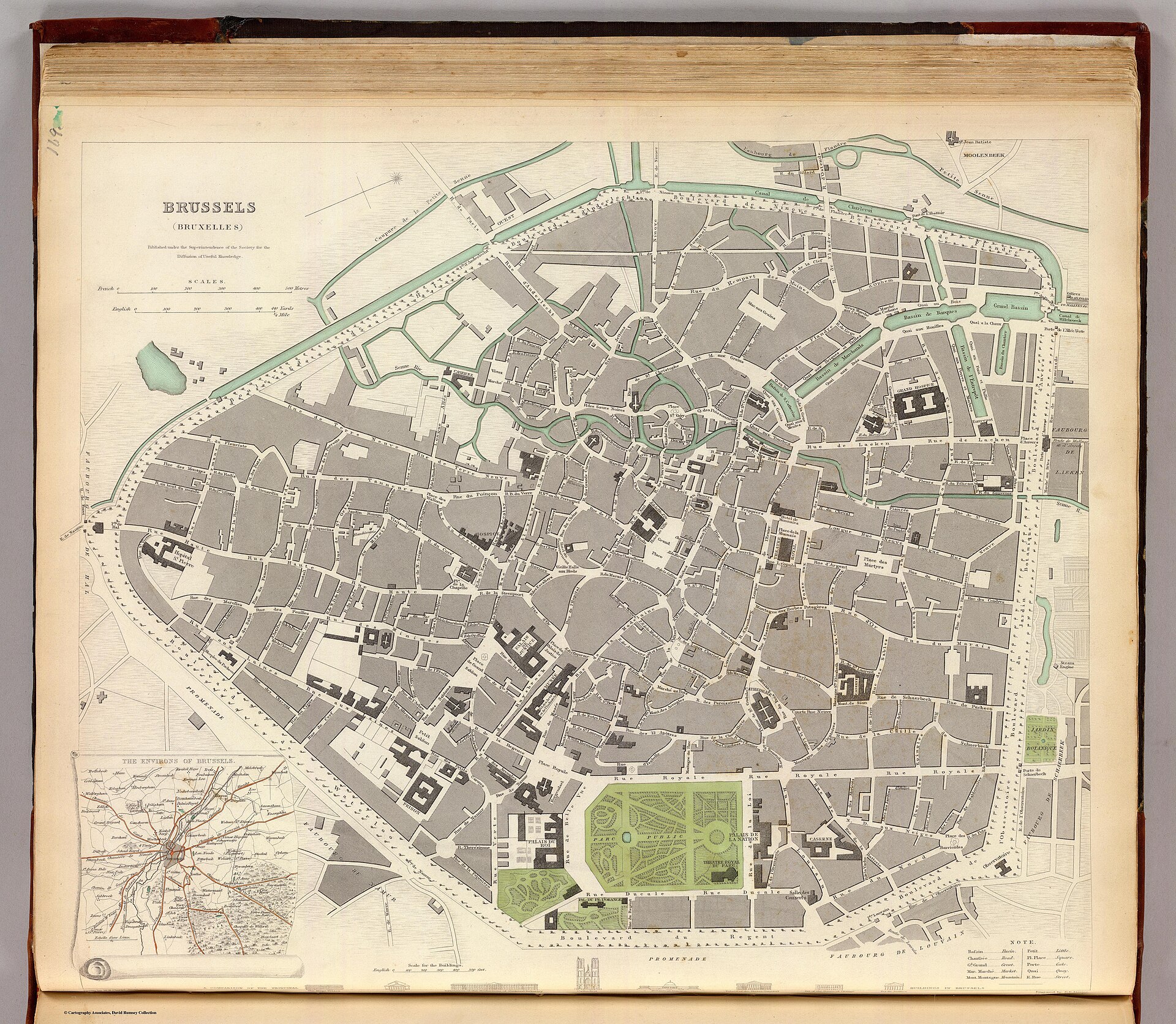
Wikimedia Commons · Public domain · file Hugo and Juliette Drouet spent a month traveling through Belgium and northern France; the journey broadened the geographical range of his travel writing. Brussels is used as a representative point for a documented multi-place Belgian journey.
Reaches Varennes on a Champagne excursion
· Varennes-en-Argonne, Meuse, France
Hugo and Drouet began the first of the journeys later associated with Le Rhin, although this initial excursion went no farther east than Champagne. The excursion ran from 18 to 28 August 1838; the exact day at Varennes is not supplied.
Inspects the Toulon penal colony
· Former Bagne de Toulon, Toulon, Var, France
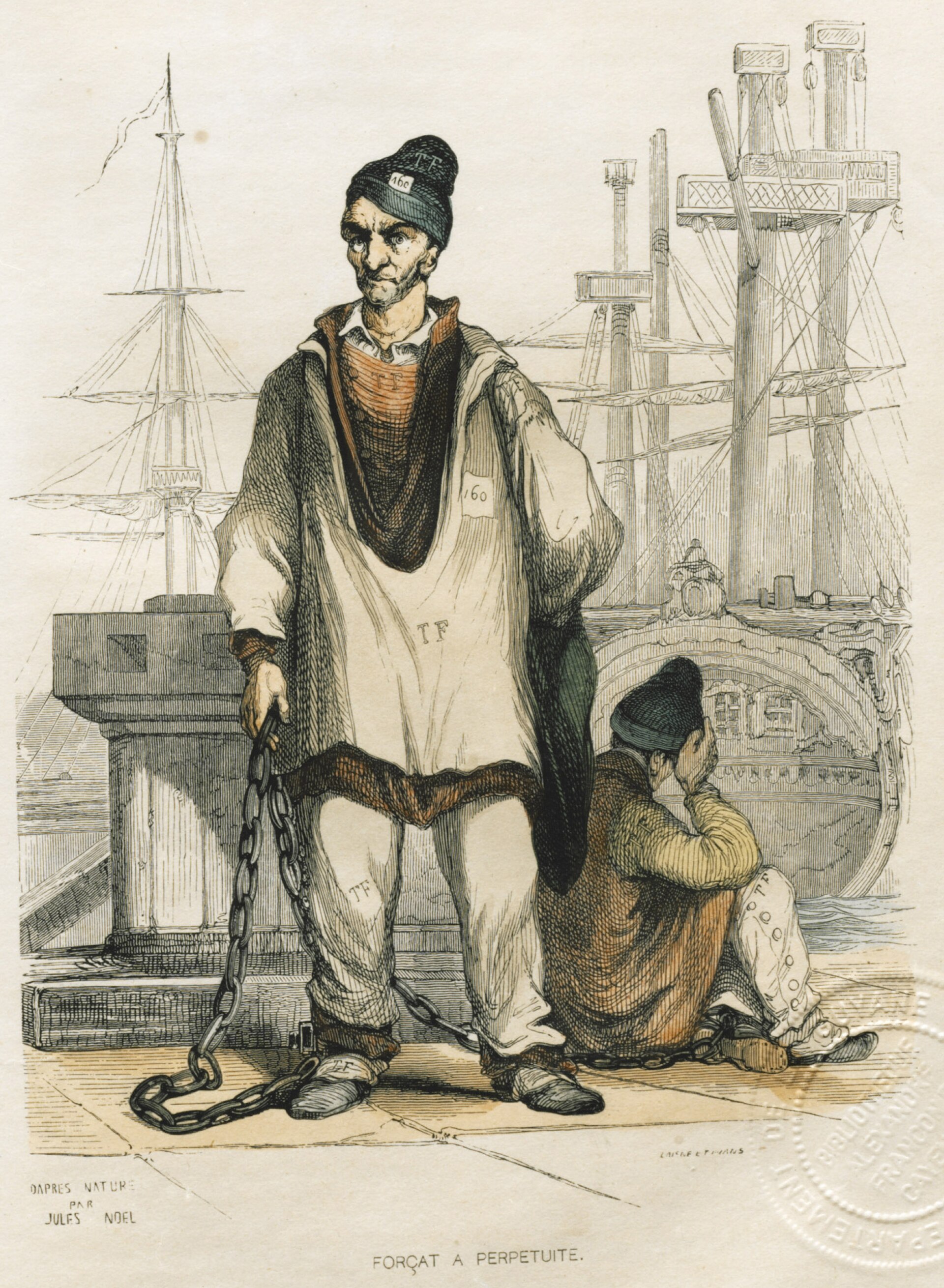
Wikimedia Commons · Public domain · file Hugo visited the Bagne of Toulon and took extensive notes that informed the penal-world background of Les Misérables. The prison complex no longer survives intact; the coordinate represents its historic harbor area.
Tours Alsace and the Rhineland
· Strasbourg, Alsace, France
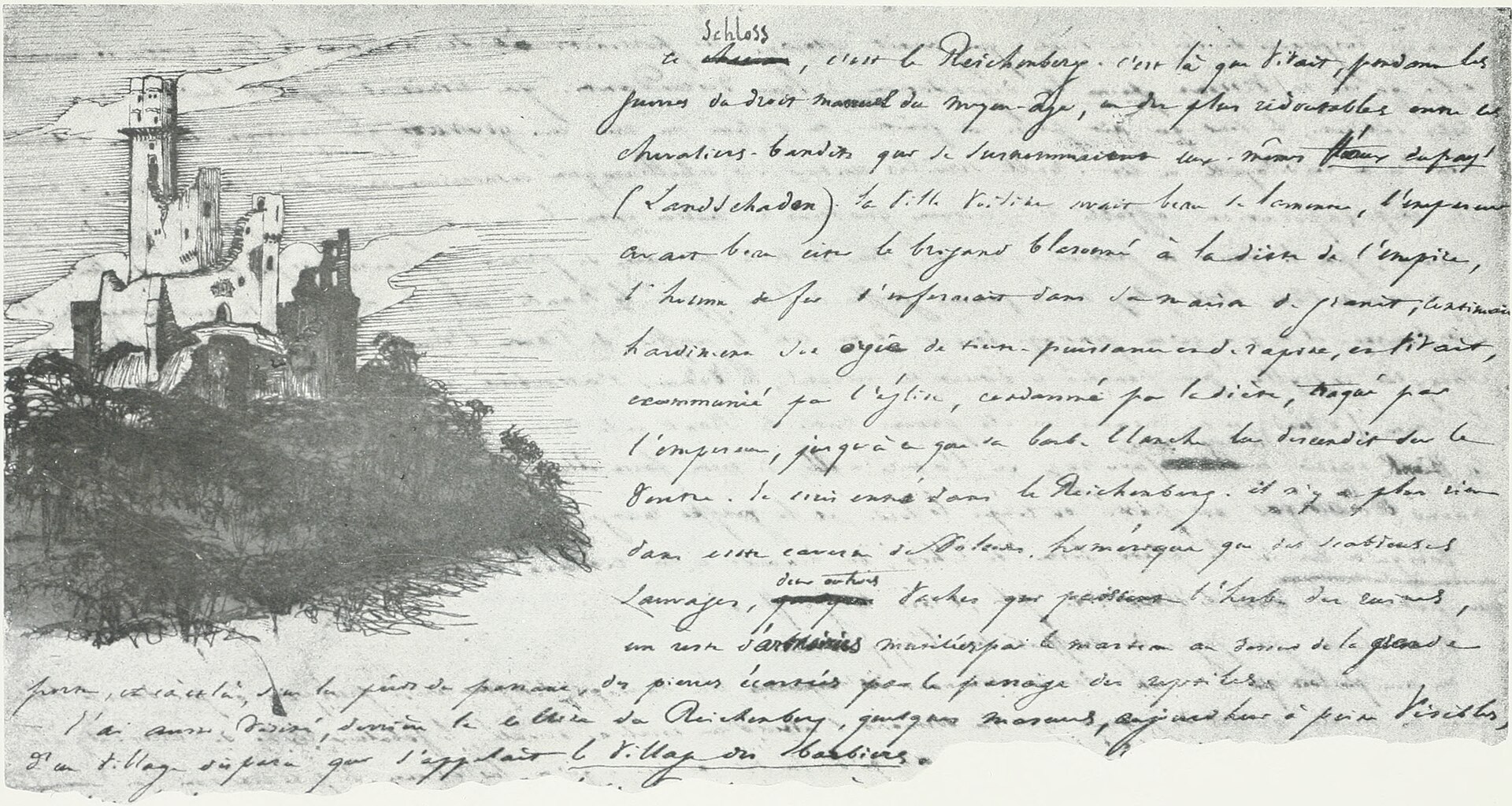
Wikimedia Commons · Public domain · file Hugo and Juliette Drouet undertook a long journey through eastern France and the Rhine region that contributed to his travel book Le Rhin. Strasbourg is a representative point within the explicitly documented Alsace itinerary.
Follows the Rhine to Heidelberg
· Heidelberg, Baden-Württemberg, Germany
Wikimedia Commons · Public domain · file Hugo's most extensive Rhine journey proceeded through Cologne, Mainz, Frankfurt, Heidelberg, and the Black Forest, supplying observations for Le Rhin. The journey lasted from 29 August to 1 November 1840; the exact Heidelberg date is not specified.
Learns of Léopoldine's death at Rochefort
· Former Café de l'Europe, Place Colbert, Rochefort, Charente-Maritime, France
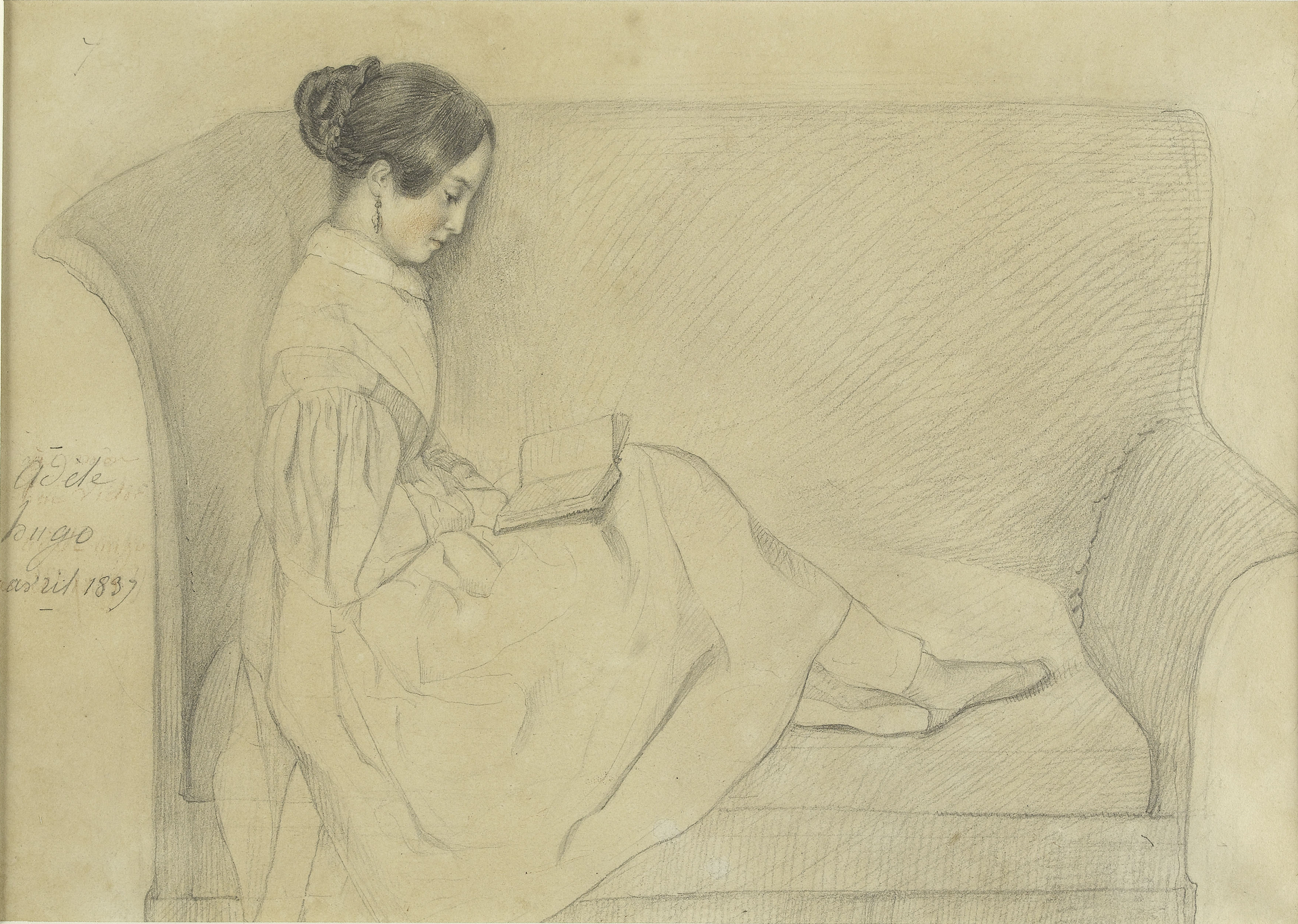
Wikimedia Commons · Public domain · file Returning from Spain with Juliette Drouet, Hugo read the newspaper report announcing the drowning of his daughter Léopoldine and her husband. The event is commonly dated 9 September 1843; this source establishes the month and location but does not state the day.
Chairs the Paris Peace Congress
· Paris, France
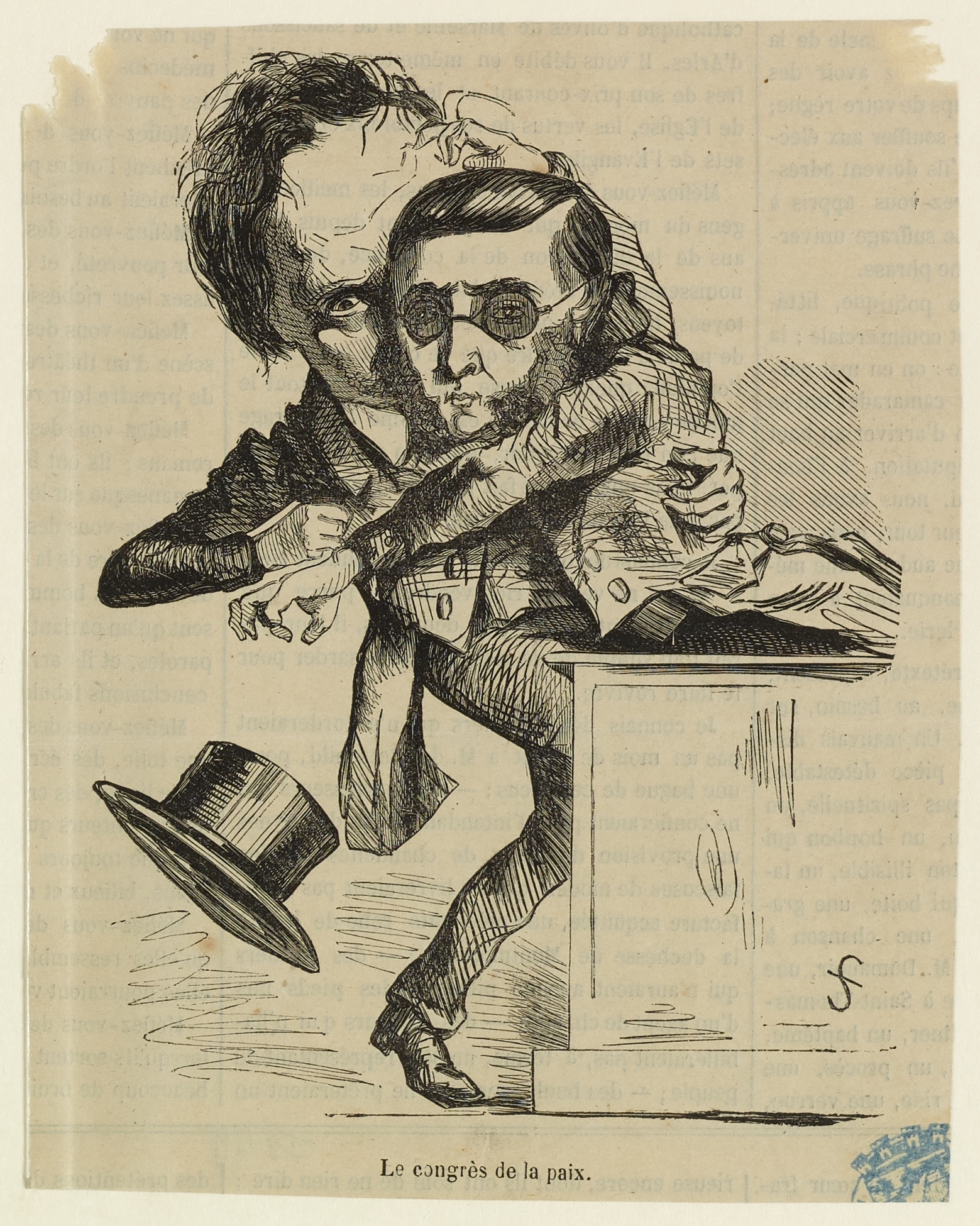
Wikimedia Commons · CC0 1.0 Universal Public Domain Dedication · file Hugo presided over the international Peace Congress, a major expression of his developing internationalist politics. The cited chronology identifies Paris but not the venue.
Flees into exile in Brussels
· Brussels, Belgium
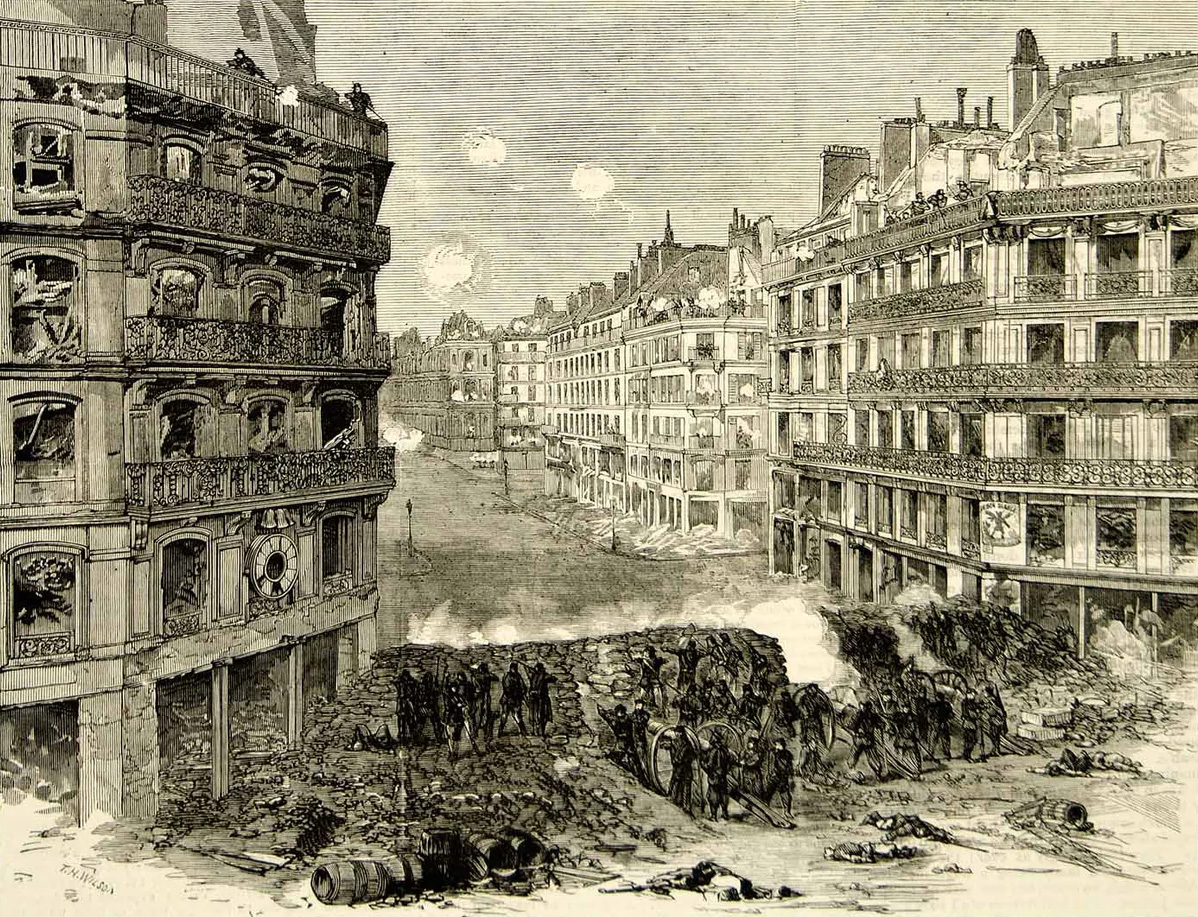
Wikimedia Commons · Public domain · file Threatened with arrest after resisting Louis-Napoléon Bonaparte's coup, Hugo crossed into Belgium under a false identity, beginning nineteen years of exile. Sources variously date his departure or arrival to 11 or 12 December; month precision avoids the conflict.
Lives at Marine Terrace
· Marine Terrace area, Saint Clement, Jersey
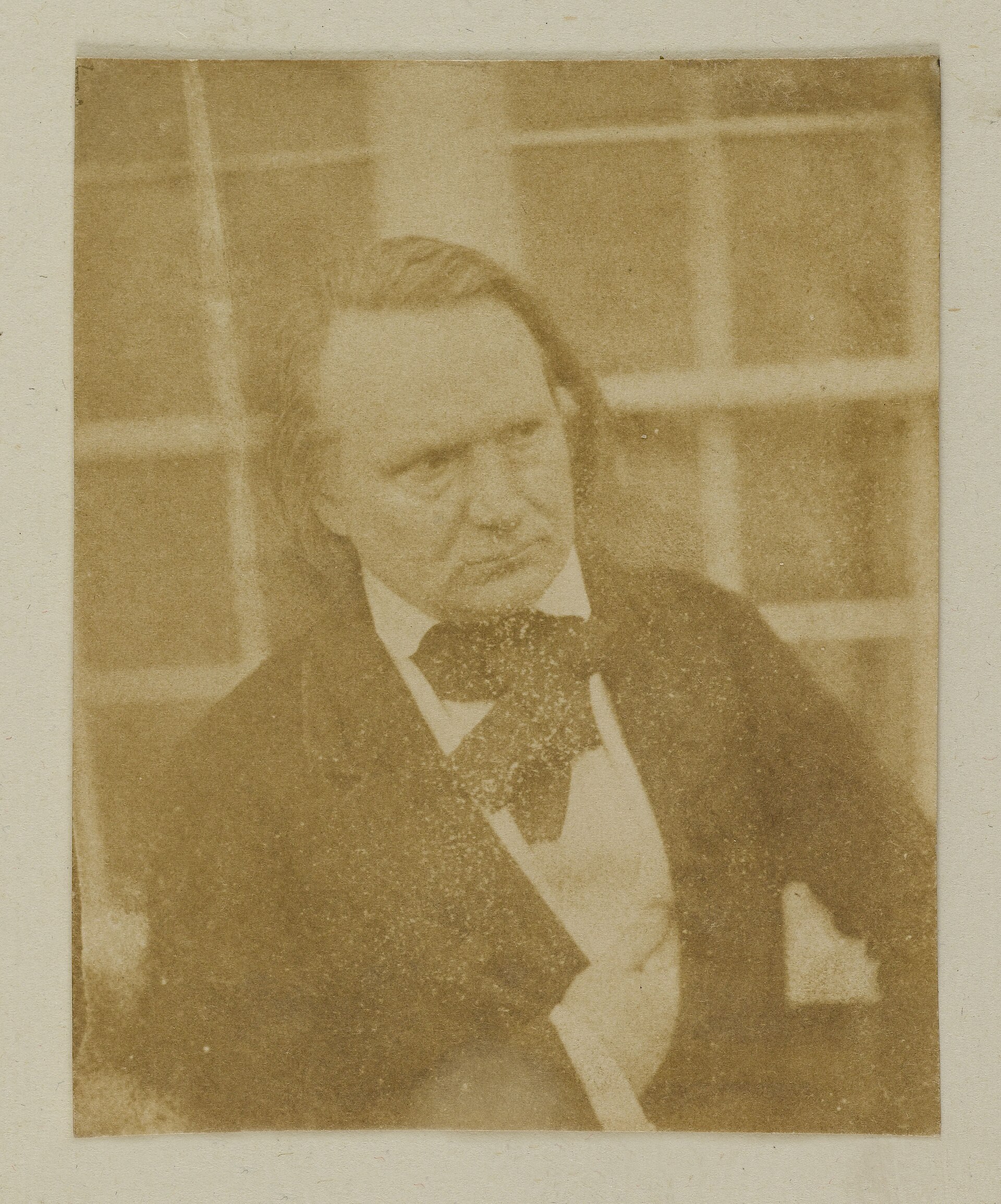
Wikimedia Commons · CC0 1.0 Universal Public Domain Dedication · file Hugo established his Jersey household at Marine Terrace, where exile, political writing, photography, and spiritualist séances became central to family life. Approximate coordinate for the historic Marine Terrace area.
Lives at the Maison du Pigeon
· Maison du Pigeon, Grand-Place, Brussels, Belgium
During the Belgian phase of his exile, Hugo lived in the historic Maison du Pigeon on Brussels' Grand-Place.
Arrives in Jersey
· Saint Helier, Jersey
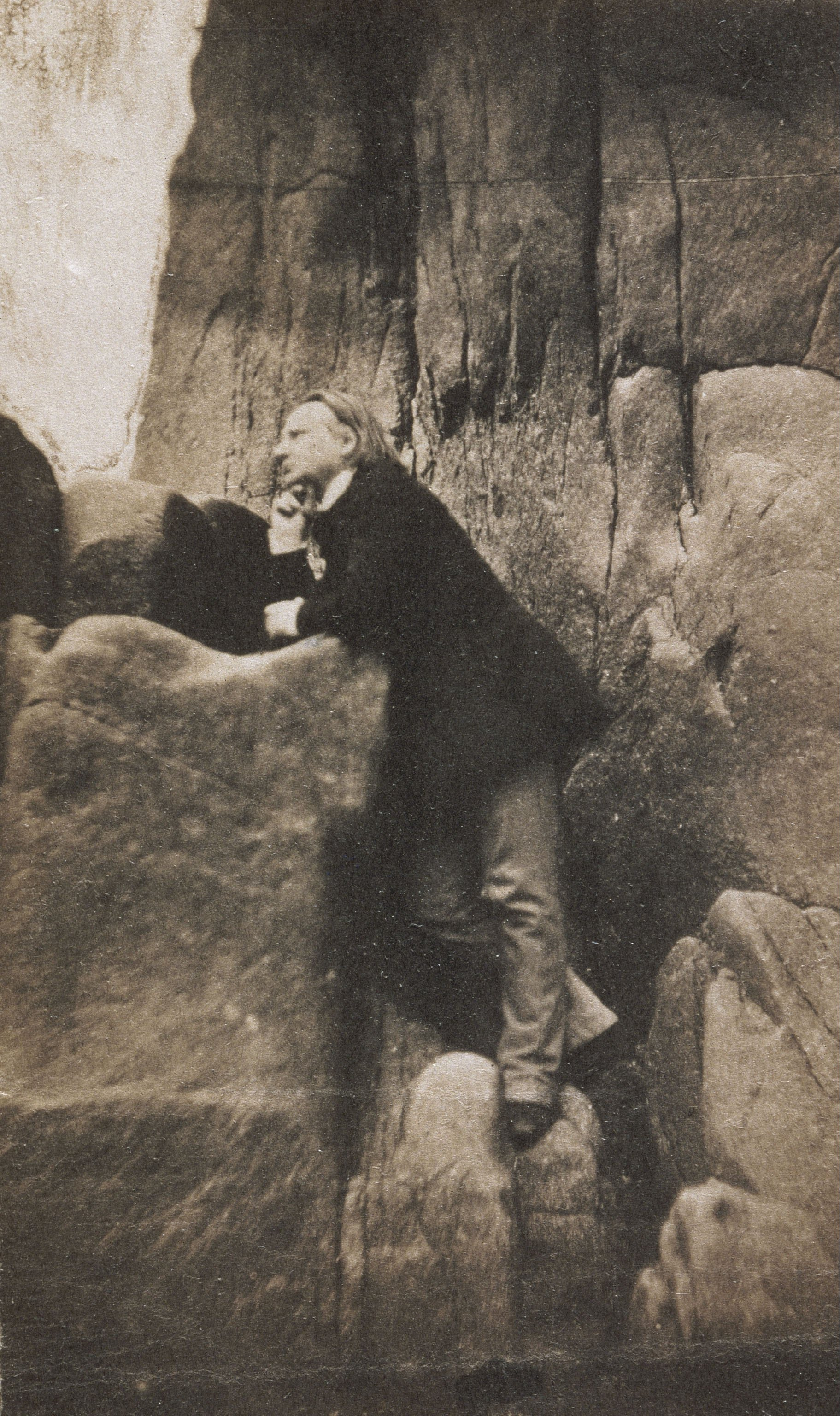
Wikimedia Commons · Public domain · file After Belgian pressure forced him onward, Hugo reached Jersey and joined the community of French political exiles. Settlement coordinate represents his port of arrival.
Leaves Jersey for Guernsey
· Saint Peter Port, Guernsey
Expelled after supporting fellow proscribed republicans, Hugo left Jersey and transferred his exile to Guernsey. Settlement coordinate represents his Guernsey arrival and initial establishment.
Establishes Hauteville House
· Hauteville House, Saint Peter Port, Guernsey
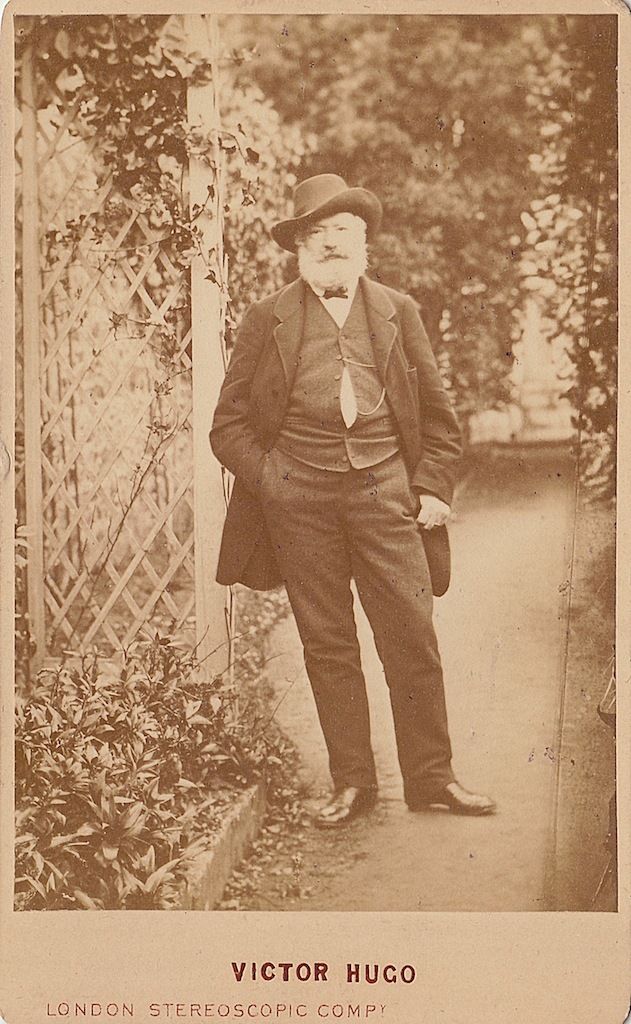
Wikimedia Commons · Public domain · file Hugo made Hauteville House his enduring exile residence, creative workshop, and architectural self-portrait.
Returns to Brussels for Les Misérables
· Brussels, Belgium
Hugo visited Brussels for events surrounding the publication of Les Misérables and met photographer Nadar there. The source does not identify the banquet venue.
Tours Clervaux
· Clervaux, Luxembourg
Wikimedia Commons · Public domain · file On his first post-Jersey continental tourist journey, Hugo crossed Luxembourg before continuing toward Germany. Settlement coordinates; exact day not supplied.
Visits Luxembourg City
· Luxembourg City, Luxembourg
Hugo again crossed the Grand Duchy during his annual continental journey, passing through Mersch, Larochette, and the capital. Exact day not supplied.
Returns to Vianden
· Vianden, Luxembourg
Returning from Germany, Hugo revisited eastern and northern Luxembourg, including Vianden and an excursion toward Bourscheid. Exact day not supplied.
Returns triumphantly to Paris
· Gare du Nord, Paris, France
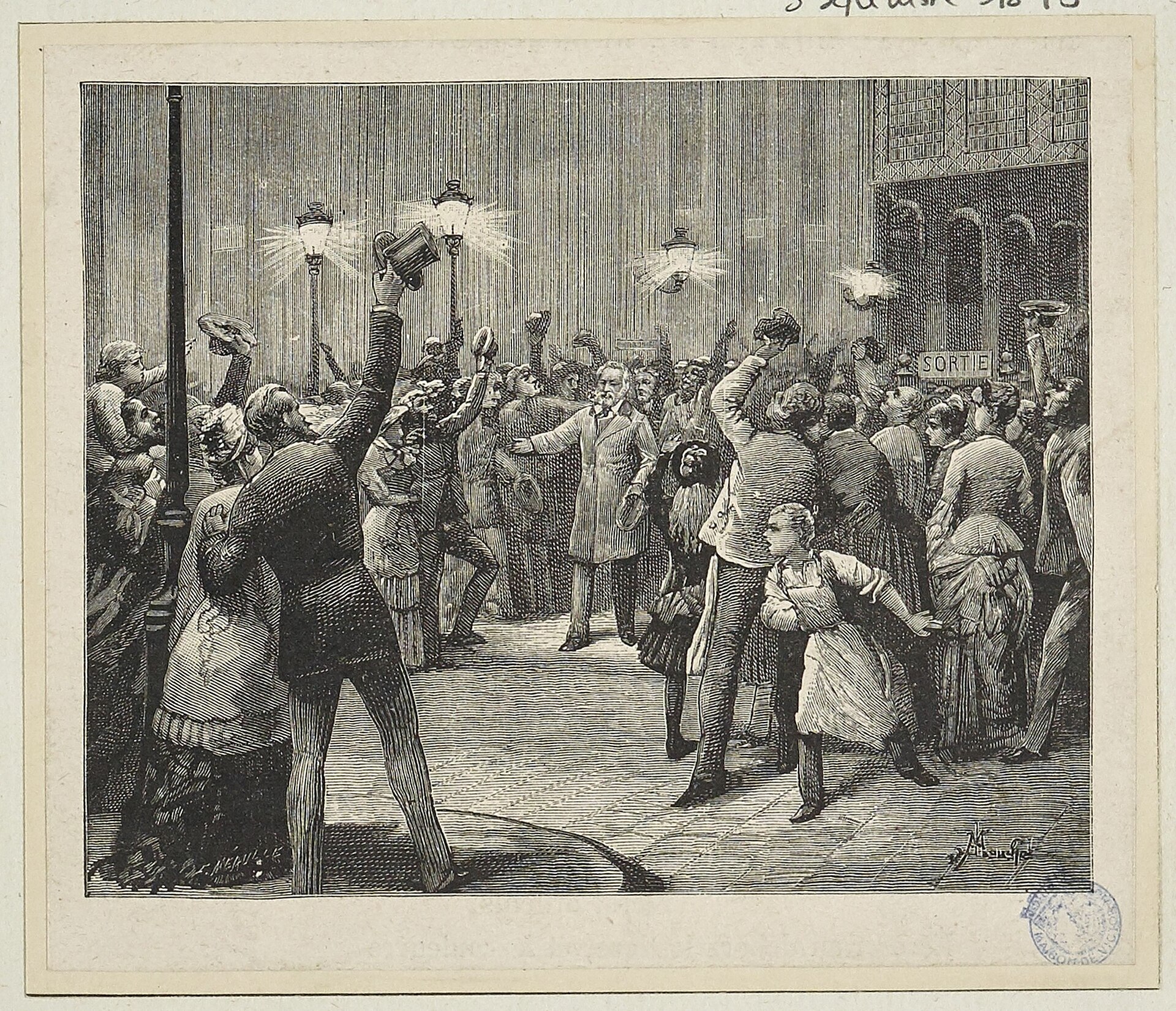
Wikimedia Commons · CC0 1.0 Universal Public Domain Dedication · file One day after the republic was proclaimed, Hugo ended nineteen years of exile and addressed the crowd awaiting him at the station.
Follows the Assembly to Bordeaux
· Grand Théâtre, Bordeaux, Gironde, France
Elected a representative, Hugo traveled from Paris to Bordeaux, where the National Assembly met and where his son Charles died. The coordinate represents the Grand Théâtre, used by the Assembly in Bordeaux.
Expelled from Belgium
· Brussels, Belgium
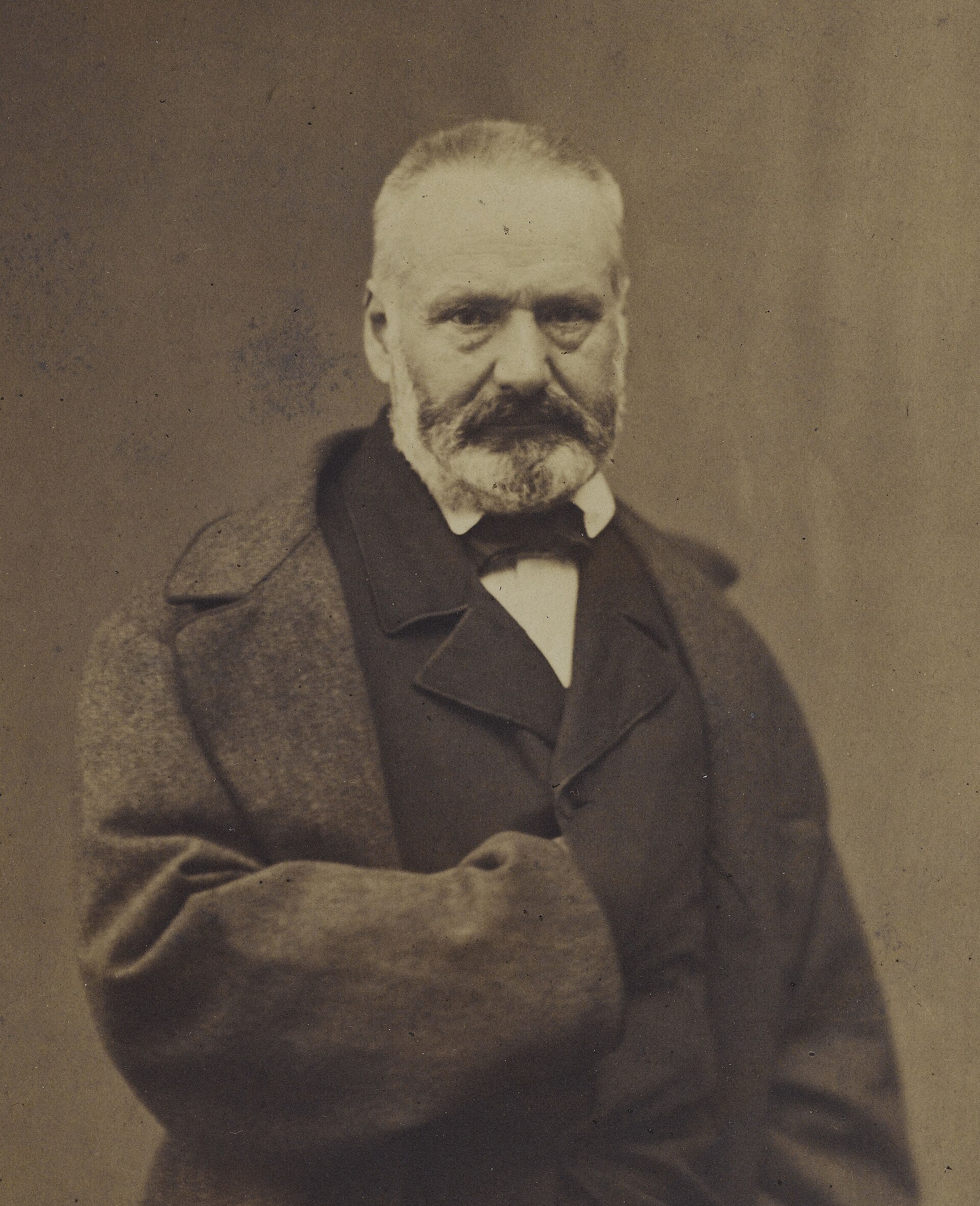
Wikimedia Commons · Public domain · file While in Brussels settling Charles Hugo's affairs, Hugo offered refuge to defeated Communards and was consequently expelled by the Belgian authorities.
Arrives in Luxembourg as a refugee
· Luxembourg City, Luxembourg
Following his Belgian expulsion, Hugo and his family entered Luxembourg, beginning a summer of refuge and writing.
Takes refuge in Vianden
· Victor Hugo House, Vianden, Luxembourg
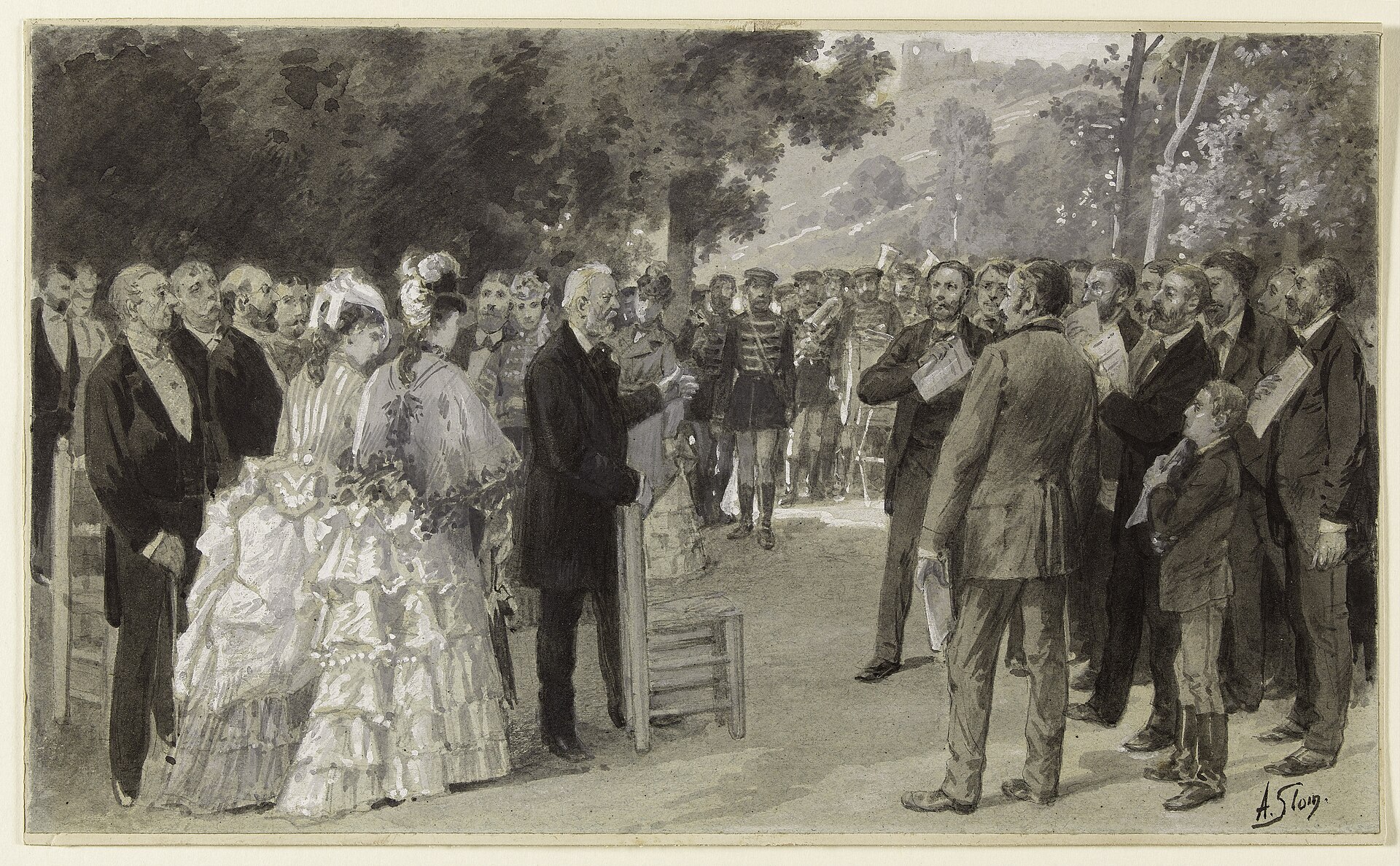
Wikimedia Commons · CC0 1.0 Universal Public Domain Dedication · file Hugo settled for more than two months in Vianden, writing, drawing, and making excursions through Luxembourg and the neighboring Rhineland. Coordinate represents the house now occupied by the Victor Hugo Literary Museum.
Returns to Hauteville House
· Hauteville House, Saint Peter Port, Guernsey
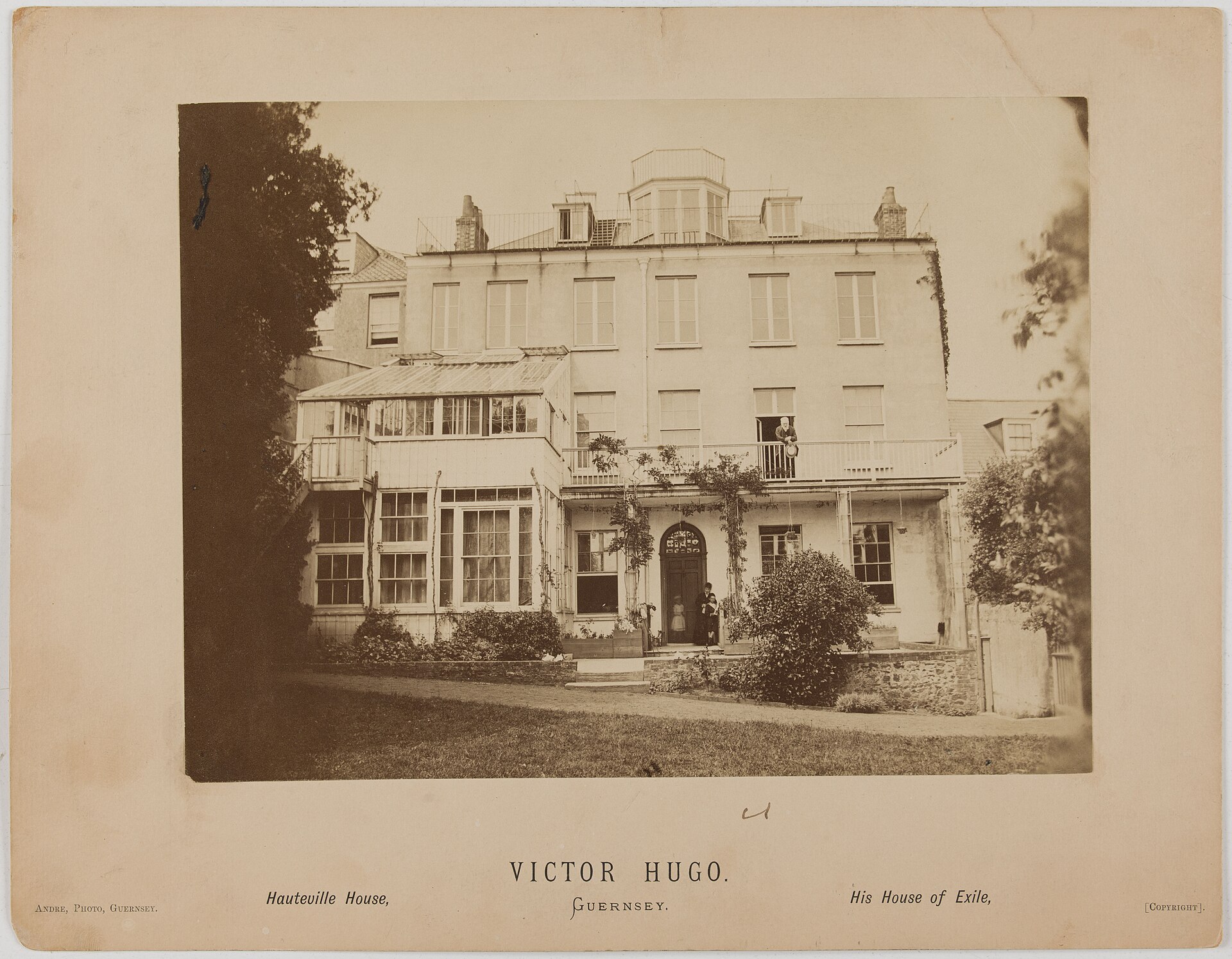
Wikimedia Commons · CC0 1.0 Universal Public Domain Dedication · file After a cerebral incident, Hugo made a final restorative summer visit to his former Guernsey home.
Settles on Avenue d'Eylau
· 124 Avenue Victor-Hugo, Paris, France
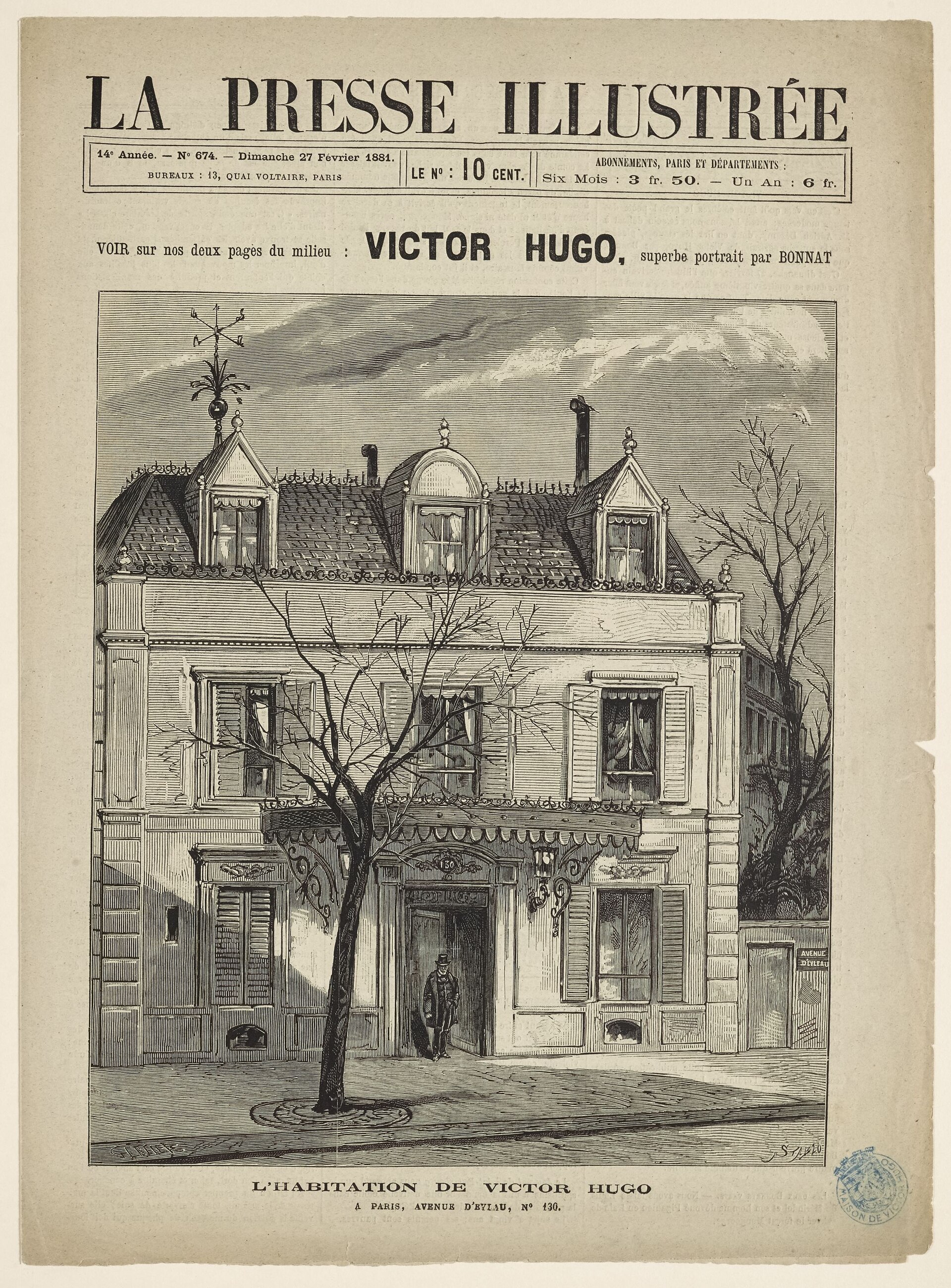
Wikimedia Commons · CC0 1.0 Universal Public Domain Dedication · file After returning from Guernsey, Hugo established the final Paris residence of his life on Avenue d'Eylau, later renamed Avenue Victor-Hugo. The historic address was 130 Avenue d'Eylau; renumbering and renaming produced the modern address 124 Avenue Victor-Hugo.
Receives Paris's public homage
· 124 Avenue Victor-Hugo, Paris, France
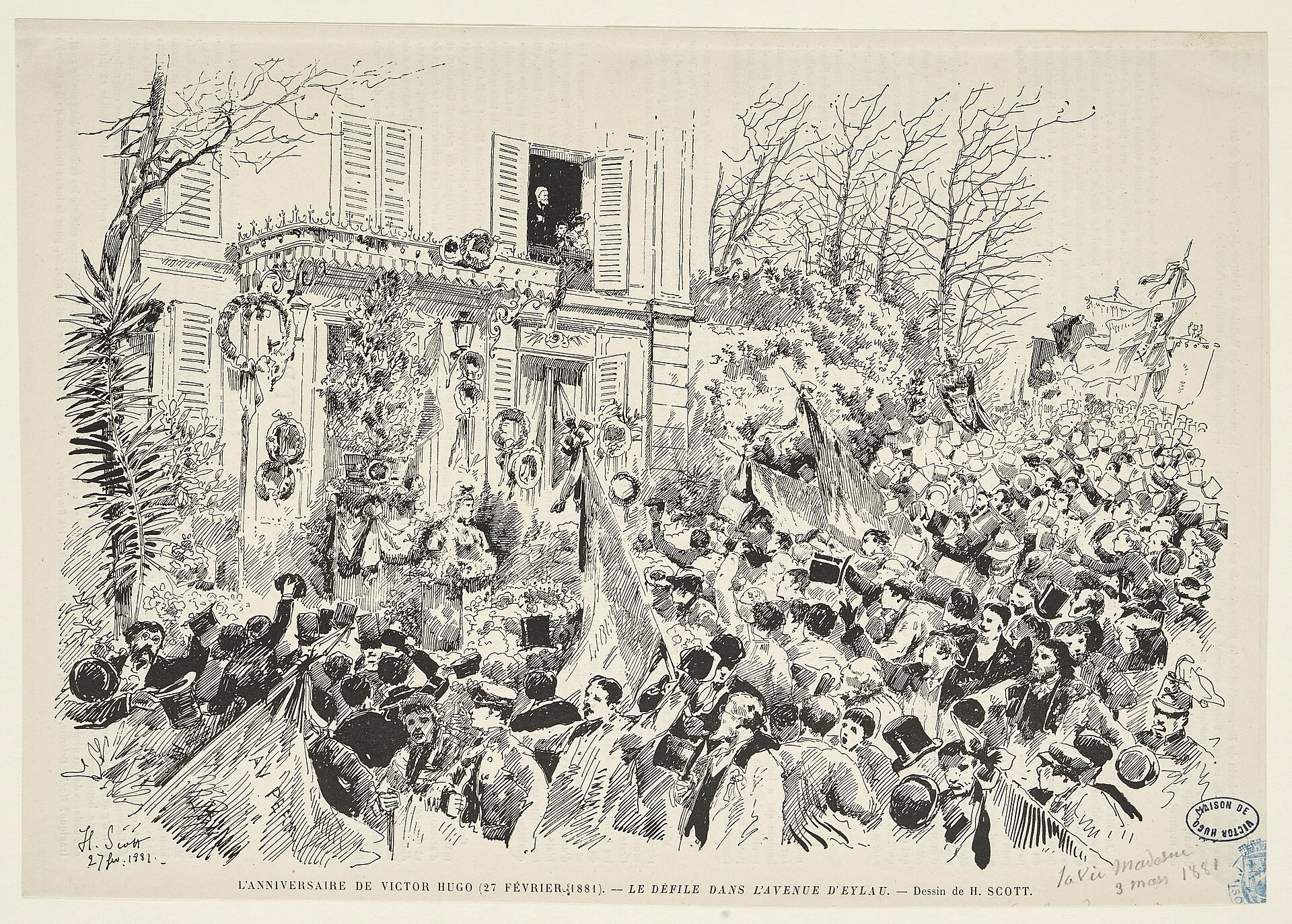
Wikimedia Commons · CC0 1.0 Universal Public Domain Dedication · file Hundreds of thousands passed Hugo's Avenue d'Eylau home during the celebration marking his entry into his eightieth year; he watched from the residence. Some older summaries incorrectly place the celebration in June; contemporary chronology supports 27 February 1881.
Honored at the Hôtel Continental
· Hôtel Continental, Paris, France
Literary, dramatic, and political colleagues honored Hugo with a banquet for his eighty-first birthday. The cited museum record supplies year precision.
Dies at Avenue Victor-Hugo
· 124 Avenue Victor-Hugo, Paris, France
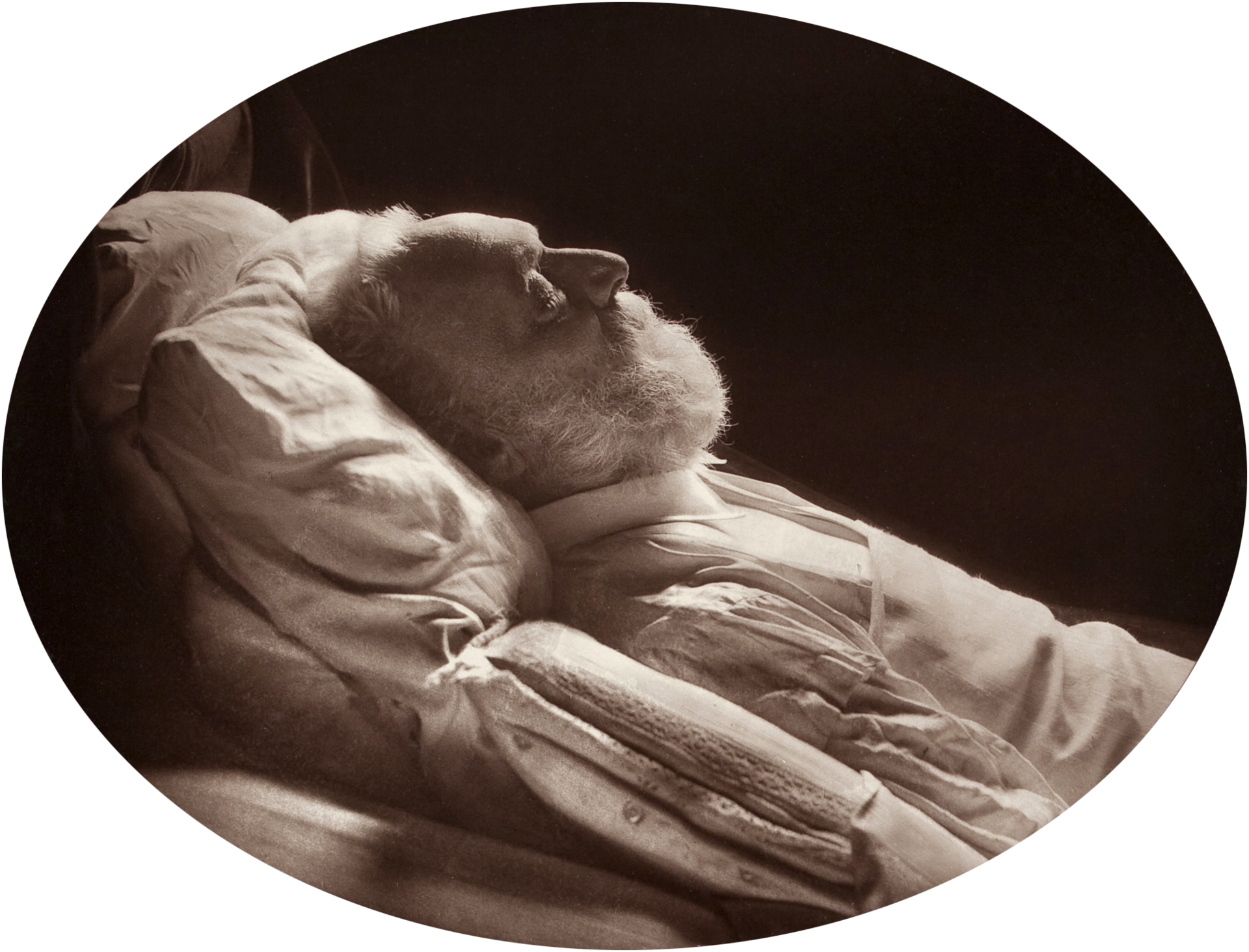
Wikimedia Commons · Public domain · file Hugo died of pneumonia at his final Paris home, prompting national mourning and a state funeral. The reconstructed death chamber is preserved at the Maison de Victor Hugo; Hugo actually died in the Avenue Victor-Hugo residence identified here.
Buried in the Panthéon
· Panthéon, Paris, France
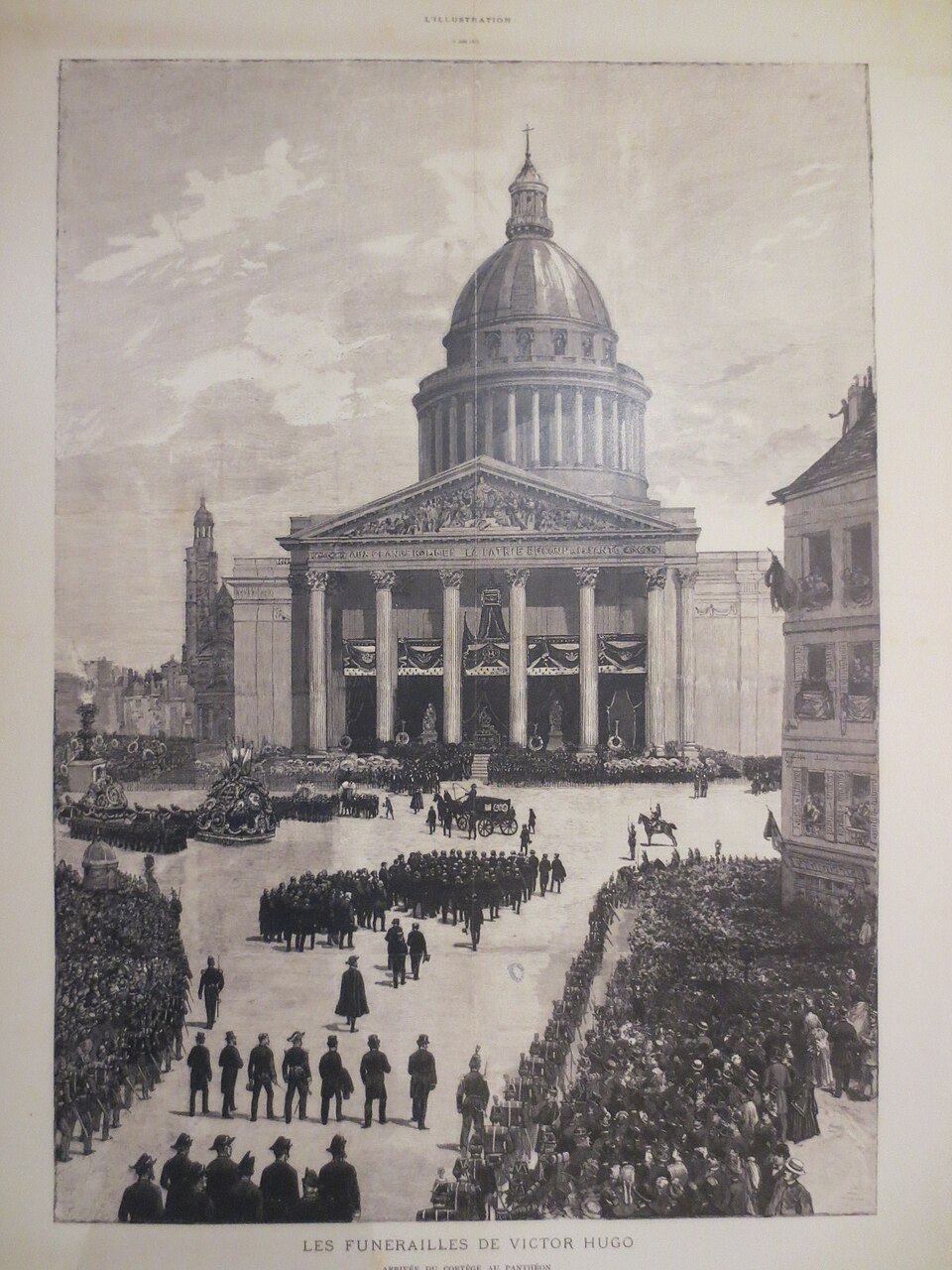
Wikimedia Commons · Public domain · file After a vast state funeral procession through Paris, Hugo was interred in the Panthéon as a national figure. Posthumous physical presence of Hugo's remains.