
8 moments
Born in the deme of Alopece
· Alopece, near Dafni, Athens, Greece
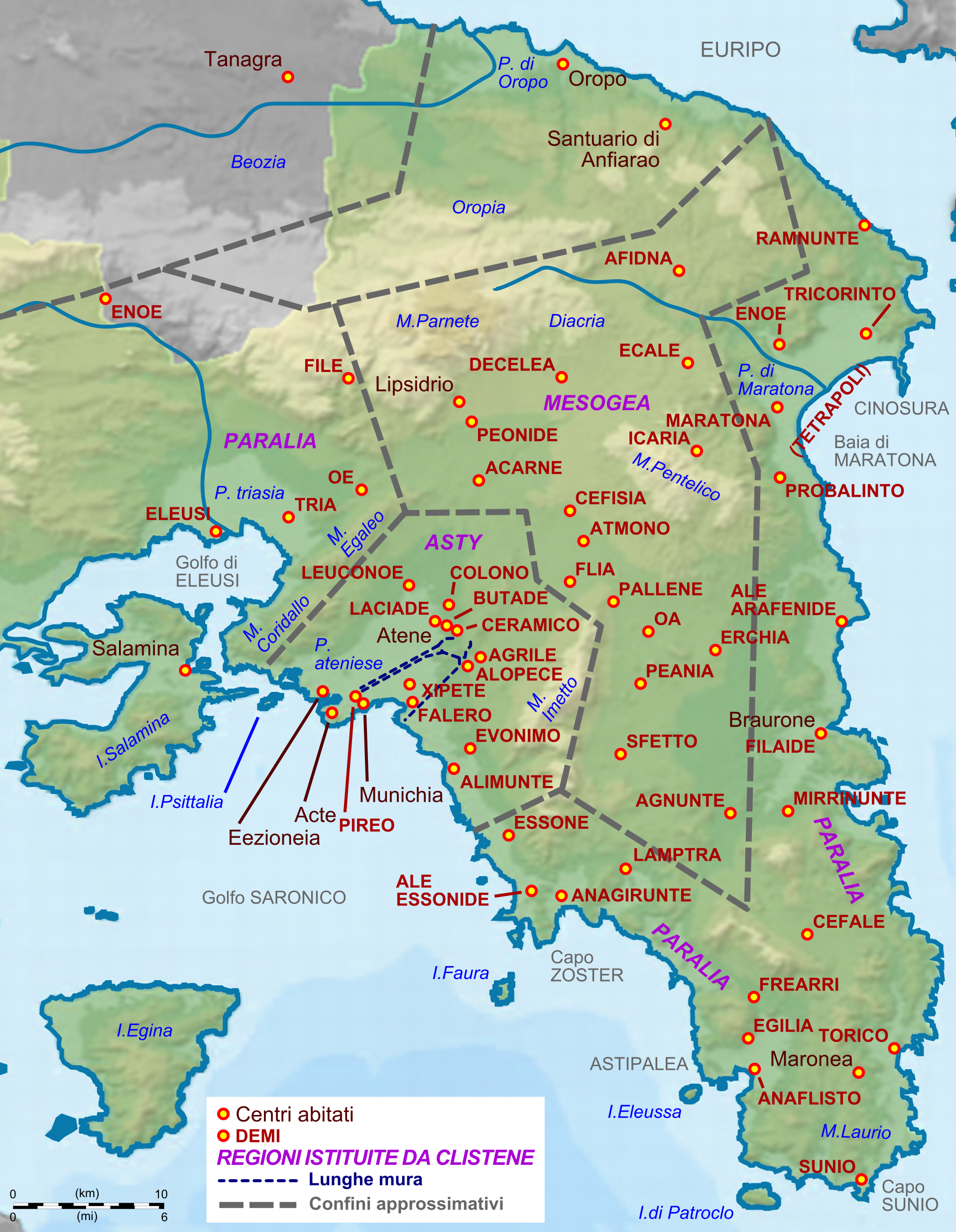
Wikimedia Commons · Public domain · file Socrates was born into an Athenian citizen family in Alopece, an urban deme conventionally located near modern Dafni, southeast of ancient Athens. The birth year is disputed between 470 and 469 BC; 469 BC follows the Stanford Encyclopedia chronology. Alopece's proposed location near Dafni is approximate.
Serves at Potidaea
· Battlefield of Potidaea, Nea Poteidaia, Central Macedonia, Greece
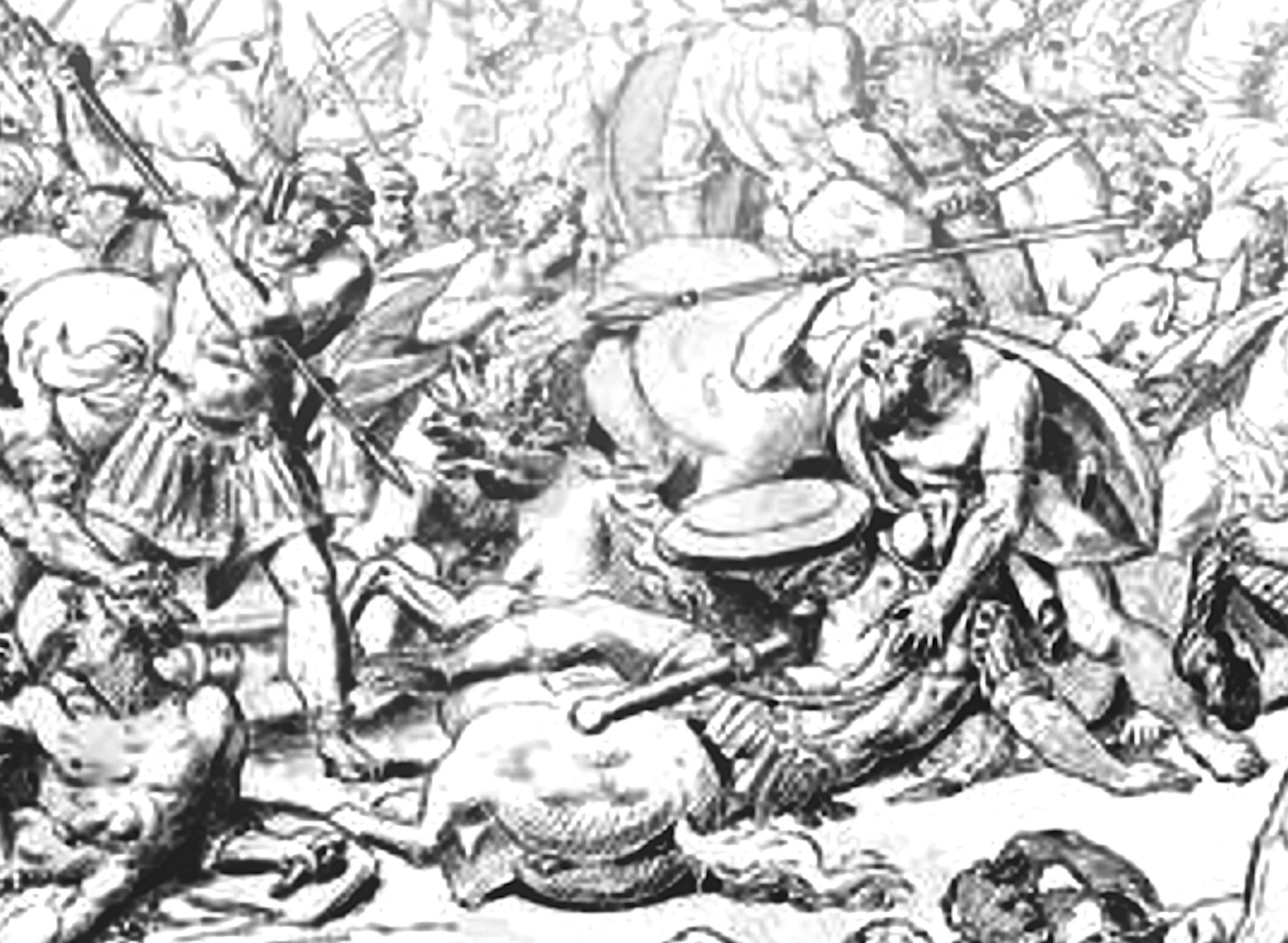
Wikimedia Commons · Public domain · file Socrates served as an Athenian hoplite during the campaign at Potidaea, the first of three military deployments that he later named in his defense speech. Coordinates represent the documented battlefield area rather than an exact position occupied by Socrates.
Retreats from Delium
· Battlefield of Delium, near Delesi, Boeotia, Greece
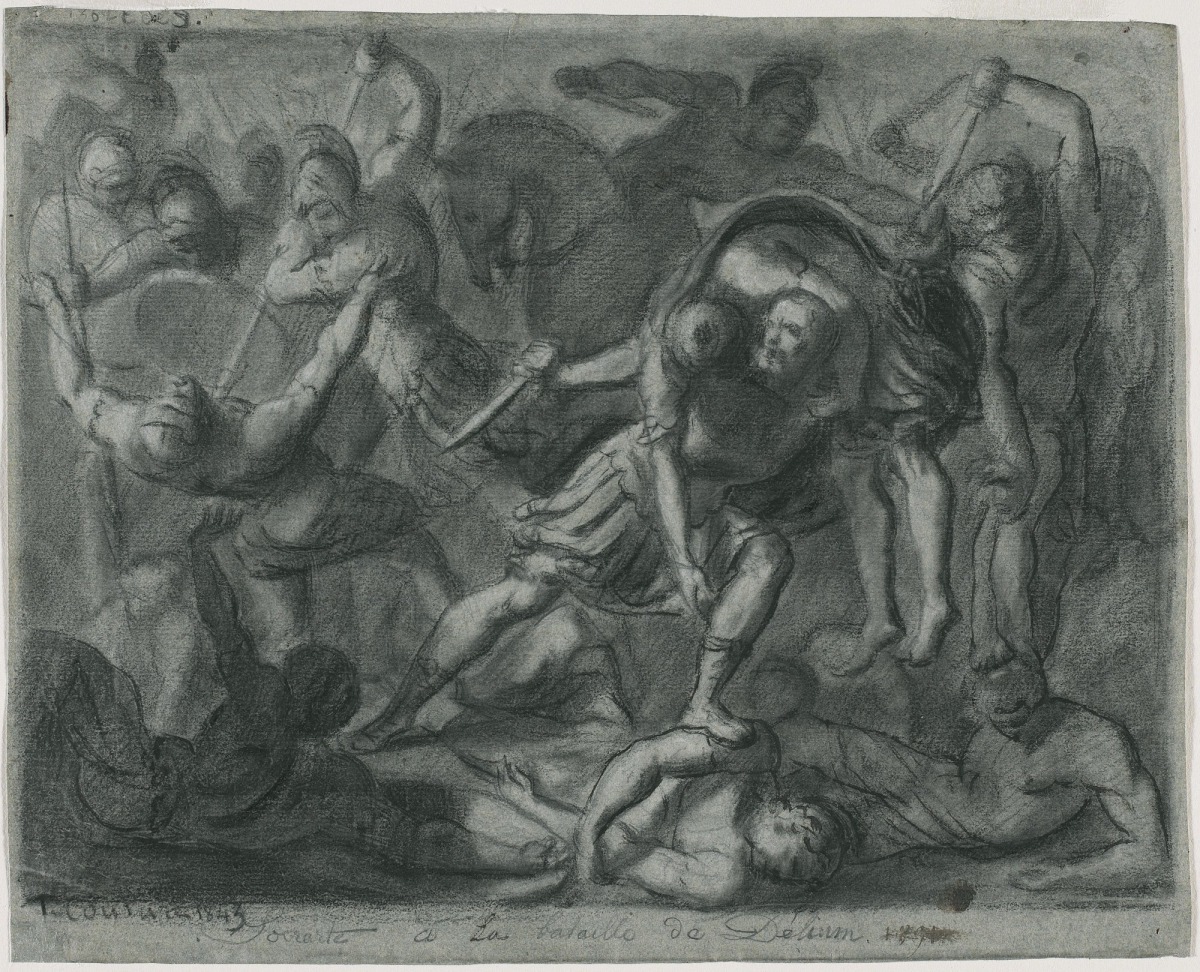
Wikimedia Commons · Public domain · file Socrates fought as an Athenian hoplite at Delium and became celebrated for maintaining discipline and protecting his companions during the defeated army's retreat. Coordinates represent the conventional battlefield location.
Fights at Amphipolis
· Battlefield of Amphipolis, Central Macedonia, Greece
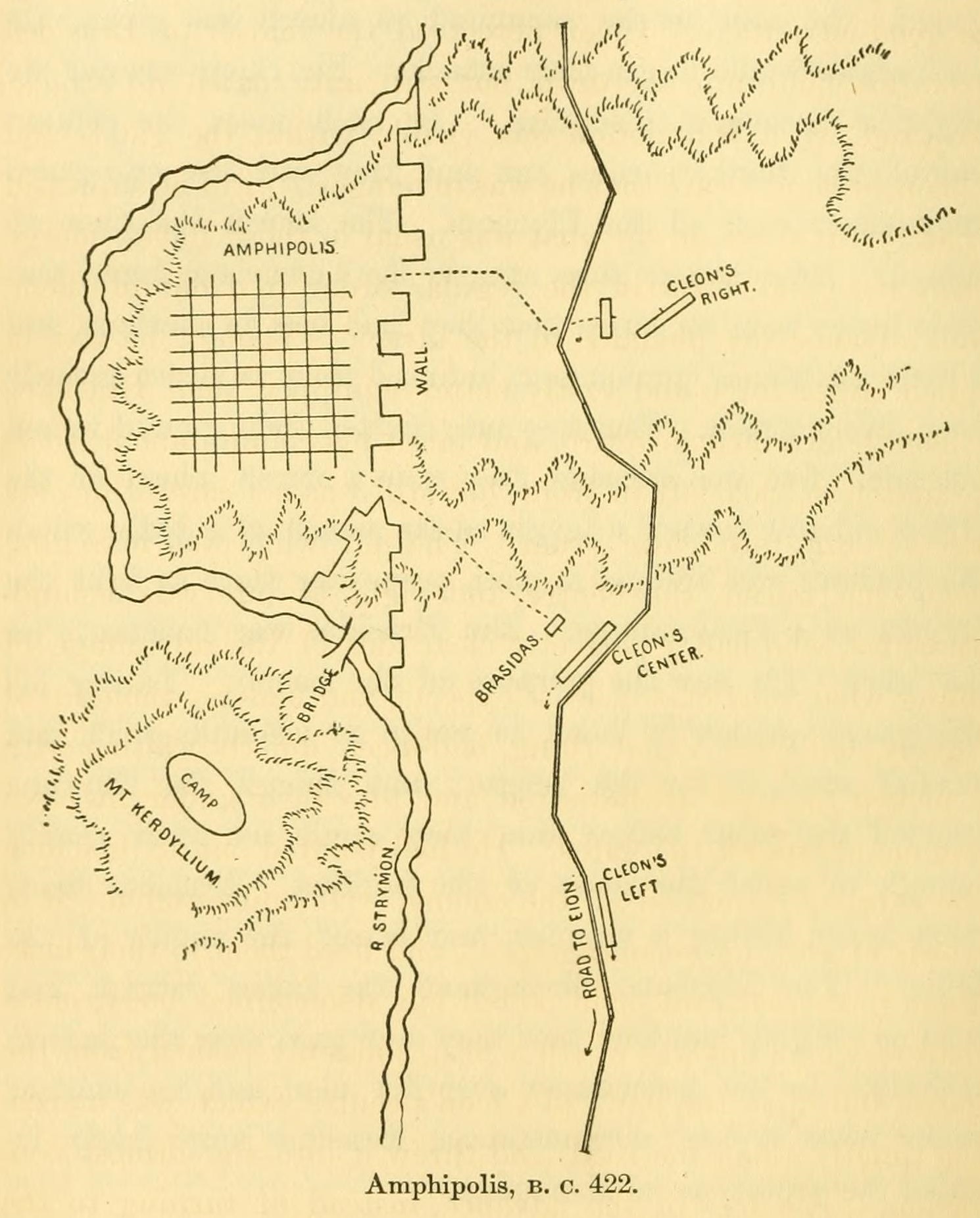
Wikimedia Commons · Public domain · file Socrates undertook his third documented campaign at Amphipolis, where the Athenian army was defeated. This is his last known military deployment. Coordinates represent the battlefield area; Socrates's exact position is unknown.
Summoned to the Tholos by the Thirty
· Tholos, Ancient Agora of Athens, Greece
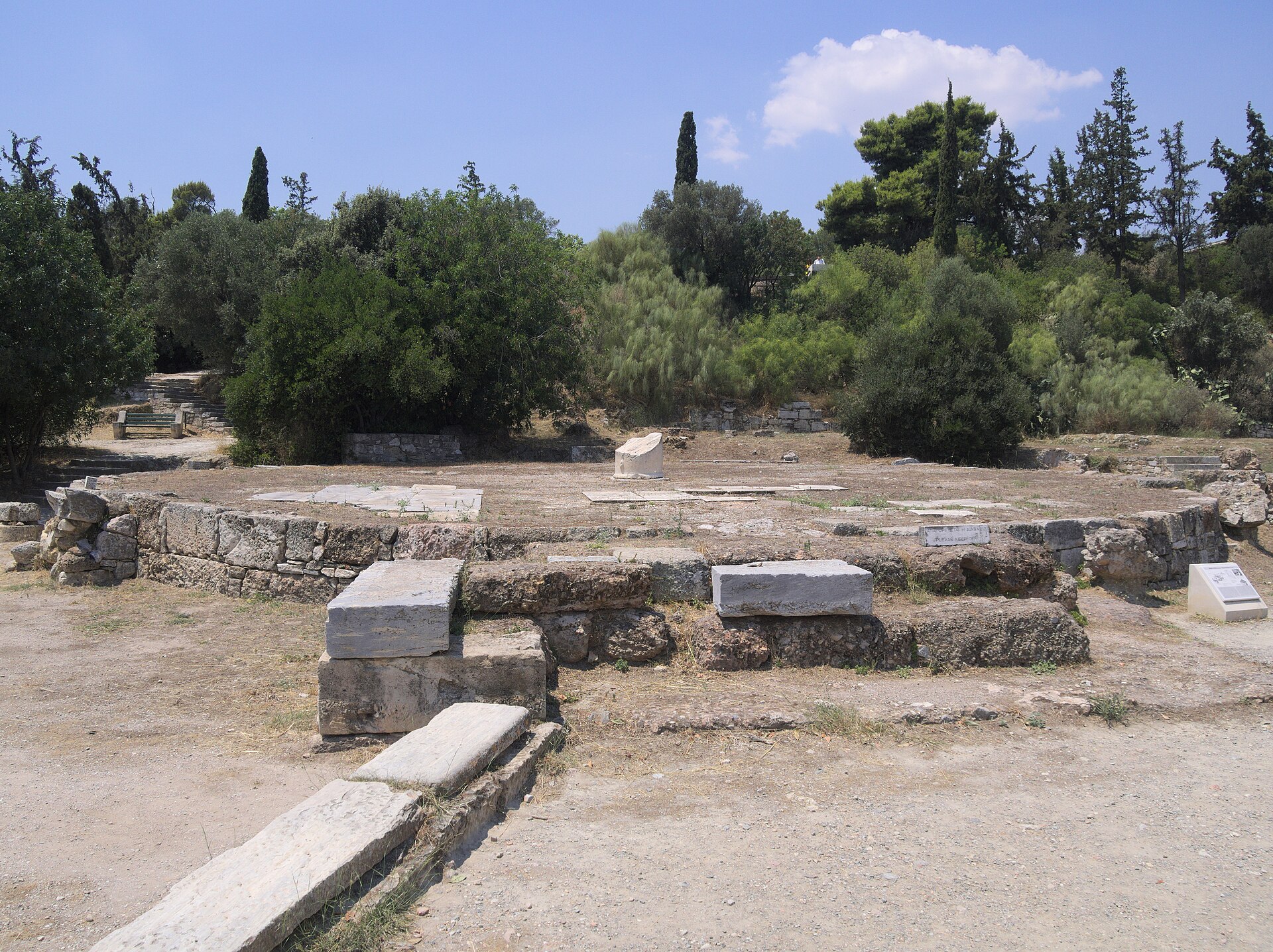
Wikimedia Commons · Creative Commons Attribution-Share Alike 4.0 International · file The Thirty summoned Socrates and four other citizens to their administrative headquarters and ordered them to seize Leon of Salamis. Socrates refused to participate and went home. The event occurred during the rule of the Thirty in 404–403 BC; the surviving evidence does not provide a more precise date.
Appears at the Royal Stoa
· Stoa Basileios, Ancient Agora of Athens, Greece
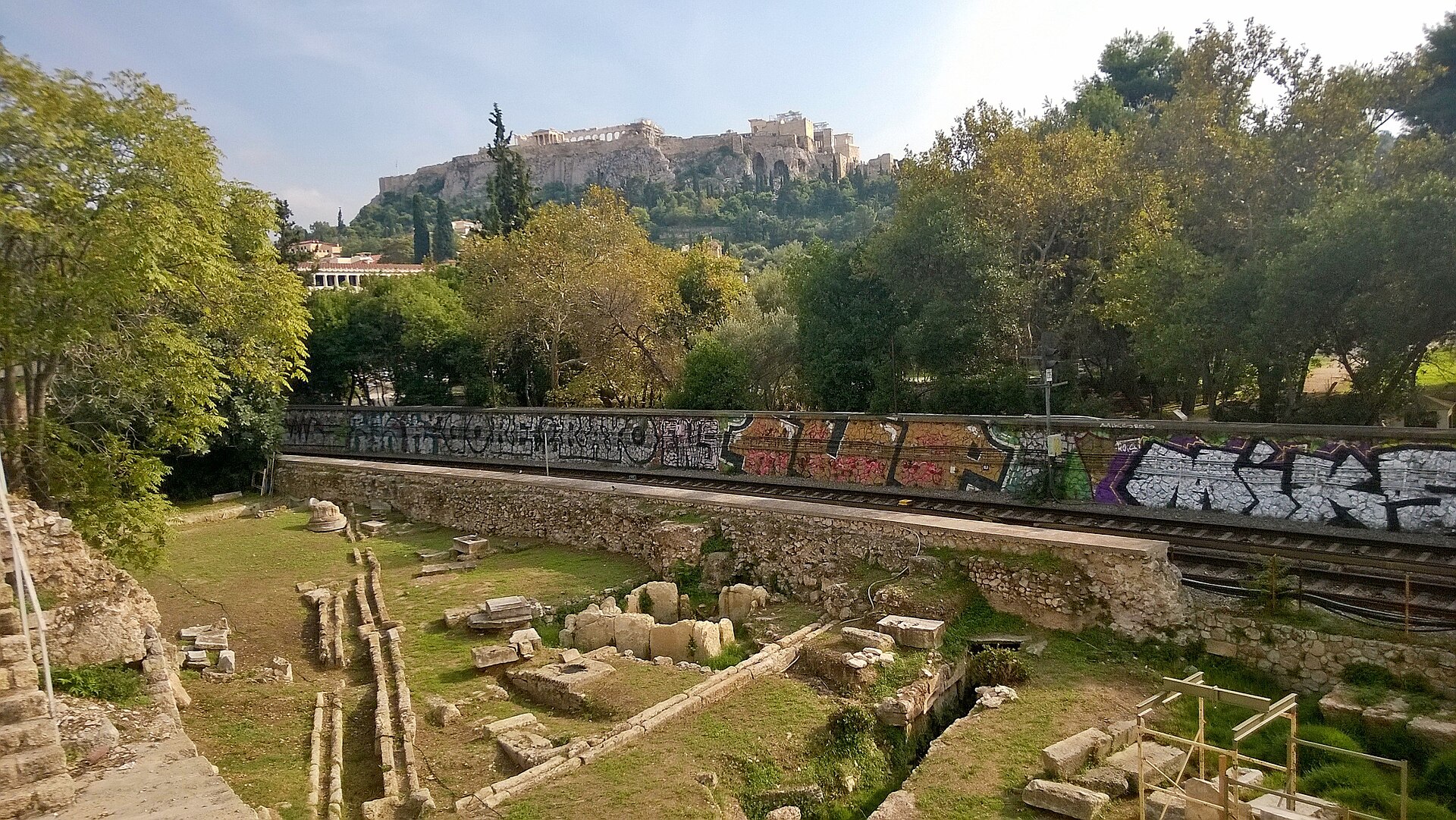
Wikimedia Commons · Creative Commons Attribution-Share Alike 3.0 Unported · file As legal proceedings began against him, Socrates encountered Euthyphro at the office of the king archon in the Royal Stoa and discussed piety before answering Meletus's charge. The episode is preserved through Plato's Euthyphro and incorporated into a scholarly reconstruction of the preliminary proceedings.
Defends himself at trial
· Athenian law court, Athens, Greece
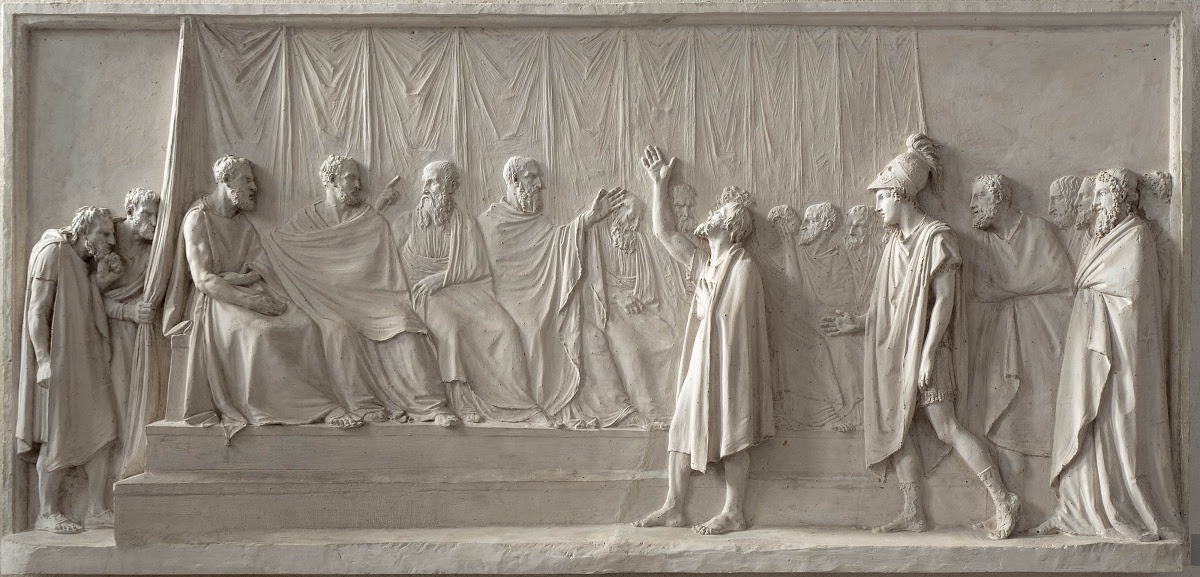
Wikimedia Commons · Public domain · file Socrates appeared before an Athenian citizen jury to answer charges of impiety and corrupting the young. He was convicted after defending his conduct and philosophical mission. The trial occurred in Thargelion, approximately May–June 399 BC. Its exact court building has not been securely identified; coordinates represent the Ancient Agora.
Spends his final day in the state prison
· Probable State Prison, Ancient Agora of Athens, Greece
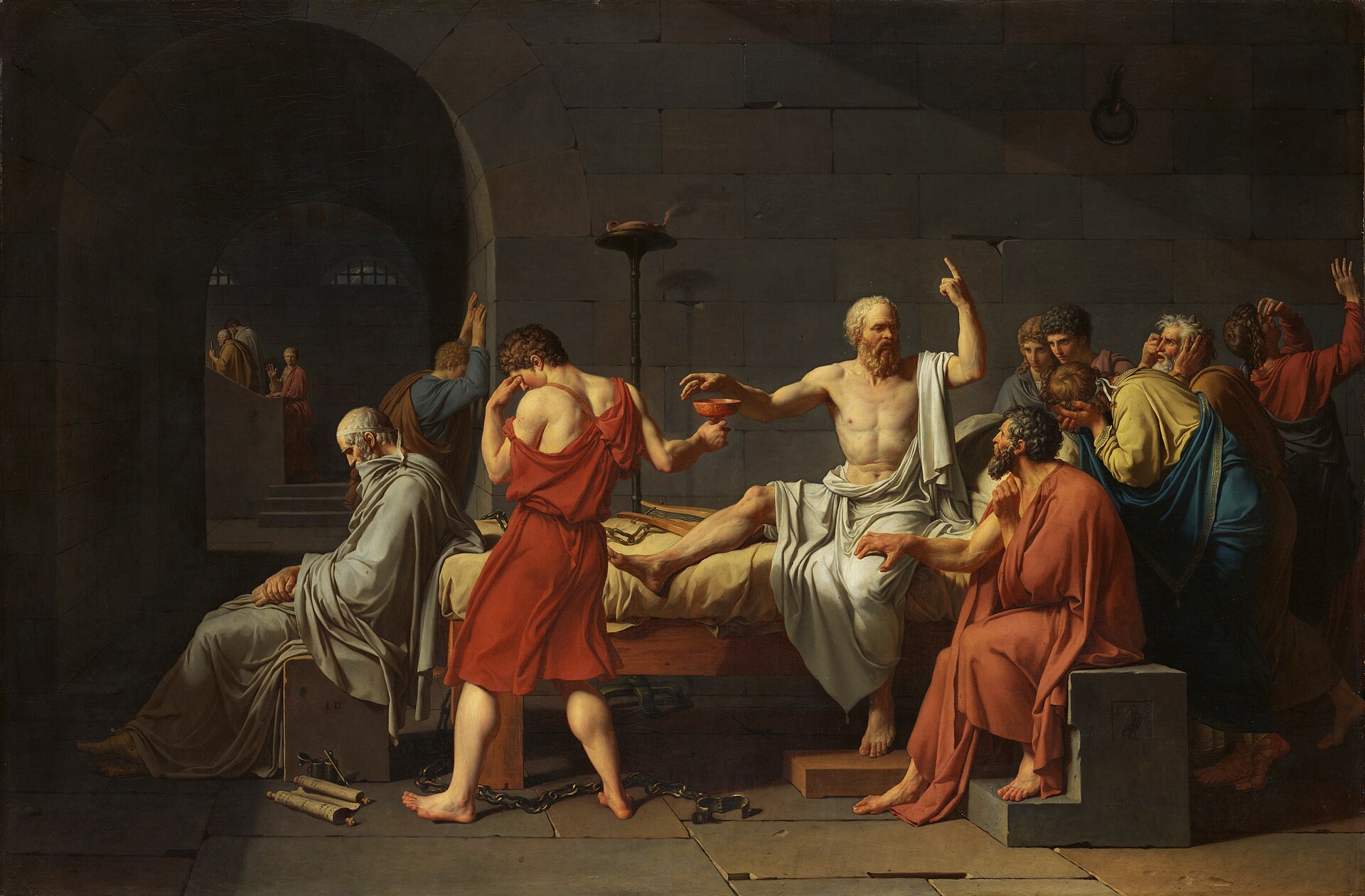
Wikimedia Commons · Public domain · file Following a religiously required delay in execution, Socrates remained in prison while friends visited him. On the final day officials removed his fetters and prepared to carry out the death sentence. The execution is generally placed in June or July 399 BC. The building southwest of the Agora is a probable, not universally accepted, identification of the state prison.