
68 moments
Born at Maison Bonaparte
· Maison Bonaparte, Ajaccio, Corsica, France
Wikimedia Commons · Creative Commons Attribution-Share Alike 2.0 · file Napoleon was born in his family's house in Ajaccio, beginning a life closely associated with both Corsica and mainland France. Coordinates identify Maison Bonaparte.
Enrolls at school in Autun
· Autun, Burgundy, France
Wikimedia Commons · Creative Commons Attribution 2.0 · file At age nine, Napoleon relocated to mainland France and attended a religious school in Autun to improve his French. The source supports month precision but does not identify the exact school building.
Stationed at Valence
· Valence, Drôme, France
Wikimedia Commons · Public domain · file The newly commissioned artillery officer began active service at Valence, one of his earliest mainland postings. Settlement coordinates are used because the quoted chronology does not specify a barracks.
Bombards La Maddalena from Santo Stefano
· Santo Stefano Island, La Maddalena Archipelago, Sardinia, Italy
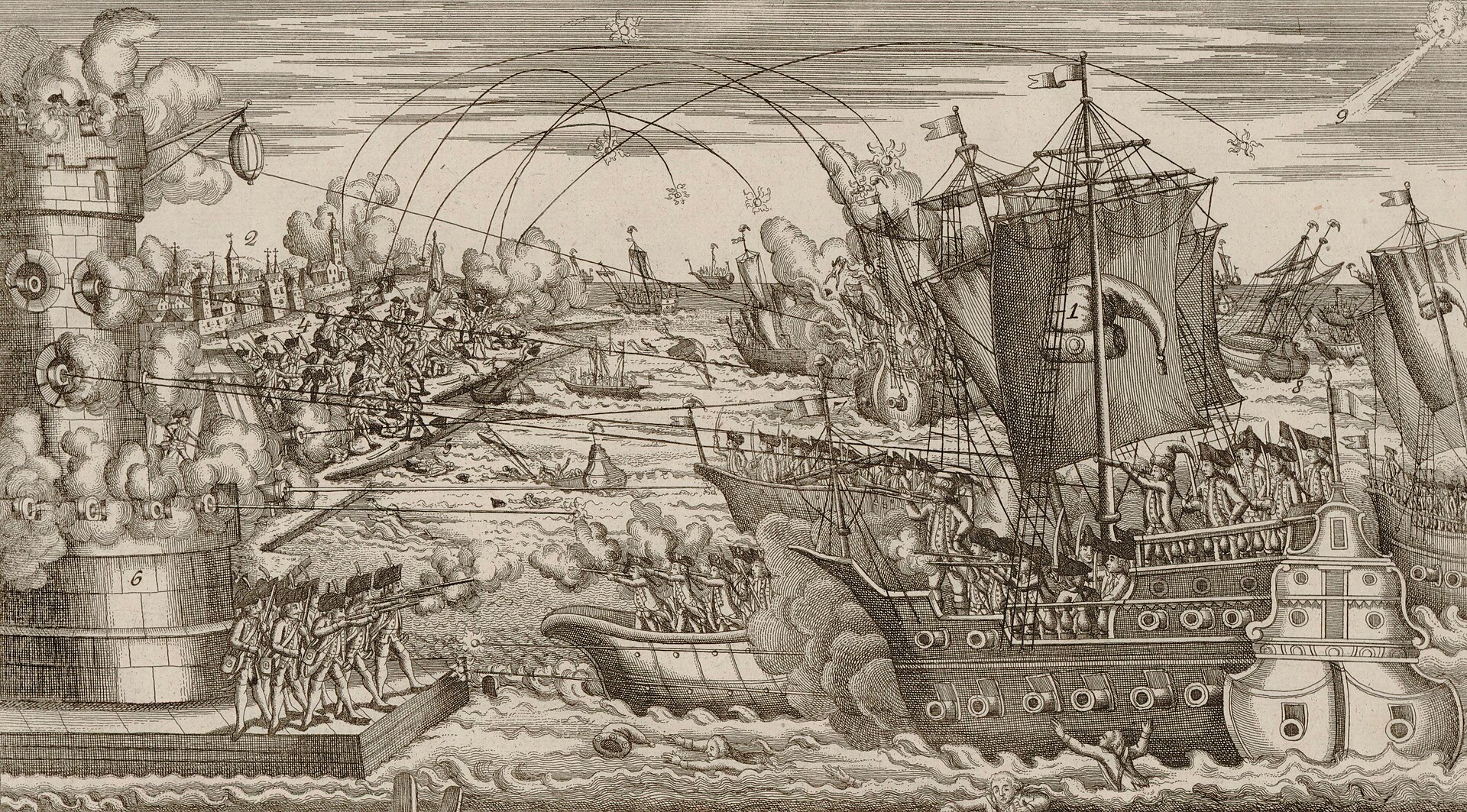
depictionWikimedia Commons · Unknown · Public domain · source: This file comes from Gallica Digital Library and is available under the digital ID btv1b84118524 · file During his first military expedition, Napoleon directed artillery from Santo Stefano against La Maddalena before the operation collapsed. The quotation establishes presence during the 22–25 February operation; the card uses the documented bombardment date.
Takes up Army of Italy post at Nice
· Nice, Provence-Alpes-Côte d'Azur, France
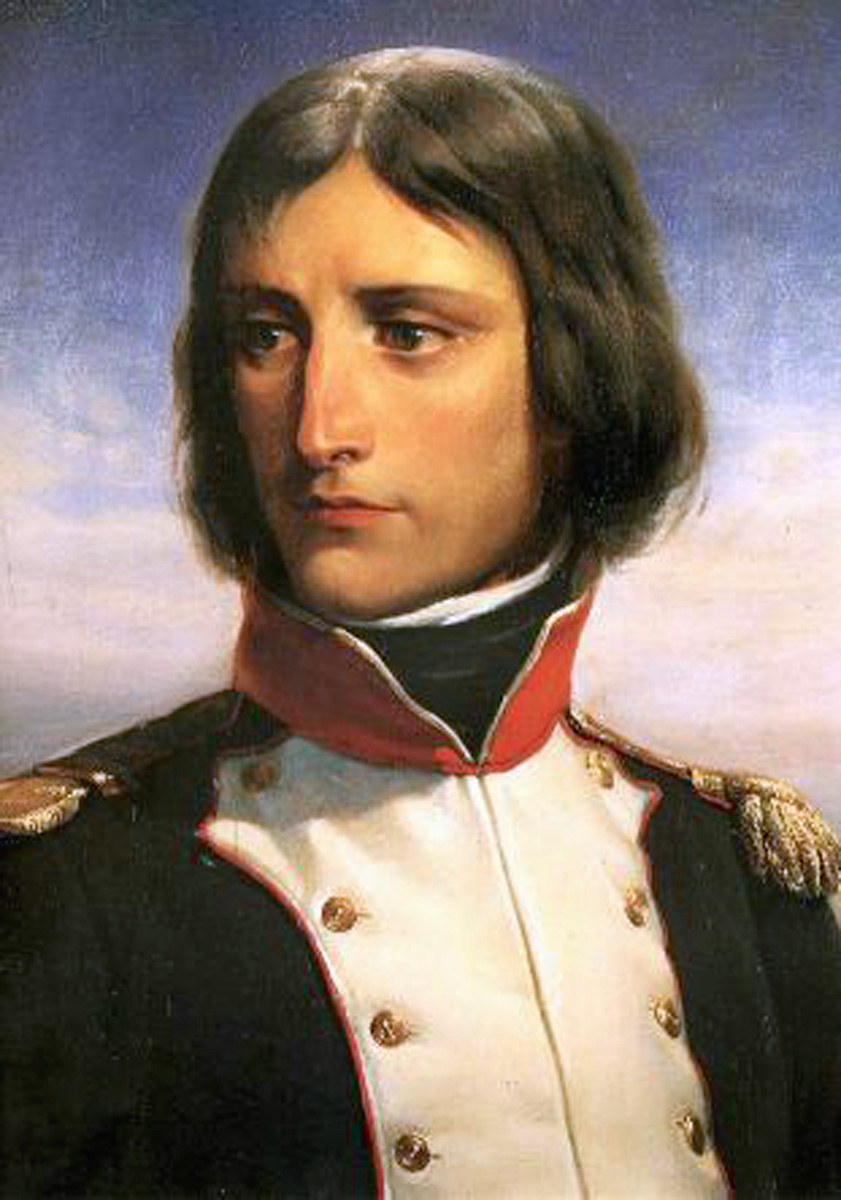
Wikimedia Commons · Public domain · file After promotion following Toulon, Napoleon went to Nice as artillery inspector for the Army of Italy. Month follows the post-Toulon appointment chronology; the source does not provide an exact arrival date.
Leads artillery at Toulon
· Fort Balaguier area, La Seyne-sur-Mer, Toulon, France
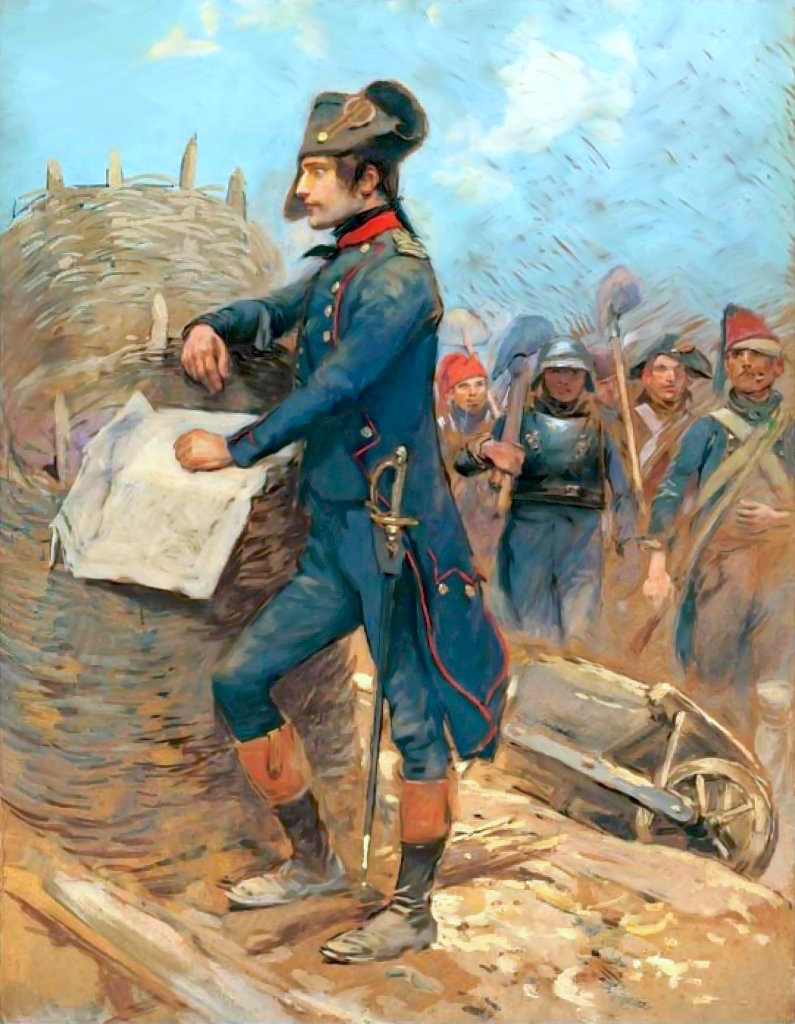
Wikimedia Commons · Public domain · file Napoleon joined the night assault that captured the positions dominating Toulon harbour and was wounded in the thigh. Coordinates represent the Balaguier–Éguillette battlefield; fighting continued overnight into 17 December.
Wins at Montenotte
· Montenotte Superiore, Cairo Montenotte, Liguria, Italy
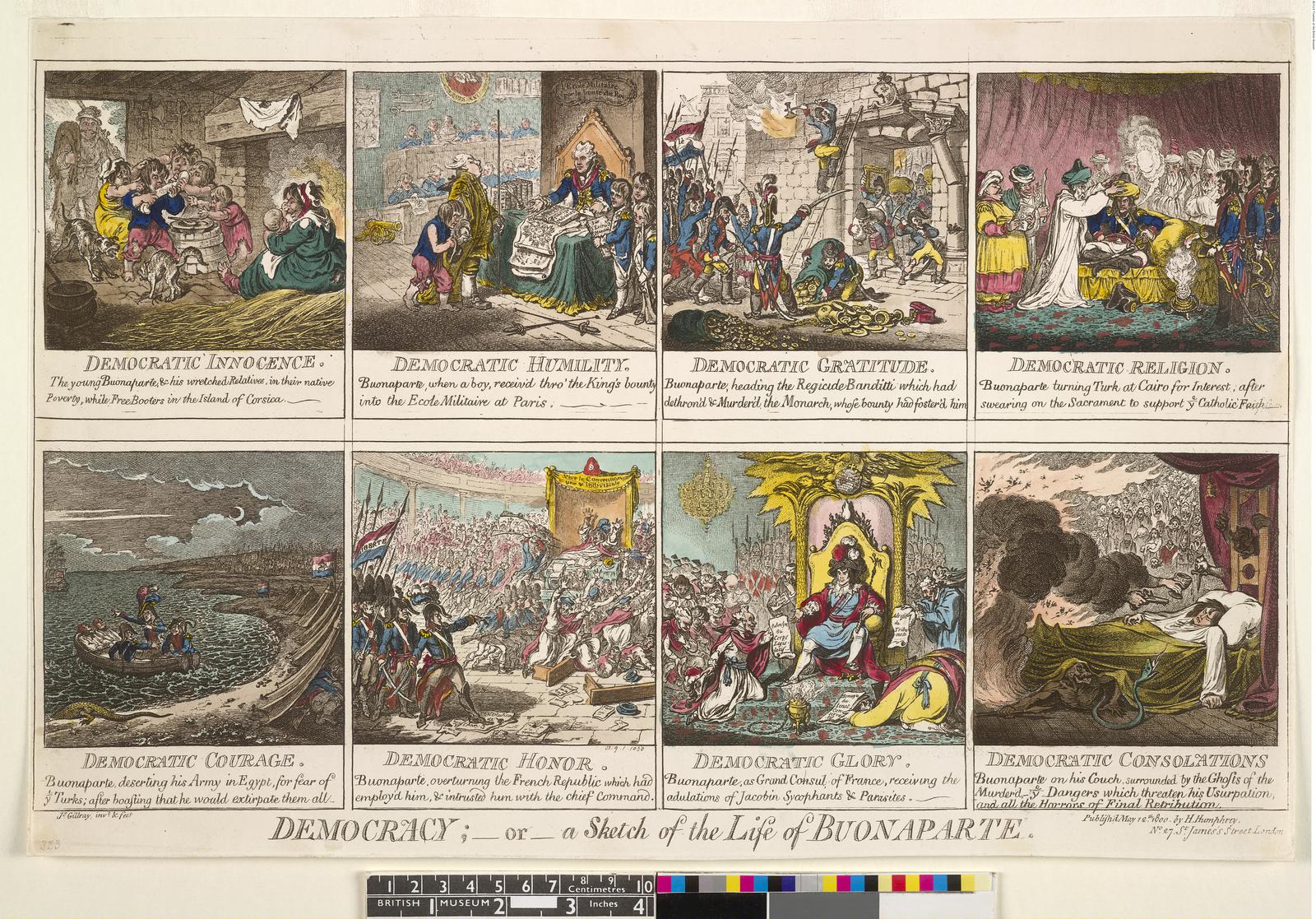
Wikimedia Commons · CC0 1.0 Universal Public Domain Dedication · file Napoleon achieved the first victory of his independent Italian command, helping separate the Austrian and Piedmontese armies. Coordinates represent Montenotte Superiore and the surrounding battlefield.
Commands the Battle of Lodi
· Bridge over the Adda, Lodi, Lombardy, Italy
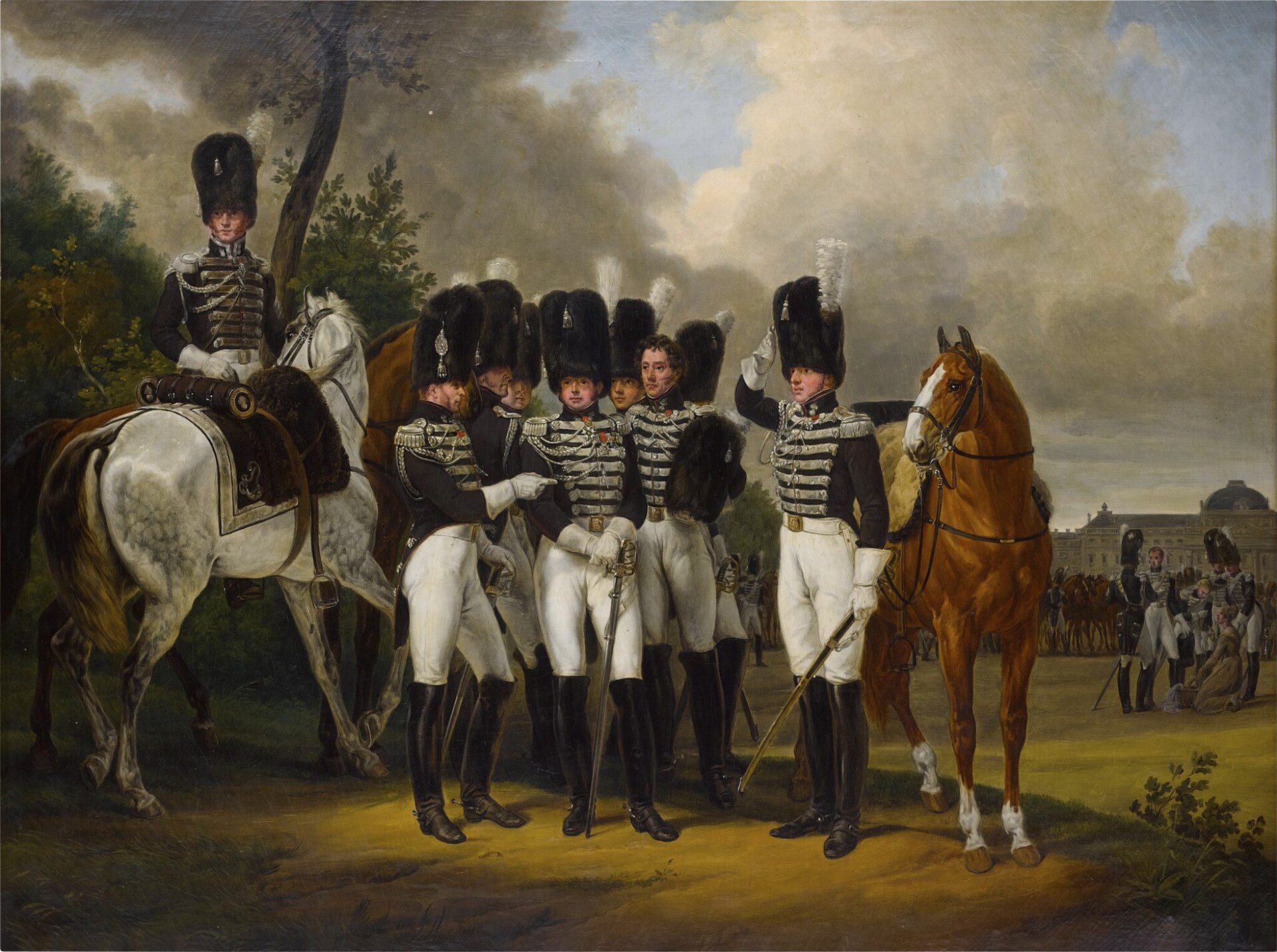
Wikimedia Commons · CC0 1.0 Universal Public Domain Dedication · file Napoleon commanded the French victory at Lodi, where the seizure of the Adda bridge became central to his emerging legend. Coordinates identify the historic Adda crossing in Lodi.
Enters Milan after Lodi
· Milan, Lombardy, Italy
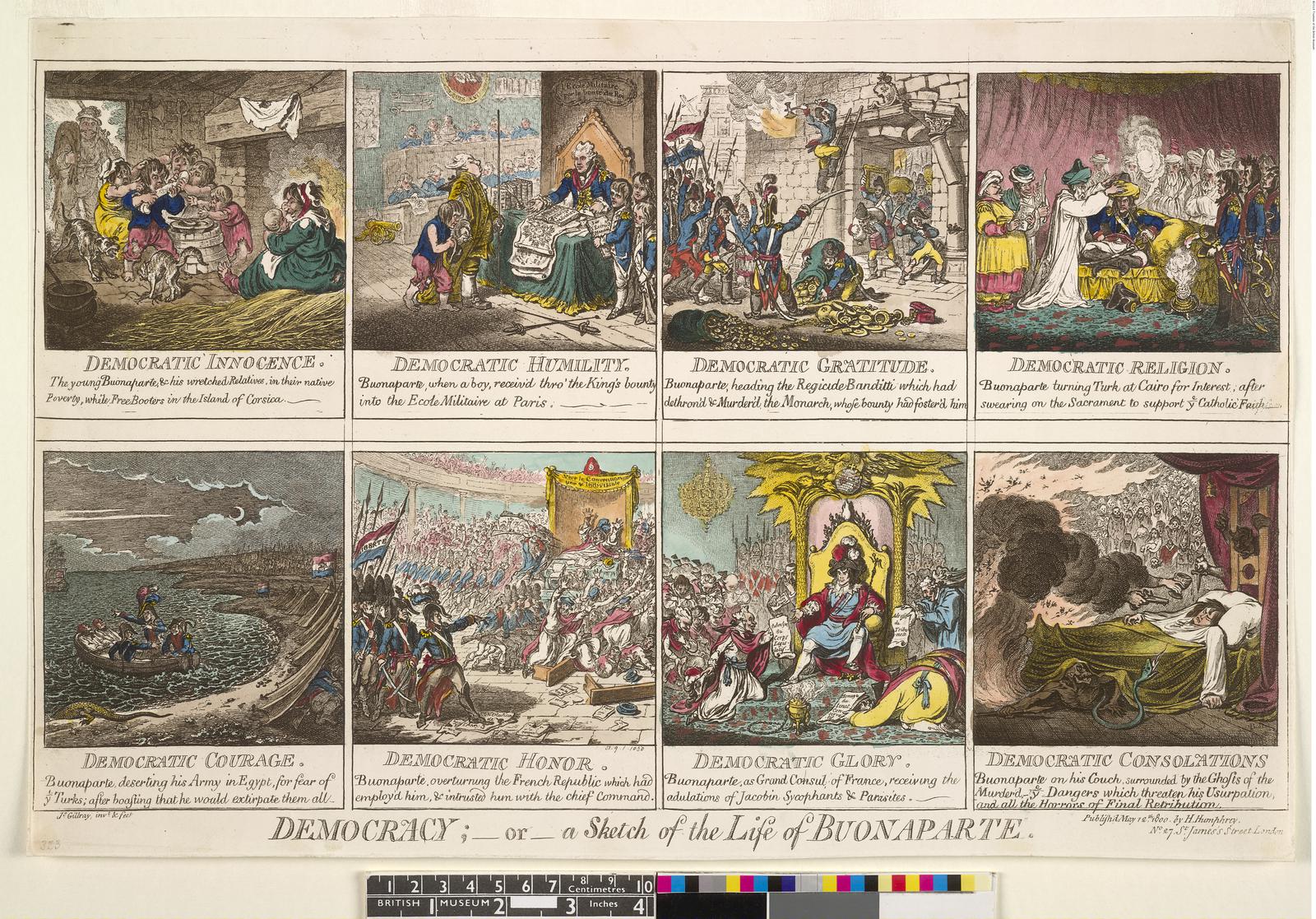
Wikimedia Commons · Public domain · file Napoleon entered Milan in triumph after the victory at Lodi, consolidating French control in Lombardy.
Attacks at Castiglione
· Castiglione delle Stiviere, Lombardy, Italy
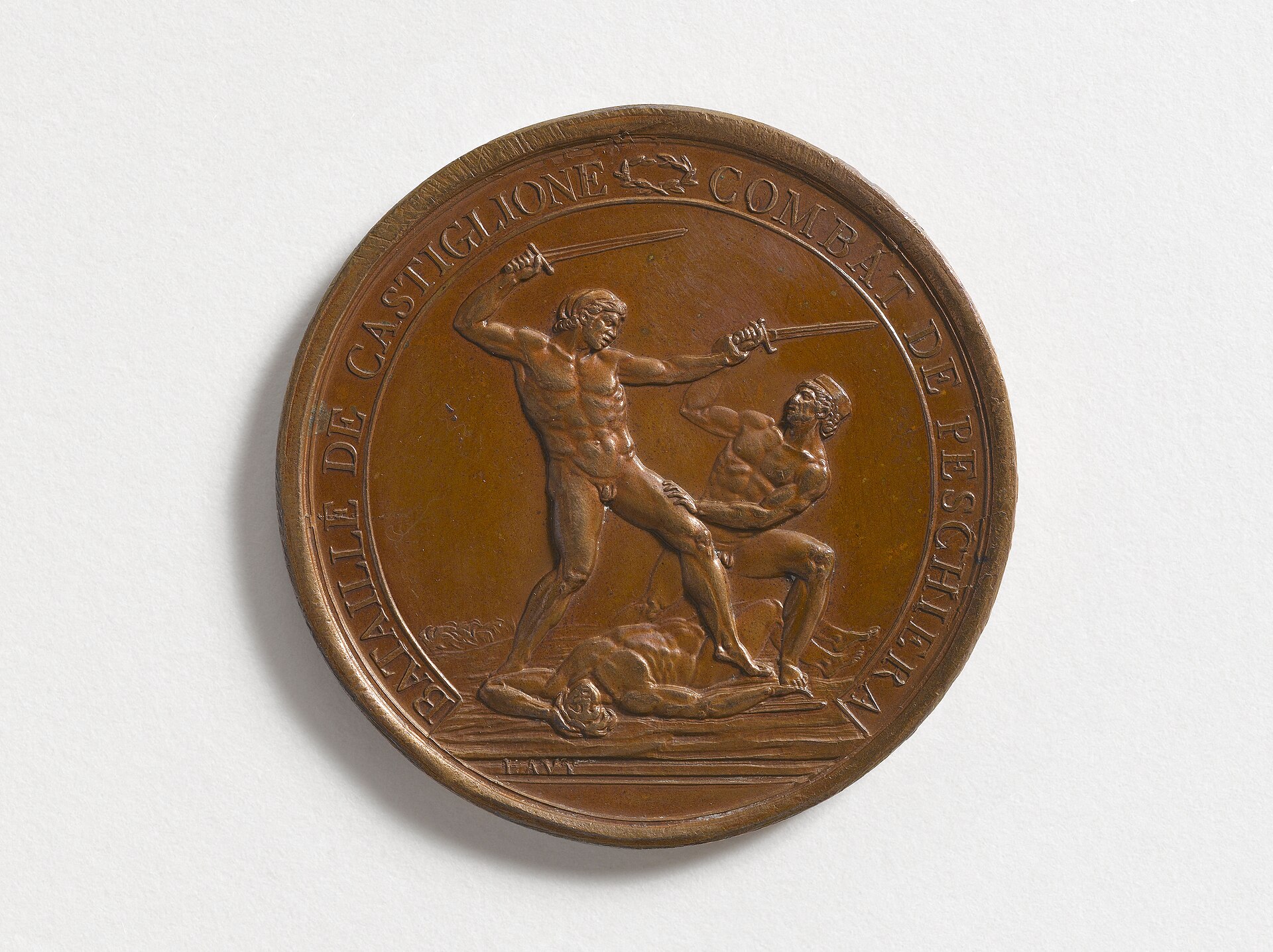
Wikimedia Commons · CC0 1.0 Universal Public Domain Dedication · file Napoleon directed the French attack that defeated Wurmser's Austrian army during the first attempt to relieve Mantua. Settlement coordinates represent the battlefield area.
Defeats Wurmser at Bassano
· Bassano del Grappa, Veneto, Italy
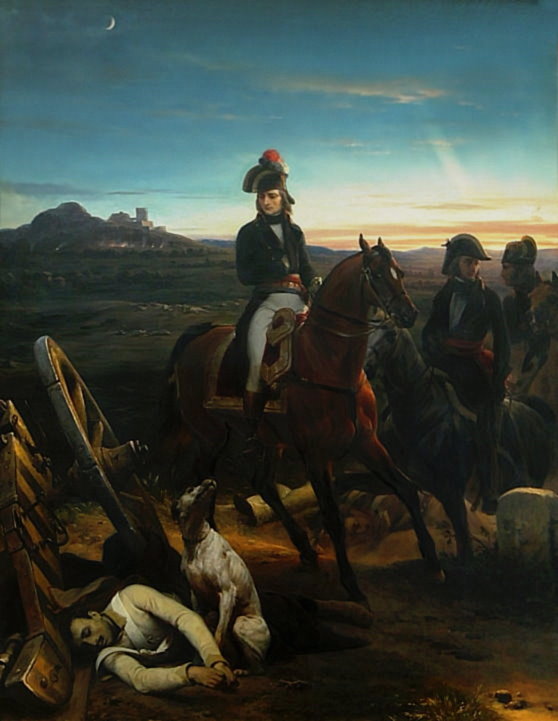
portraitWikimedia Commons · Horace Vernet · Public domain · source: https://sites.google.com/site/apeuropeanlahs/home/European-Art/napoleon-in-art · file Napoleon's army defeated Wurmser at Bassano, capturing thousands of Austrian soldiers and extensive artillery and supplies.
Carries the standard at Arcole
· Arcole Bridge area, Arcole, Veneto, Italy
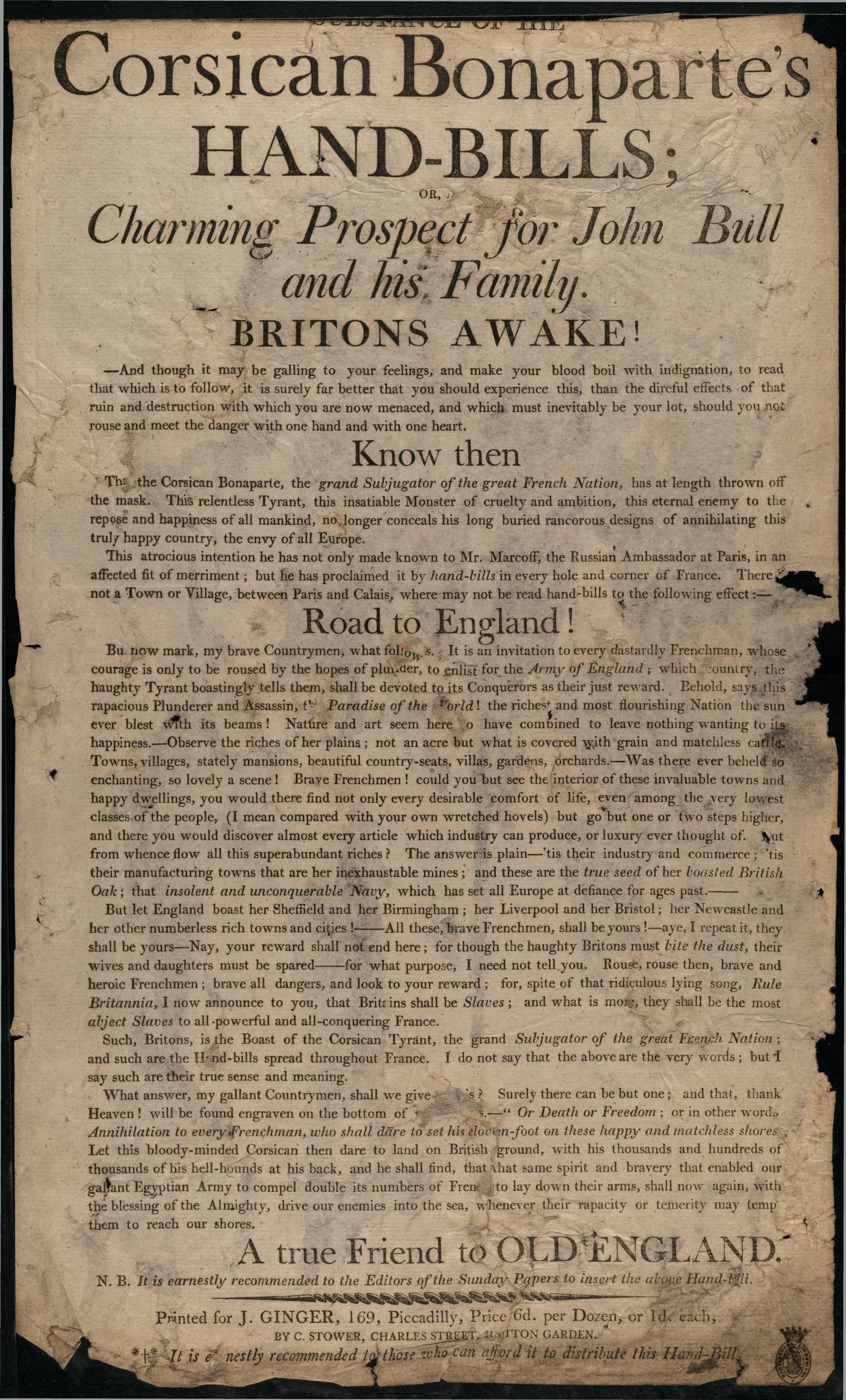
Wikimedia Commons · Public domain · file Attempting to inspire a stalled assault near Arcole bridge, Napoleon exposed himself under intense Austrian fire and fell into a muddy ditch. The bridge and waterways have changed; coordinates represent the historic Arcole crossing area.
Resides at Villa Manin
· Villa Manin, Passariano, Friuli-Venezia Giulia, Italy
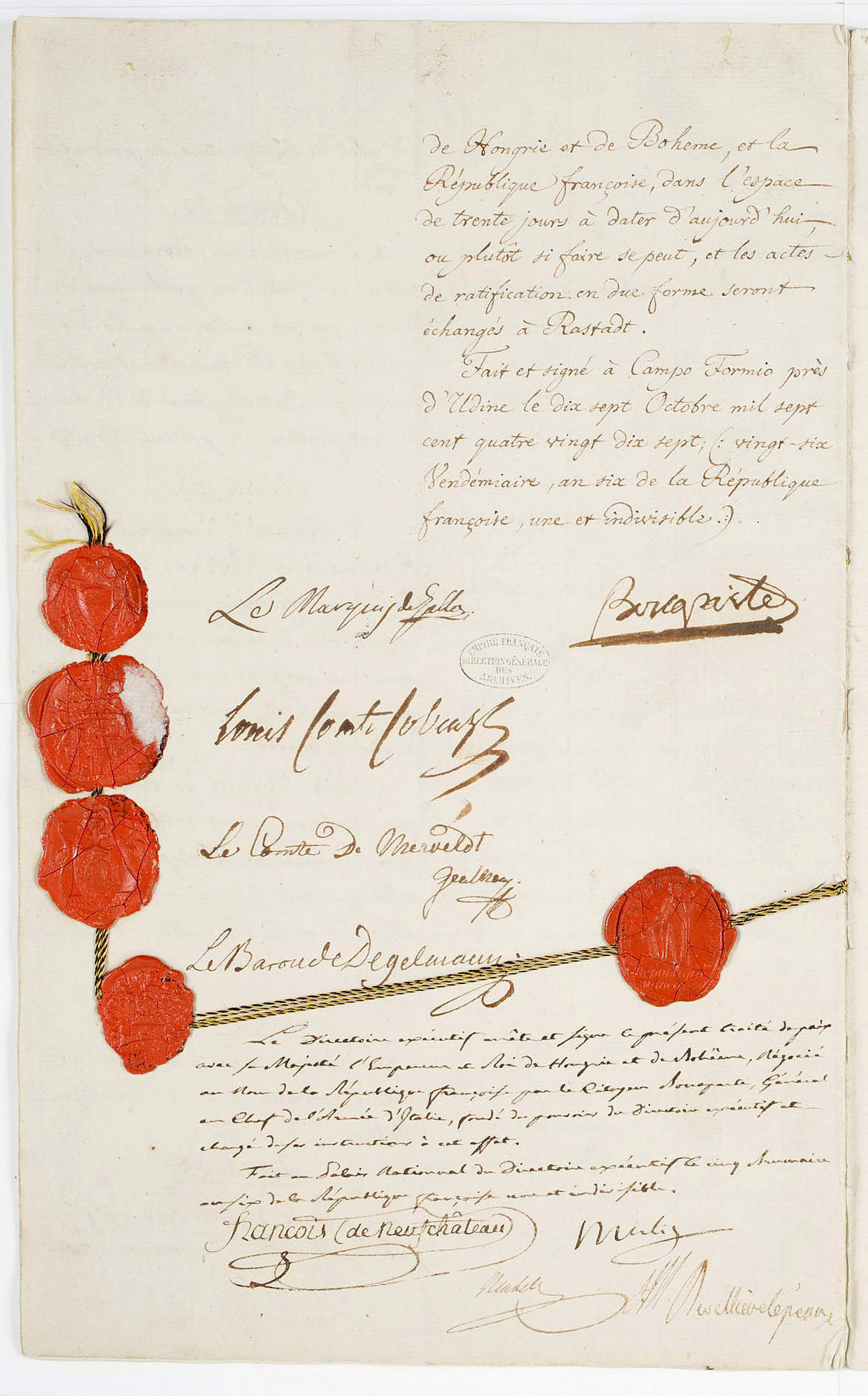
depictionWikimedia Commons · Public domain · source: This file was provided to Wikimedia Commons by the Archives Nationales as part of a cooperation project with Wikimédia France . · file During negotiations with Austria, Napoleon used the last Venetian doge's country mansion near Codroipo as his residence. The source gives no narrower residence dates than the 1797 negotiation period.
Reaches Rivoli before dawn
· Rivoli Veronese, Veneto, Italy
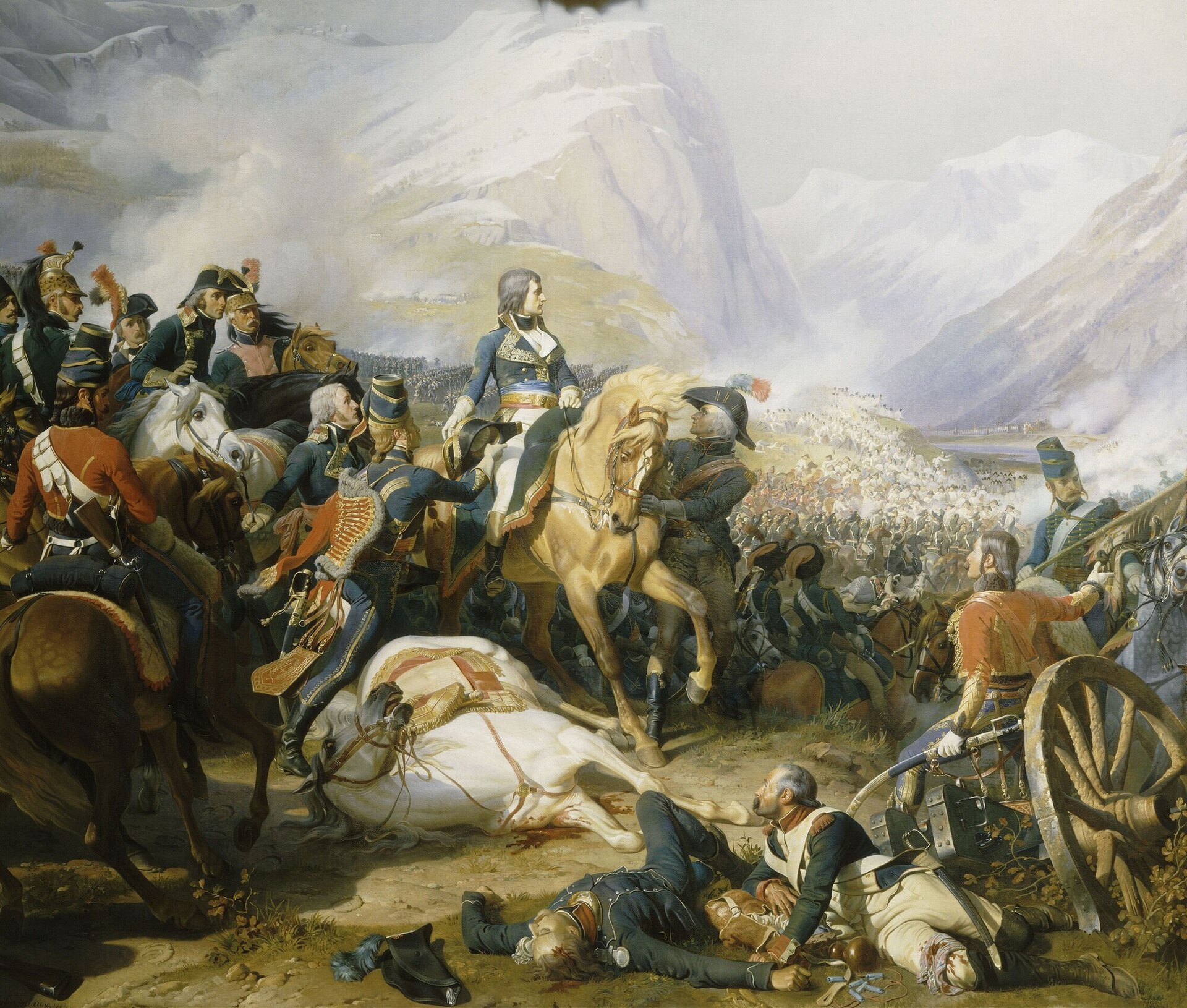
Wikimedia Commons · Public domain · file Napoleon arrived during the night to reinforce Joubert and personally directed the decisive French victory at Rivoli. Coordinates represent Rivoli Veronese near the Trambasore Heights.
Makes headquarters at Klagenfurt
· Klagenfurt am Wörthersee, Carinthia, Austria
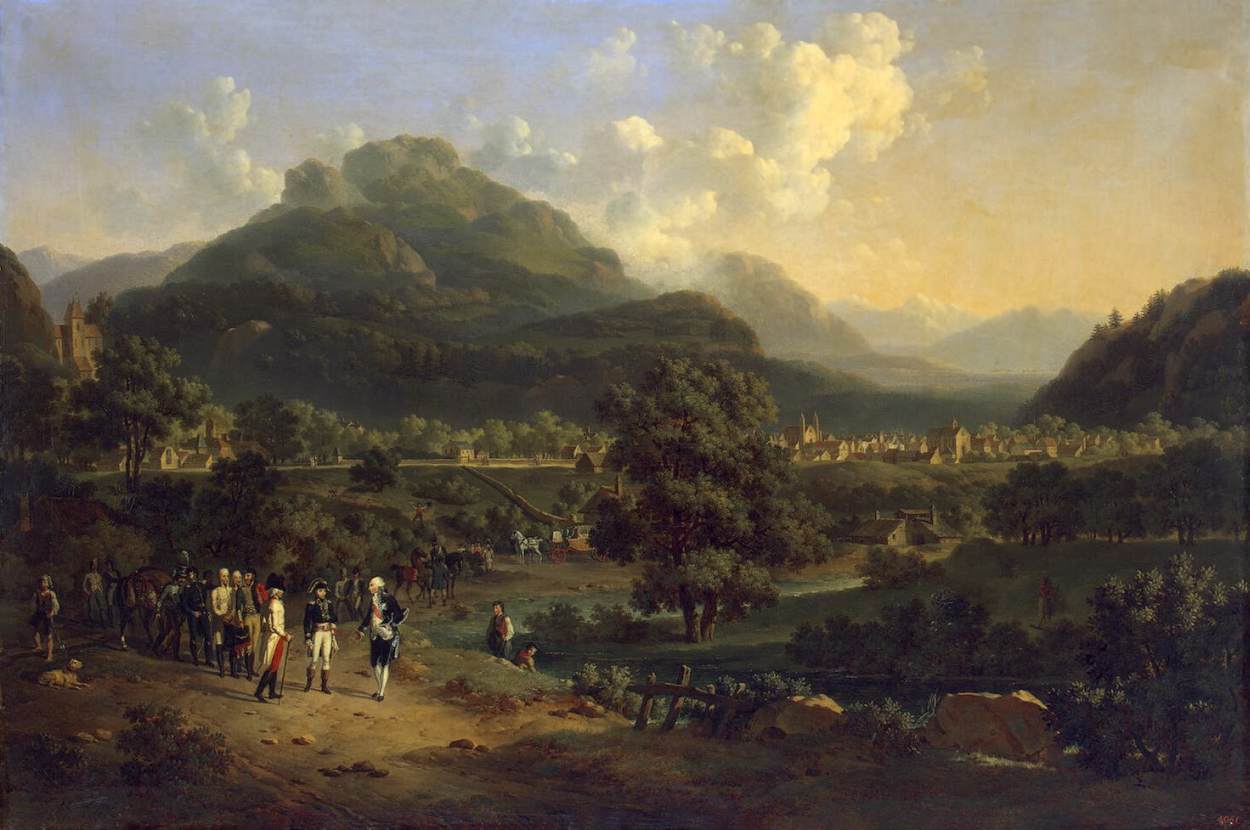
Wikimedia Commons · Public domain · file Advancing toward Vienna, Napoleon established his headquarters at Klagenfurt and sought an armistice from Archduke Charles. The exact headquarters building is not specified.
Signs preliminary peace at Leoben
· Eggenwaldsches Gartenhaus site, Leoben, Styria, Austria
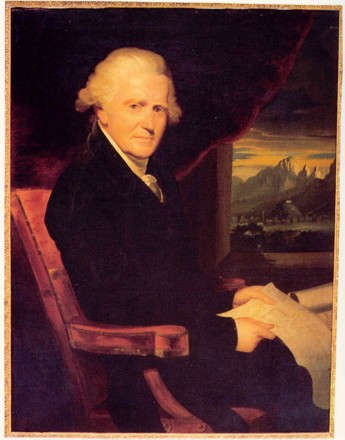
Wikimedia Commons · Public domain · file Napoleon signed preliminary peace terms with Austrian representatives, effectively ending the War of the First Coalition on the continent. Coordinates represent central Leoben; the historic garden-house site is not precisely identified here.
Signs Treaty of Campo Formio
· Campoformido, Friuli-Venezia Giulia, Italy
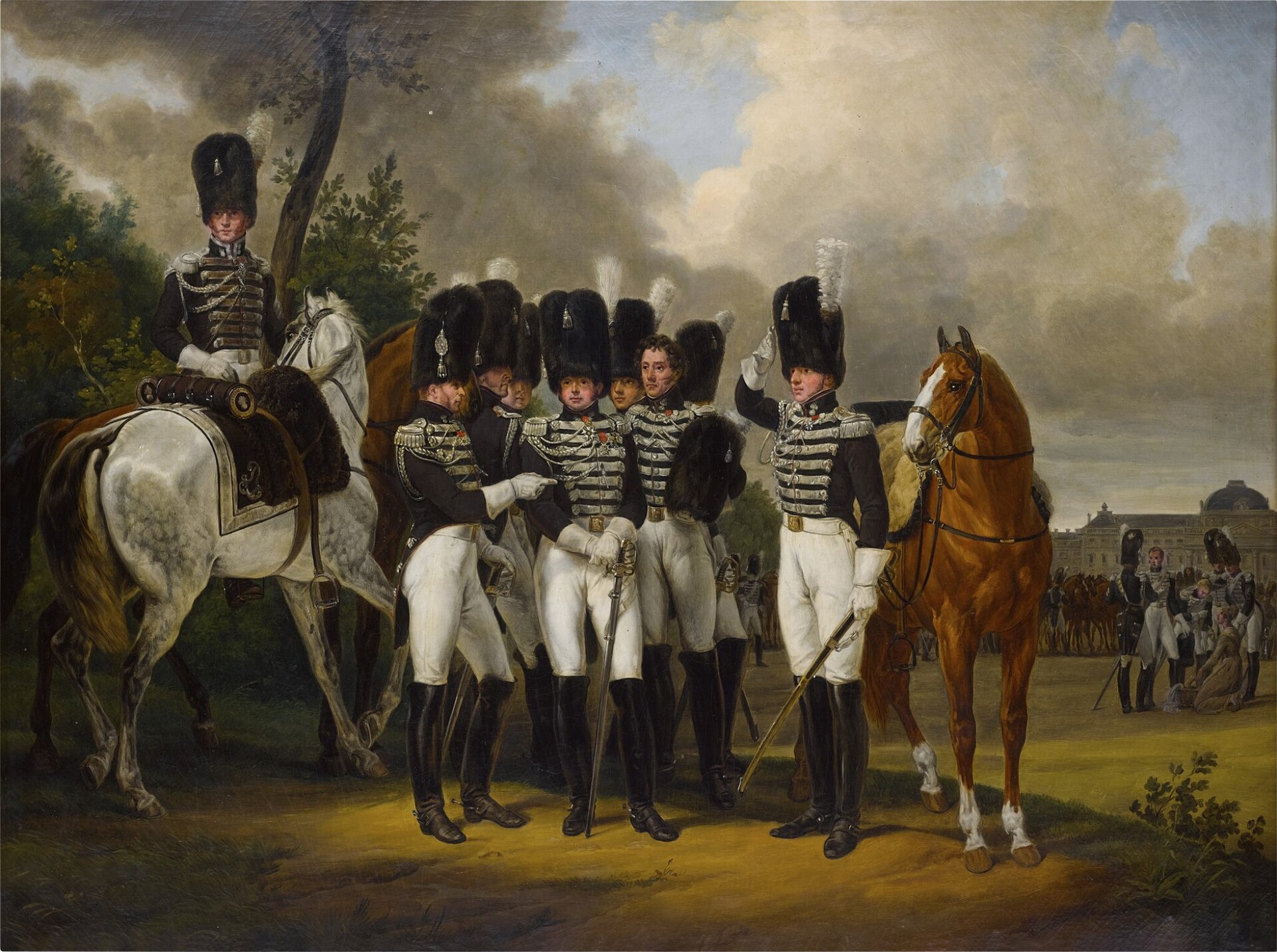
Wikimedia Commons · CC0 1.0 Universal Public Domain Dedication · file Napoleon signed the peace treaty with Austria that ended the First Coalition and repartitioned extensive European territories. Settlement coordinates are used; the treaty was signed in a house on the village square.
Stays in Valletta after conquering Malta
· Banca Giuratale, Valletta, Malta
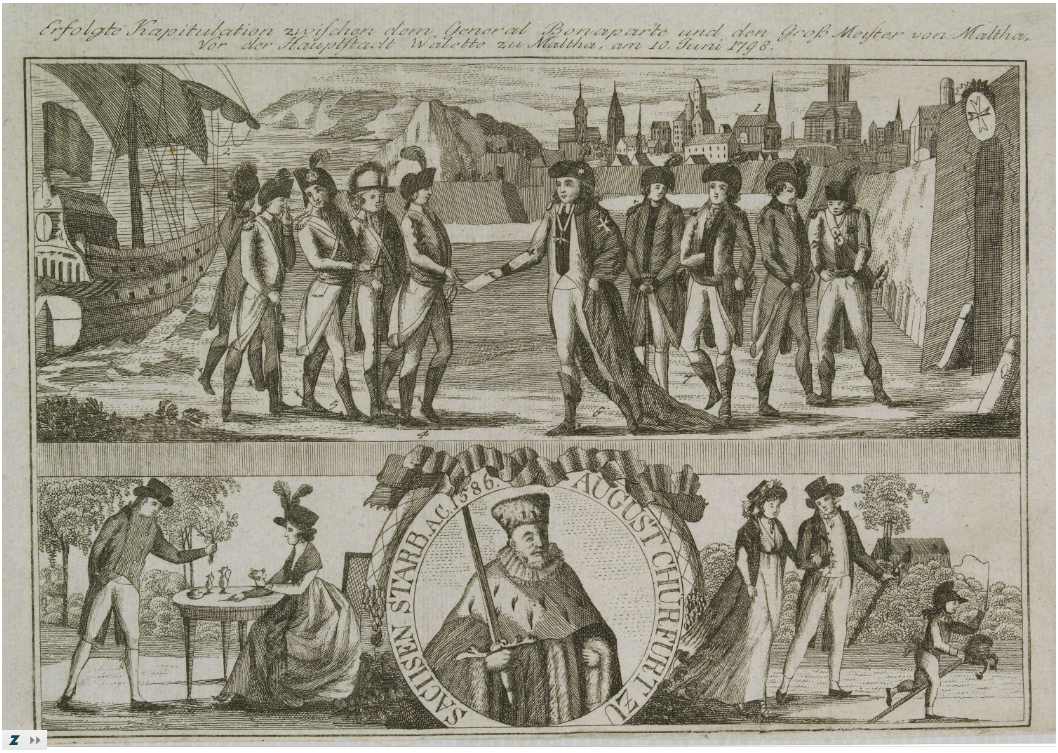
depictionWikimedia Commons · GOTTFRIED BAUMANN CO. · Public domain · source: [1] · file Napoleon landed in Valletta after Malta's capitulation and stayed on the island while reorganizing its administration before sailing for Egypt. He spent his first night at the Banca Giuratale and subsequently stayed at Palazzo Parisio.
Takes Alexandria
· Alexandria, Egypt
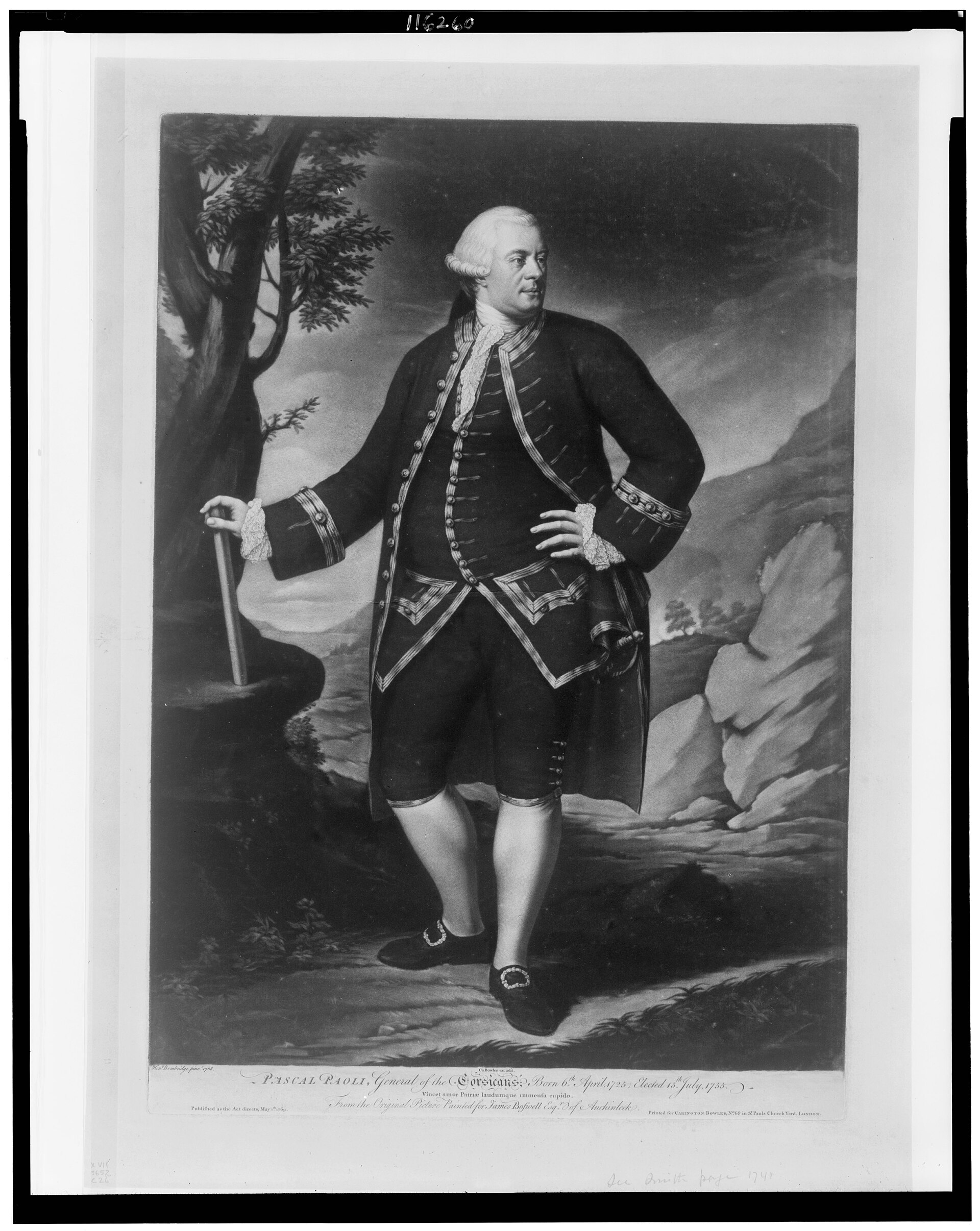
Wikimedia Commons · Public domain · file Napoleon landed near Alexandria and captured the Mediterranean port, opening the French invasion of Egypt. The canonical biography gives 1 July for landing; this linked campaign article gives 2 July. The card follows its explicit wording.
Commands at the Pyramids
· Imbaba battlefield, Giza Governorate, Egypt
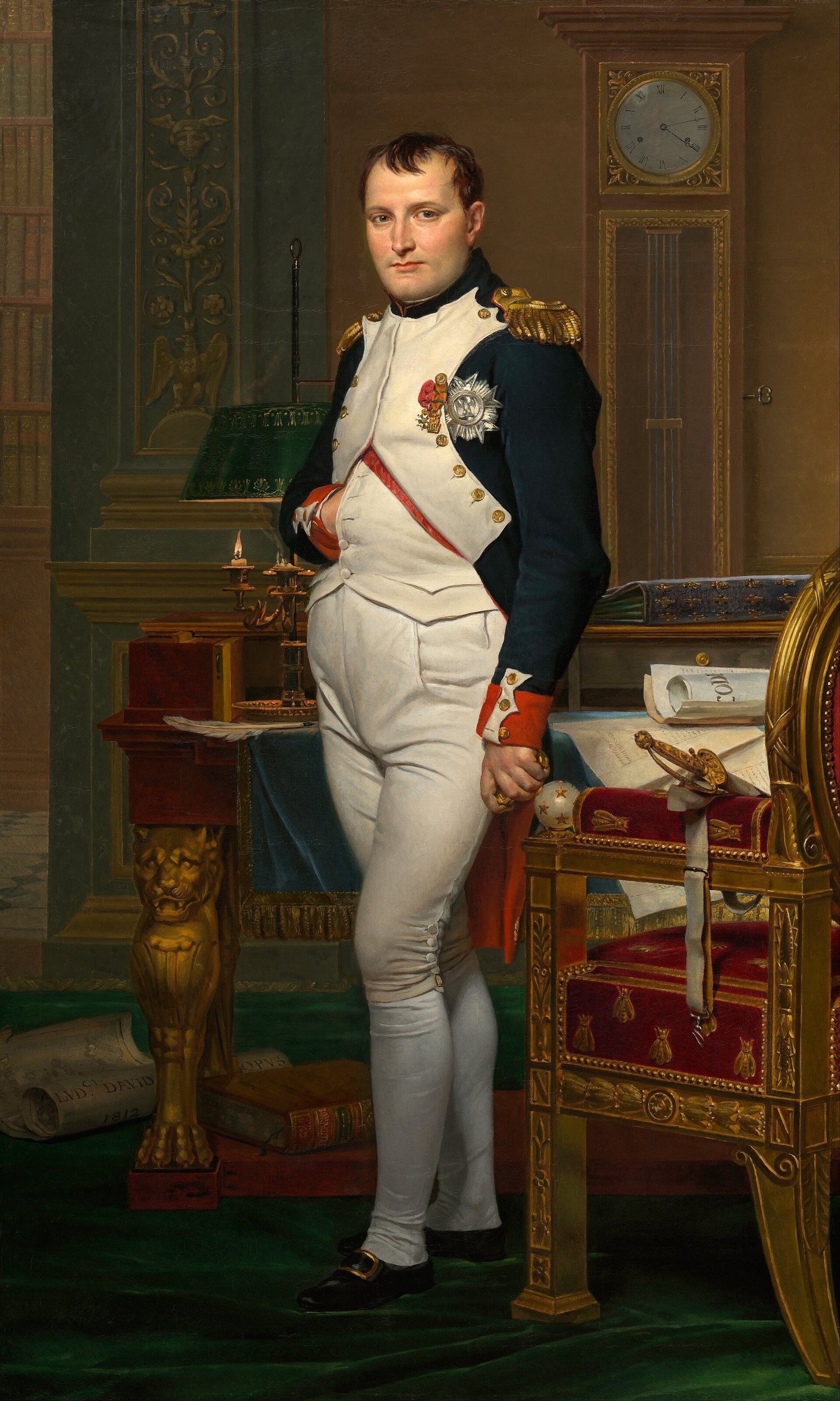
Wikimedia Commons · Public domain · file Napoleon organized his army into defensive squares and defeated the Mamluk forces near Cairo. The battle occurred near Imbaba, several kilometres from the pyramids; coordinates represent the battlefield vicinity.
Caught outside Cairo during revolt
· Old Cairo, Cairo, Egypt
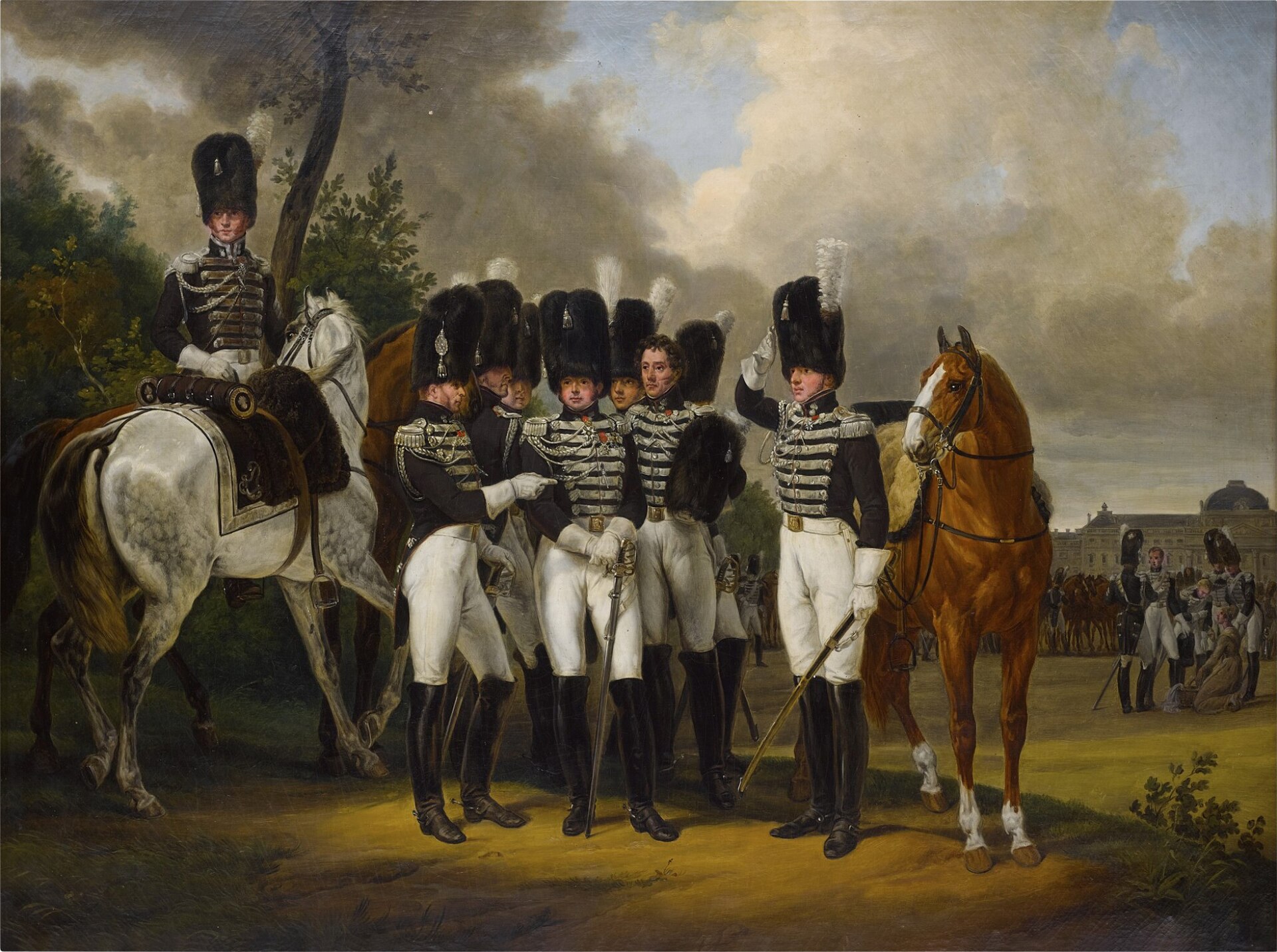
Wikimedia Commons · Public domain · file Napoleon was in Old Cairo when the uprising began and returned through the Boulaq gate before personally directing its suppression.
Besieges and captures Jaffa
· Old Jaffa, Tel Aviv–Jaffa, Israel
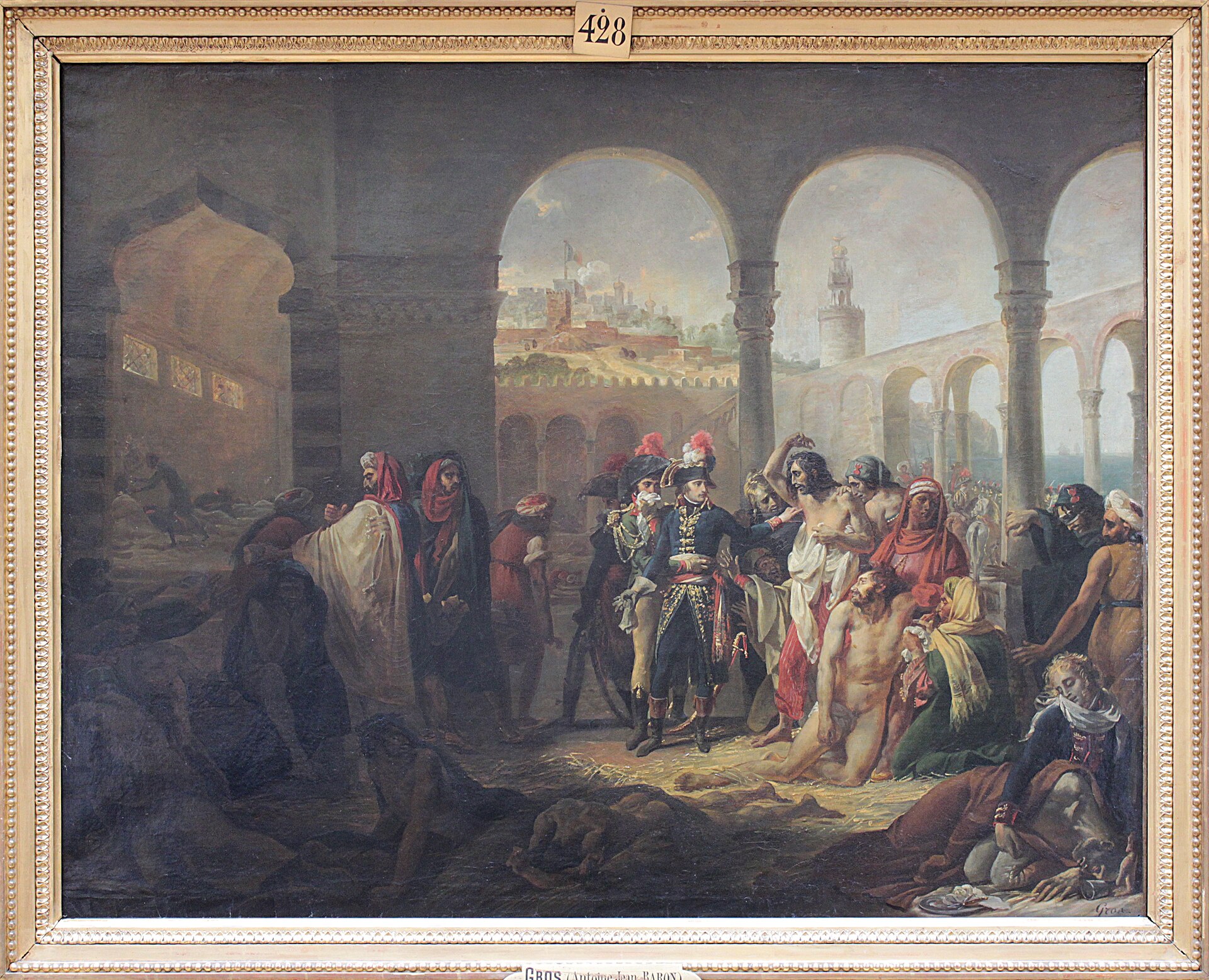
Wikimedia Commons · Public domain · file Napoleon reached Jaffa with the Army of the Orient and began a siege that ended with the city's capture and mass violence. The siege lasted from 3 to 7 March 1799.
Conducts the siege of Acre
· Napoleon's Hill, Acre, Israel
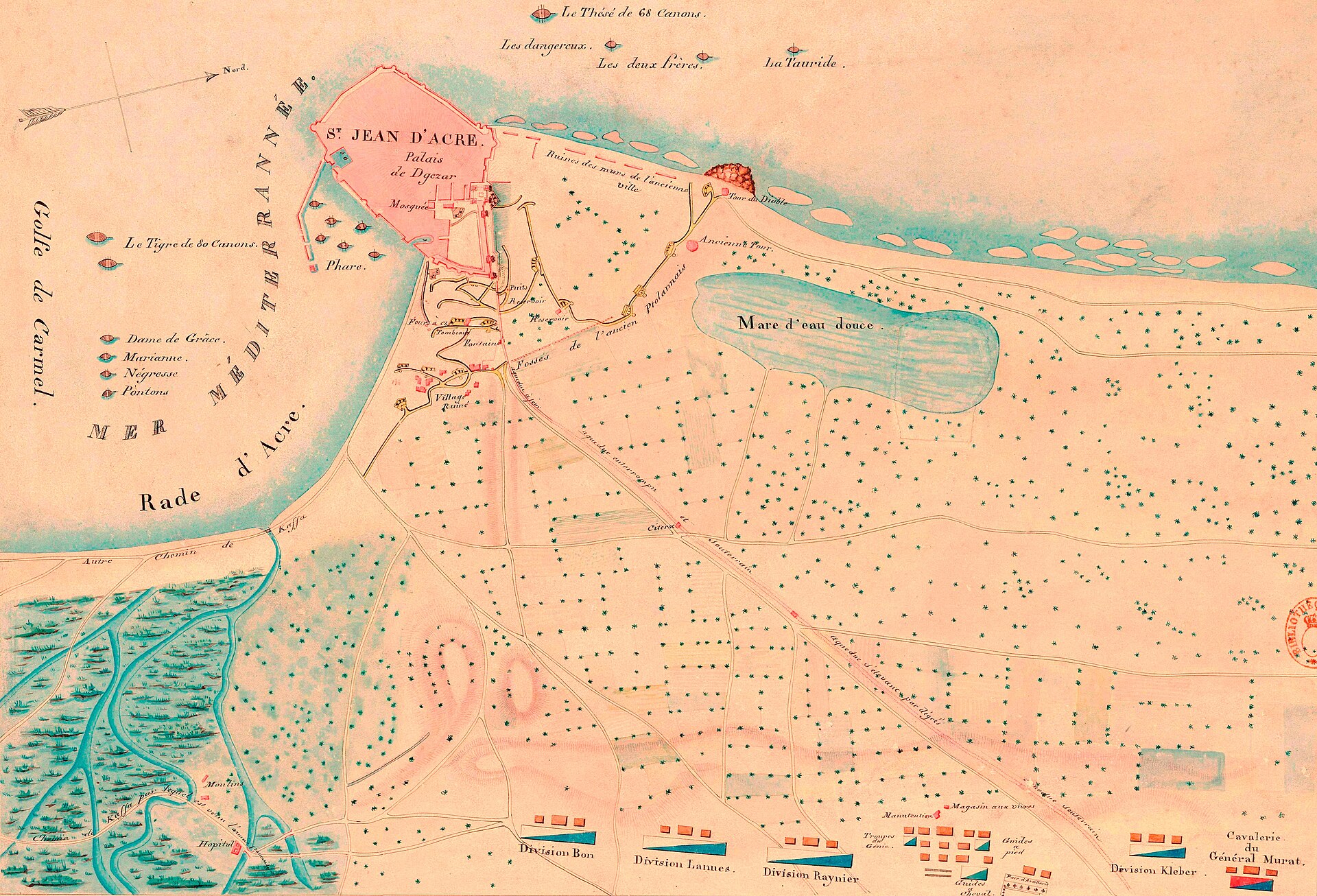
Wikimedia Commons · Public domain · file Napoleon opened the unsuccessful siege of Acre, whose resistance ended his projected advance farther into Ottoman Syria. Coordinates represent Napoleon's traditional camp southeast of Acre's walls.
Camps before Abukir
· Abu Qir, Alexandria Governorate, Egypt
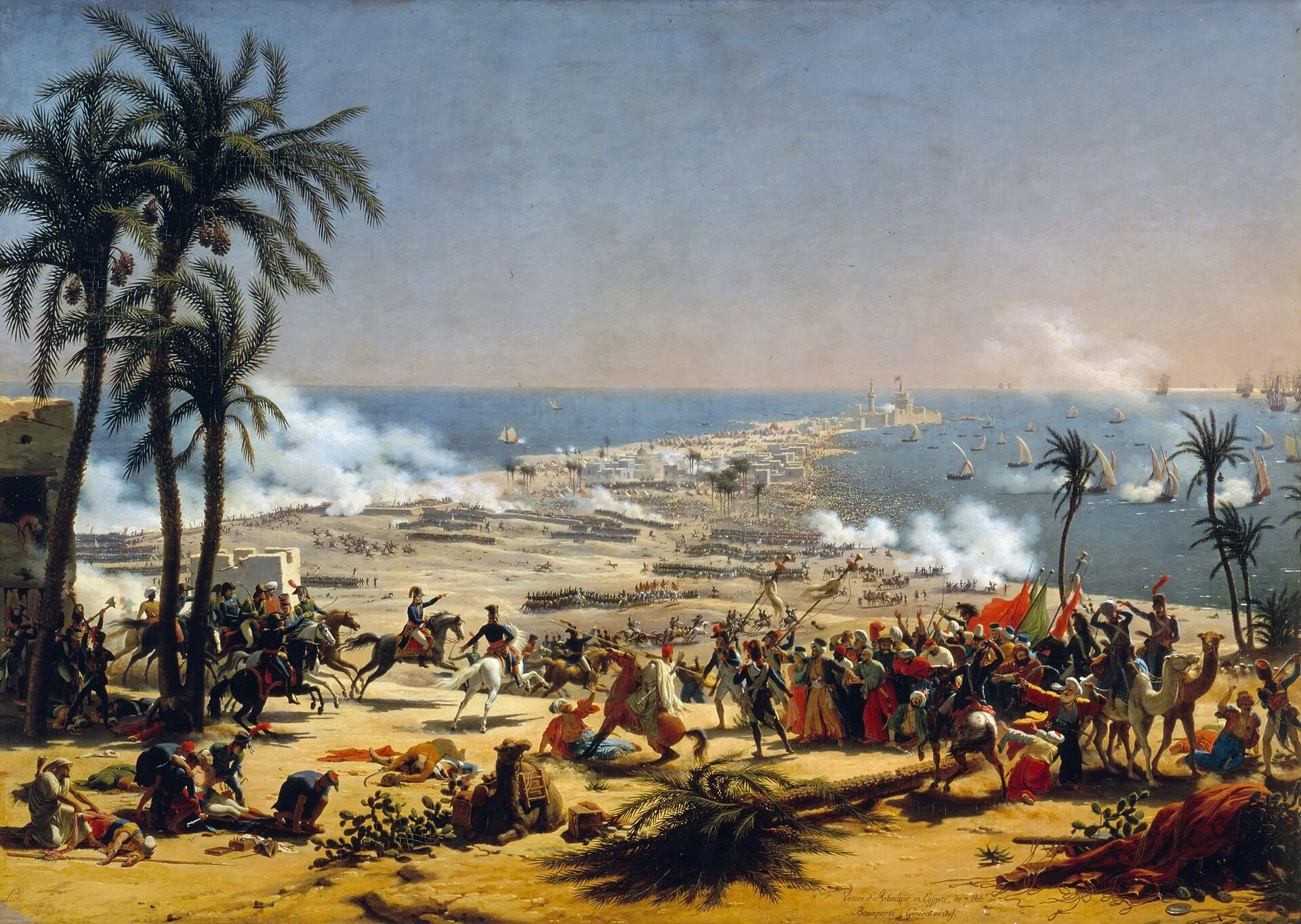
depictionWikimedia Commons · Louis-François Lejeune (1775-1848) · Public domain · source: Collections du Château de Versailles · file Napoleon arrived near Abukir and camped overnight before attacking the Ottoman beachhead the next morning. The exact campsite is not specified; Abu Qir settlement coordinates are used.
Defeats Ottoman army at Abukir
· Abu Qir battlefield, Alexandria Governorate, Egypt
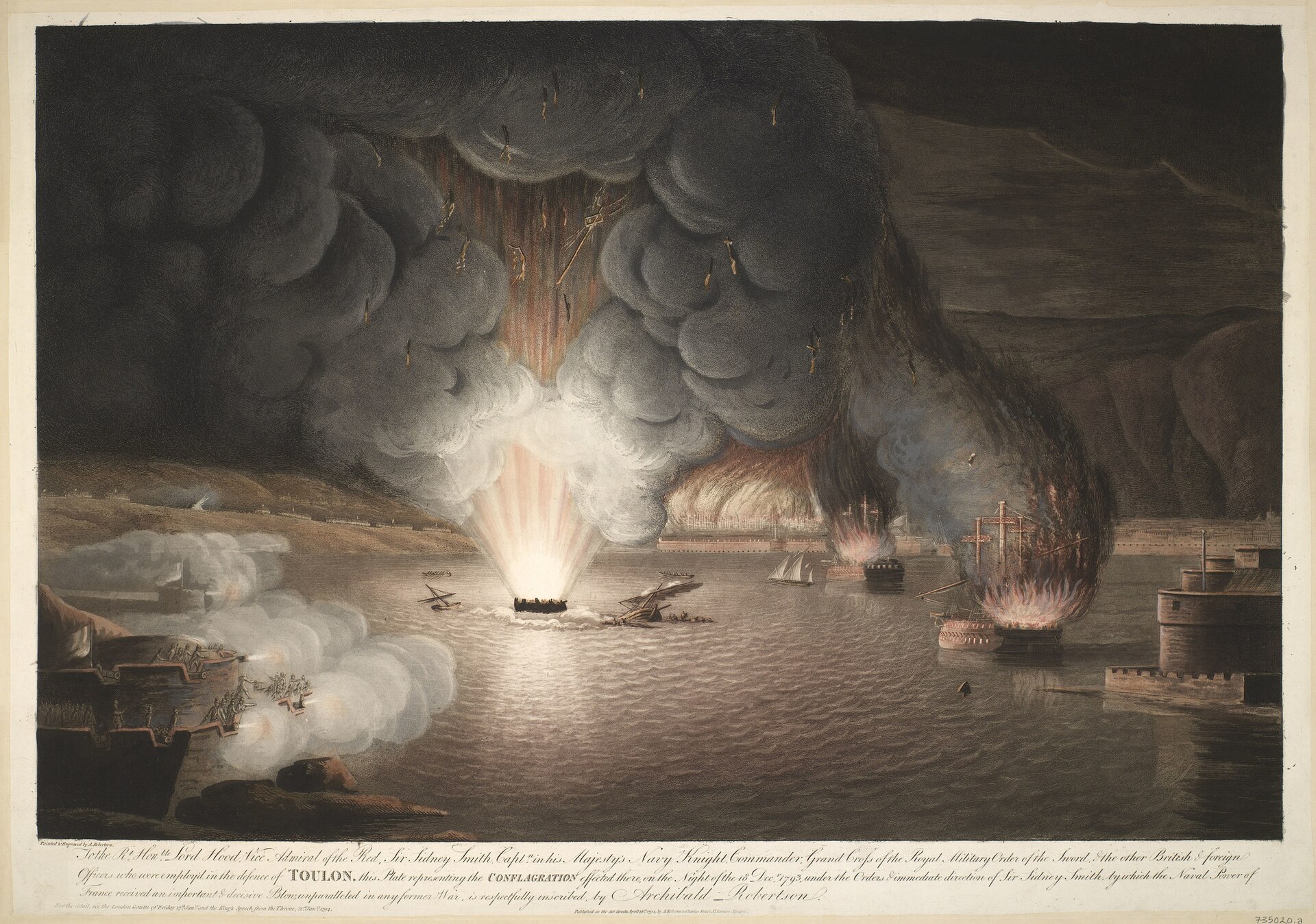
Wikimedia Commons · Public domain · file Napoleon commanded the French victory that destroyed Mustafa Pasha's field army and temporarily secured French control of Egypt.
Confronts legislators at Saint-Cloud
· Château de Saint-Cloud site, Saint-Cloud, France
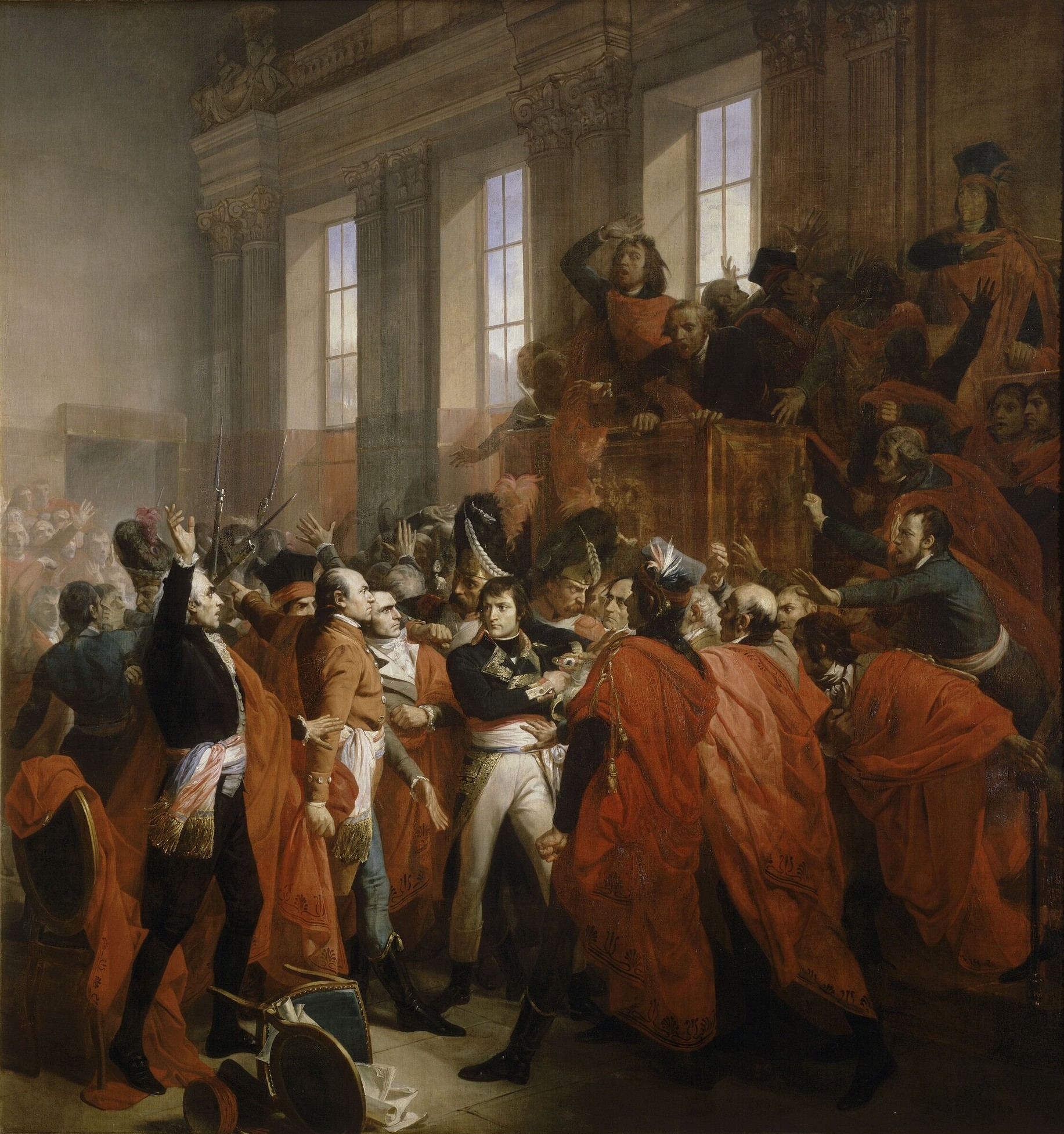
Wikimedia Commons · Public domain · file Napoleon appeared before the legislative councils at Saint-Cloud during the coup that destroyed the Directory and established the Consulate. The château was destroyed in 1870; coordinates identify its former site.
Crosses the Great St Bernard
· Great St Bernard Pass, Switzerland–Italy border
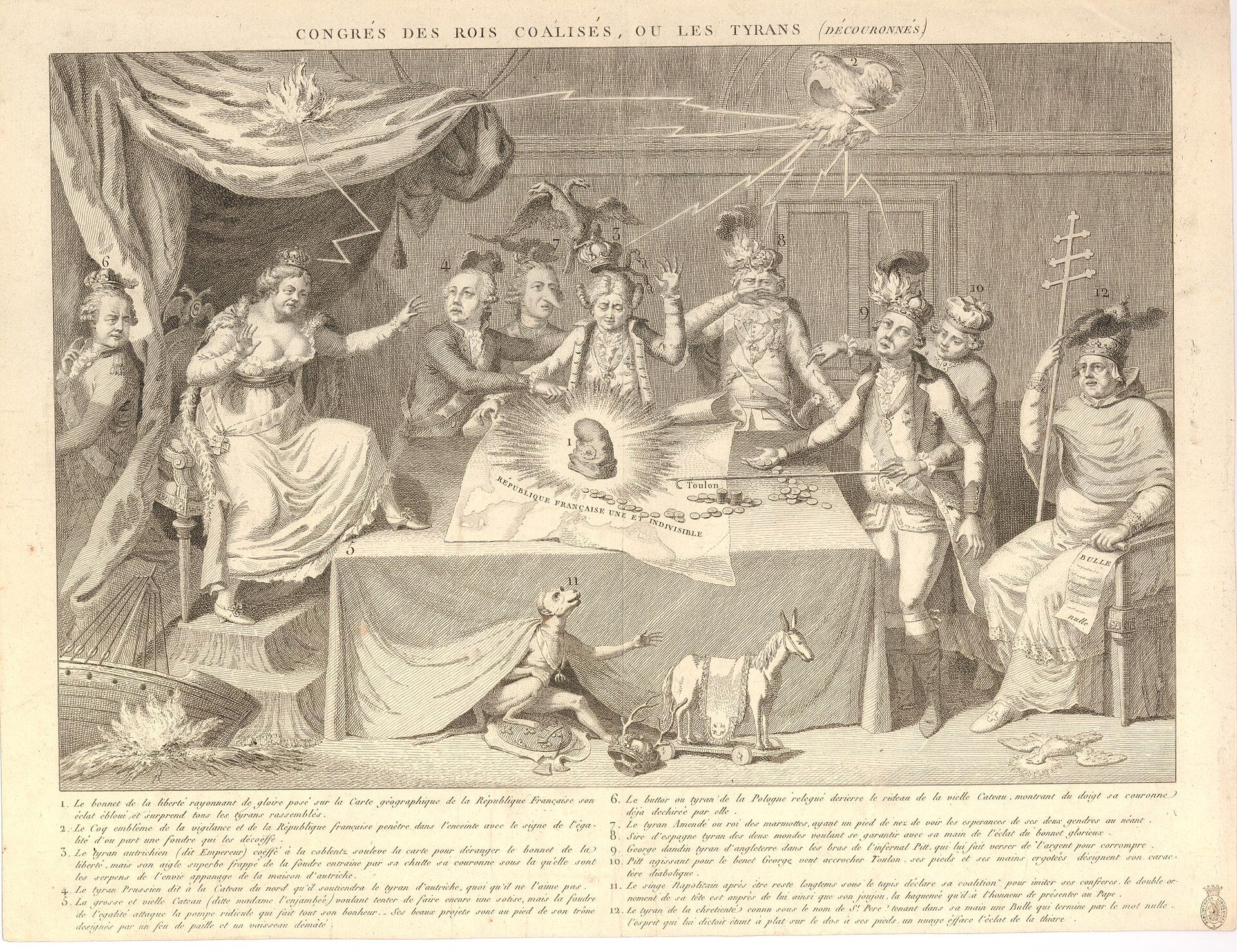
Wikimedia Commons · Public domain · file Napoleon began leading the reserve army across the Alpine pass in the maneuver that preceded the Marengo campaign. Crossing took about five days; coordinates identify the pass.
Fights at Marengo
· Marengo, Alessandria, Piedmont, Italy
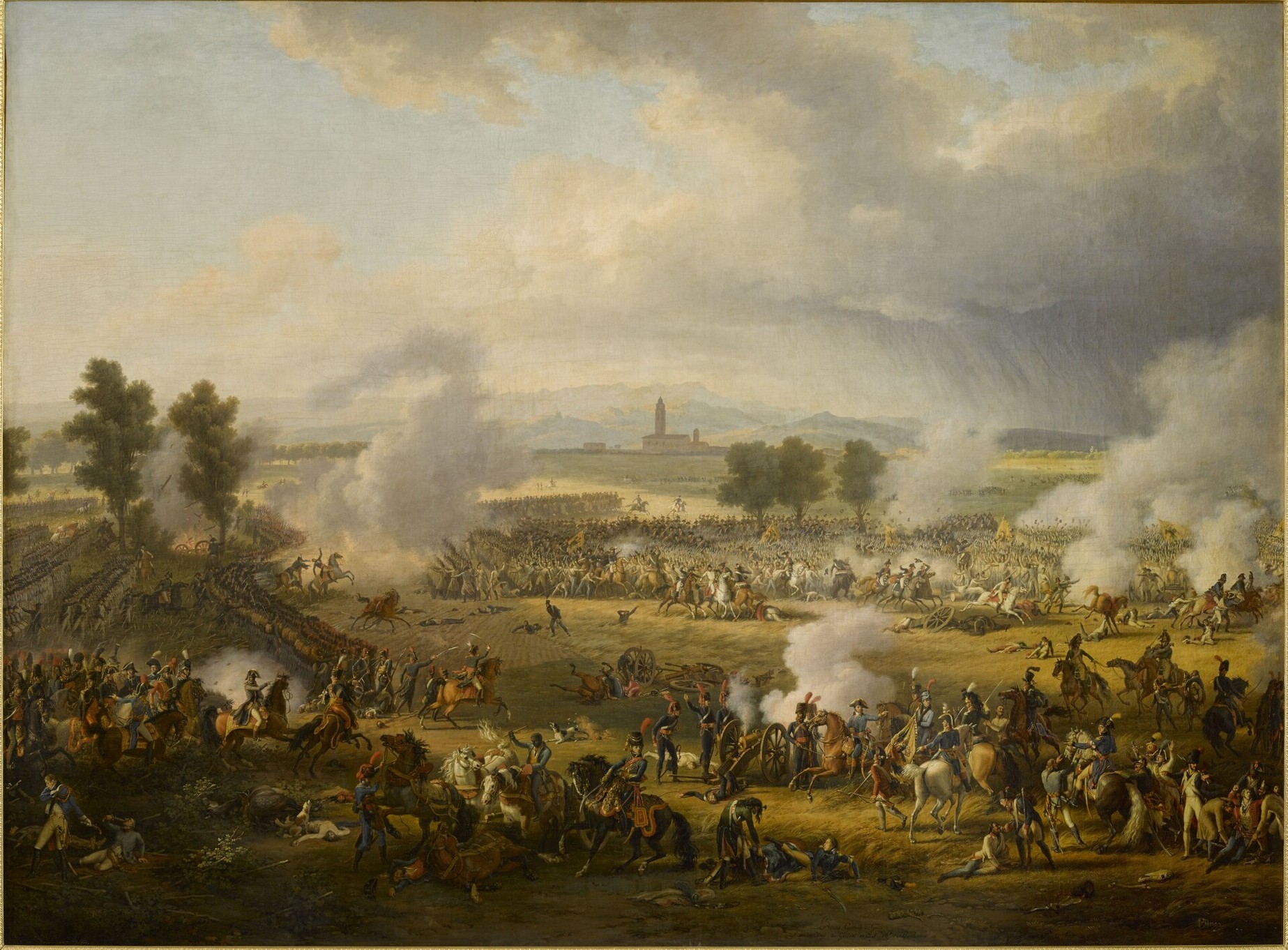
Wikimedia Commons · Public domain · file After crossing the Alps, Napoleon fought and won at Marengo, forcing an Austrian evacuation of much of Italy. The quoted passage follows an explicit statement that Napoleon commenced operations after crossing the Alps.
Crowned at Notre-Dame
· Notre-Dame de Paris, Paris, France
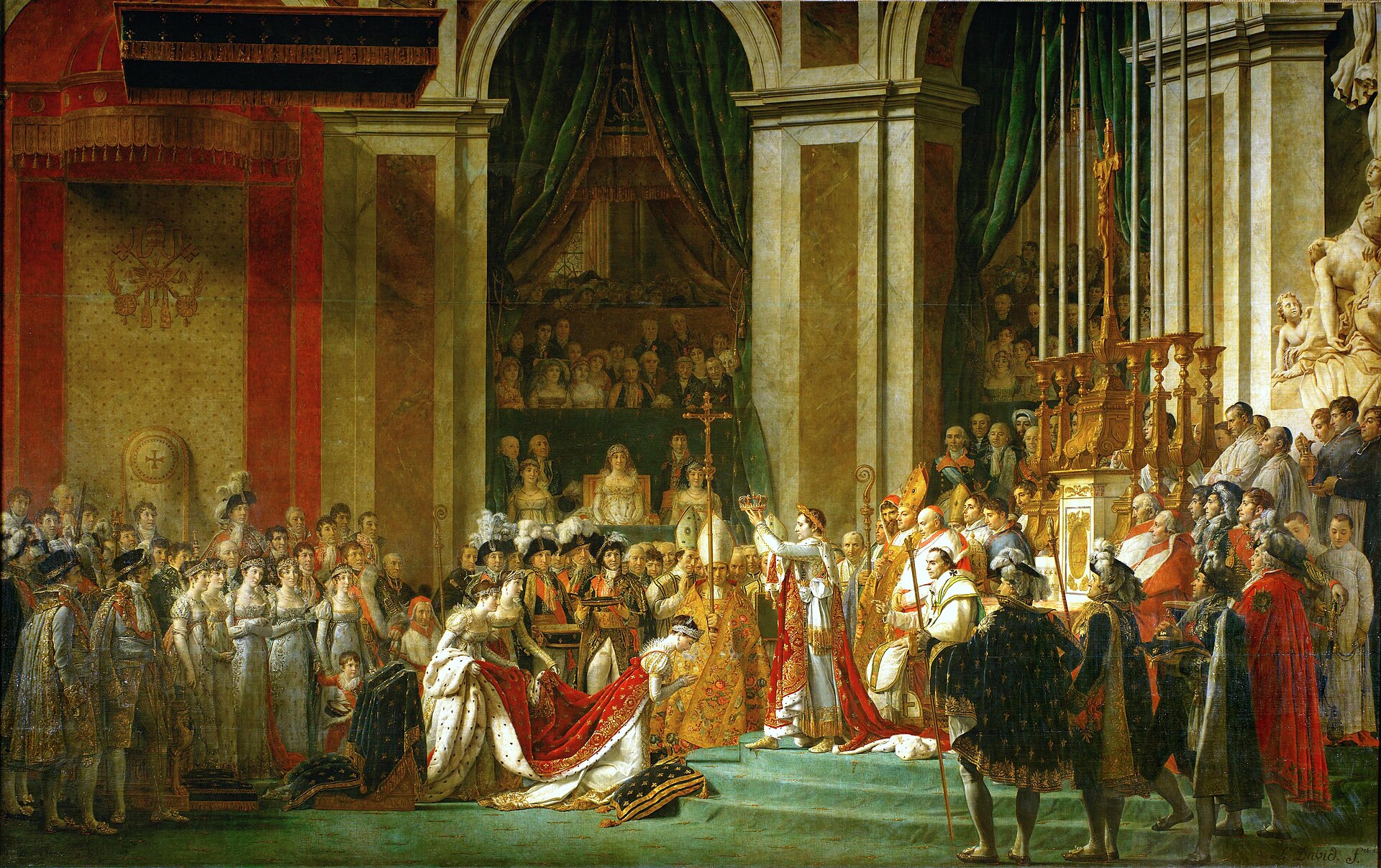
Wikimedia Commons · Public domain · file Napoleon attended his imperial coronation at Notre-Dame, crowned himself, and then crowned Joséphine.
Crowned King of Italy in Milan
· Milan Cathedral, Milan, Lombardy, Italy
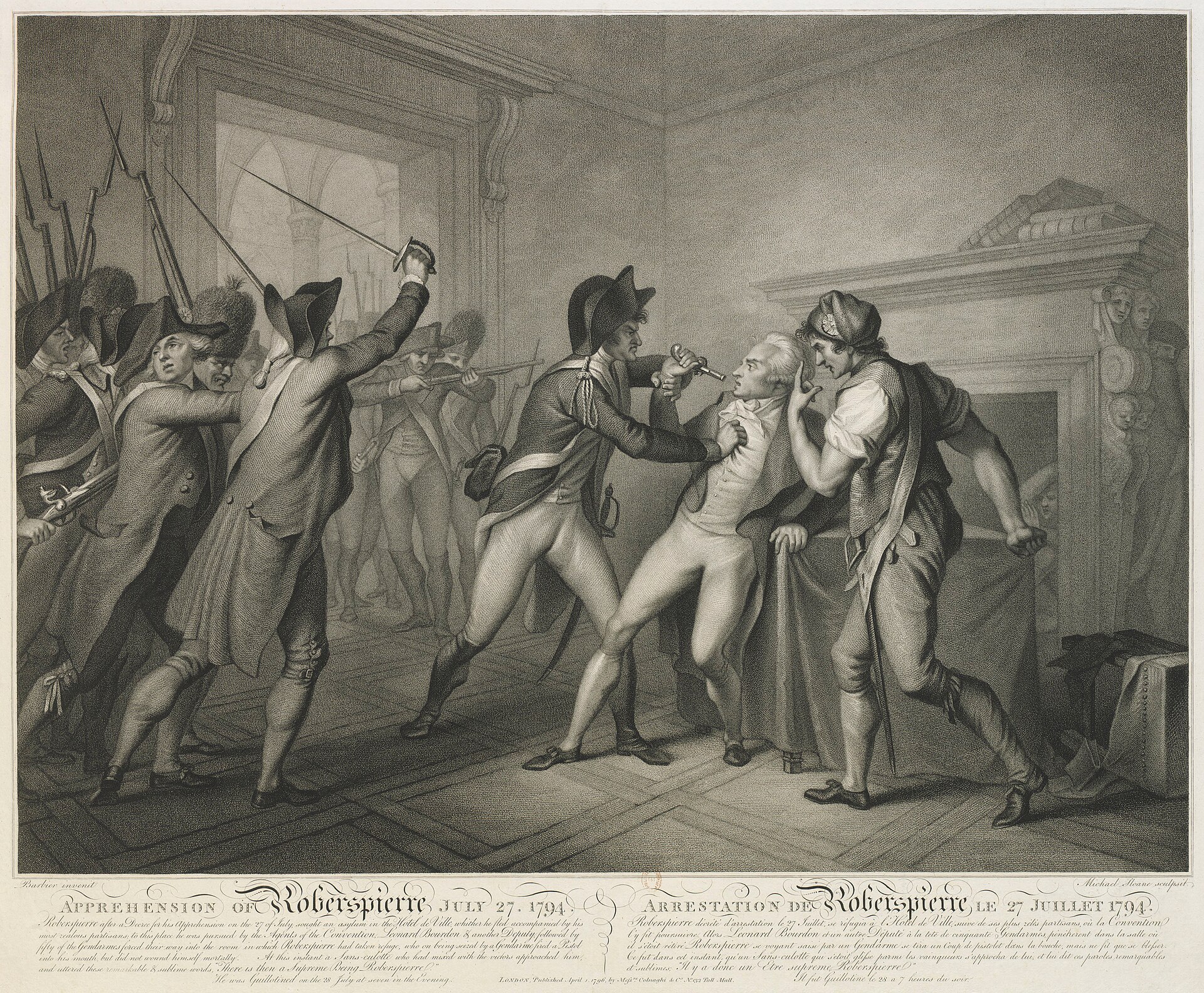
Wikimedia Commons · Public domain · file Napoleon was crowned King of Italy with the Iron Crown of Lombardy in Milan Cathedral. The coronation date is 26 May; his declaration as king occurred on 17 March.
Commands victory at Austerlitz
· Pratzen Heights, Slavkov u Brna, Czech Republic
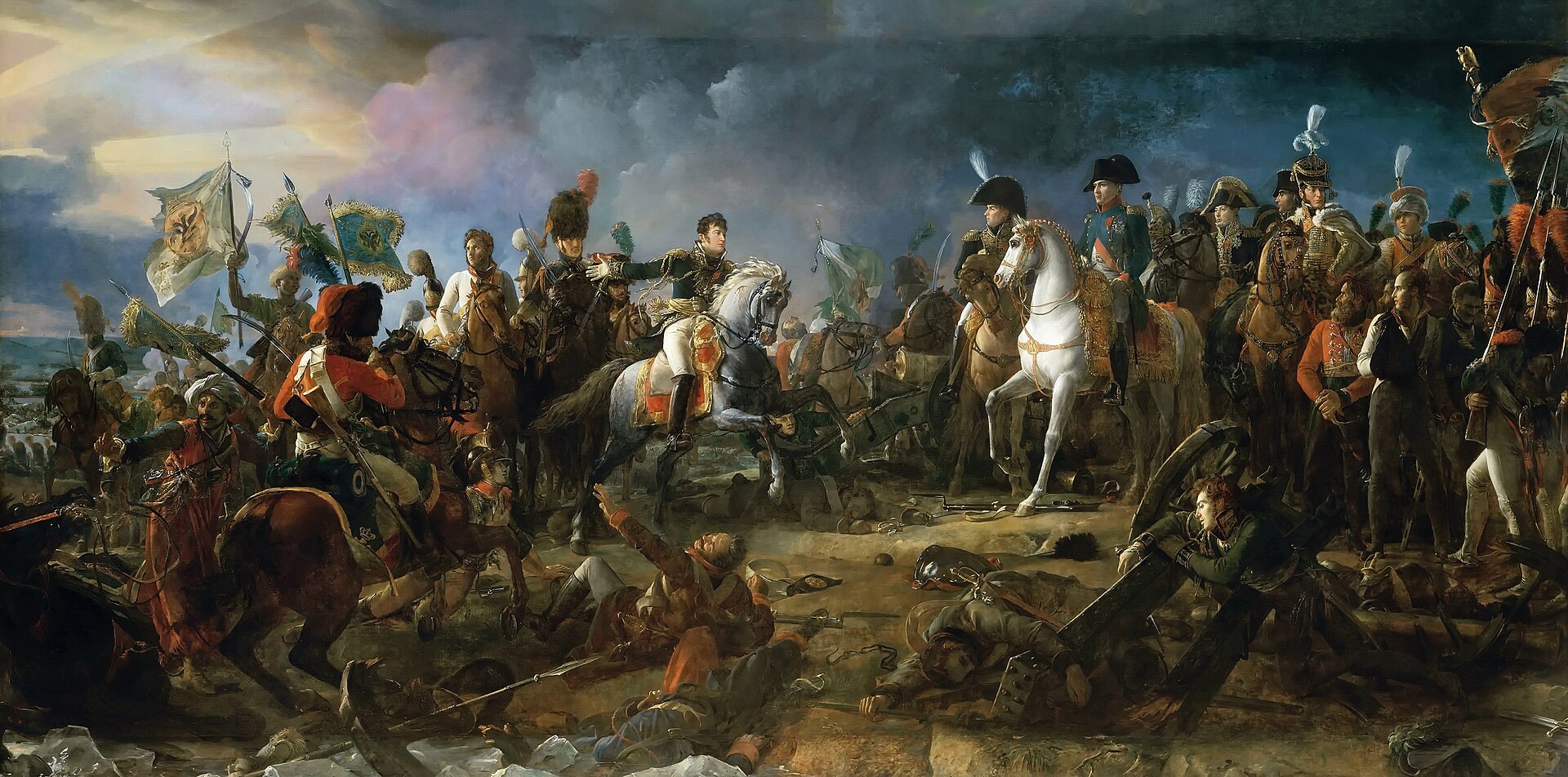
Wikimedia Commons · Public domain · file Napoleon personally directed the French army at Austerlitz, defeating the combined Russian and Austrian forces. Coordinates represent the Pratzen Heights battlefield.
Commands at Jena
· Jena battlefield, Thuringia, Germany
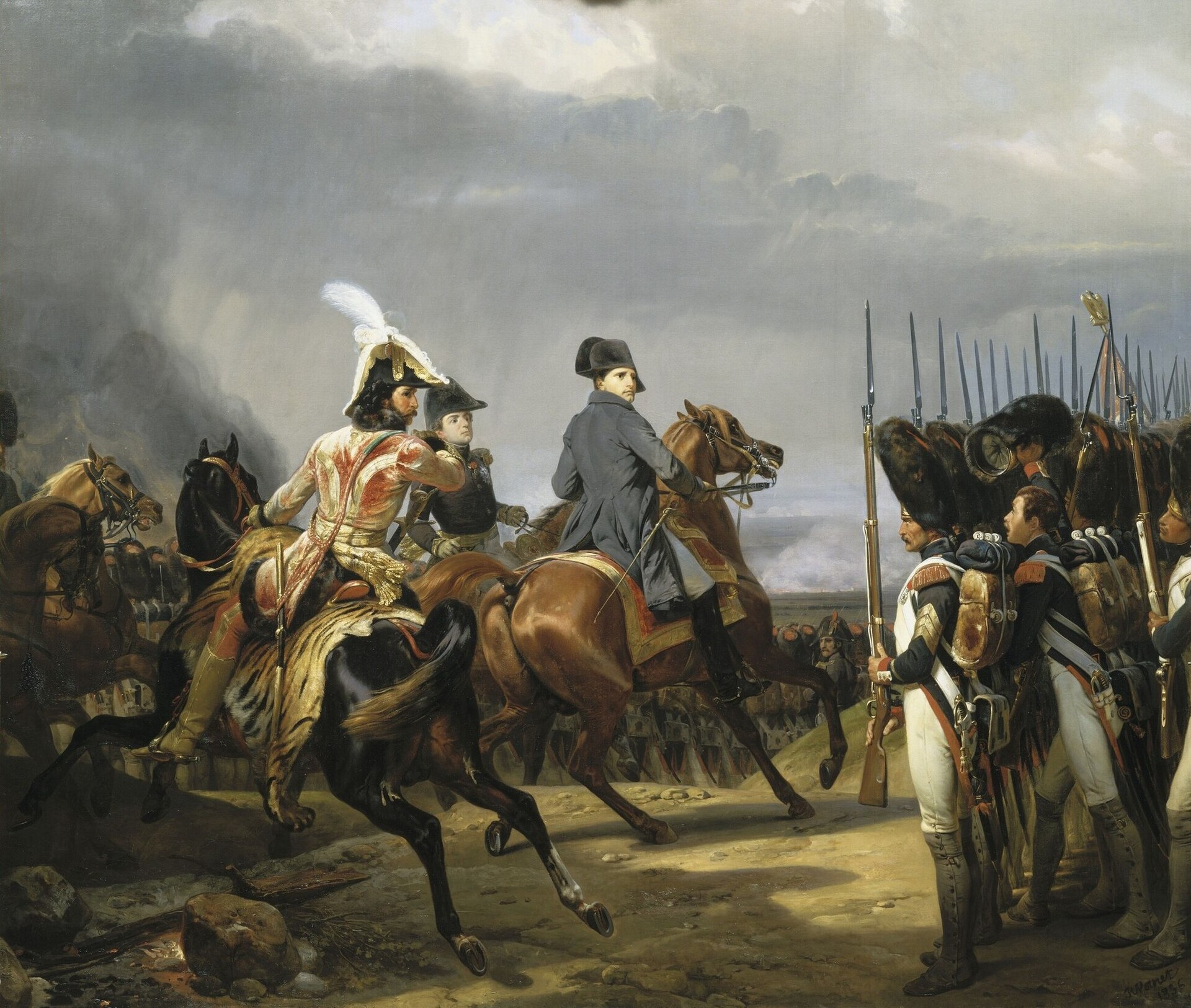
Wikimedia Commons · Public domain · file Napoleon directed the French army at Jena while Davout fought the principal Prussian force at nearby Auerstedt. Settlement coordinates represent the Jena battlefield area.
Fights through the snow at Eylau
· Bagrationovsk, Kaliningrad Oblast, Russia
Wikimedia Commons · Public domain · file Napoleon commanded the Grande Armée during the exceptionally bloody and inconclusive battle against Bennigsen's Russian army. The town was then Preussisch Eylau in East Prussia.
Receives Persian envoy at Finckenstein
· Finckenstein Palace ruins, Kamieniec, Warmian-Masurian Voivodeship, Poland
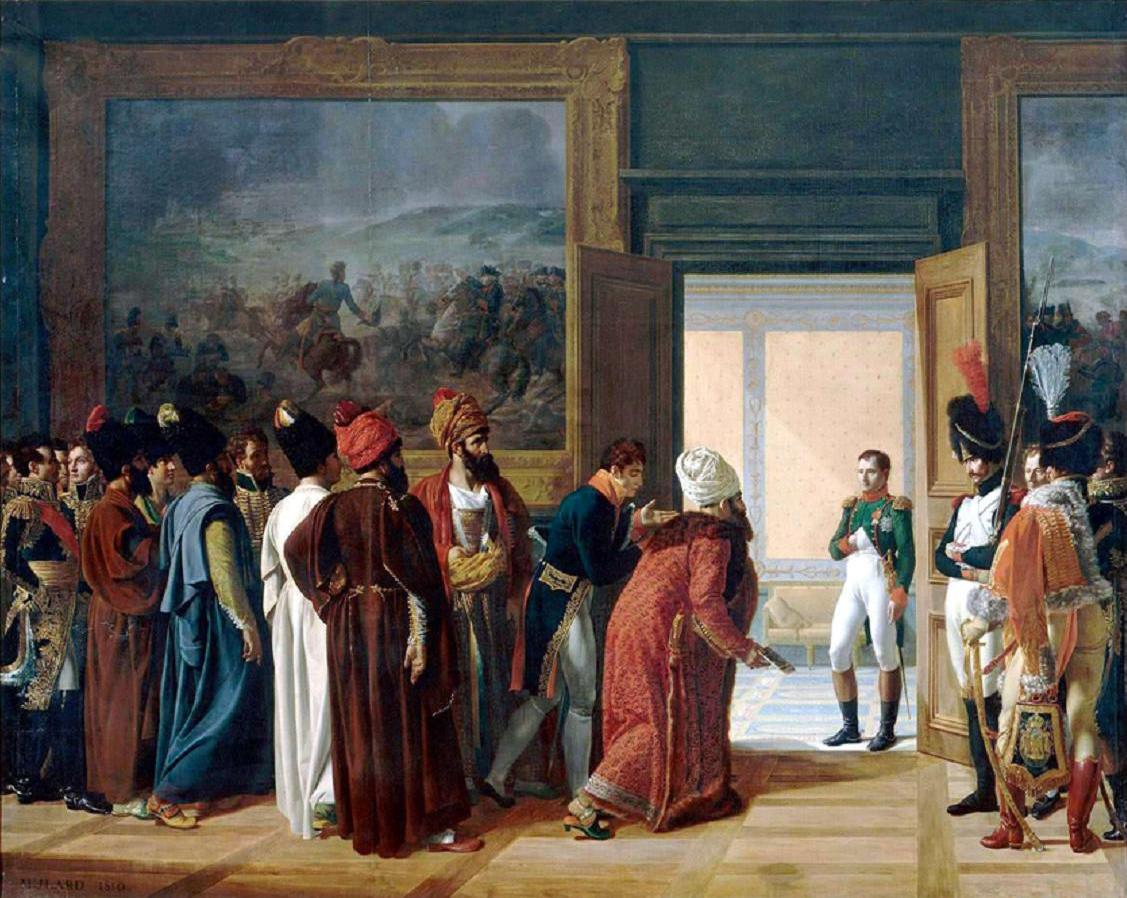
Wikimedia Commons · Public domain · file Napoleon met Mirza Mohammad-Reza Qazvini at Finckenstein Palace during negotiations for a Franco-Persian alliance. The palace is now ruined; coordinates represent the site.
Wins at Friedland
· Pravdinsk, Kaliningrad Oblast, Russia
Wikimedia Commons · Public domain · file Napoleon concentrated his forces at Friedland and decisively defeated Bennigsen's Russian army, prompting peace negotiations. Pravdinsk was then Friedland in East Prussia.
Meets Alexander on the Neman
· Neman River at Sovetsk, Russia–Lithuania border
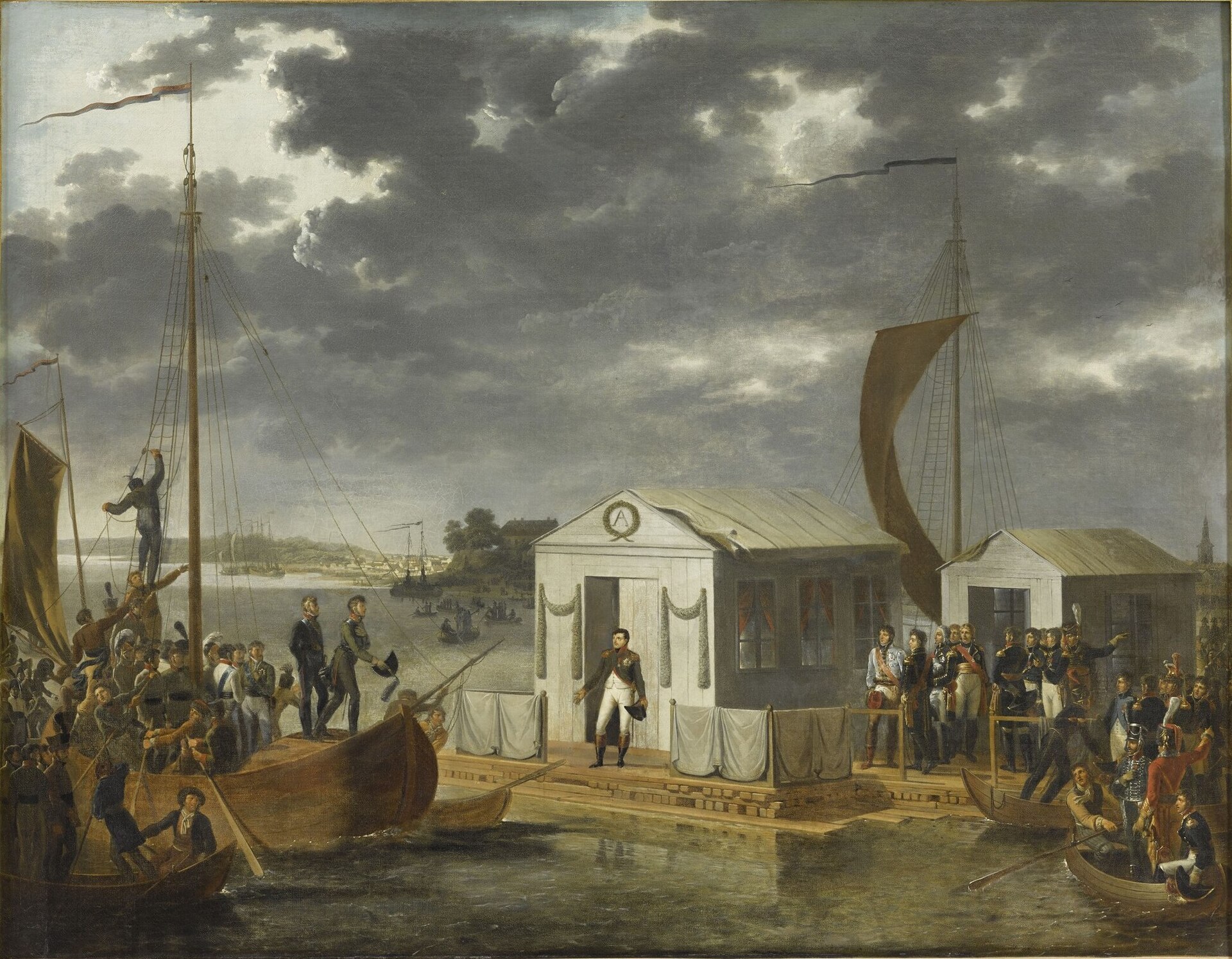
Wikimedia Commons · Public domain · file Napoleon and Alexander I began peace negotiations aboard a raft positioned in the Neman River between their armies. Coordinates represent the river at historic Tilsit, now Sovetsk.
Summons Spanish Bourbons to Bayonne
· Château de Marracq site, Bayonne, France
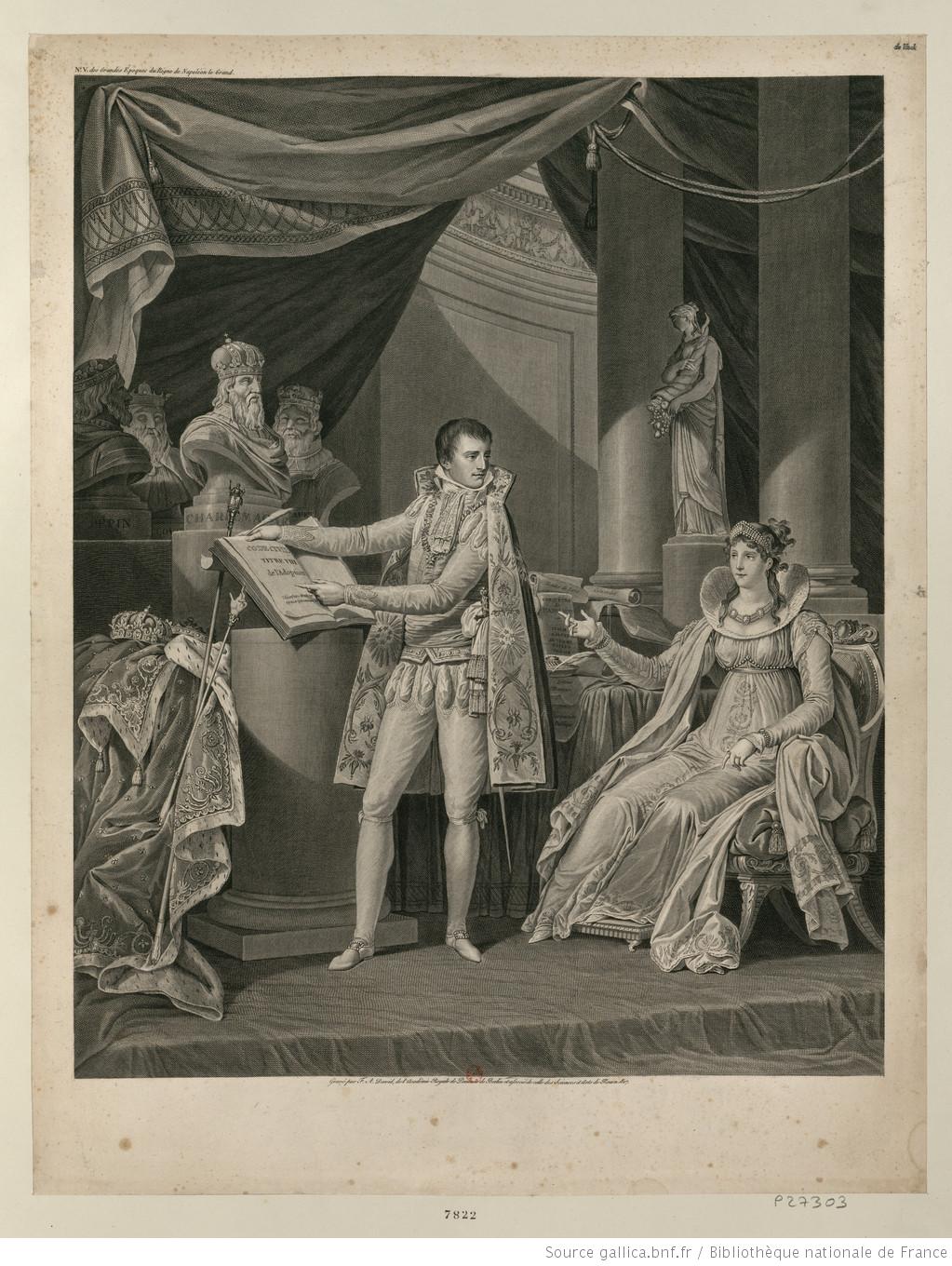
Wikimedia Commons · Public domain · file Napoleon received Charles IV and Ferdinand VII at Bayonne and compelled both to surrender their claims to the Spanish throne. The Château de Marracq, Napoleon's Bayonne residence, is ruined; coordinates represent its site.
Meets Alexander at Erfurt
· Erfurt, Thuringia, Germany
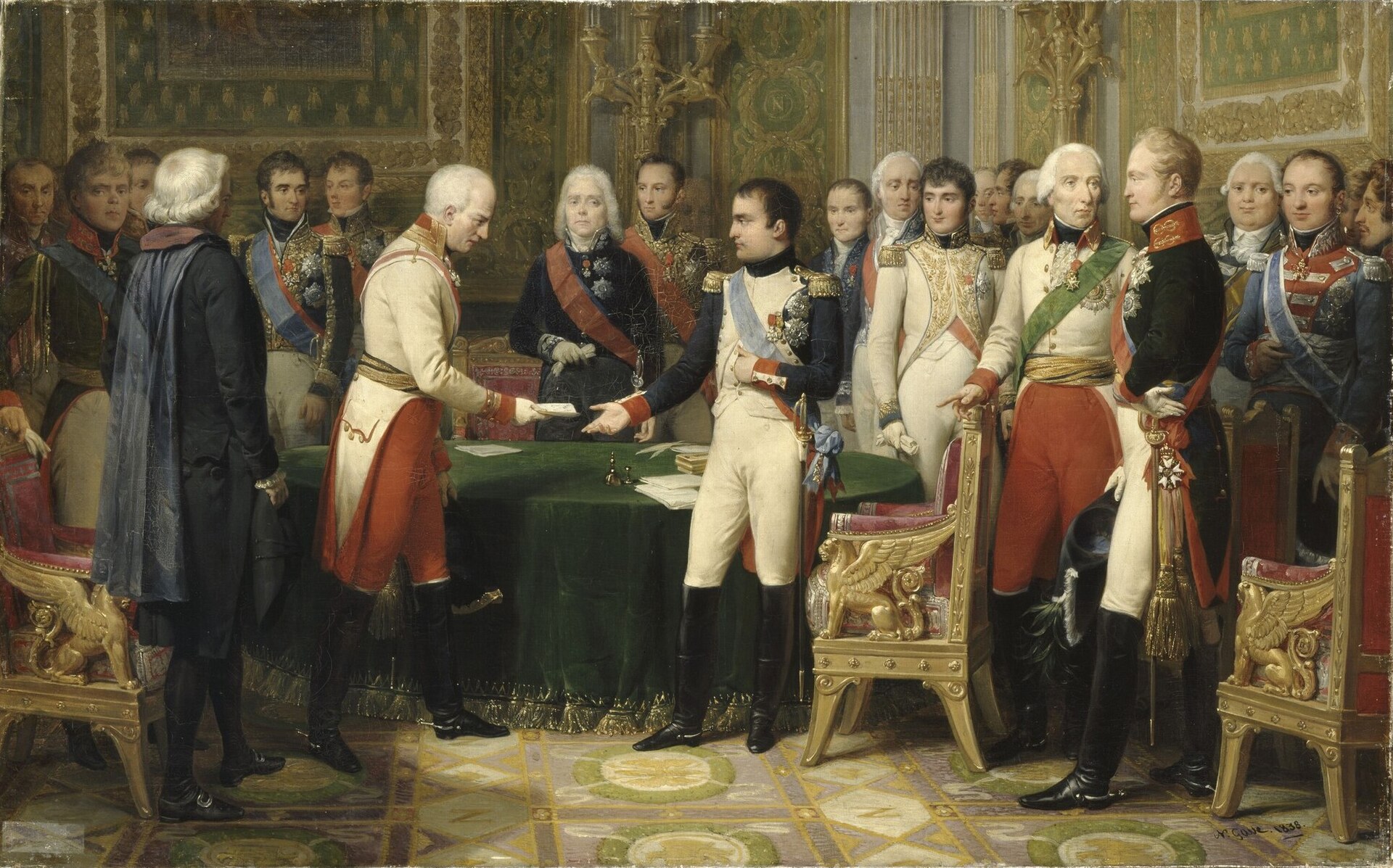
depictionWikimedia Commons · Nicolas Gosse · Public domain · source: www.photo.rmn.fr Joconde database : [1] · file Napoleon met Alexander I and other German rulers at the Congress of Erfurt to reinforce the Franco-Russian alliance. The congress ran from 27 September to 14 October; the source supports month precision here.
Takes command at Vitoria
· Vitoria-Gasteiz, Basque Country, Spain
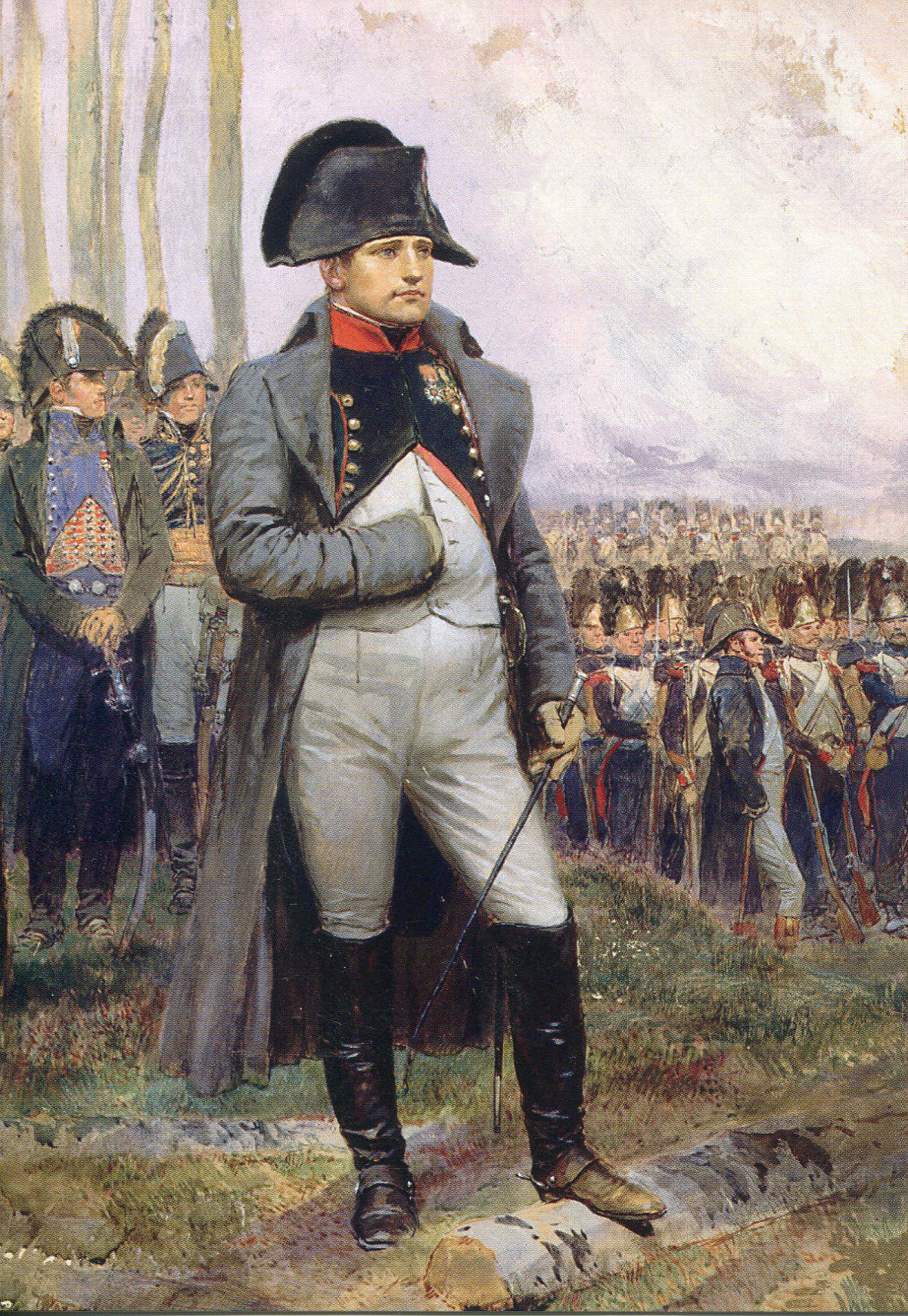
Wikimedia Commons · Public domain · file Napoleon arrived at Vitoria and assumed direct command of the large French army assembled for the Spanish campaign.
Observes the assault at Somosierra
· Somosierra Pass, Community of Madrid, Spain
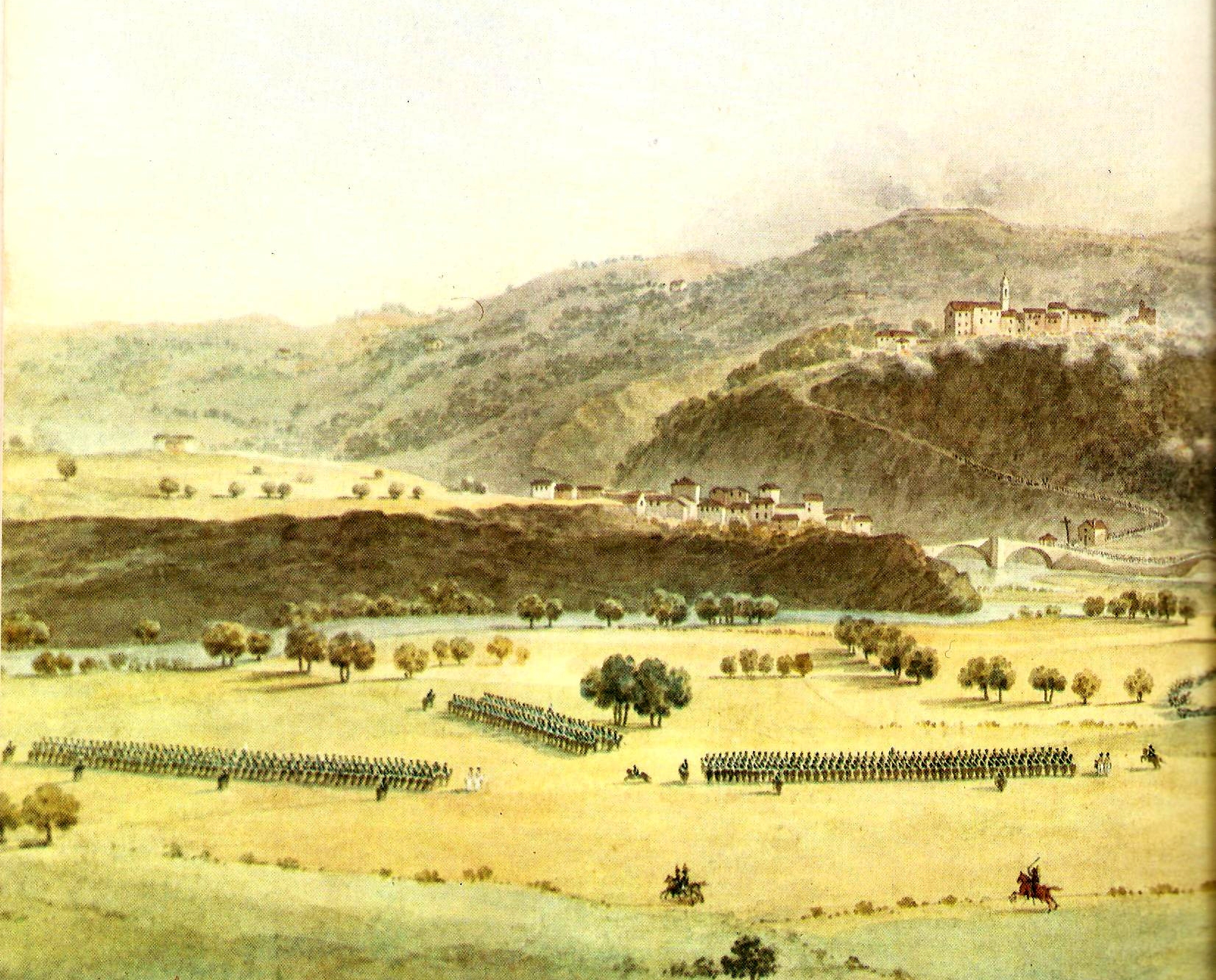
Wikimedia Commons · Public domain · file Napoleon was present when Polish light cavalry broke the Spanish defensive position at the Somosierra pass, opening the road to Madrid. Coordinates identify the mountain pass and battlefield.
Retakes Madrid
· Madrid, Spain
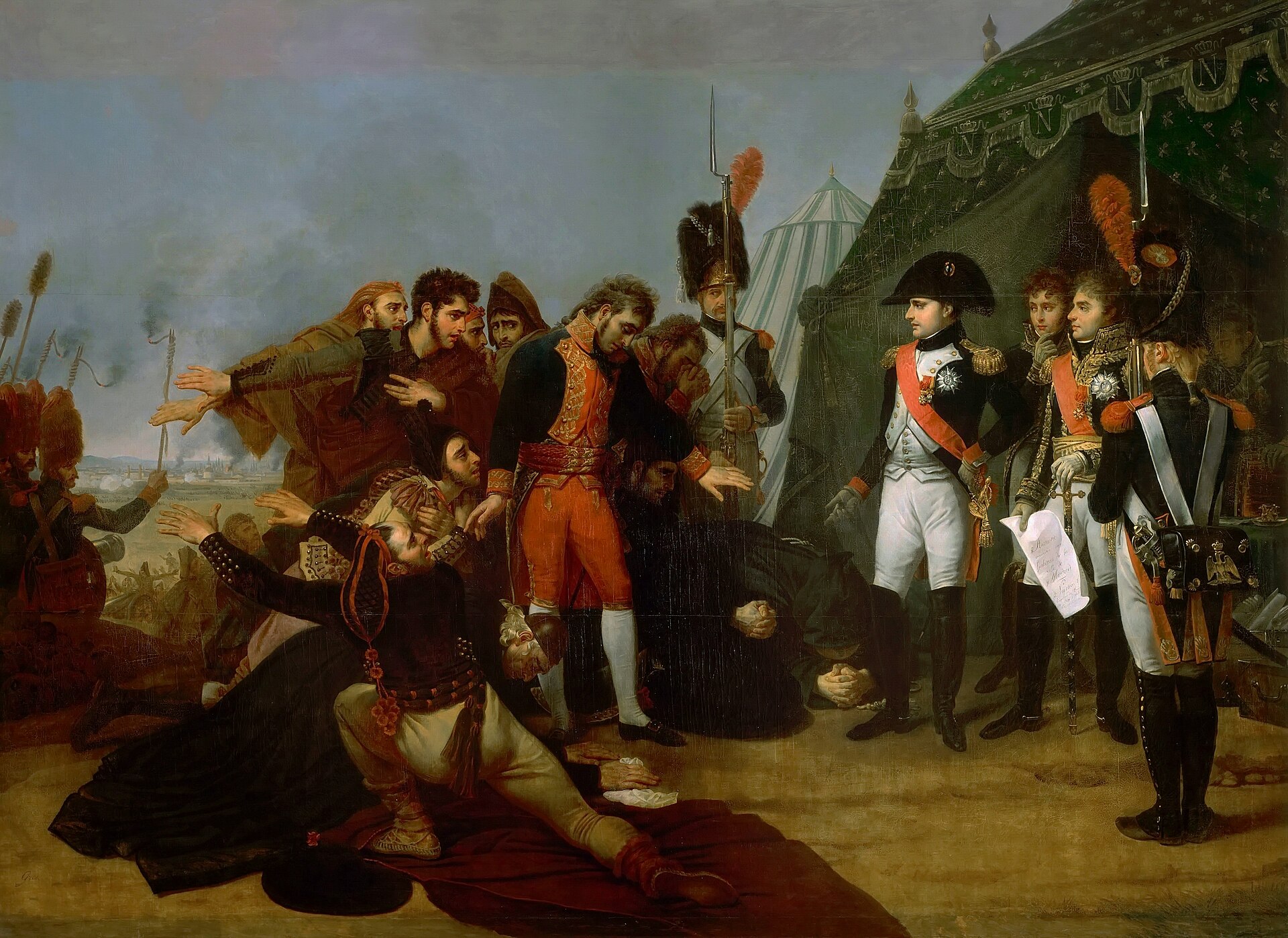
Wikimedia Commons · Public domain · file Napoleon entered Madrid after French forces overcame its defenses and accepted the capital's surrender. City-center coordinates are used because the quotation does not identify a particular building.
Arrives to lead the Danube campaign
· Donauwörth, Bavaria, Germany
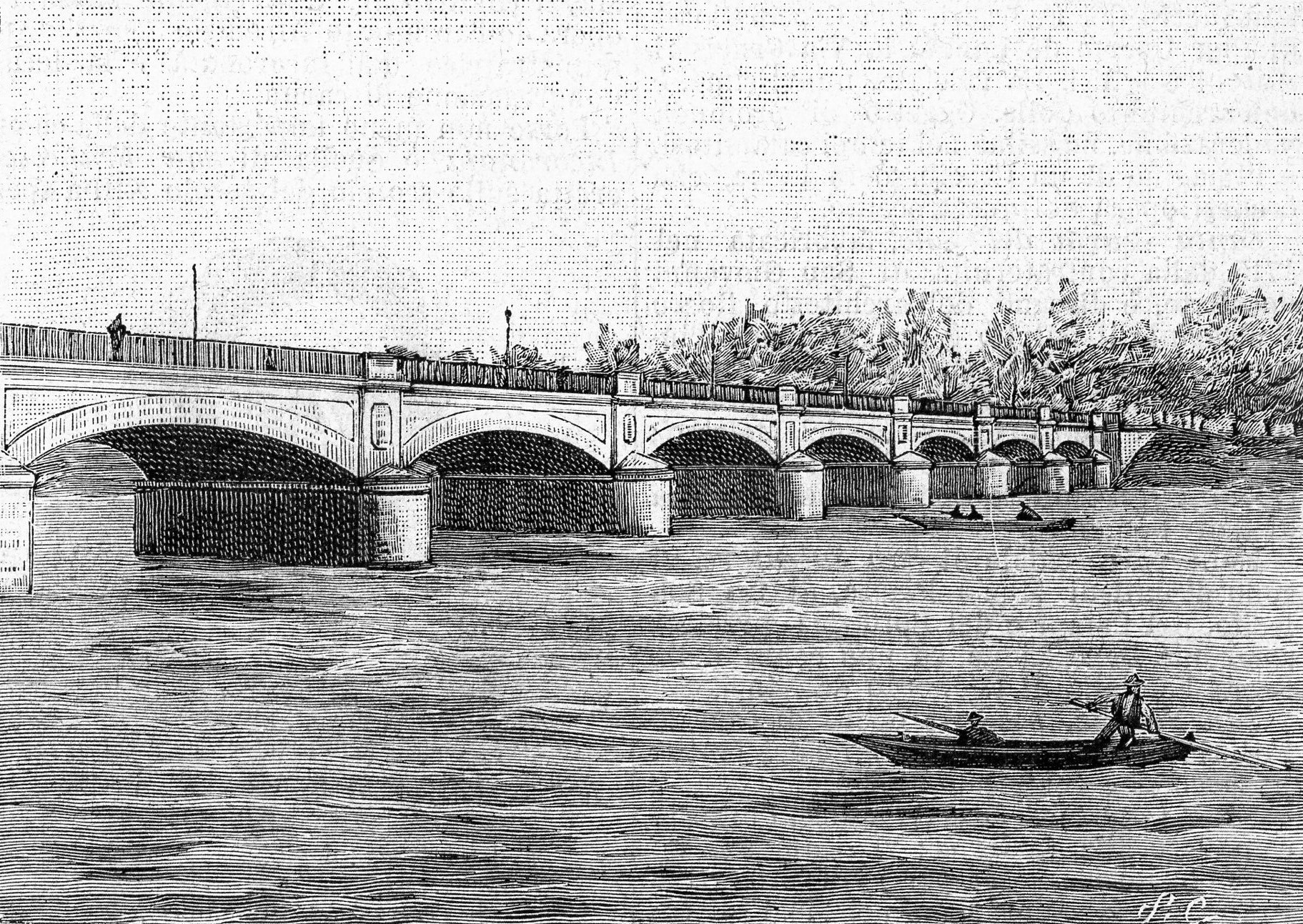
Wikimedia Commons · Public domain · file Napoleon arrived from Paris to take personal command against Austria, rapidly concentrating French and allied forces in Bavaria. Donauwörth is used as the representative command location identified in campaign chronologies; the short quotation does not name it.
Wounded at Eckmühl
· Eggmühl battlefield, Bavaria, Germany
Wikimedia Commons · Public domain · file Napoleon was slightly wounded in the heel while directing the French victory over Archduke Charles near Eckmühl. Coordinates represent Eggmühl, the principal battlefield locality.
Suffers reversal at Aspern-Essling
· Aspern-Essling battlefield, Vienna, Austria
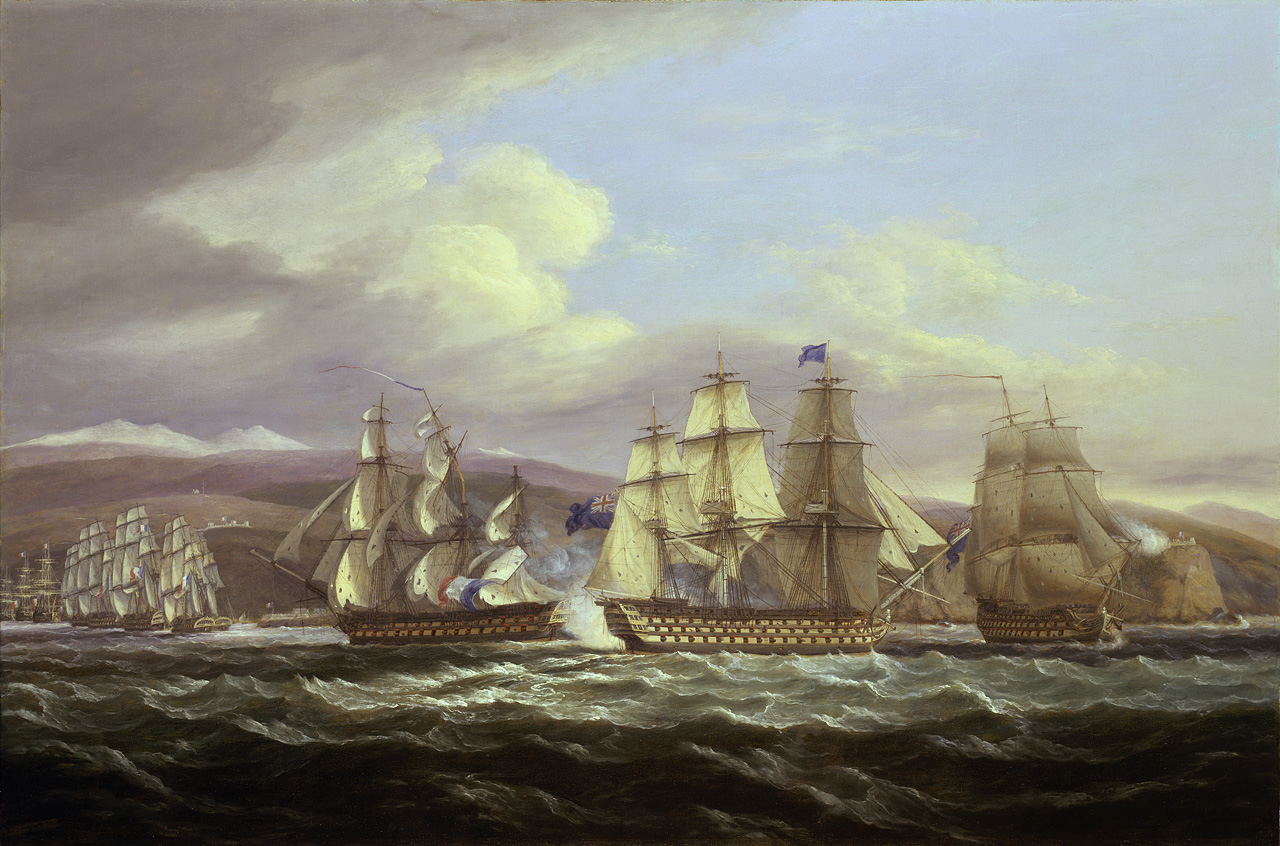
Wikimedia Commons · Public domain · file Napoleon commanded French forces attempting to cross the Danube and suffered his first major battlefield defeat in roughly a decade. The battle continued through 22 May.
Wins at Wagram
· Wagram battlefield, Deutsch-Wagram, Lower Austria, Austria
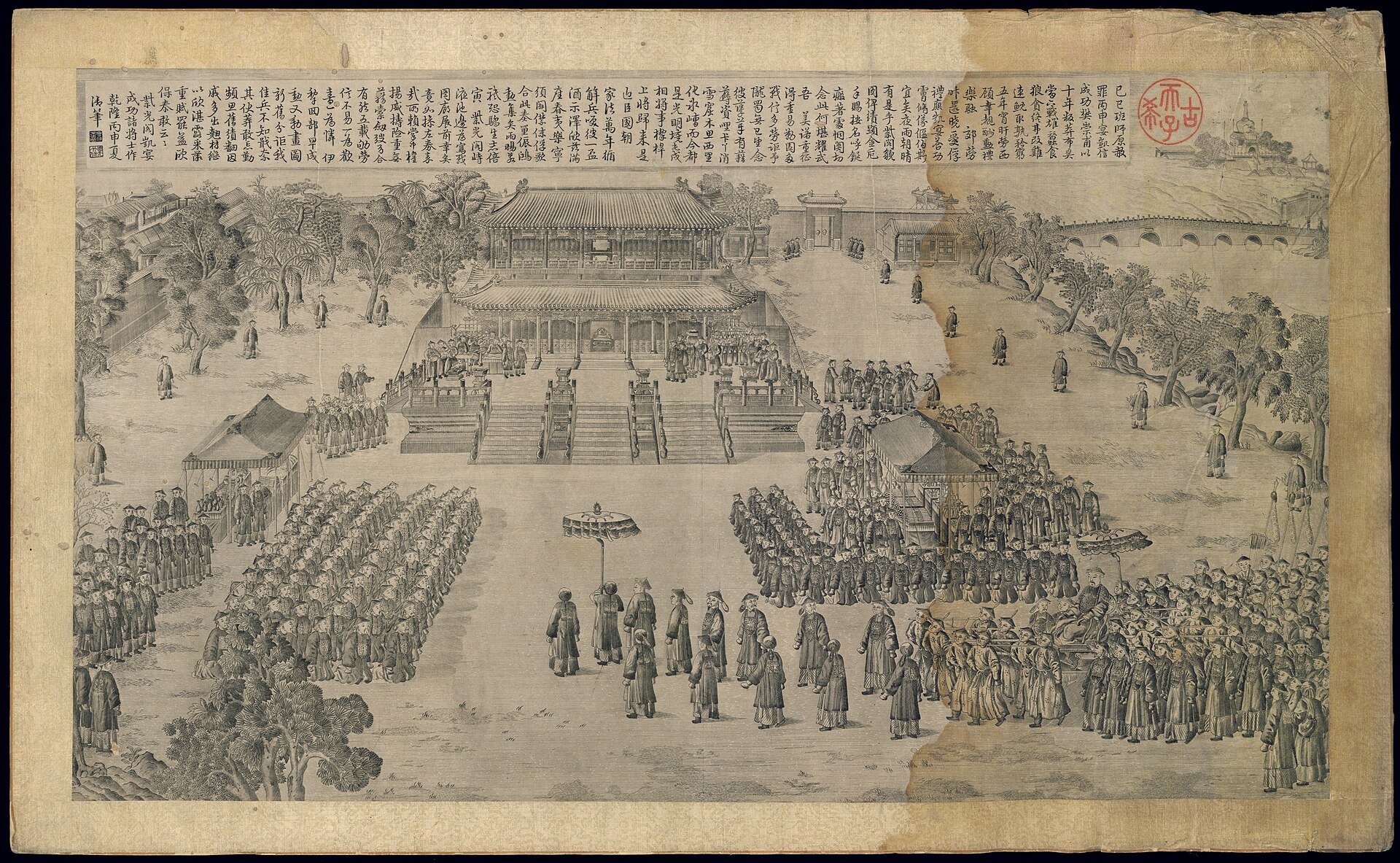
Wikimedia Commons · Public domain · file Napoleon directed a massive two-day battle north of Vienna that forced Archduke Charles's army to retreat. Battle continued through 6 July.
Marries Marie Louise at the Louvre
· Louvre Palace, Paris, France
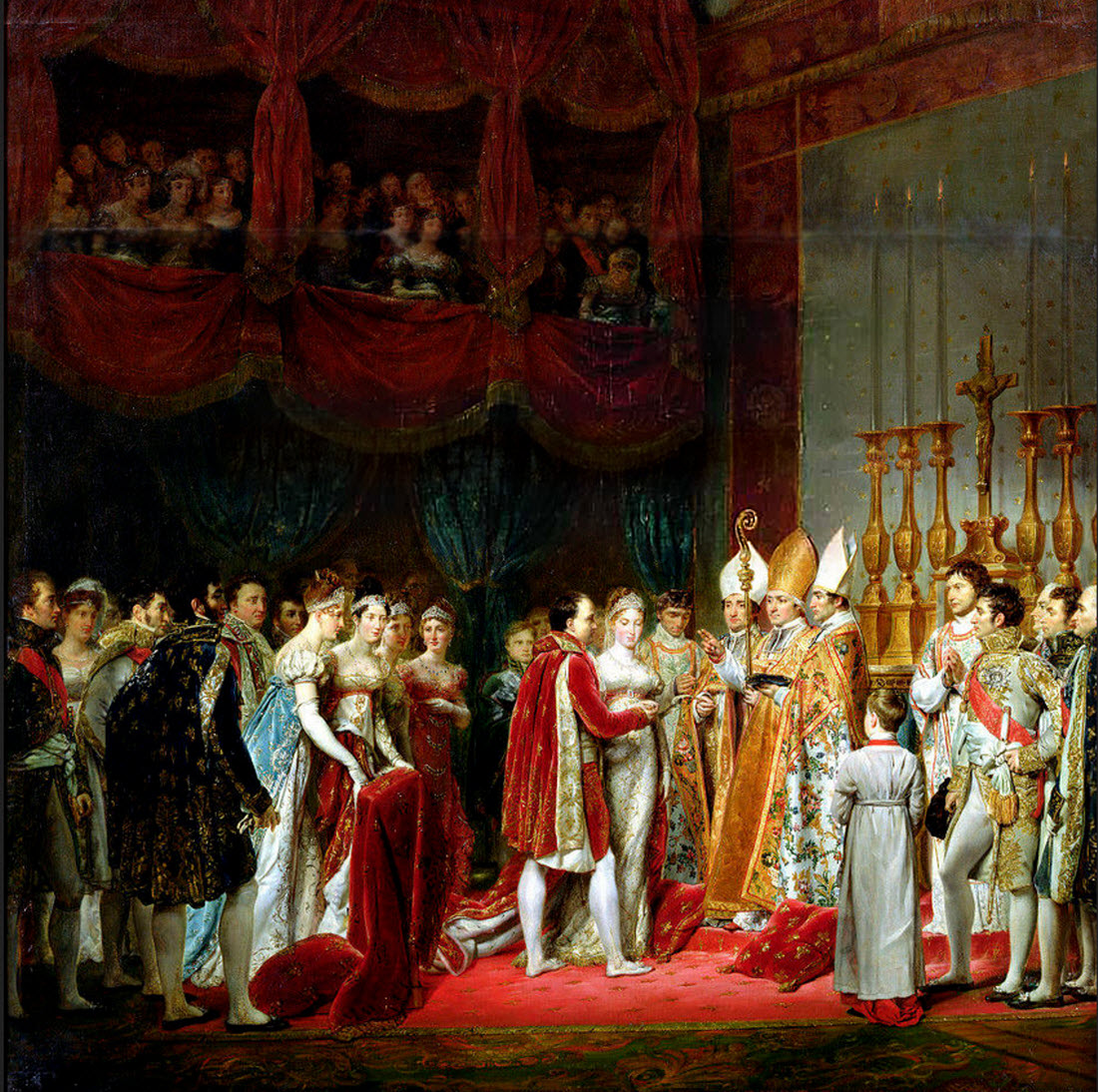
Wikimedia Commons · Public domain · file Napoleon attended the religious celebration of his marriage to Austrian archduchess Marie Louise in the Louvre Palace. The civil ceremony occurred on 1 April at Saint-Cloud; this card records the Louvre service on 2 April.
Crosses the Neman into Russia
· Neman River near Kaunas, Lithuania
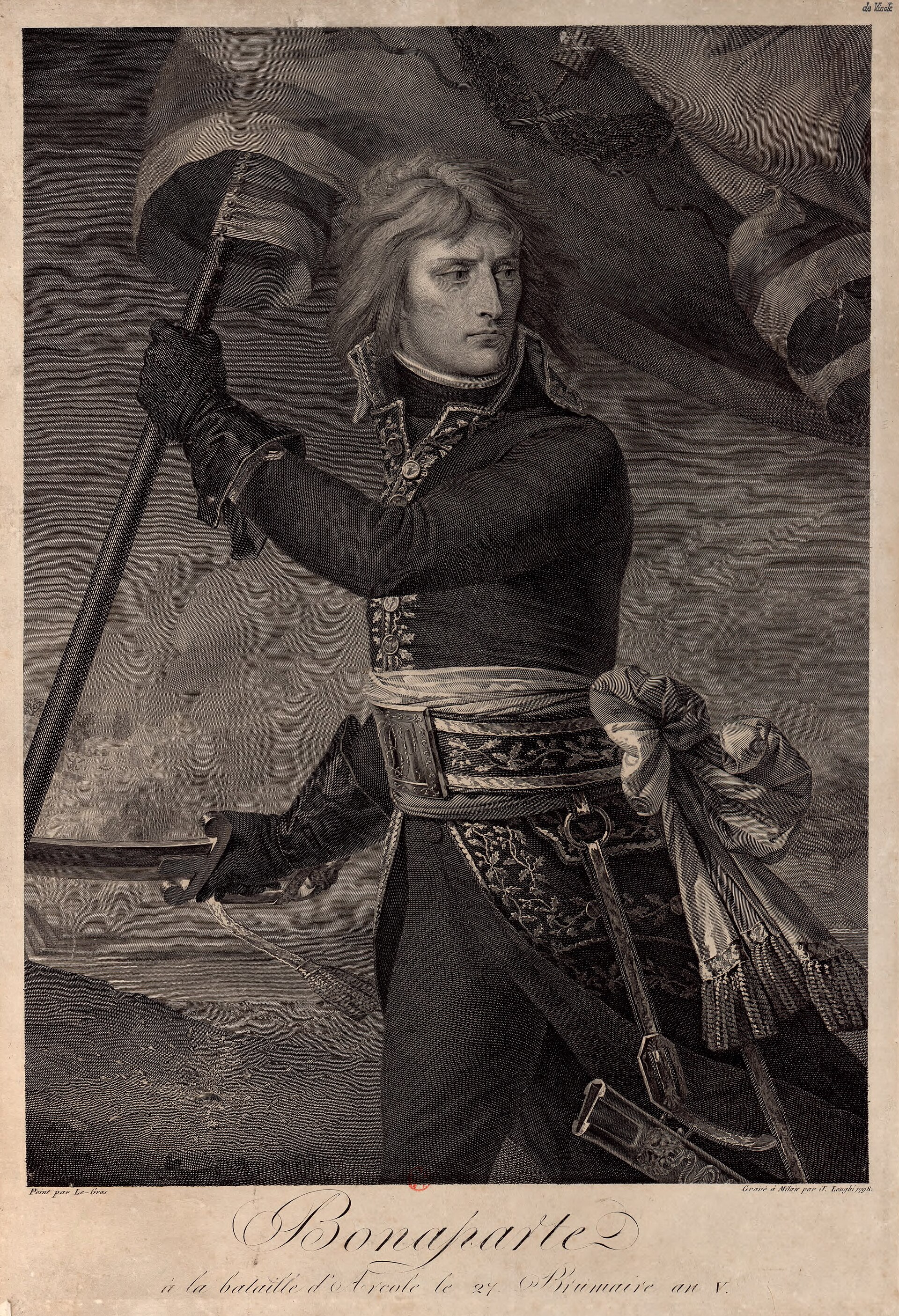
Wikimedia Commons · Public domain · file Napoleon crossed into the Russian Empire with the Grande Armée, beginning the catastrophic Russian campaign. Coordinates represent the principal crossing vicinity near Kaunas; the army crossed at several points.
Captures Smolensk
· Smolensk, Russia
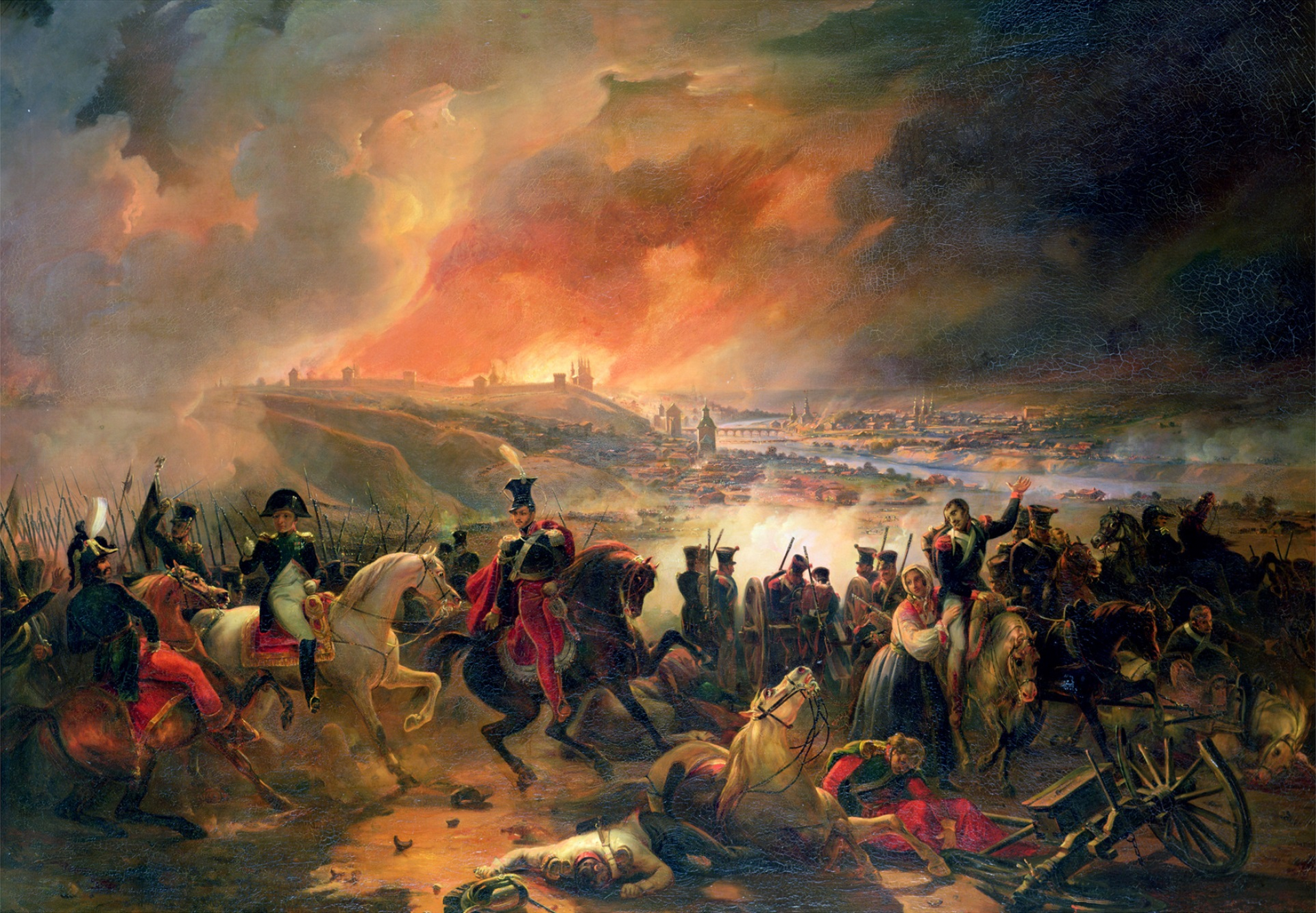
depictionWikimedia Commons · Jean-Charles Langlois · Public domain · source: Bridgeman Art Library : Object 159150 · file Napoleon entered the contested city after heavy fighting, but the Russian armies escaped eastward rather than accepting decisive battle. City coordinates are used for the urban battlefield.
Commands at Borodino
· Borodino battlefield, Moscow Oblast, Russia
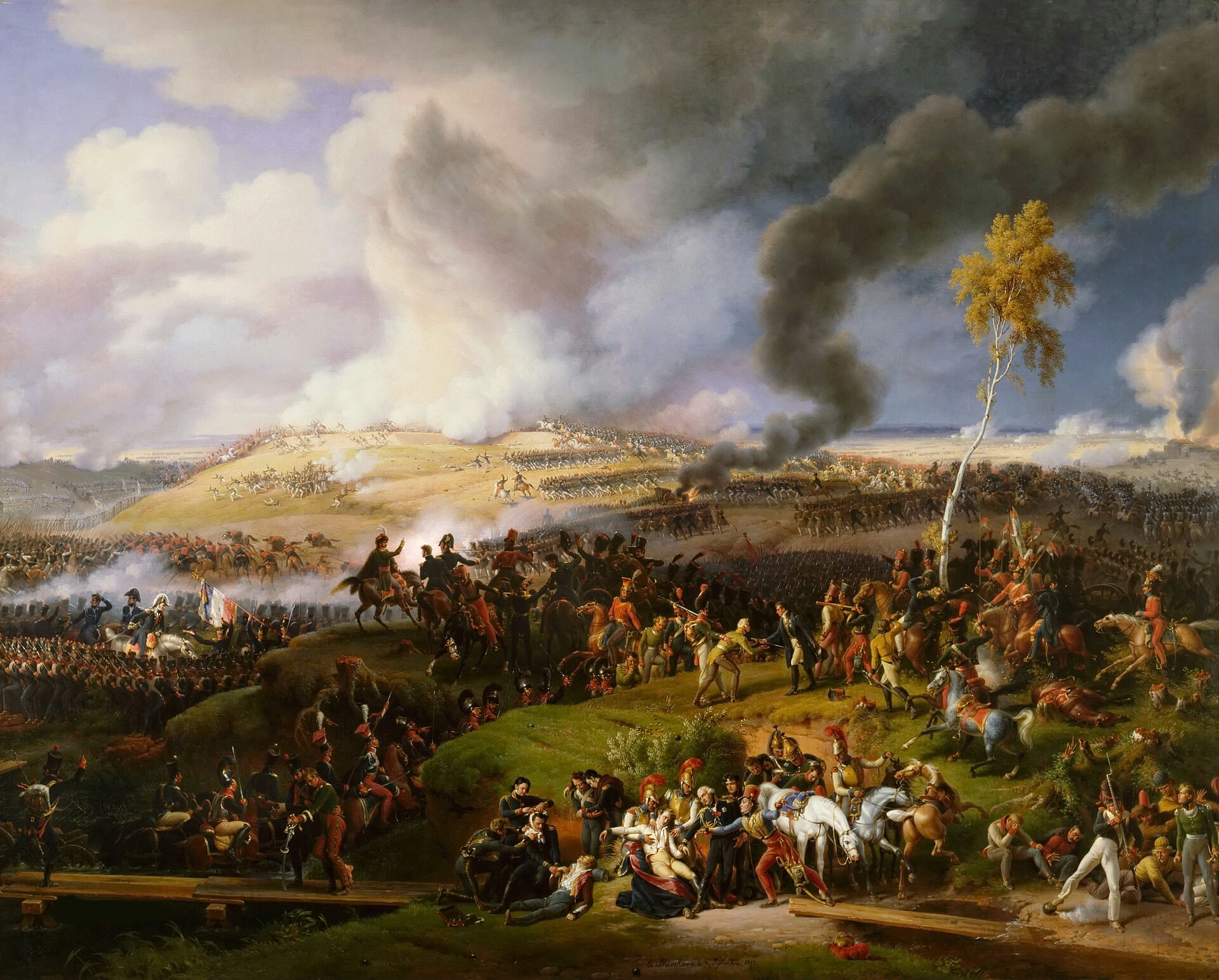
Wikimedia Commons · Public domain · file Napoleon commanded the Grande Armée in the immense and costly battle that opened the road to Moscow without destroying Kutuzov's army. The article identifies Napoleon as the French commander; coordinates represent the central battlefield.
Enters Moscow
· Moscow Kremlin, Moscow, Russia
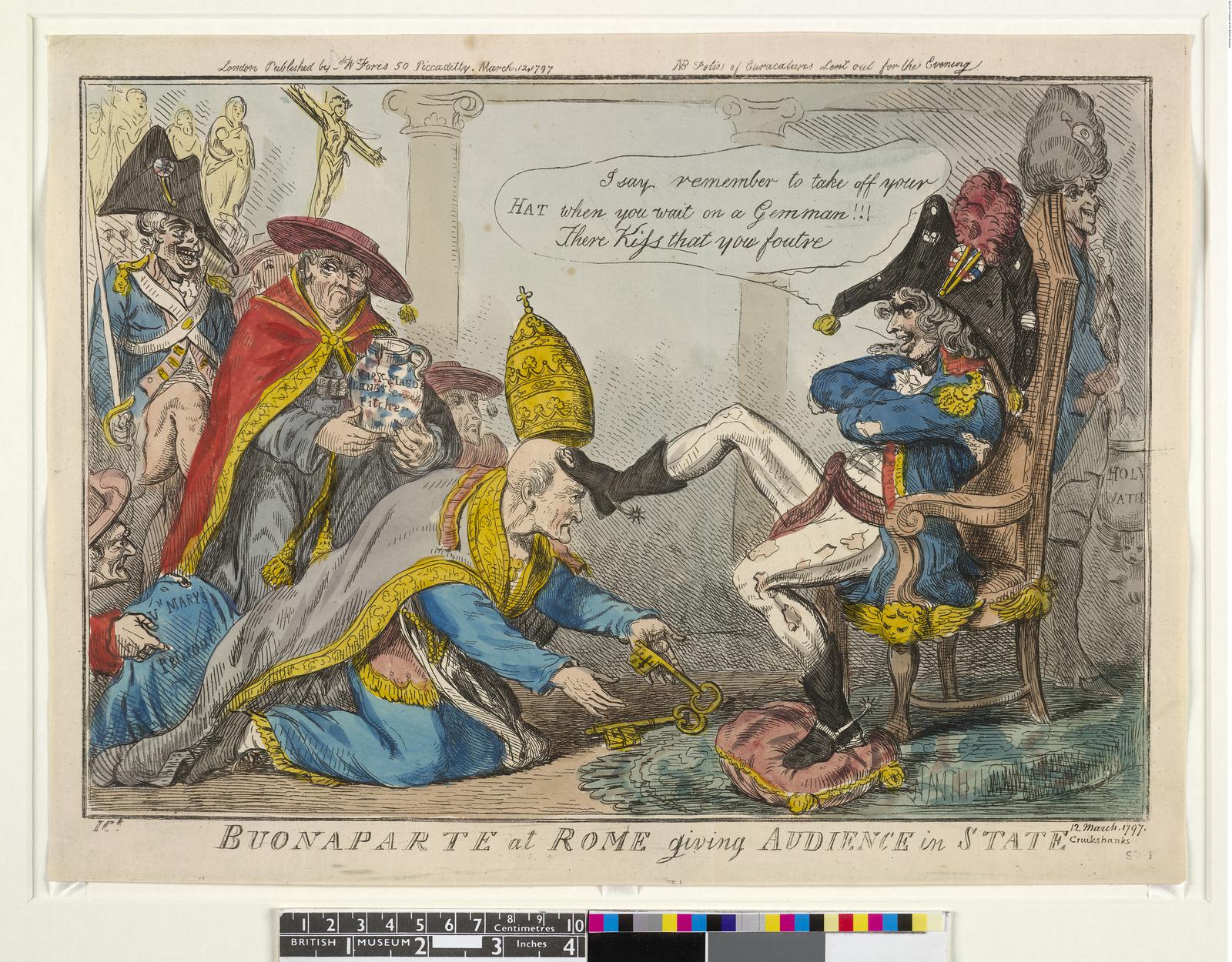
Wikimedia Commons · Public domain · file Napoleon entered the evacuated Russian capital and occupied it for several weeks while fires devastated much of the city. The Kremlin is used because it became Napoleon's principal Moscow headquarters.
Crosses the Berezina
· Berezina crossing at Studienka, Minsk Region, Belarus
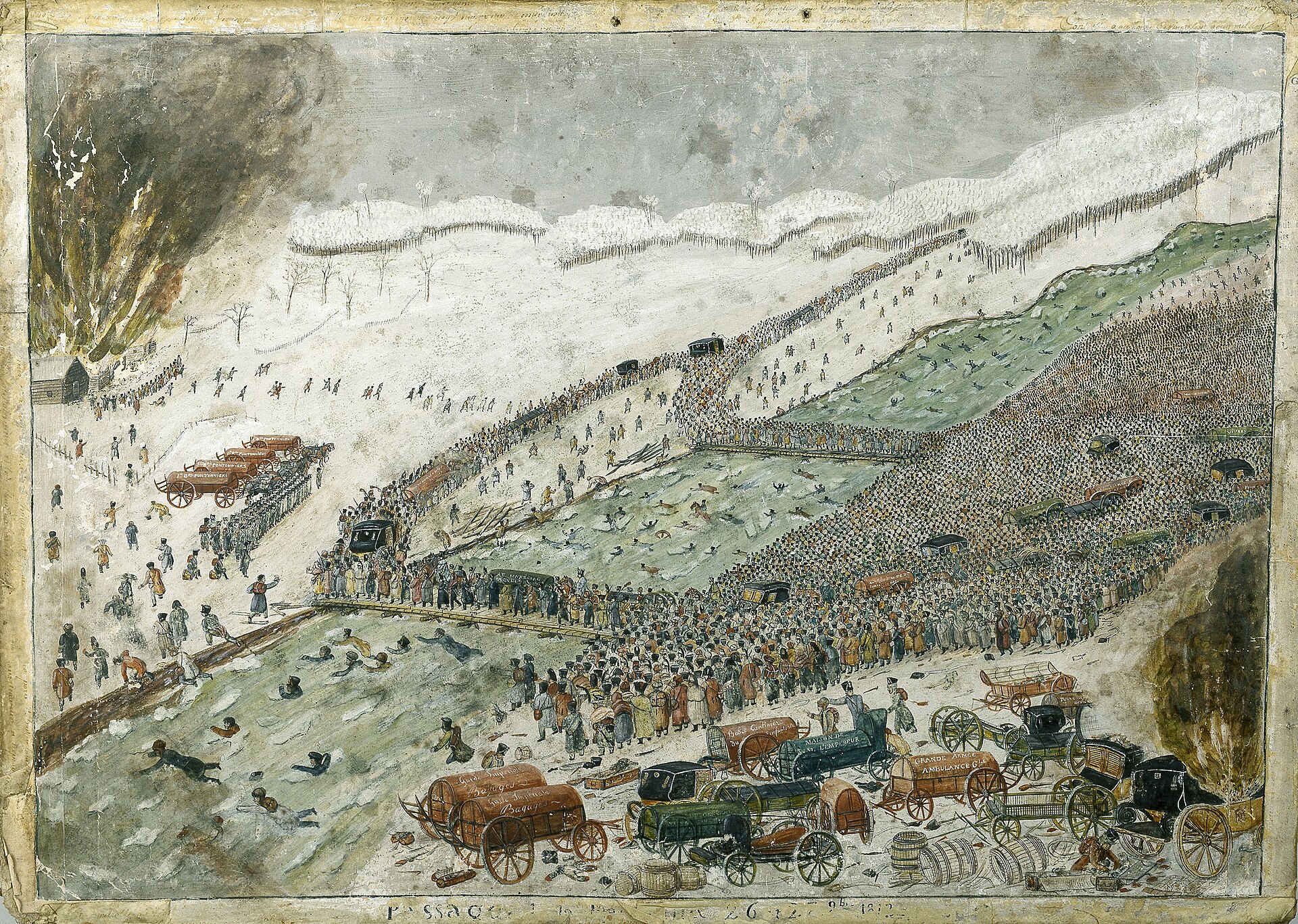
Wikimedia Commons · Public domain · file Napoleon and the remnants of the Grande Armée crossed improvised bridges over the Berezina while Russian forces pressed them from several directions. The quotation establishes the army's crossing; Napoleon's command presence is documented by the article. Month precision avoids selecting one day from the multi-day passage.
Reaches the Lützen battlefield
· Lützen battlefield, Saxony-Anhalt, Germany
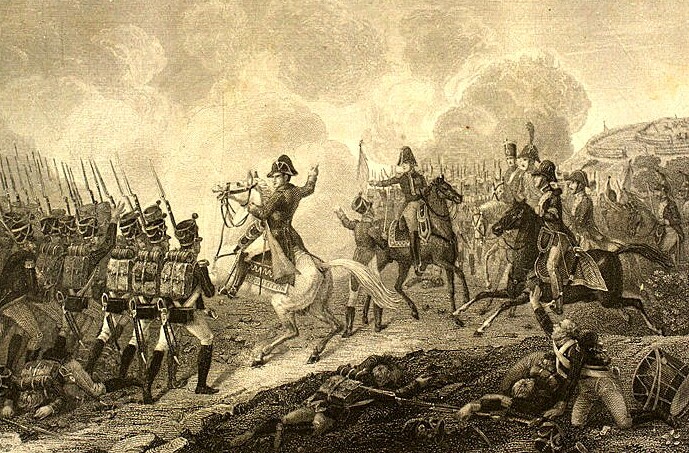
Wikimedia Commons · Public domain · file Napoleon arrived during the battle, stabilized his inexperienced army, and committed the Guard and massed artillery against the coalition.
Wins at Dresden
· Dresden, Saxony, Germany
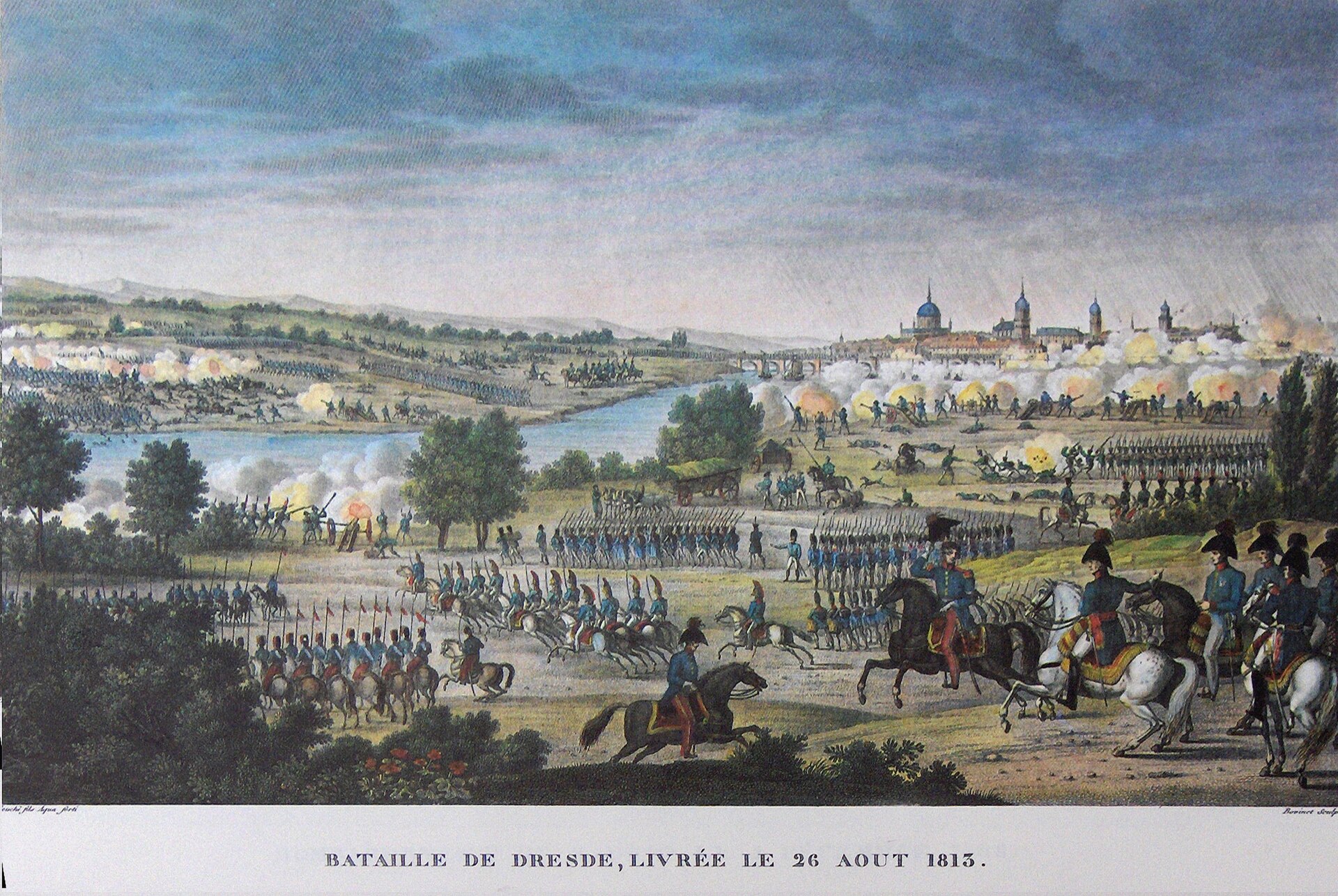
Wikimedia Commons · Public domain · file Napoleon commanded French forces in a major victory over the coalition around the Saxon capital. The battle began on 26 August and ended on 27 August; the card records the decisive second day.
Defeated at Leipzig
· Leipzig, Saxony, Germany
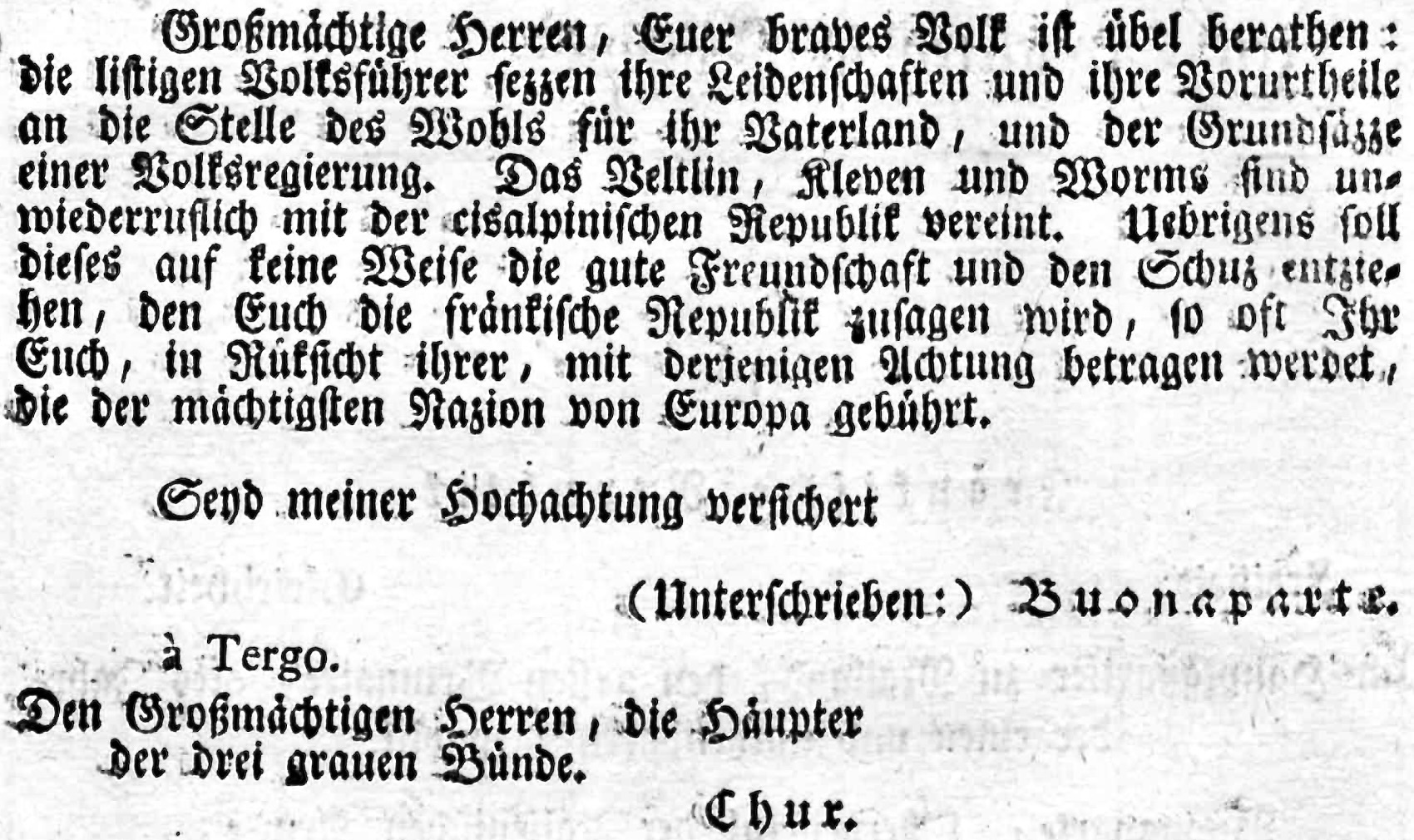
Wikimedia Commons · Public domain · file Napoleon commanded the Grande Armée during the four-day Battle of the Nations, the decisive defeat that ended French dominance in Germany. Start date is used for the continuous four-day battle.
Reaches Sézanne before Six Days' Campaign
· Sézanne, Marne, France
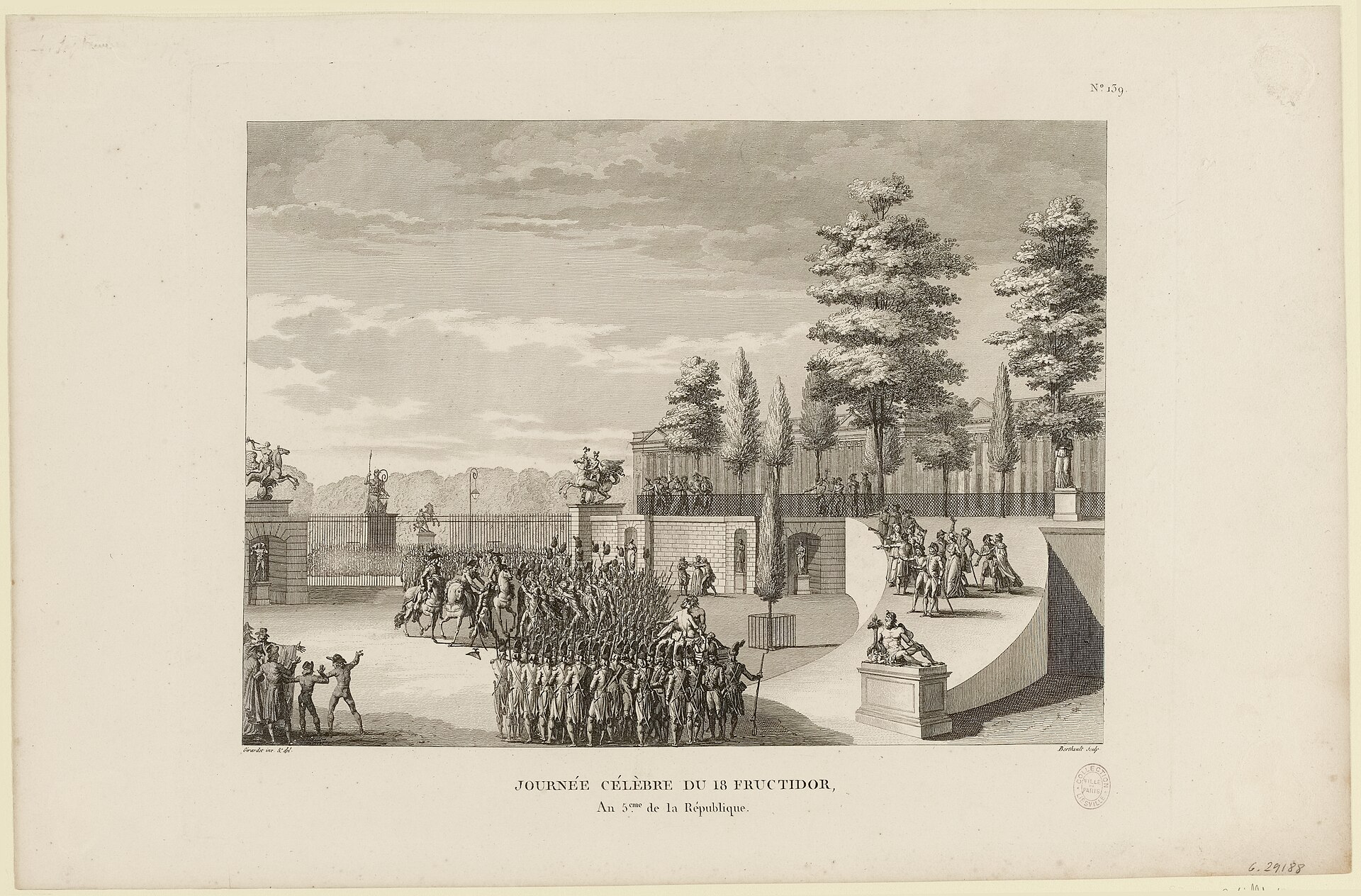
Wikimedia Commons · Public domain · file Napoleon concentrated at Sézanne before striking the dispersed Army of Silesia in his celebrated Six Days' Campaign. The wording indicates he was already there during the night preceding the 10 February attack; 9 February is used with moderate confidence.
Attacks at Champaubert
· Champaubert, Marne, France
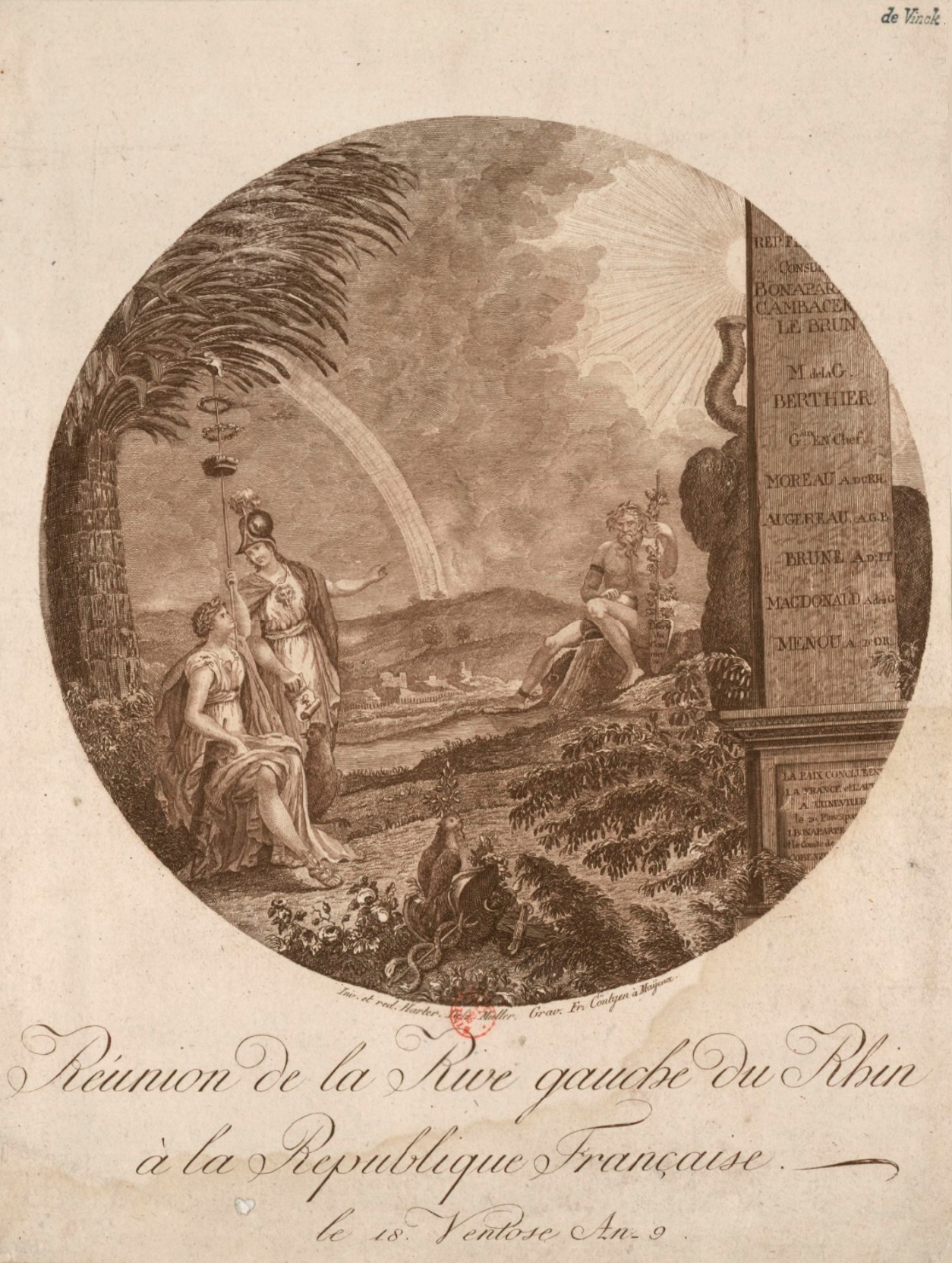
Wikimedia Commons · Public domain · file Napoleon opened the Six Days' Campaign by attacking and defeating the isolated Russian corps at Champaubert.
Abdicates at Fontainebleau
· Palace of Fontainebleau, Fontainebleau, France
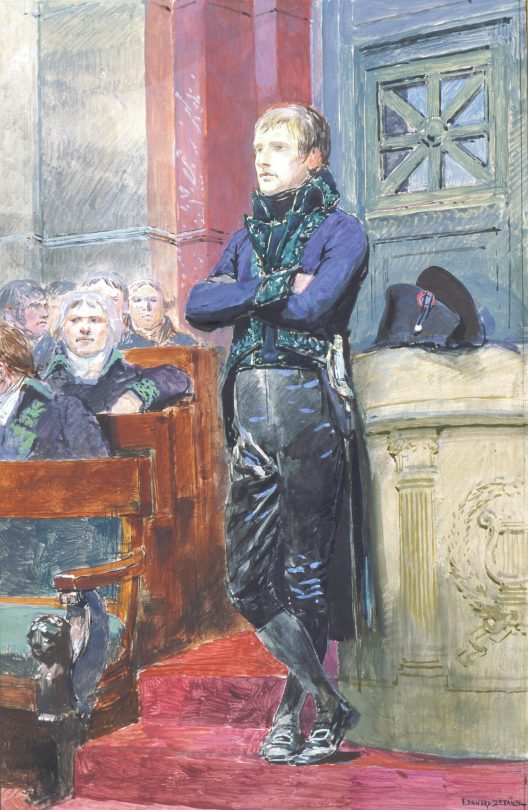
Wikimedia Commons · Public domain · file With Paris lost and his marshals unwilling to continue, Napoleon signed an unconditional abdication at Fontainebleau.
Disembarks as sovereign of Elba
· Portoferraio, Elba, Tuscany, Italy
Wikimedia Commons · Public domain · file Napoleon landed at Portoferraio to begin exile as sovereign of the small Principality of Elba. Harbour-town coordinates are used.
Returns to France at Golfe-Juan
· Golfe-Juan, Vallauris, France
Wikimedia Commons · Public domain · file Escaping Elba, Napoleon landed with about one thousand followers and began the march that restored him to power for the Hundred Days.
Reaches Grenoble
· Grenoble, Isère, France
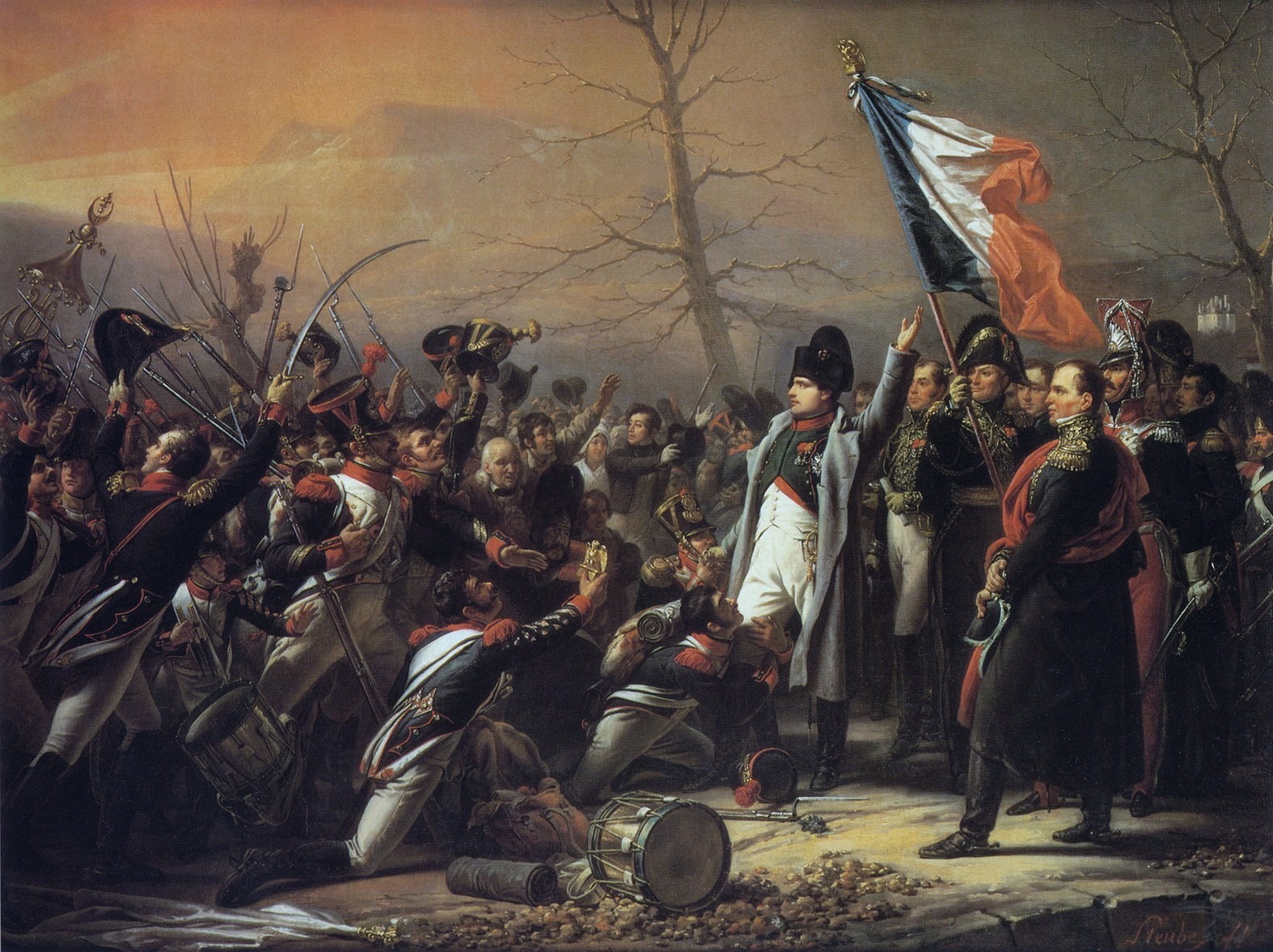
Wikimedia Commons · Public domain · file After winning over troops sent to arrest him, Napoleon reached Grenoble and secured a major milestone on his march toward Paris.
Re-enters Paris
· Tuileries Palace site, Paris, France
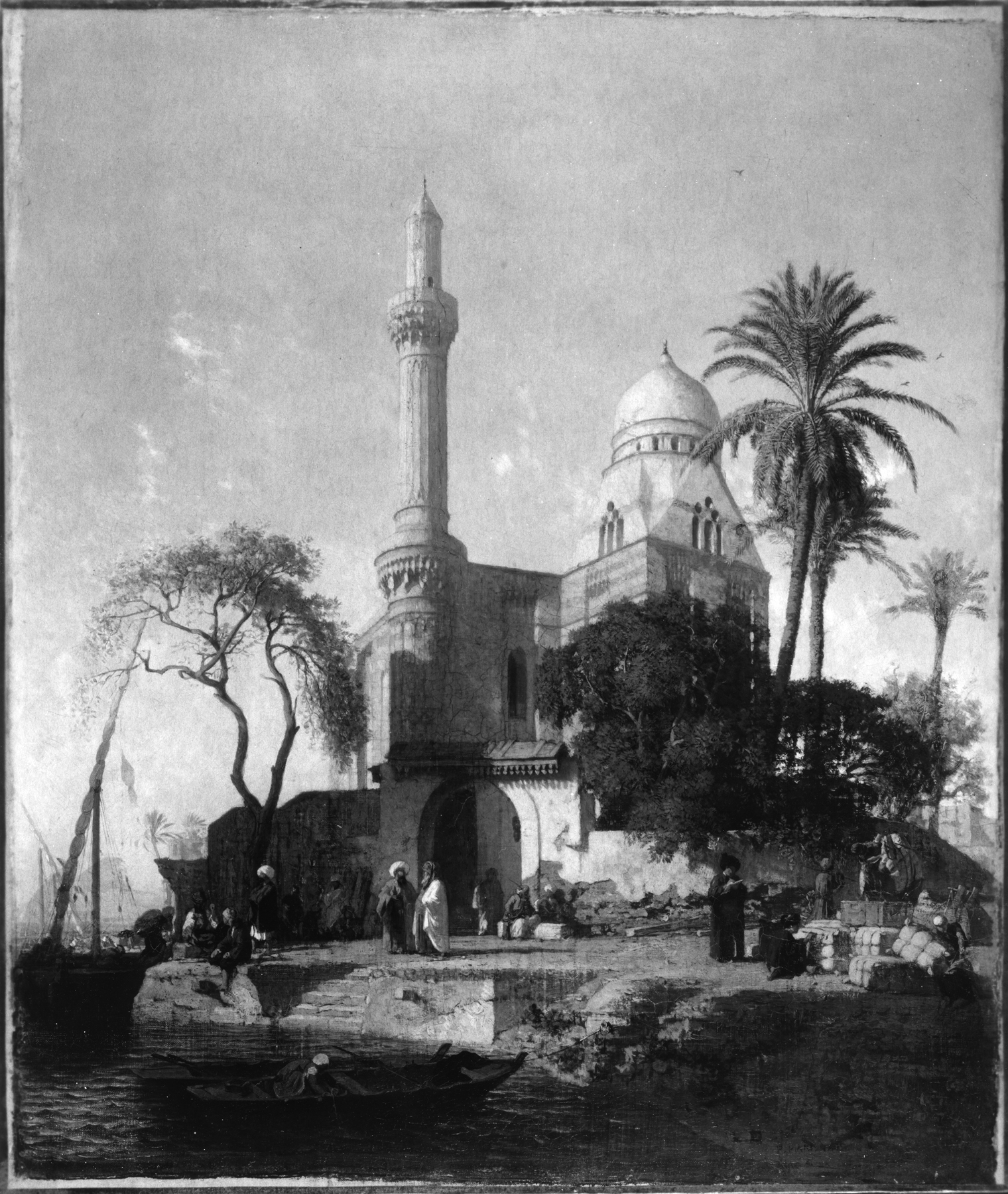
Wikimedia Commons · Public domain · file Napoleon entered Paris after Louis XVIII fled, restoring the imperial government without a battle in the capital. The former Tuileries Palace site is used as the destination of his return.
Commands at Waterloo
· Waterloo battlefield, Walloon Brabant, Belgium
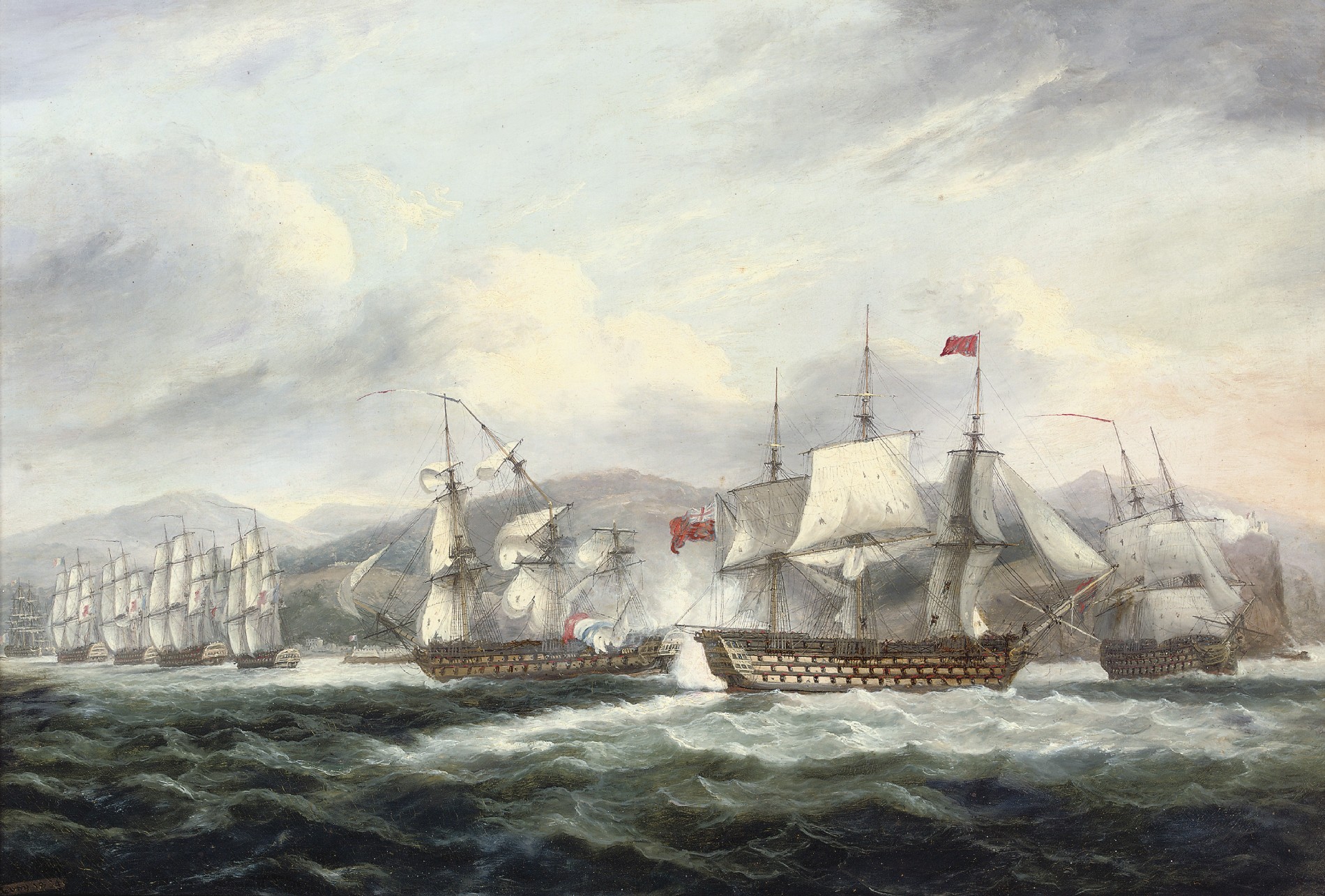
Wikimedia Commons · Public domain · file Napoleon personally commanded the French army in its final defeat against Wellington and Blücher. Coordinates represent the central battlefield near the Lion's Mound.
Retires to Malmaison
· Château de Malmaison, Rueil-Malmaison, France
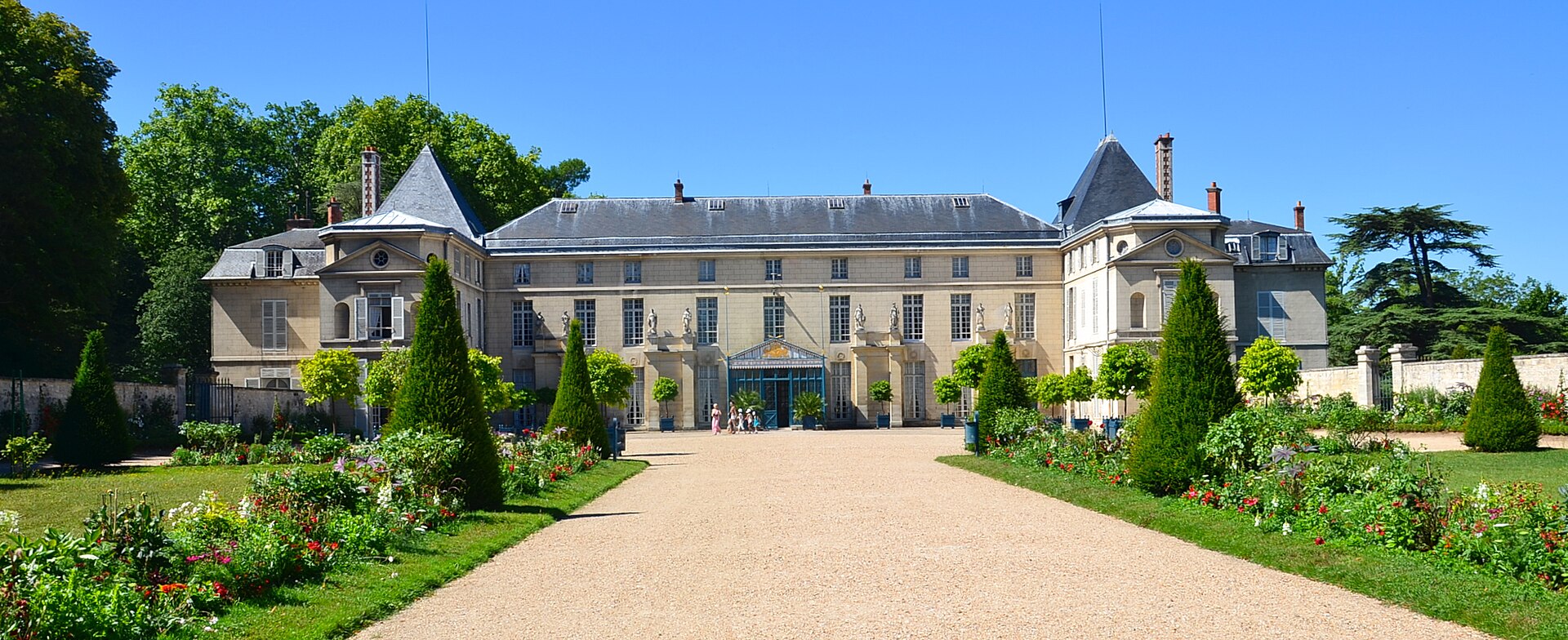
Wikimedia Commons · Creative Commons Attribution-Share Alike 3.0 · file After his second abdication, Napoleon left Paris and stayed at Joséphine's former residence while deciding whether he could escape abroad. The date follows three days after the 22 June abdication.
Surrenders aboard HMS Bellerophon
· Basque Roads off Rochefort, Bay of Biscay, France
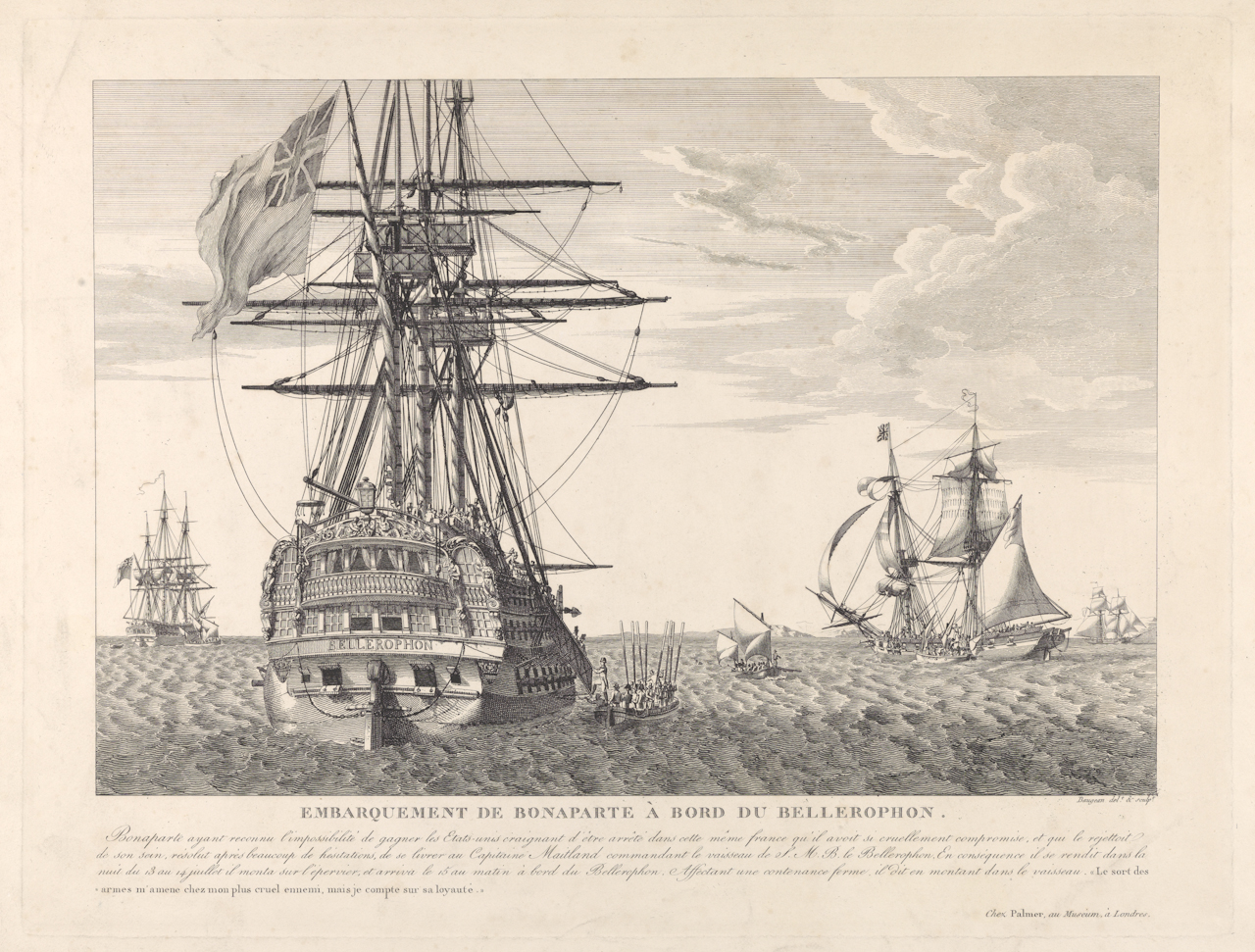
Wikimedia Commons · Public domain · file Blocked from sailing to the United States, Napoleon surrendered to Captain Frederick Maitland aboard the British warship off Rochefort. Coordinates are a representative offshore point in Basque Roads; the shipboard position is not precisely stated.
Arrives at Jamestown in exile
· Jamestown, Saint Helena
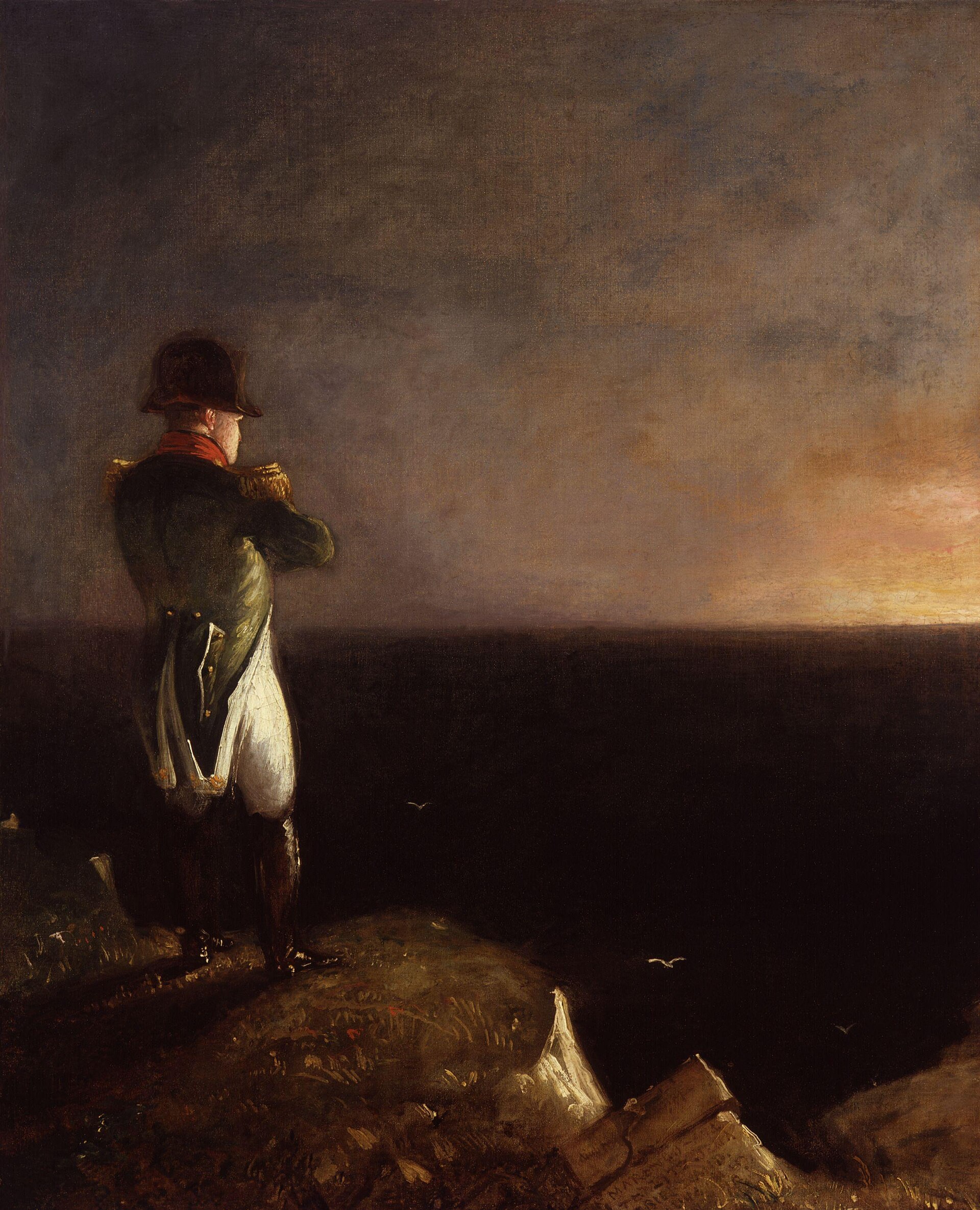
portraitWikimedia Commons · Benjamin Haydon · Public domain · source: one or more third parties have made copyright claims against Wikimedia Commons in relation to the work from which this is sourced or a purely mechanical reproduction thereof . This may be due to recognition of the " sweat of the brow " doctrine, allowing works to be eligible for protection through skill and labour, and not purely by originality as is the case in the United States (where this website is hosted). These claims may or may not be valid in all jurisdictions. As such, use of this image in the jurisdiction of the claimant or other countries may be regarded as copyright infringement . Please see Commons:When to use the PD-Art tag for more information. · file Napoleon reached Saint Helena in British custody aboard HMS Northumberland, beginning his final exile. The supporting quotation provides month rather than day precision.
Stays at the Briars pavilion
· The Briars, Saint Helena
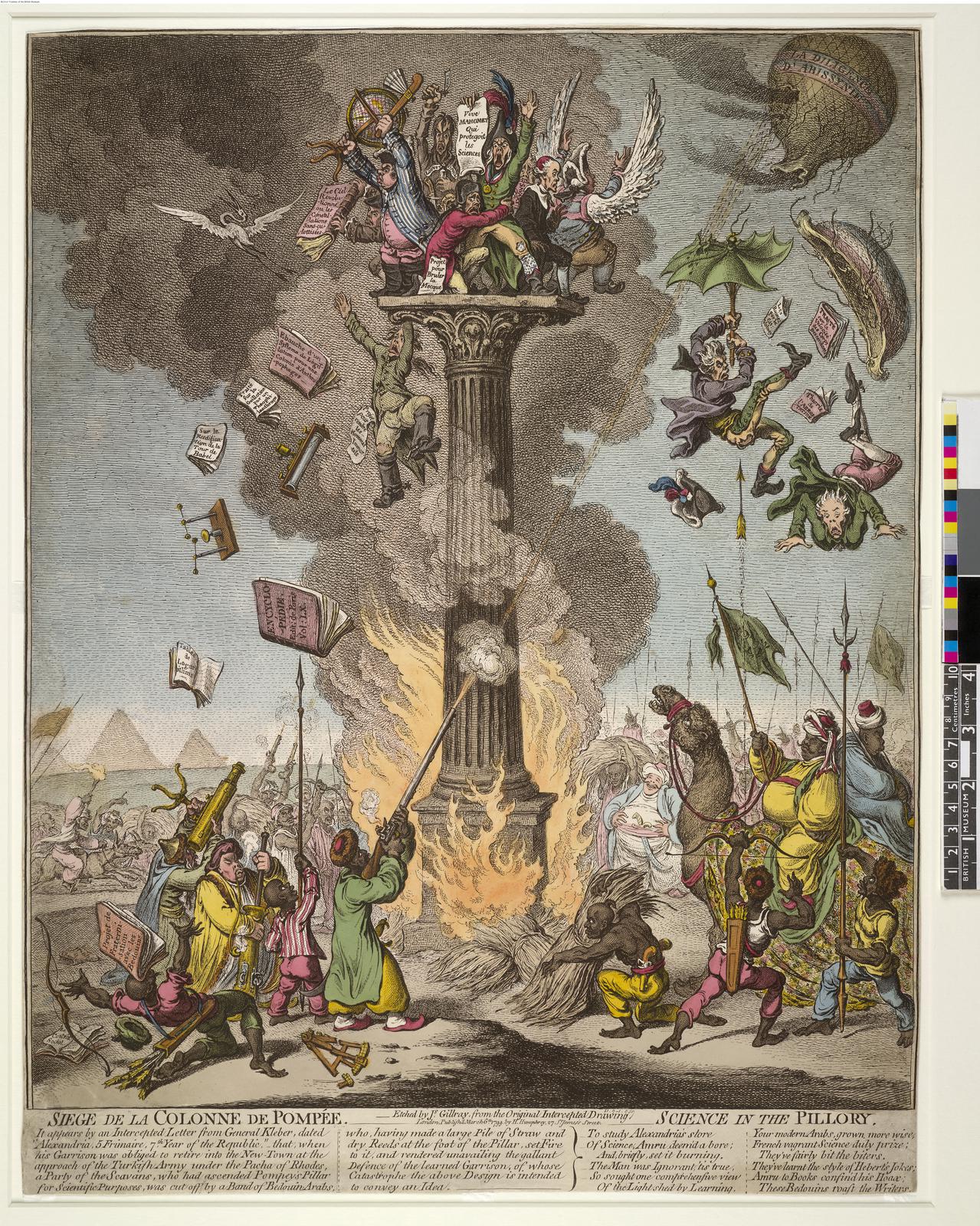
Wikimedia Commons · Creative Commons Attribution-Share Alike 4.0 · file While Longwood was prepared, Napoleon lived in the small garden pavilion at the Briars and befriended the Balcombe family. The stay began after his October arrival; the source does not provide an exact move-in day.
Moves into Longwood House
· Longwood House, Saint Helena
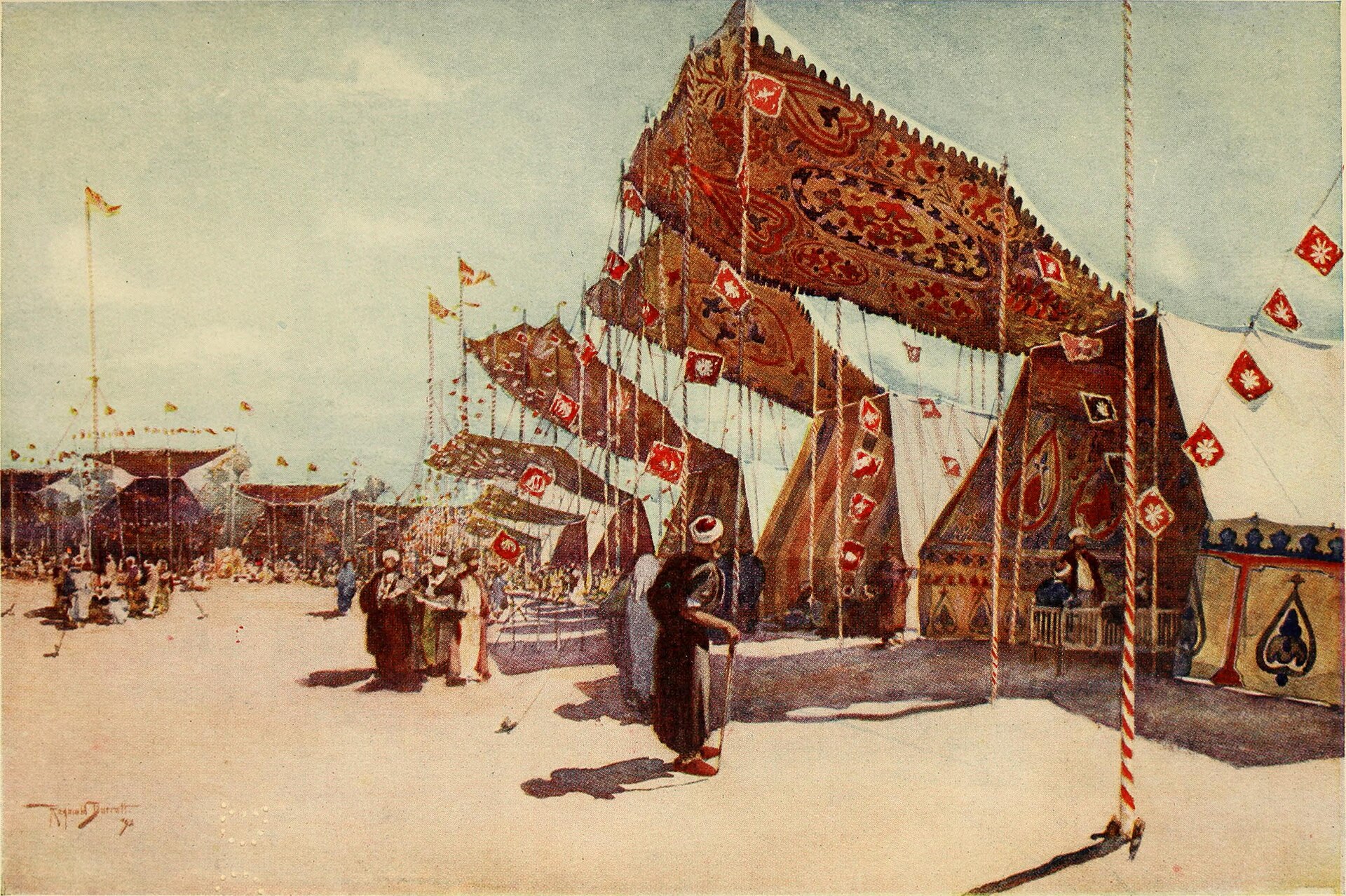
Wikimedia Commons · Creative Commons Attribution 2.0 · file Napoleon moved into Longwood House, which remained his guarded residence for the rest of his life. Coordinates identify Longwood House.
Dies at Longwood
· Longwood House, Saint Helena
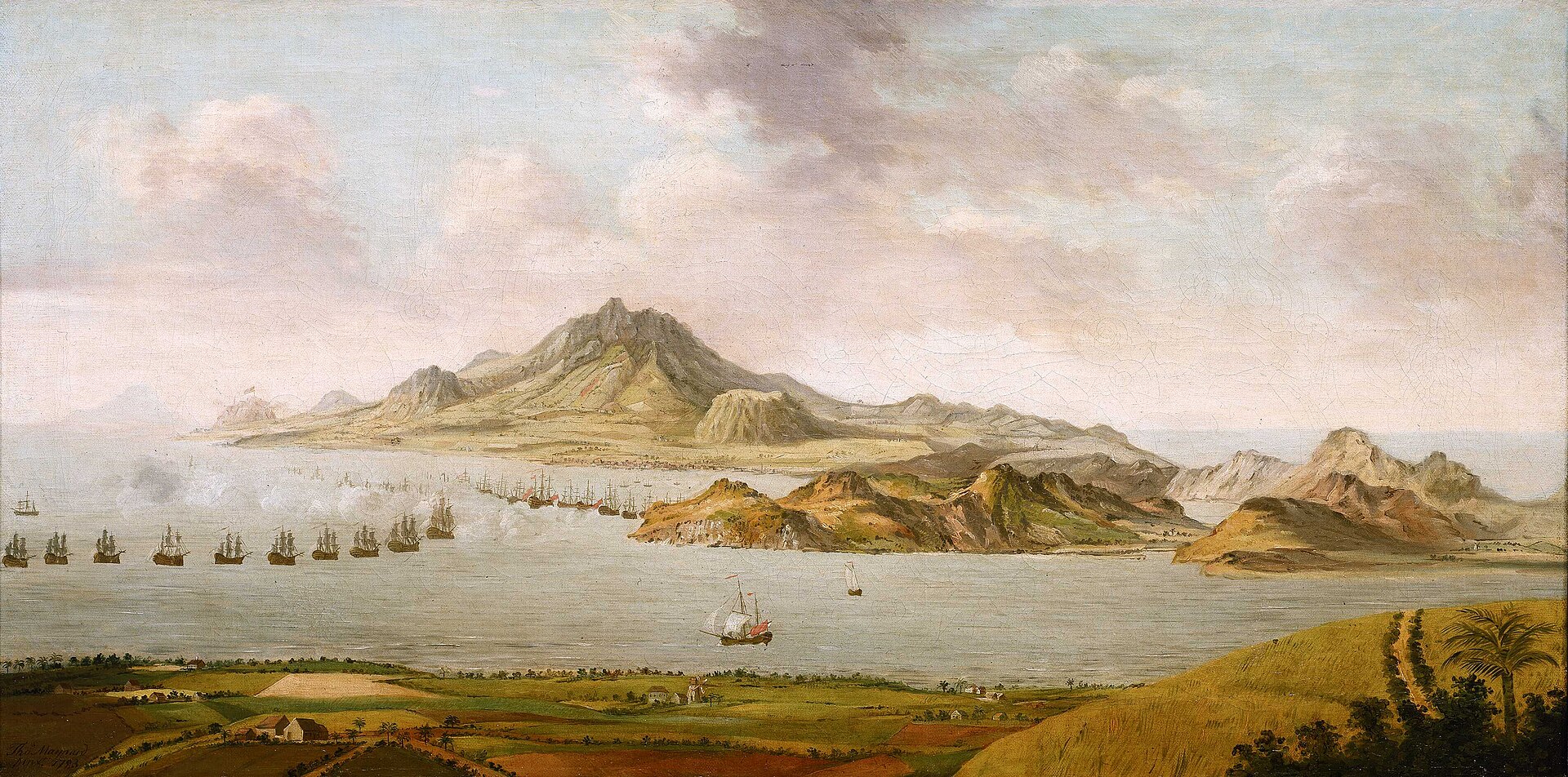
Wikimedia Commons · CC0 1.0 Universal Public Domain Dedication · file Napoleon died in British exile at Longwood House after months of worsening illness.