
29 moments
Brought to Florence as an infant
· Florence, Tuscany, Italy
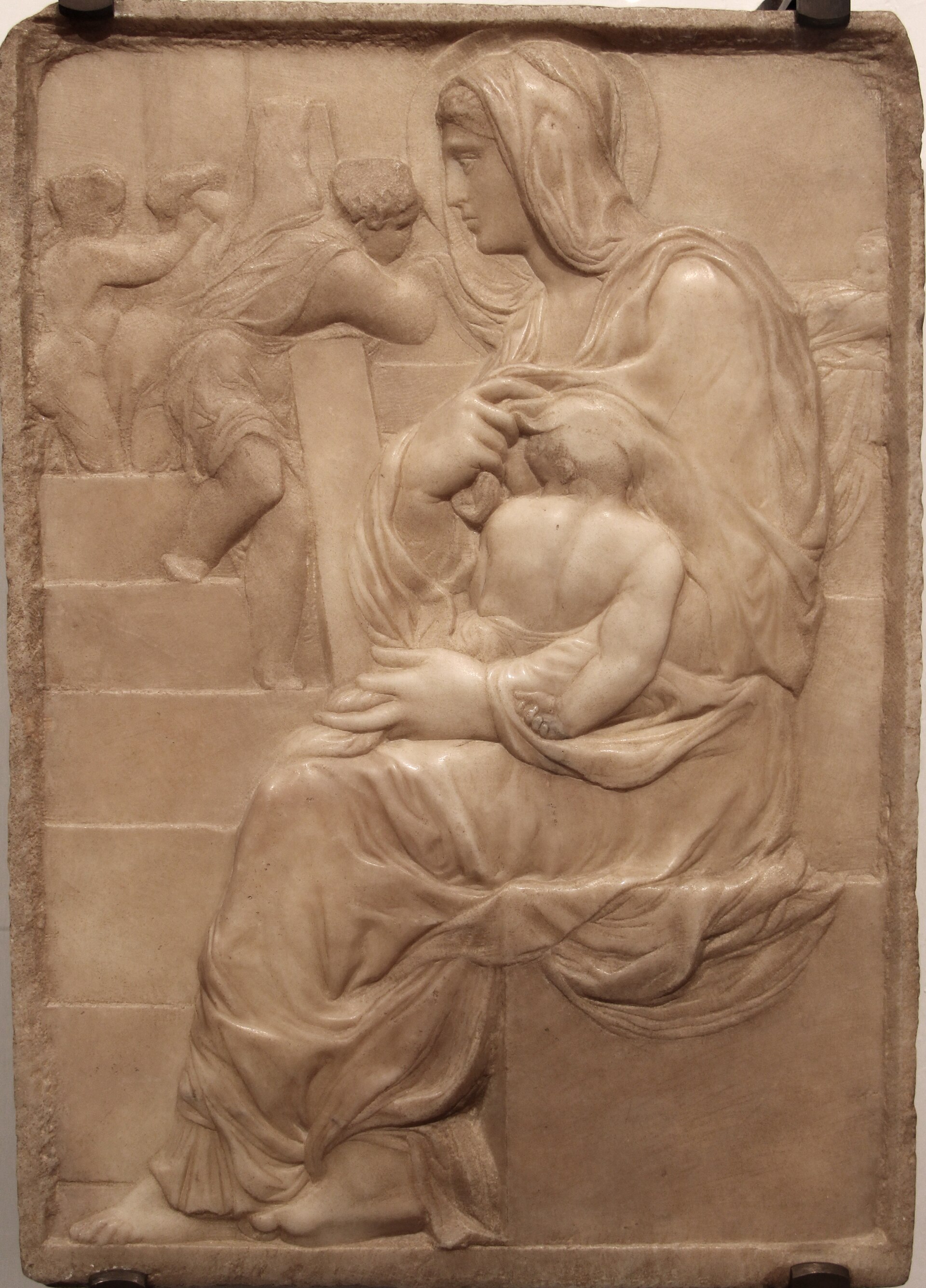
Wikimedia Commons · Creative Commons Attribution 3.0 Unported license · file Soon after his birth, Michelangelo was brought from Caprese to Florence, the city that shaped his childhood and early career. The source says he was brought to Florence immediately after birth but supplies no month or day.
Born at Caprese
· Caprese Michelangelo, Tuscany, Italy
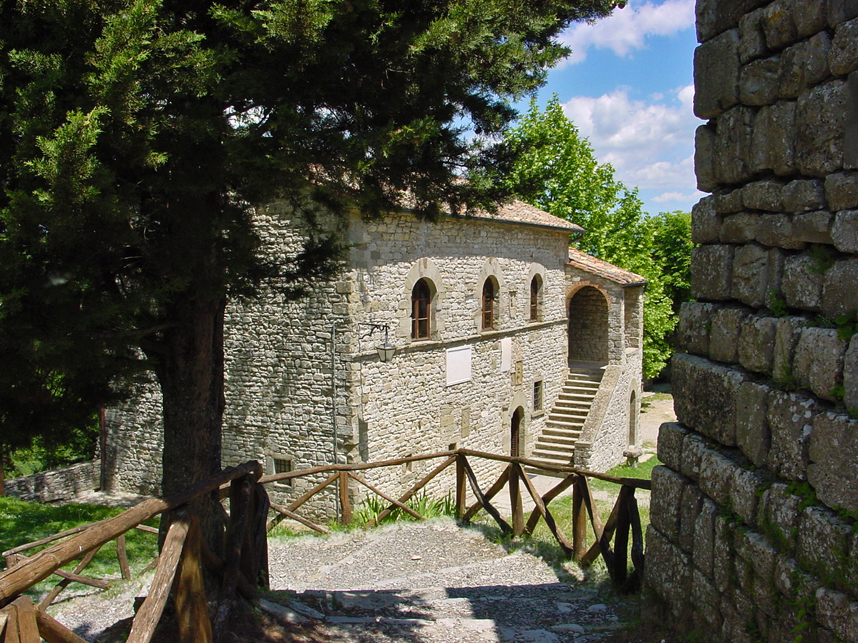
Wikimedia Commons · Creative Commons Attribution 3.0 Unported license · file Michelangelo was born at Caprese while his father was serving as a Florentine magistrate there.
Lives with a stonecutter at Settignano
· Settignano, Florence, Tuscany, Italy
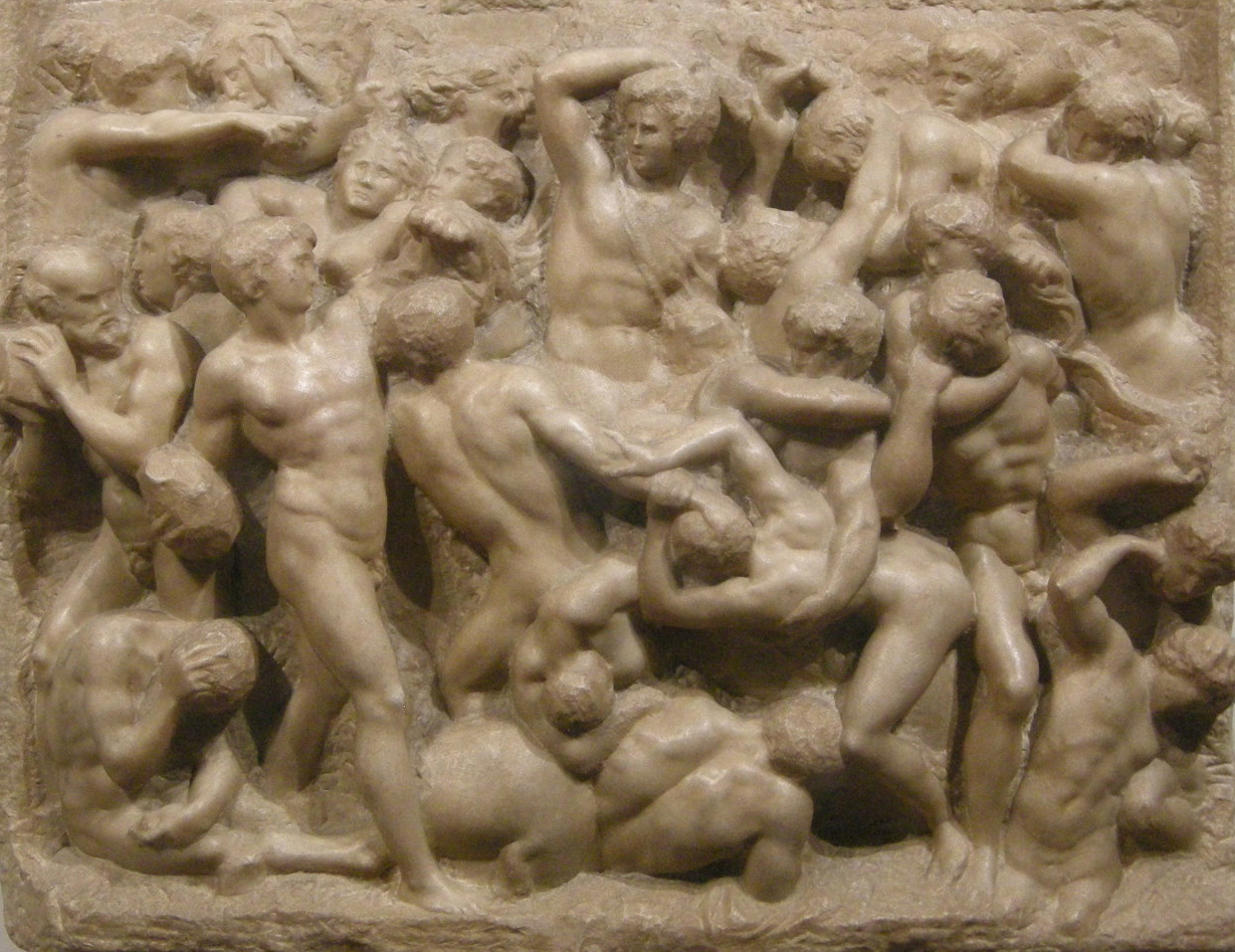
Wikimedia Commons · Creative Commons Attribution-Share Alike 3.0 Unported license · file Following his mother’s death, the young Michelangelo lived with a stonecutter and his wife at Settignano, an environment traditionally associated with his early familiarity with marble. The quotation uses ellipses to omit intervening clauses without changing the presence claim.
Lives in the Medici household
· Palazzo Medici Riccardi, Florence, Tuscany, Italy
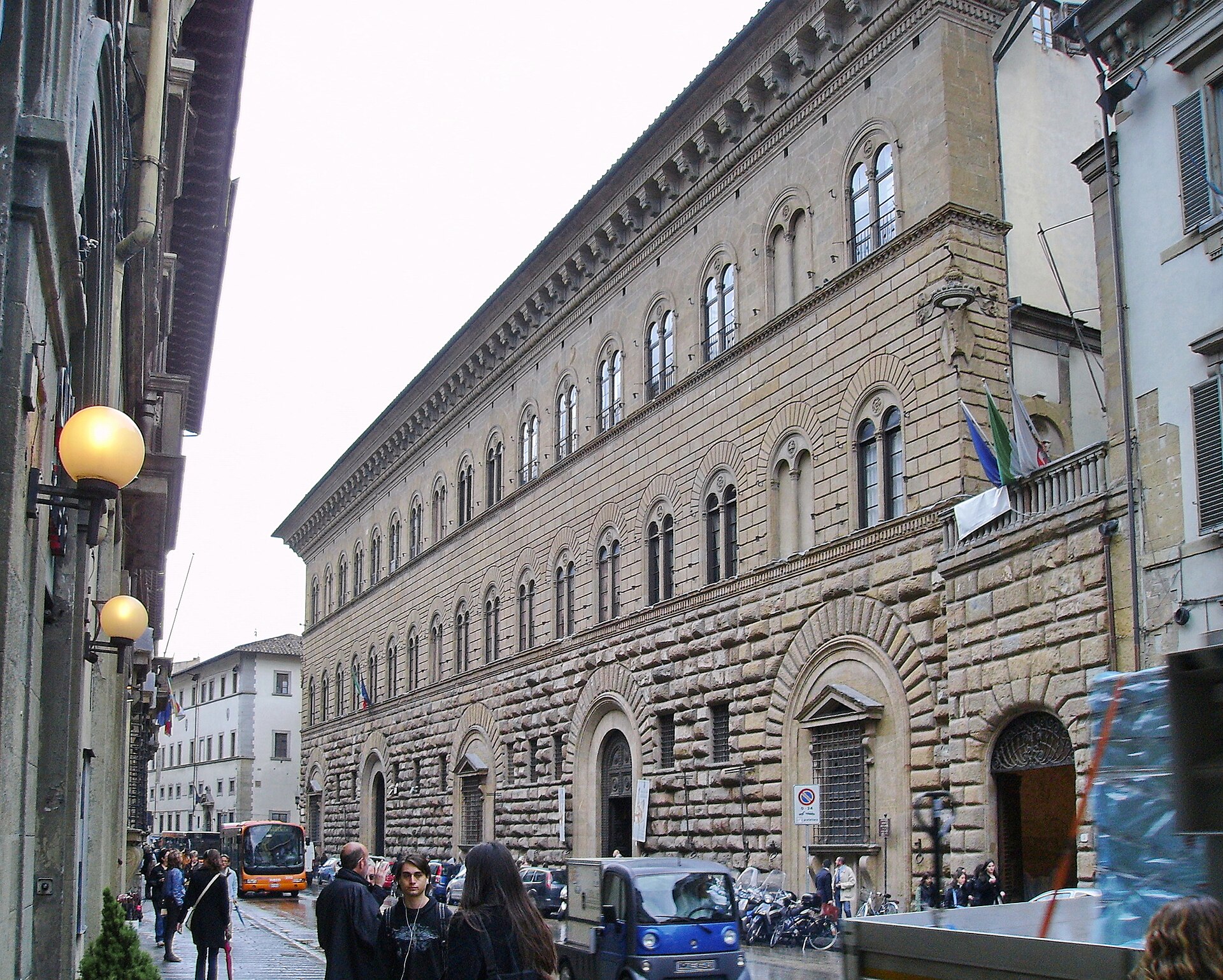
Wikimedia Commons · Creative Commons Attribution-Share Alike 3.0 Unported license · file Lorenzo de’ Medici received Michelangelo into his household, placing the adolescent artist amid Florence’s leading humanists, patrons, and collections. The palace is the documented principal Medici residence associated with Lorenzo’s household.
Hosted at Santo Spirito
· Basilica di Santo Spirito, Florence, Tuscany, Italy
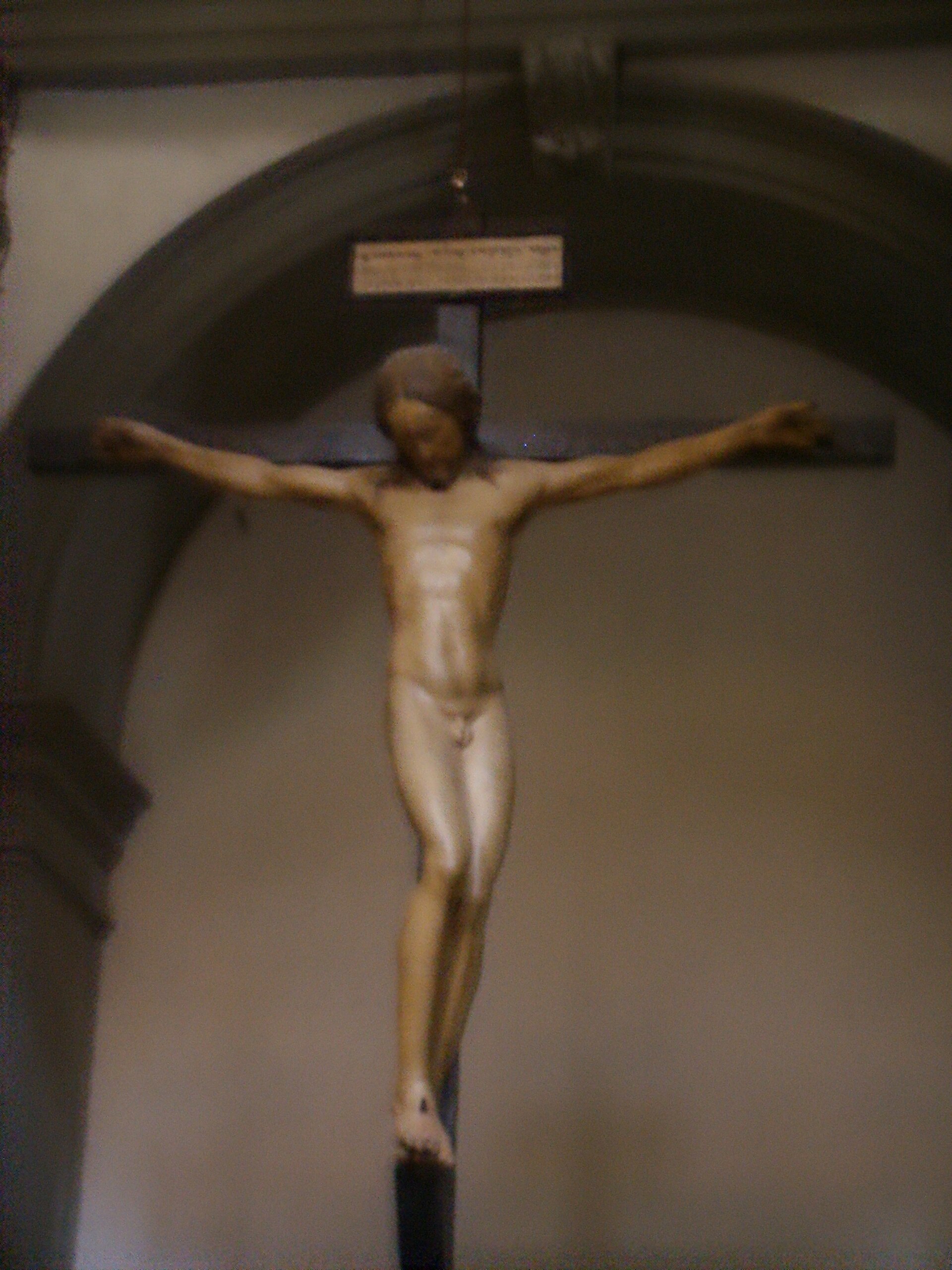
Wikimedia Commons · Creative Commons Attribution-Share Alike 3.0 Unported license · file Michelangelo stayed with the Augustinian friars of Santo Spirito and obtained access to cadavers for anatomical study, knowledge central to his treatment of the human body. The quote omits intervening wording identifying the Augustinian friars of Santo Spirito.
Brief stay in Venice
· Venice, Veneto, Italy
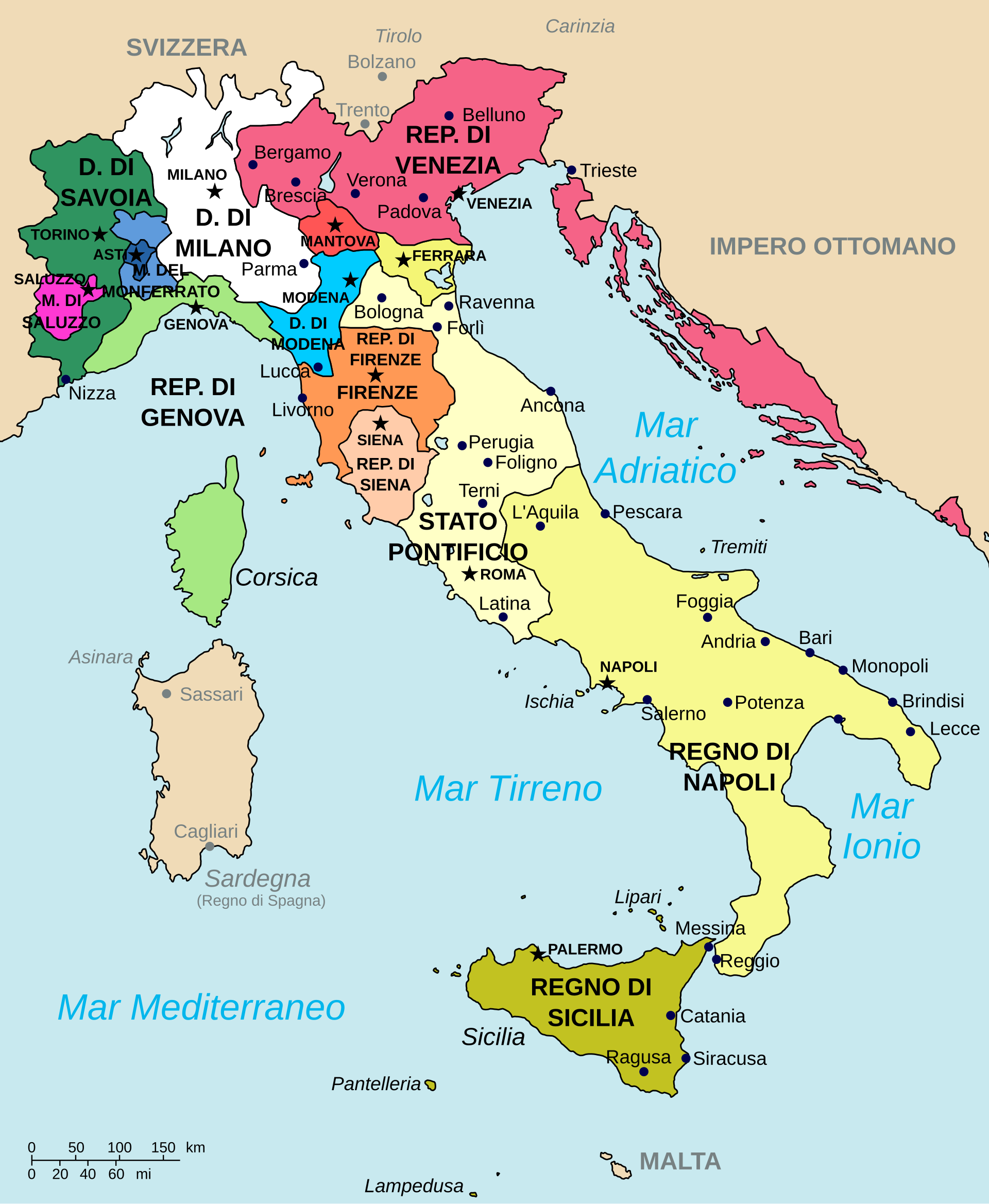
Wikimedia Commons · Public domain; the copyright holder released this work into the public domain worldwide · file As Medici rule collapsed in Florence, Michelangelo sought safety away from the city and made a brief stay in Venice. The surrounding biographical section dates this journey to 1494; no more precise date is supplied.
Takes refuge in Bologna
· Bologna, Emilia-Romagna, Italy
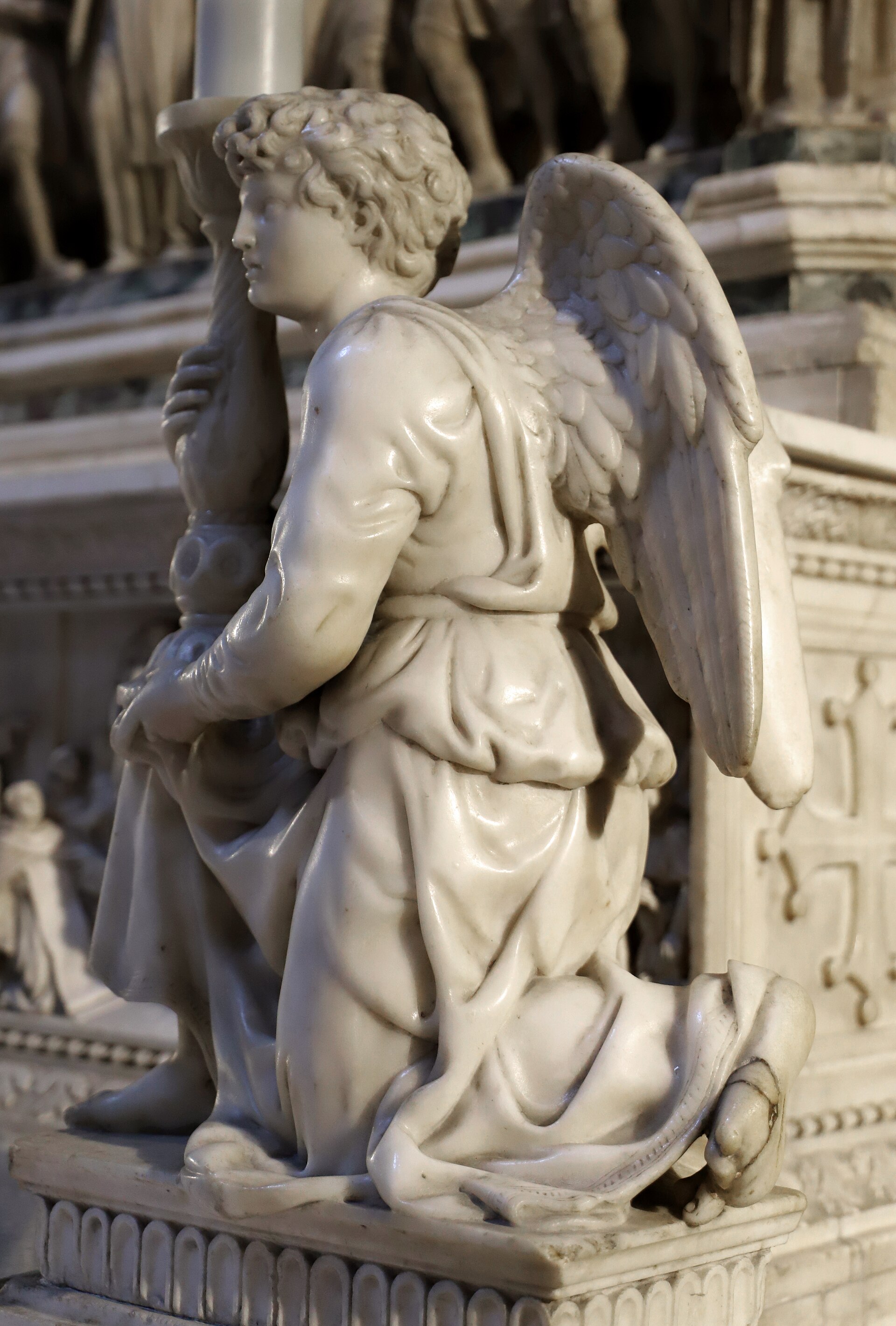
Wikimedia Commons · Creative Commons Attribution 3.0 Unported license · file Michelangelo continued to Bologna, where commissions for the Shrine of Saint Dominic provided important early sculptural work outside Florence. The source gives a 1494–1495 interval; the date field records the beginning of the stay.
Arrives in Rome
· Rome, Lazio, Italy
Wikimedia Commons · Creative Commons CC0 1.0 Universal Public Domain Dedication · file Michelangelo’s precisely dated arrival in Rome began the first Roman phase of his career, during which he produced Bacchus and the Vatican Pietà.
Returns from Rome to Florence
· Florence, Tuscany, Italy
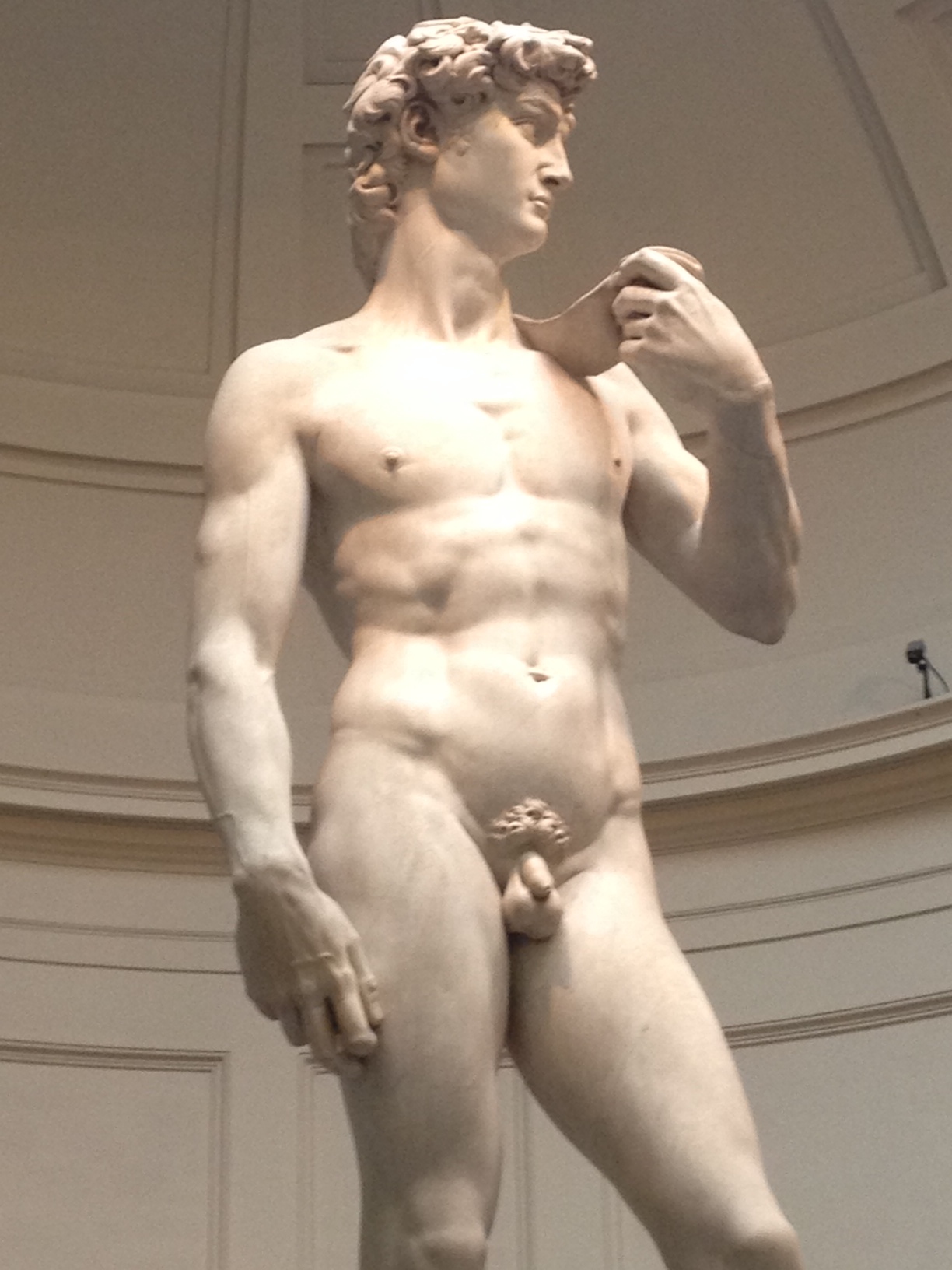
Wikimedia Commons · Creative Commons Attribution-Share Alike 2.0 Generic license · file Michelangelo returned to Florence as an acclaimed sculptor and soon accepted major civic and ecclesiastical commissions, most notably David.
Works at the Palazzo della Signoria
· Palazzo Vecchio, Florence, Tuscany, Italy
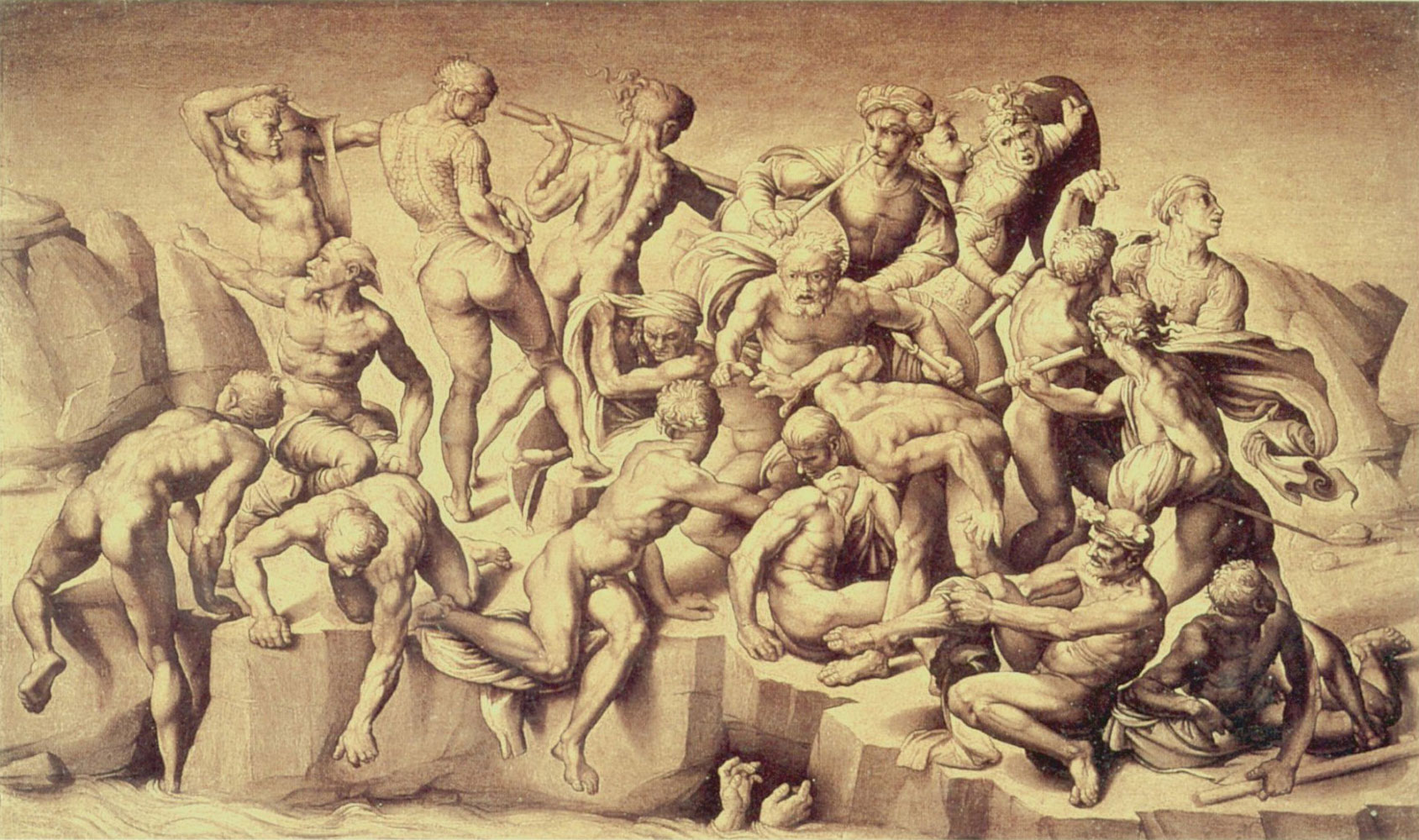
Wikimedia Commons · Public domain; identified as free of known restrictions under copyright law, including related and neighboring rights · file Michelangelo was assigned the Battle of Cascina mural for Florence’s council hall, placing his work in direct competition with Leonardo da Vinci’s Battle of Anghiari. The ellipsis omits the words identifying Florence’s Palazzo della Signoria.
Summoned to Rome by Julius II
· Rome, Lazio, Italy
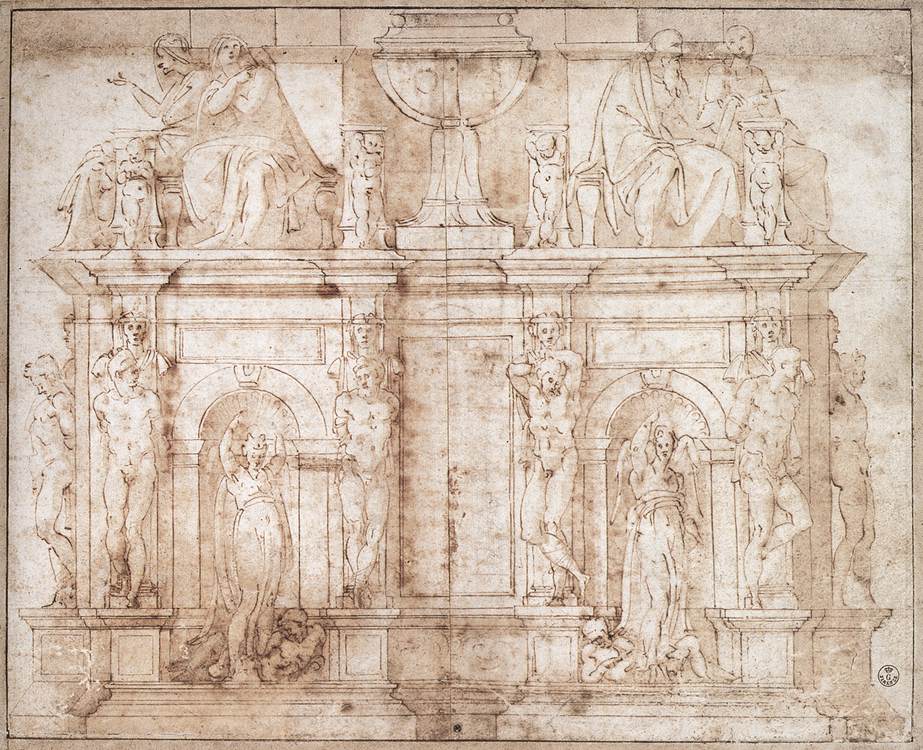
Wikimedia Commons · Public domain; faithful photographic reproduction of a two-dimensional public-domain work of art · file Pope Julius II summoned Michelangelo to Rome to design an enormous papal tomb, initiating a commission that would burden the artist for decades. Only early 1505 is supported.
Selects marble at Carrara
· Carrara marble quarries, Apuan Alps, Tuscany, Italy
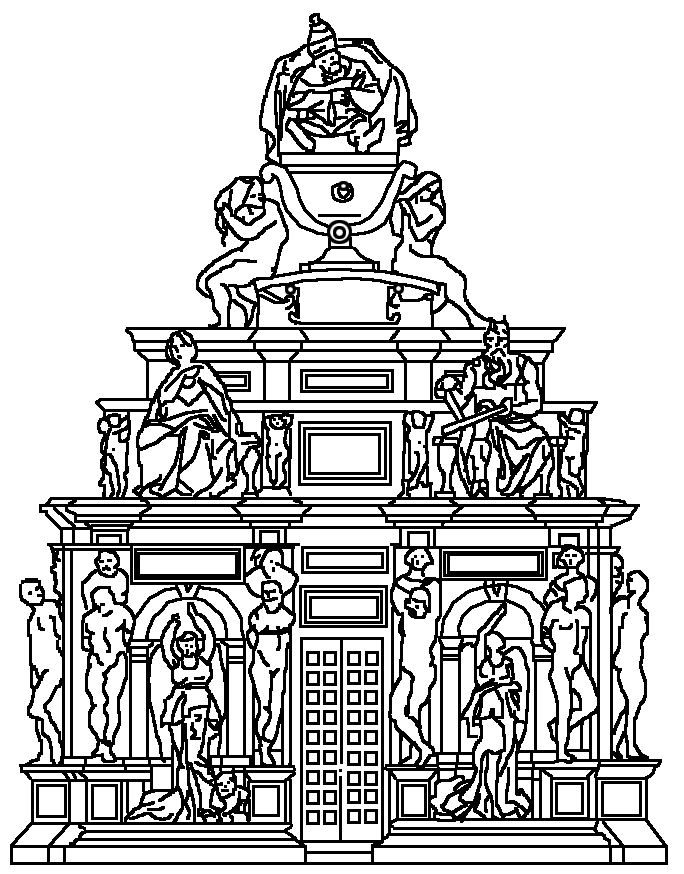
Wikimedia Commons · Creative Commons Attribution-Share Alike 3.0 Unported license · file Michelangelo personally traveled to the Carrara quarry district to select marble for the projected tomb of Julius II. The source states that this work occupied him from May through December 1505. Coordinates represent the historic Fantiscritti quarry district.
Takes refuge in Florence
· Florence, Tuscany, Italy
After fleeing Julius II’s court, Michelangelo sheltered under Florentine protection while resisting papal demands that he return. The refuge followed his April 1506 departure from Rome; the source gives no exact arrival date.
Leaves Rome after papal dispute
· Rome, Lazio, Italy
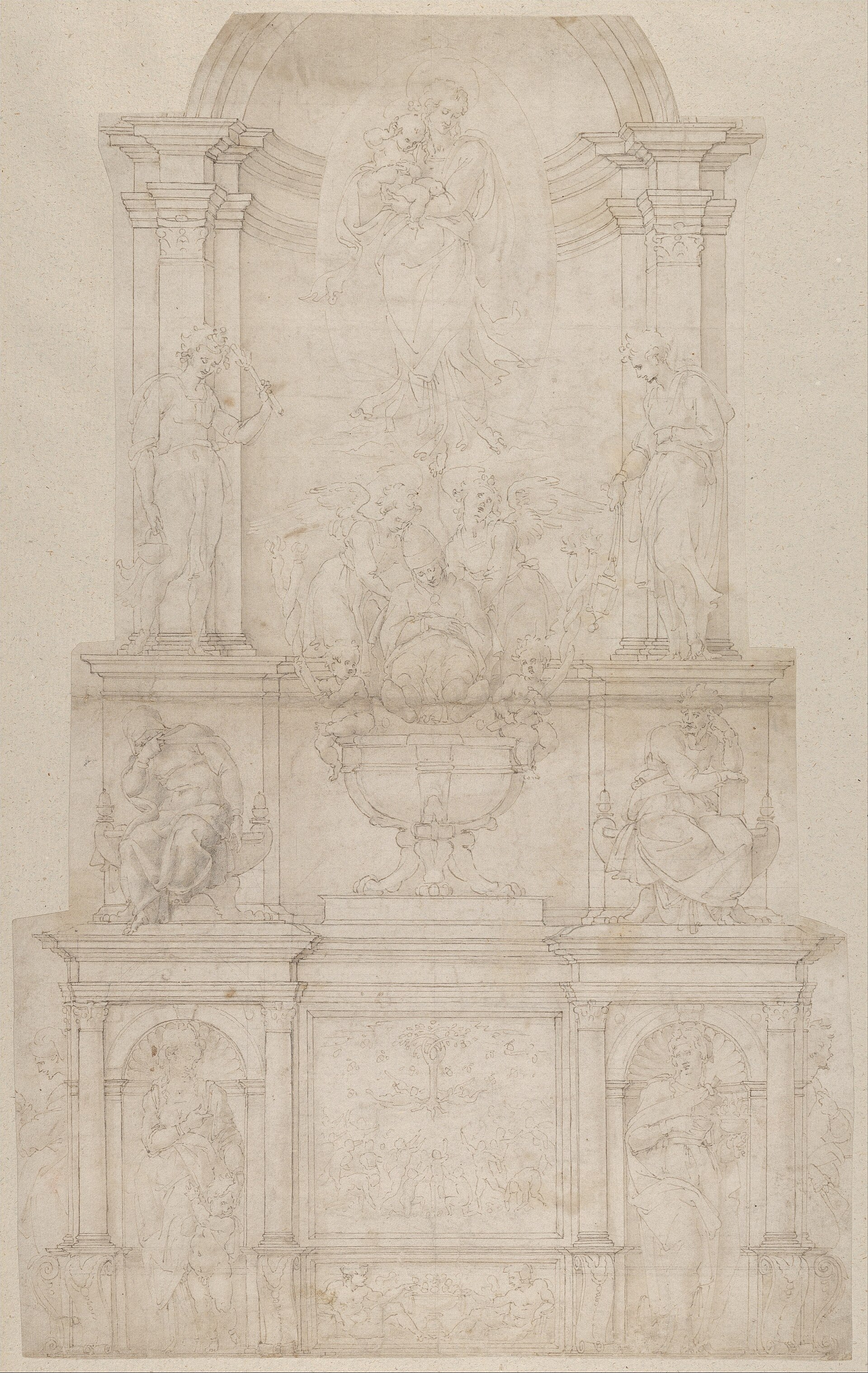
Wikimedia Commons · Creative Commons CC0 1.0 Universal Public Domain Dedication · file Frustrated by Julius II’s apparent abandonment of the tomb project and unable to secure an audience, Michelangelo abruptly departed Rome. Some biographies give 17 April; this card follows the date stated by the cited source.
Reconciles with Julius II in Bologna
· Bologna, Emilia-Romagna, Italy
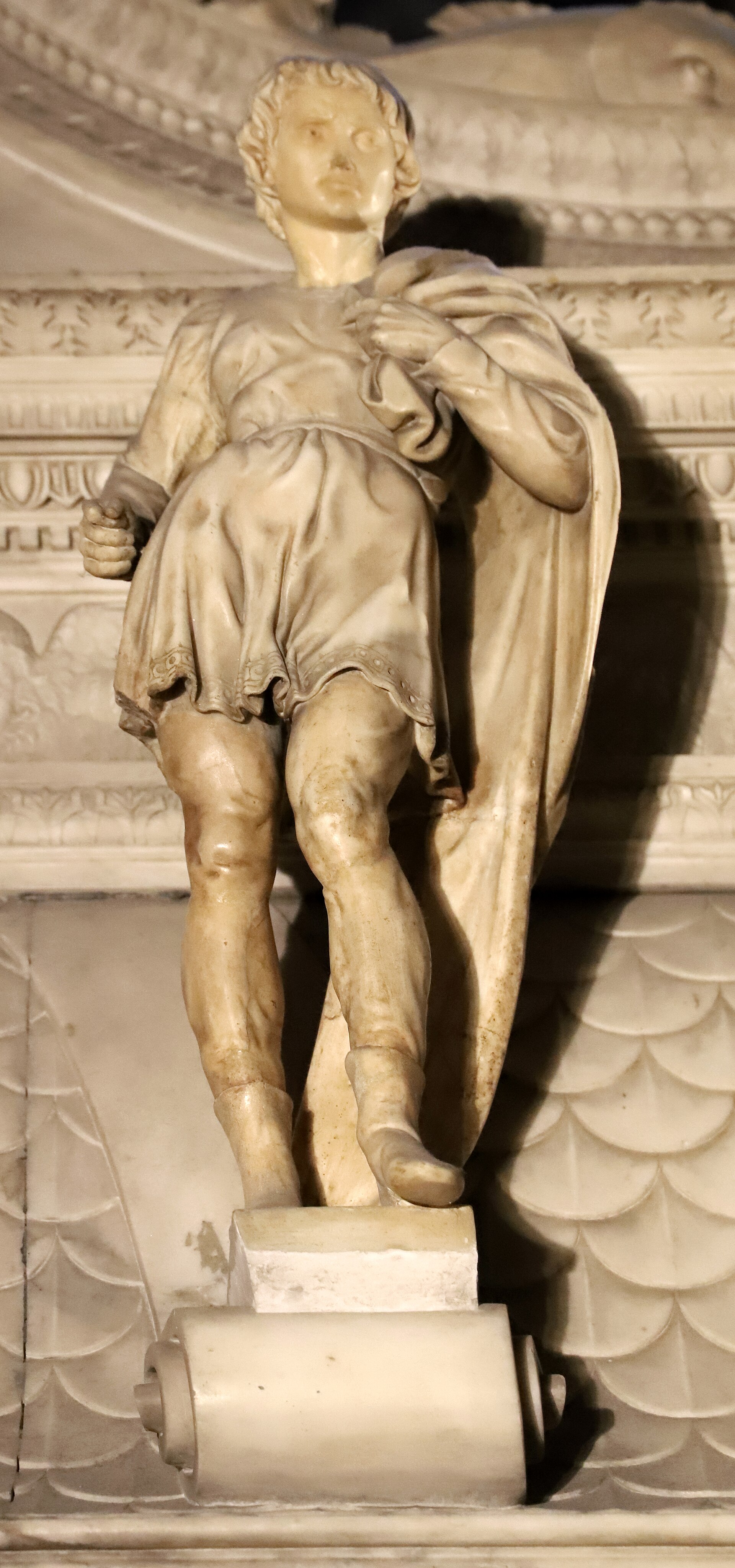
Wikimedia Commons · Creative Commons Attribution 3.0 Unported license · file Michelangelo went to Bologna to meet Julius II and received the commission for a colossal bronze portrait of the pope.
Returns to Rome from Bologna
· Rome, Lazio, Italy
Wikimedia Commons · Public domain; faithful photographic reproduction of a two-dimensional public-domain work of art · file After completing the papal bronze in Bologna, Michelangelo returned to Rome expecting to resume the tomb of Julius II. The source supports only early 1508.
Recorded in Florence by his own letter
· Florence, Tuscany, Italy
A surviving letter concerning marble logistics is explicitly dated and signed by Michelangelo in Florence during the San Lorenzo façade project. The bracketed year is supplied by the museum’s transcription and cataloguing.
Remains in republican Florence
· Florence, Tuscany, Italy
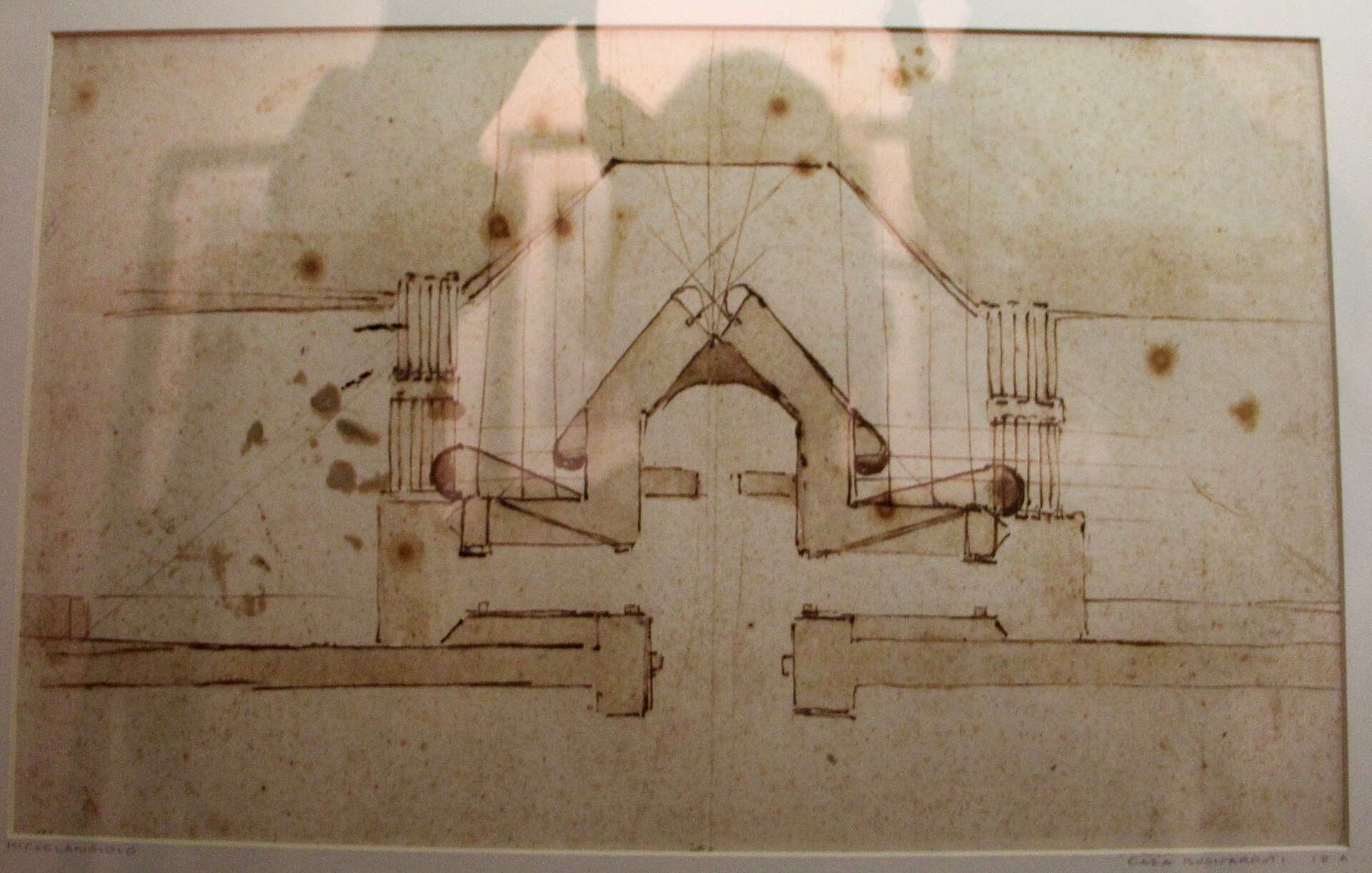
Wikimedia Commons · Creative Commons Attribution 3.0 Unported license · file Michelangelo was in Florence when the Medici were expelled and the republic restored; he subsequently joined the city’s defensive effort. The source establishes city-level presence but not an exact site.
Inspects Ferrara’s fortifications
· Ferrara, Emilia-Romagna, Italy
The Florentine Republic sent Michelangelo to Ferrara to study Alfonso I d’Este’s modern bastions and artillery defenses during preparations for war. The source further places his Ferrara stops in August, September, and November; this card records the initial official mission.
Flees toward Venice
· Venice, Veneto, Italy
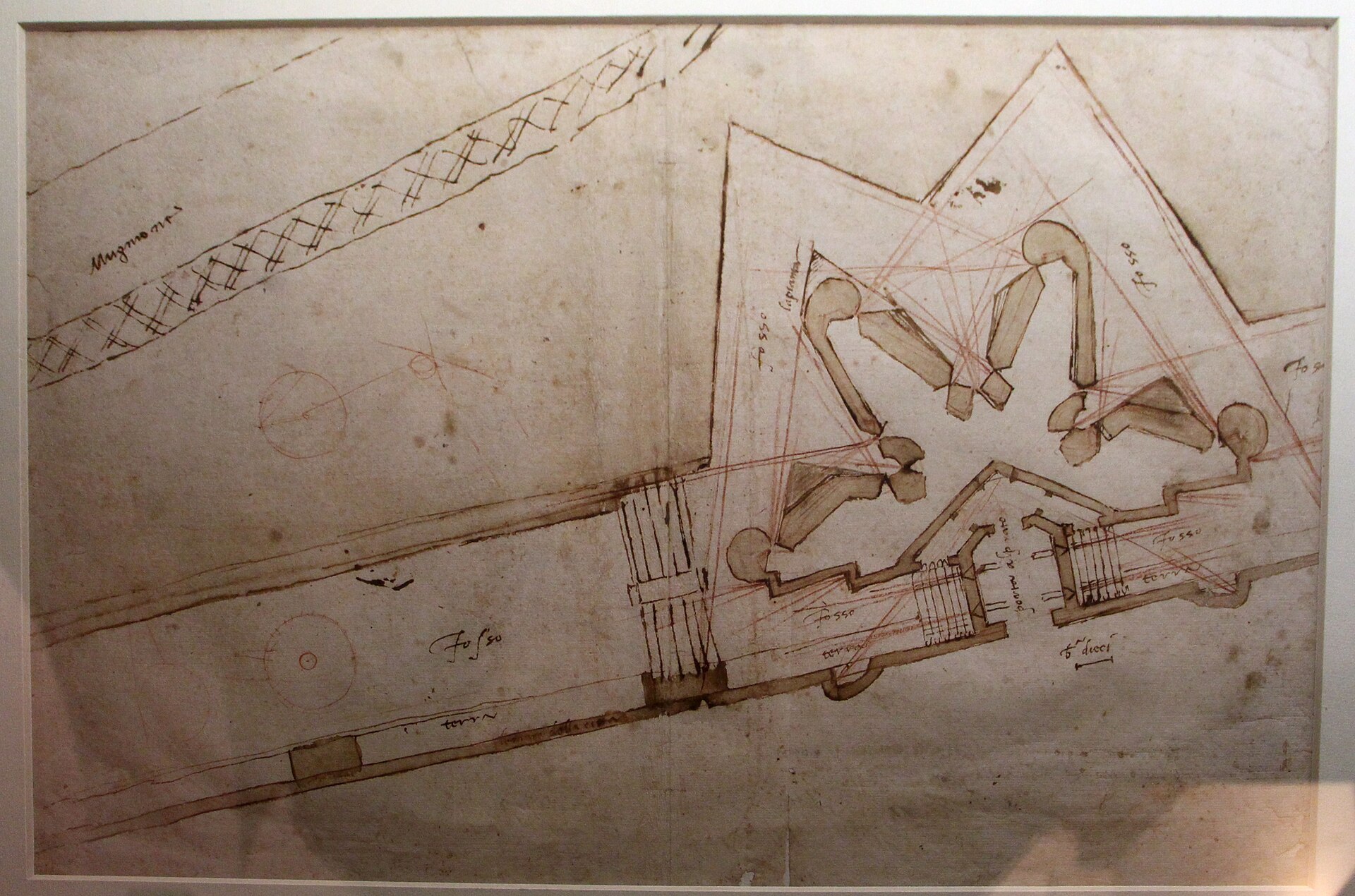
Wikimedia Commons · Creative Commons Attribution 3.0 Unported license · file Amid the approaching siege, Michelangelo secretly left Florence for Venice, an act Florentine authorities viewed as desertion. The year 1529 is established by the surrounding text; the source says he intended to continue toward France.
Returns to besieged Florence
· Florence, Tuscany, Italy
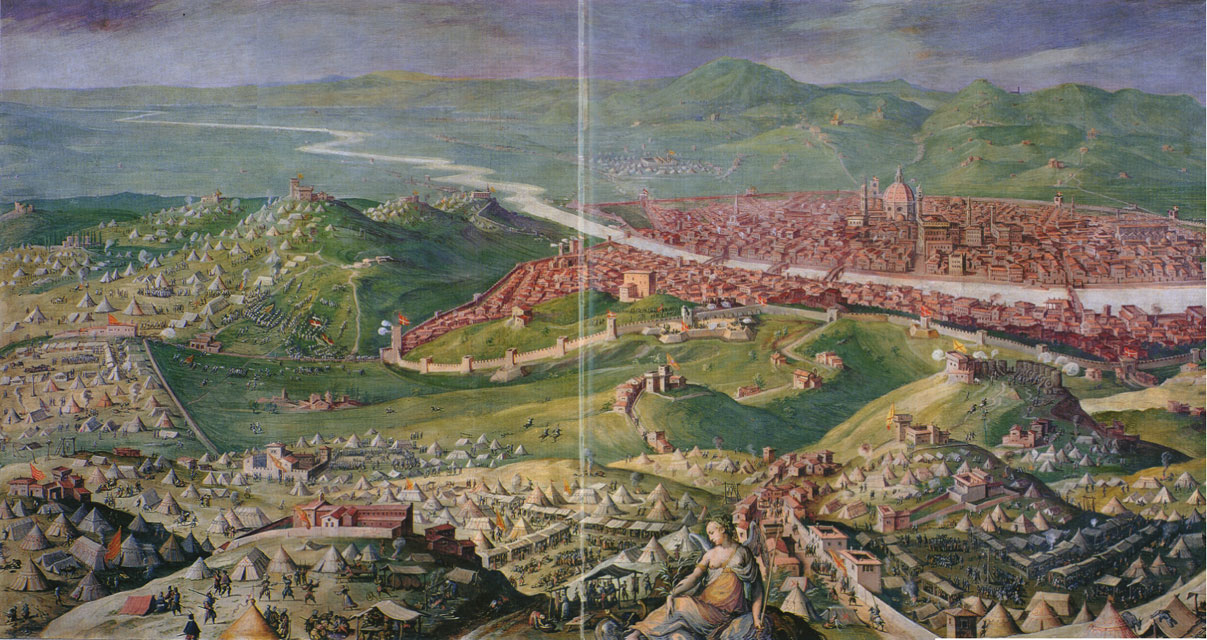
Wikimedia Commons · Public domain · file Persuaded by friends and threatened with confiscation of his property, Michelangelo returned to Florence before enemy forces sealed the city. The surrounding text establishes November 1529 and identifies the city as Florence.
Hides after Florence falls
· Florence, Tuscany, Italy
When Medici power was restored after the siege, Michelangelo went into hiding because his service to the republic exposed him to possible execution. The source establishes hiding in the Florence episode but does not identify the exact refuge. Claims that he used a chamber beneath San Lorenzo remain less certain.
Settles permanently in Rome
· Rome, Lazio, Italy
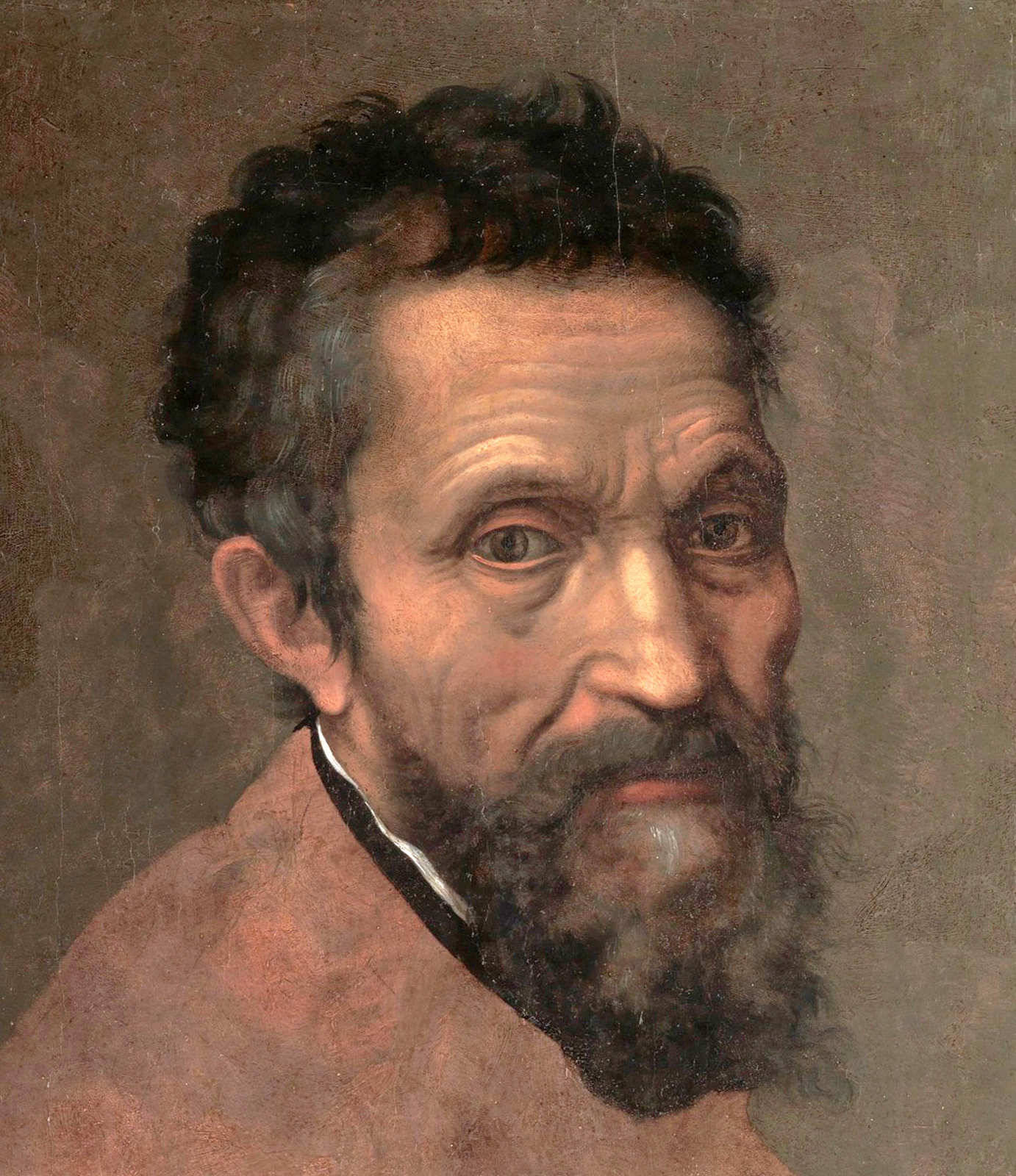
Wikimedia Commons · Public domain; faithful photographic reproduction of a two-dimensional public-domain work of art · file Michelangelo left Florence permanently and established himself in Rome, where he spent the final three decades of his life.
Paints The Last Judgment
· Sistine Chapel, Vatican City
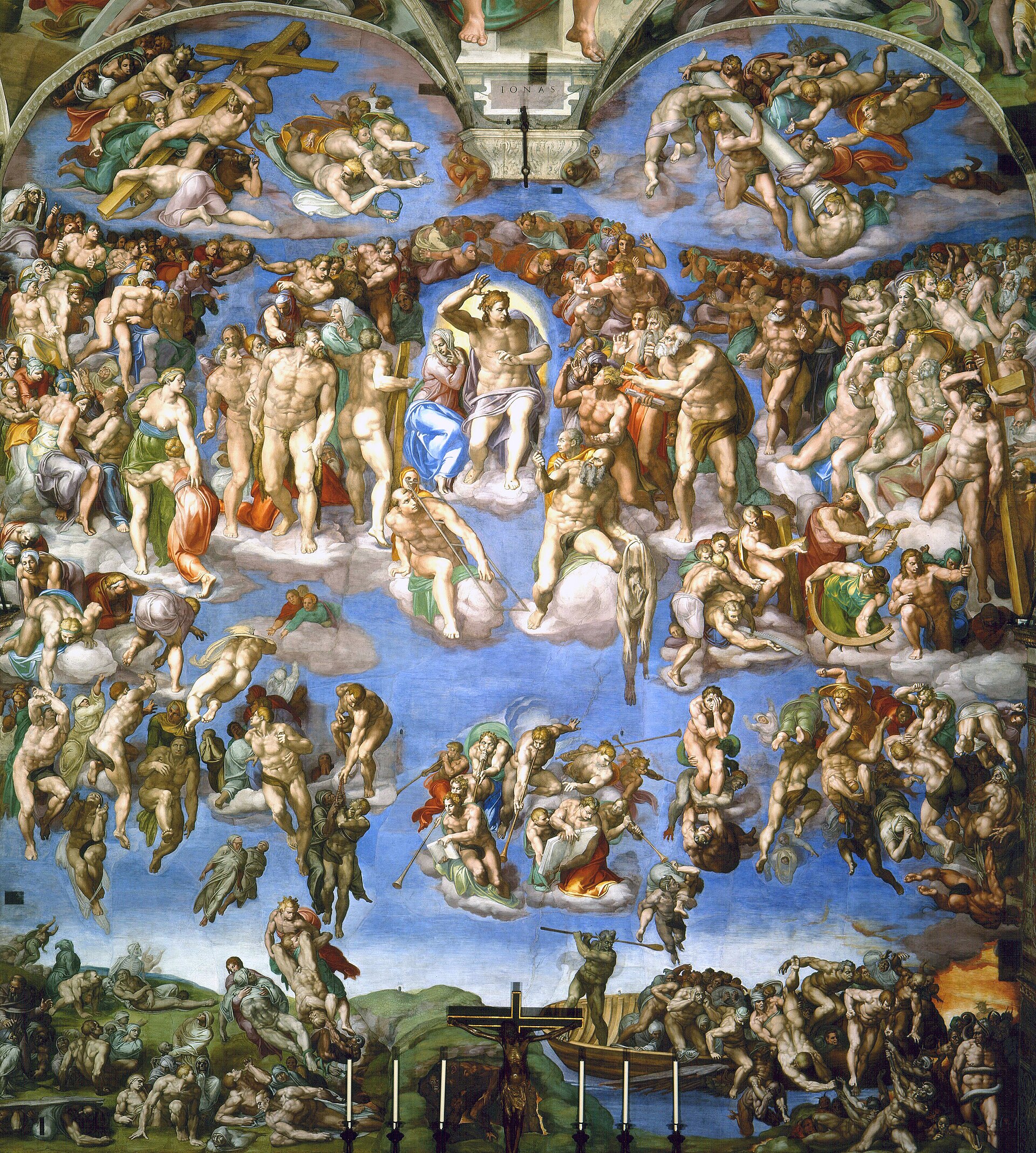
Wikimedia Commons · Public domain; faithful photographic reproduction of a two-dimensional public-domain work of art · file Michelangelo began painting The Last Judgment on the Sistine Chapel’s altar wall, a monumental undertaking completed in 1541. The page identifies the work as Michelangelo’s fresco covering the altar wall of the Sistine Chapel.
Works in the Pauline Chapel
· Cappella Paolina, Apostolic Palace, Vatican City
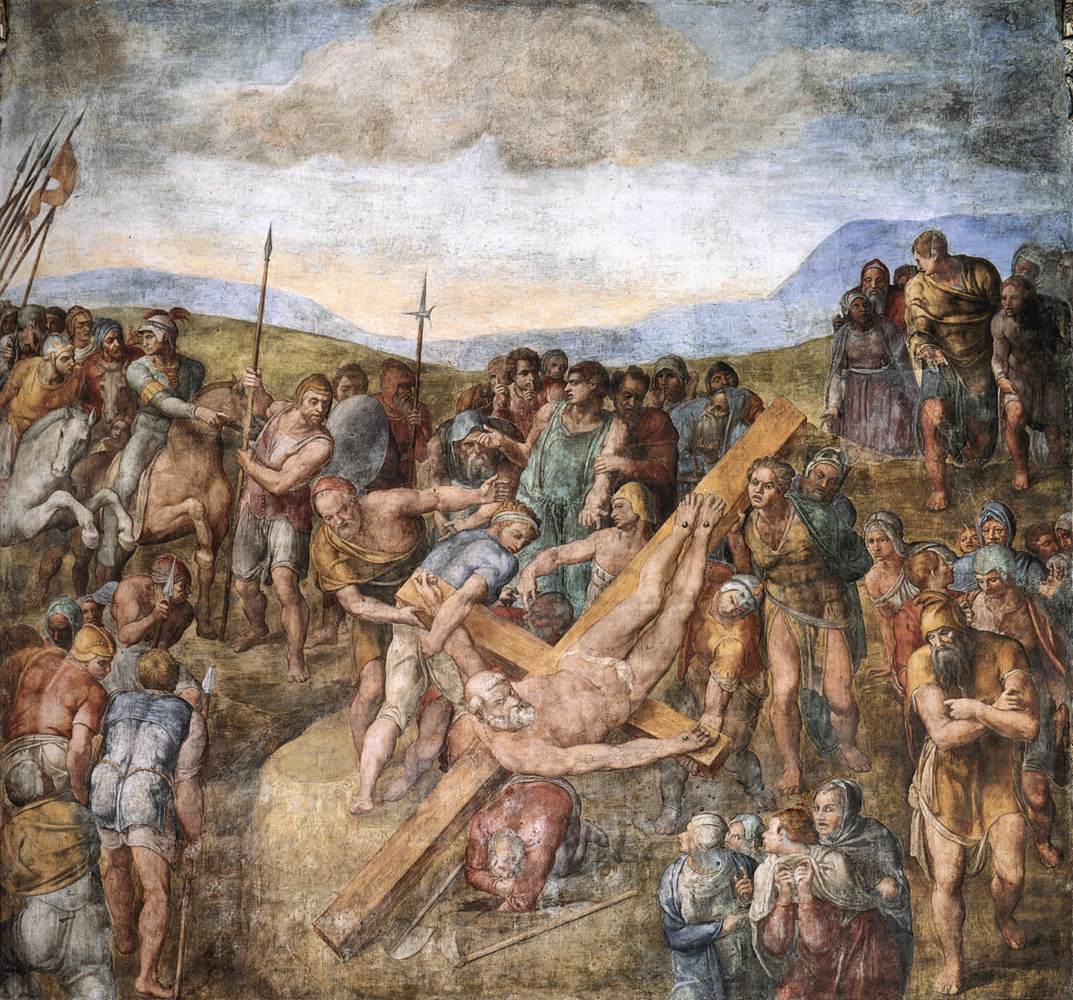
Wikimedia Commons · Public domain; faithful photographic reproduction of a two-dimensional public-domain work of art · file Michelangelo undertook his final painted cycle in the papal Pauline Chapel, depicting the Conversion of Saul and Crucifixion of Saint Peter. The quotation omits the fresco titles.
Takes charge at St. Peter’s
· St. Peter's Basilica, Vatican City
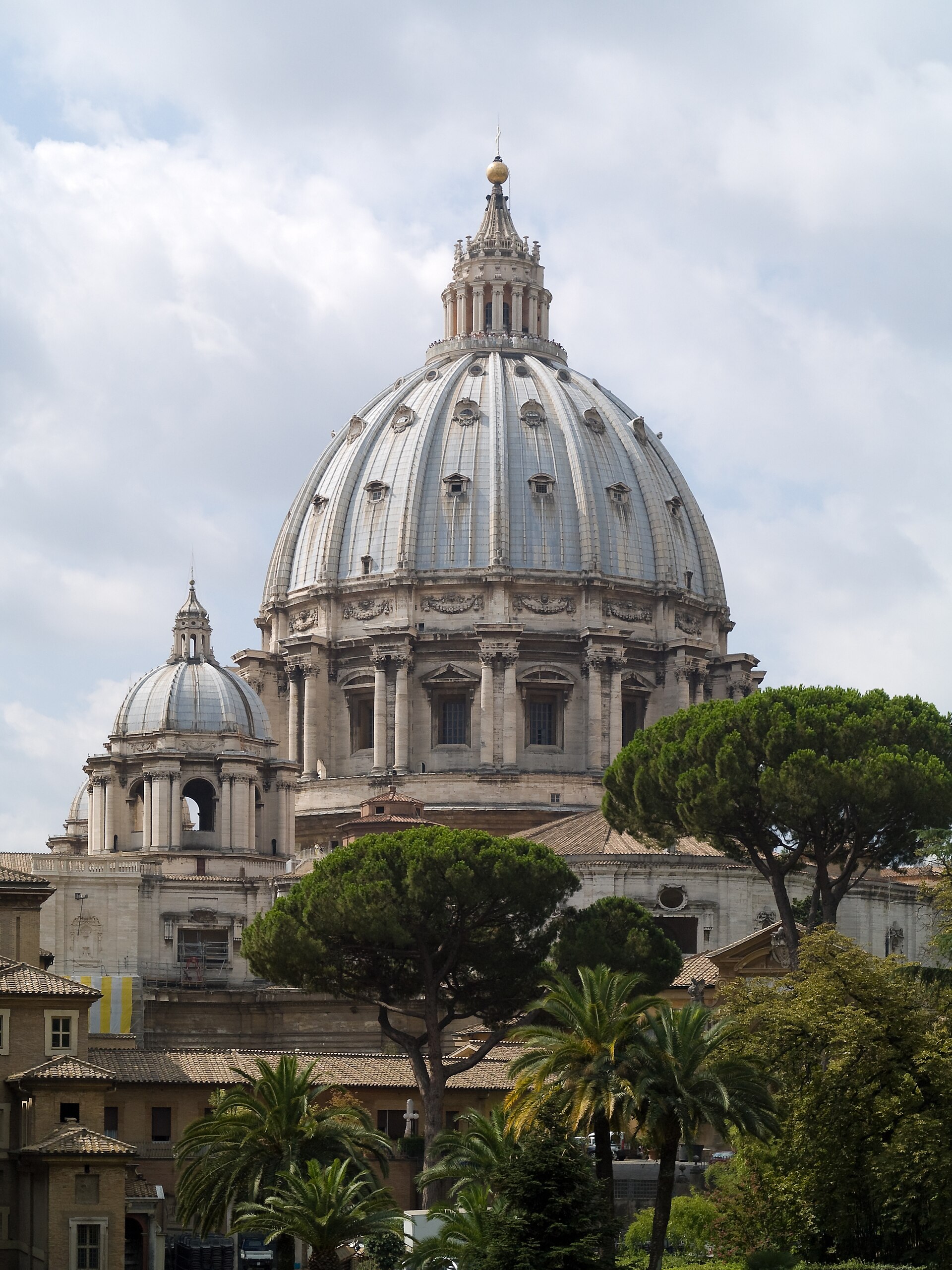
Wikimedia Commons · Creative Commons Attribution-Share Alike 3.0 Unported license · file In his seventies, Michelangelo became superintendent of St. Peter’s construction, reshaping the basilica and developing the design of its dome. Appointment to active superintendence of the building program supports presence at the construction site, although the quotation does not describe a particular inspection.
Sculpts the Bandini Pietà in Rome
· Rome, Lazio, Italy
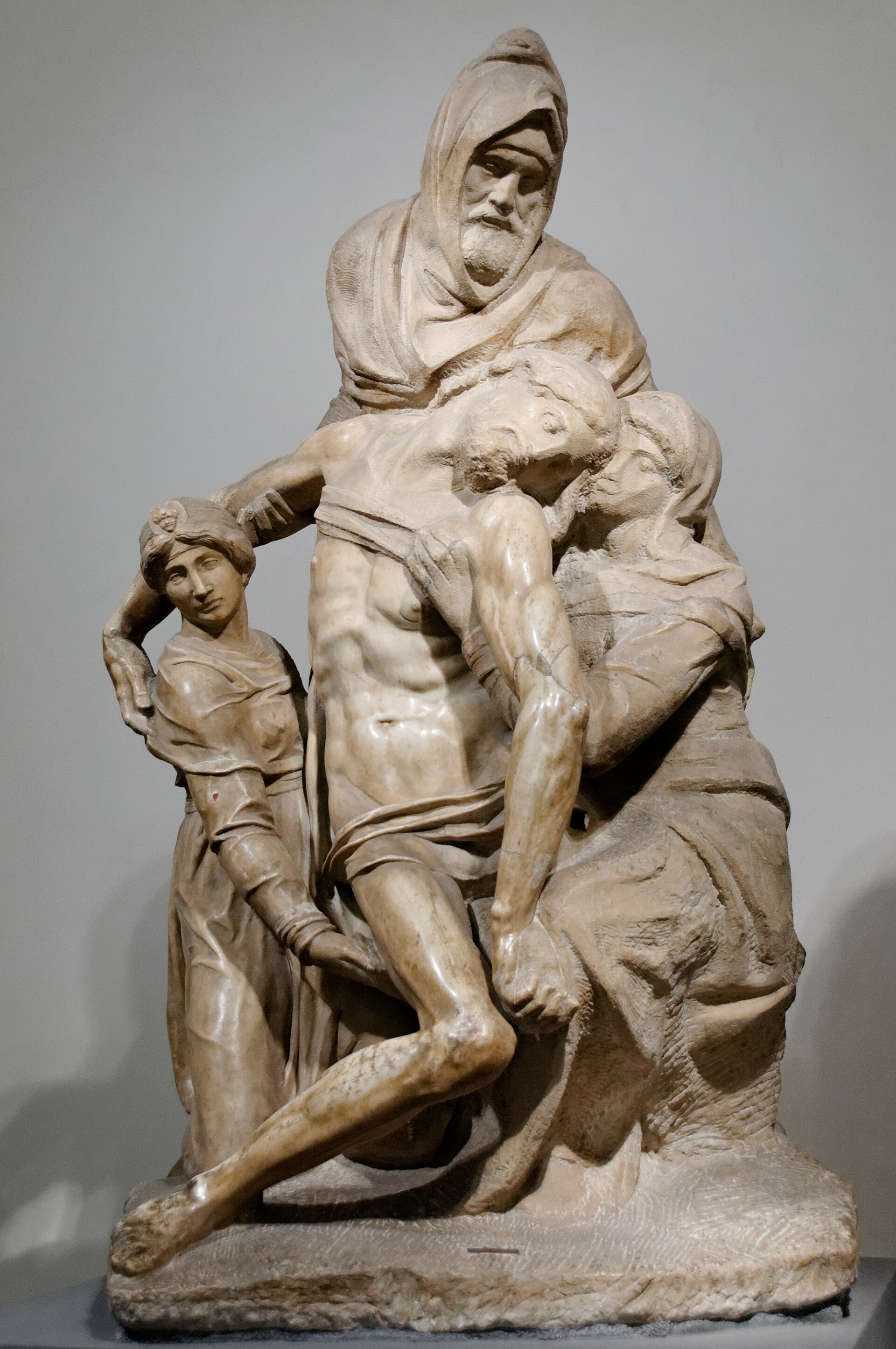
Wikimedia Commons · Creative Commons Attribution 2.5 Generic license · file During the 1550s Michelangelo worked in Rome on the Bandini Pietà, a deeply personal group initially associated with plans for his own tomb. The date marks the beginning of a source-supported 1550–1555 interval; an exact Roman workshop is not identified.
Works on the Rondanini Pietà
· Michelangelo's studio, Macel de' Corvi, Rome, Italy
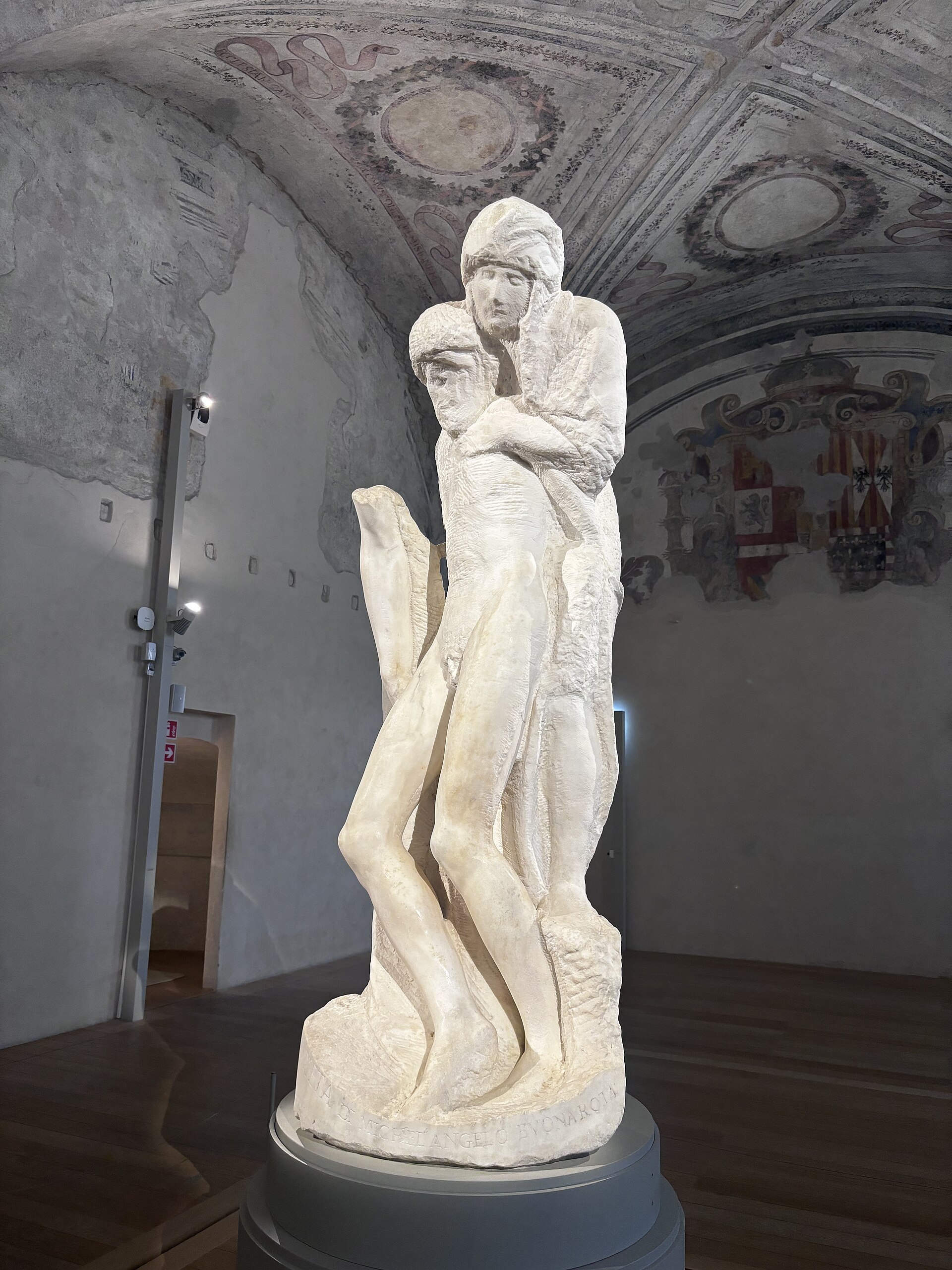
Wikimedia Commons · Creative Commons Attribution 4.0 International license · file Only six days before his death, Michelangelo remained at work on the radically reworked Rondanini Pietà in his Roman studio. The chronology supplies the day and surrounding 1564 context. The studio’s approximate position near the former Macel de’ Corvi is represented.
Dies at Macel de’ Corvi
· Michelangelo's house, Piazza di Macel de' Corvi, Rome, Italy
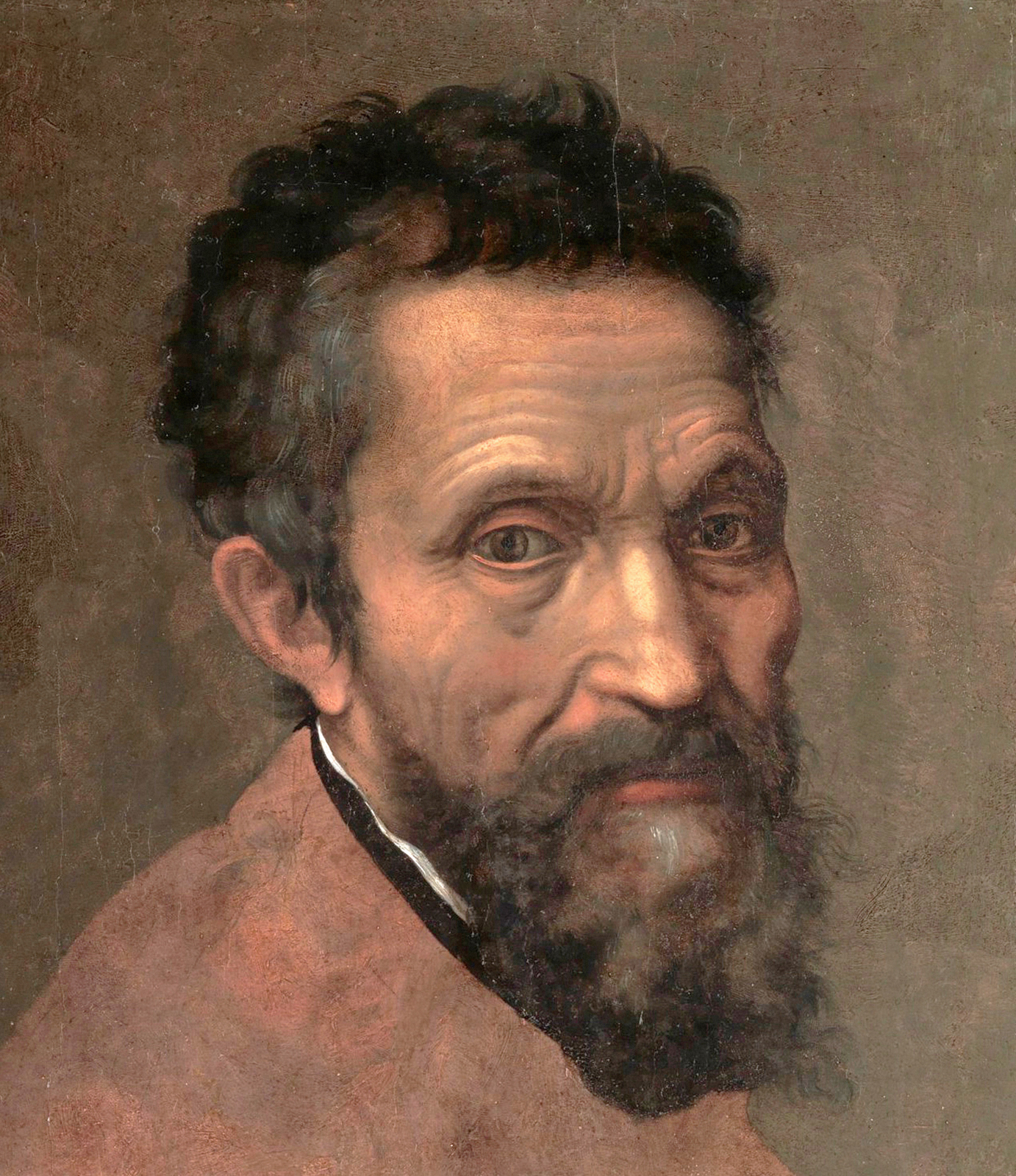
Wikimedia Commons · Public domain; faithful photographic reproduction of a two-dimensional public-domain work of art · file Michelangelo died at his modest Roman house near the Capitoline Hill after a brief illness, ending a working life of nearly eight decades. The house was demolished during later enlargement of Piazza Venezia; coordinates are an approximate representative point for the vanished square.