
27 moments
Born near Vinci
· Vinci, Tuscany, Italy
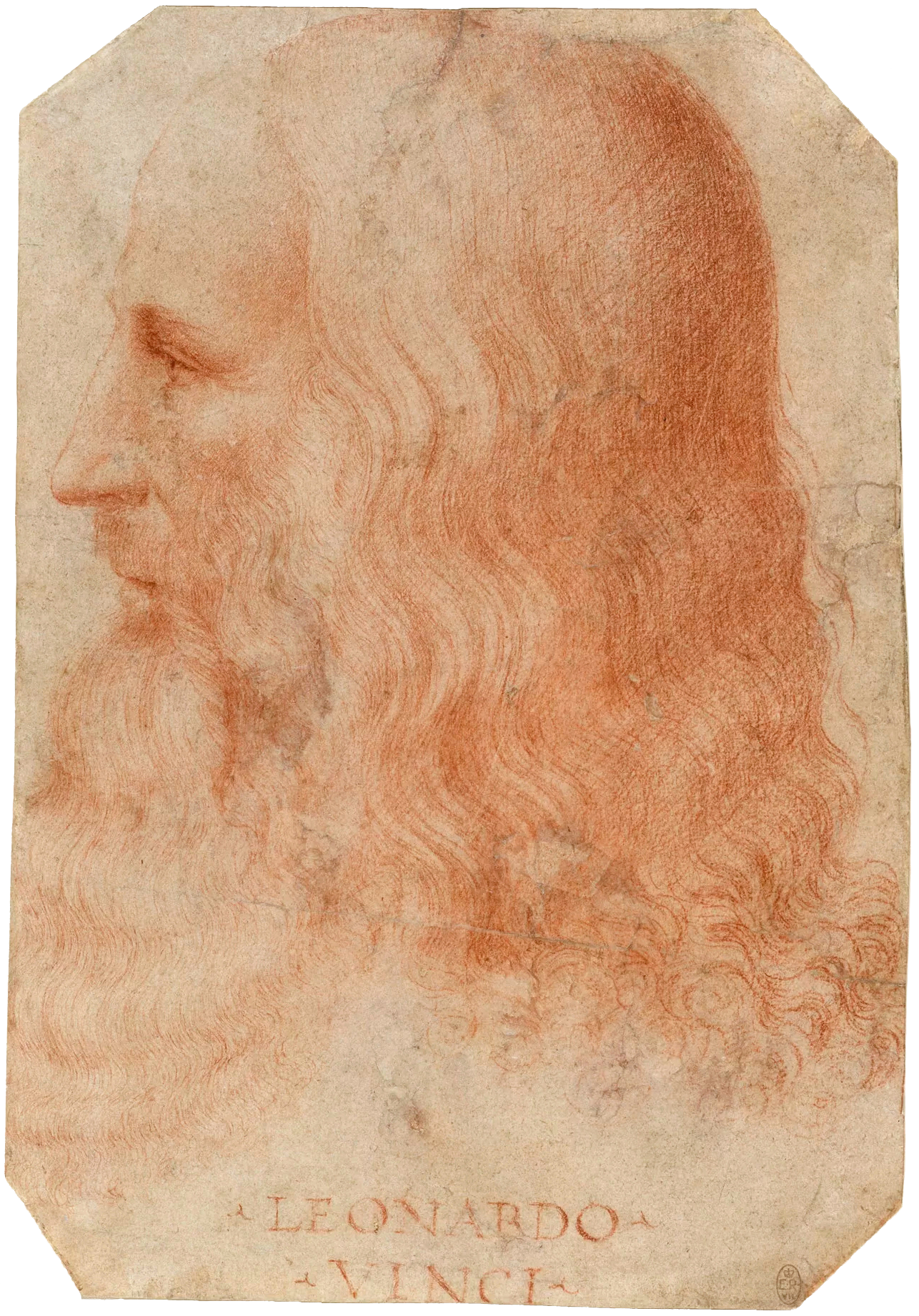
Wikimedia Commons · Public domain · file Leonardo was born in or near Vinci, the Tuscan settlement from which his identifying name derived. The source supports Vinci or its vicinity, but the exact birthplace remains disputed; the coordinate represents Vinci.
Moves to Florence
· Florence, Tuscany, Italy
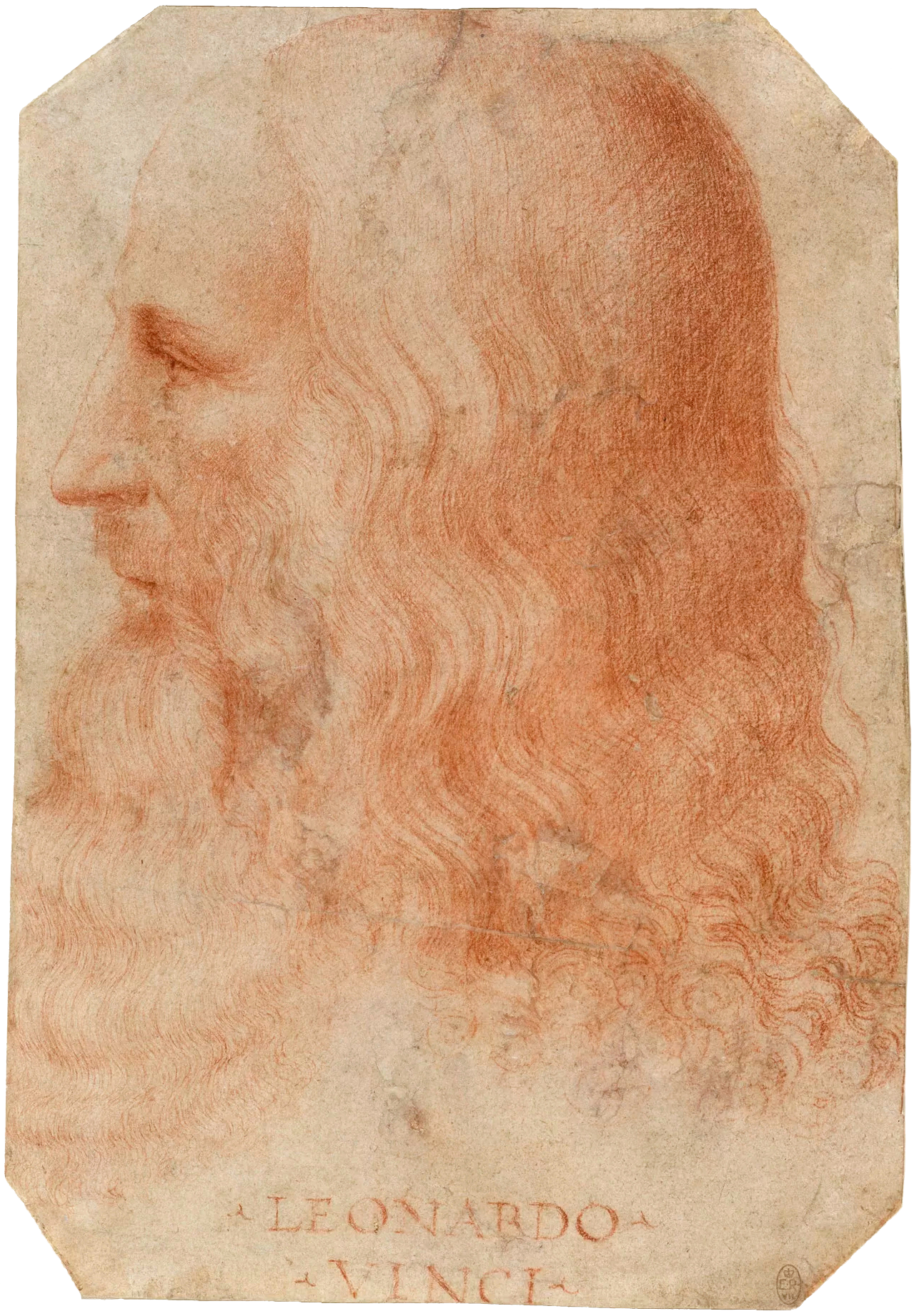
Wikimedia Commons · Public domain · file Leonardo relocated to Florence with his father, entering the urban environment in which he received his artistic training. The source gives the year but not a specific Florentine residence; coordinates represent central Florence.
Witnesses a contract in Vinci
· Vinci, Tuscany, Italy
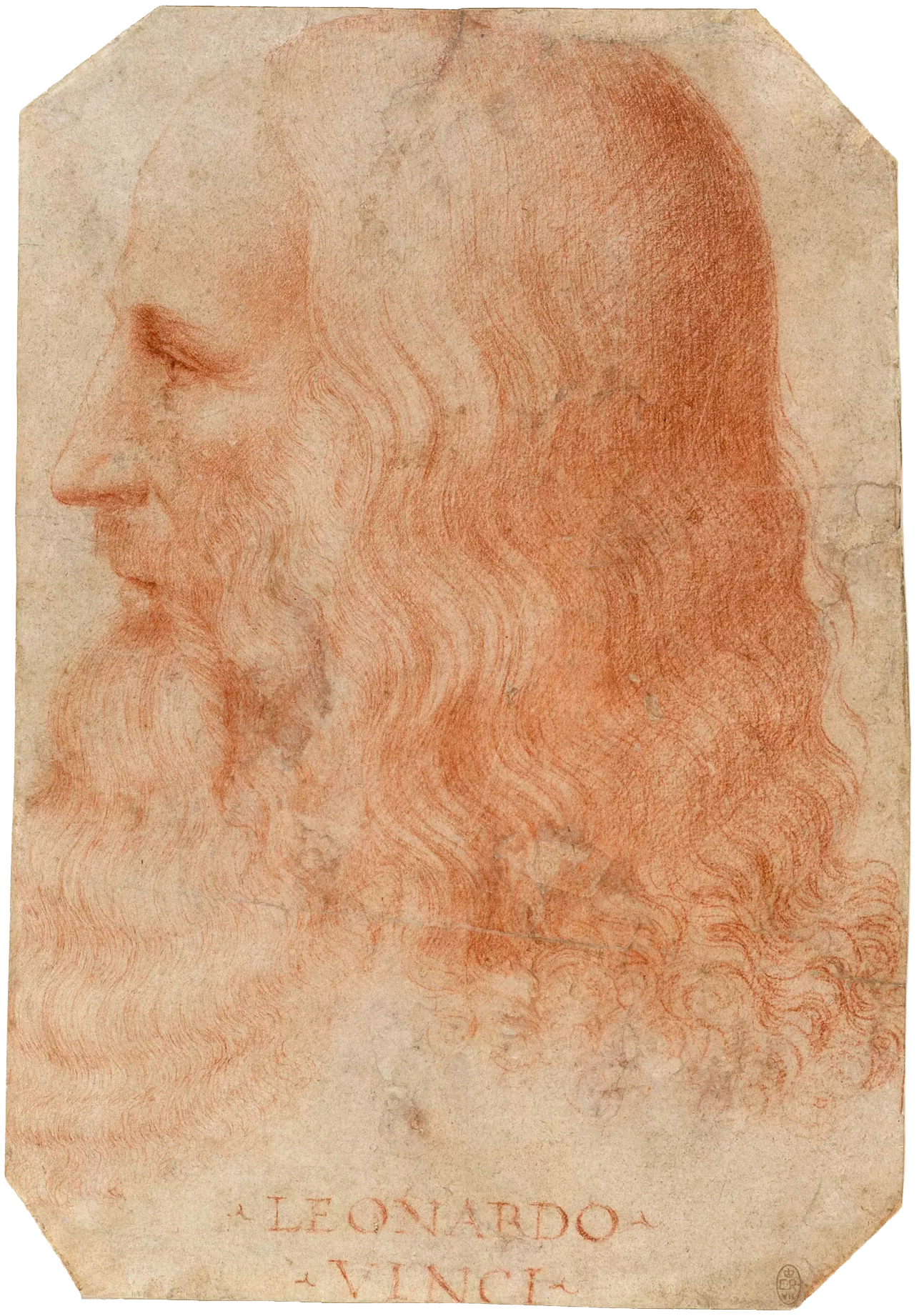
Wikimedia Commons · Creative Commons Attribution-Share Alike 4.0 International · file Leonardo was present in his hometown when a lease contract concerning the municipal mill and his uncle Francesco was signed.
Moves to the Sforza court
· Milan, Lombardy, Italy
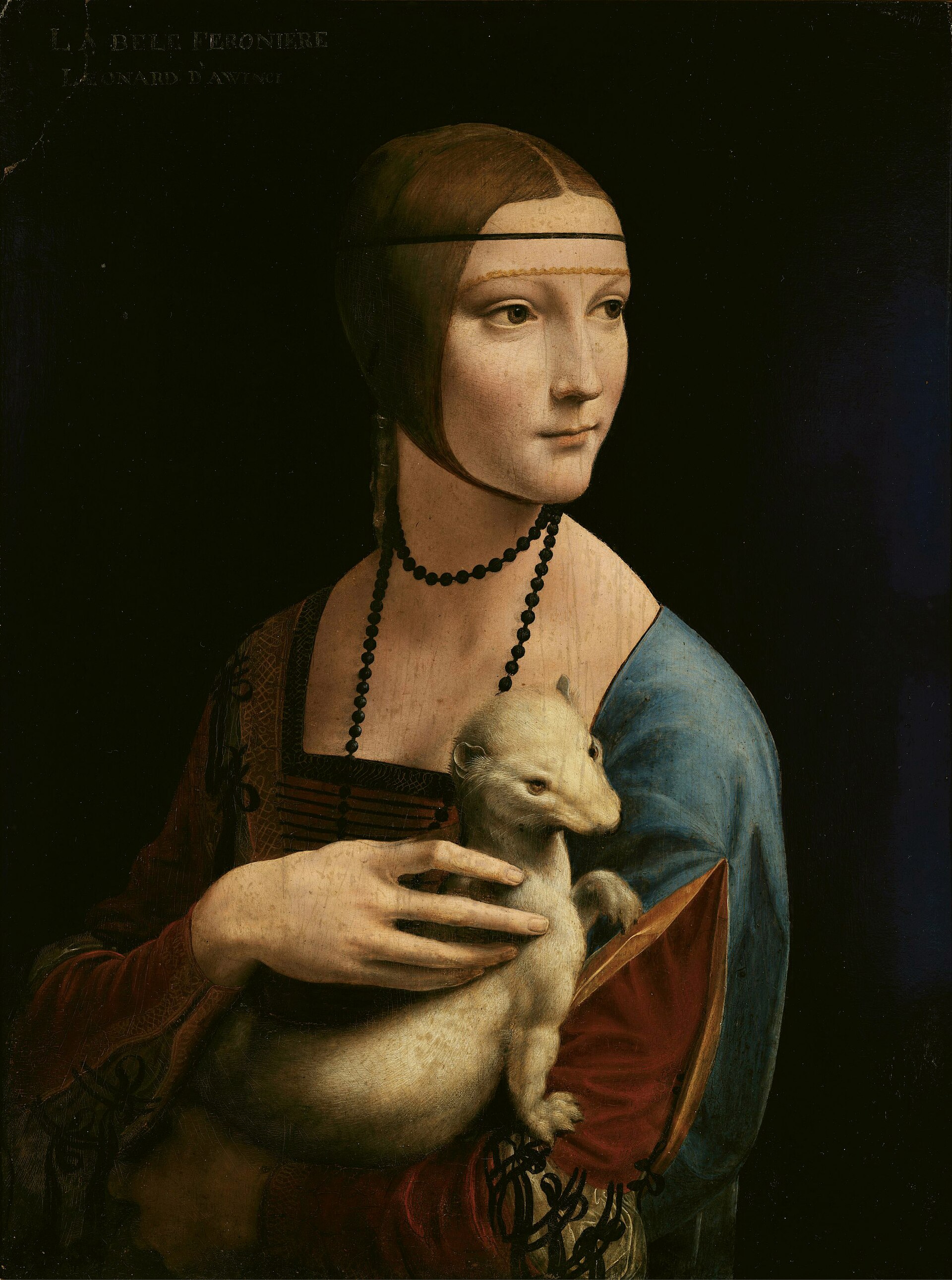
Wikimedia Commons · Public domain · file Leonardo relocated to Milan, beginning his long first period of service at the court of Ludovico Sforza. The source supports Milan at settlement level rather than a particular residence.
Consults at Pavia Cathedral
· Pavia Cathedral, Pavia, Lombardy, Italy
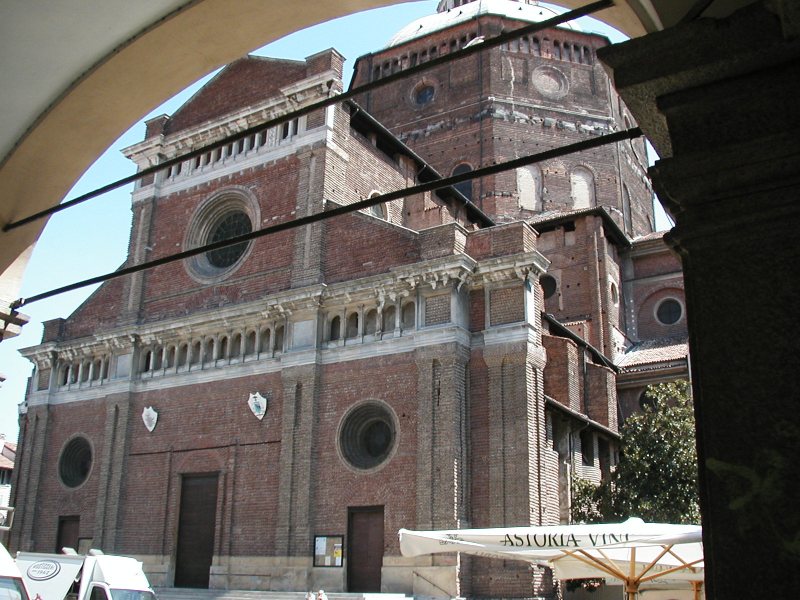
Wikimedia Commons · Creative Commons Attribution-Share Alike 3.0 Unported · file Leonardo visited Pavia with the architect and engineer Francesco di Giorgio Martini to advise on the cathedral project. The chronology supplies June 1490; the coordinate represents Pavia Cathedral, the stated project site.
Paints The Last Supper
· Refectory of Santa Maria delle Grazie, Milan, Lombardy, Italy
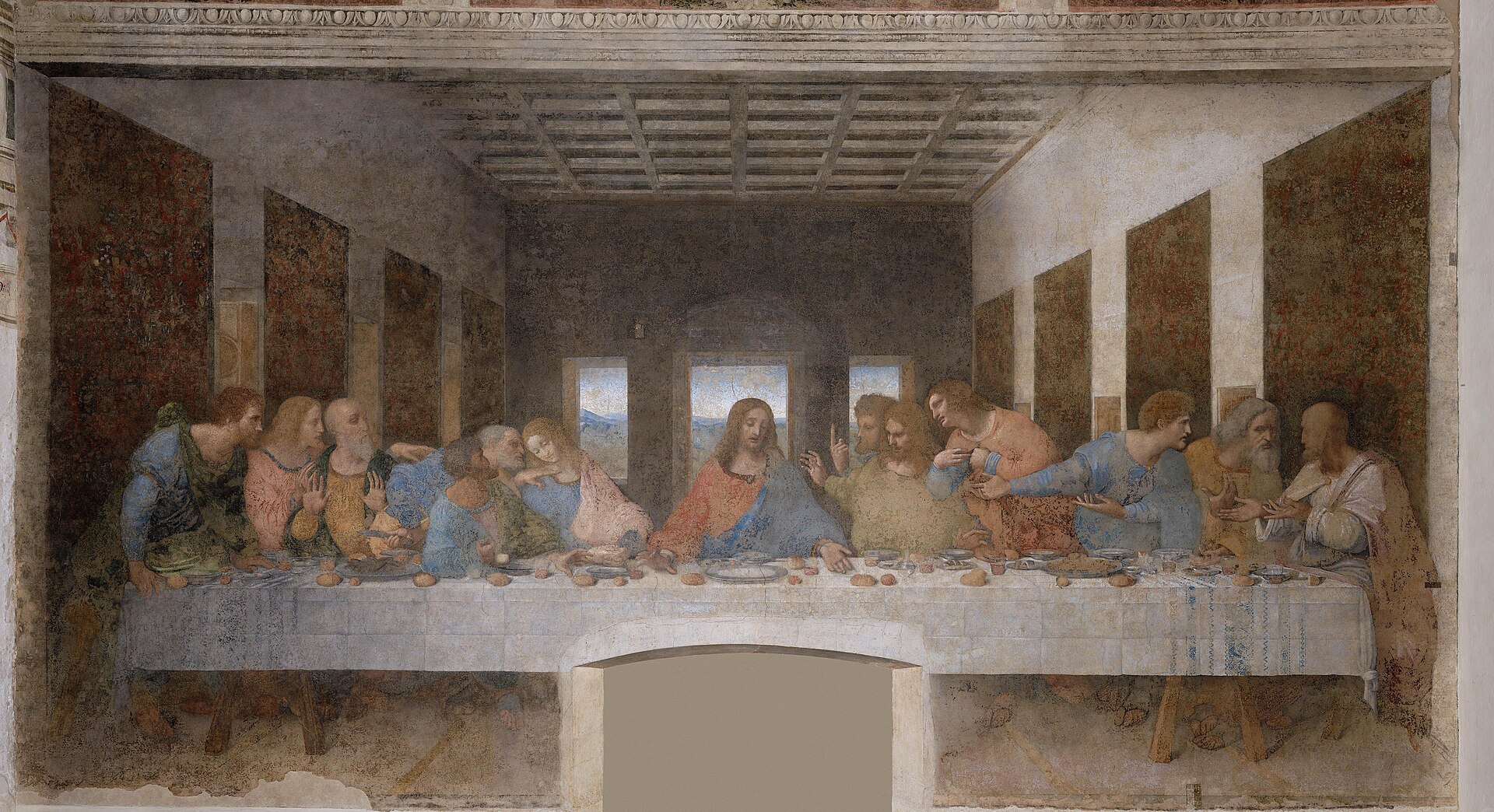
Wikimedia Commons · Public domain · file Leonardo worked in the Dominican complex of Santa Maria delle Grazie on The Last Supper, a mural completed over the following years. The museum dates the work to 1495–1498; the card uses the supported starting year.
Flees to Venice
· Venice, Veneto, Italy
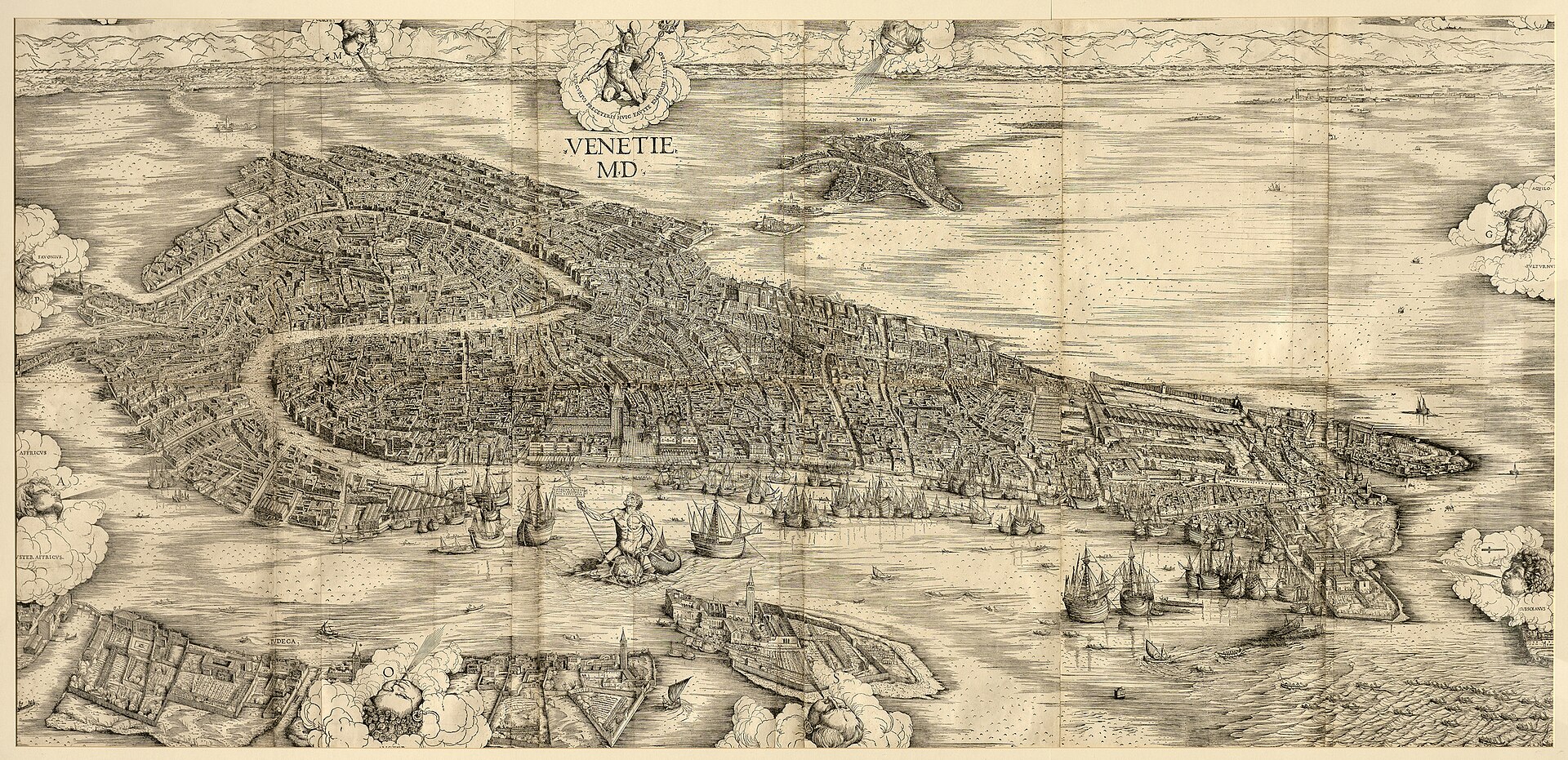
Wikimedia Commons · Public domain · file After the collapse of Sforza rule, Leonardo left Milan for Venice, where he advised on defenses against naval attack. The source gives the year but no specific Venetian building; coordinates represent central Venice.
Returns to Florence
· Florence, Tuscany, Italy
Leonardo returned to Florence around 1500, beginning a productive period of painting, mapping, engineering, and anatomical investigation. The Metropolitan Museum gives an approximate period; coordinates represent central Florence.
Stays in Bologna
· Bologna, Emilia-Romagna, Italy
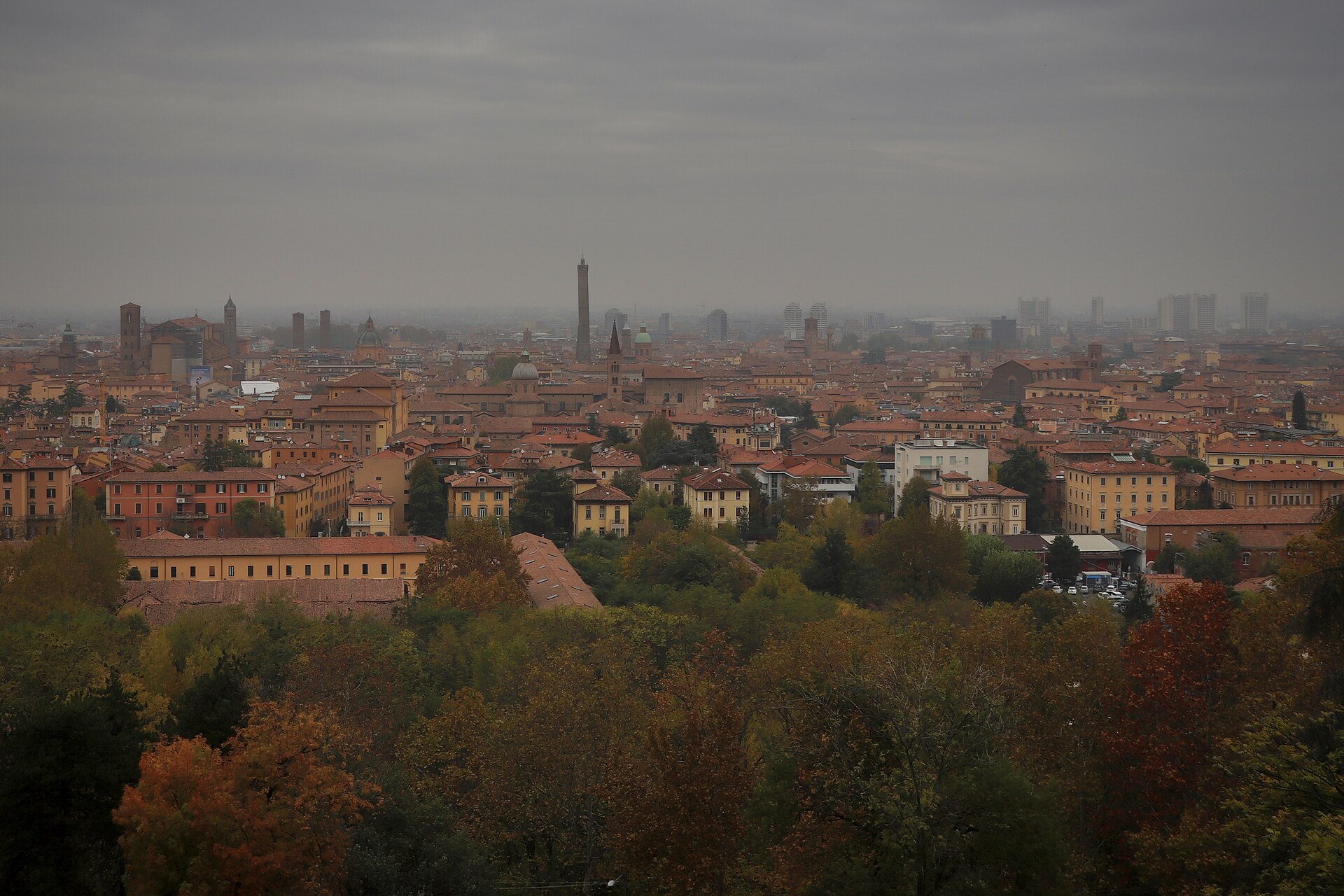
Wikimedia Commons · Creative Commons Attribution-Share Alike 4.0 International · file During his return toward Florence, Leonardo was probably a guest in Bologna with his associate Giovanni Antonio Boltraffio. The source describes the April date and visit as presumptive; coordinates represent central Bologna.
Continues to Pesaro
· Pesaro, Marche, Italy
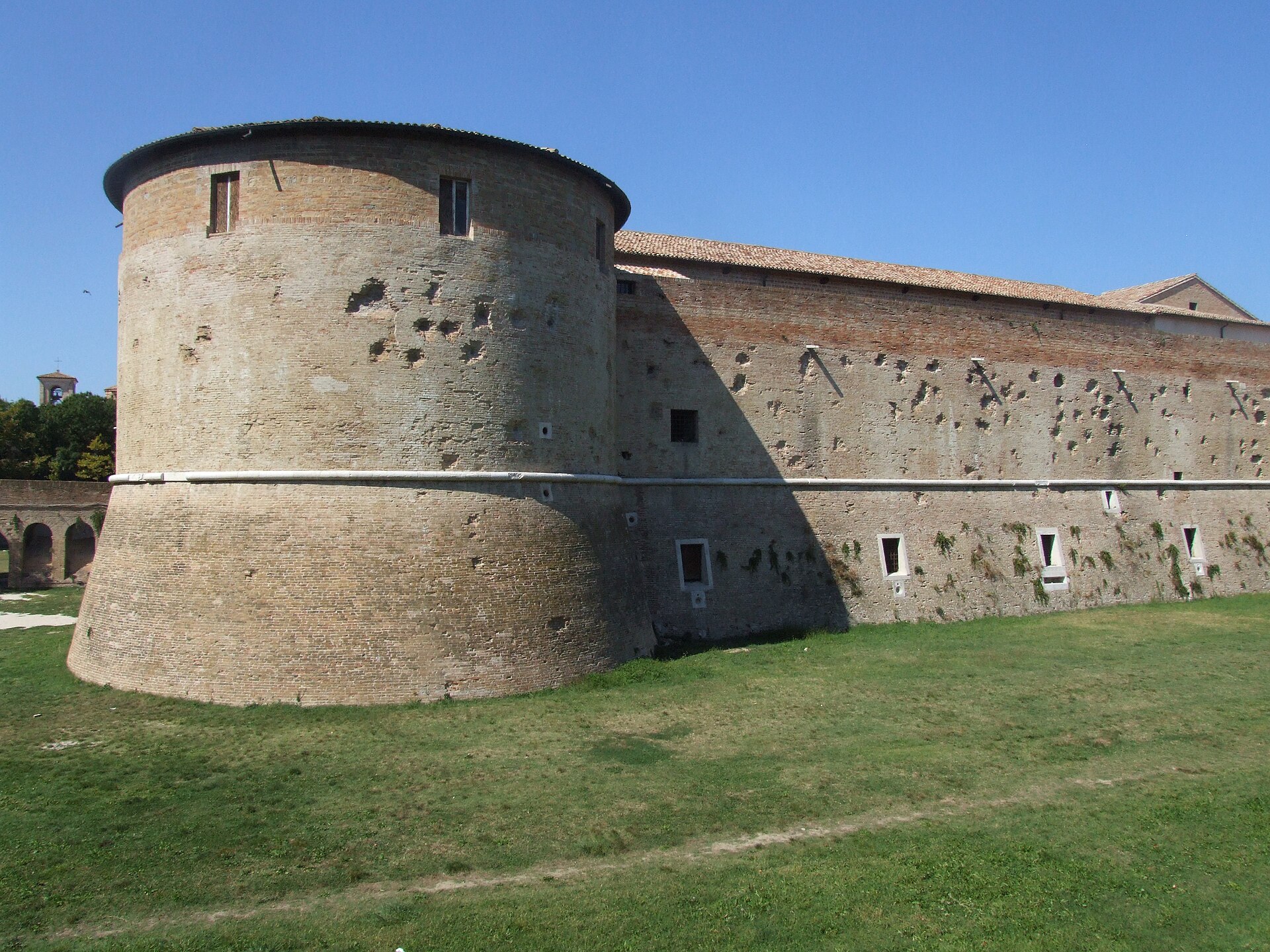
Wikimedia Commons · Creative Commons Attribution-Share Alike 4.0 International · file Leonardo proceeded from Urbino to Pesaro while examining places and fortifications in Cesare Borgia's domains. The quoted phrase continues the source's explicitly named Leonardo itinerary; the precise date and site within Pesaro are unspecified.
Inspects Urbino
· Urbino, Marche, Italy
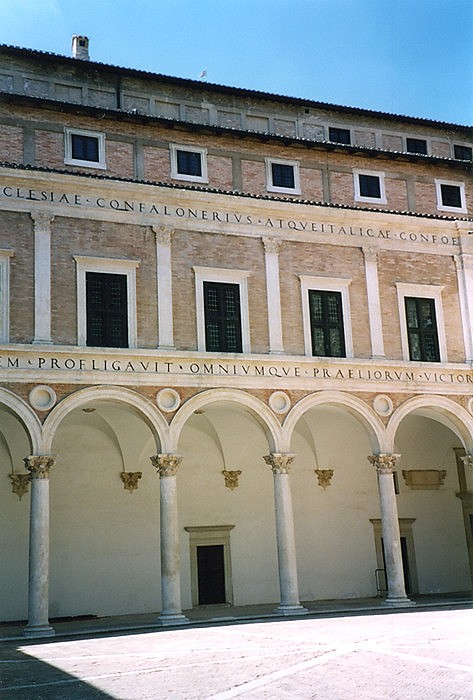
Wikimedia Commons · Creative Commons CC0 1.0 Universal Public Domain Dedication · file While serving Cesare Borgia as architect and general engineer, Leonardo traveled to Urbino during his inspection of fortified territories. The source establishes the year and route order but not a more precise date; coordinates represent Urbino.
Observes Rimini's fountain
· Fontana della Pigna, Piazza Cavour, Rimini, Emilia-Romagna, Italy
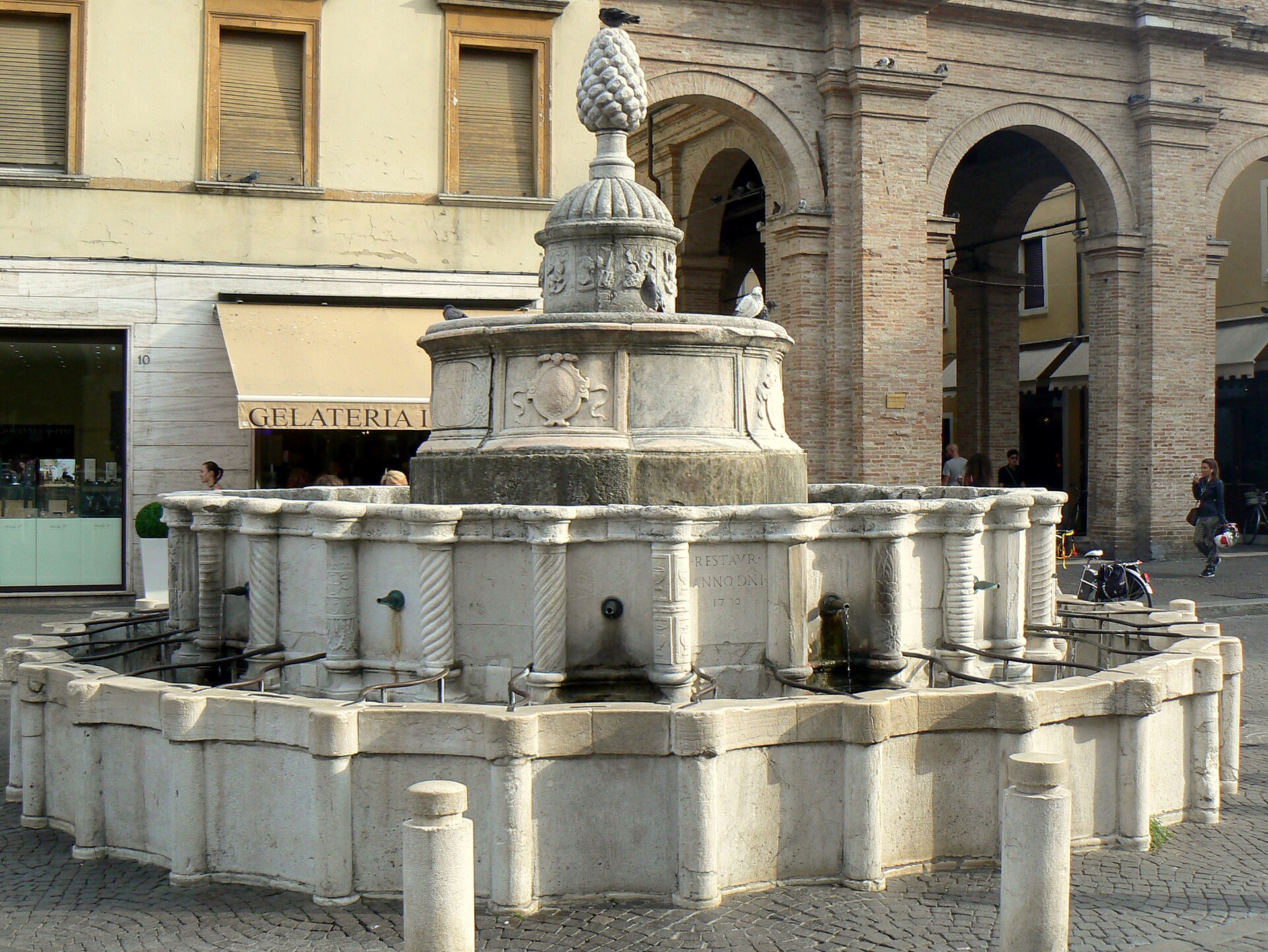
Wikimedia Commons · Creative Commons Attribution-Share Alike 4.0 International · file Leonardo reached Rimini and recorded the harmonious sounds created by the city's principal fountain, an observation preserved in his notebook. The municipal source independently supplies the exact date through Leonardo's dated notebook entry.
Arrives in Cesena
· Cesena, Emilia-Romagna, Italy
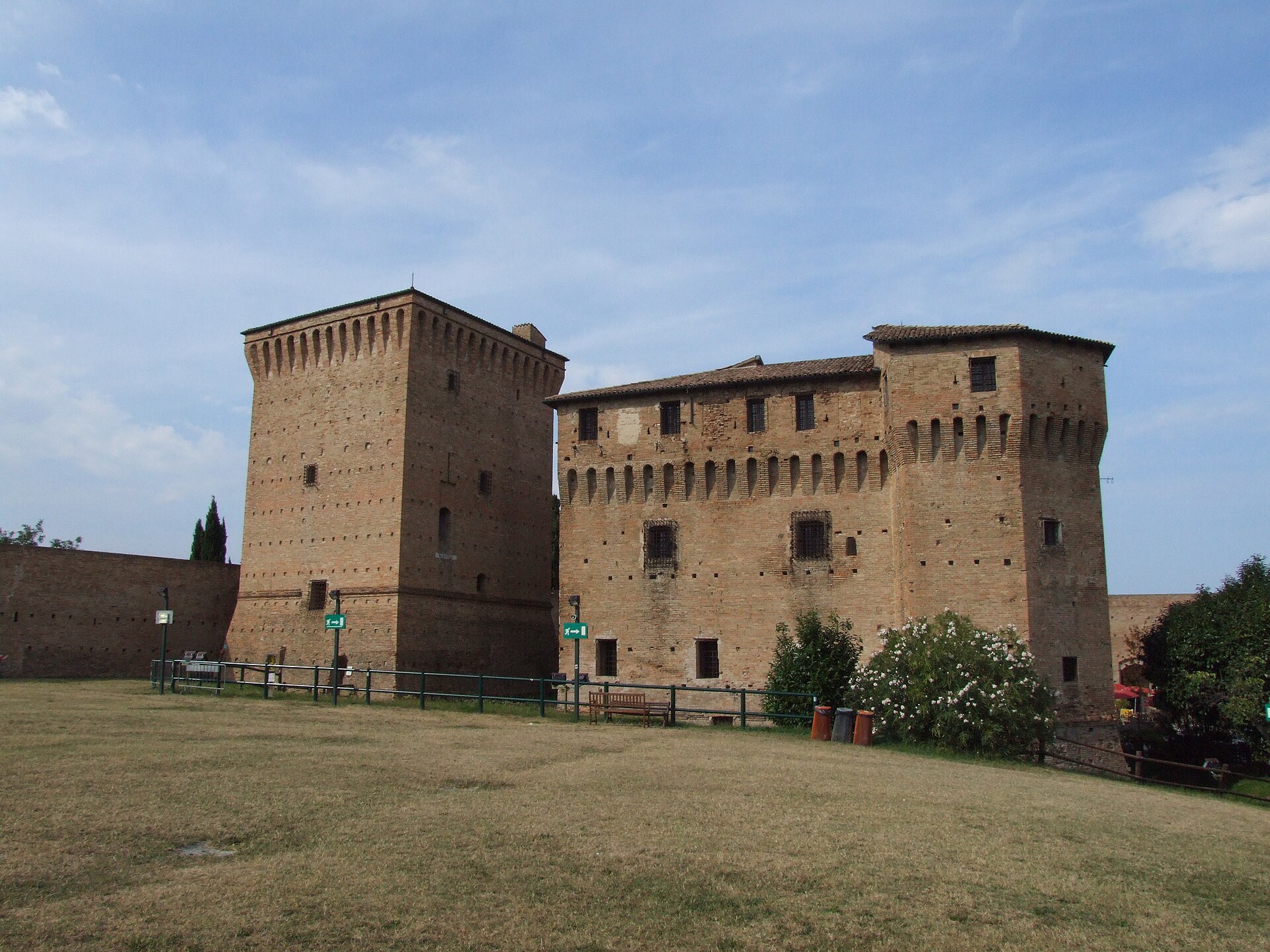
Wikimedia Commons · Creative Commons Attribution-Share Alike 4.0 International · file Leonardo probably arrived from Rimini to inspect Cesena, the administrative center of Cesare Borgia's Romagnol state. The municipal chronology explicitly labels the 9 August arrival probable.
Visits Santa Maria del Monte
· Abbey of Santa Maria del Monte, Cesena, Emilia-Romagna, Italy
Leonardo was at the hilltop religious complex overlooking Cesena during its traditional mid-August festival and made observations there. “Monte” is identified with Cesena's Abbey of Santa Maria del Monte; the coordinate represents the abbey complex.
Inspects Faenza
· Faenza, Emilia-Romagna, Italy
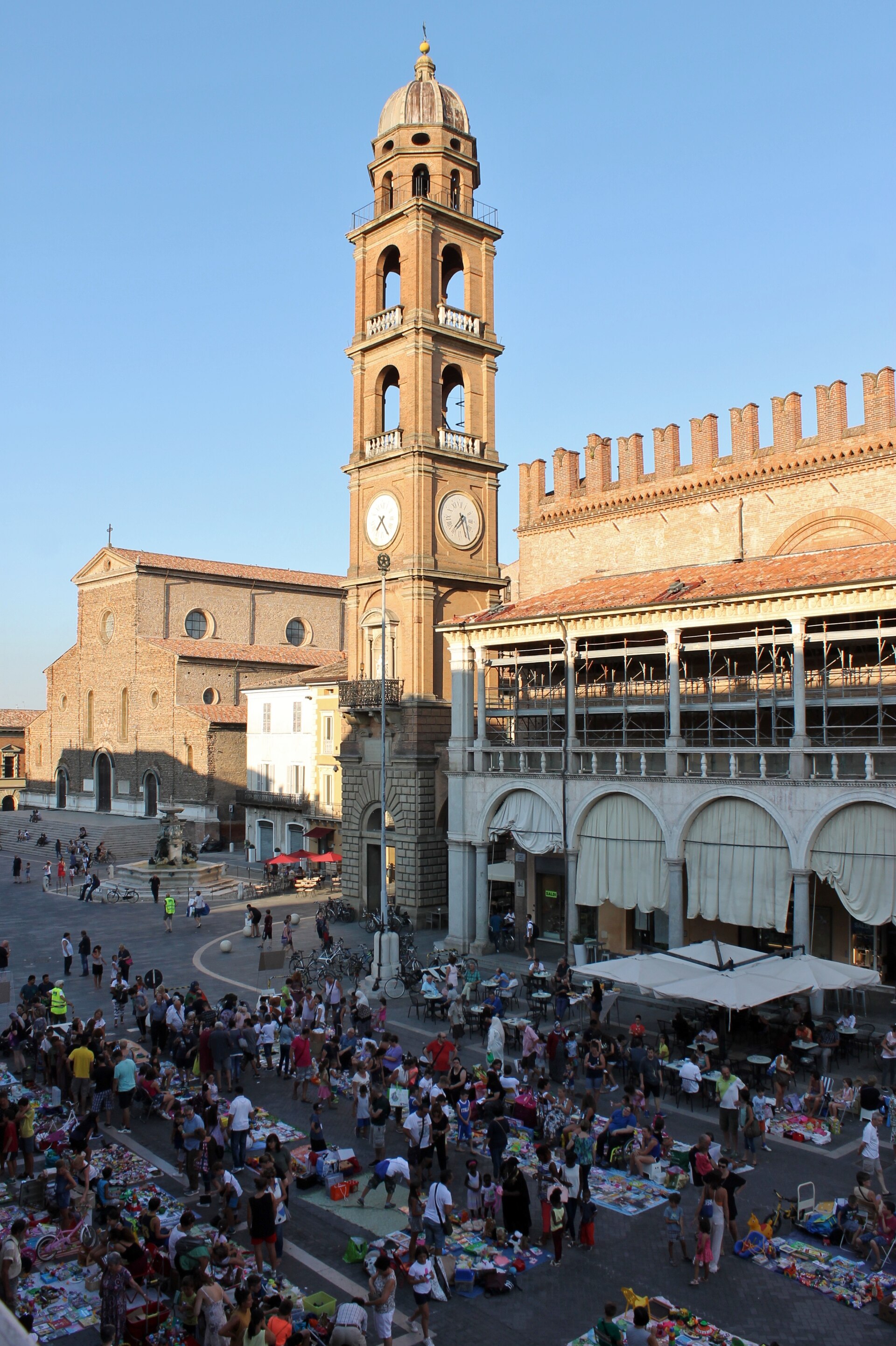
Wikimedia Commons · Creative Commons Attribution-Share Alike 4.0 International · file A few days after reaching Cesenatico, Leonardo was in Faenza, where his surviving notebook records architectural observations. The month follows from the source's ordered early-September itinerary; the exact day and building are uncertain.
Stays and maps Imola
· Imola, Emilia-Romagna, Italy
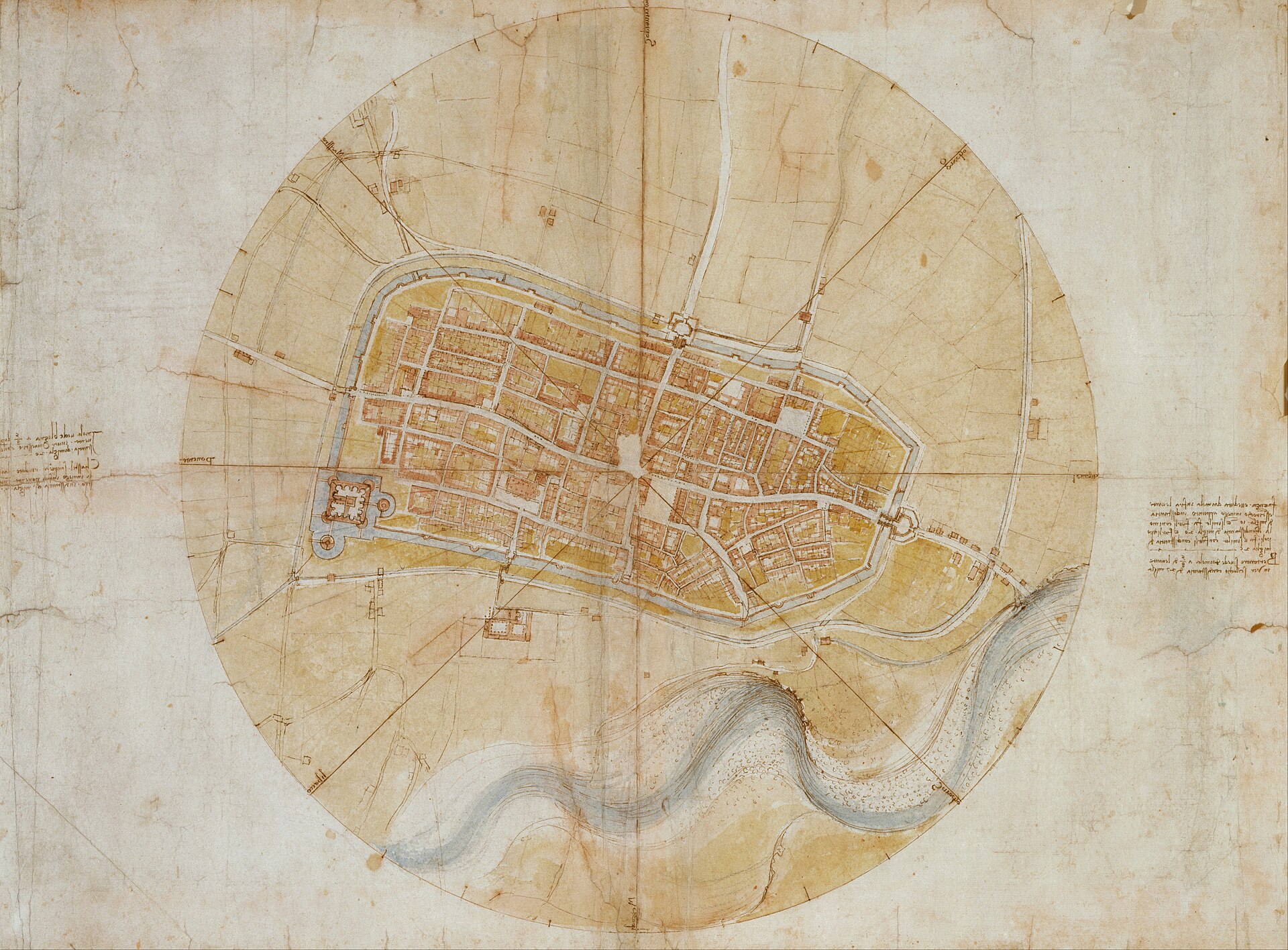
Wikimedia Commons · Public domain · file Leonardo remained in Imola from September through December, inspecting its defenses and completing his celebrated measured plan of the city. The coordinate represents central Imola; Leonardo's documented stay extended from September to December 1502.
Surveys Cesenatico
· Canal Port, Cesenatico, Emilia-Romagna, Italy
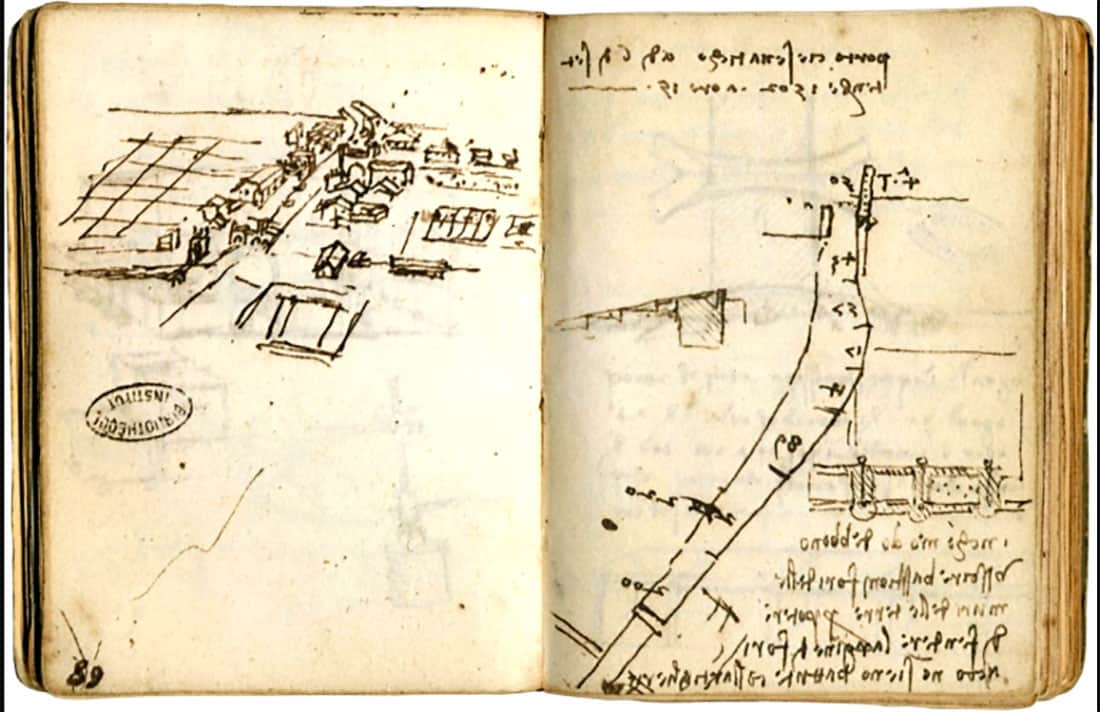
Wikimedia Commons · Public domain · file Leonardo reached Cesenatico in early September, surveyed its canal harbor, and considered engineering improvements. The source specifies early September but not a day; coordinates represent the historic canal port he surveyed.
Returns from Borgia's service
· Florence, Tuscany, Italy
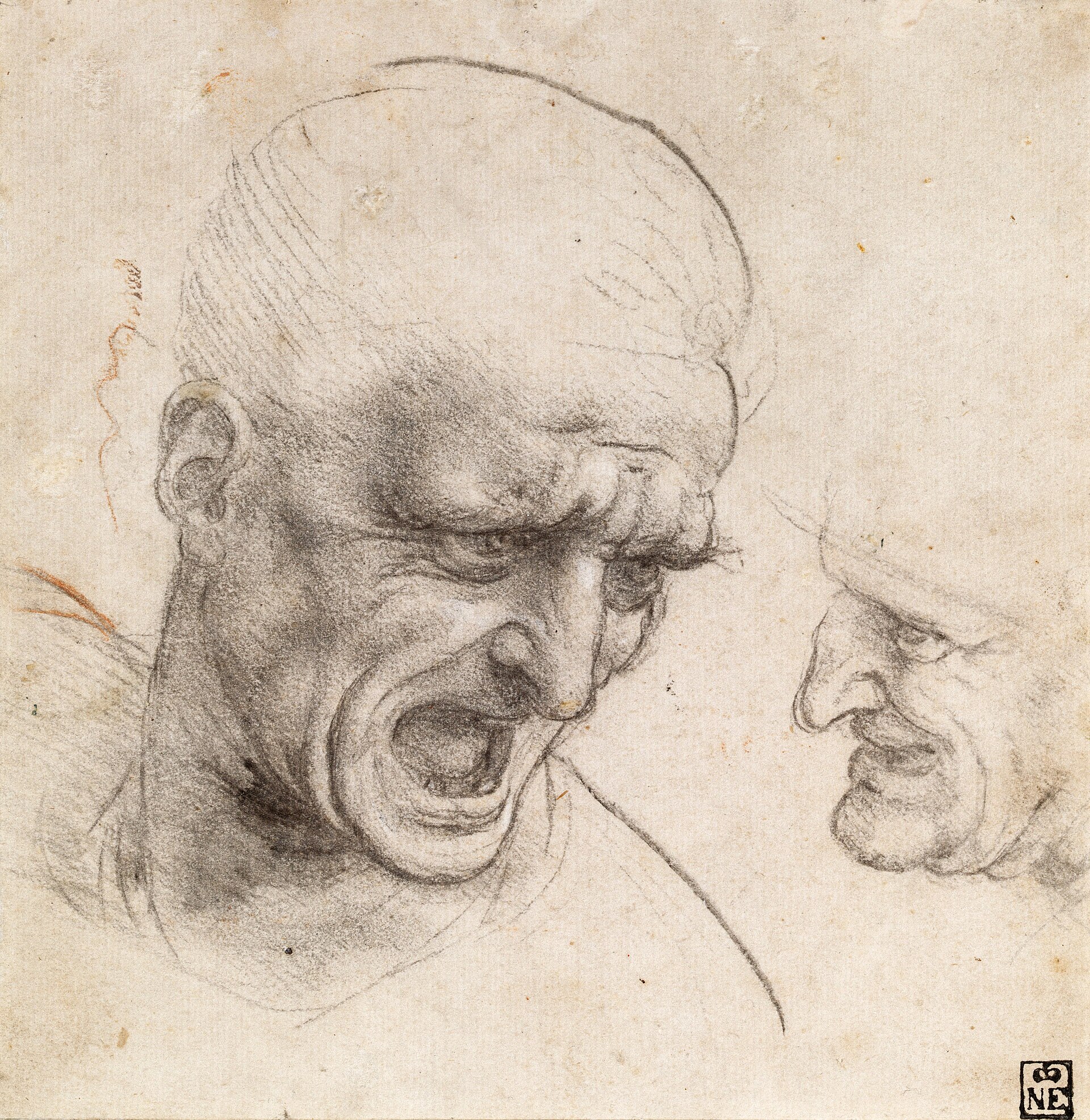
Wikimedia Commons · Public domain · file Leonardo returned to Florence after ending his service to Cesare Borgia and resumed major artistic and engineering projects. The source gives the year without a specific arrival date or residence.
Joins the campaign near Pisa
· Florentine siege area near Pisa, Tuscany, Italy
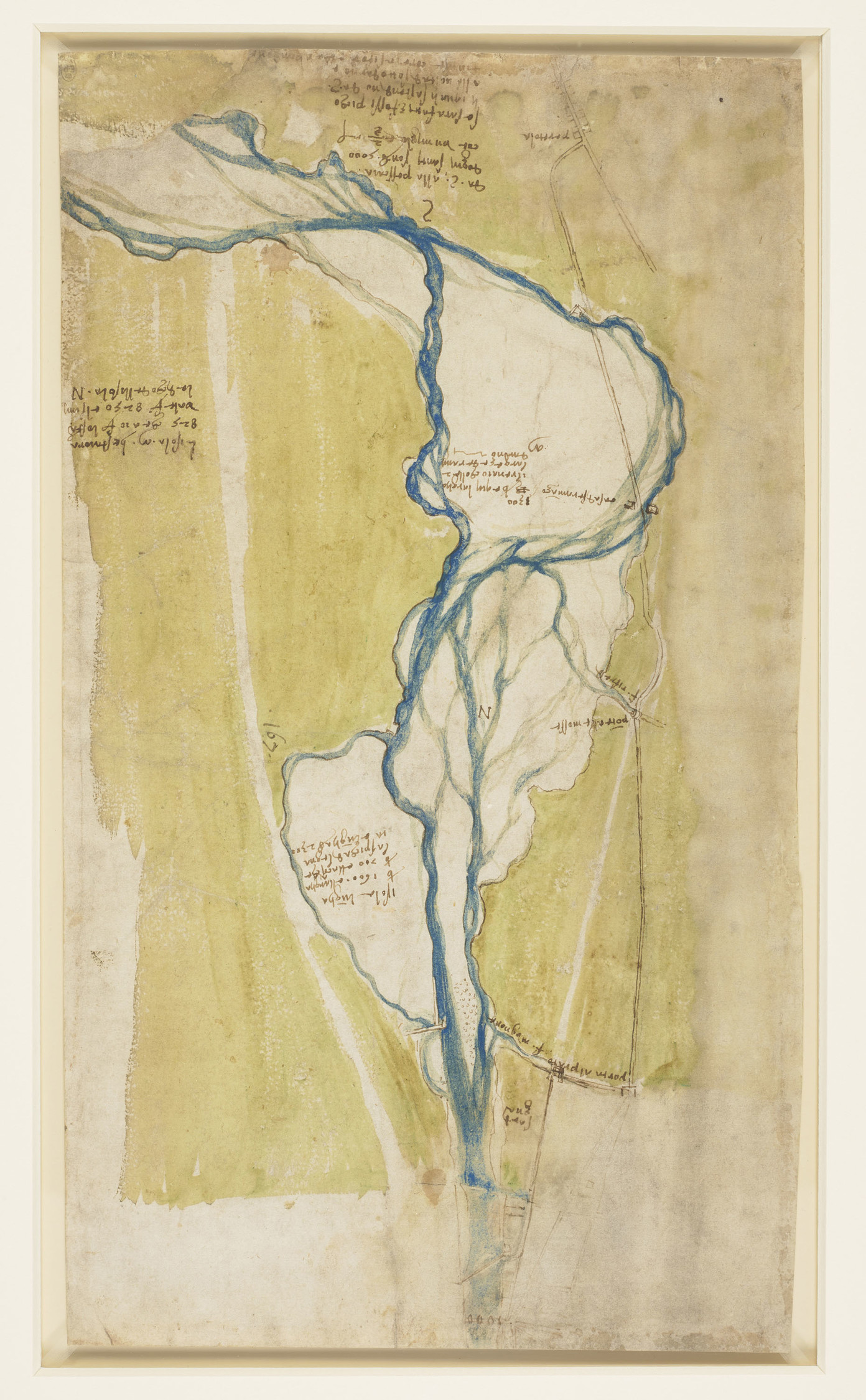
Wikimedia Commons · Public domain · file Leonardo accompanied the Florentine army near Pisa and studied a proposed diversion of the Arno intended to weaken the besieged city. The source supports the broader military field around Pisa, not an exact camp; coordinates use Pisa as a representative point.
Returns to French-ruled Milan
· Milan, Lombardy, Italy
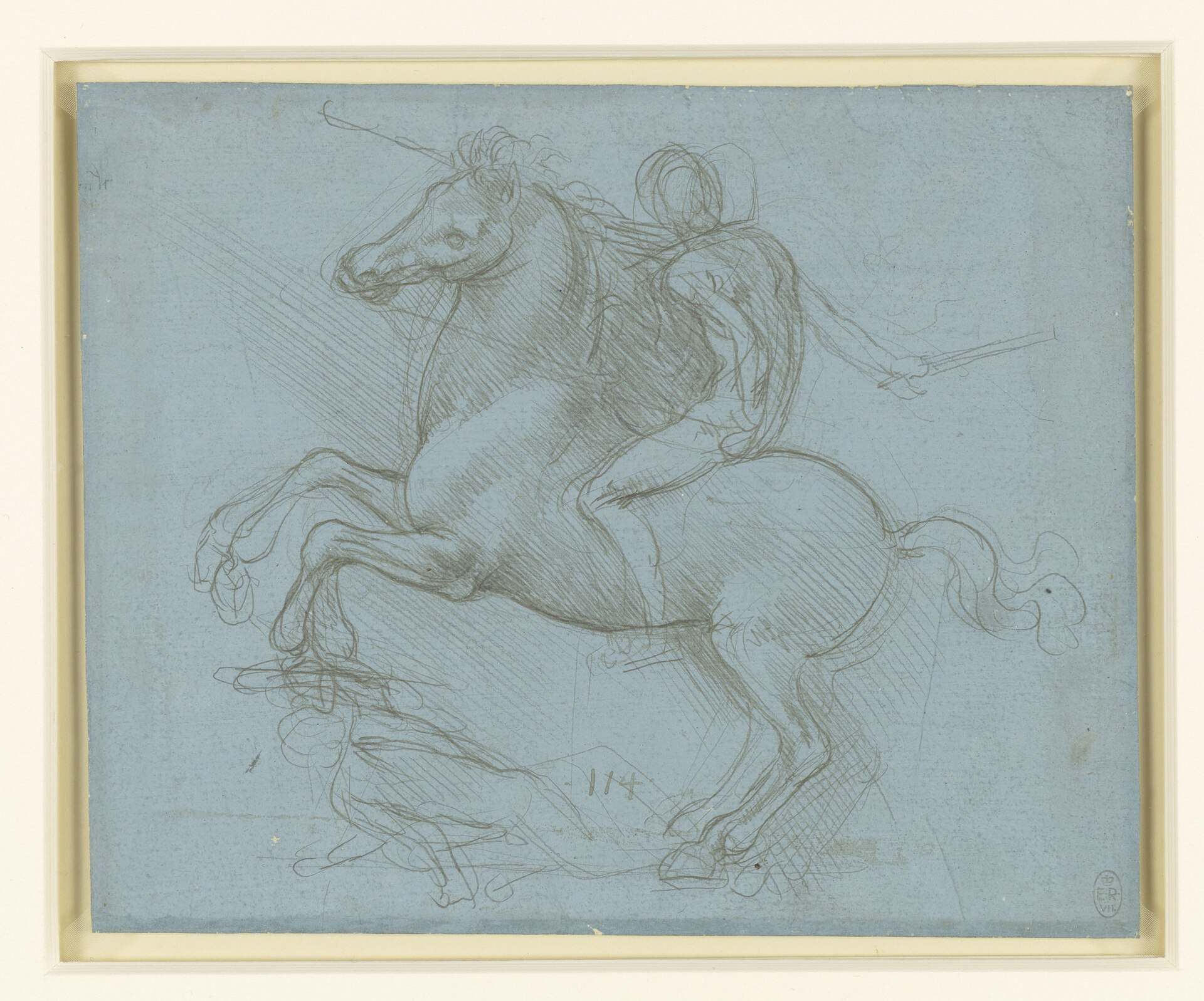
Wikimedia Commons · Public domain · file The French administration summoned Leonardo back to Milan, initiating another extended period of work in Lombardy. The source gives the year and city but no precise arrival date or address.
Conducts anatomy at Pavia
· University of Pavia, Pavia, Lombardy, Italy
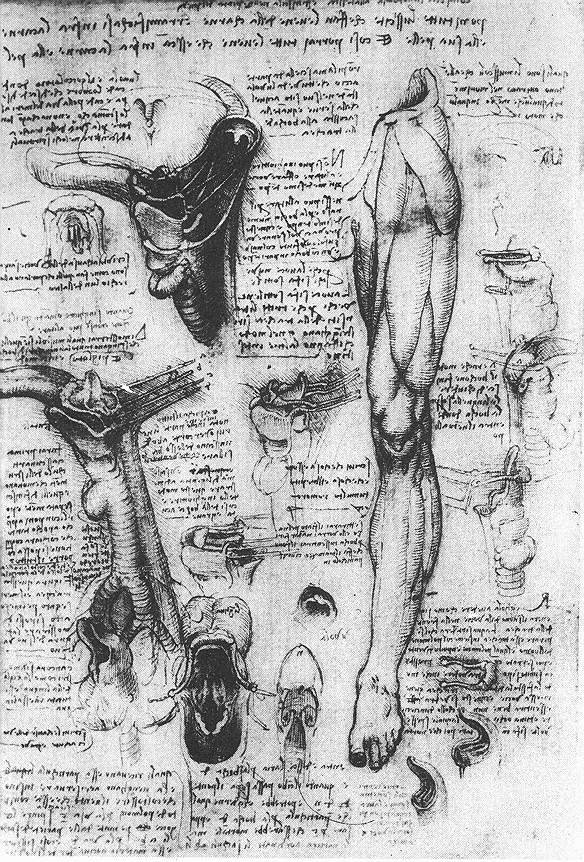
Wikimedia Commons · Public domain · file During the winter of 1510–1511, Leonardo worked at the University of Pavia's medical school alongside anatomy professor Marcantonio della Torre. The source qualifies the placement as apparent and dates it to winter 1510–1511; the exact historical medical-school room is uncertain.
Leaves Milan for Rome
· Milan, Lombardy, Italy
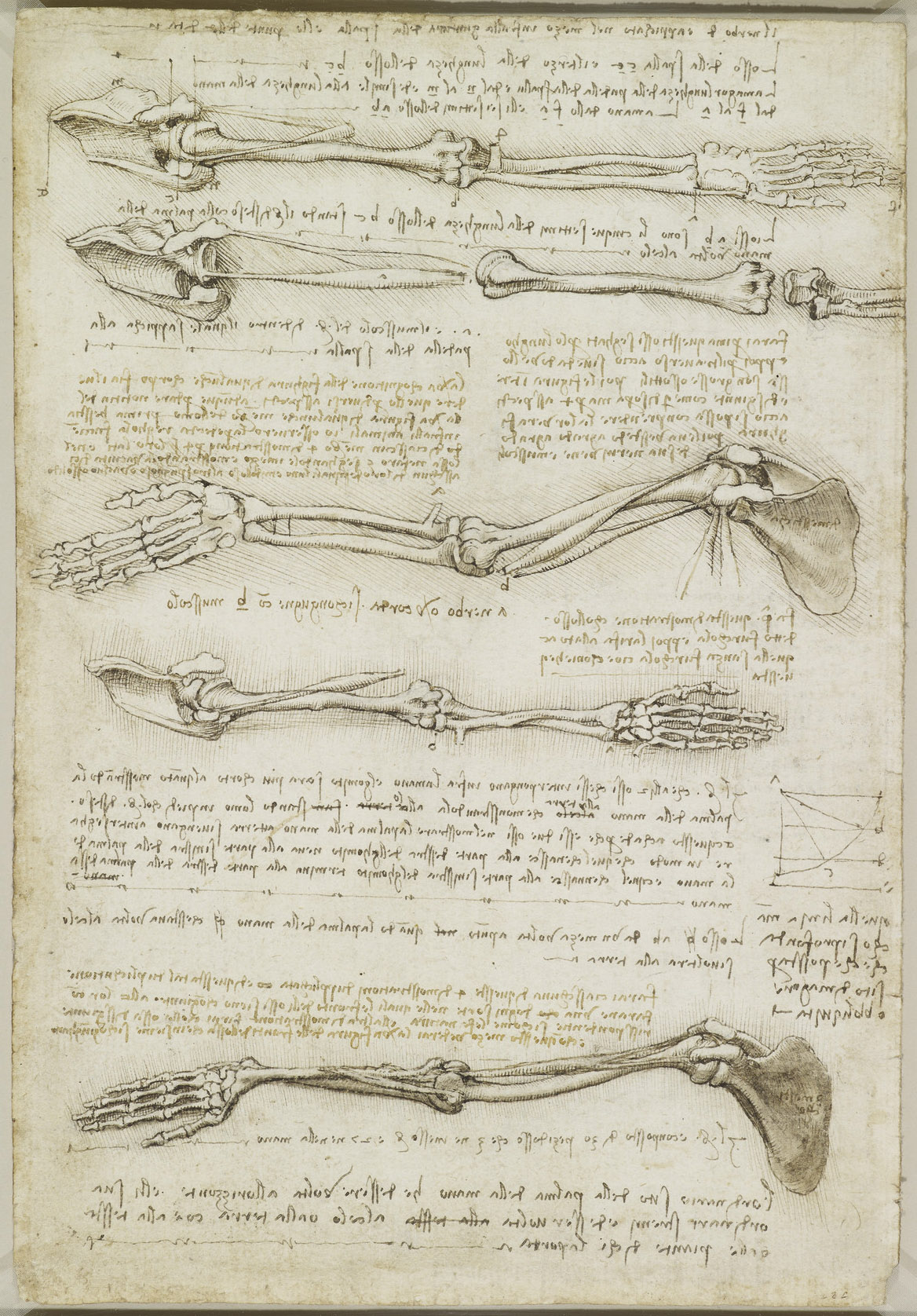
Wikimedia Commons · Public domain · file Leonardo departed Milan with members of his household to seek Medici patronage in Rome. The museum chronology specifies September 1513 but not the day; another contemporary note dates departure to 24 September.
Moves to Rome
· Rome, Lazio, Italy
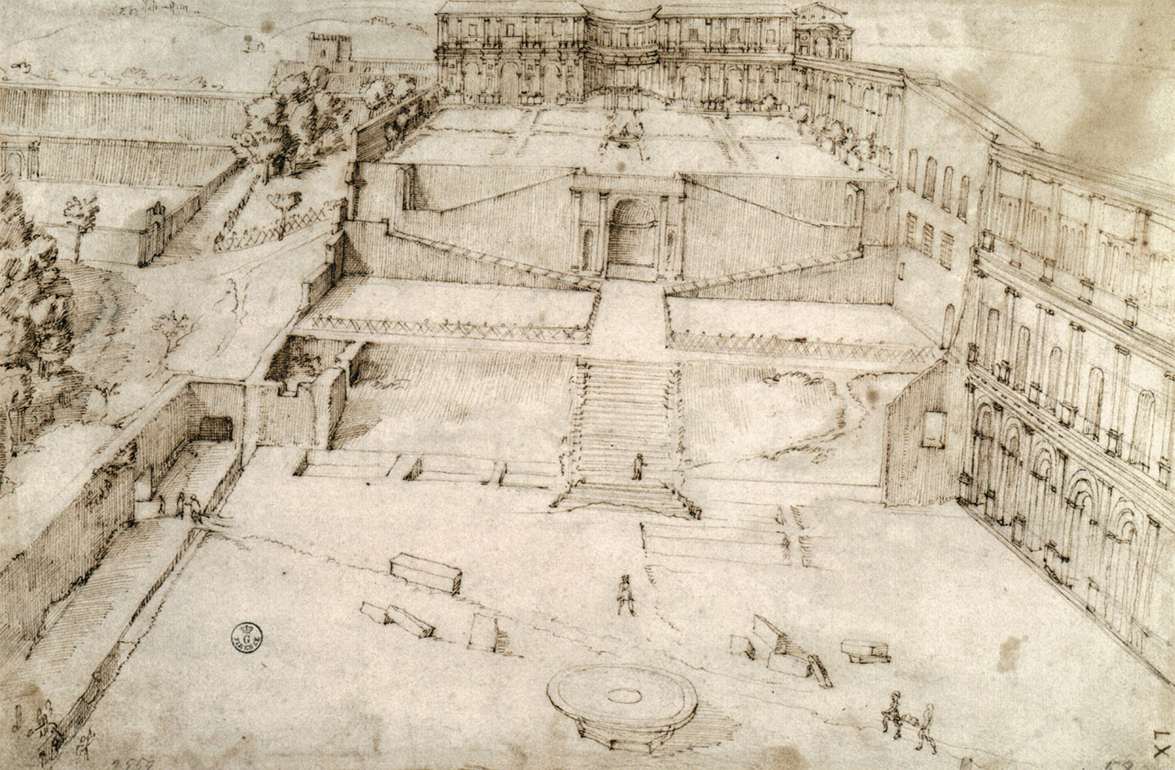
Wikimedia Commons · Public domain · file Leonardo arrived in Rome and attempted to continue artistic, engineering, botanical, and anatomical work under Medici patronage. The source establishes Rome at city level; it does not identify his Vatican residence in this quoted statement.
Relocates to Amboise
· Amboise, Centre-Val de Loire, France
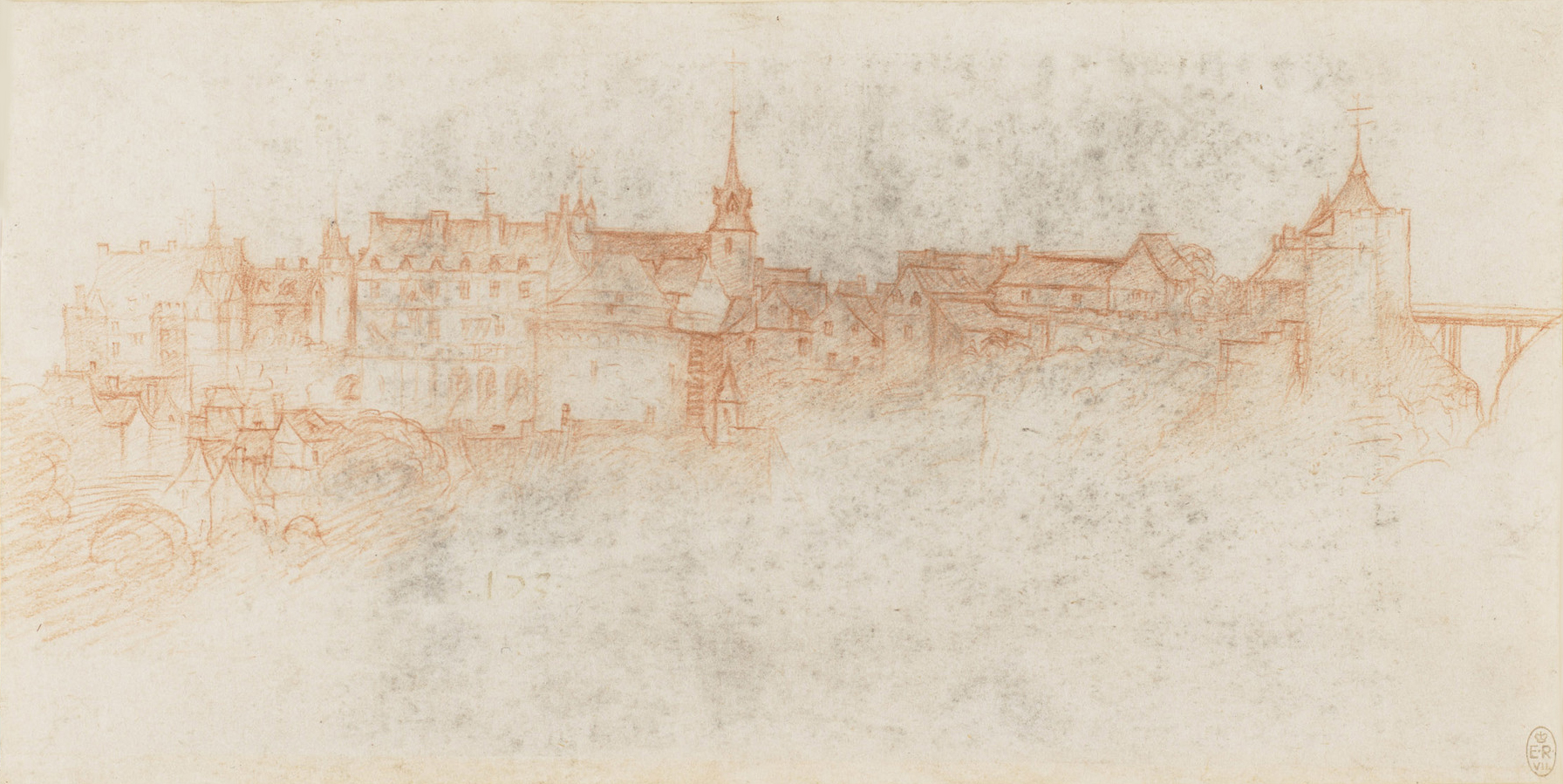
Wikimedia Commons · Public domain · file Leonardo permanently left Italy for the French royal court at Amboise, where Francis I employed him as painter, engineer, and architect. The Royal Collection dates the move to late 1516; coordinates represent Amboise.
Settles at Clos Lucé
· Château du Clos Lucé, Amboise, Centre-Val de Loire, France
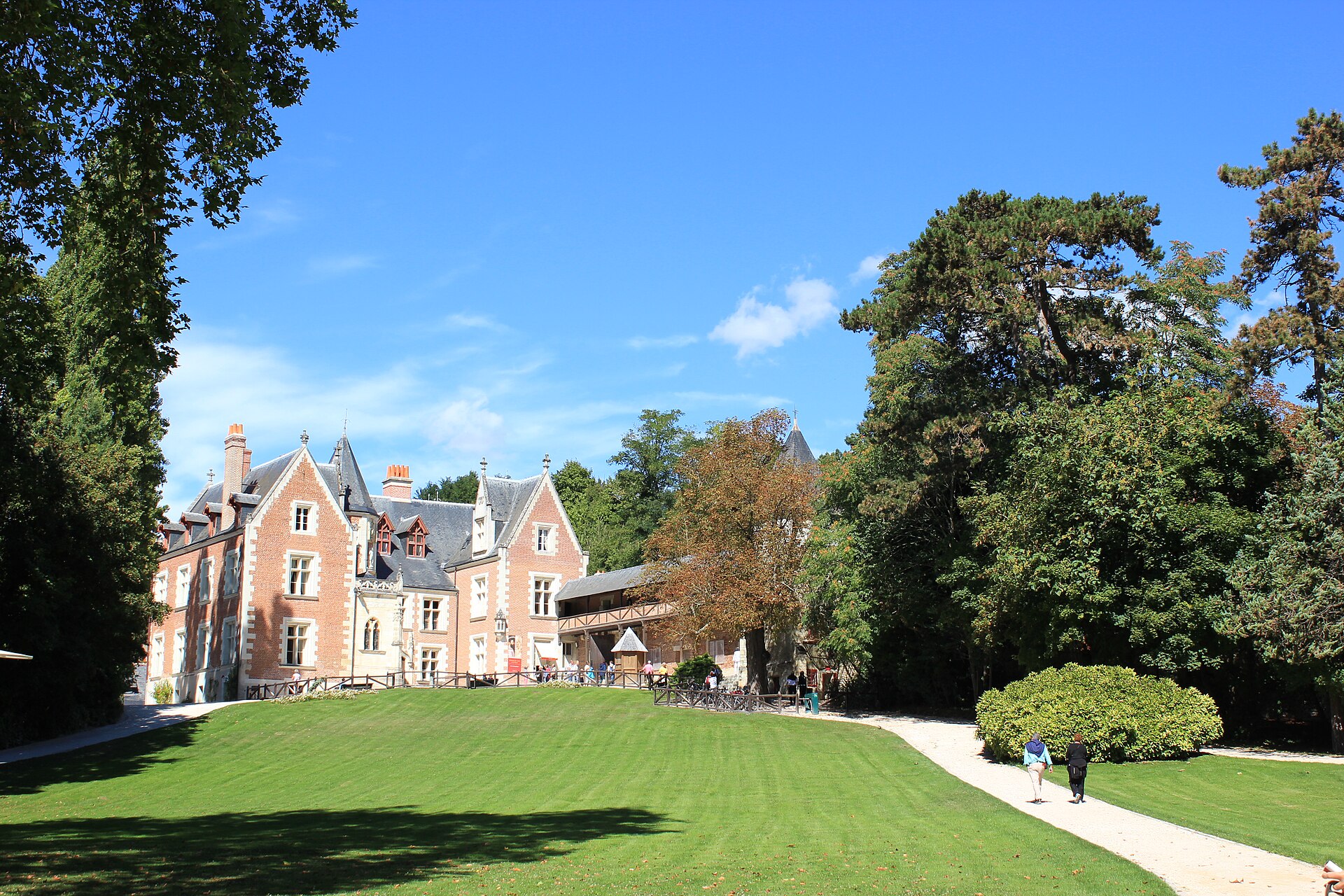
Wikimedia Commons · Creative Commons Attribution-Share Alike 3.0 Unported · file Leonardo crossed the Alps with members of his household and established his final residence at Clos Lucé, near the royal château at Amboise. The source dates the settlement to autumn 1516; coordinates follow the site's published location.
Receives Cardinal d'Aragon
· Château du Clos Lucé, Amboise, Centre-Val de Loire, France
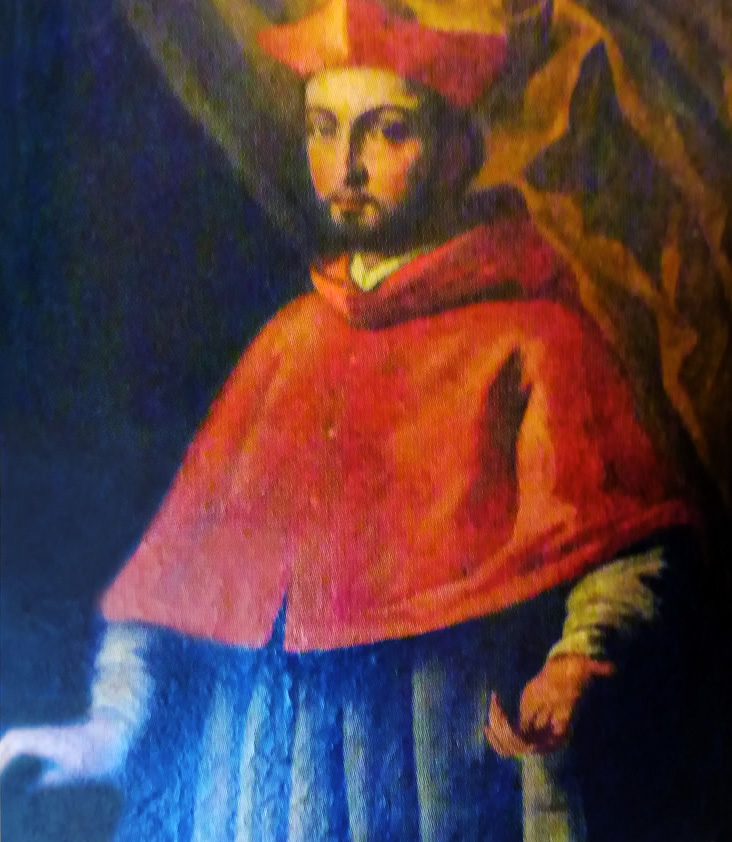
Wikimedia Commons · Public domain · file Leonardo was at Clos Lucé when Cardinal Louis d'Aragon visited; the cardinal's secretary recorded Leonardo's paintings, manuscripts, and impaired right hand. The quoted French text identifies the visitor, Leonardo, exact date, and Clos Lucé.
Dies at Clos Lucé
· Château du Clos Lucé, Amboise, Centre-Val de Loire, France
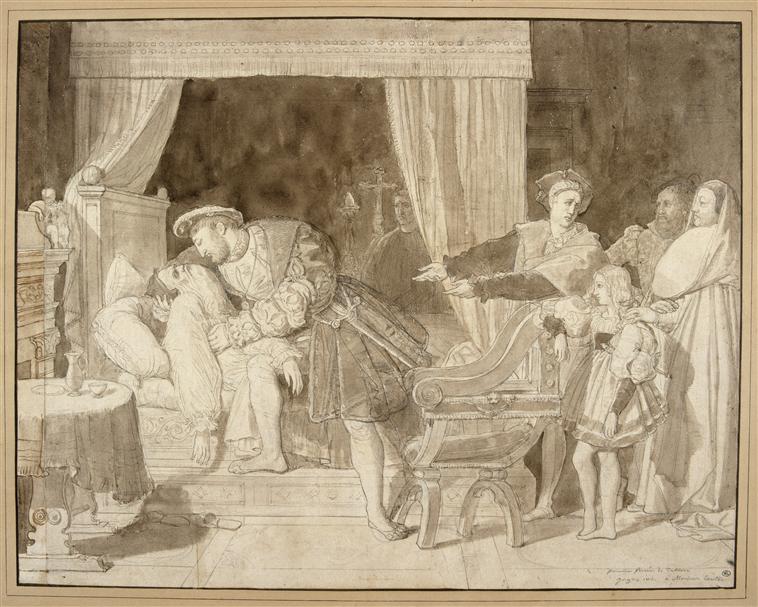
Wikimedia Commons · Public domain · file Leonardo died in his room at Clos Lucé after approximately three years in the service of Francis I.