
54 moments
Born at Pella
· Pella, Central Macedonia, Greece
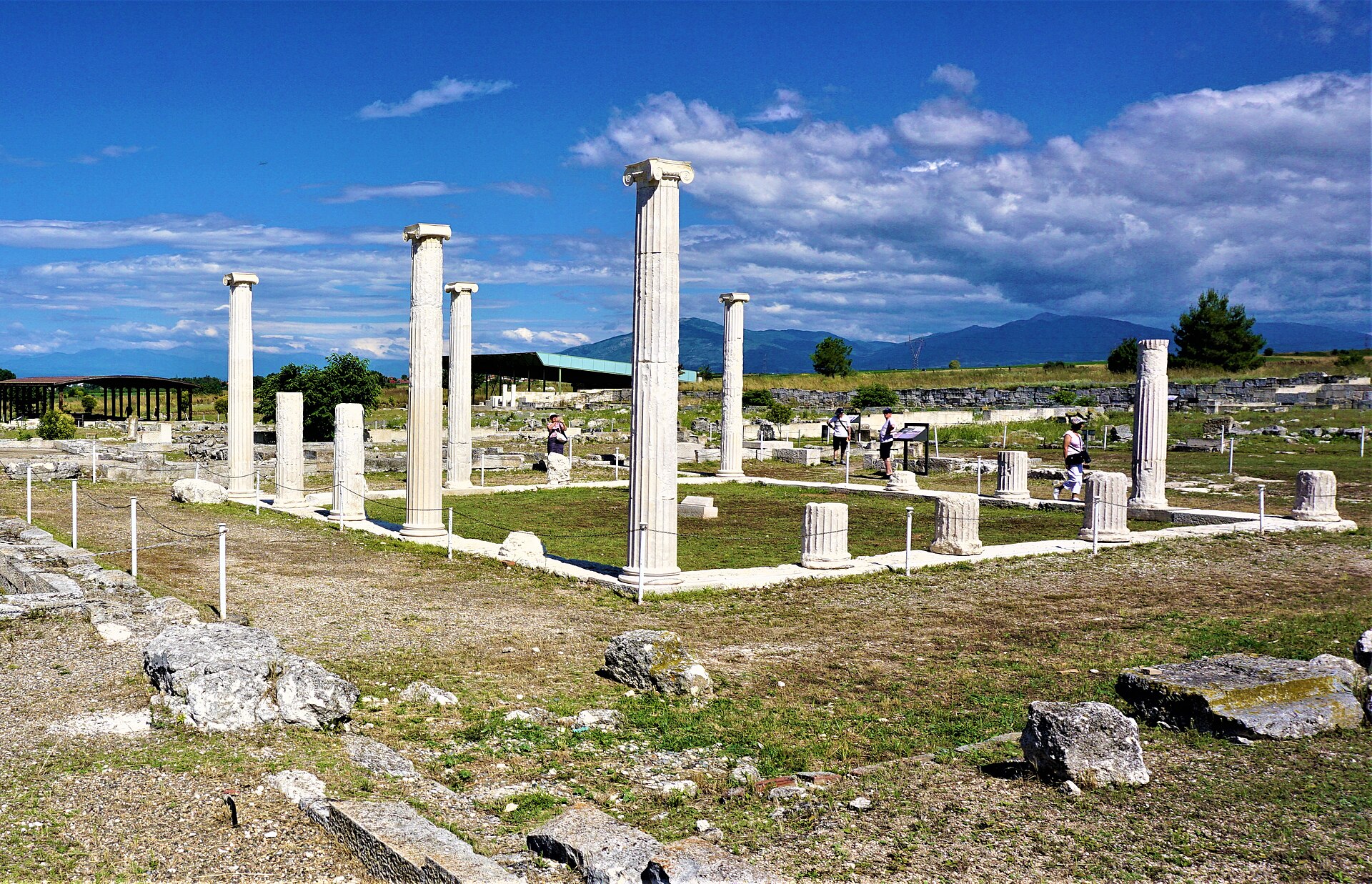
Wikimedia Commons · Creative Commons Attribution-Share Alike 4.0 · file Alexander was born at Pella, the Macedonian royal capital. Ancient sources disagree on the exact day; year-level precision is retained.
Studied at Mieza
· Nymphaion of Mieza, Imathia, Greece
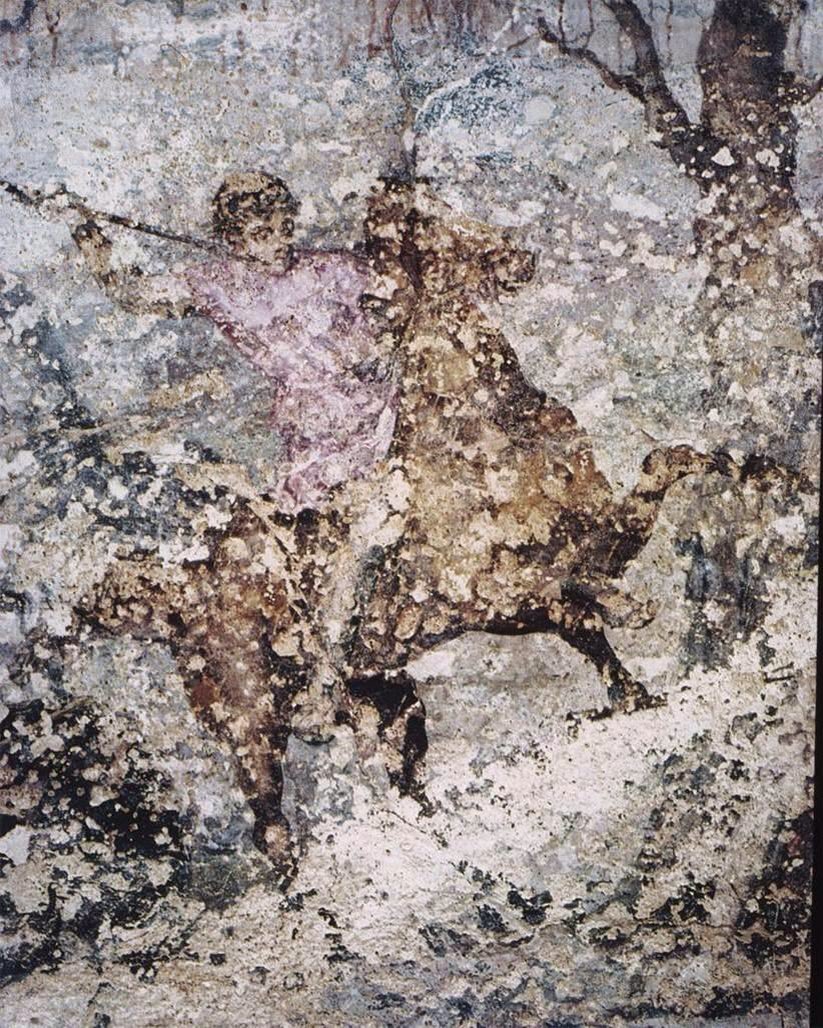
Wikimedia Commons · Public domain · file Philip II brought Aristotle to educate the young Alexander; the royal school was established at the nymphaion near Mieza. The source dates the three-year instruction from 343–342 BCE; the card uses 343 BCE as the supported start year.
Fought at Chaeronea
· Battlefield of Chaeronea, Boeotia, Greece
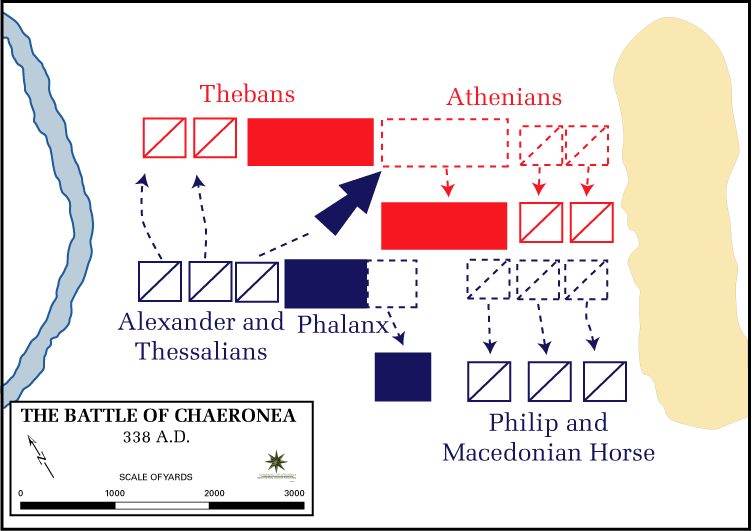
Wikimedia Commons · Public domain · file As a teenager, Alexander fought beside Philip II at Chaeronea, where Macedon defeated the allied Greek forces. Year is secure; the representative point is on the Chaeronea battlefield plain.
Withdrew into Illyria
· Illyria, western Balkans
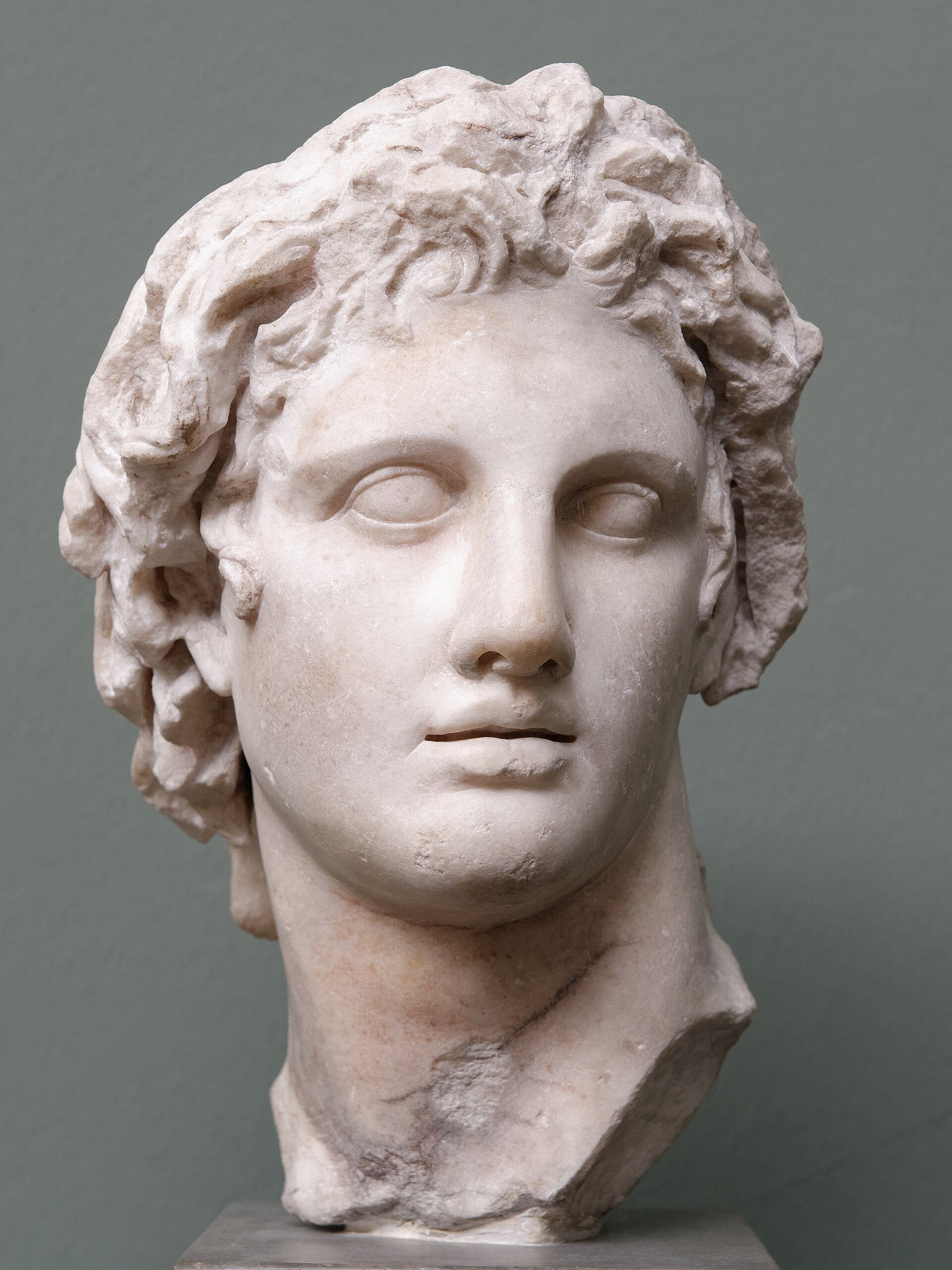
Wikimedia Commons · Public domain · file After the quarrel at Philip II's wedding banquet, Alexander separated from his father and stayed for a time in Illyria. The source names only the broad region of Illyria; coordinates are a representative regional point and therefore intentionally coarse.
Met Diogenes at Corinth
· Corinth, Peloponnese, Greece
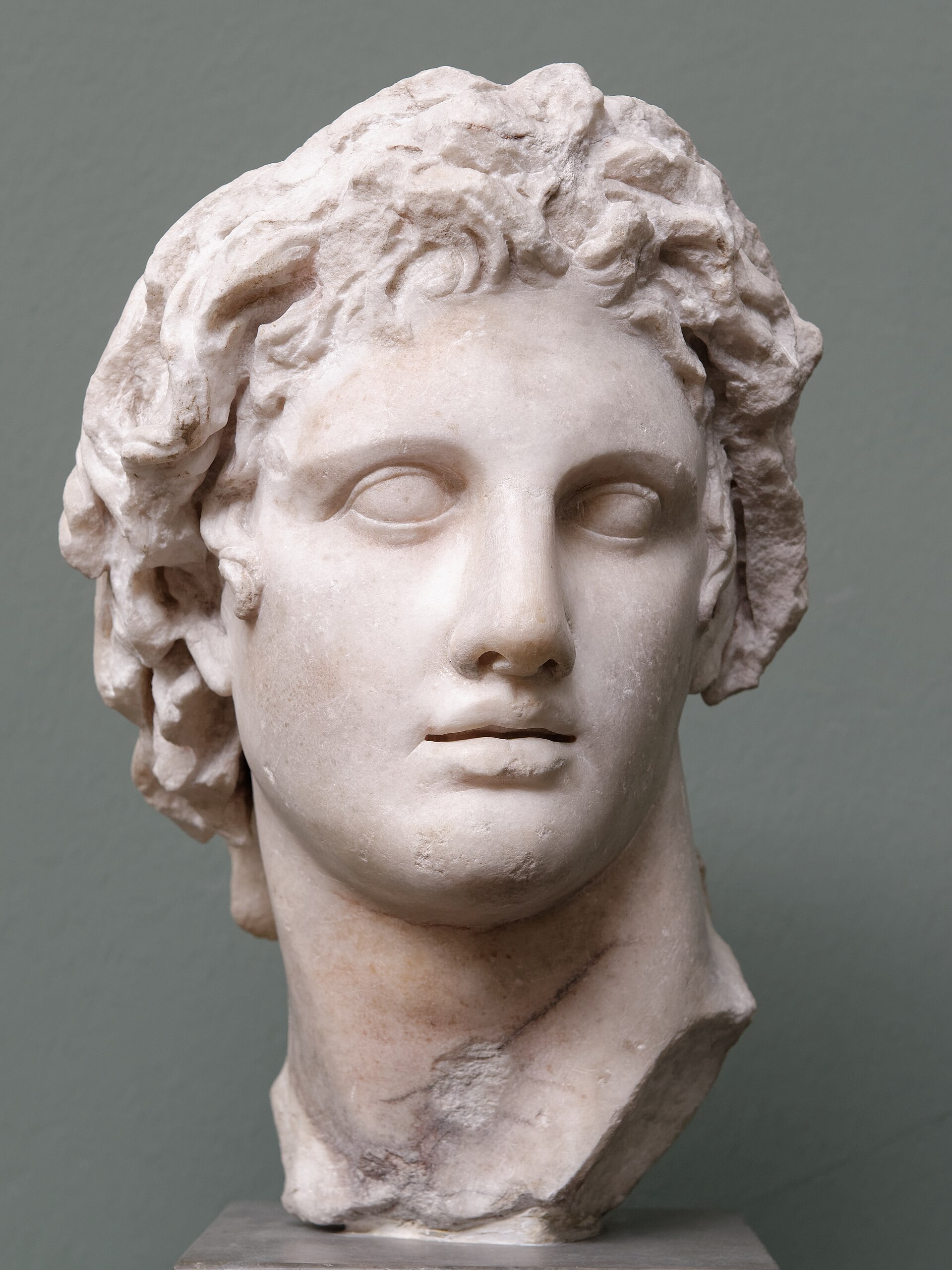
Wikimedia Commons · Public domain · file After the Greek assembly that recognized his leadership for the Persian expedition, Alexander personally went to see Diogenes at Corinth. The episode belongs to the Corinthian settlement after Alexander’s accession; year-level precision is used.
Crossed the Danube
· Lower Danube, Bulgaria–Romania border
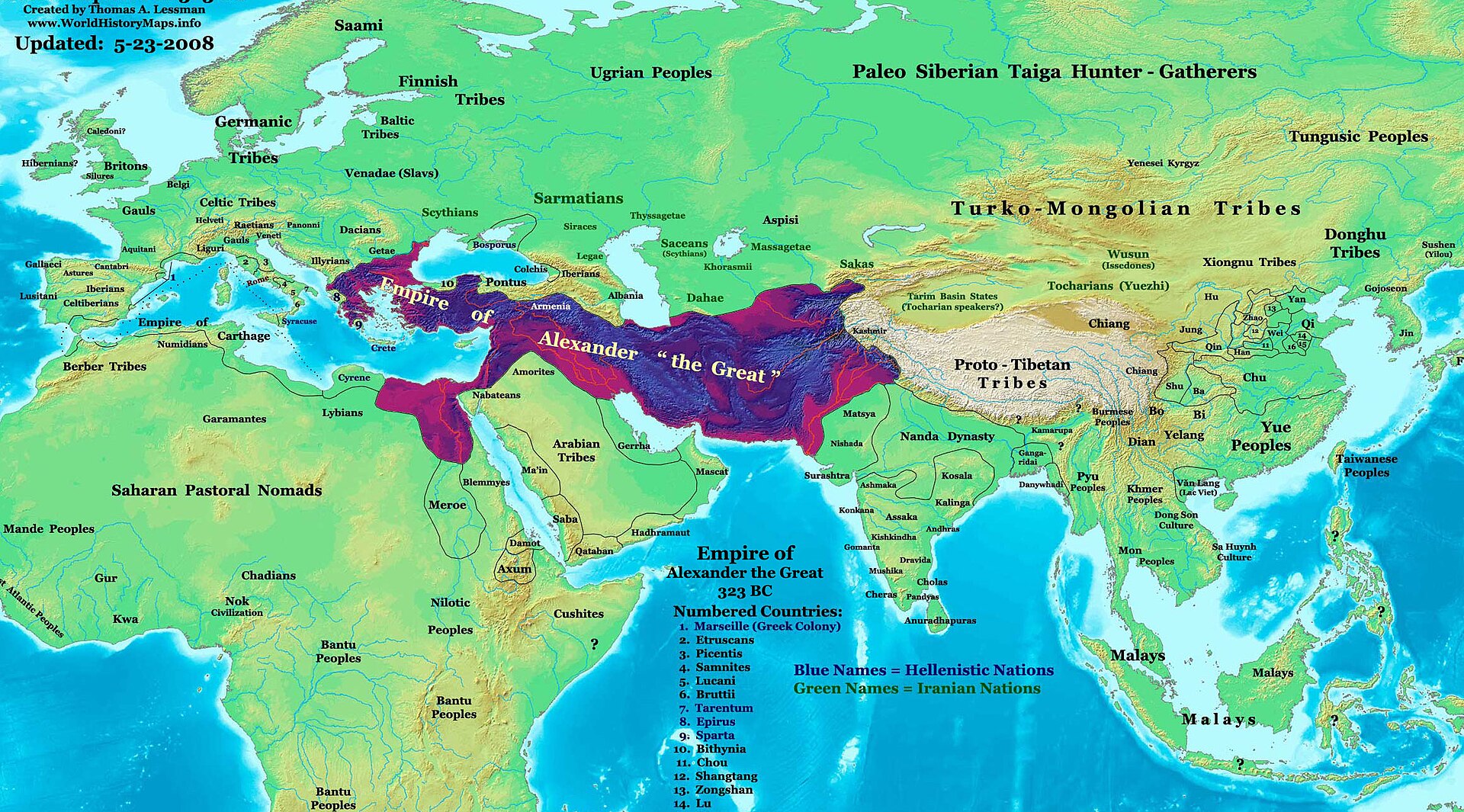
Wikimedia Commons · Creative Commons Attribution-Share Alike 3.0 · file During his Balkan campaign Alexander crossed the Danube/Ister against the Getae. Arrian places this action after Alexander crossed the Ister, but the exact crossing site is unknown; coordinates are representative.
Encamped before Thebes
· Thebes, Boeotia, Greece
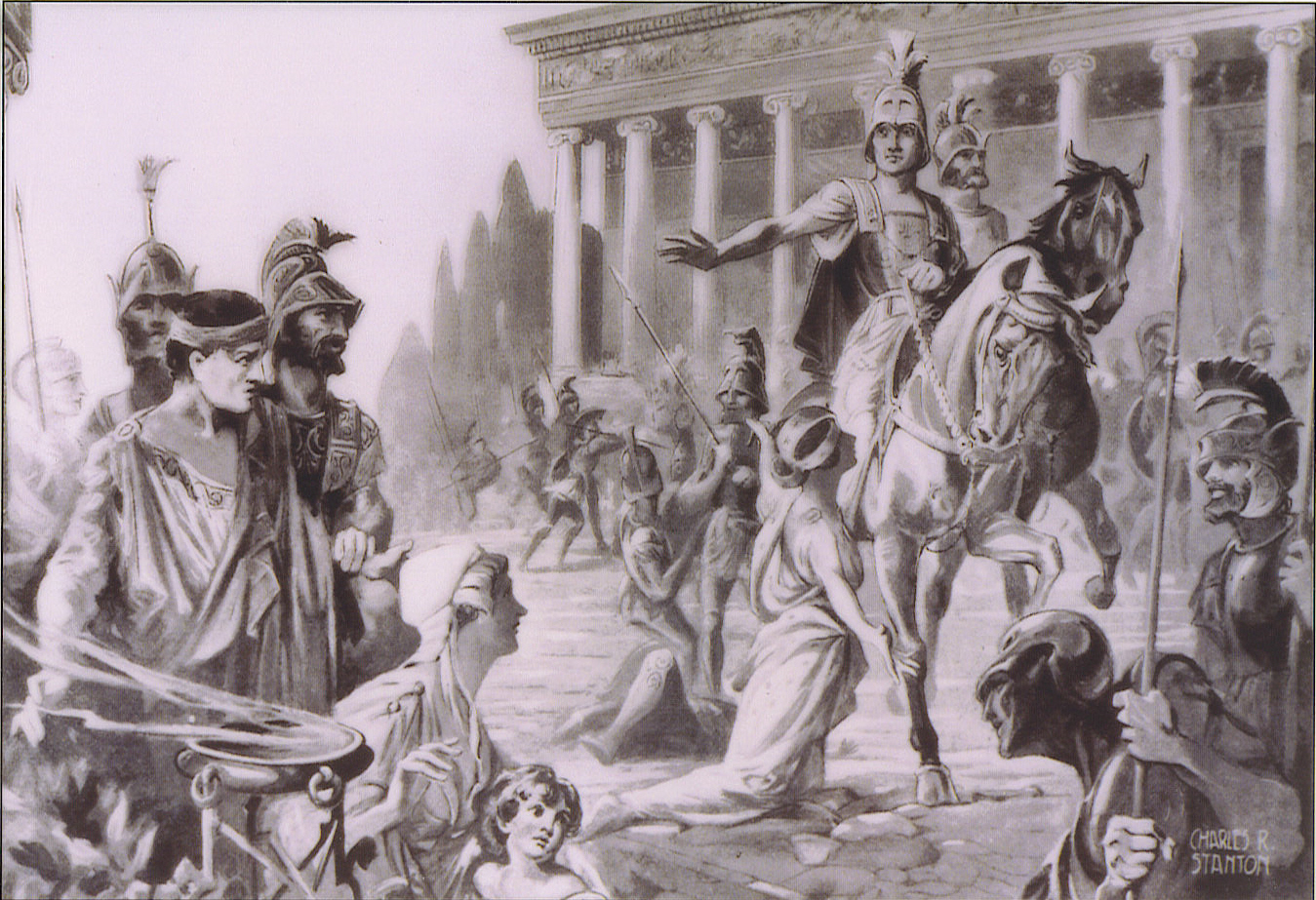
Wikimedia Commons · Public domain · file Alexander rapidly returned from the Balkans during the Theban revolt and encamped near the Cadmea before the city was stormed. Arrian’s chapter heading dates the revolt to September 335 BCE.
Advanced to Sardis
· Sardis, Manisa Province, Turkey
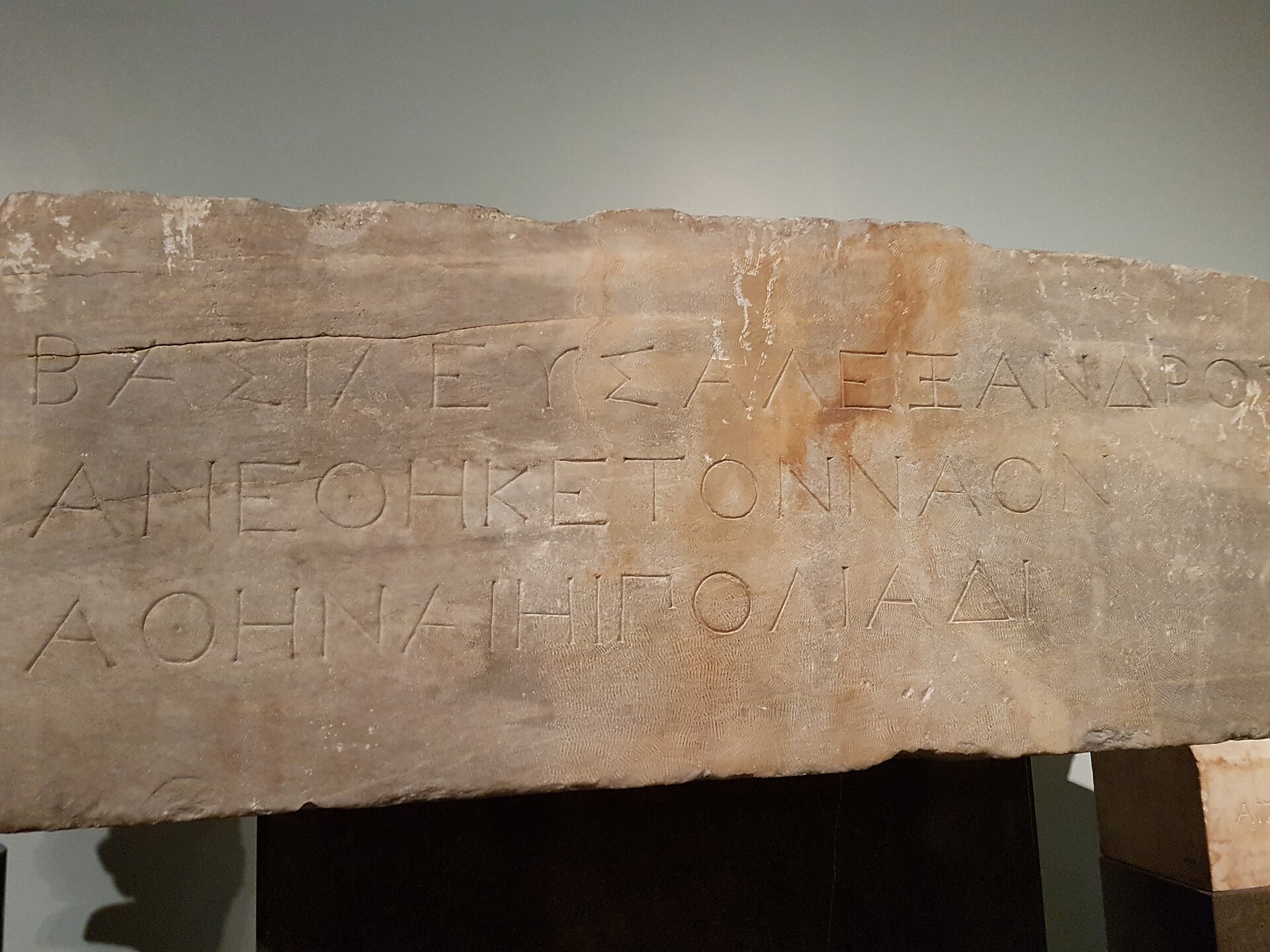
Wikimedia Commons · Creative Commons Attribution-Share Alike 4.0 · file After Granicus, Alexander advanced on Sardis, where the Persian authorities surrendered the Lydian capital and citadel. Year-level precision is used; this movement followed the Battle of the Granicus.
Arrived at Ephesus
· Ephesus, İzmir Province, Turkey
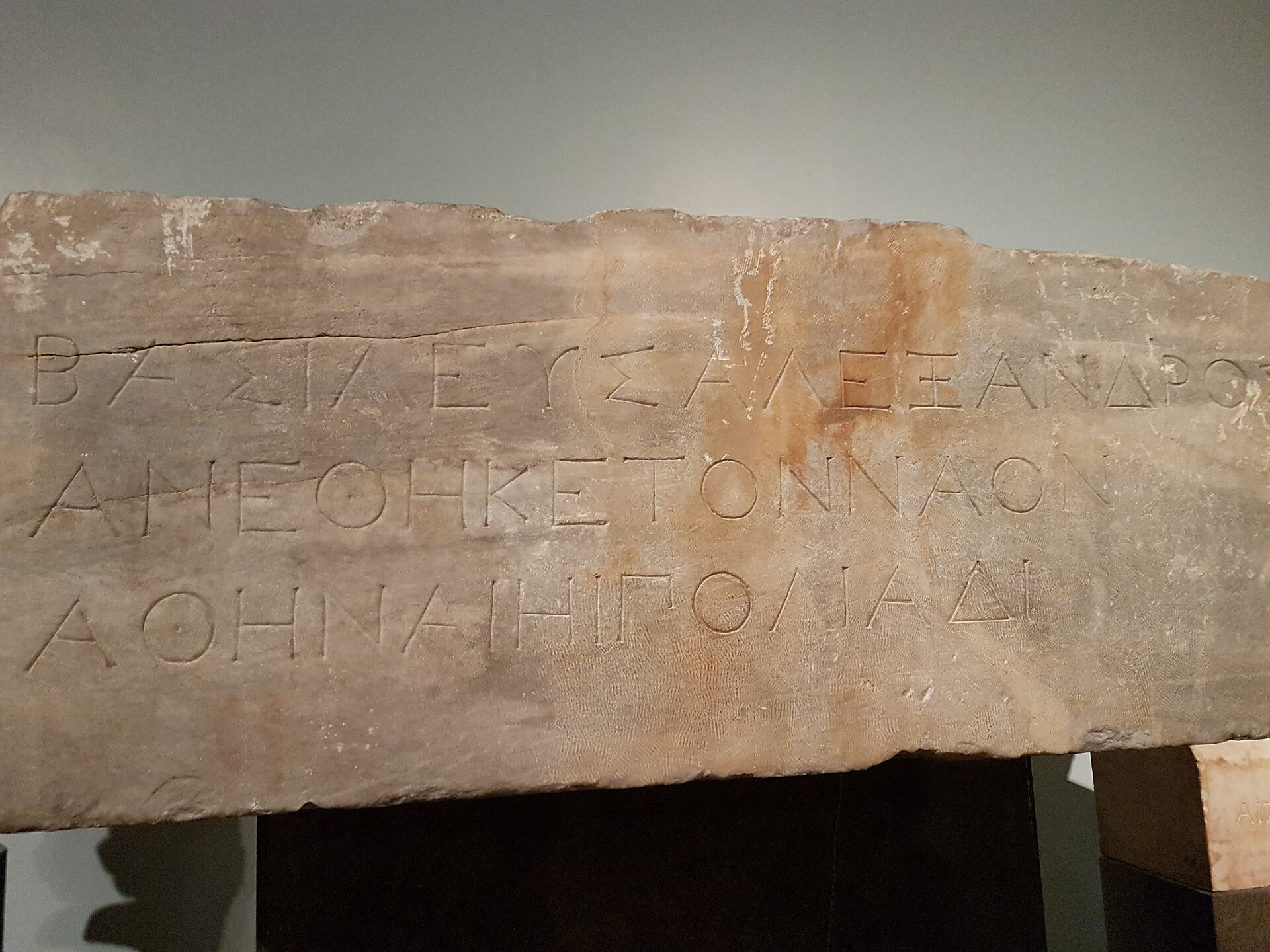
Wikimedia Commons · Creative Commons Attribution-Share Alike 4.0 · file Alexander reached Ephesus and reorganized its civic government after the Persian-aligned oligarchy fled. The source establishes sequence but not a calendar date; year-level precision is used.
Besieged Halicarnassus
· Halicarnassus (Bodrum), Muğla Province, Türkiye
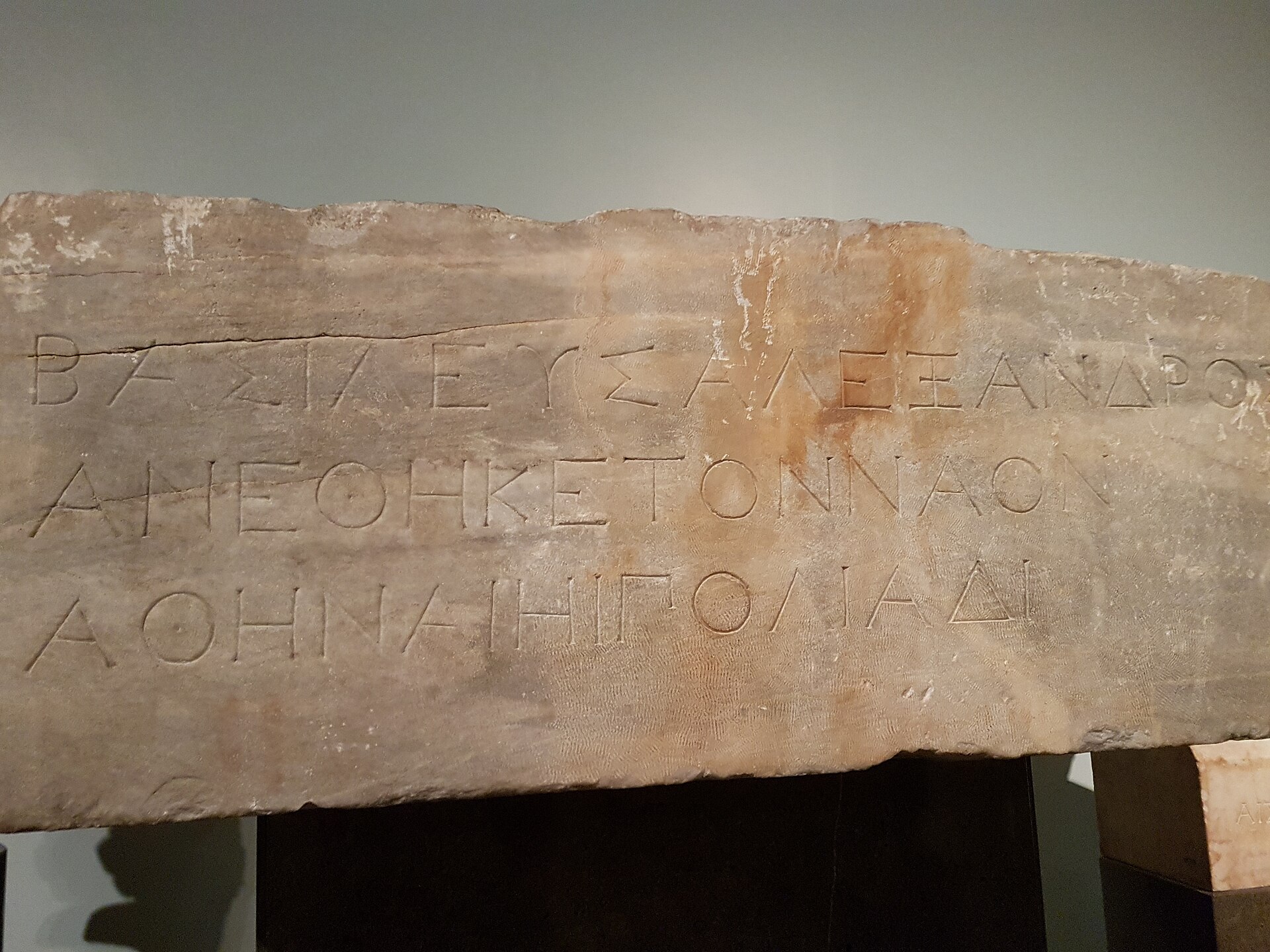
Wikimedia Commons · Creative Commons Attribution-Share Alike 4.0 · file Alexander's army encountered its strongest early resistance at Halicarnassus, the Persian naval base in Caria. The source gives autumn 334 BCE, so year-level precision is used.
Besieged Miletus
· Miletus, Aydın Province, Türkiye
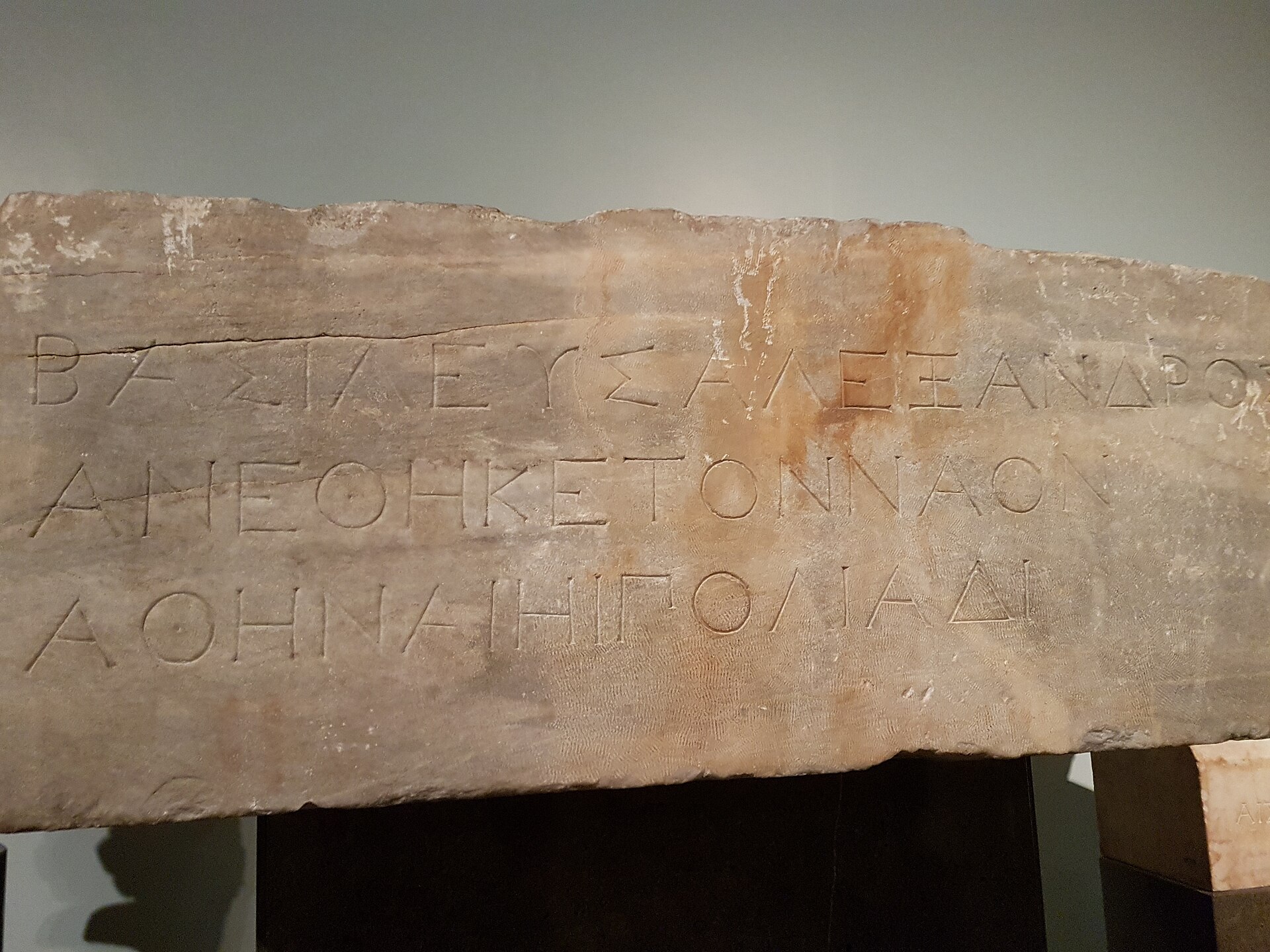
Wikimedia Commons · Creative Commons Attribution-Share Alike 4.0 · file Alexander moved south after the Granicus and personally directed the campaign against Miletus. The source dates the siege to early summer 334 BCE; year-level precision is retained.
Fought at the Granicus
· Granicus River battlefield, Biga Çayı, Çanakkale Province, Türkiye
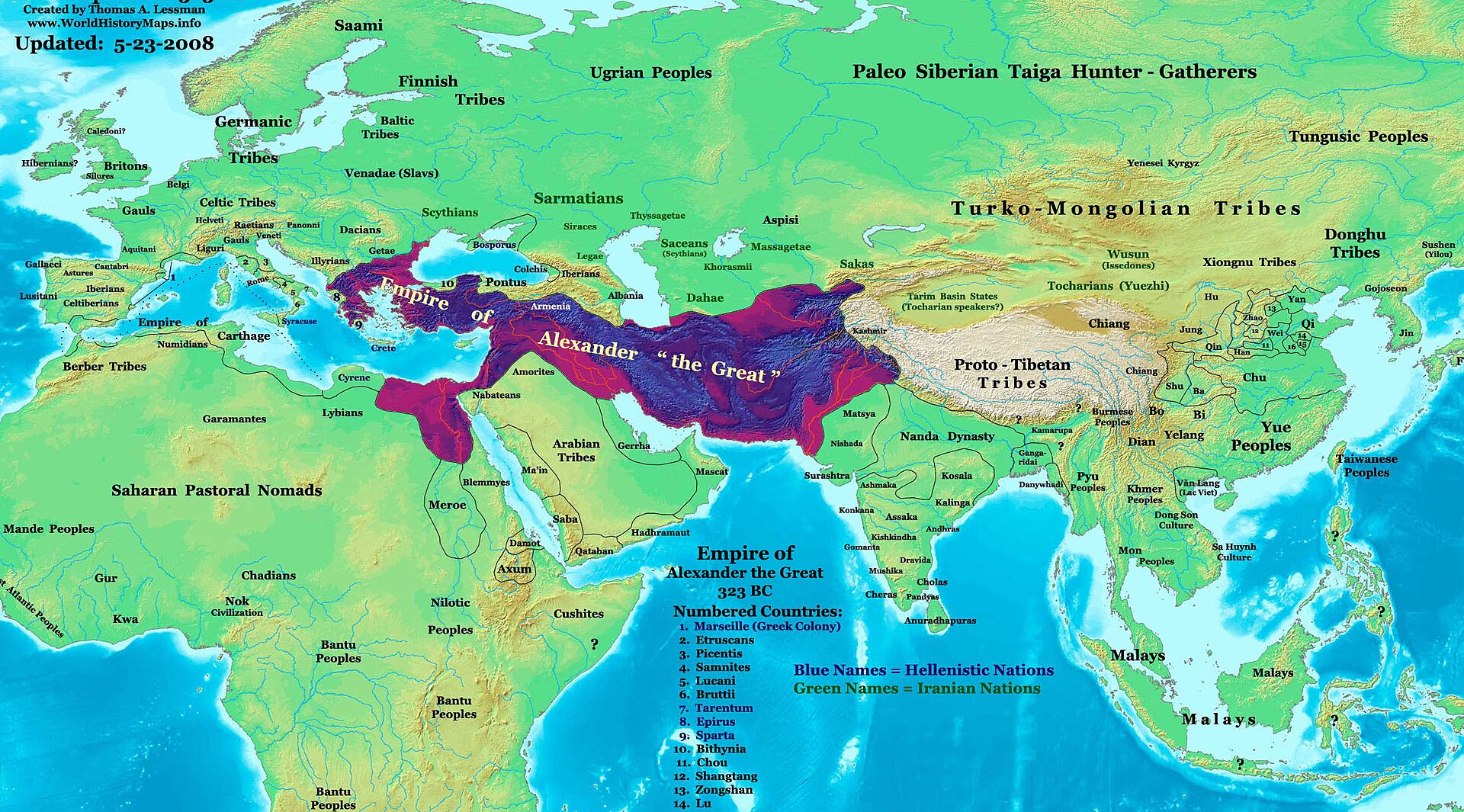
Wikimedia Commons · Creative Commons Attribution-Share Alike 3.0 · file Alexander's first major battle in Asia was fought at the Granicus against the Persian satrapal army. The source gives spring 334 BCE; the exact battlefield location remains debated, so coordinates are representative.
Reached Phaselis
· Phaselis, Antalya Province, Turkey
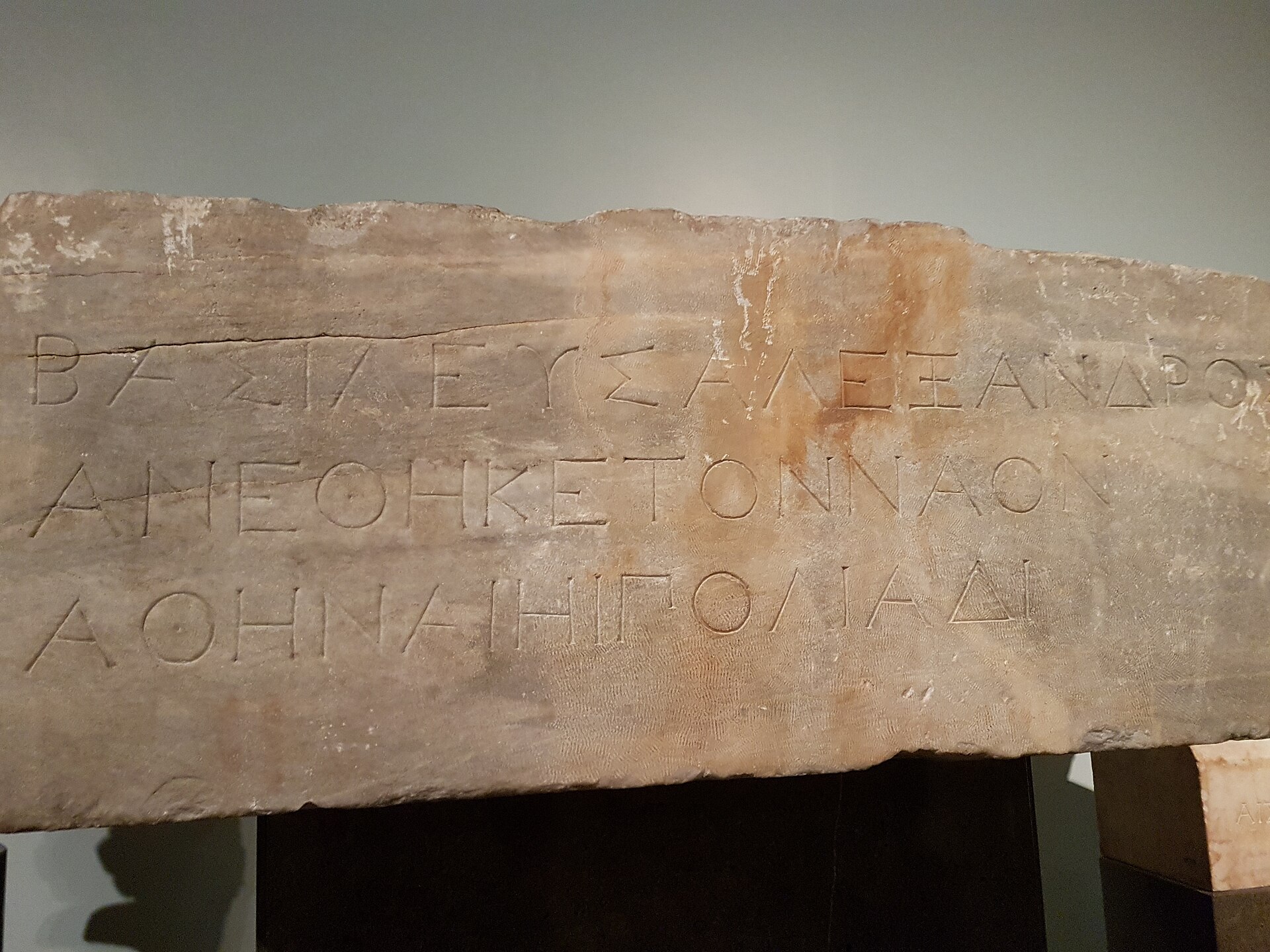
Wikimedia Commons · Creative Commons Attribution-Share Alike 4.0 · file Moving through Lycia and Pamphylia, Alexander reached the coastal city of Phaselis. This movement belongs to winter 334/333 BCE; conventional chronology places Phaselis in late 334.
Visited Troy
· Troy (Hisarlik), Çanakkale Province, Türkiye
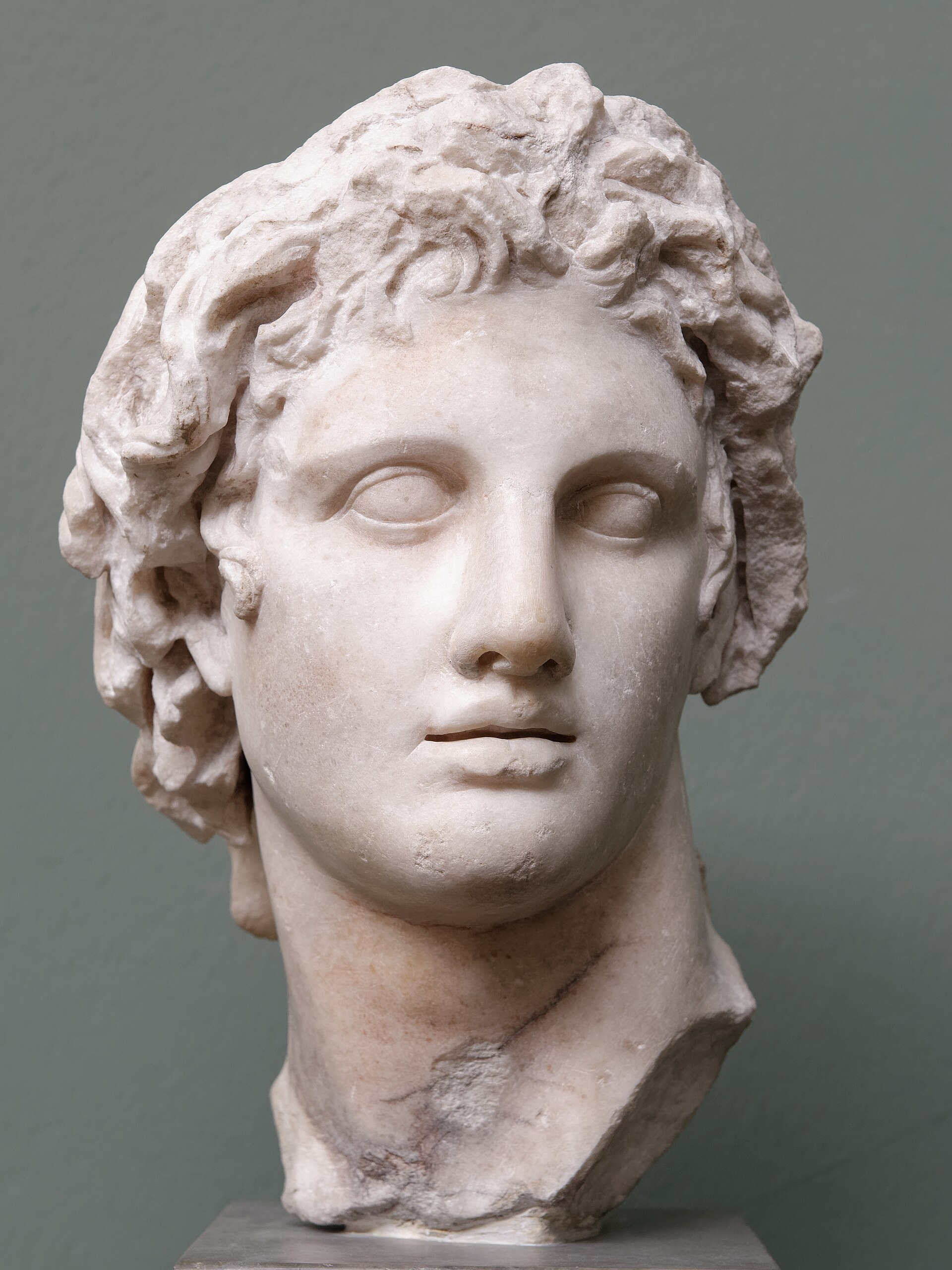
Wikimedia Commons · Public domain · file On entering Asia, Alexander deliberately visited Troy and performed sacrifices linked to the Homeric heroes.
Marched to Side
· Side, Antalya Province, Turkey
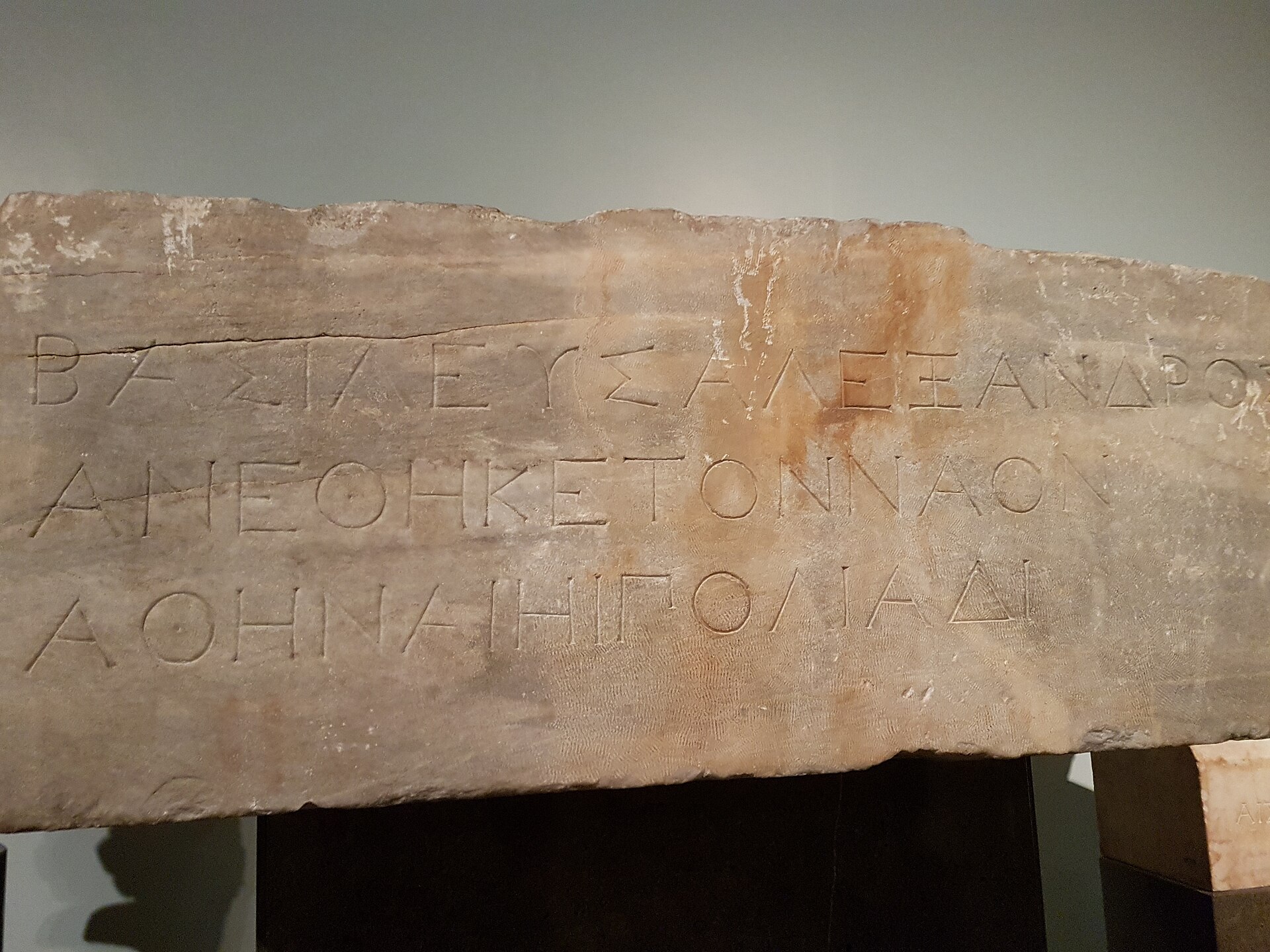
Wikimedia Commons · Creative Commons Attribution-Share Alike 4.0 · file Alexander continued across Pamphylia to Side as he secured the southern Anatolian coast. The sequence is secure, but the exact date is not; year-level precision is used.
Occupied Issus
· Issus battlefield, near Dörtyol, Hatay Province, Türkiye
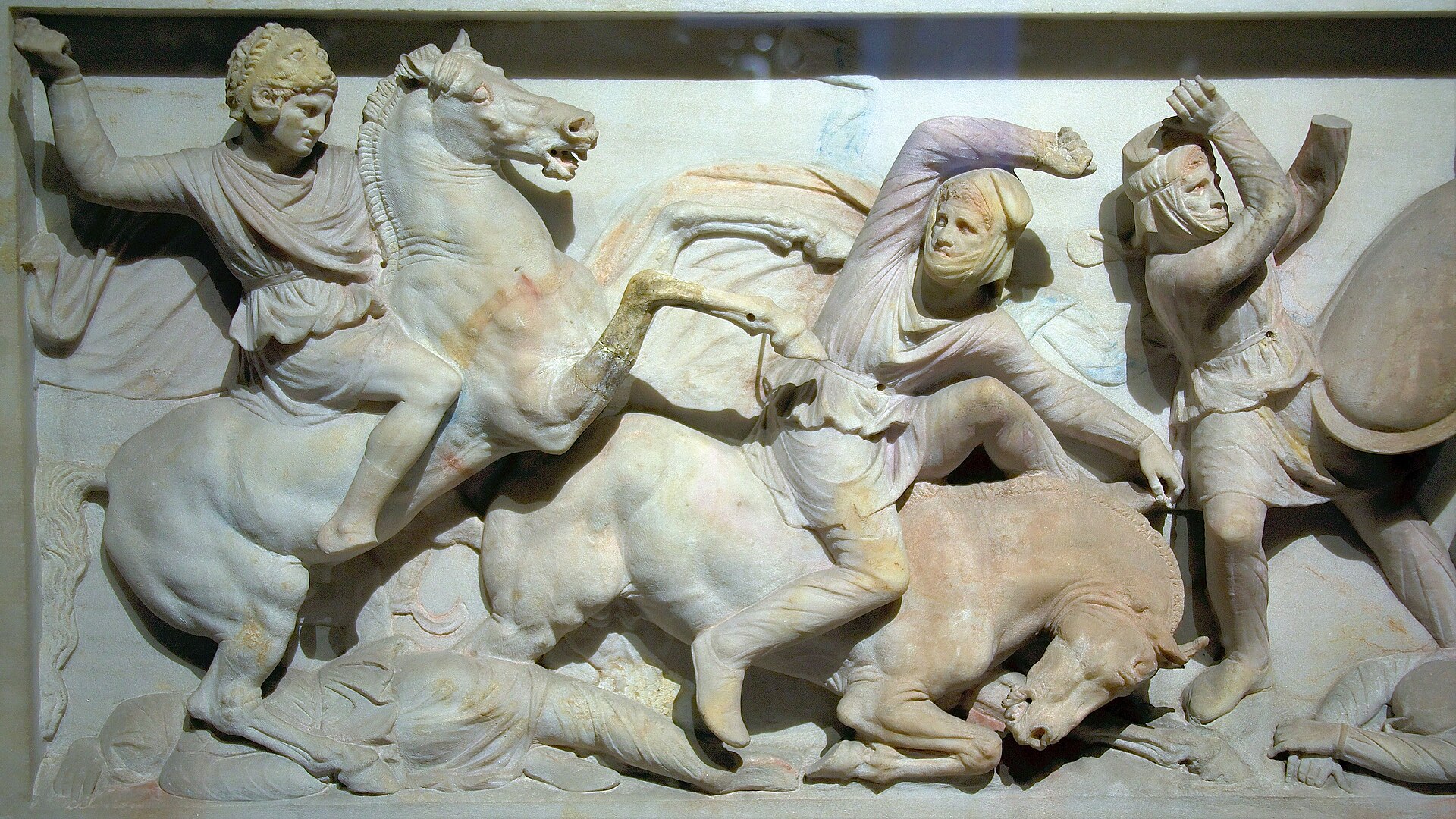
Wikimedia Commons · Creative Commons Attribution-Share Alike 3.0 · file Before the decisive confrontation with Darius III, Alexander physically occupied Issus, a key city on the Cilician coast. The exact location of ancient Issus and the associated battlefield is debated; coordinates are representative.
Recovered at Tarsus
· Tarsus, Mersin Province, Türkiye
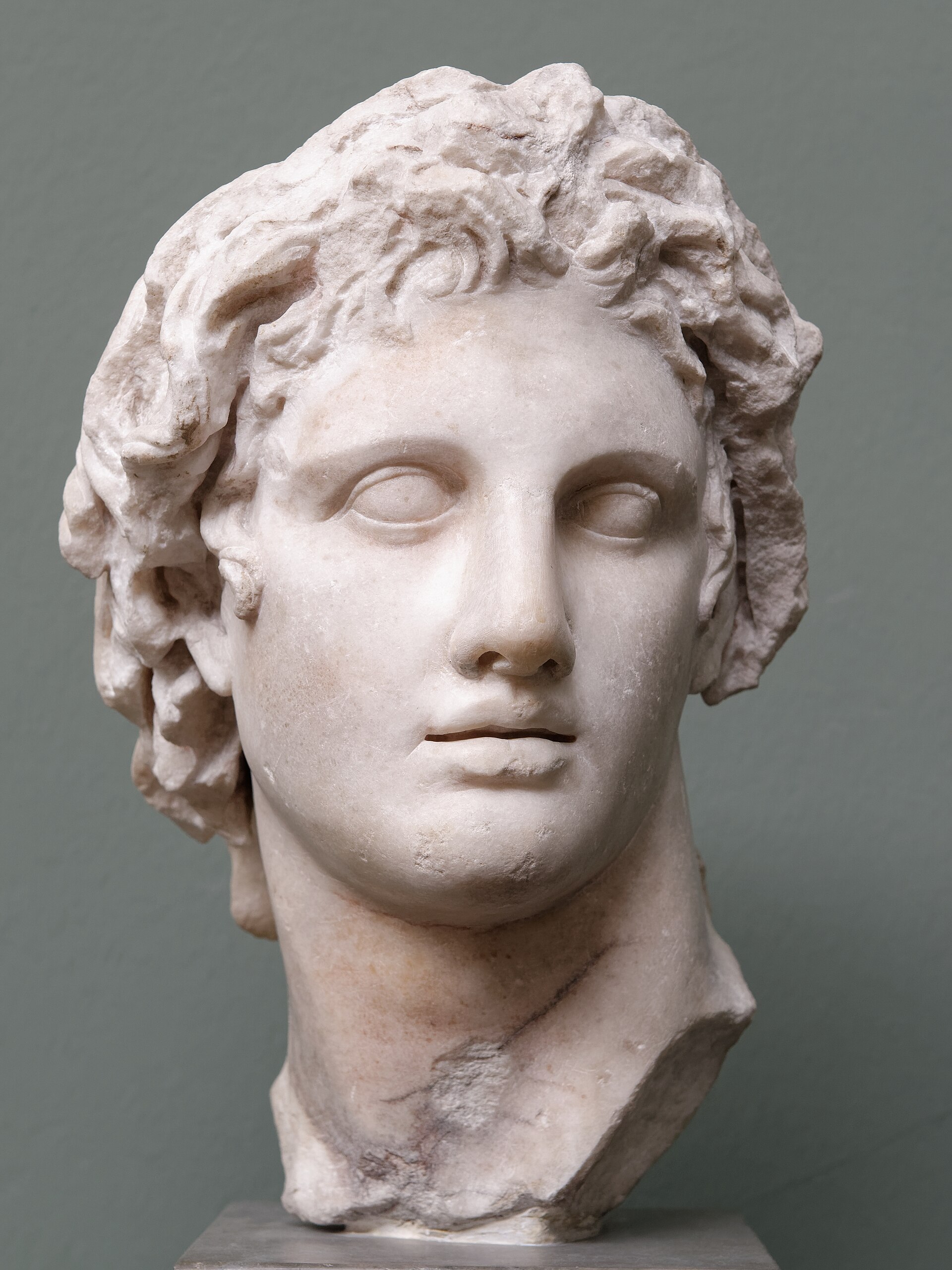
Wikimedia Commons · Public domain · file After crossing into Cilicia, Alexander occupied Tarsus and stayed there while recovering from a serious illness.
Stayed at Gordium
· Gordium, Yassıhüyük, Ankara Province, Türkiye
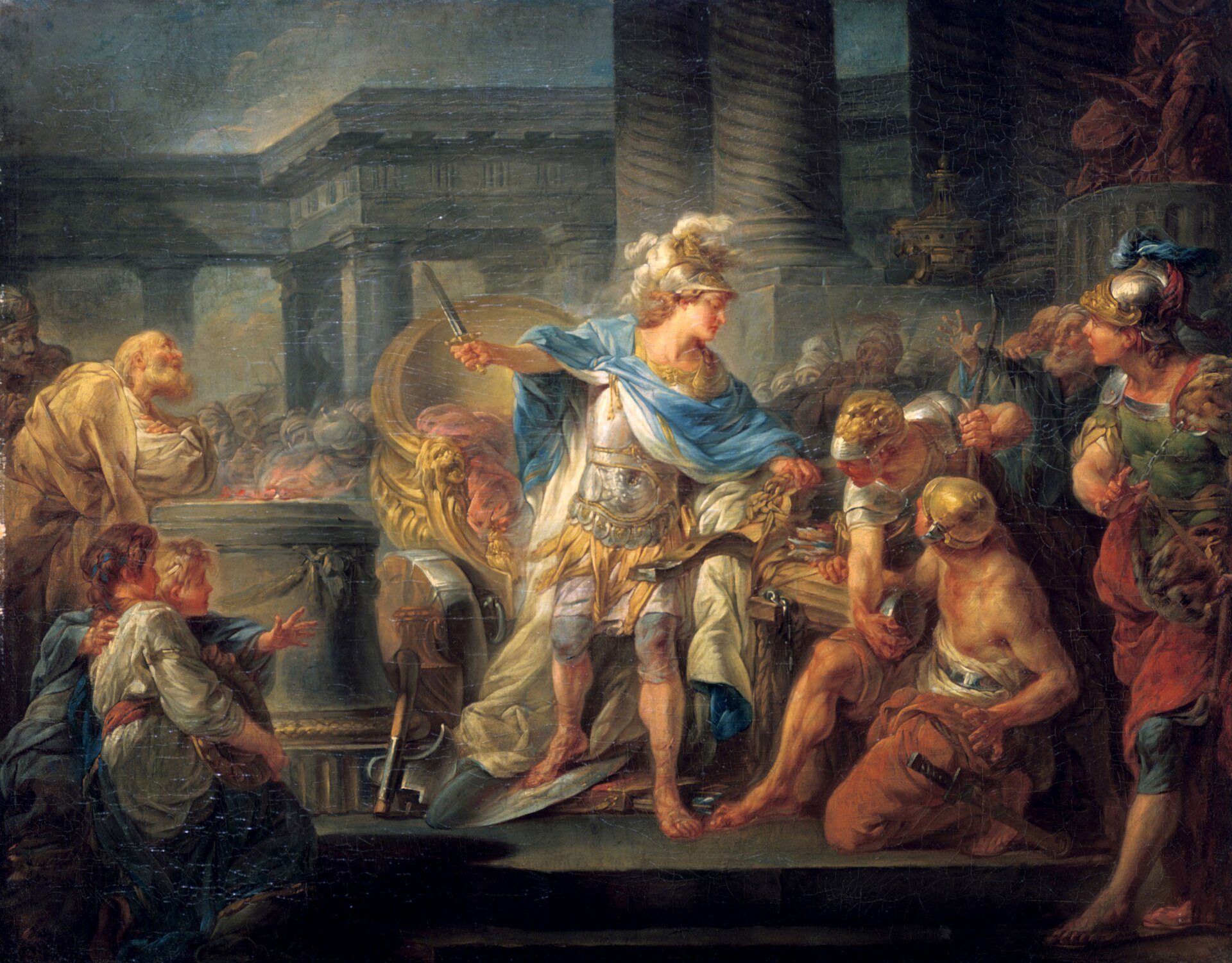
Wikimedia Commons · Public domain · file Alexander reunited with forces at Gordium and remained there while assessing Persian strategy. The source places this in the first months of 333 BCE; year-level precision is used.
Besieged Tyre
· Tyre, South Governorate, Lebanon
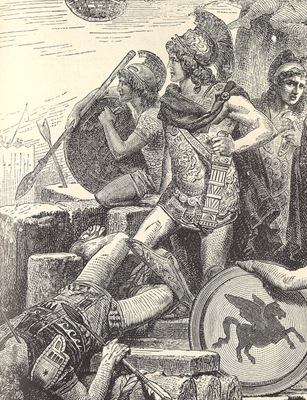
Wikimedia Commons · Public domain · file Alexander began the seven-month siege of the island city of Tyre, a pivotal operation that broke Persian naval power in the eastern Mediterranean.
Captured Gaza
· Gaza City, Gaza Strip
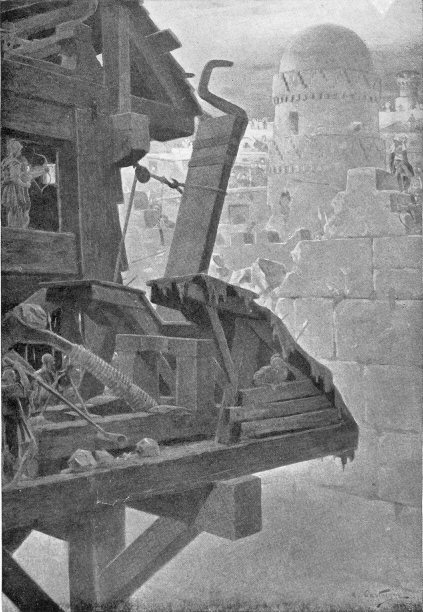
Wikimedia Commons · Public domain · file After Tyre, Alexander besieged and captured Gaza, the last major fortified obstacle on the route to Egypt.
Crossed the Euphrates
· Euphrates near ancient Thapsacus, Syria
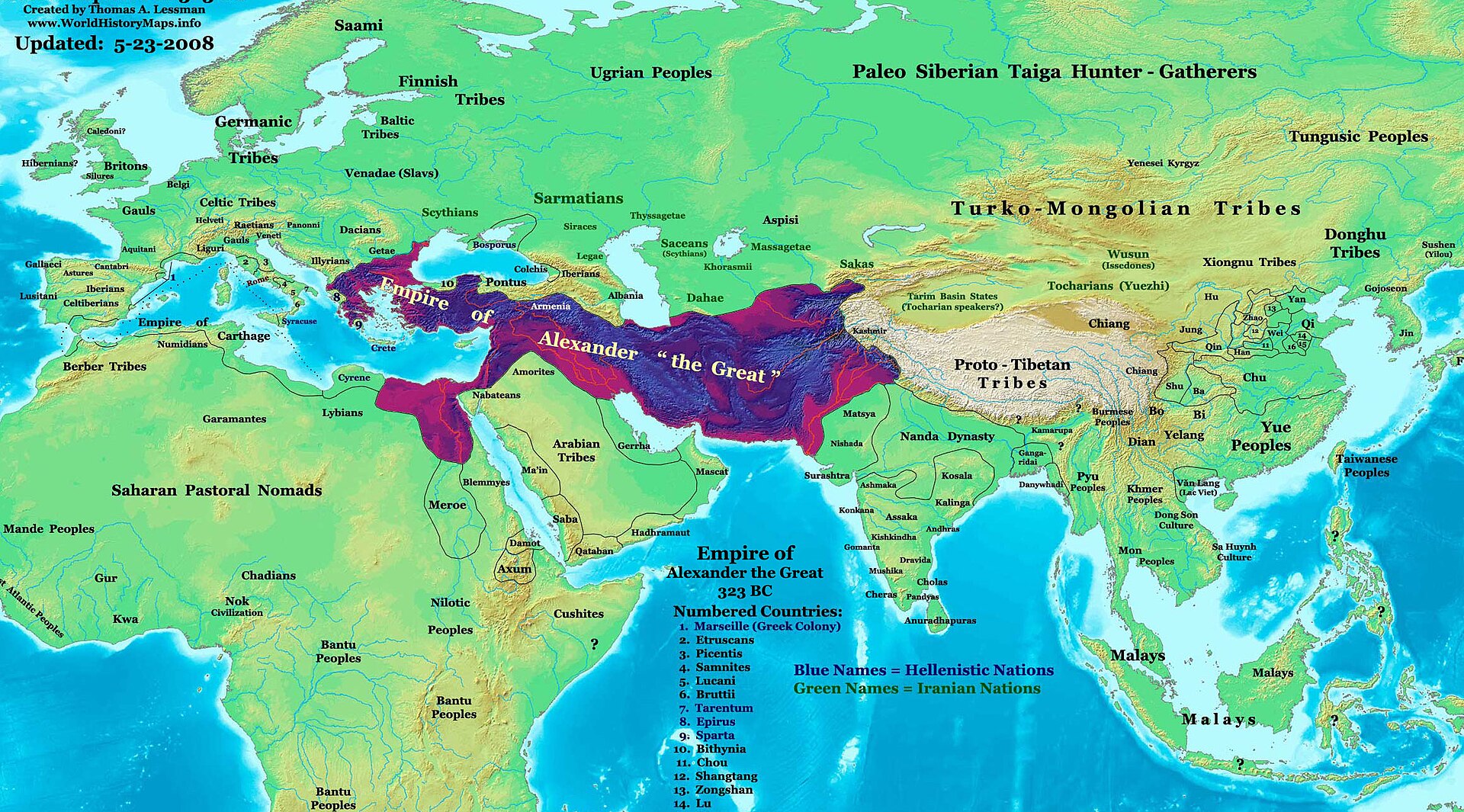
Wikimedia Commons · Creative Commons Attribution-Share Alike 3.0 · file Alexander crossed the Euphrates during his advance toward Darius III's final major army. The ancient crossing traditionally associated with Thapsacus is not securely located; coordinates are representative.
Laid out Alexandria
· Alexandria, Egypt
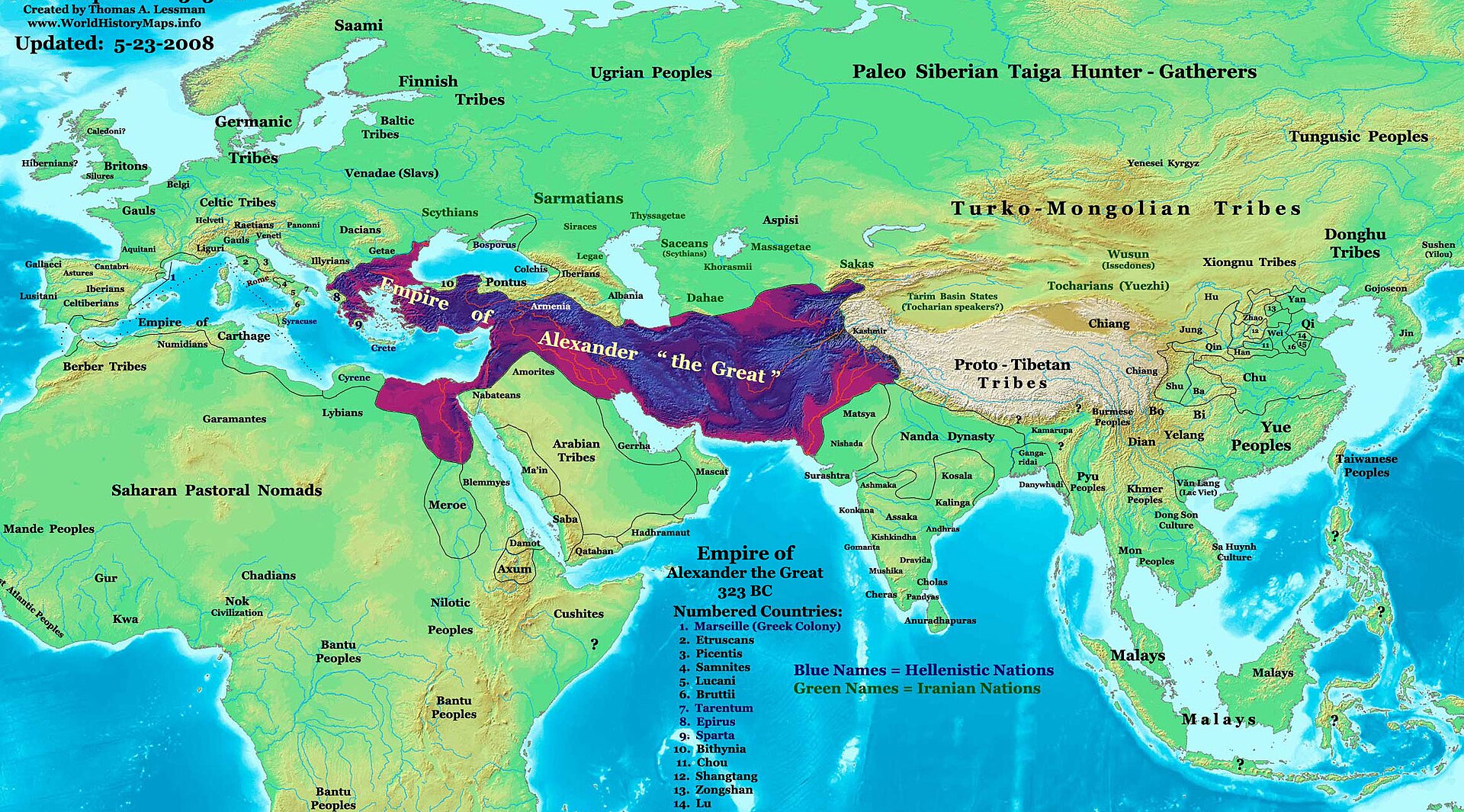
Wikimedia Commons · Creative Commons Attribution-Share Alike 3.0 · file On the Mediterranean coast, Alexander personally inspected and marked out the site of the city that became Alexandria. The foundation is traditionally dated to 331 BCE; ancient and modern chronologies differ on the exact day.
Reached Susa
· Susa, Khuzestan Province, Iran
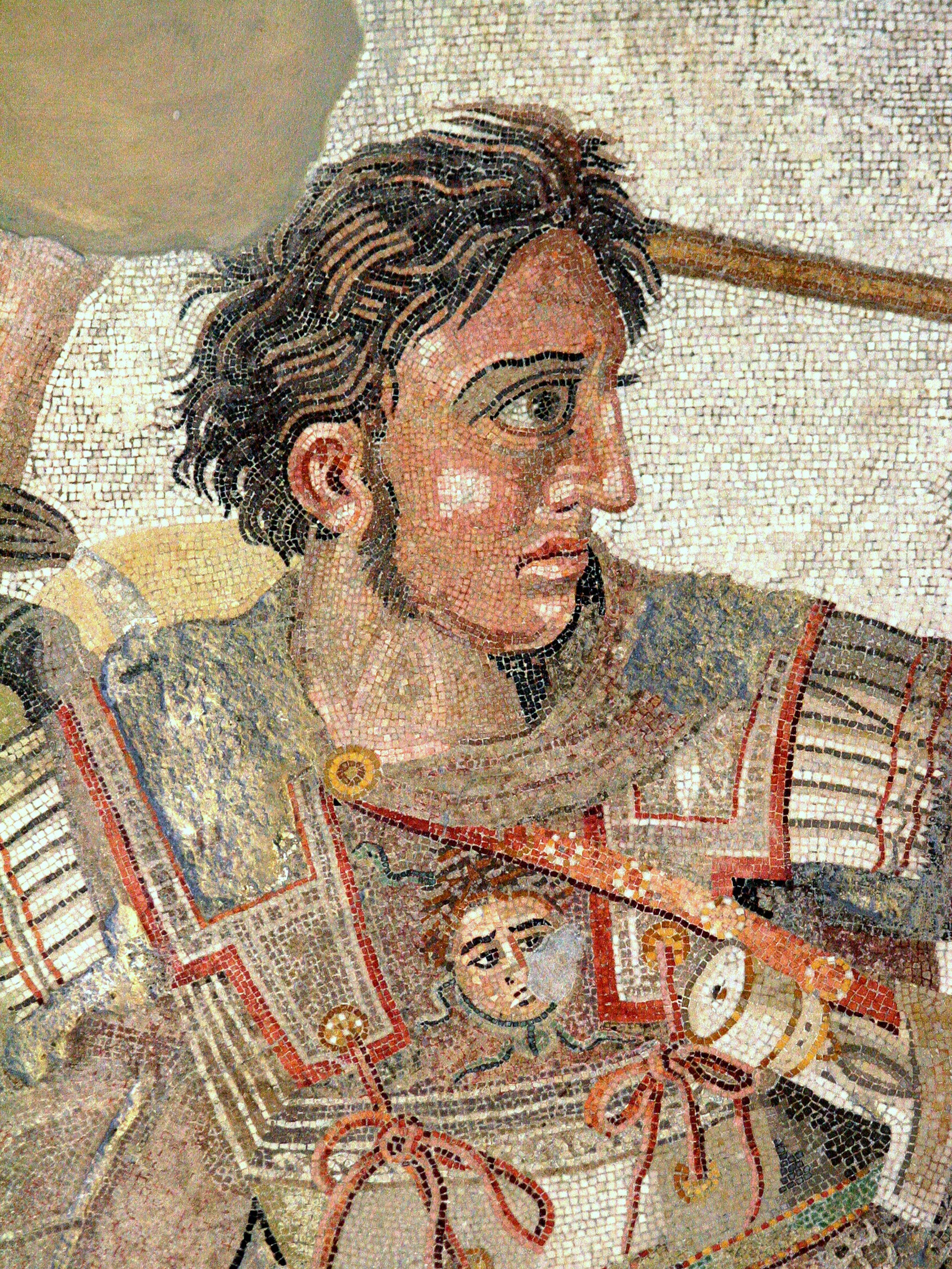
Wikimedia Commons · Public domain · file Alexander proceeded from Babylon to Susa and took control of the Achaemenid treasury there. The source gives autumn 331 BCE rather than an exact day; year-level precision is used.
Returned to Tyre
· Tyre, South Governorate, Lebanon
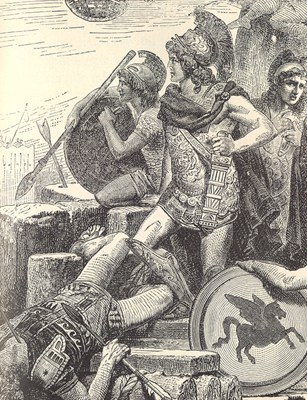
Wikimedia Commons · Public domain · file On the return from Egypt, Alexander again reached Tyre before marching inland toward Mesopotamia. The source places this return in summer 331 BCE; year-level precision is used.
Stayed at Memphis
· Memphis archaeological site, Mit Rahina, Egypt
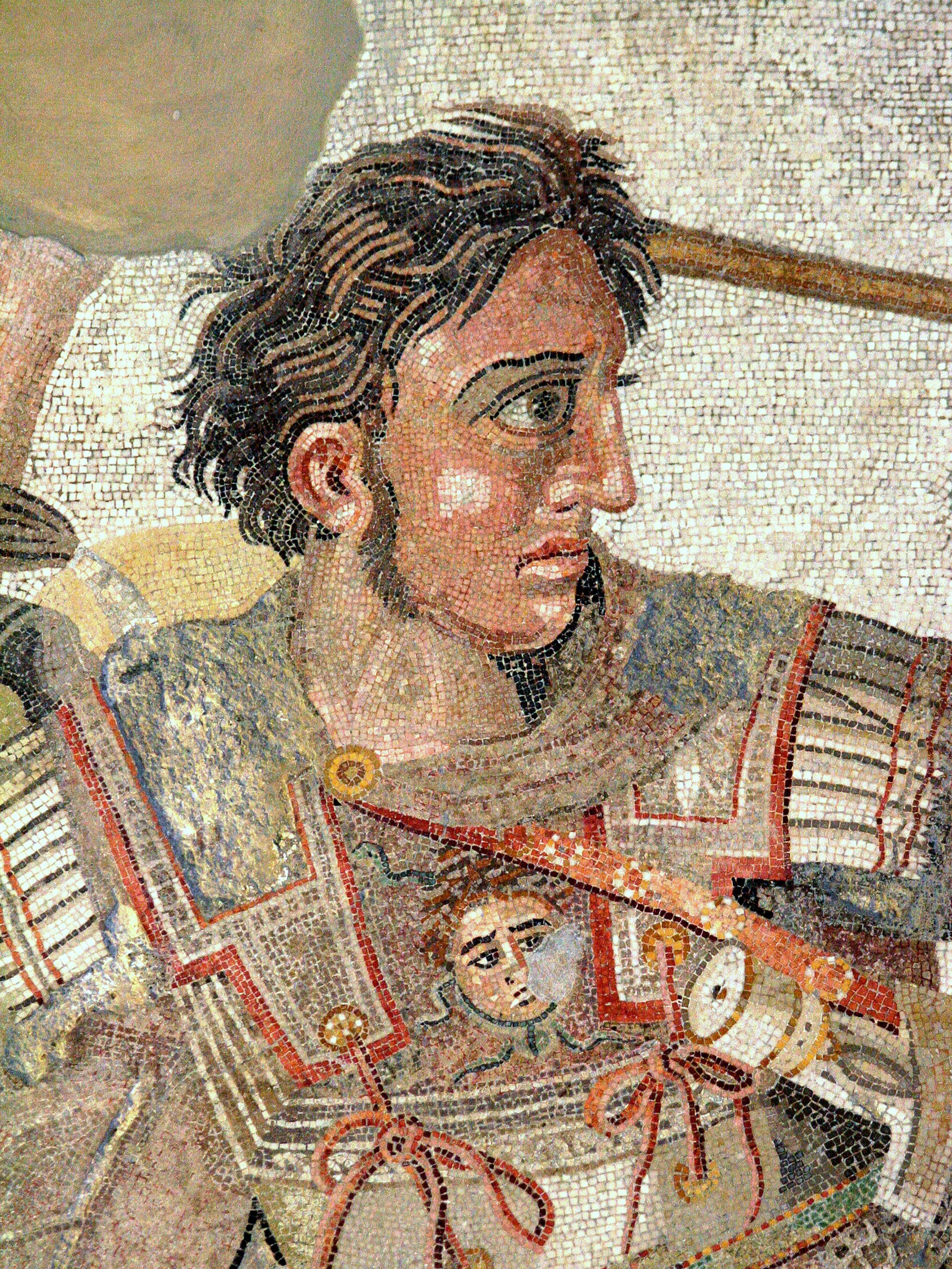
Wikimedia Commons · Public domain · file Alexander spent time in Memphis after entering Egypt and before his journey to the oracle of Ammon. The cited article places the return during Alexander’s Egyptian campaign; year-level precision is used.
Visited Siwa
· Siwa Oasis, Matrouh Governorate, Egypt
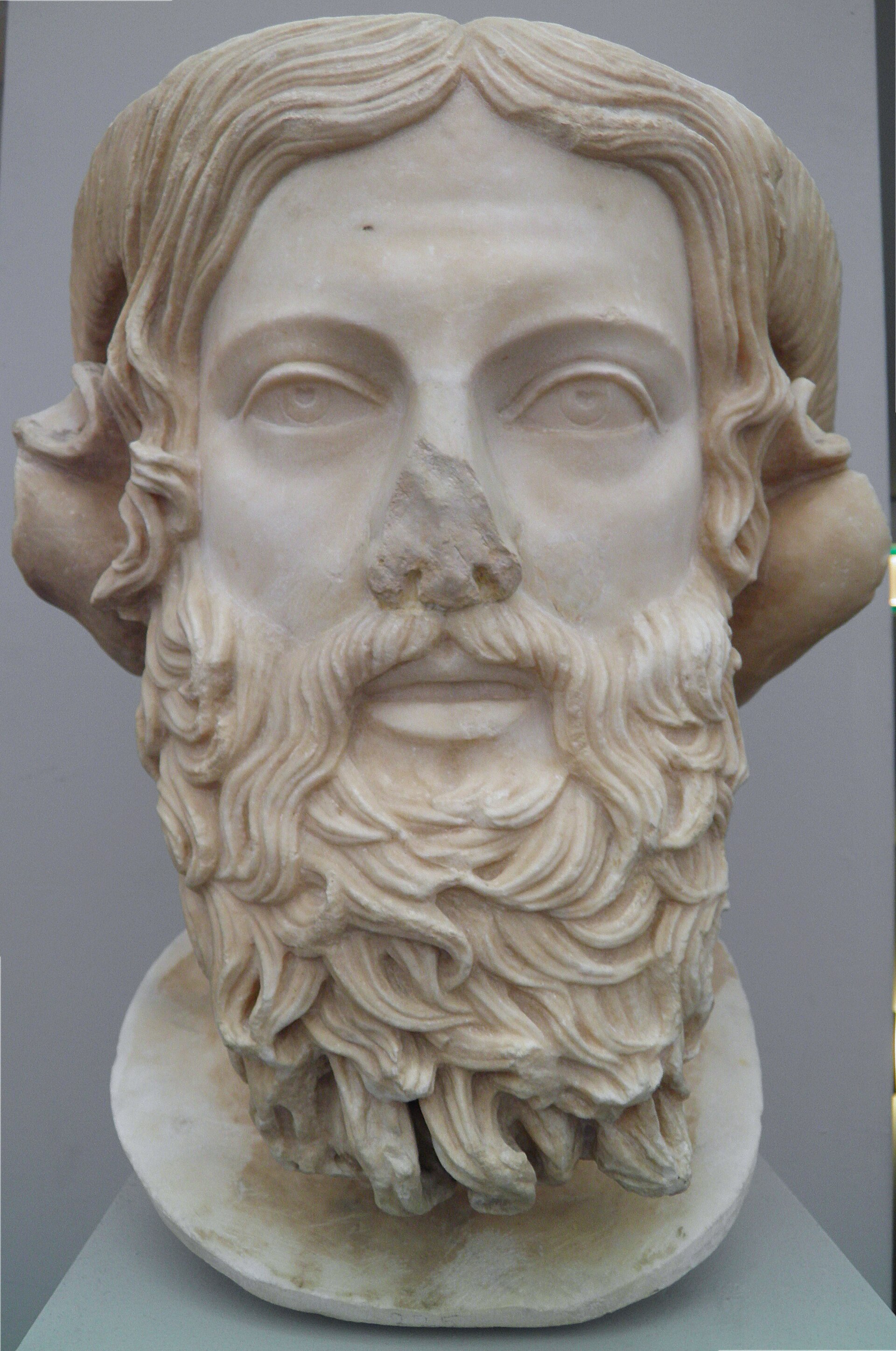
Wikimedia Commons · Creative Commons Attribution-Share Alike 2.0 · file Alexander crossed the western desert to consult the oracle of Ammon at Siwa, a politically and personally significant episode. The source establishes the visit in the Egyptian campaign; year-level precision is used.
Fought at Gaugamela
· Gaugamela battlefield, Nineveh Governorate, Iraq
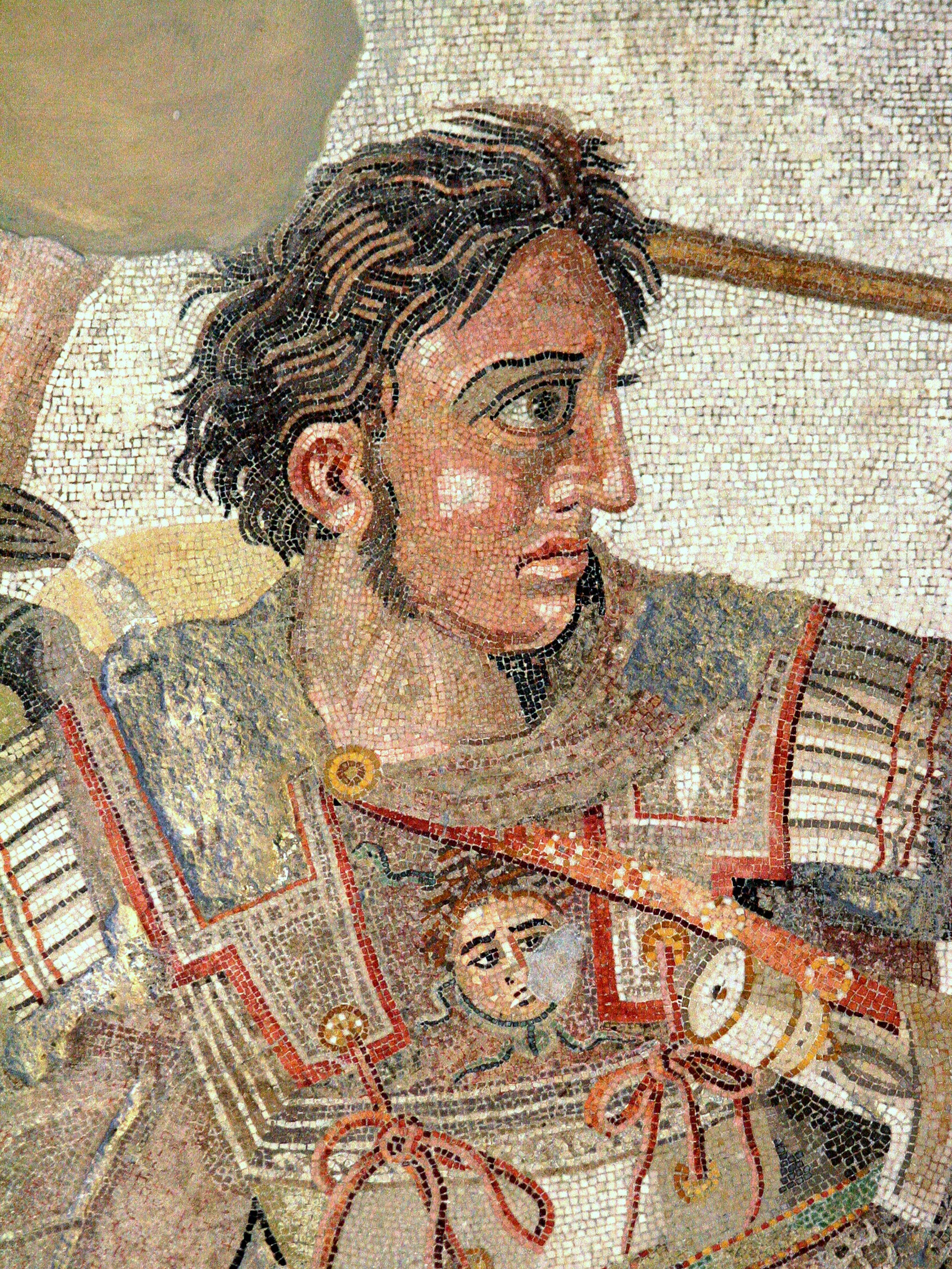
Wikimedia Commons · Public domain · file Alexander defeated Darius III at Gaugamela, effectively breaking organized Achaemenid control of the western imperial heartland. The date is secure from Babylonian astronomical evidence; the exact battlefield location is not recoverable, so coordinates are representative.
Entered Babylon
· Babylon, Babil Governorate, Iraq
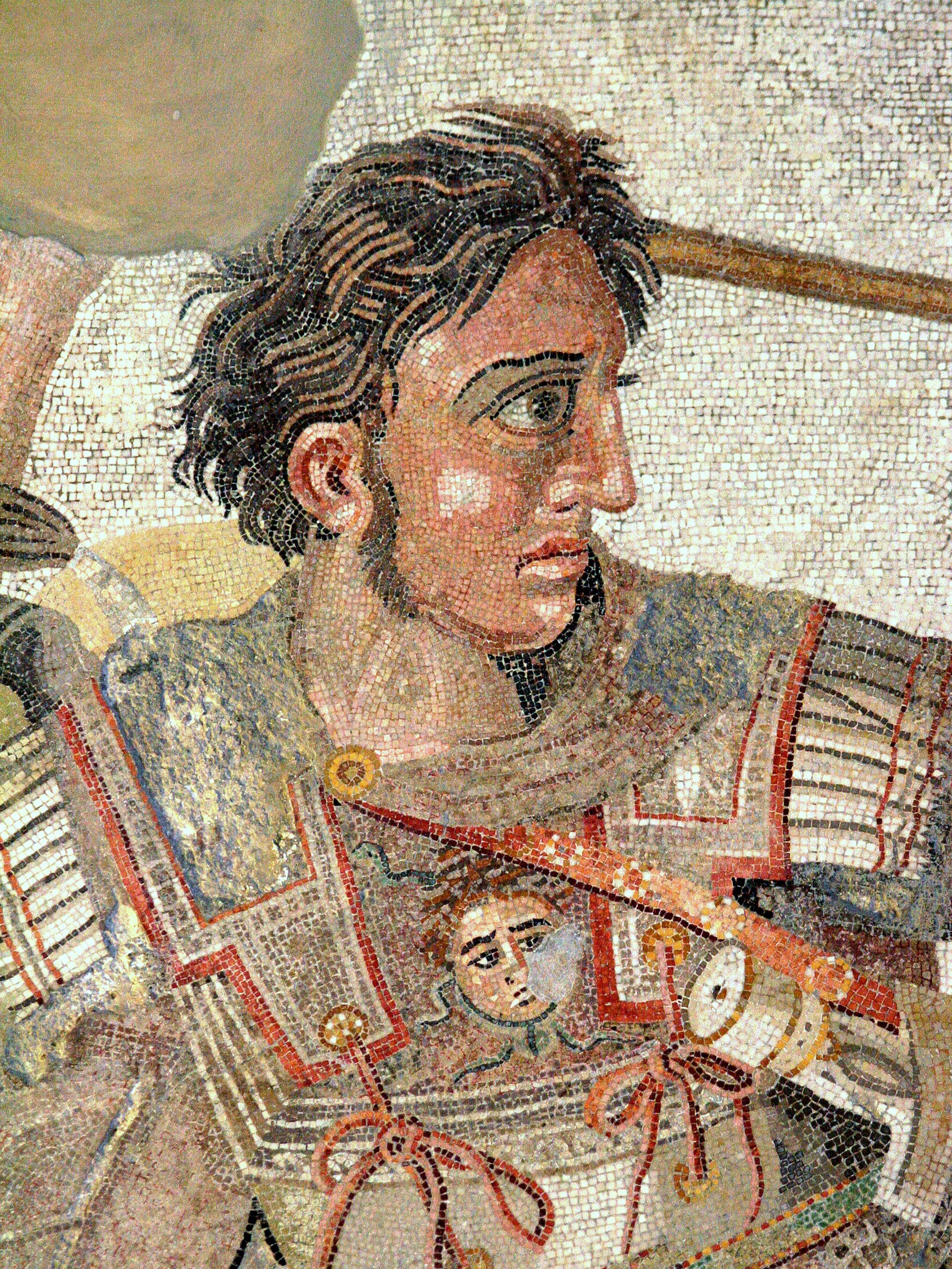
Wikimedia Commons · Public domain · file After Gaugamela, Babylon surrendered to Alexander, who entered one of the largest cities of the ancient Near East. The source gives two possible days, so month-level precision is used.
Campaigned in Hyrcania
· Hyrcania, southeastern Caspian region, Iran
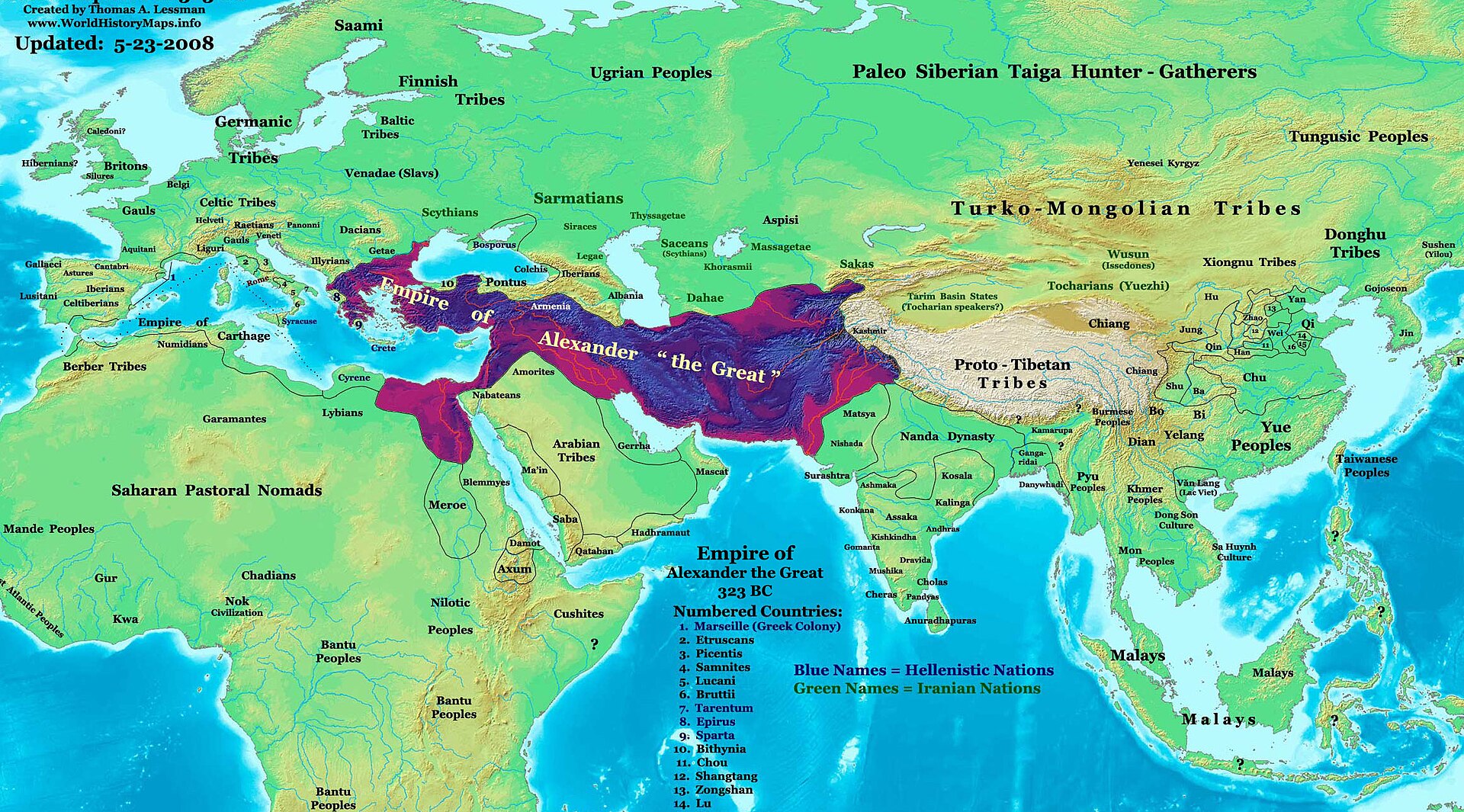
Wikimedia Commons · Creative Commons Attribution-Share Alike 3.0 · file After Darius' death, Alexander moved through Hyrcania along the southeastern Caspian region while consolidating control. Hyrcania was a broad ancient region; coordinates are a representative point near Gorgan.
Reached Persepolis
· Persepolis, Fars Province, Iran
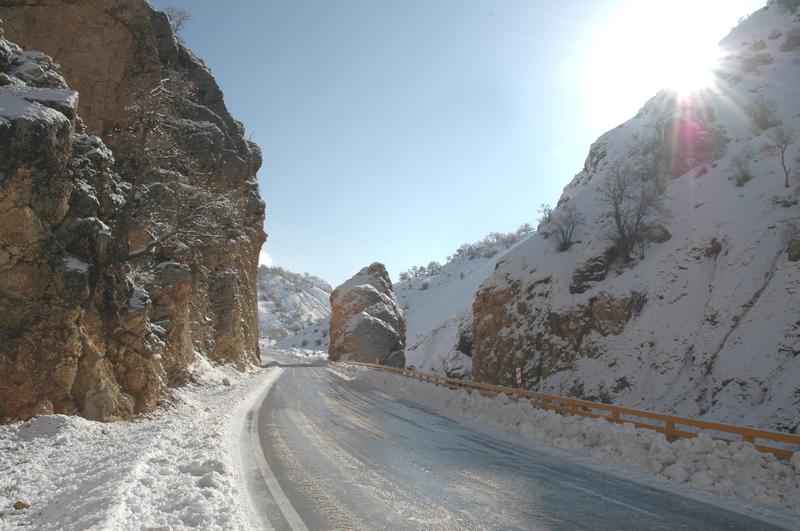
Wikimedia Commons · Public domain · file Alexander reached the ceremonial capital Persepolis and remained there for months before the palace complex was burned.
Reached Drangiana
· Drangiana, Sistan region, Iran/Afghanistan
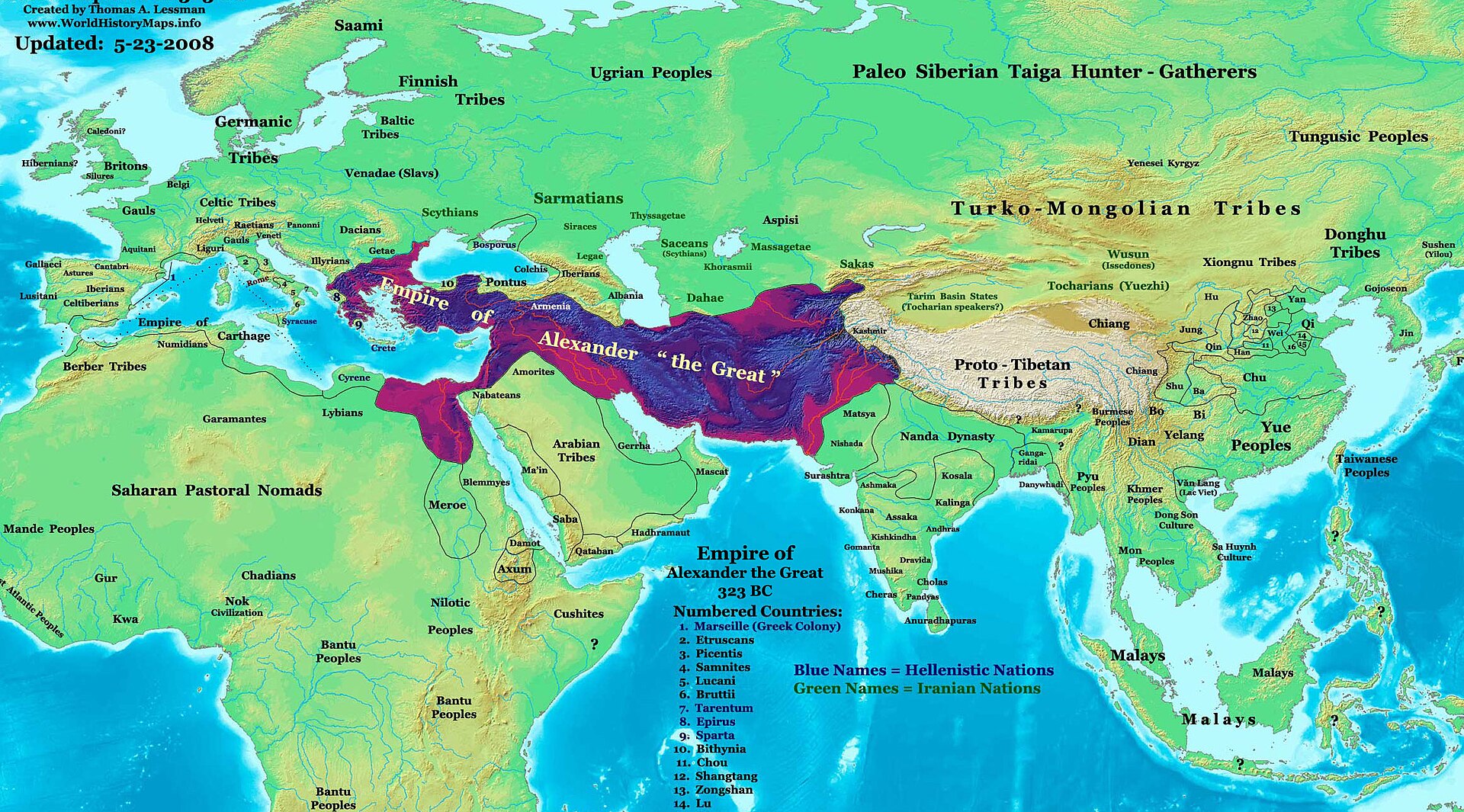
Wikimedia Commons · Creative Commons Attribution-Share Alike 3.0 · file Alexander was in Drangiana when the Philotas conspiracy crisis unfolded. Ancient Drangiana was a region; the coordinate is a representative point near the Sistan basin rather than a proven camp site.
Crossed the Oxus
· Oxus (Amu Darya) crossing region, Afghanistan–Uzbekistan border
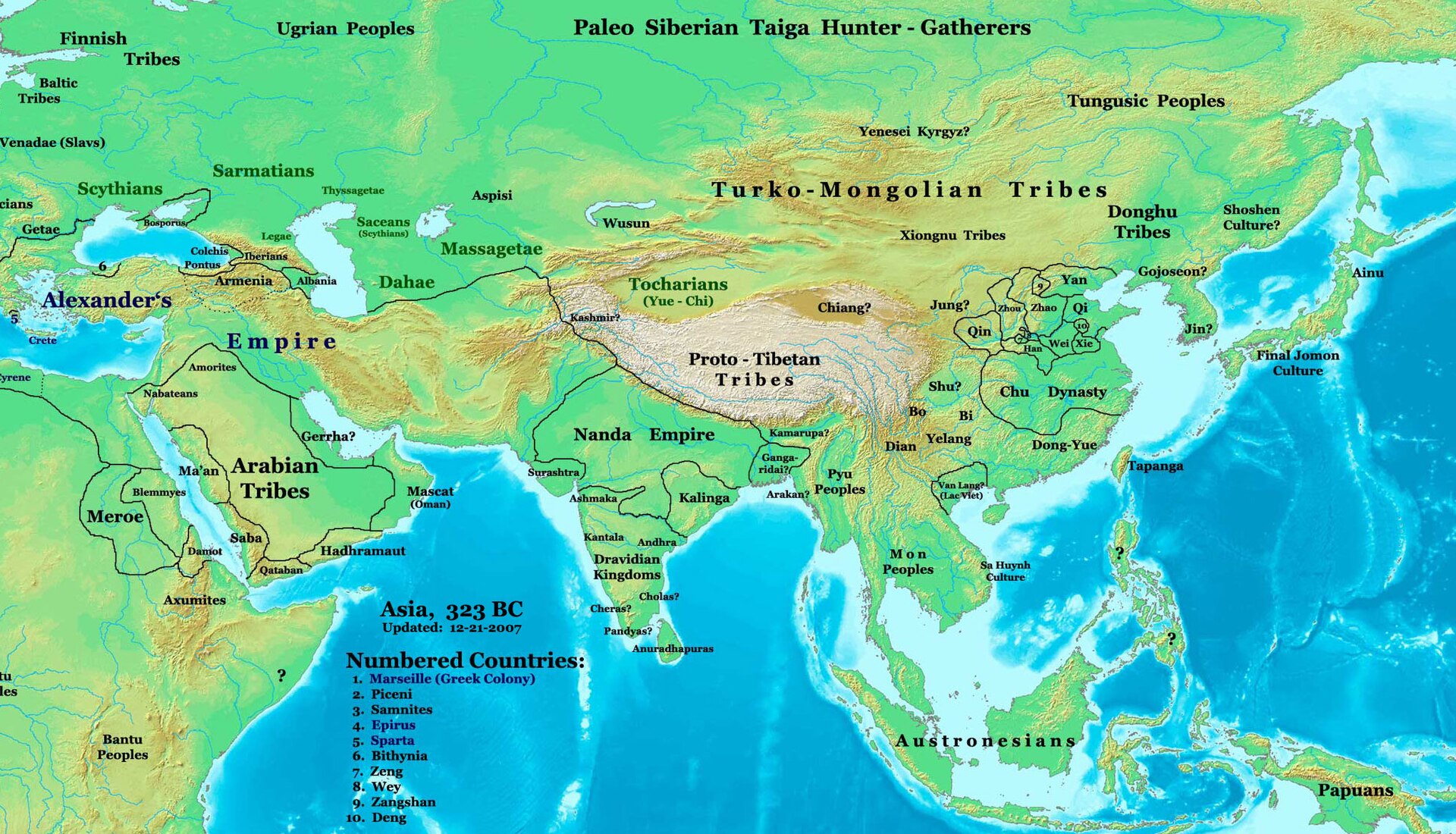
Wikimedia Commons · Creative Commons Attribution 3.0 · file Pursuing Bessus into Sogdiana, Alexander followed him across the Oxus using improvised flotation from tent skins. The exact crossing point is uncertain; coordinates are a representative point near Termez.
Entered Bactria
· Bactria, near Balkh, Afghanistan
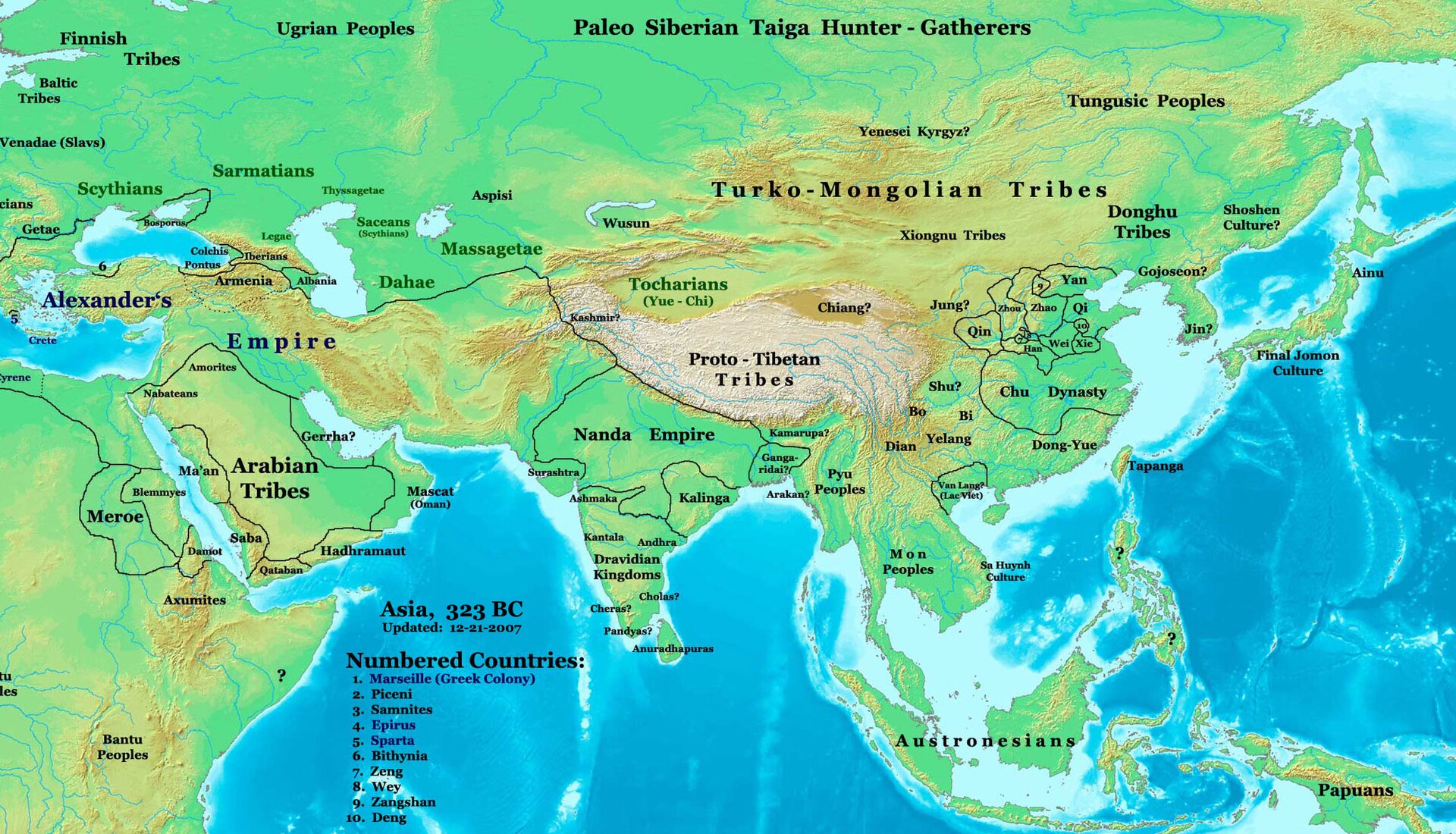
Wikimedia Commons · Creative Commons Attribution 3.0 · file Alexander crossed the Hindu Kush and entered Bactria in pursuit of Bessus. Coordinates use ancient Bactra/Balkh as a representative point for the wider region.
Founded Alexandria Eschate
· Alexandria Eschate (Khujand), Tajikistan
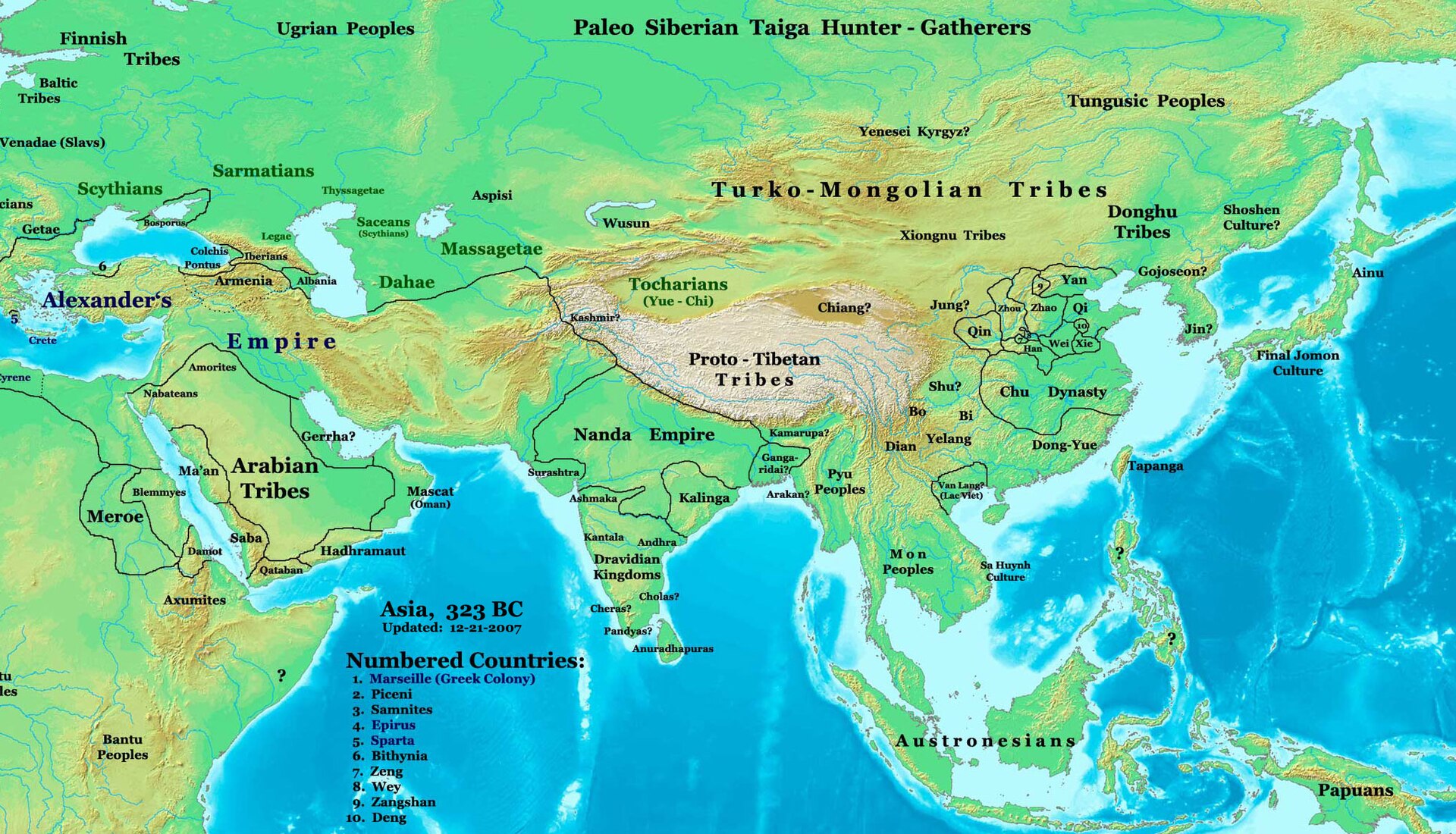
Wikimedia Commons · Creative Commons Attribution 3.0 · file At the Jaxartes frontier Alexander established Alexandria Eschate, his northernmost major foundation.
Wintered at Bactra
· Bactra (Balkh), Balkh Province, Afghanistan
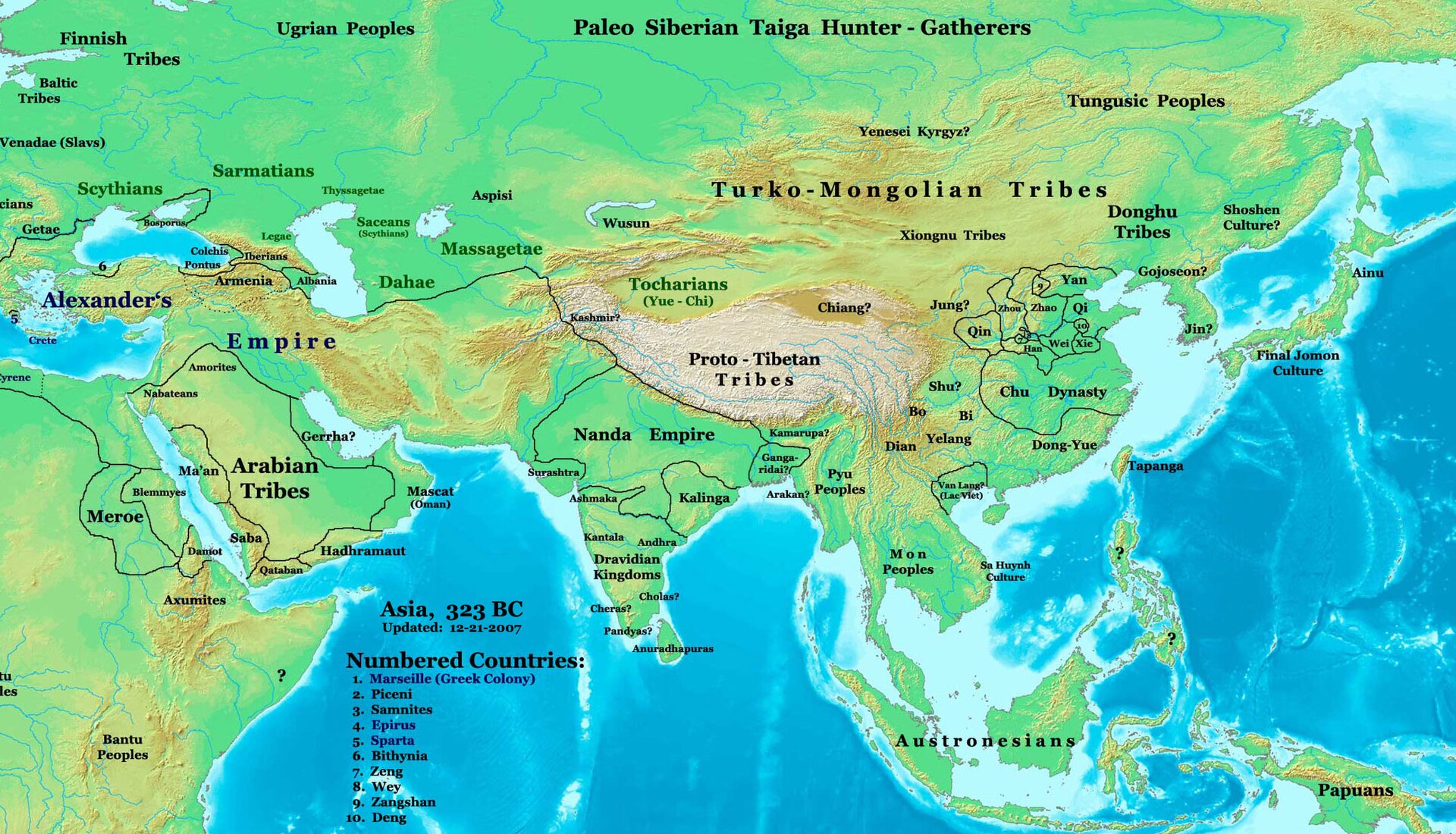
Wikimedia Commons · Creative Commons Attribution 3.0 · file Alexander and his forces used Bactra as a major base during the difficult Sogdian and Bactrian campaigns. Chronology identifies winter 328 BC; year precision is retained.
Stayed at Maracanda
· Maracanda (Samarkand), Uzbekistan
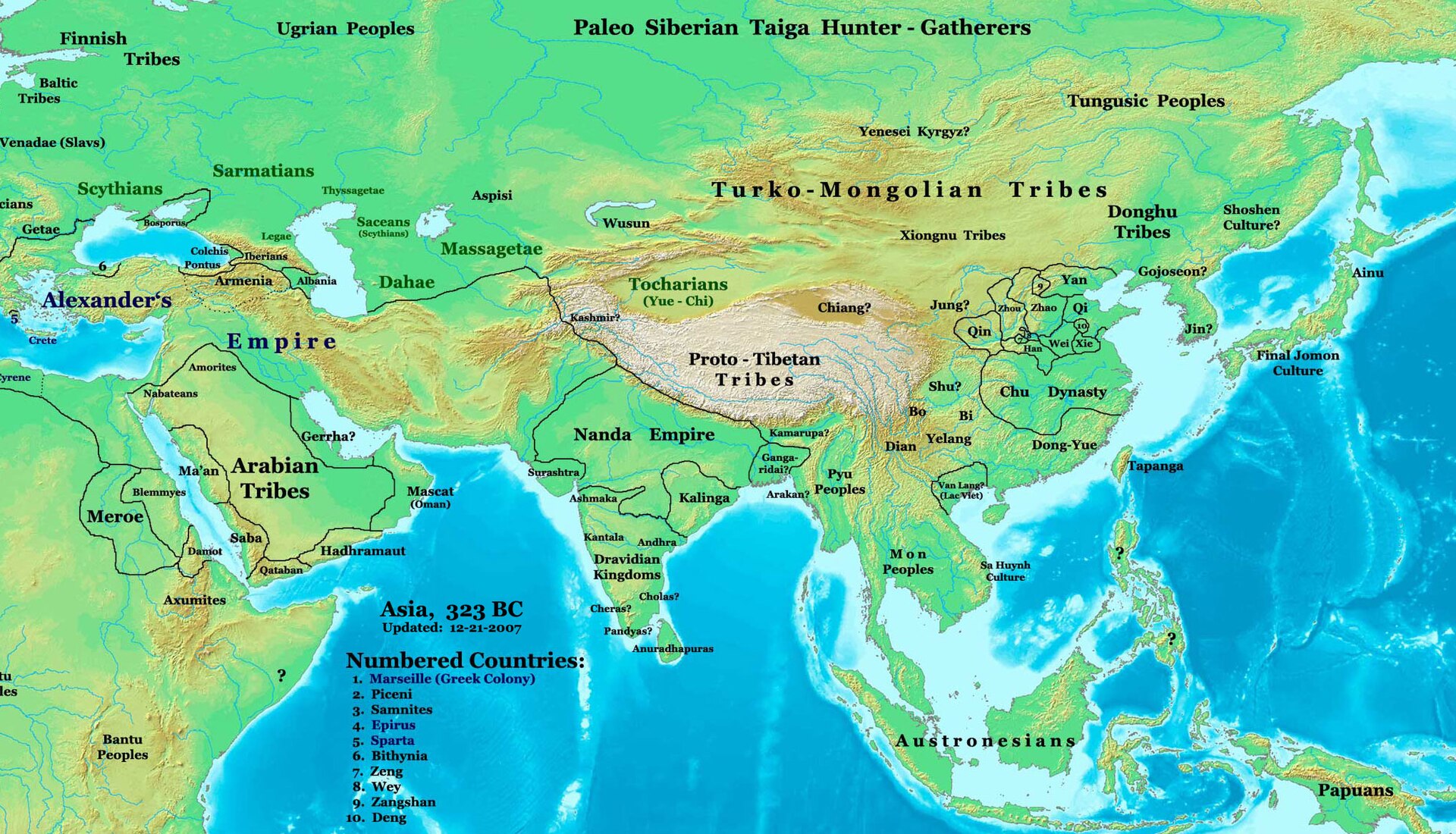
Wikimedia Commons · Creative Commons Attribution 3.0 · file Alexander wintered in Sogdia at Maracanda and nearby Nautaca before the final mountain operations. The chronology gives winter 327 BC; this card represents Maracanda specifically.
Stayed at Nautaca
· Nautaca, likely near Shahrisabz, Uzbekistan
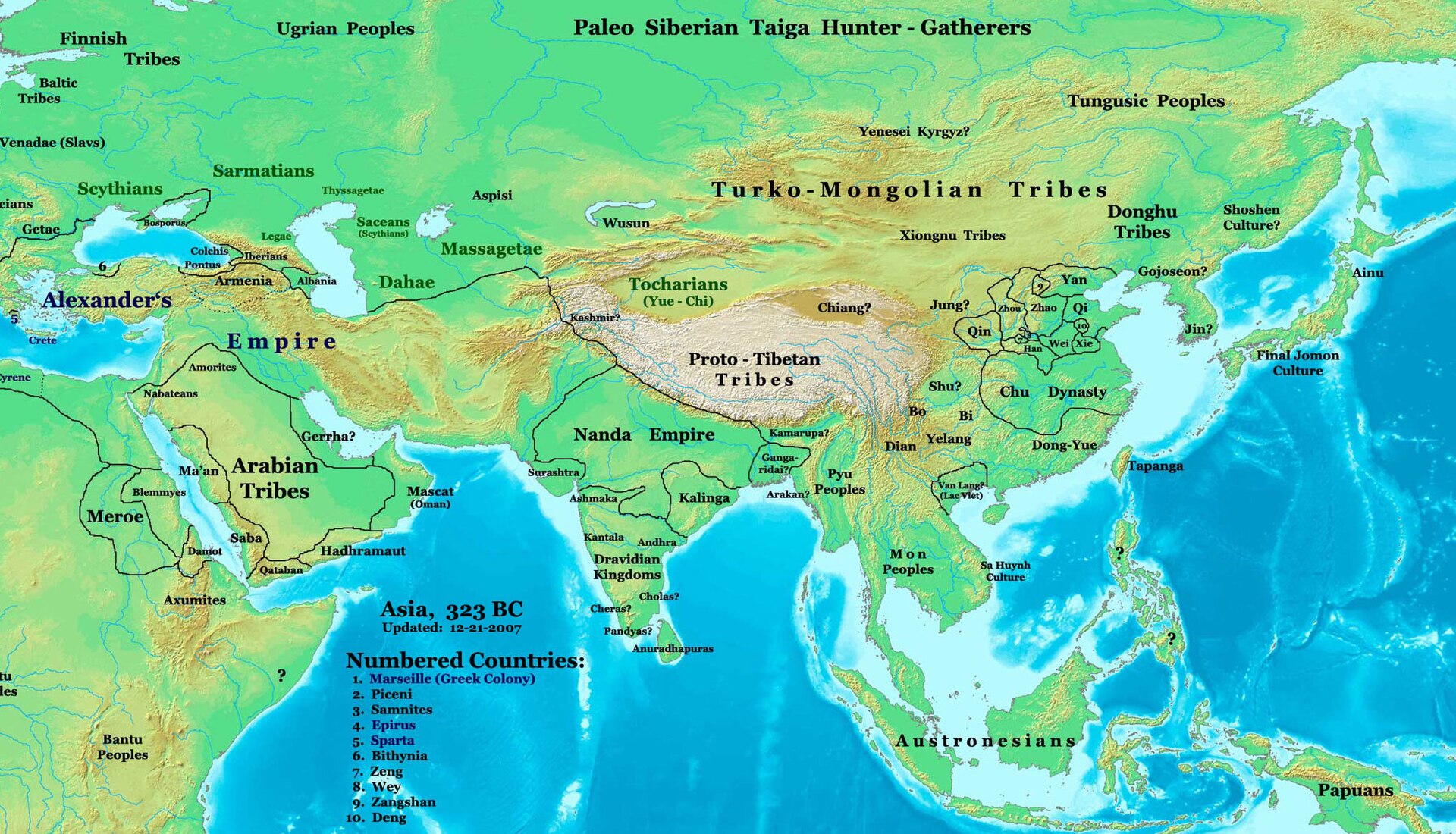
Wikimedia Commons · Creative Commons Attribution 3.0 · file During the same winter campaign phase, Alexander was also at Nautaca, a Sogdian town whose exact site remains uncertain. Nautaca's exact location is unknown; Livius notes that identification with Shahrisabz is possible but not certain.
Encamped on the Hydaspes
· Hydaspes (Jhelum) battlefield region, Punjab, Pakistan
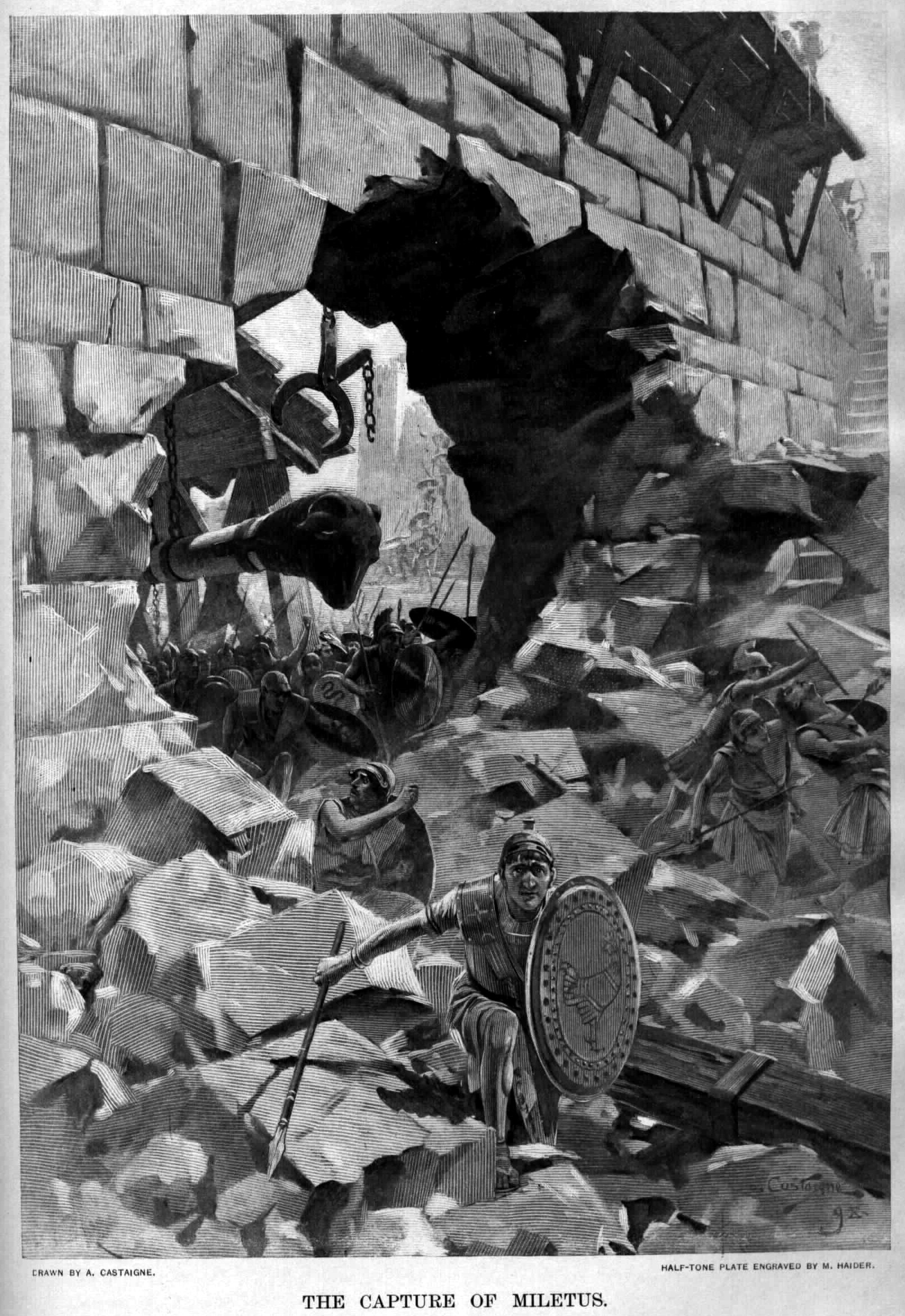
Wikimedia Commons · Public domain · file Before fighting Porus, Alexander camped on the Hydaspes while preparing a concealed river crossing. The exact crossing and battlefield locations are disputed; coordinates are representative.
Reached Taxila
· Taxila, Punjab, Pakistan
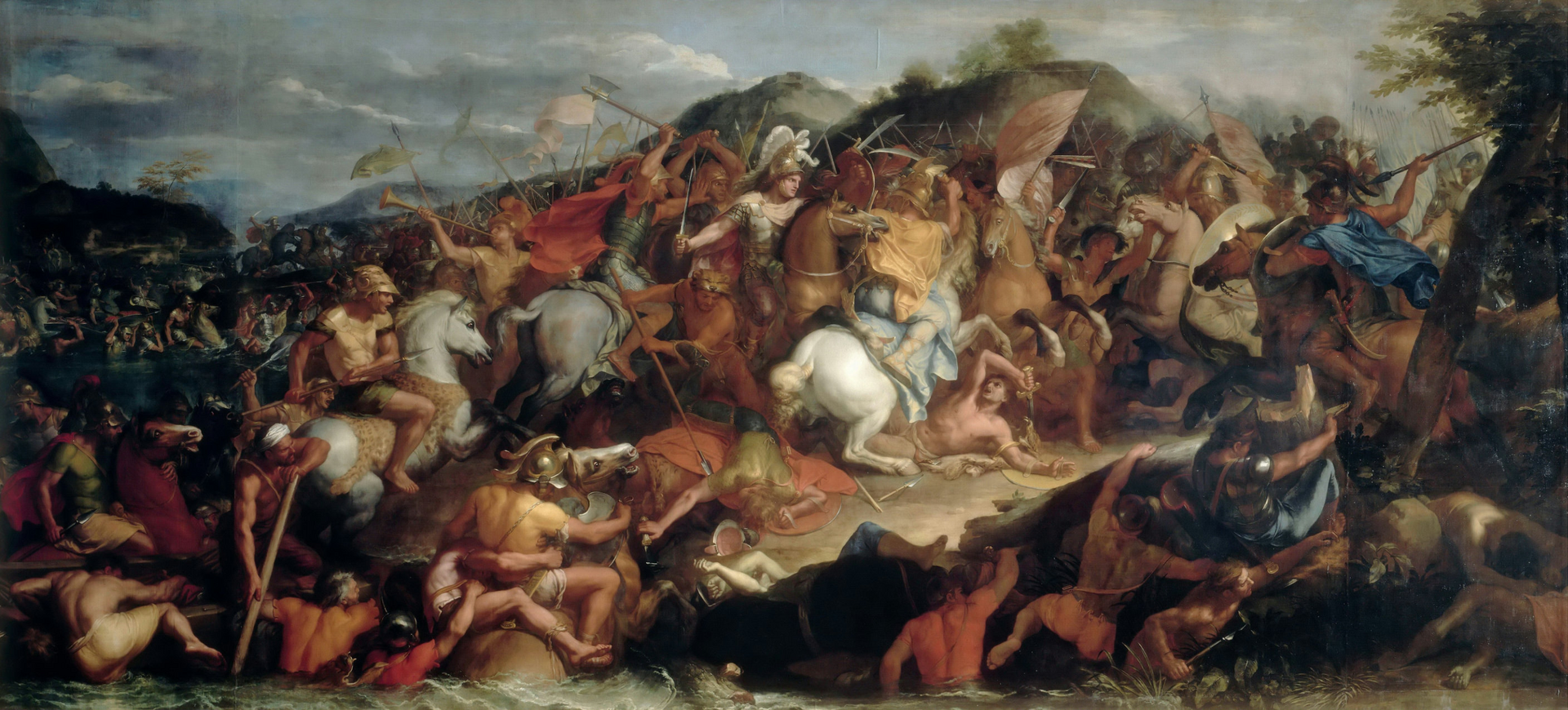
Wikimedia Commons · Public domain · file After the Indus crossing, Alexander advanced to Taxila, whose ruler allied with him before the Hydaspes campaign. Year-level precision is used; the ancient urban complex spans multiple archaeological sites.
Campaigned in the Swat Valley
· Swat Valley, Khyber Pakhtunkhwa, Pakistan
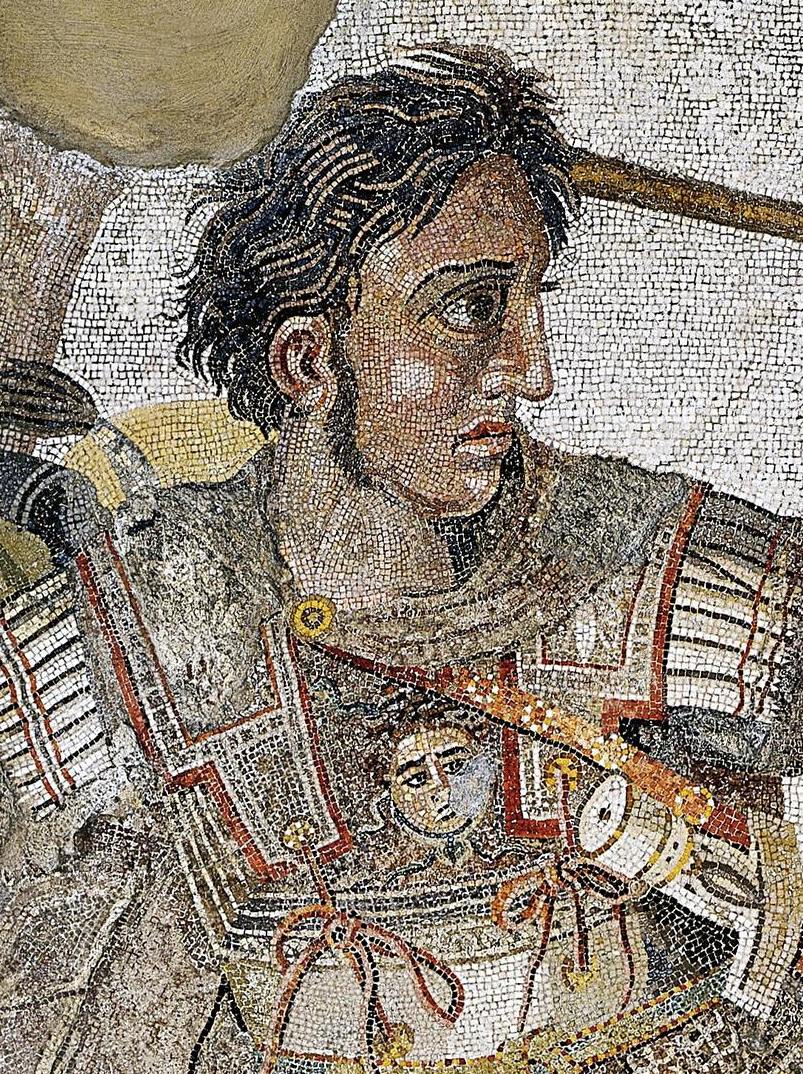
Wikimedia Commons · Public domain · file Alexander moved through the Swat valley during the opening phase of the Indian campaign. The source gives the valley rather than a specific settlement; coordinates are a representative central Swat point.
Captured Aornus
· Aornus, likely Pir Sar, Khyber Pakhtunkhwa, Pakistan
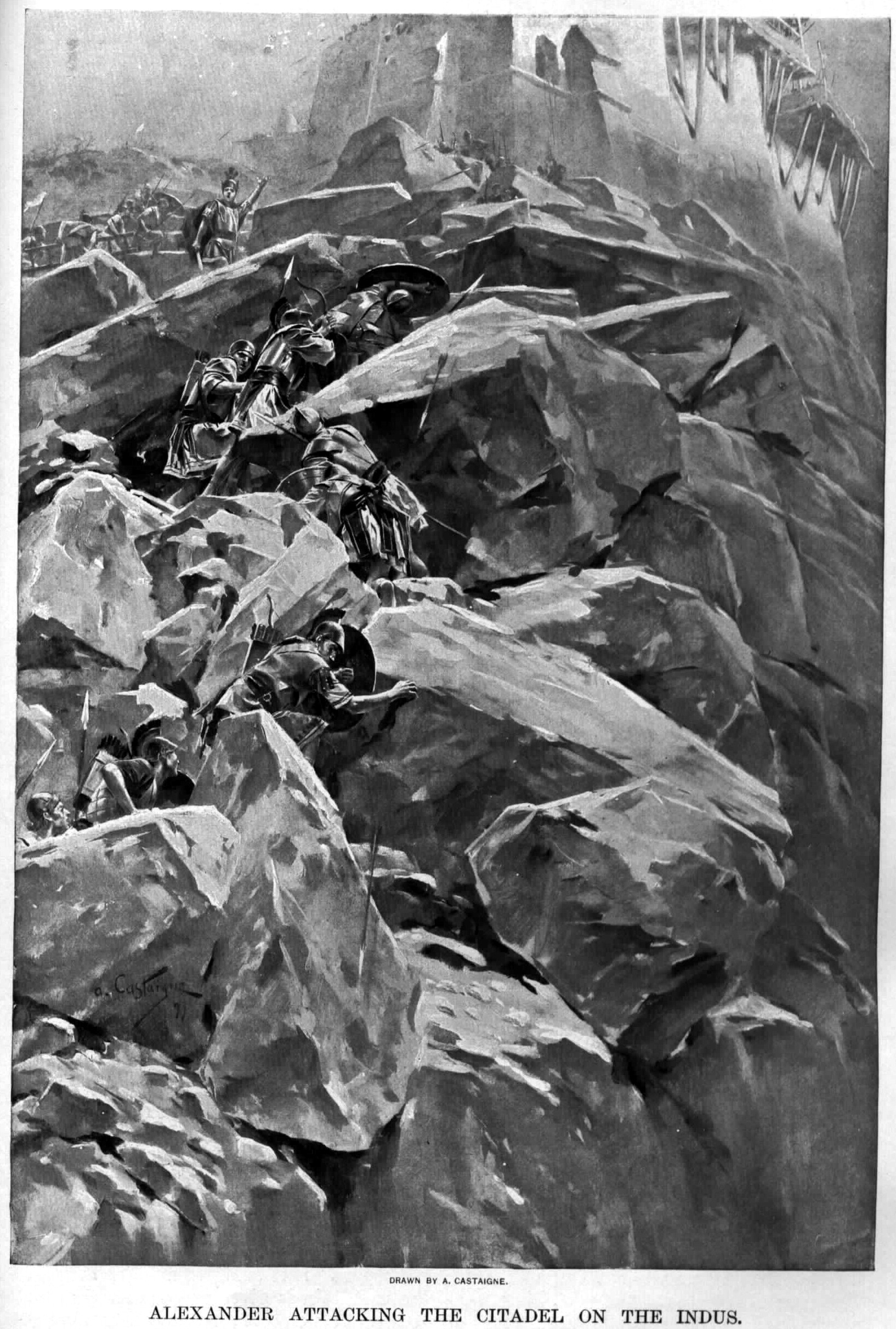
Wikimedia Commons · Public domain · file Alexander captured the mountain stronghold known to Greek sources as Aornus before crossing deeper into the Punjab. Aornus is commonly identified with Pir Sar, but the identification is not certain.
Reached the Hyphasis
· Hyphasis (Beas River), Punjab, India
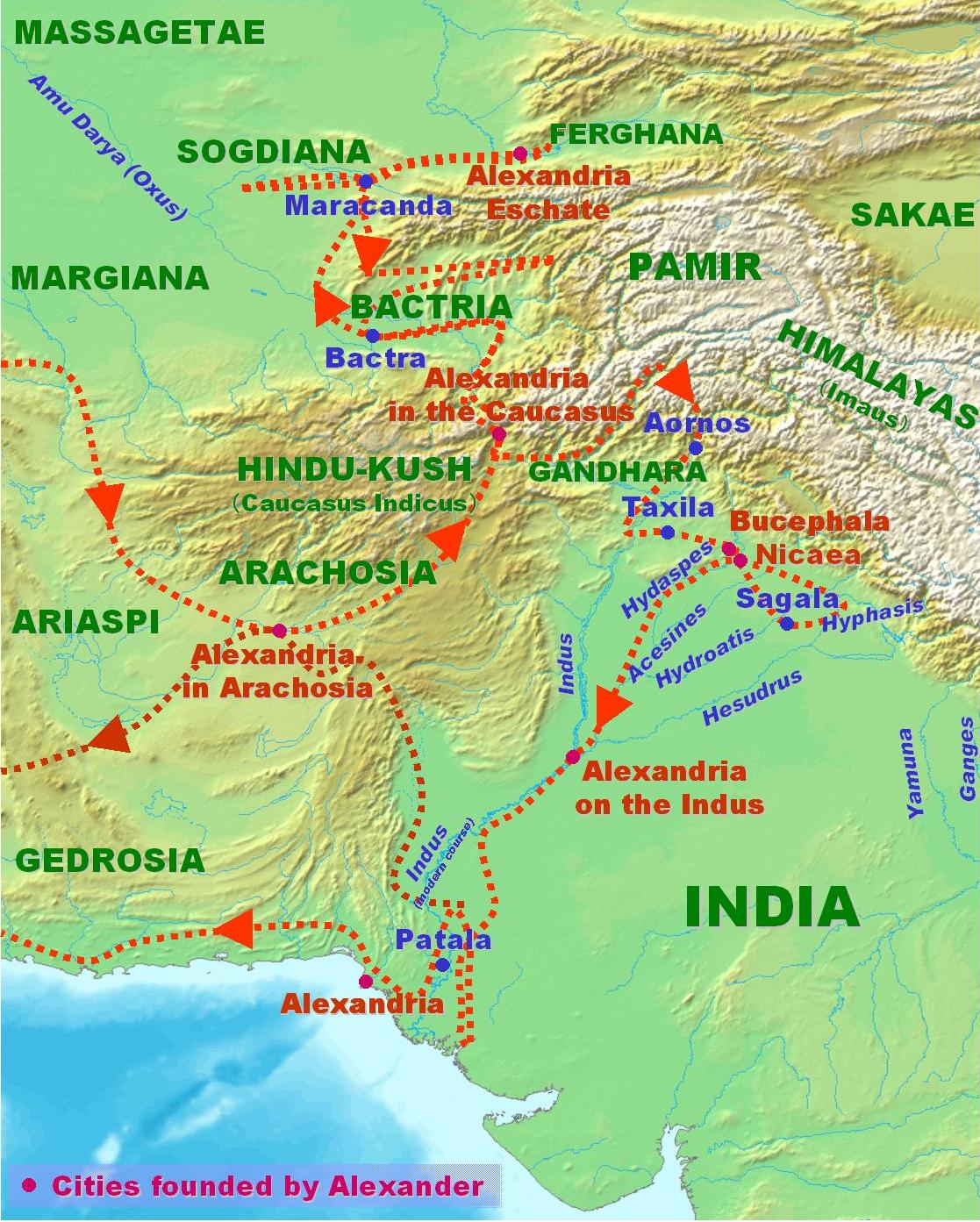
Wikimedia Commons · Public domain · file At the Hyphasis, Alexander's troops refused to continue farther east, forcing the expedition to turn back. The exact camp on the Hyphasis is not securely identified; coordinates are representative.
Led the voyage down the Hydaspes
· Hydaspes (Jhelum River), Punjab, Pakistan
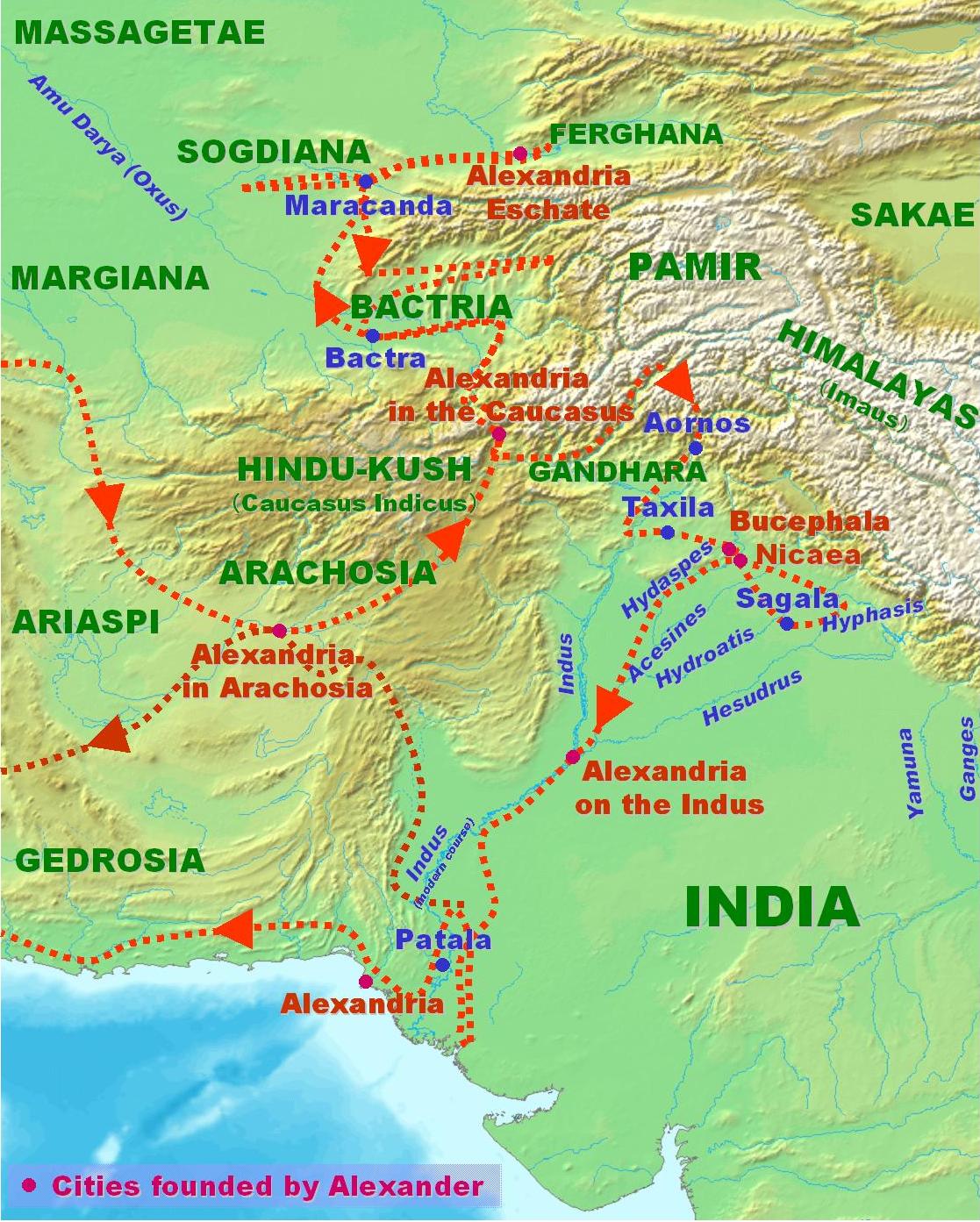
Wikimedia Commons · Public domain · file Alexander began the riverine return by taking the fleet down the Hydaspes toward the Indus system. The quotation establishes Alexander aboard the fleet; the river identification comes from the chapter context. Coordinates represent the downstream Hydaspes route.
Arrived in Carmania
· Carmania, Kerman Province, Iran
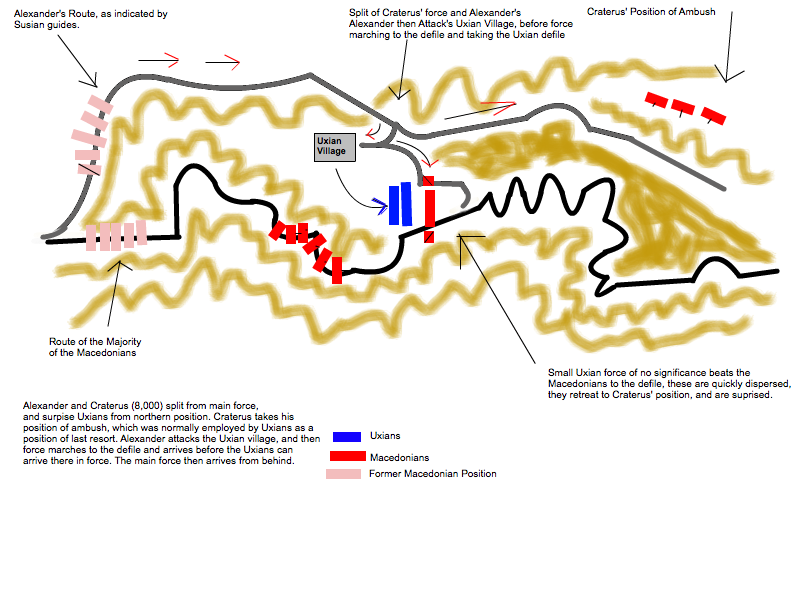
Wikimedia Commons · Creative Commons Attribution-Share Alike 3.0 · file Emerging from Gedrosia, Alexander reached Carmania, where his exhausted forces again found abundant supplies. Carmania was a broad region; coordinates are representative of southern Kerman Province.
Crossed Gedrosia
· Gedrosia (Makran), Balochistan, Pakistan/Iran
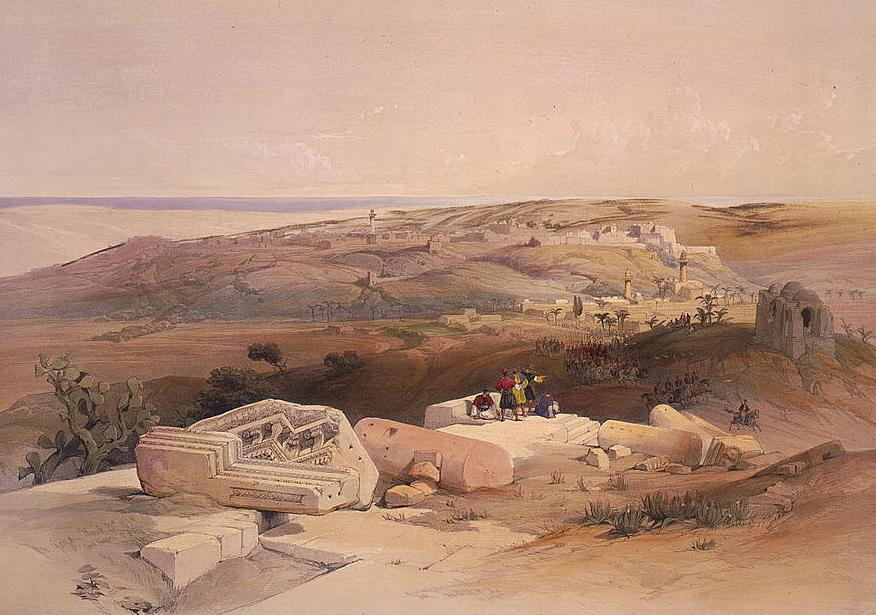
Wikimedia Commons · Creative Commons Attribution-Share Alike 3.0 · file Alexander led the main army through Gedrosia, one of the hardest marches of the expedition. Gedrosia is a broad region and the exact route is debated; coordinates are representative.
Wounded in Mallian territory
· Mallian territory, Punjab, Pakistan
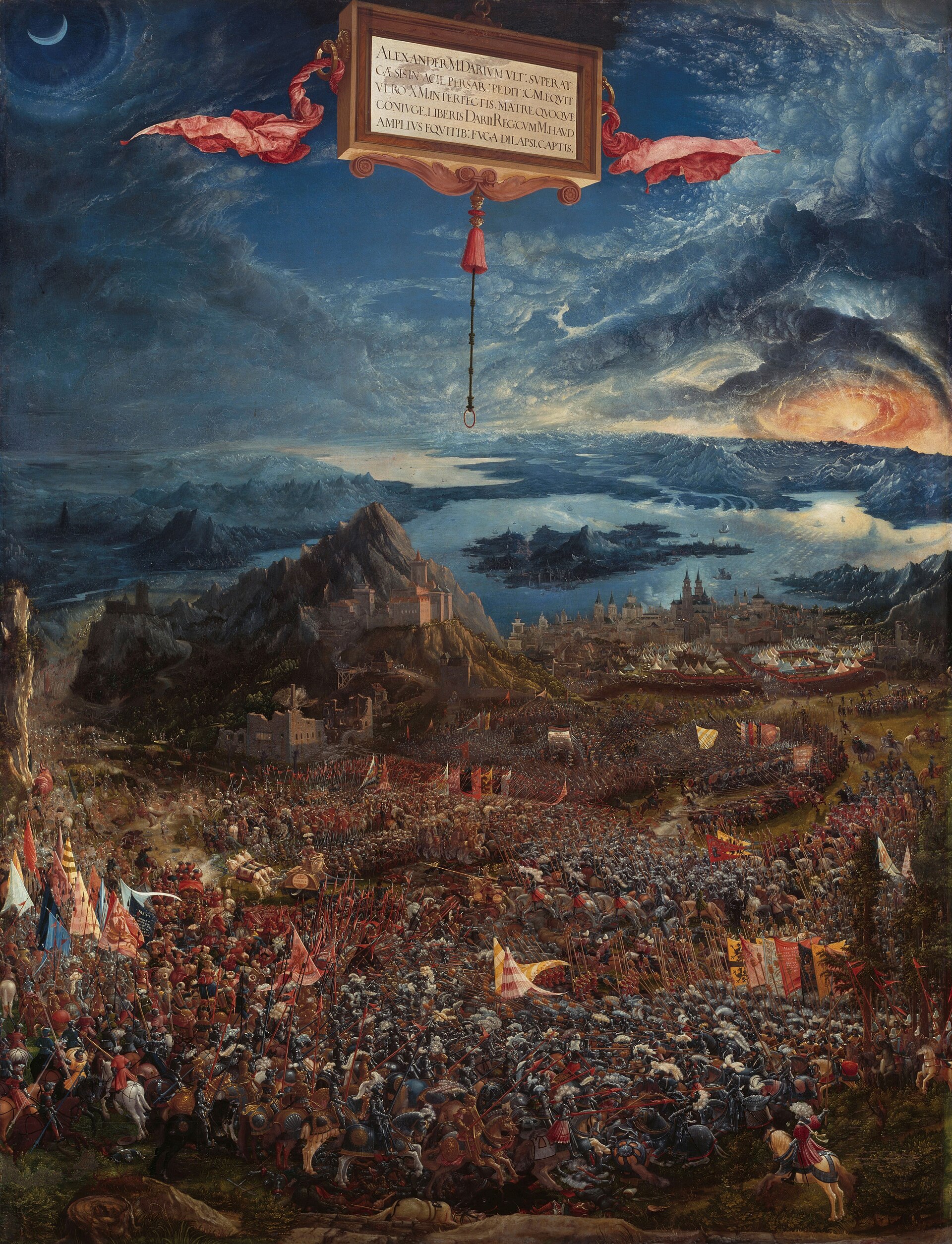
Wikimedia Commons · Public domain · file Alexander was severely wounded while storming a Mallian stronghold during the Indus-valley return campaign. The wounded city is traditionally linked with Multan, but the identification is not certain; coordinates are representative of the Mallian region.
Reached Patala
· Patala, Indus Delta region, Sindh, Pakistan
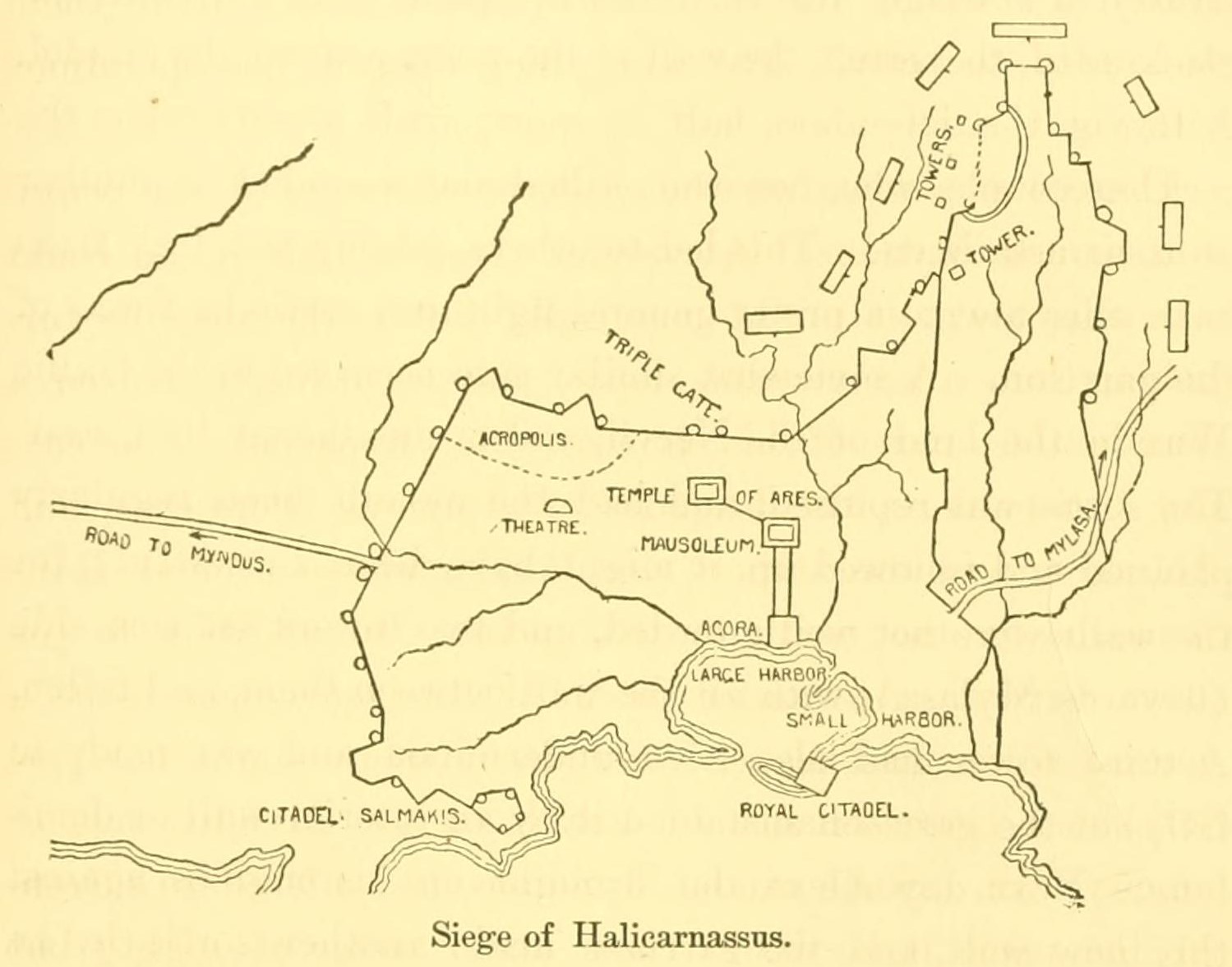
Wikimedia Commons · Public domain · file Alexander reached Patala in the Indus delta area, where harbor and naval preparations were made before the split return routes. Aristobulus placed arrival around the rising of Sirius, approximately July 325 BCE. The exact site is uncertain and the delta has shifted substantially.
Met Nearchus in Carmania
· Carmania, Kerman Province, Iran
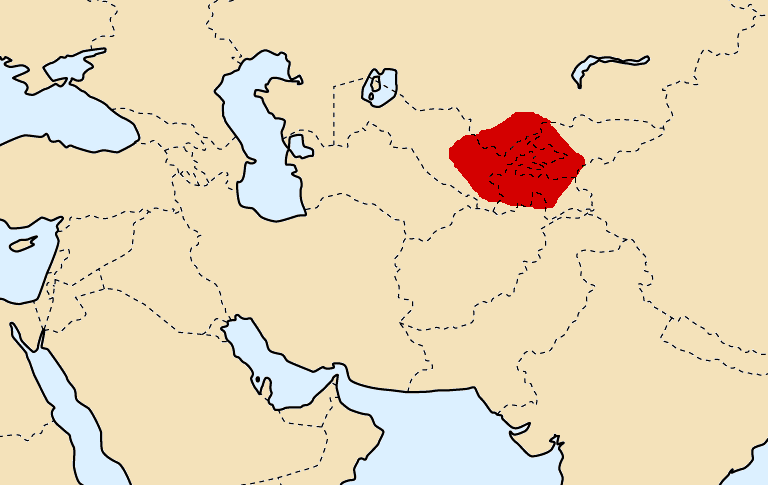
Wikimedia Commons · Creative Commons Attribution-Share Alike 3.0 · file Alexander met Nearchus after the fleet's hazardous voyage along the Makran and Persian Gulf coasts. The source gives the region rather than an exact settlement; coordinates are representative.
Visited Cyrus' tomb at Pasargadae
· Pasargadae, Fars Province, Iran
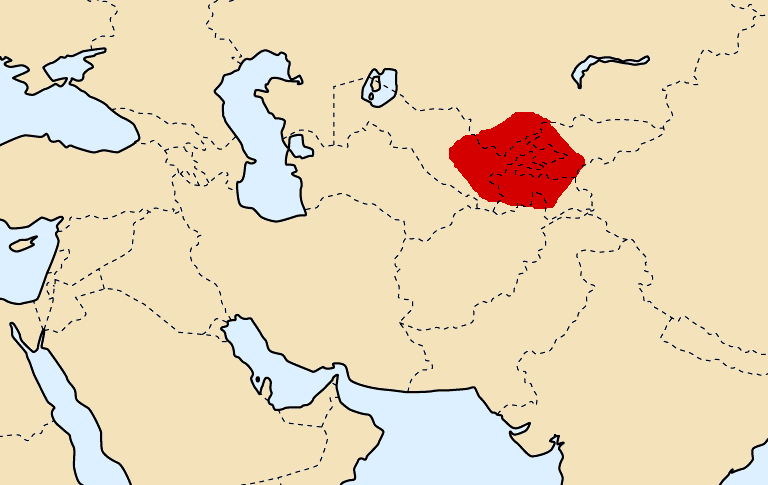
Wikimedia Commons · Public domain · file On his return through Persia, Alexander visited Pasargadae and the tomb of Cyrus the Great. The source allows January or February; year-level precision is used.
Held the Susa marriages
· Susa, Khuzestan Province, Iran
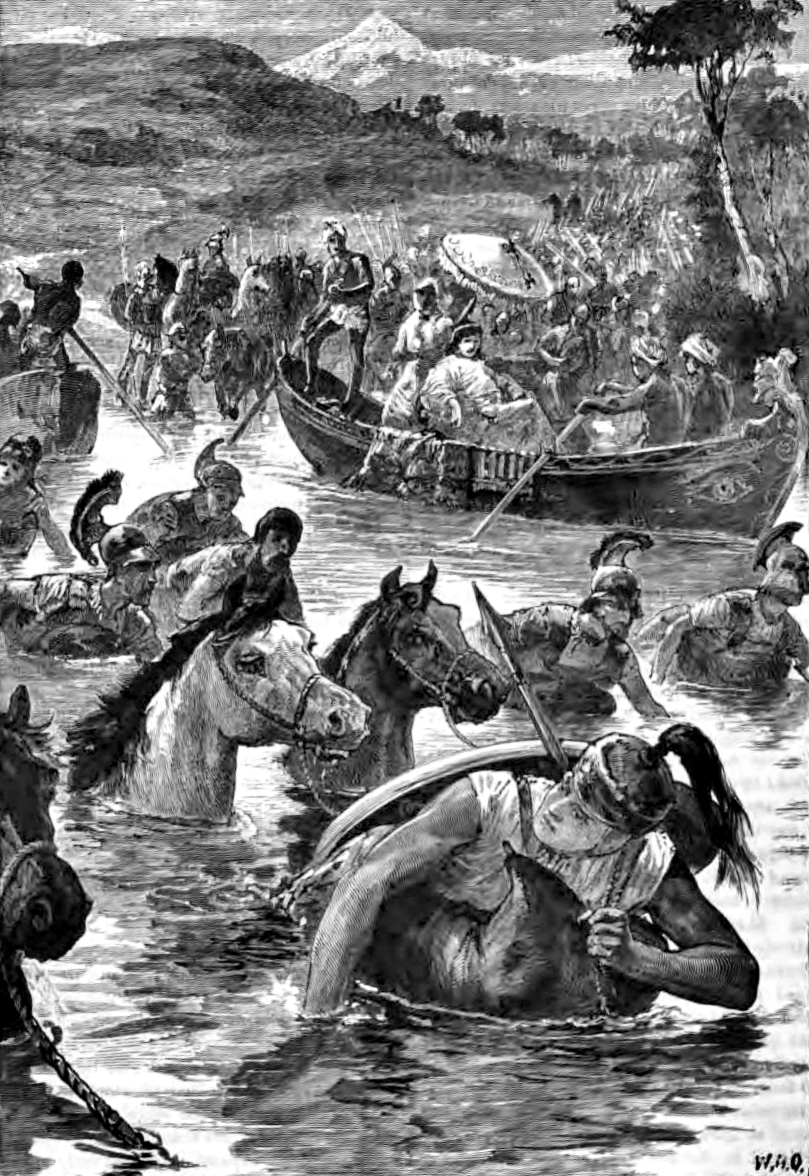
Wikimedia Commons · Public domain · file Alexander remained at Susa for the mass marriages linking Macedonian officers with Persian aristocratic families; he himself married two Achaemenid princesses. Livius places Alexander at Susa in spring 324 BCE; month-level chronology varies among reconstructions.
Faced the mutiny at Opis
· Opis, near Baghdad, Iraq
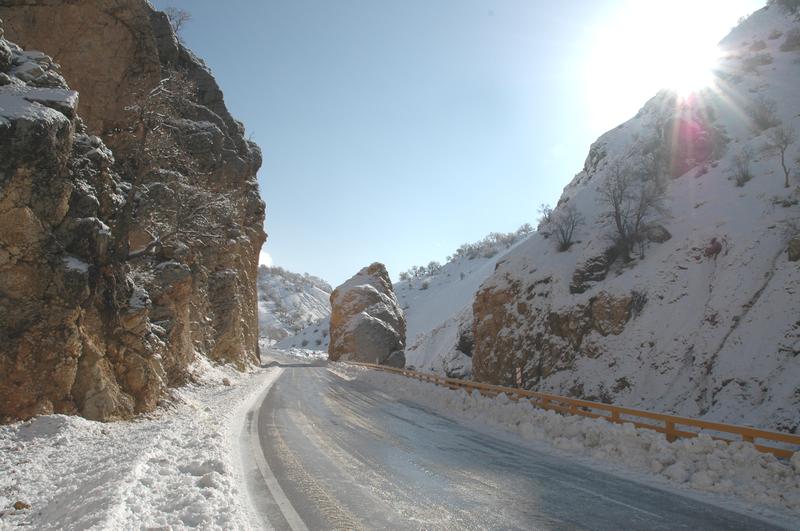
Wikimedia Commons · Public domain · file At Opis, Alexander confronted a major army mutiny over demobilization and the integration of Iranian soldiers. The source dates the mutiny to August 324 BCE. The exact archaeological location of Opis is uncertain; coordinates are representative.
Stayed at Ecbatana
· Ecbatana (Hamadan), Hamadan Province, Iran
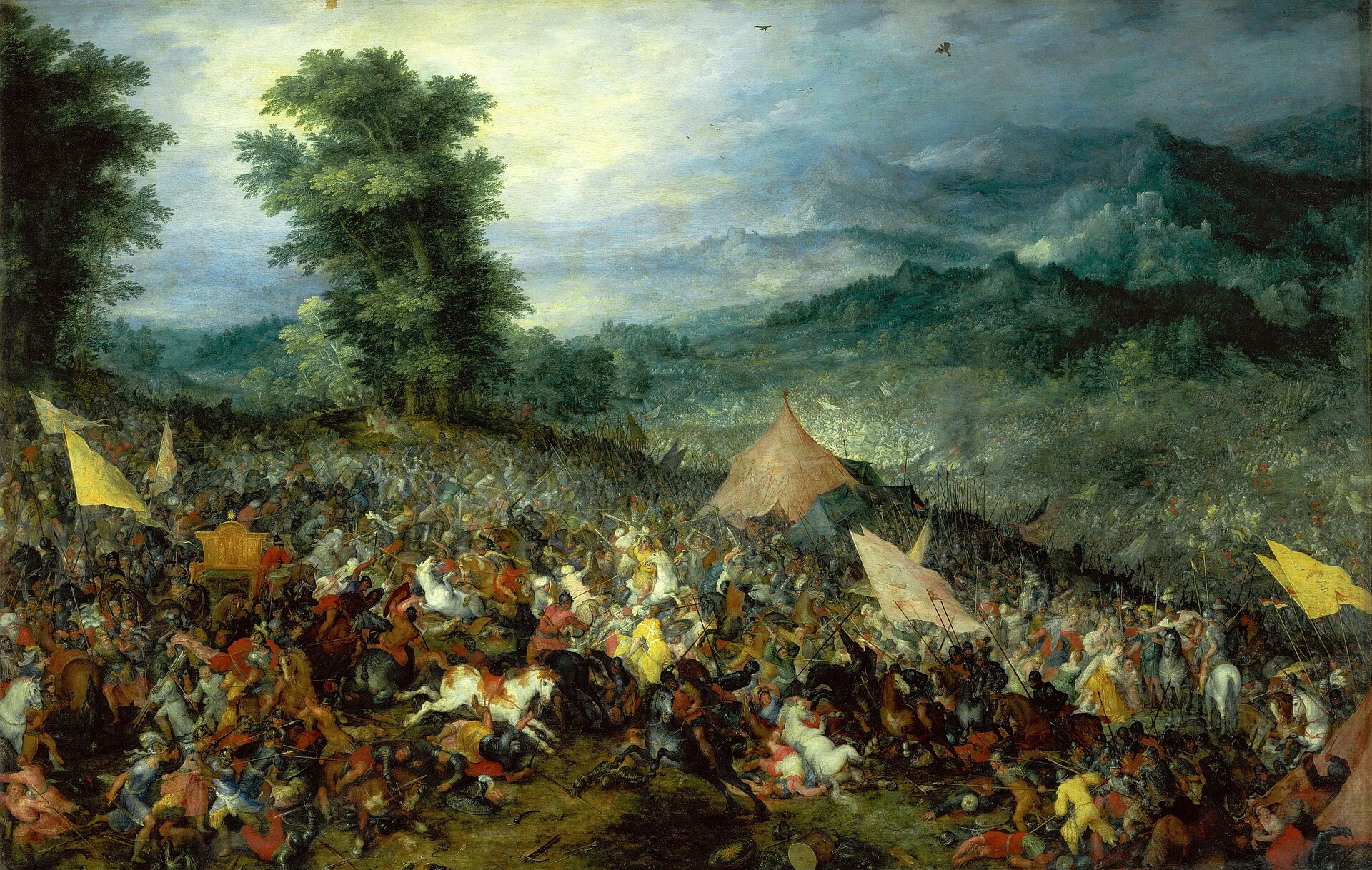
Wikimedia Commons · Public domain · file Alexander was at Ecbatana when Hephaestion fell ill and died, one of the most consequential personal losses of his reign.
Returned to Babylon
· Babylon, Babil Governorate, Iraq
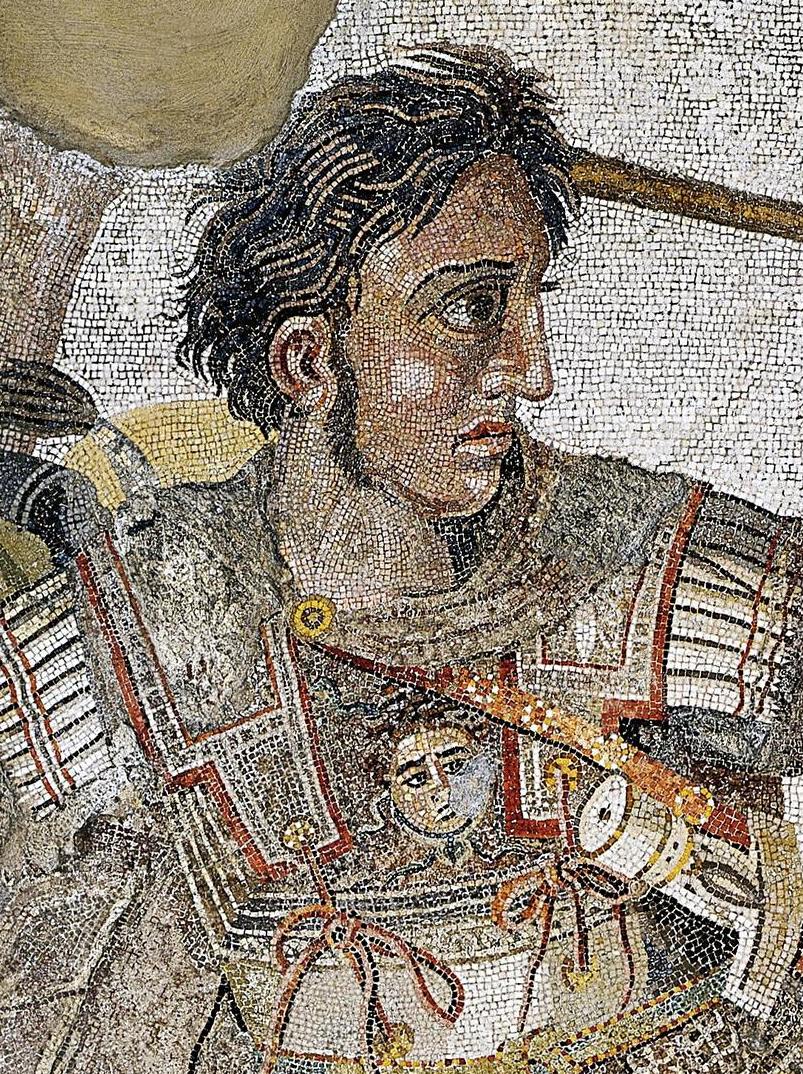
Wikimedia Commons · Public domain · file Alexander returned to Babylon in the spring of 323 BC despite warnings from Chaldaean diviners.
Died in Babylon
· Babylon, Babil Governorate, Iraq
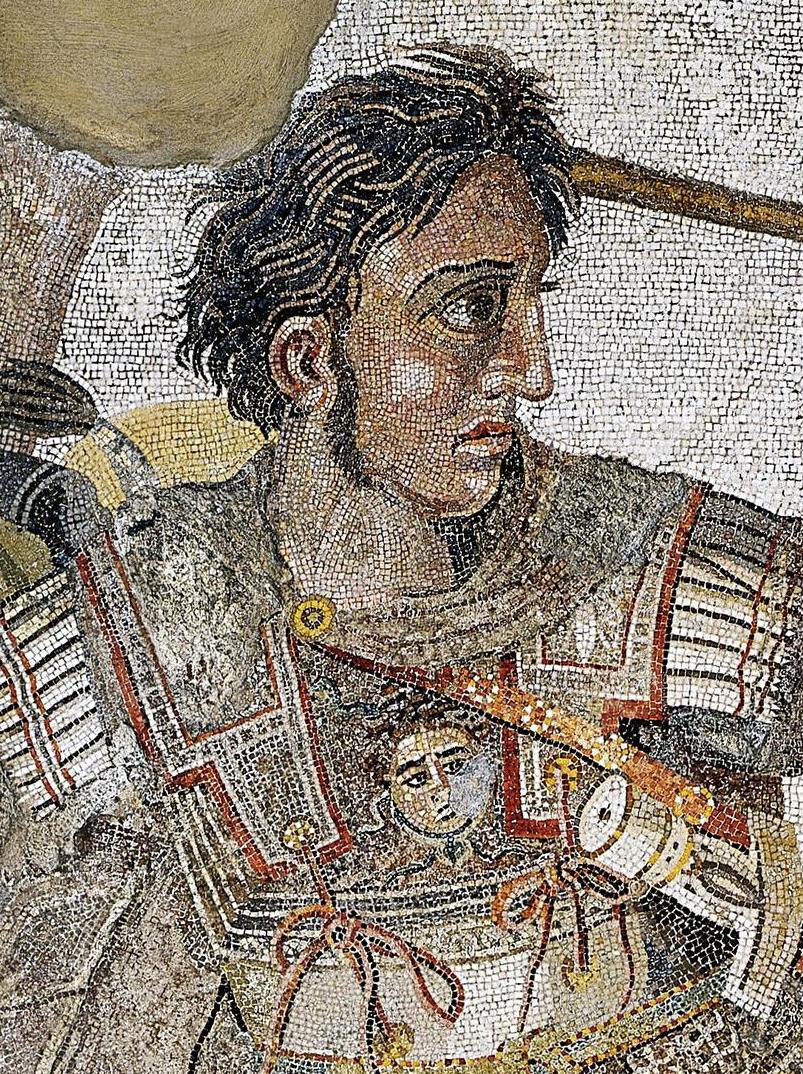
Wikimedia Commons · Public domain · file Alexander died in Babylon after a short final illness. The date 11 June 323 BC is supported by Babylonian astronomical evidence. The cited page is specifically about Alexander’s death in Babylon; the date is supported by Babylonian astronomical evidence.