
13 moments
Royal residence at Babylon
· Royal Palace, Babylon, Babylonia
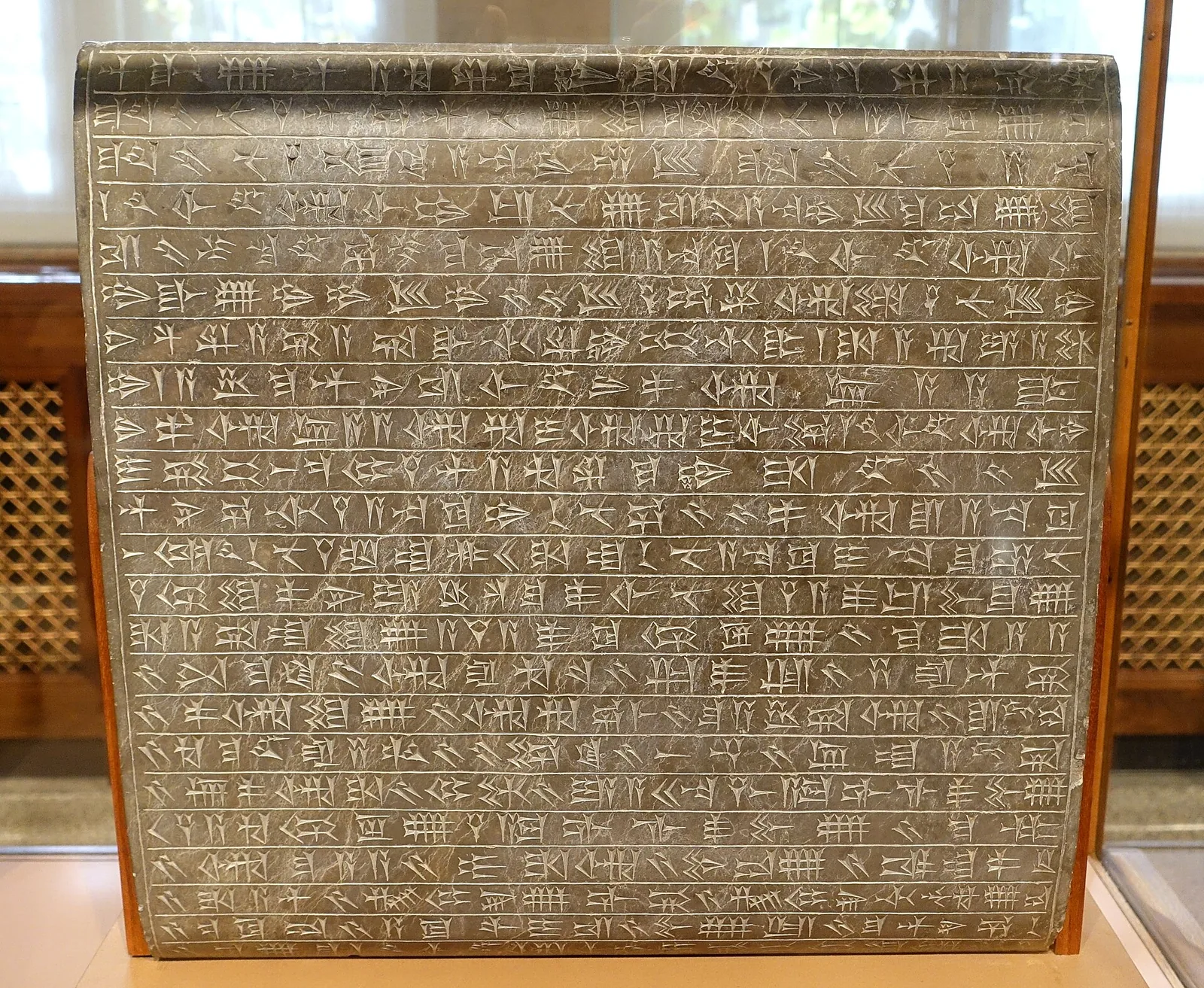
Wikimedia Commons · Creative Commons CC0 1.0 Universal Public Domain Dedication. · file Xerxes resided in the royal palace of Babylon from 498 BC, during his years as crown prince under Darius I. The exact palace location is represented by the archaeological site of Babylon.
Egyptian revolt campaign
· Egypt
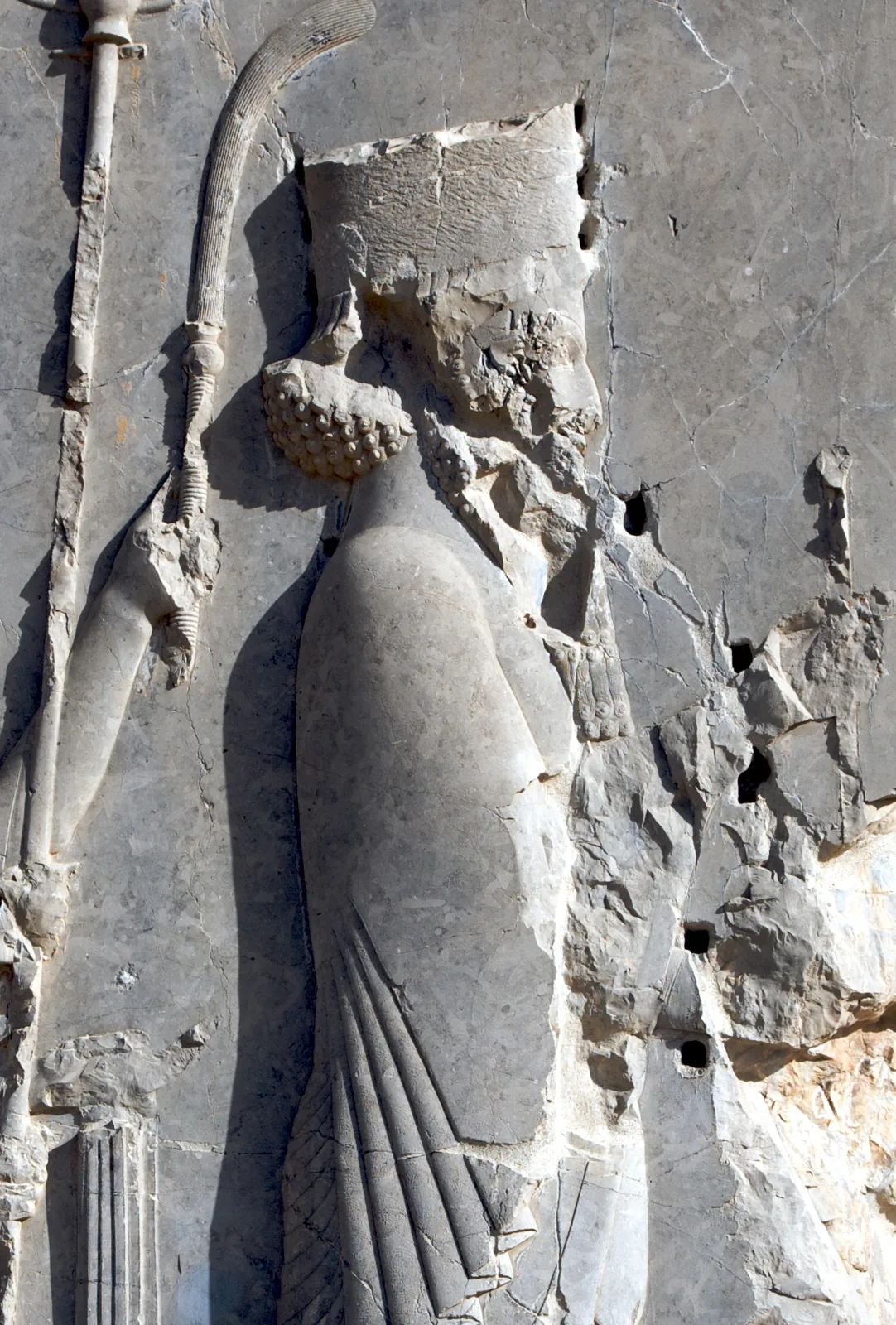
Wikimedia Commons · Creative Commons CC0 1.0 Universal Public Domain Dedication. · file Soon after his accession, Xerxes personally led the campaign that suppressed the Egyptian revolt; the revolt was suppressed in January 484 BC. The source establishes Xerxes's presence in Egypt but does not identify a specific city; coordinates are a representative point for Egypt.
Winter quarters before the Greek invasion
· Sardis, Lydia, Anatolia
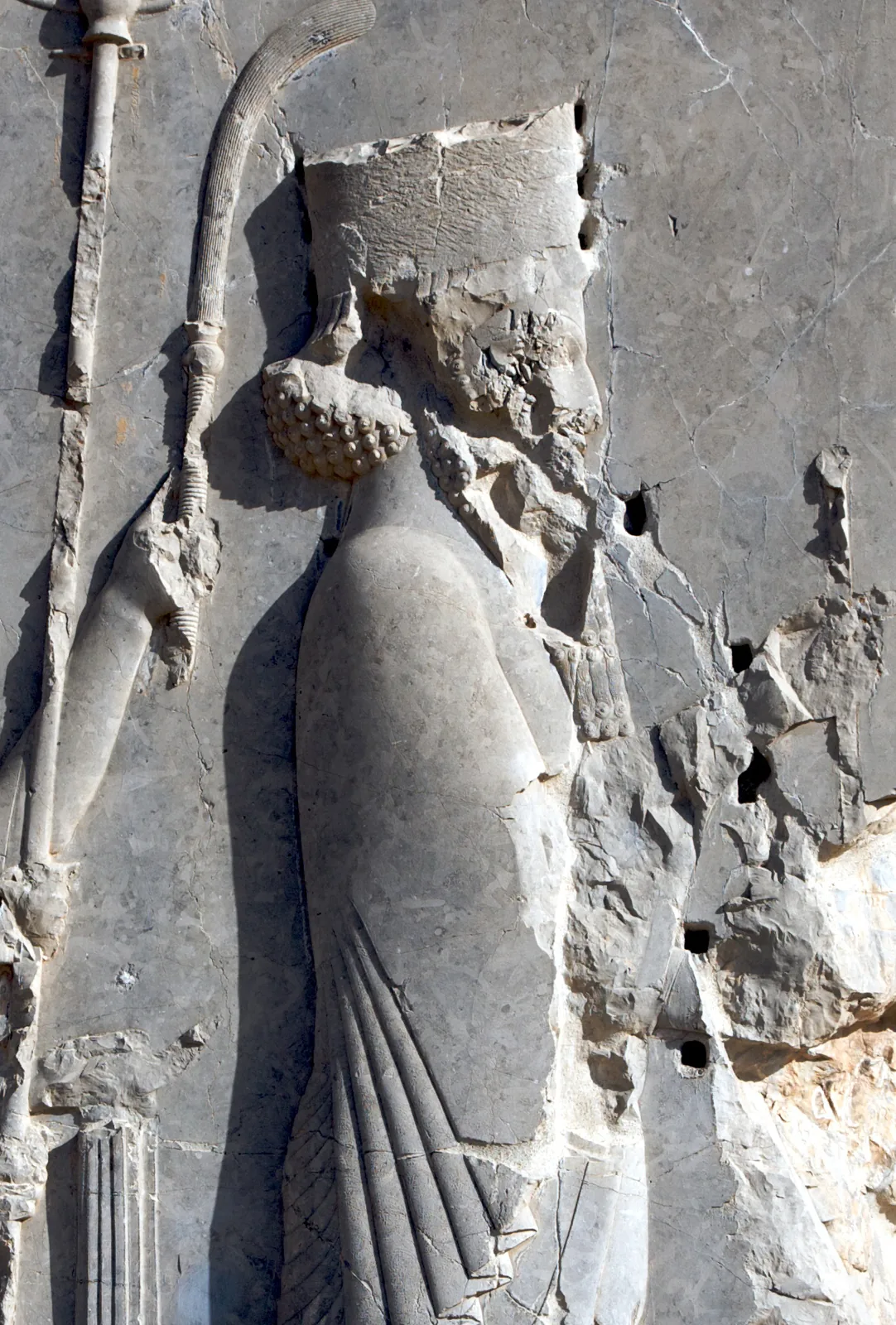
Wikimedia Commons · Creative Commons CC0 1.0 Universal Public Domain Dedication. · file Xerxes led the eastern-satrapy forces to Sardis, where the army spent the winter before advancing toward the Hellespont. The source dates the wintering at Sardis to 481–480 BC; this card uses the earliest supported year.
Crossing of the Hellespont
· Hellespont at Abydos, between Anatolia and Thrace
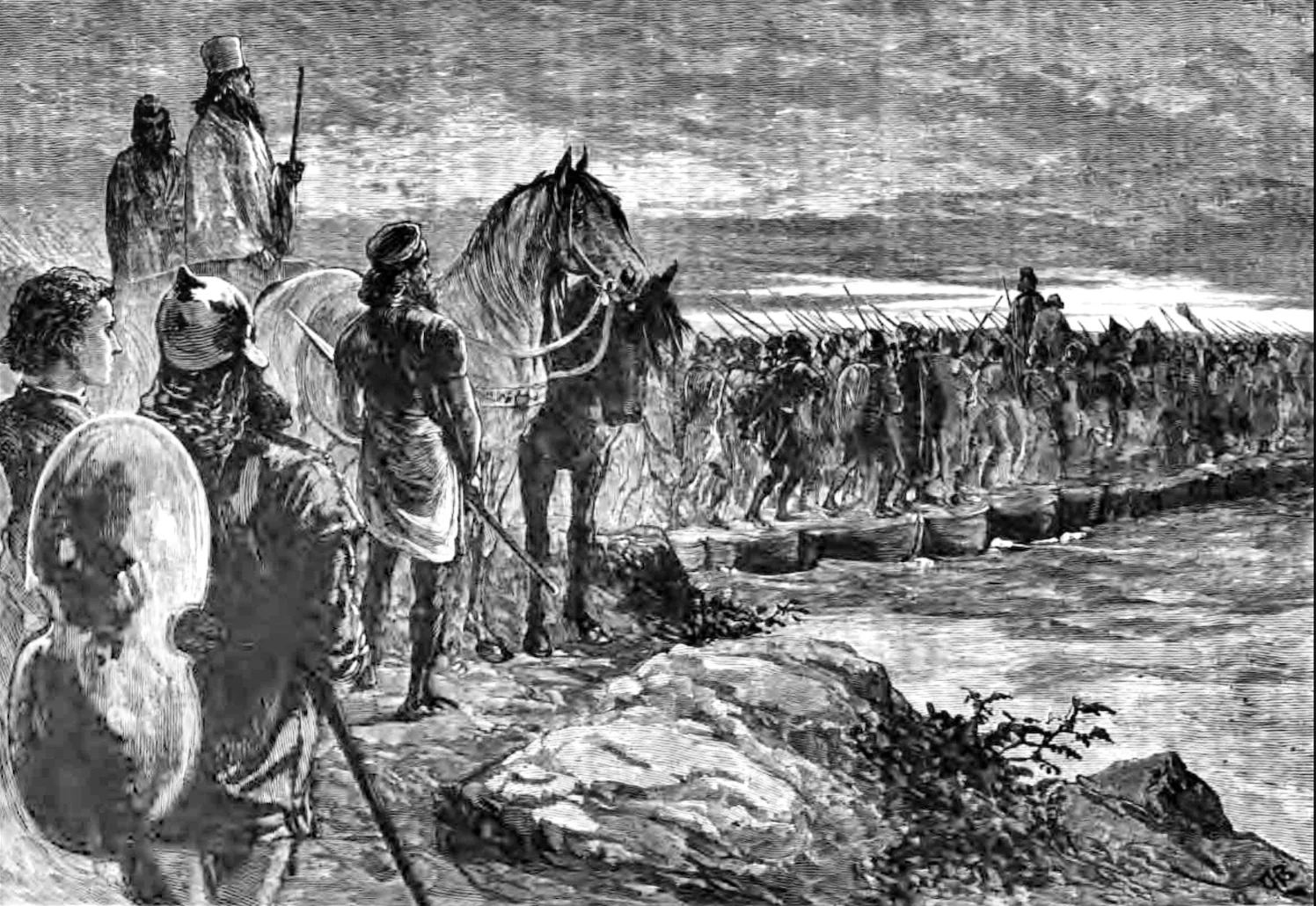
Wikimedia Commons · Public domain · file Xerxes crossed from Abydos into Europe with his army using the pontoon bridge over the Hellespont. Coordinates mark a representative point in the historically reported bridge-crossing corridor between Abydos and Sestos.
Departure from Sardis
· Sardis, Lydia, Anatolia
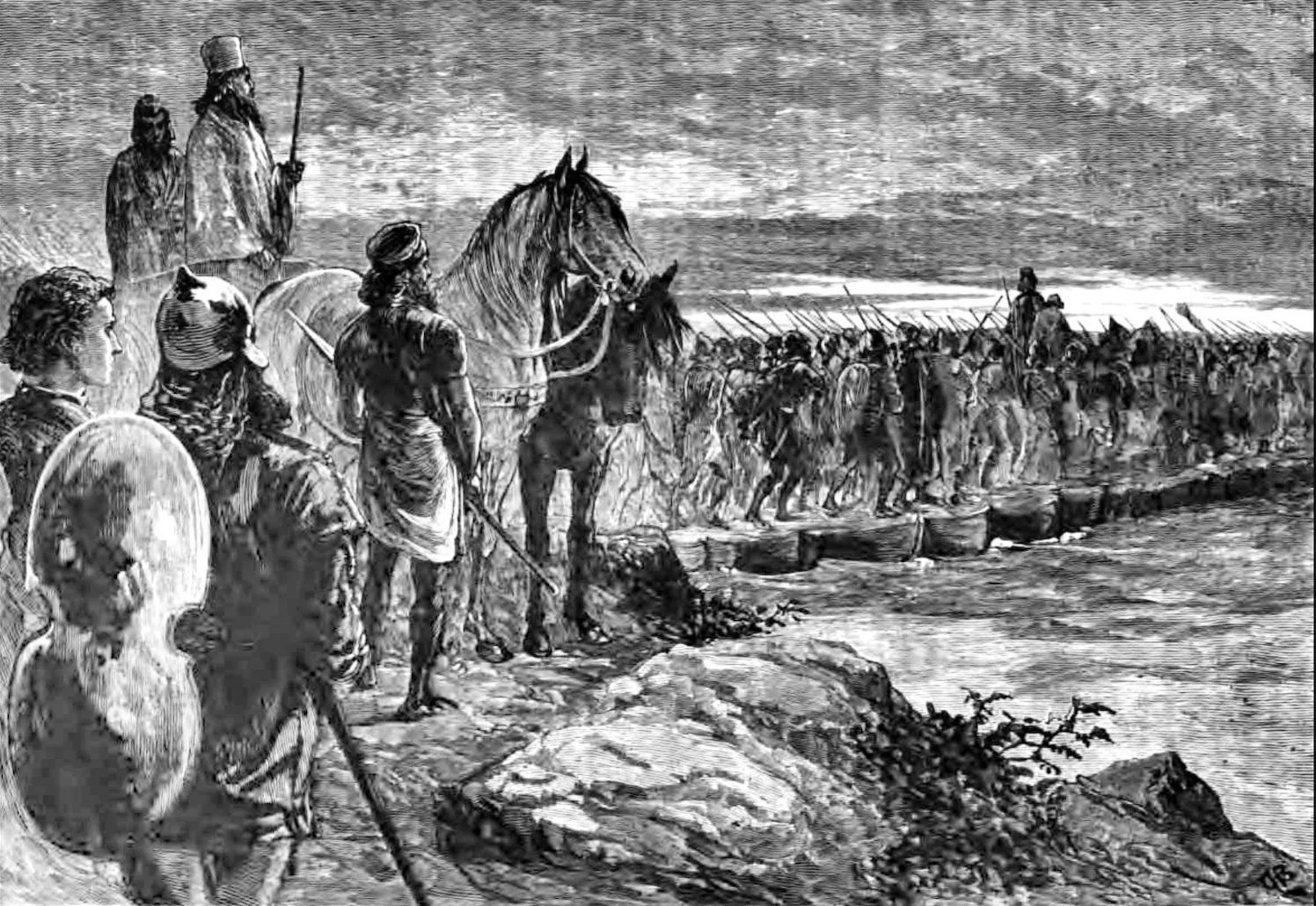
Wikimedia Commons · Public domain · file Xerxes reached Sardis during the invasion march and sent heralds to Greek cities before preparing to proceed to Abydos. The canonical chronology places his departure from Sardis in spring 480 BC.
March through Celaenae
· Celaenae, Phrygia, Anatolia
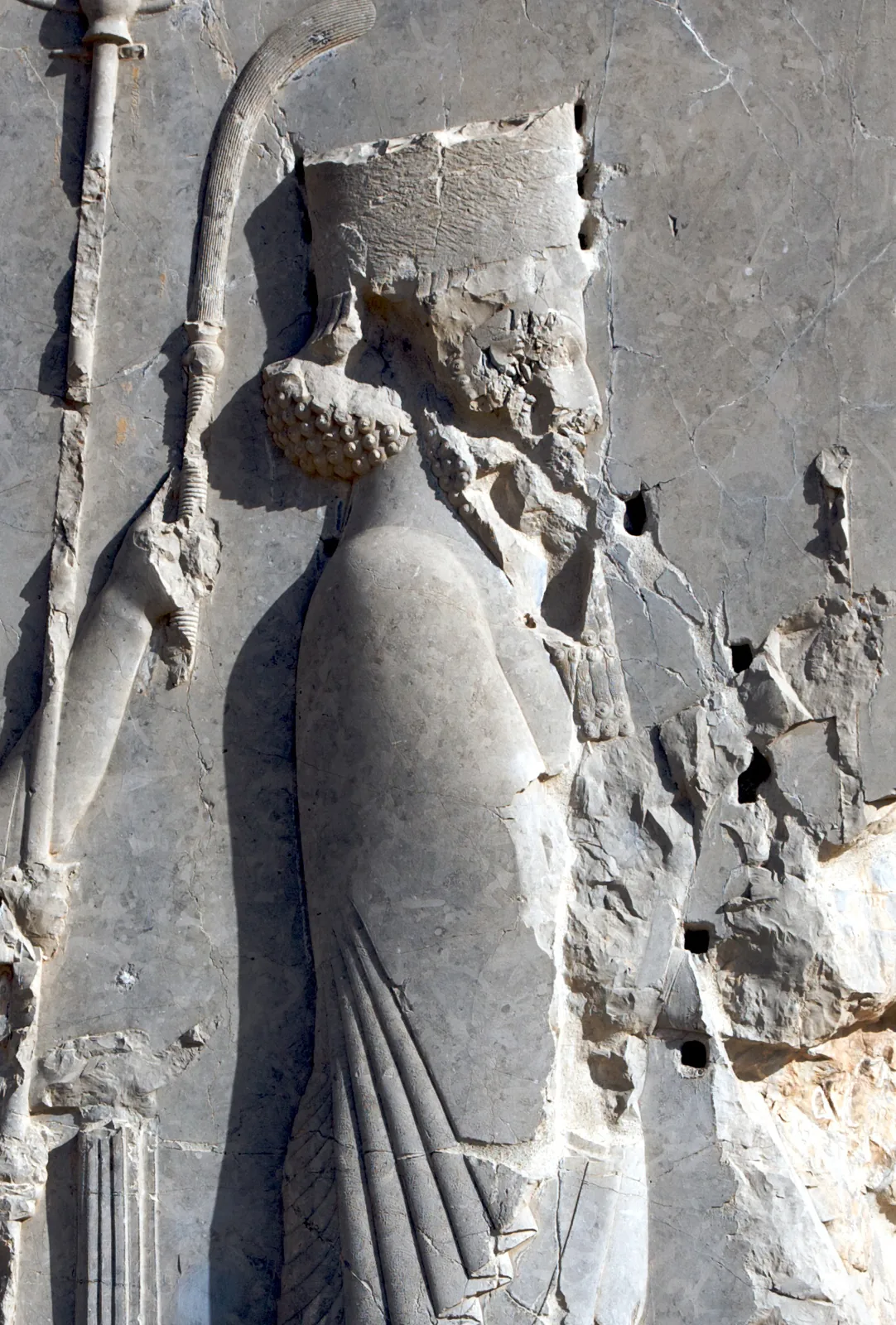
Wikimedia Commons · Creative Commons CC0 1.0 Universal Public Domain Dedication. · file During the opening march from Cappadocia toward Sardis and the Hellespont, Xerxes was at Celaenae, where the Lydian Pythius entertained him and his army. Ancient Celaenae is represented by the area of modern Dinar, Türkiye.
Muster at Doriscus
· Doriscus, Thrace, Greece
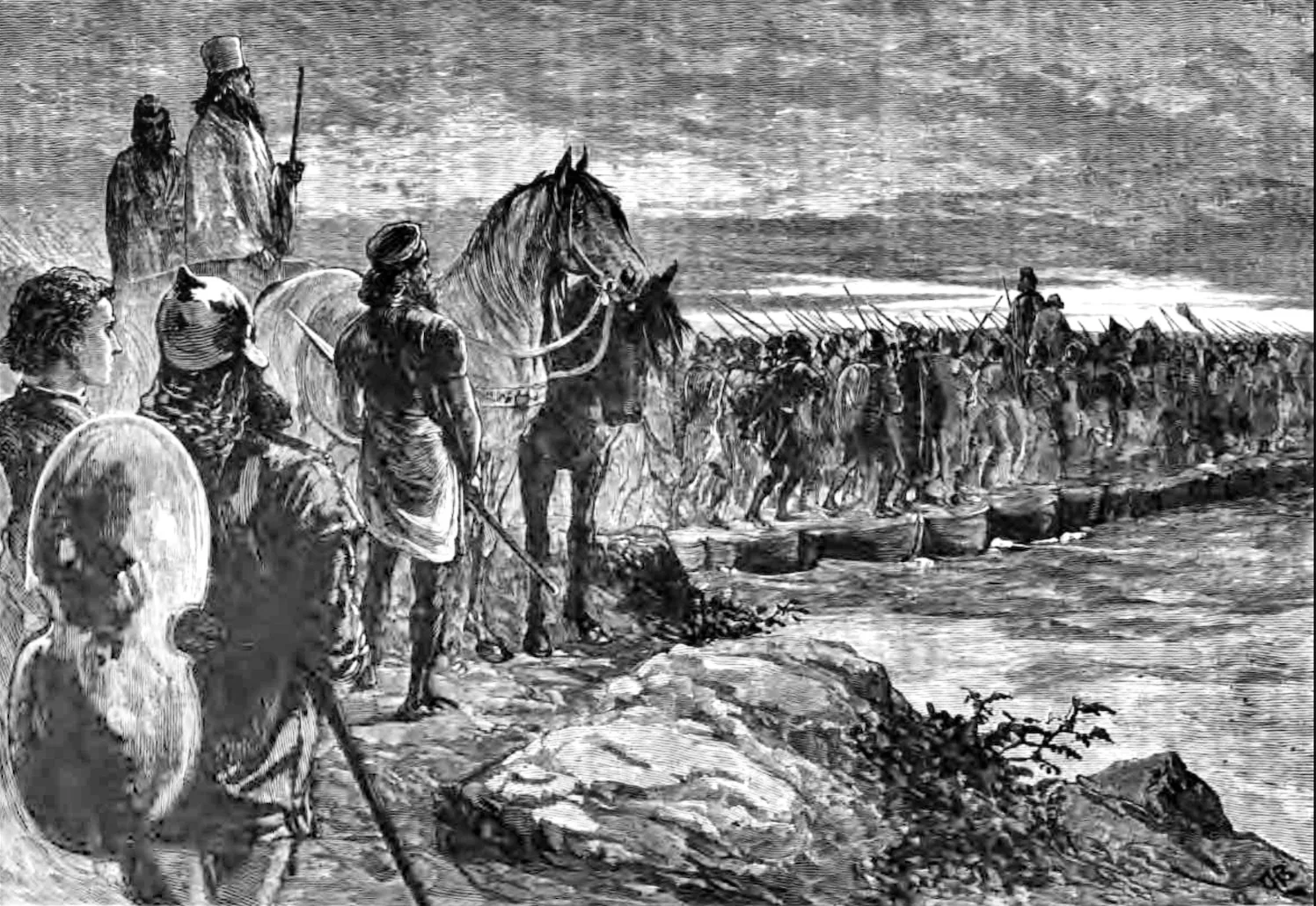
Wikimedia Commons · Public domain · file After entering Europe, Xerxes assembled his land and naval forces at Doriscus and conducted a muster of the army. Coordinates are for the identified site of ancient Doriscus near the modern village of Doriskos, Greece.
Passage through Colossae
· Colossae, Phrygia, Anatolia
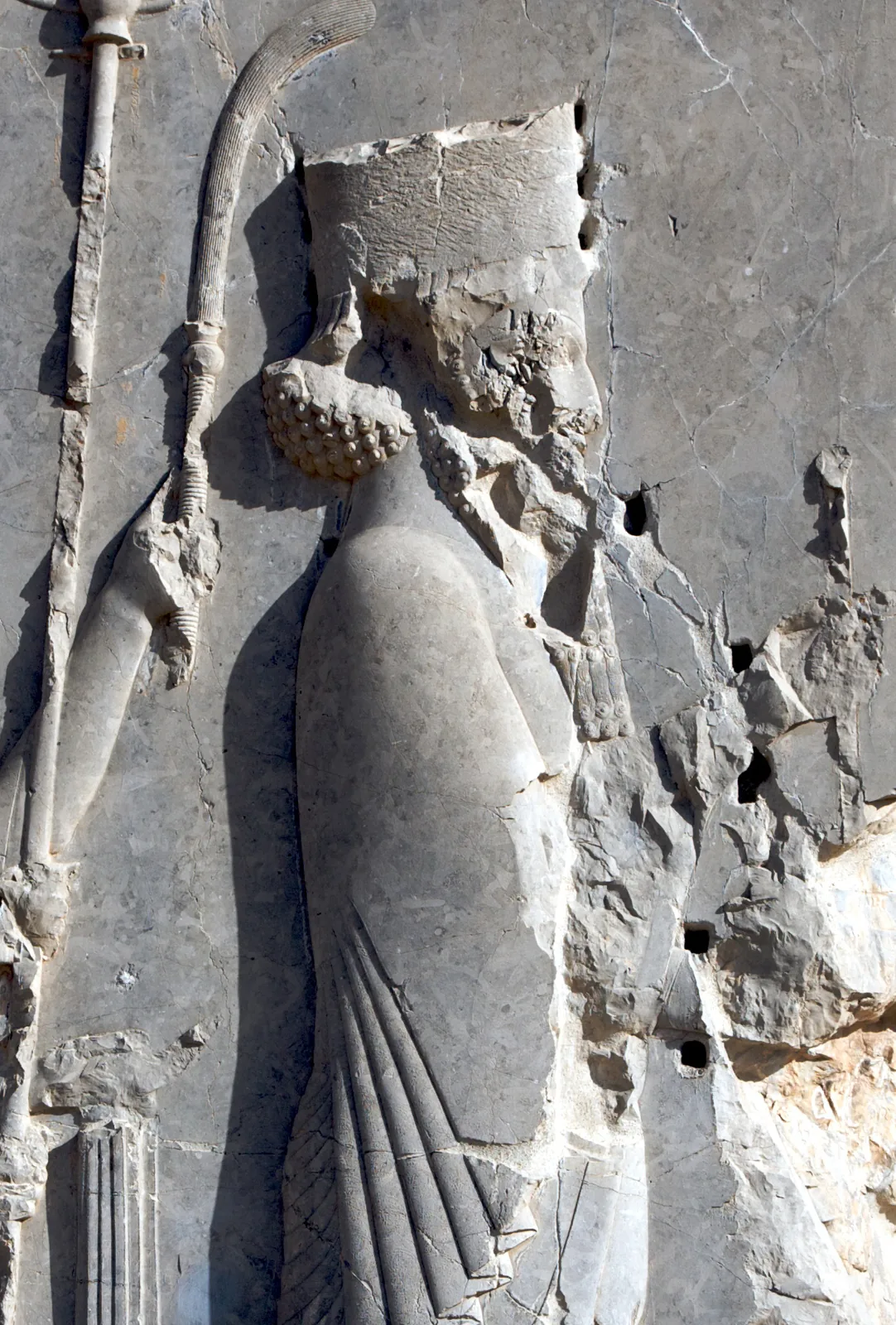
Wikimedia Commons · Creative Commons CC0 1.0 Universal Public Domain Dedication. · file Xerxes passed through Colossae during his westward march toward Lydia and the Hellespont. Coordinates represent the archaeological area of ancient Colossae near Honaz, Türkiye.
Return through Abdera
· Abdera, Thrace, Greece
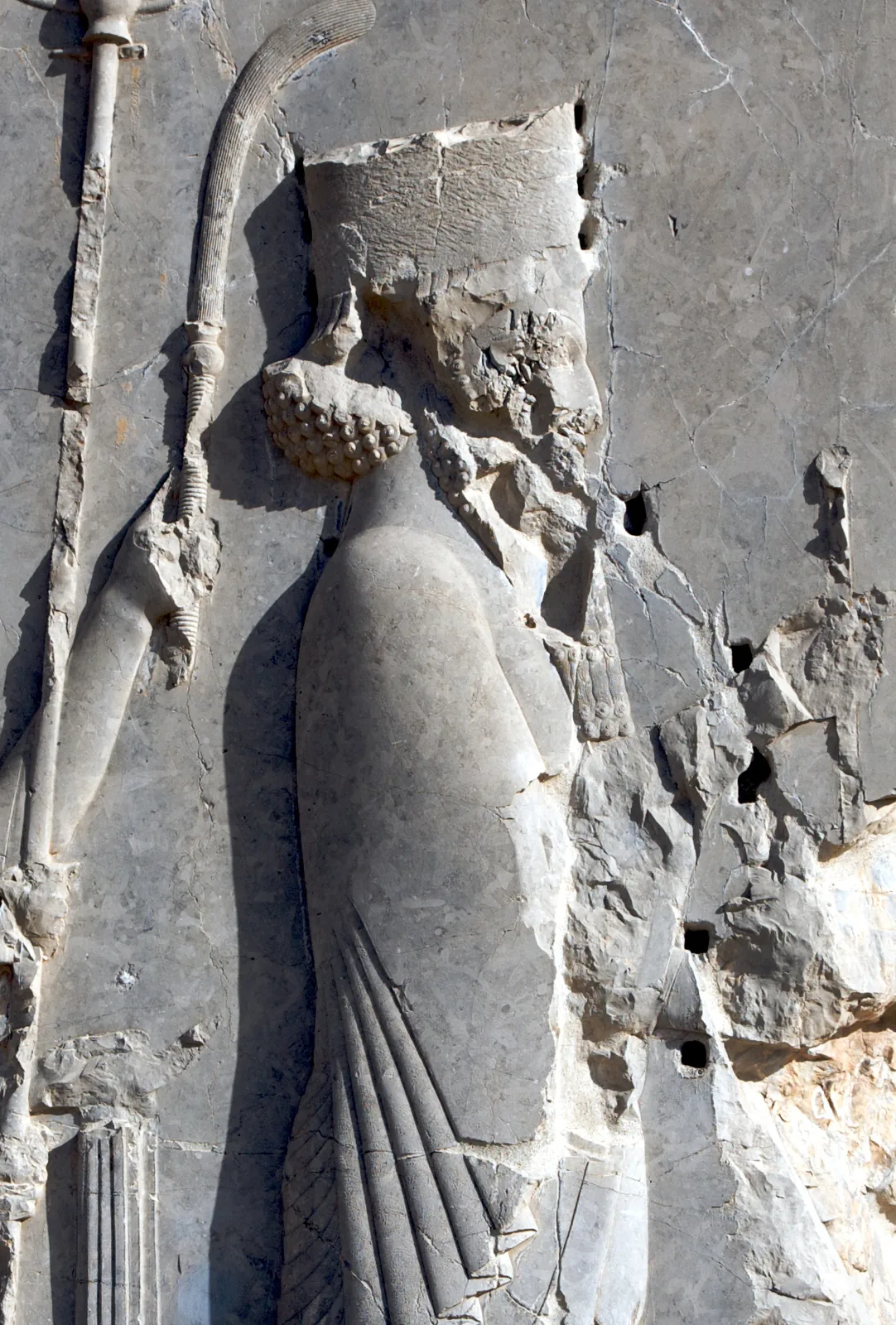
Wikimedia Commons · Creative Commons CC0 1.0 Universal Public Domain Dedication. · file During his return from Athens toward Asia, Xerxes visited Abdera and established friendly relations with its inhabitants. The source distinguishes this reported visit from a separate, doubted anecdote about Xerxes loosening his girdle at Abdera.
Return to Sardis
· Sardis, Lydia, Anatolia
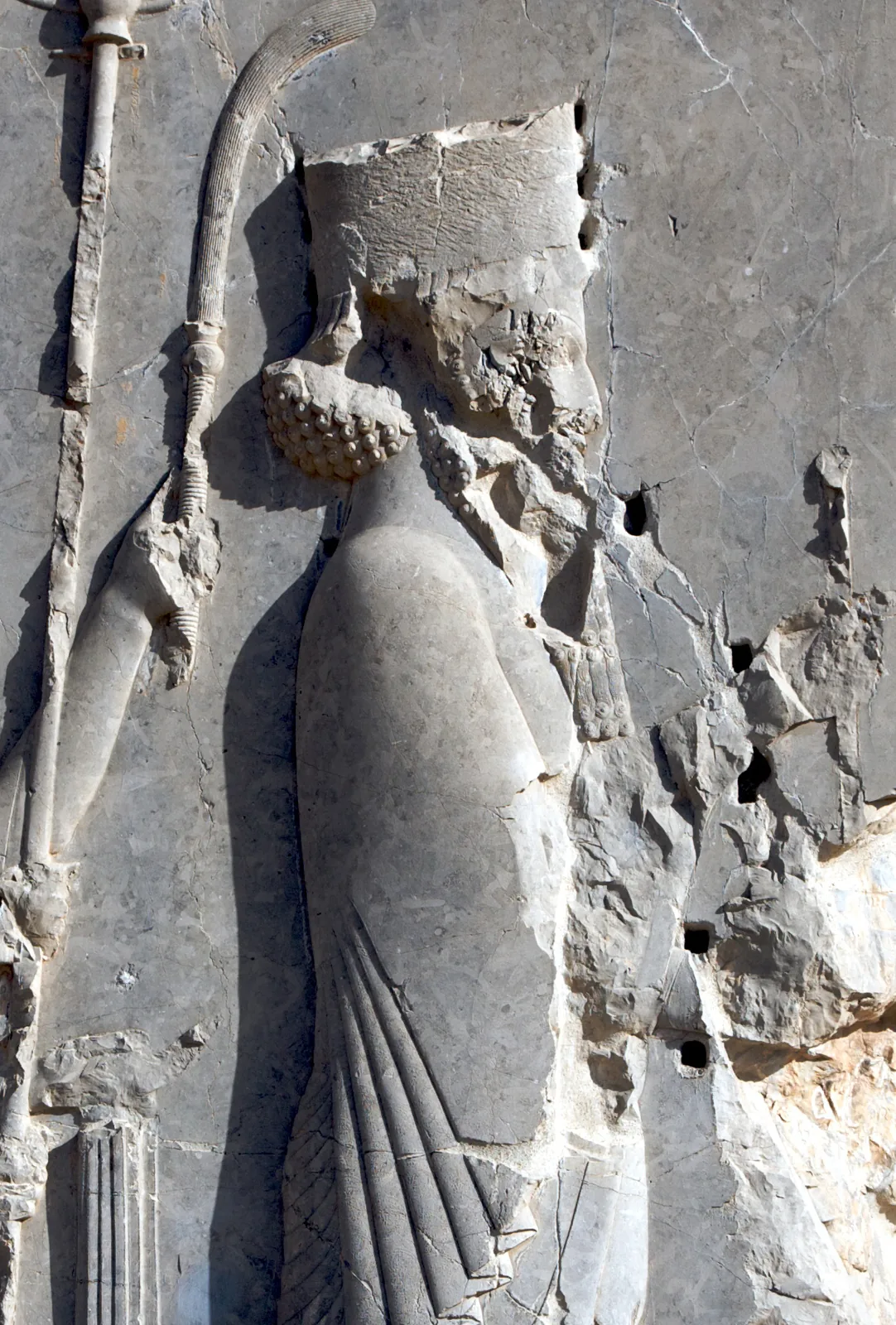
Wikimedia Commons · Creative Commons CC0 1.0 Universal Public Domain Dedication. · file After returning from Athens and the Greek campaign, Xerxes was again at Sardis, the Achaemenid administrative center in Lydia. Herodotus establishes Xerxes's return to Sardis but does not provide a more precise arrival date; 480 BC is used because the return followed Salamis in September 480 BC.
Review of forces at Abydos
· Abydos, Hellespont, Anatolia
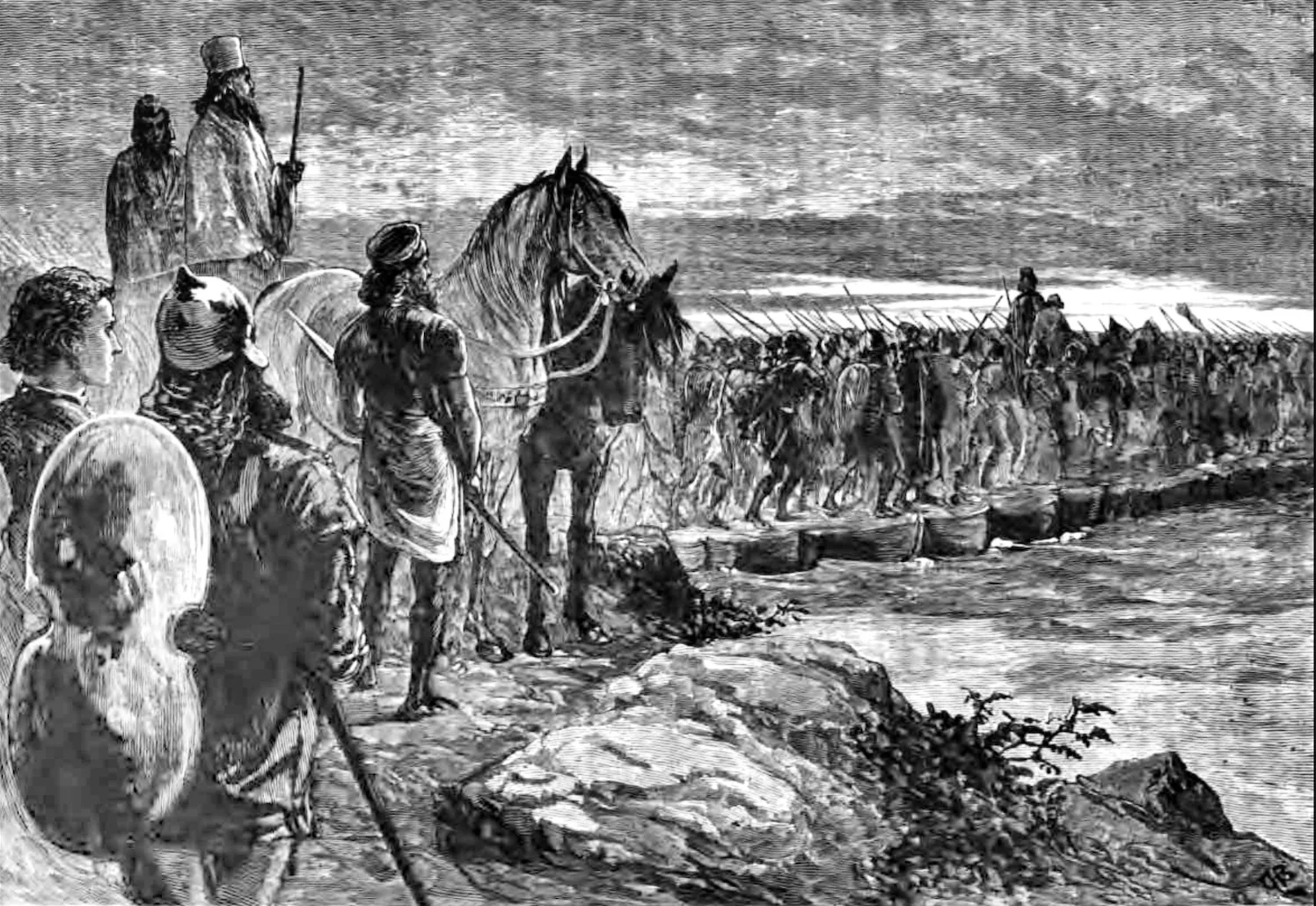
Wikimedia Commons · Public domain · file At Abydos, Xerxes watched his land forces and fleet from a prepared marble throne before the crossing into Europe. Coordinates represent the conventional site of ancient Abydos near Nara Burnu, Türkiye.
Visit to the Pergamum of Priam
· Hisarlik (ancient Troy), Troad, Anatolia
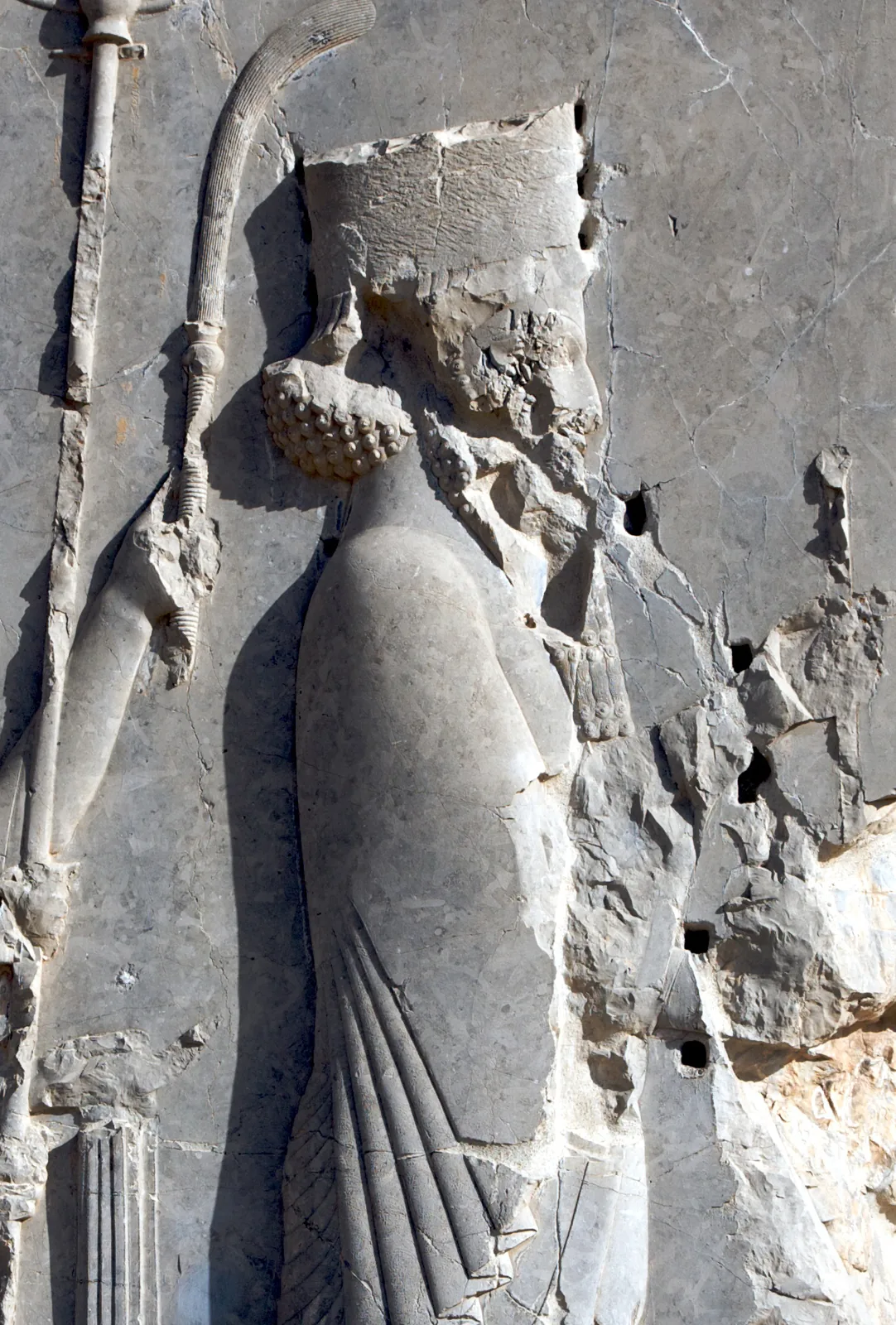
Wikimedia Commons · Creative Commons CC0 1.0 Universal Public Domain Dedication. · file On the route from Sardis to Abydos, Xerxes ascended the Pergamum of Priam to view the site associated with Troy and made an offering there. Coordinates identify Hisarlik, the conventional archaeological location of ancient Troy.
Winter camp after Salamis
· Thessaly, Greece
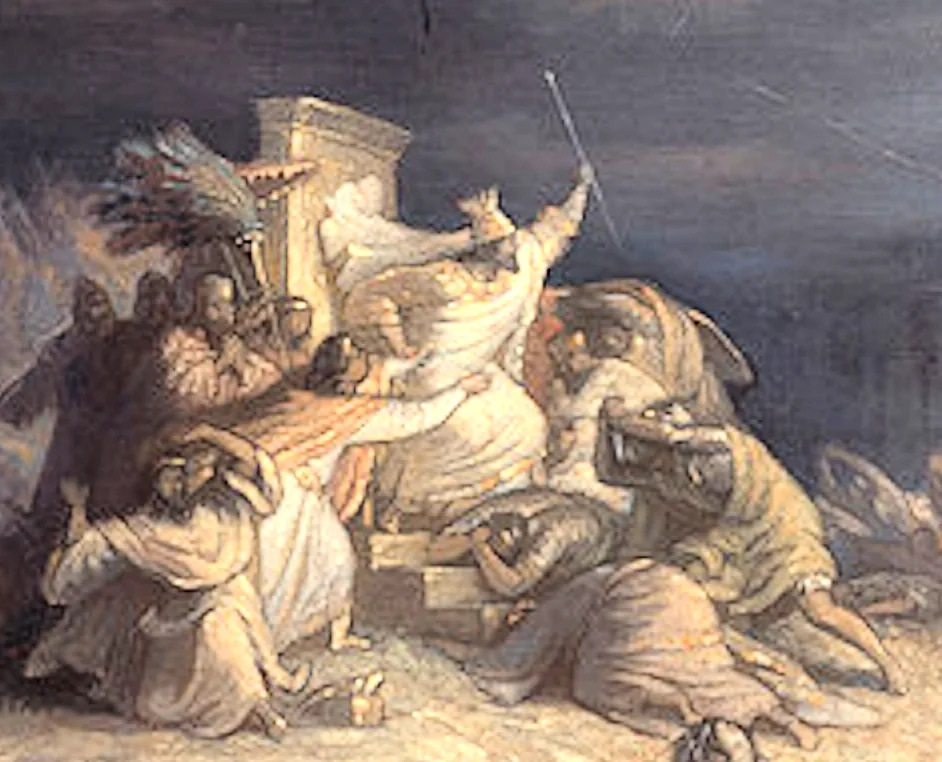
Wikimedia Commons · Public domain · file After the Persian naval defeat at Salamis, Xerxes established his winter camp in Thessaly before continuing his return toward Asia. The source does not identify the camp's exact site; coordinates are a representative point in Thessaly. The winter occupation extended into 479 BC.