
19 moments
Birth in Lennep
· Lennep, Remscheid, Germany
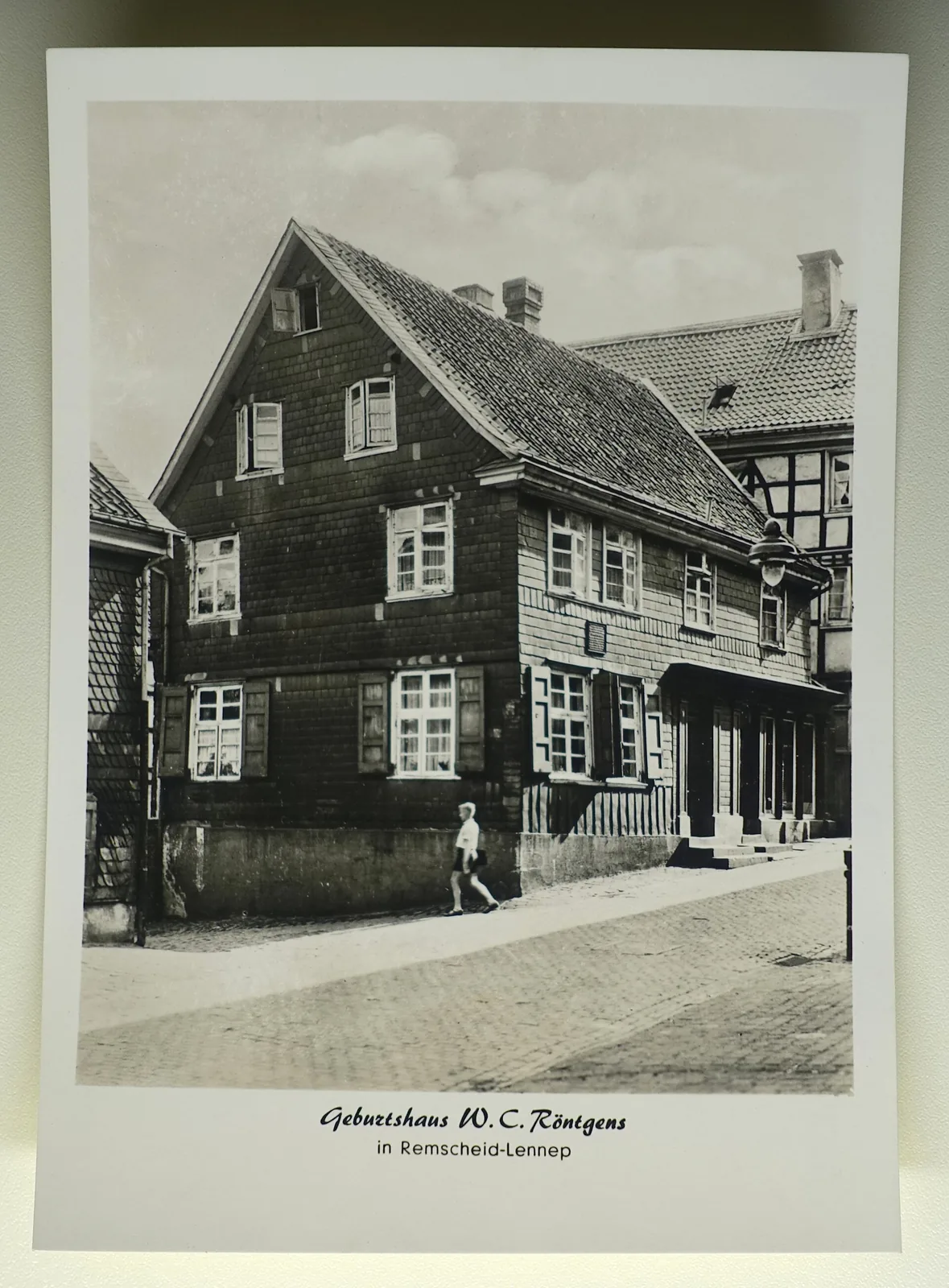
Wikimedia Commons · Creative Commons Attribution-ShareAlike 4.0 International · file Röntgen was born in Lennep, then in Prussia, the beginning of a life that would culminate in the discovery of X-rays. Coordinates represent central Lennep; the source identifies the town rather than a surviving exact birth-house coordinate.
Family move to Apeldoorn
· Apeldoorn, Gelderland, Netherlands
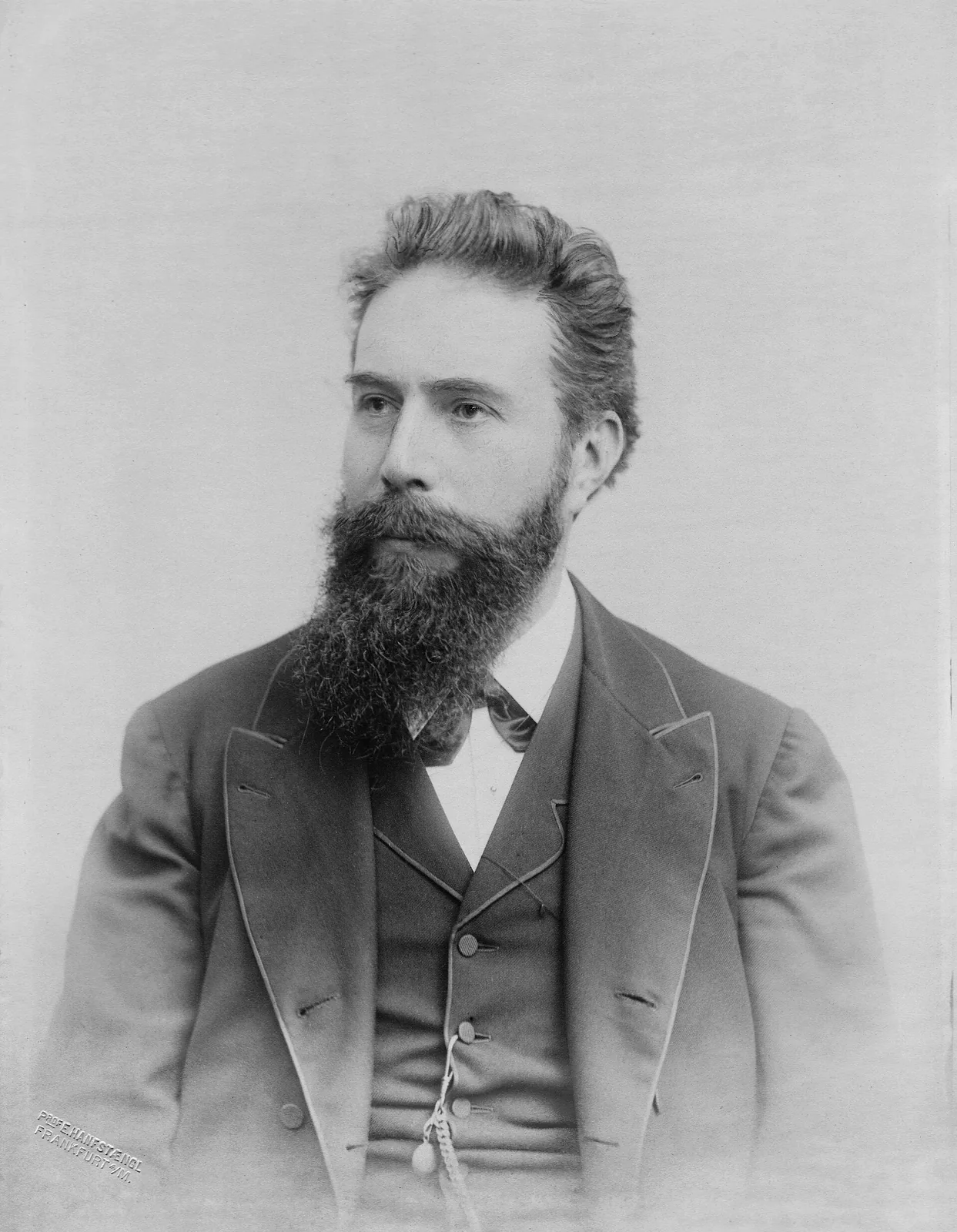
Wikimedia Commons · Public domain (PD-Art; author died in 1905) · file As a child, Röntgen moved with his family from Prussia to Apeldoorn in the Netherlands. The German Historical Museum chronology dates the family move to 1848.
Technical-school studies in Utrecht
· Utrecht, Utrecht, Netherlands
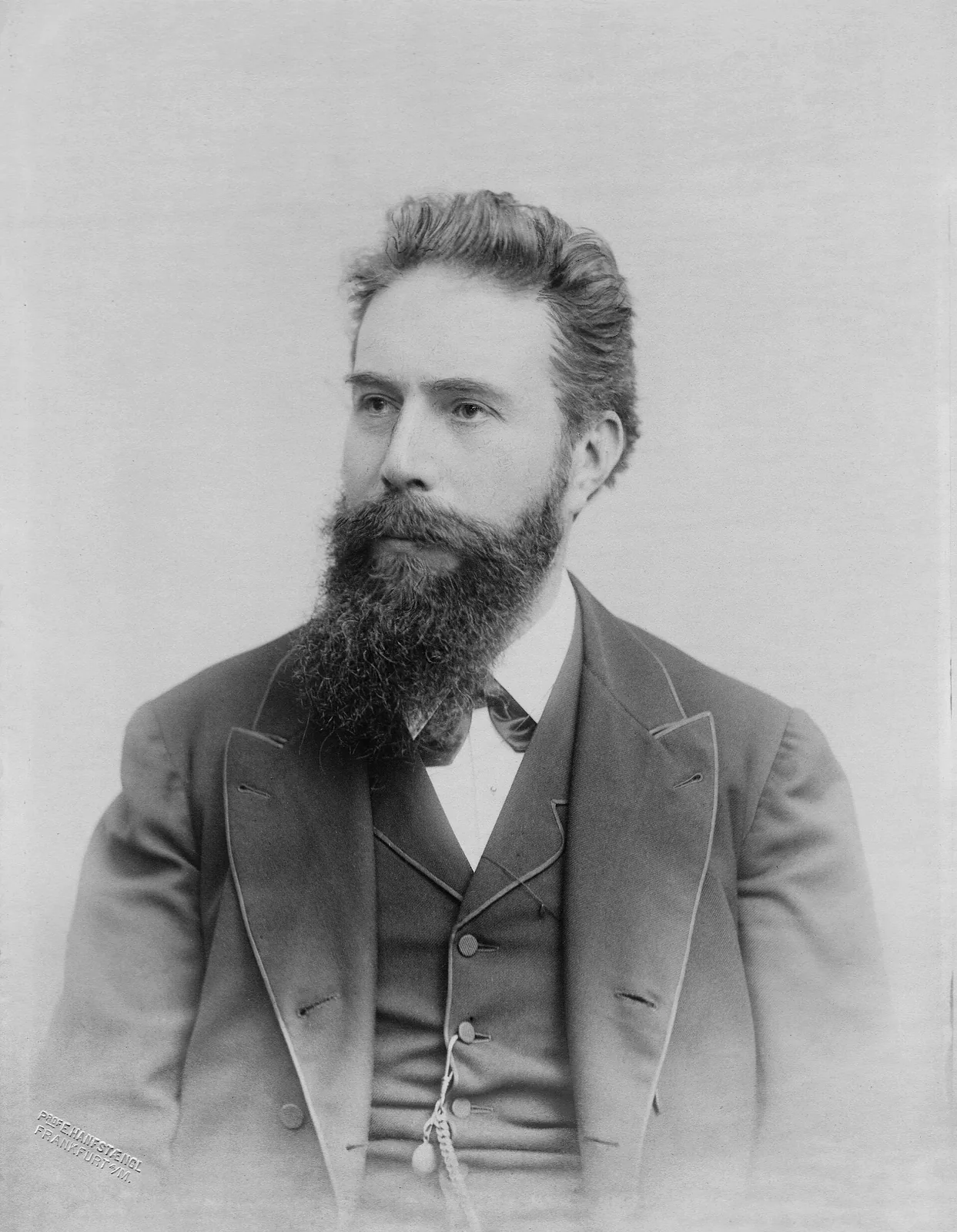
Wikimedia Commons · Public domain (PD-Art; author died in 1905) · file Röntgen attended Utrecht Technical School before his expulsion in 1865, an early stage of his scientific and technical education. Coordinates represent Utrecht; the precise historical Technical School site is not specified in the cited text.
Federal Polytechnic study in Zürich
· ETH Zürich, Zürich, Switzerland
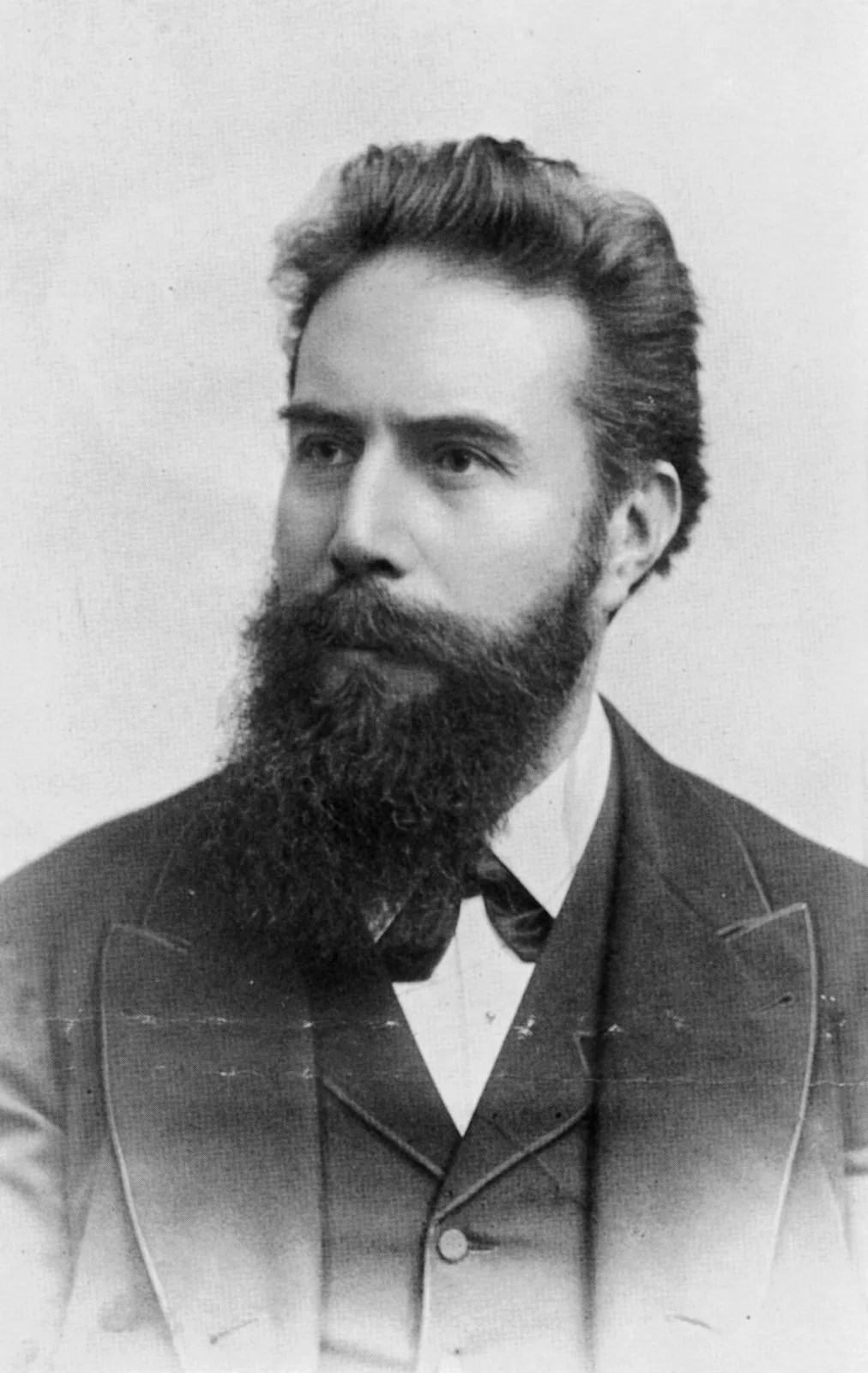
Wikimedia Commons · Public domain · file After leaving the Netherlands, Röntgen moved to Zürich, passed the Polytechnic entrance examination, and pursued mechanical engineering there through 1868. The dated entry marks his move and beginning of study; the quoted course continued through 1868.
Physics doctorate at the University of Zürich
· University of Zürich, Zürich, Switzerland
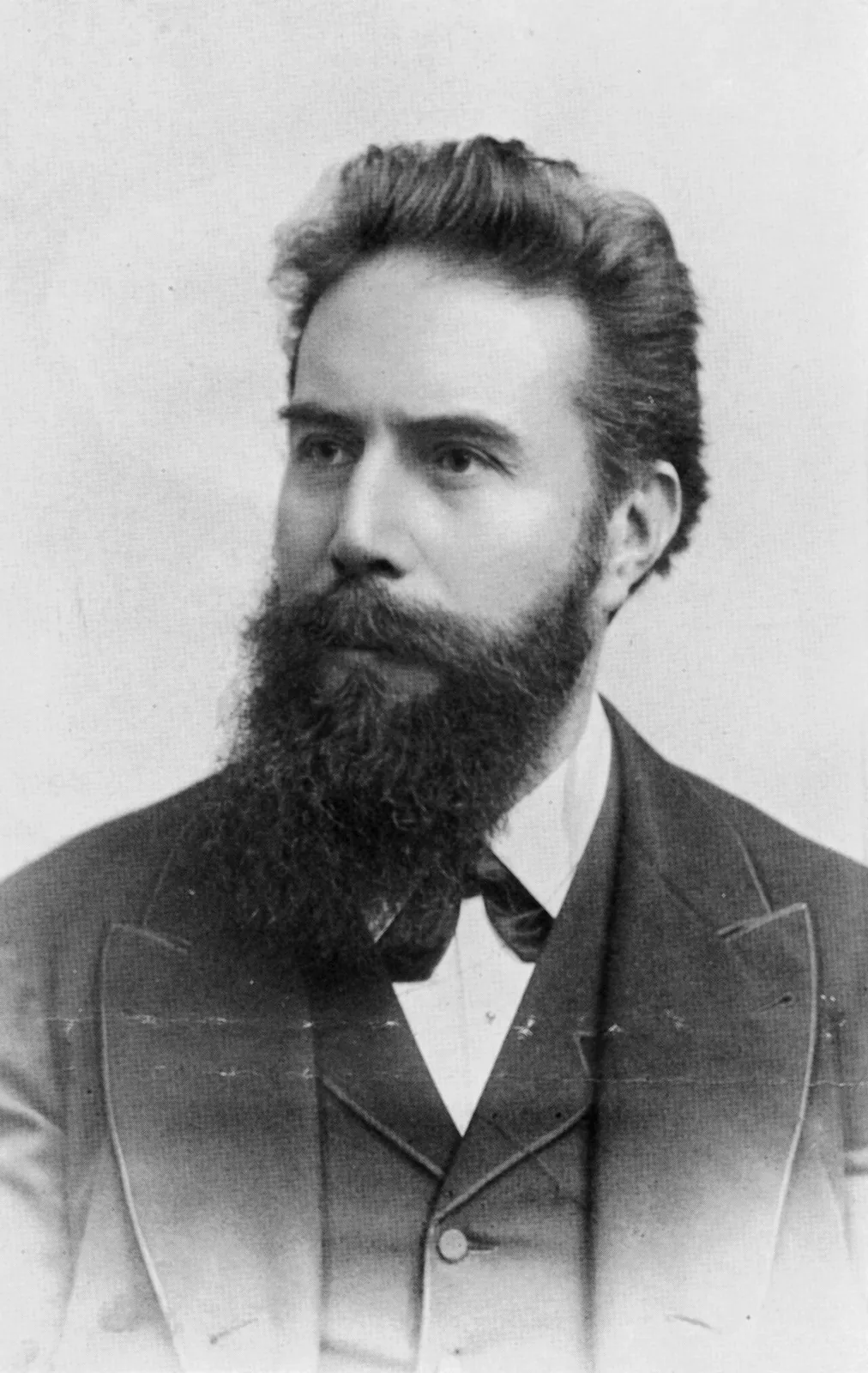
Wikimedia Commons · Public domain · file Röntgen completed his doctorate in physics at the University of Zürich, consolidating his transition from engineering to experimental physics.
Assistantship in Würzburg
· University of Würzburg, Würzburg, Germany
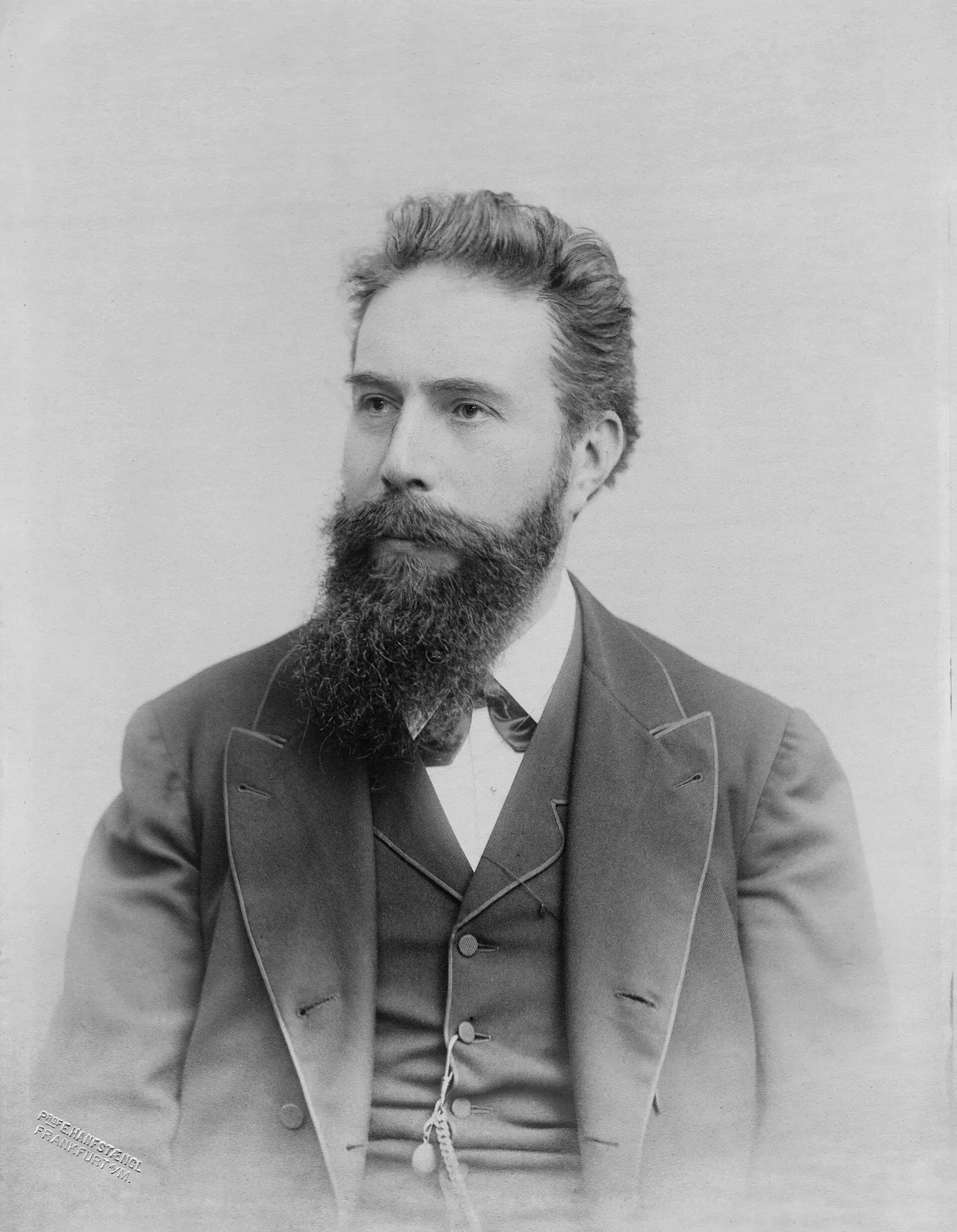
Wikimedia Commons · Public domain (PD-Art; author died in 1905) · file Röntgen accompanied August Kundt to Würzburg as his assistant, beginning a major professional association with the city. Coordinates represent the historic university physical-sciences area in Würzburg.
Move with Kundt to Strasbourg
· University of Strasbourg, Strasbourg, France
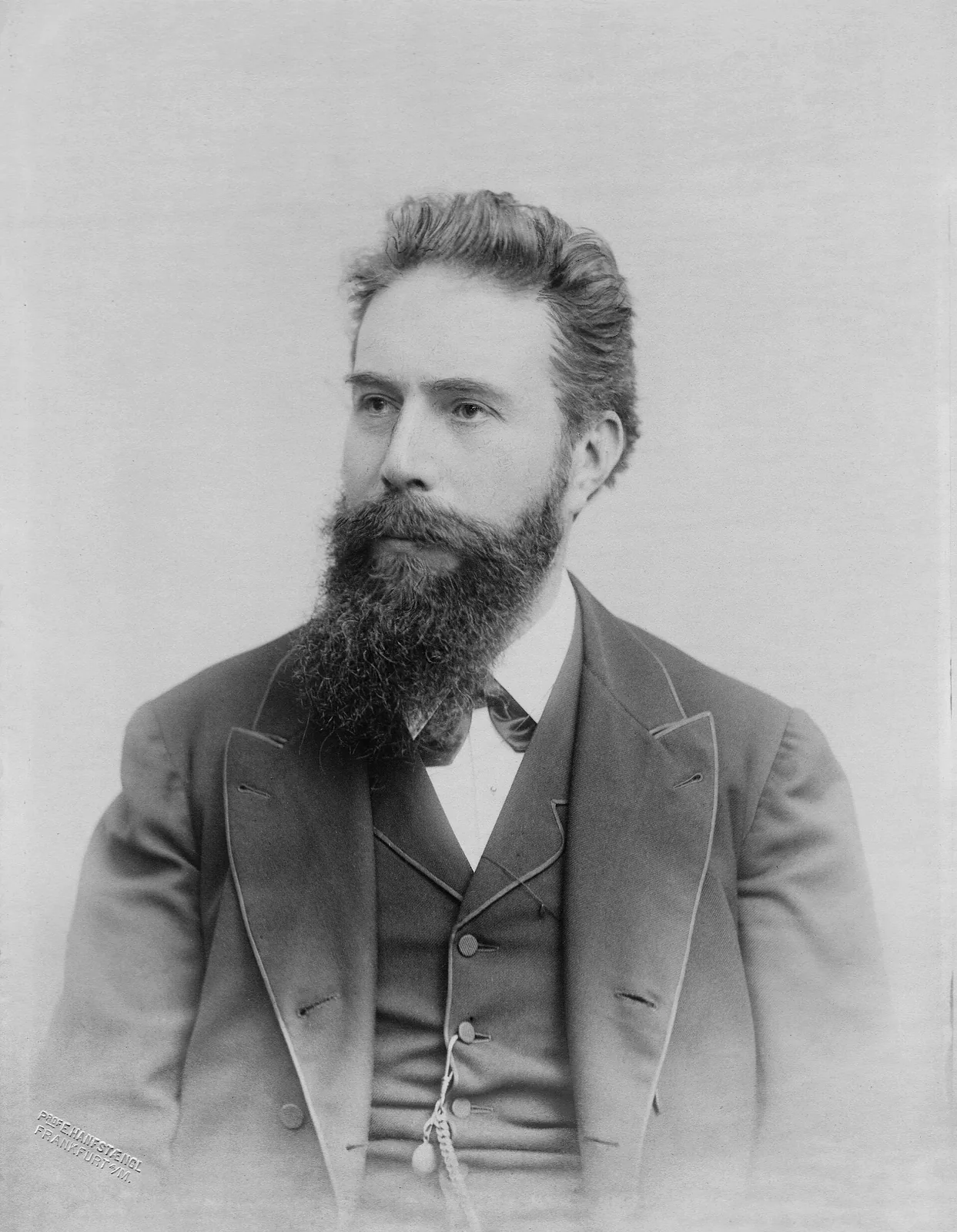
Wikimedia Commons · Public domain (PD-Art; author died in 1905) · file Röntgen followed August Kundt to the University of Strasbourg, where he entered the academic career that led to his first lectureship. Strasbourg was then in the German Empire; the place name and modern country are used for gazetteer clarity.
Professorship at Hohenheim
· Academy of Agriculture, Hohenheim, Stuttgart, Germany
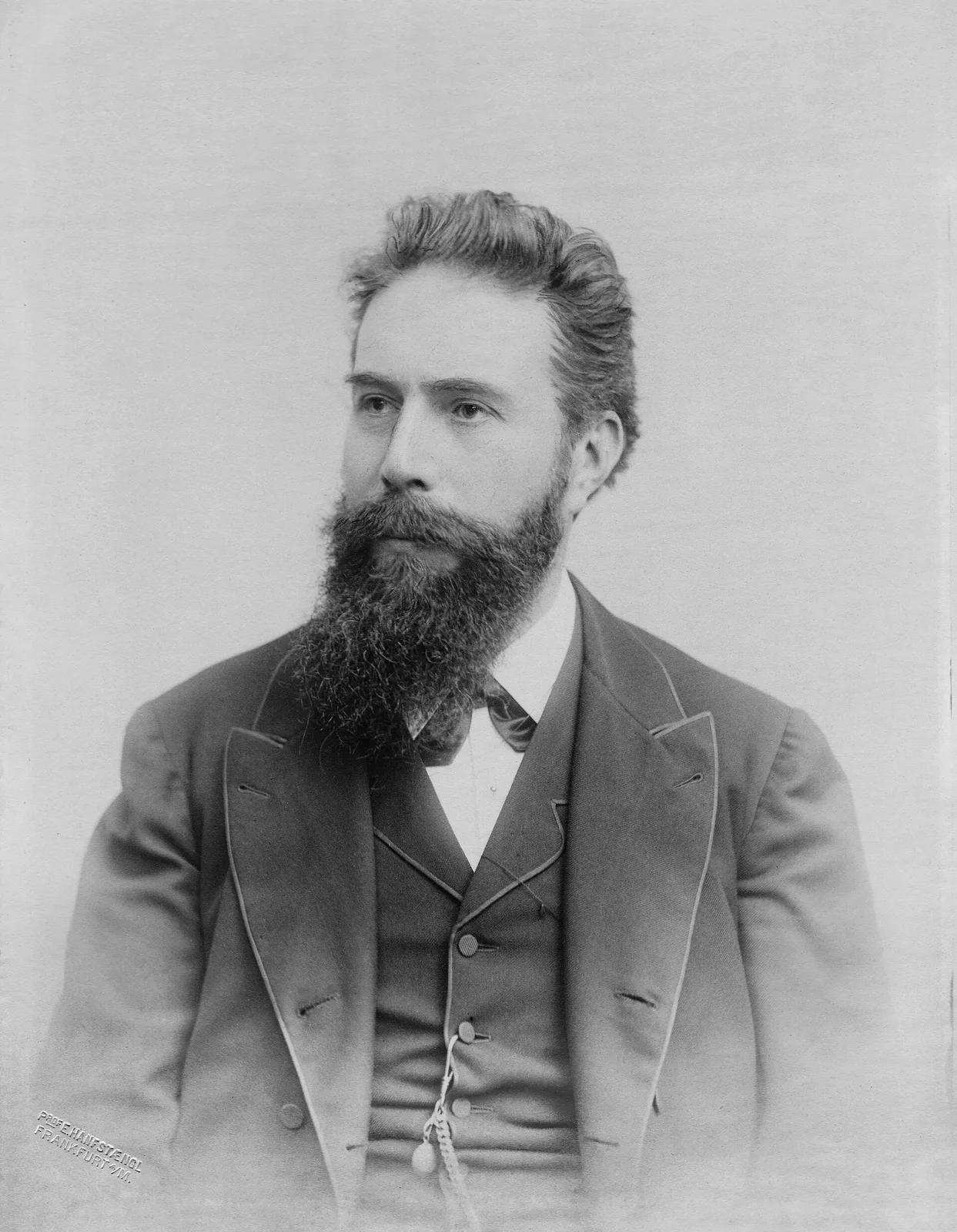
Wikimedia Commons · Public domain (PD-Art; author died in 1905) · file Röntgen became a professor at the Agricultural Academy at Hohenheim, expanding from Strasbourg into an independent teaching post. Coordinates represent the Hohenheim academy/university campus.
Return to Strasbourg as physics professor
· University of Strasbourg, Strasbourg, France
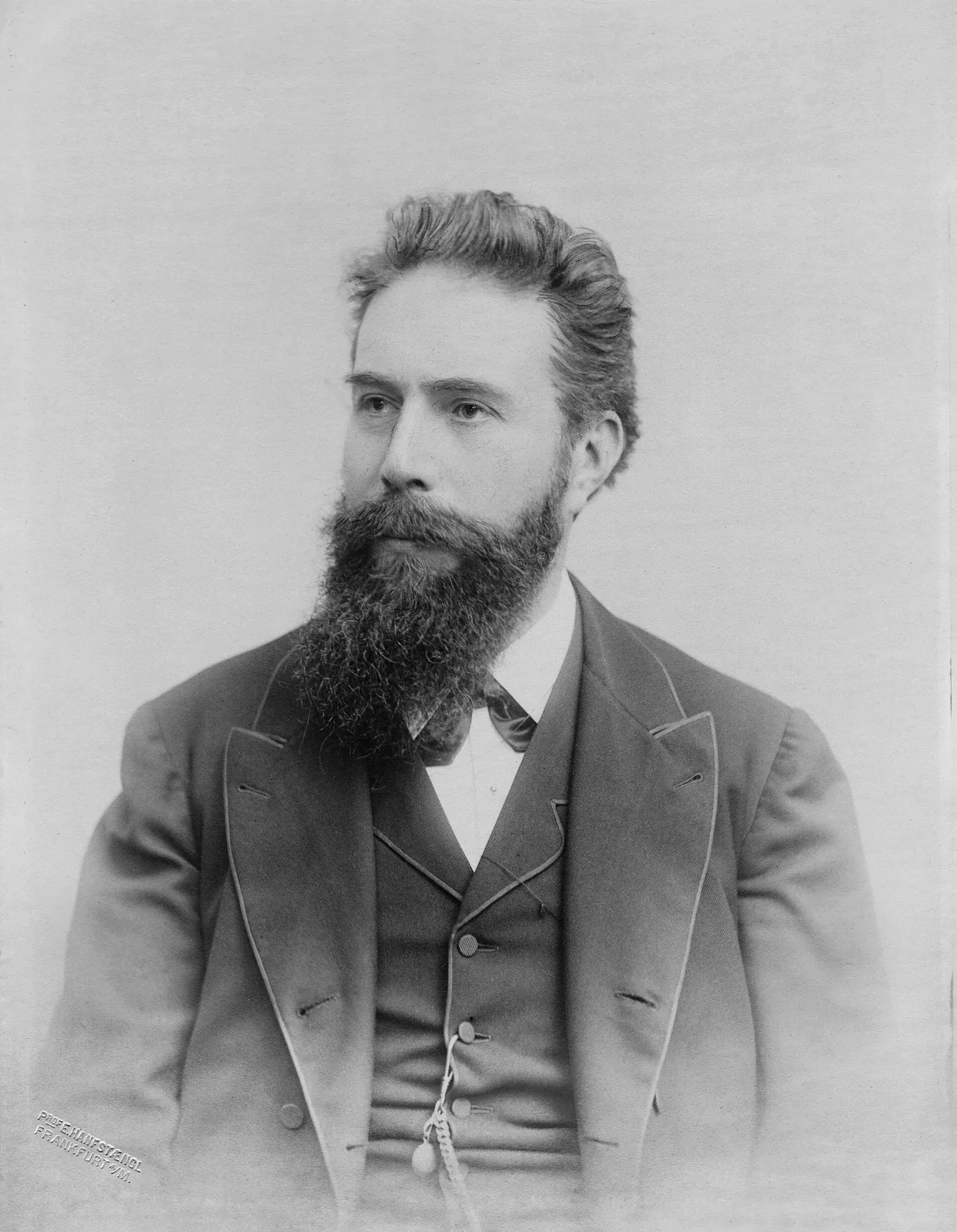
Wikimedia Commons · Public domain (PD-Art; author died in 1905) · file Röntgen returned to Strasbourg to serve as Professor of Physics after his Hohenheim appointment. Strasbourg was then in the German Empire; the place name and modern country are used for gazetteer clarity.
Physics chair at Giessen
· University of Giessen, Giessen, Germany
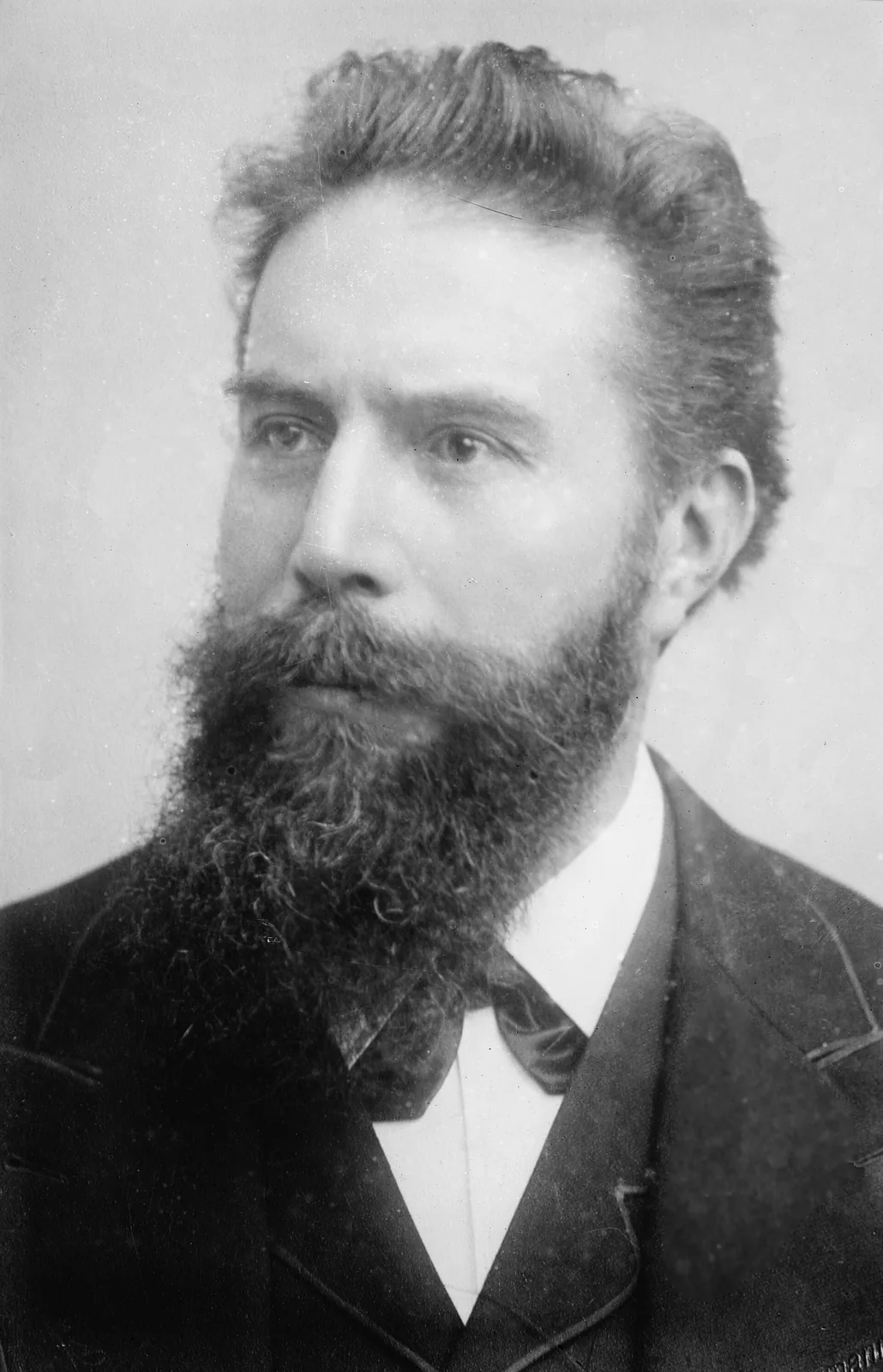
Wikimedia Commons · Public domain in the United States; Library of Congress: No known restrictions on publication · file Röntgen took the chair of physics at the University of Giessen, his first salaried permanent professorship. Coordinates represent the University of Giessen's historic central campus area.
Ordinariat in Würzburg
· University of Würzburg, Würzburg, Germany
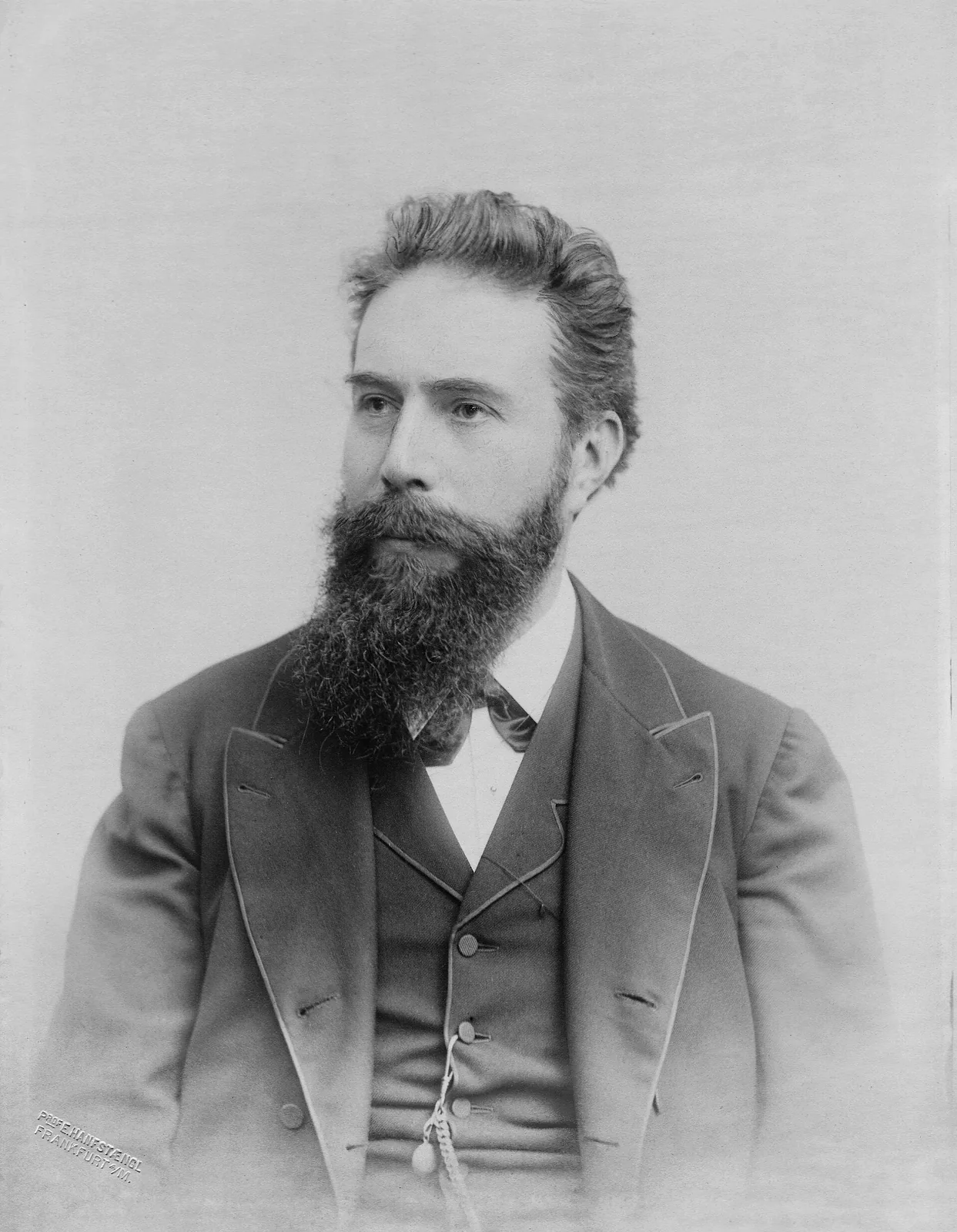
Wikimedia Commons · Public domain (PD-Art; author died in 1905) · file Röntgen returned to Würzburg after being appointed to its physics ordinariat, the post from which he would make his landmark discovery. Coordinates represent the historic university physical-sciences area in Würzburg.
Discovery of X-rays
· Physical Institute, University of Würzburg, Würzburg, Germany
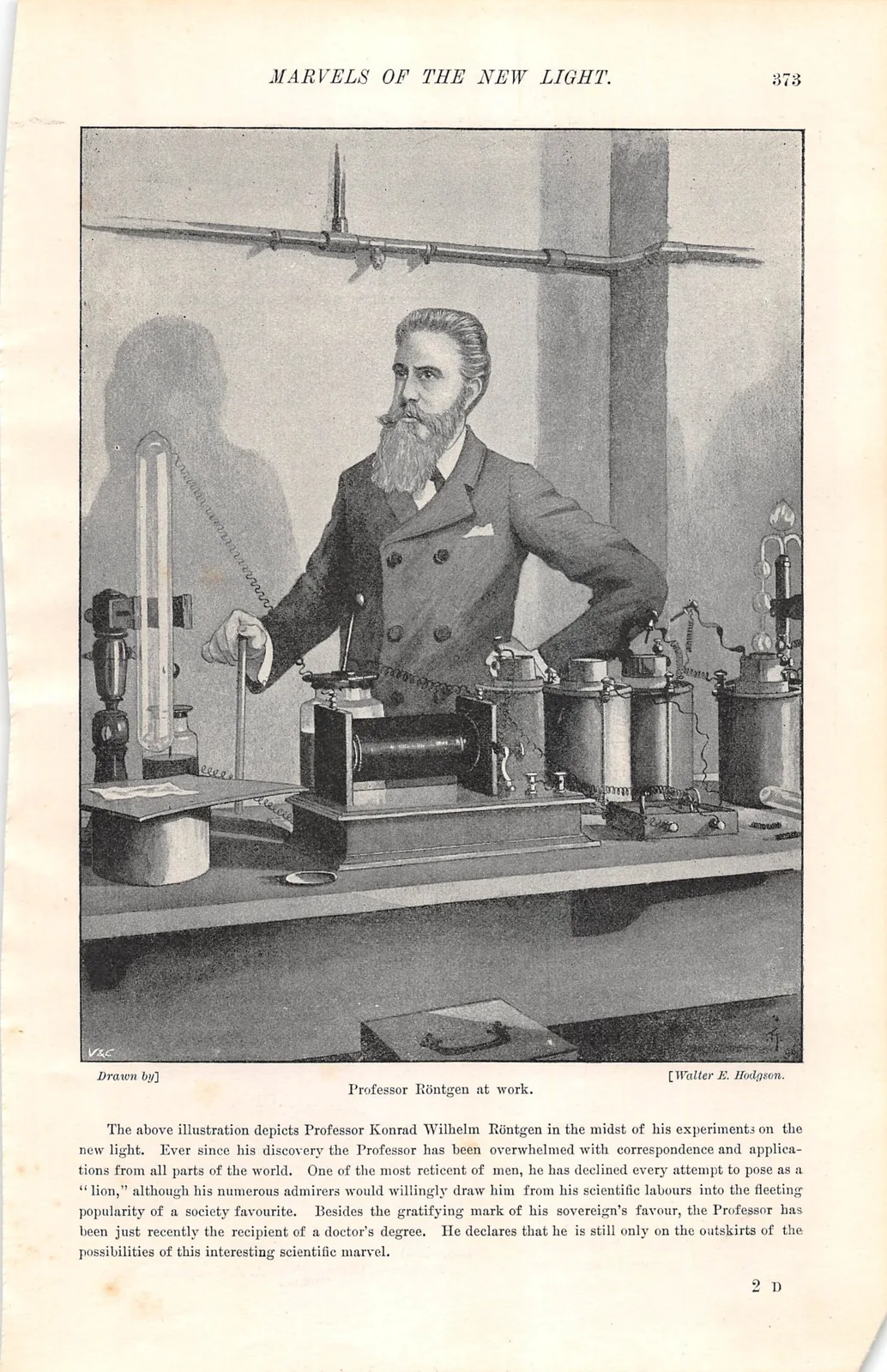
Wikimedia Commons · Public domain · file Working in the Physical Institute laboratory, Röntgen detected the previously unknown radiation that he named X-rays. The immediately preceding text places the experiment in his laboratory at the Physical Institute of the University of Würzburg.
Public presentation to Kaiser Wilhelm II
· Berlin, Germany
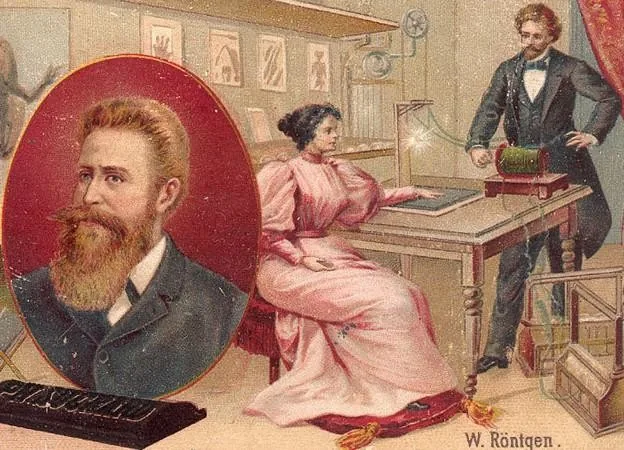
Wikimedia Commons · Public domain · file Röntgen traveled to Berlin and presented his discovery in a lecture to Kaiser Wilhelm II, helping bring X-rays before a national audience. The cited chronology specifies Berlin but not the lecture venue; coordinates represent central Berlin.
First public Würzburg lecture on X-rays
· Physical Institute, University of Würzburg, Würzburg, Germany
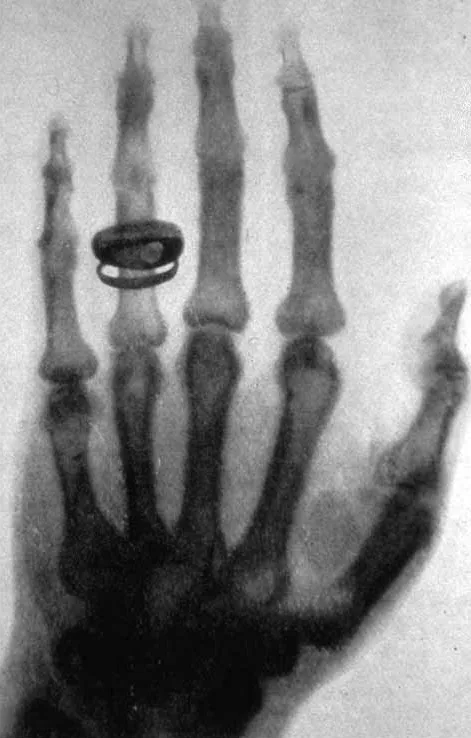
Wikimedia Commons · Public domain · file Röntgen publicly presented his discovery to the Physical-Medical Society of Würzburg and radiographed Albert von Kölliker's hand during the lecture. Coordinates represent the Physical Institute area associated with Röntgen's Würzburg laboratory.
Professorship in Munich
· Ludwig Maximilian University of Munich, Munich, Germany
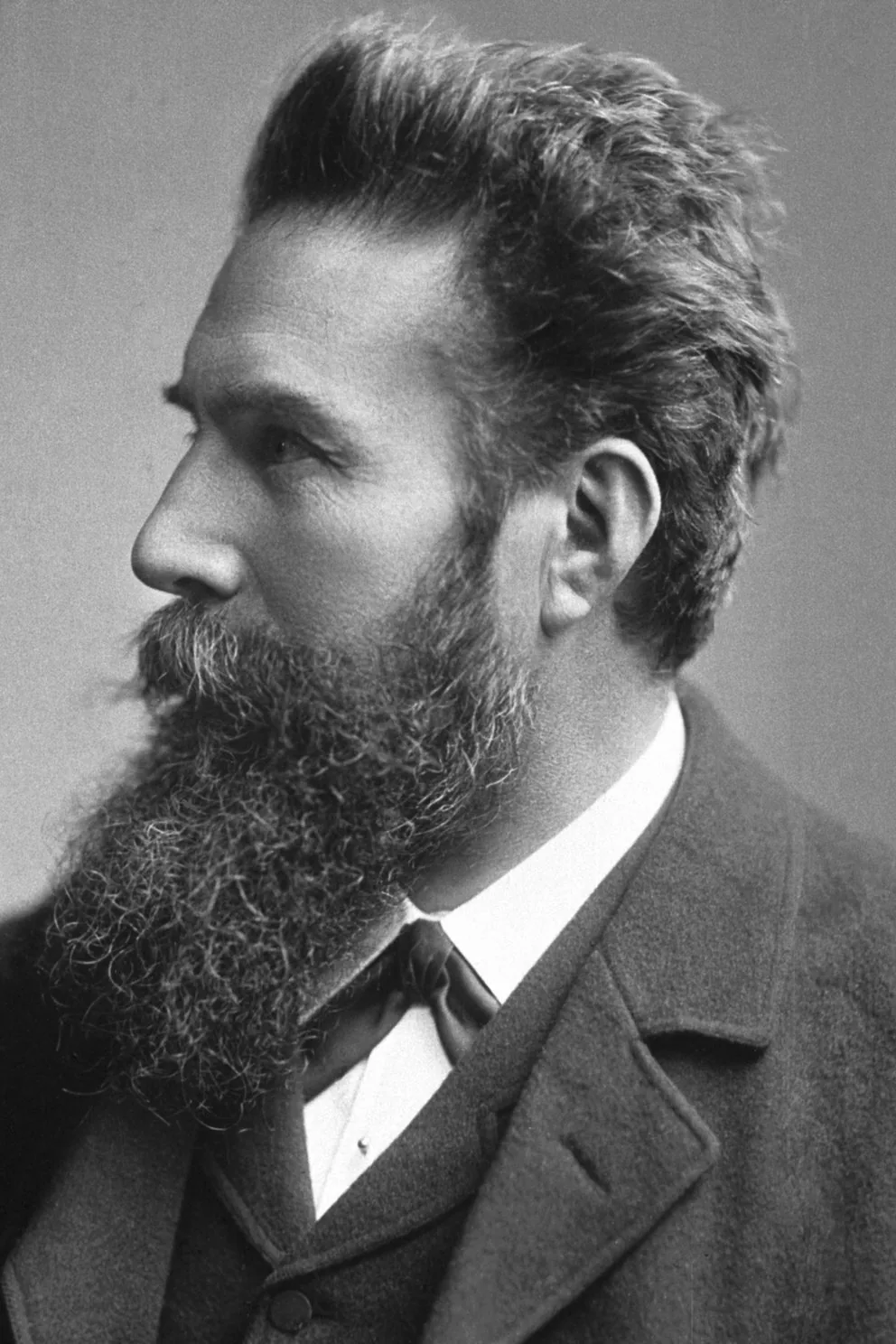
Wikimedia Commons · Public domain (PD Sweden; Public Domain Mark 1.0) · file Röntgen took up a professorship at the University of Munich, where he remained for the rest of his career. Coordinates represent LMU Munich's historic main building area.
First Nobel Prize ceremony
· Royal Swedish Academy of Music, Stockholm, Sweden
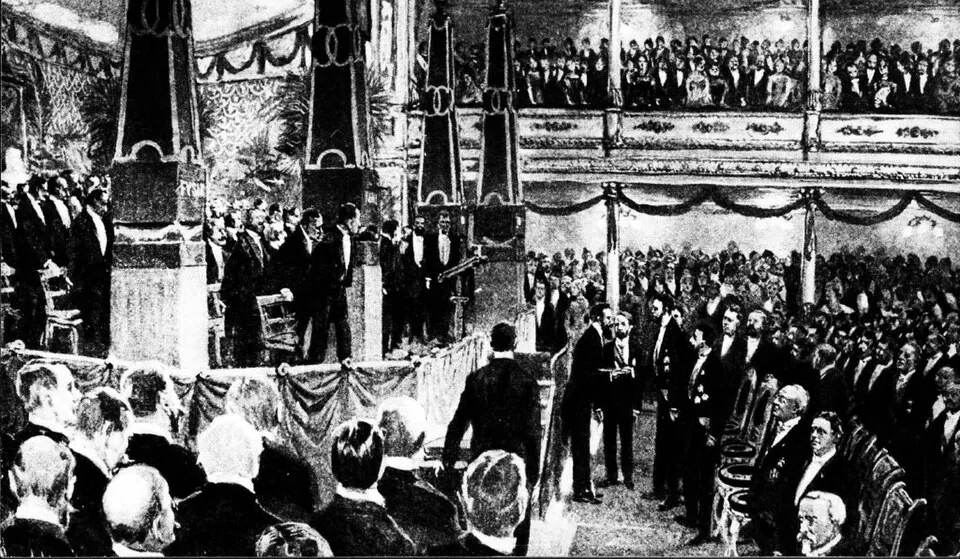
Wikimedia Commons · Public domain; Creative Commons Public Domain Mark 1.0 · file Röntgen attended the first Nobel Prize award ceremony in Stockholm and received the first Nobel Prize in Physics. The source describes the 10 December 1901 award ceremony at the Royal Swedish Academy of Music.
Continued career in Munich after war began
· Munich, Germany
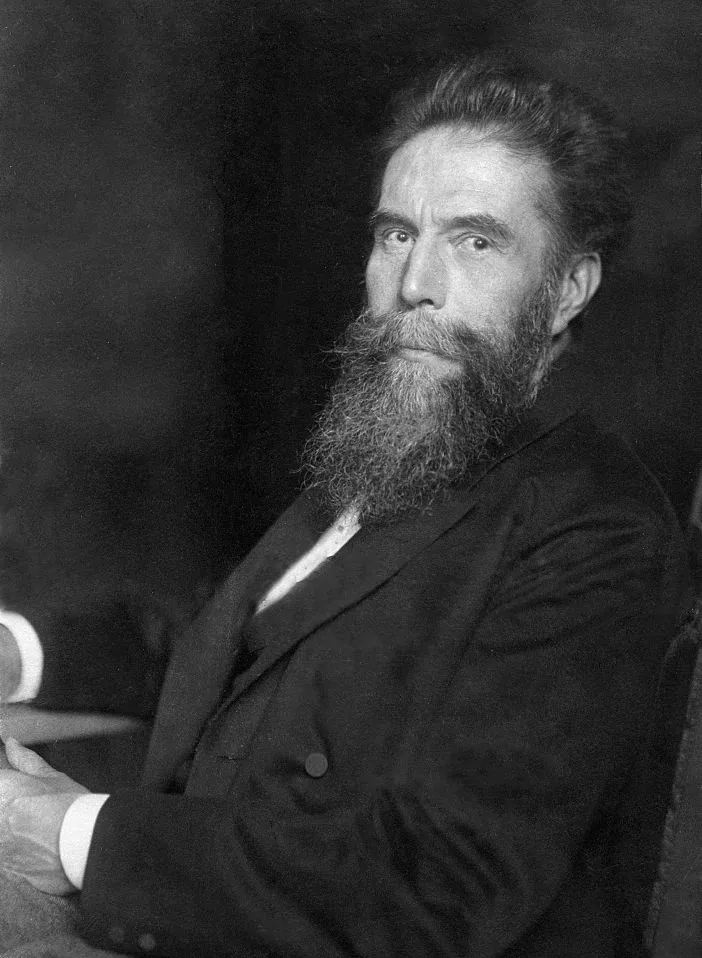
Wikimedia Commons · Public domain · file Although he had accepted a Columbia University appointment and bought transatlantic tickets, World War I kept Röntgen in Munich for the remainder of his career. The source ties his continued Munich presence to the 1914 outbreak of World War I; coordinates represent central Munich.
Predominantly resident at Weilheim country house
· Weilheim in Oberbayern, Bavaria, Germany
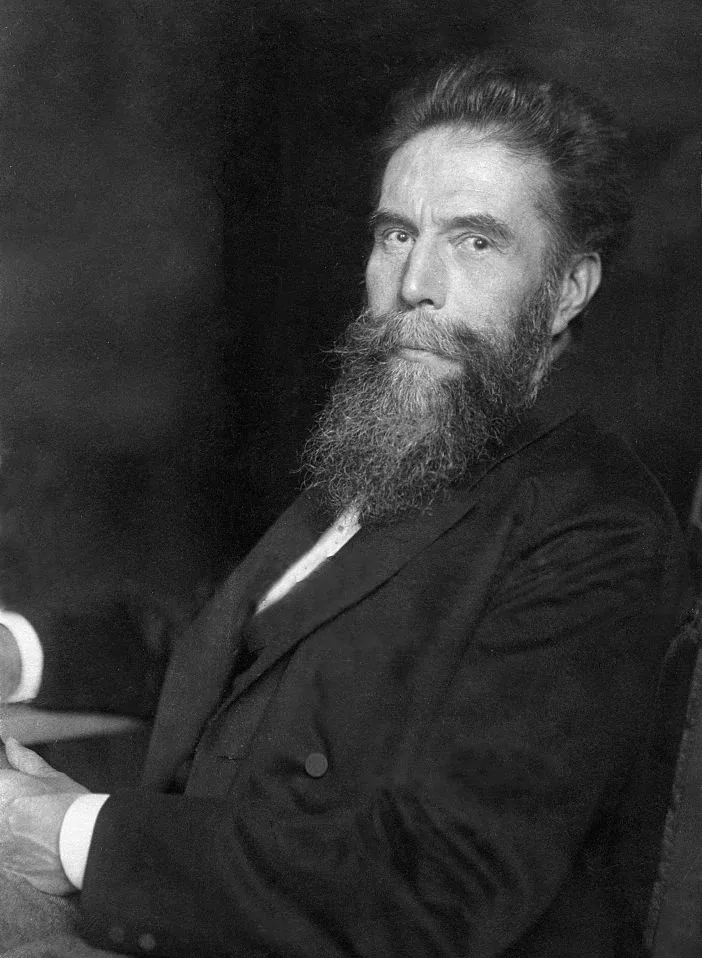
Wikimedia Commons · Public domain · file After the death of his wife Anna Bertha, Röntgen withdrew increasingly from professional life and lived predominantly at his country house in Weilheim. Coordinates represent Weilheim in Oberbayern; the exact country-house site is not identified in the cited text.
Death in Munich
· Munich, Germany
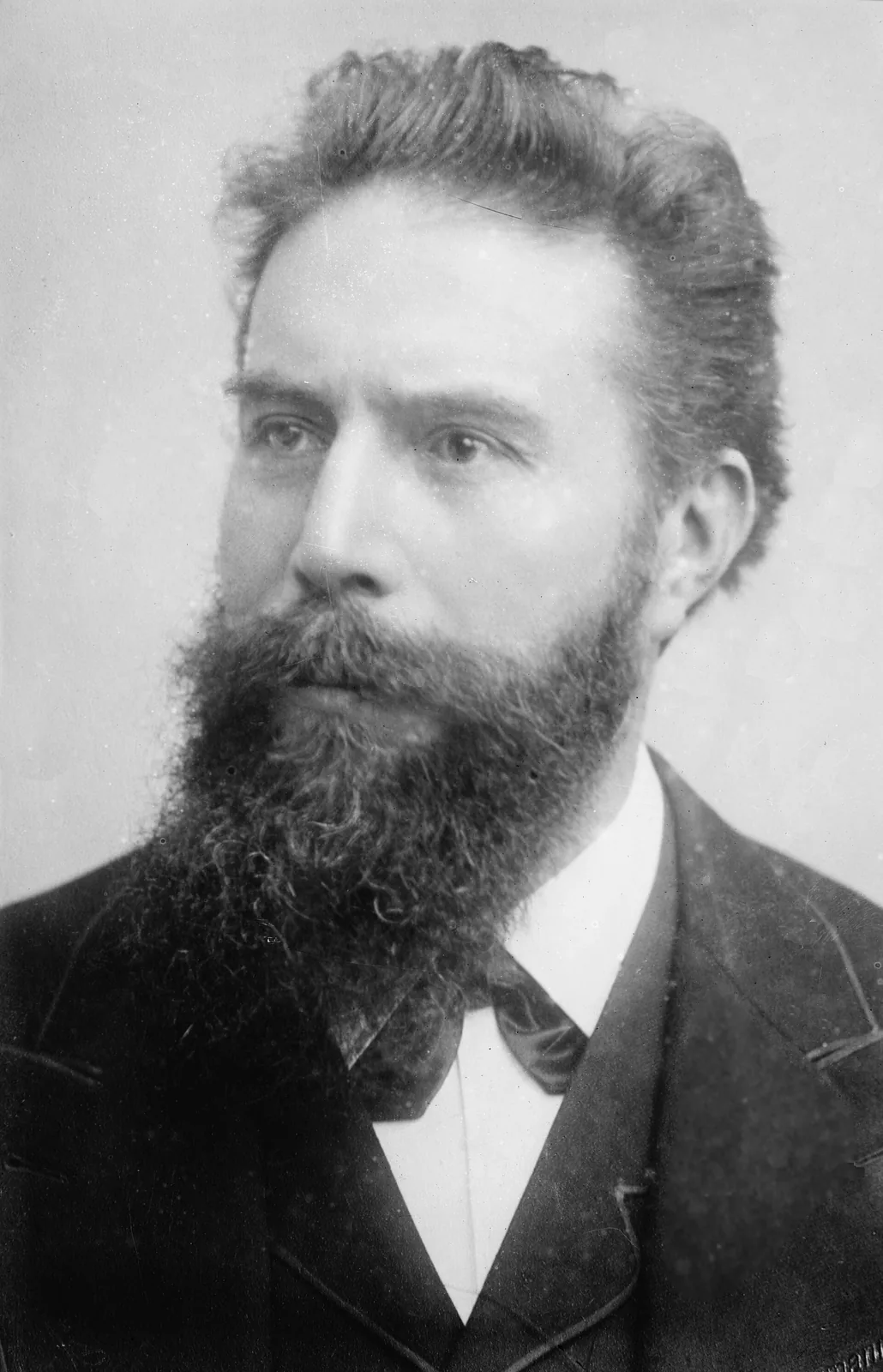
Wikimedia Commons · Public domain in the United States; Library of Congress: No known restrictions on publication · file Röntgen died in Munich of colorectal cancer at age 77. Coordinates represent central Munich; the source does not identify the exact city residence.