
44 moments
Birth in Saxony
· Duchy of Saxony, Kingdom of Germany
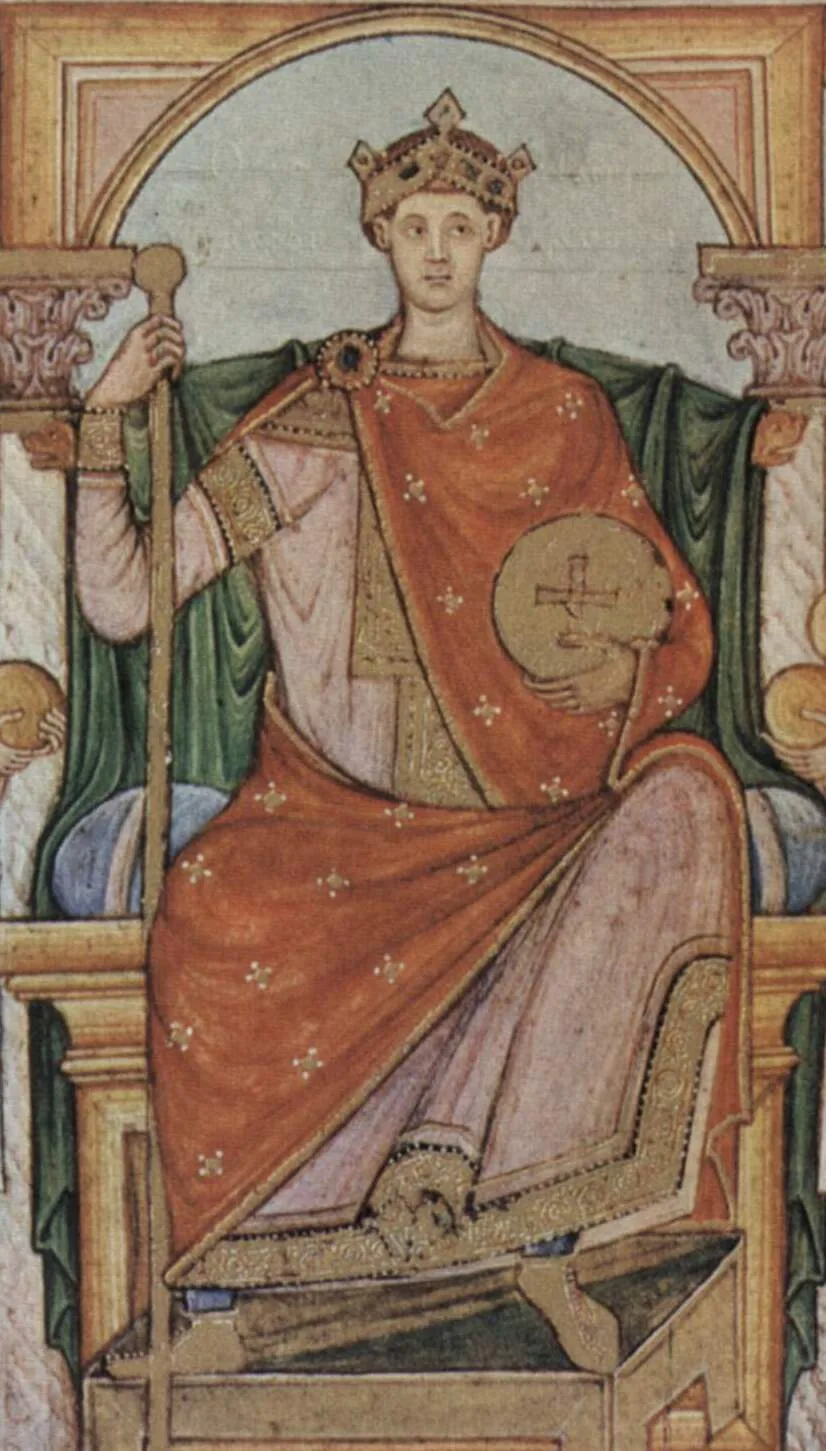
Wikimedia Commons · Public domain · file Otto II was born in the Duchy of Saxony, the third son of Otto I and Adelaide of Italy. The surviving account identifies Saxony but not a specific birthplace; coordinates represent central Saxony.
Crowned co-king at Aachen Cathedral
· Aachen Cathedral, Aachen, Germany
At about six years old, Otto was crowned co-ruler of Germany by his uncle Bruno, archbishop of Cologne. The source qualifies the exact coronation date as probable.
Meeting Otto I at Verona
· Verona, Italy
Otto joined his father in Italy; their meeting at Verona began the journey to his imperial coronation.
Crowned co-emperor in Rome
· Rome, Papal States
Pope John XIII crowned Otto co-emperor, formally securing his succession to the imperial crown. The precise coronation church is not identified in the source; coordinates represent Rome.
Marriage to Theophanu in Rome
· Rome, Papal States
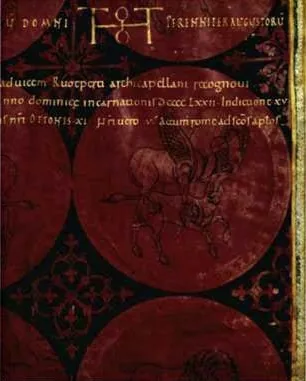
Wikimedia Commons · Public domain · file Otto married the Byzantine princess Theophanu, establishing a major dynastic and diplomatic alliance. The source gives April 972 in its narrative; the article infobox and Otto II article date the marriage 14 April 972.
Return to Saxony with imperial family
· Saxony, Kingdom of Germany
After five years in Italy, Otto returned north with the imperial family to Saxony. The source identifies Saxony rather than a specific settlement; coordinates represent central Saxony.
At Memleben after succession
· Memleben, Germany
Following Otto I's death, Otto II began a royal progress through the realm from Memleben. The German scholarly itinerary places him at Memleben in early May 973.
Funeral and burial of Otto I at Magdeburg
· Magdeburg, Germany
Otto II attended the funeral observance and burial of his father, Otto I, in Magdeburg. The itinerary dates the Magdeburg stay to 3–6 June 973.
Imperial assembly at Worms
· Worms, Germany
Otto held an imperial assembly during his first-year progress as sole ruler. The itinerary gives a Worms stay from 16 June to 1 July 973.
Royal progress at Aachen
· Aachen, Germany
Otto visited Aachen during his post-accession circuit through the empire. The itinerary dates this visit to 21–26 July 973.
Royal progress at Trier
· Trier, Germany
Otto was in Trier during his first extensive circuit through the imperial lands. The itinerary gives 22 August 973.
Stay at Erfurt
· Erfurt, Germany
Otto returned to Saxony through Erfurt during his royal progress. The itinerary dates the Erfurt stop to 11 September 973.
Stay at Allstedt
· Allstedt, Germany
Otto remained in Saxony during the autumn phase of his first royal progress. The itinerary dates the Allstedt stay to 22 October 973.
Christmas journey to Utrecht
· Utrecht, Kingdom of Germany
Otto travelled via Duisburg and Nijmegen to Utrecht for the Christmas season. The itinerary gives the preceding Nijmegen stop as 14 December 973 but does not specify Utrecht's arrival day.
Campaign at the Danevirke
· Danevirke, Denmark
Otto personally led an expedition against Harald Bluetooth's rebellion in Denmark and met resistance near the Danevirke. The source gives the year but not a more precise date; the exact location of Wiglesdor is uncertain, so coordinates represent the Danevirke.
Easter at Quedlinburg
· Quedlinburg, Germany
Otto celebrated Easter at Quedlinburg during continued travel through the northern kingdom. The source places him at Quedlinburg on 1 April 974 and records his Easter celebration there.
Easter at Aachen
· Aachen, Germany
Otto visited Aachen again and celebrated Easter there during his 975 itinerary. The source dates the visit by Easter rather than a calendar day.
Pentecost at Frankfurt
· Frankfurt am Main, Germany
Otto was at Frankfurt for Pentecost during a broad itinerary through Germany. The source dates the visit by Pentecost rather than a calendar day.
Christmas at Erstein
· Erstein, France
Otto spent Christmas in Erstein, in Alsace, before returning toward Franconia and Saxony.
Siege of Regensburg
· Regensburg, Germany
Otto marched south against Henry II's rebellion and besieged Regensburg, forcing Henry to flee to Bohemia. The source places the siege in the 976 rebellion but does not provide a more precise date.
Siege and submission at Passau
· Passau, Germany
Returning from Bohemia, Otto confronted the renewed Bavarian rebellion at Passau and compelled the rebels' submission after a siege. The episode followed Otto's August 977 Bohemian campaign; the source does not give a more exact date.
Second Bohemian campaign
· Bohemia
Otto launched a second expedition into Bohemia against the rebellion centred on Henry II. The source identifies Bohemia but not a specific locality; coordinates represent central Bohemia.
Imperial Diet at Quedlinburg
· Quedlinburg, Germany
Otto brought the defeated rebels before an imperial diet at Quedlinburg, reinforcing his control over Bavaria and its allies.
Imperial Diet at Dortmund
· Dortmund, Germany
Otto convened an imperial diet at Dortmund, declared war on France, and prepared the retaliatory campaign. The source gives mid-July 978.
Escape from Aachen
· Aachen, Germany
Wikimedia Commons · Public domain · file During Lothair of France's surprise invasion, Otto and Theophanu escaped Aachen ahead of the attacking army. The linked account dates Lothair's invasion and Otto's escape to August 978.
Flight to Cologne
· Cologne, Germany
Wikimedia Commons · Public domain · file Otto and Theophanu fled to Cologne after leaving Aachen before Lothair's forces arrived. The surrounding account places this flight during the French invasion of 978.
Counter-invasion at Rheims
· Rheims, France
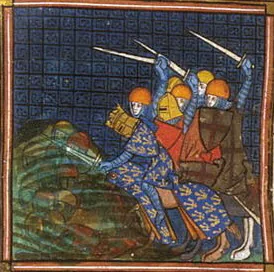
Wikimedia Commons · Public domain · file Otto's counter-invasion of West Francia reached Rheims during his campaign against Lothair. The Otto II biography dates the retaliatory invasion to September 978; this linked account establishes his presence at Rheims.
Siege of Paris
· Montmartre, Paris, France
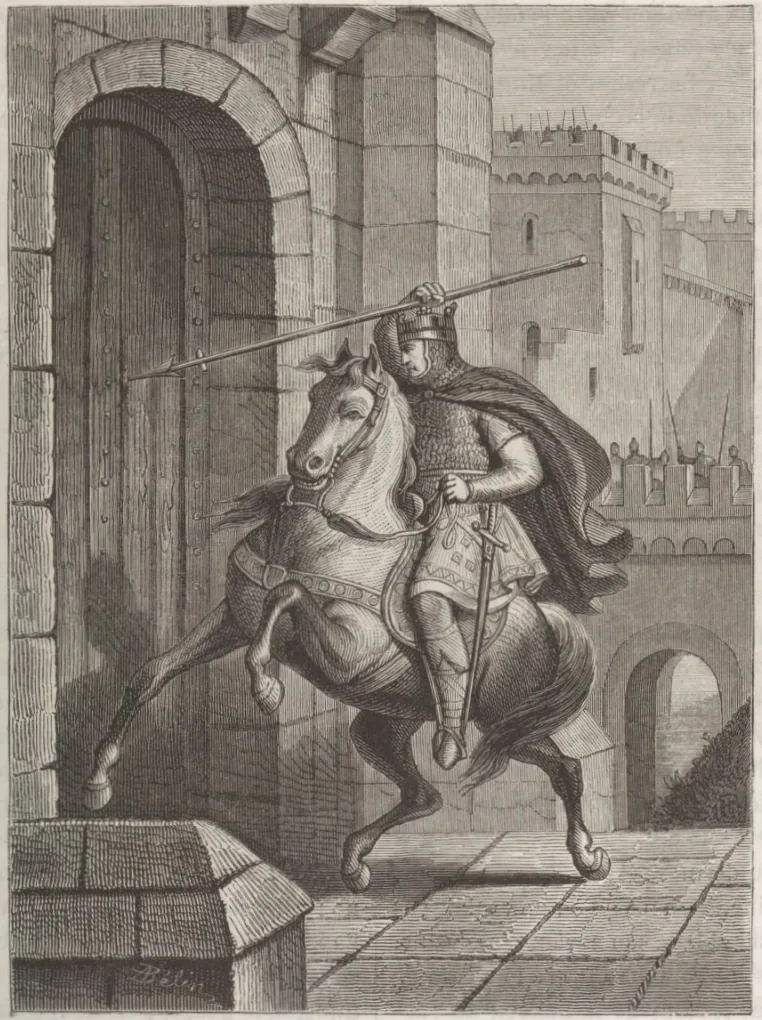
Wikimedia Commons · Public domain · file Otto besieged Paris in the final phase of his French campaign before withdrawing in late November. The linked account states that Otto retreated in November 978; the Otto II biography gives 30 November as the lifting of the siege.
Peace meeting at Margut
· Margut, France
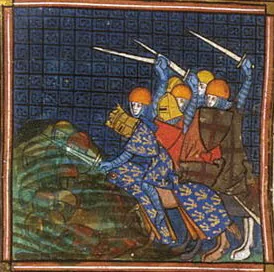
Wikimedia Commons · Public domain · file Otto met King Lothair at the border settlement of Margut and concluded peace over Lotharingia. The source gives the year but not a more precise date.
Arrival at Chiavenna
· Chiavenna, Italy
Otto's court crossed the Alps and arrived at Chiavenna, where it received Italian delegations before moving deeper into Italy.
Christmas at Ravenna
· Ravenna, Italy
Otto and the imperial family spent Christmas at Ravenna after his arrival in Italy. The source identifies Christmas 980 but does not give a calendar day.
Arrival at Pavia
· Pavia, Italy
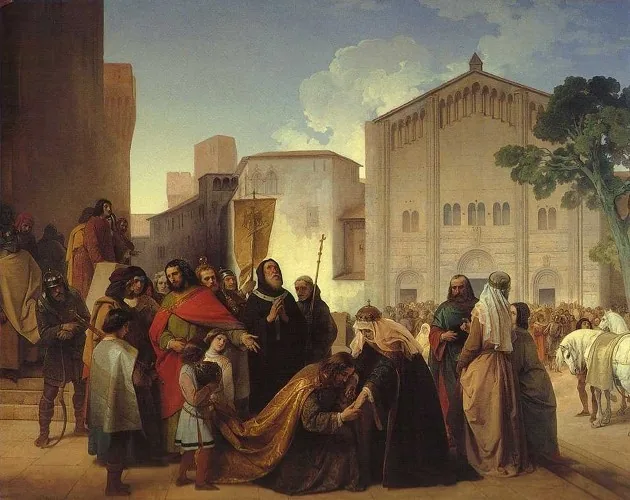
Wikimedia Commons · Public domain · file Otto arrived in Pavia and reconciled there with his mother Adelaide after years apart.
Arrival and court at Rome
· Rome, Papal States
Otto reached Rome, restored Pope Benedict VII, and thereafter held imperial court in the city.
March into Apulia
· Apulia, Italy
Otto led his troops into Byzantine-controlled Apulia in an attempt to annex the territory to his empire. The source identifies the broad region rather than a specific locality; coordinates represent central Apulia.
Siege of Salerno
· Salerno, Italy
During the southern Italian campaign, Otto besieged Salerno in an unsuccessful effort against Duke Manso I of Amalfi. The surrounding narrative places Manso's seizure of Salerno in 982; the source does not date the siege more precisely.
Capture of Taranto
· Taranto, Italy
Otto's army besieged and captured Taranto, the Byzantine administrative centre of Apulia. Otto's command presence is supported by the campaign narrative; the quoted wording identifies his army rather than explicitly naming him at the siege.
Pursuit from Rossano
· Rossano, Italy
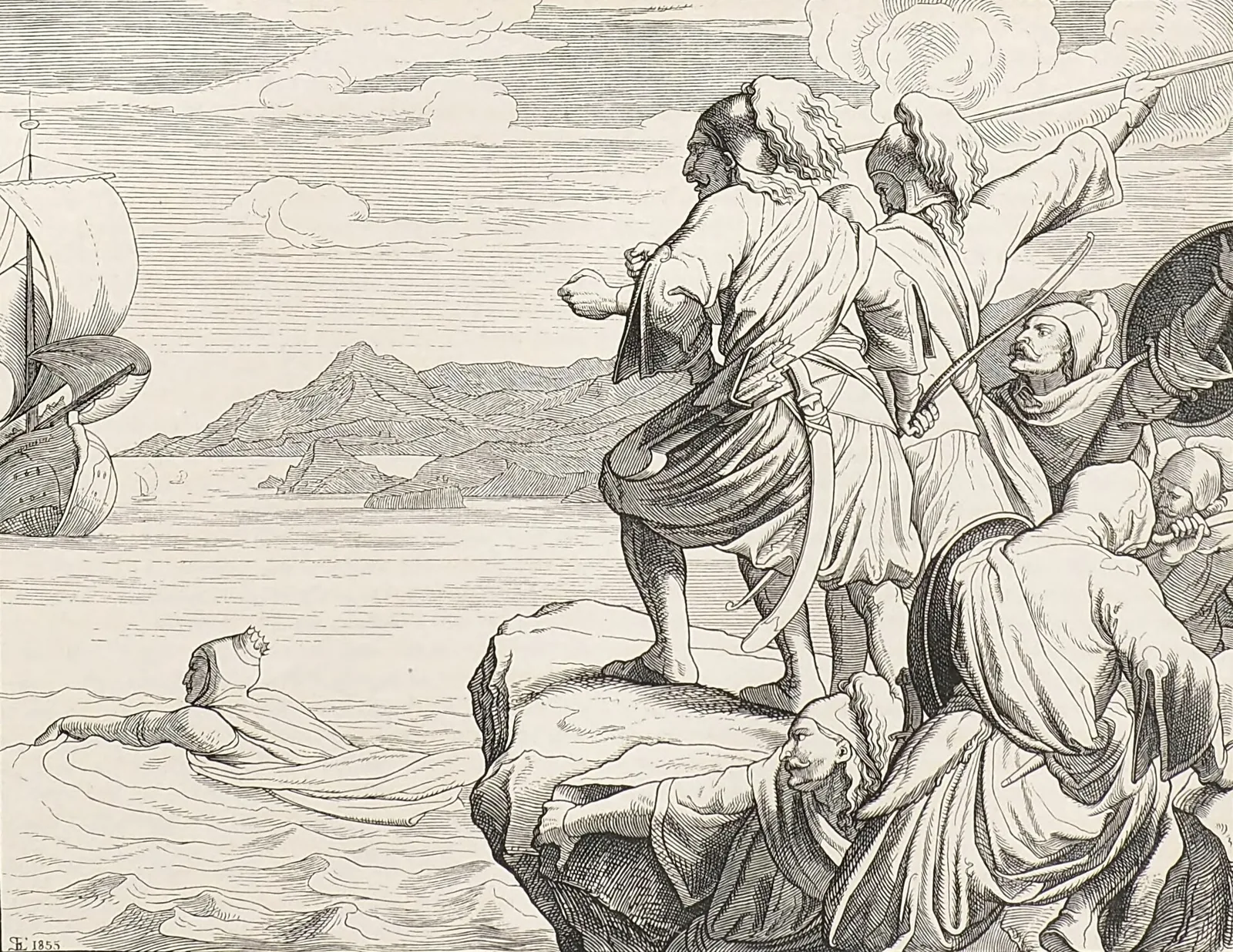
Wikimedia Commons · Public domain · file Before pursuing the retreating Muslim force, Otto left Theophanu, Otto III, and the imperial treasury at Rossano. This occurred immediately before the battle of 13 or 14 July 982.
Recovery at Rossano after Stilo
· Rossano, Italy
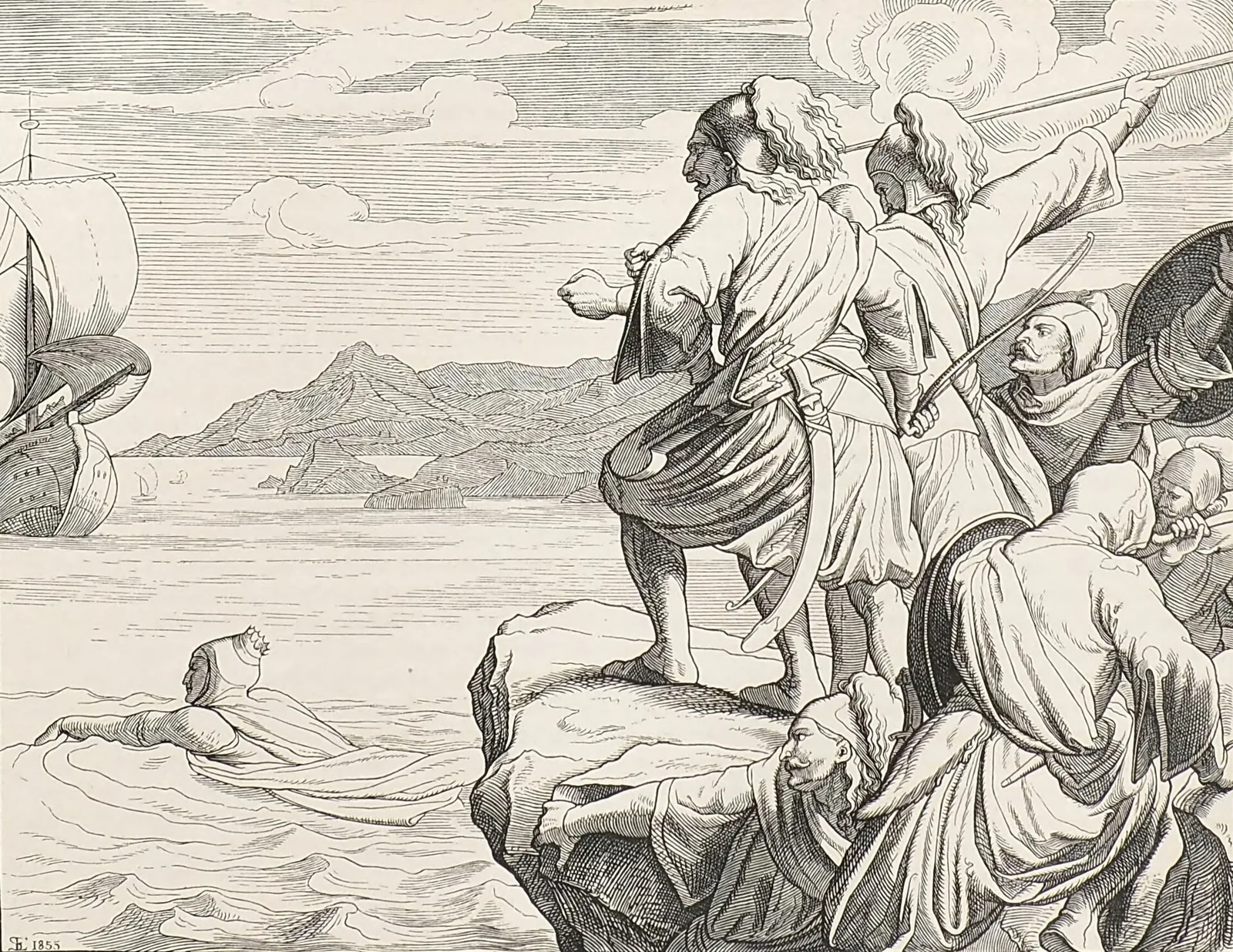
Wikimedia Commons · Public domain · file After escaping the battlefield by Byzantine merchant ship, Otto rested at Rossano before returning to Rome. The source does not specify the precise dates of Otto's stay at Rossano after the battle.
Battle of Stilo at Capo Colonna
· Capo Colonna, near Crotone, Italy
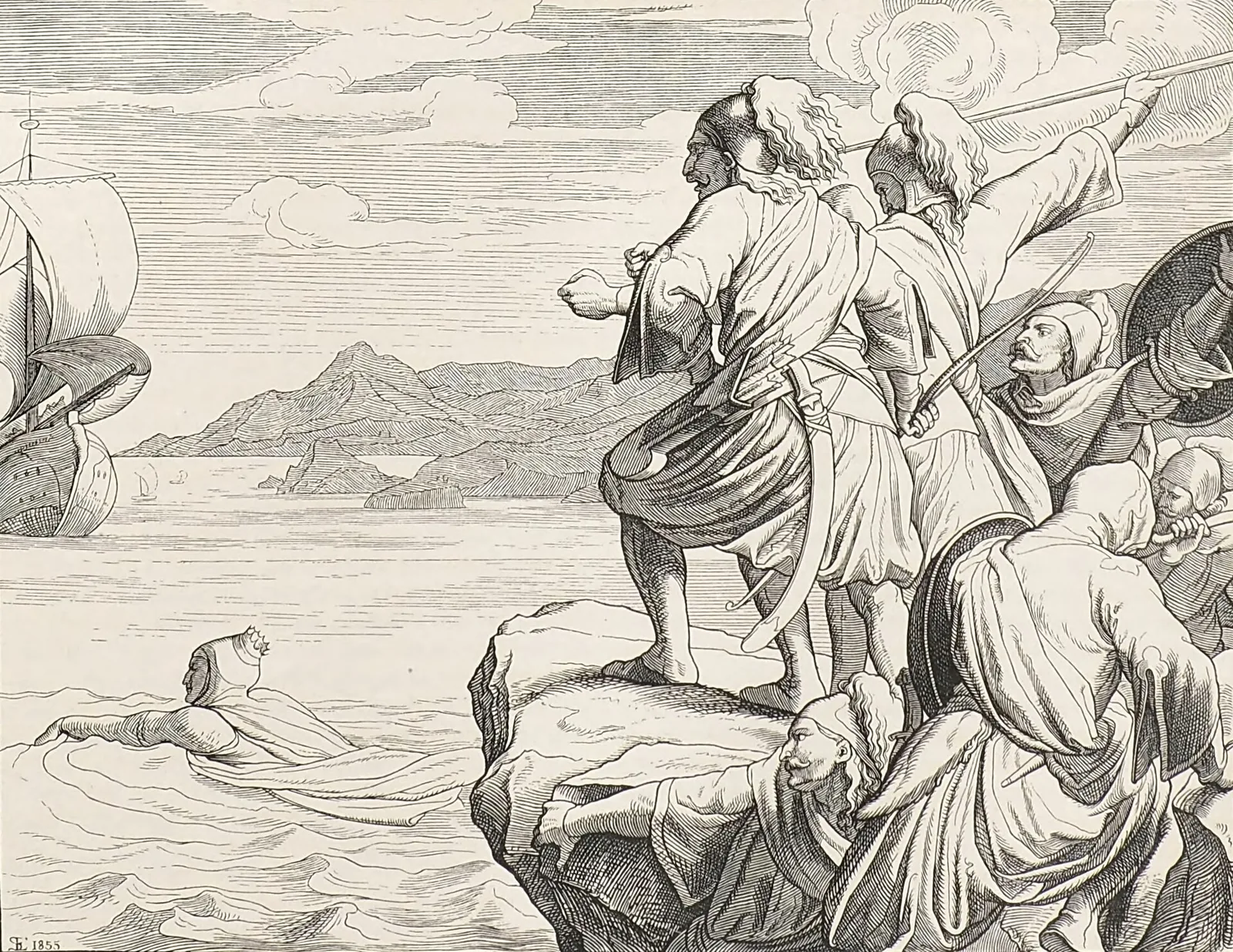
Wikimedia Commons · Public domain · file Otto commanded imperial forces at the Battle of Stilo, where the Muslim army inflicted a major defeat on him. The battle date is disputed between 13 and 14 July; 14 July follows the Otto II biography's dating.
Return to Rome after defeat
· Rome, Papal States
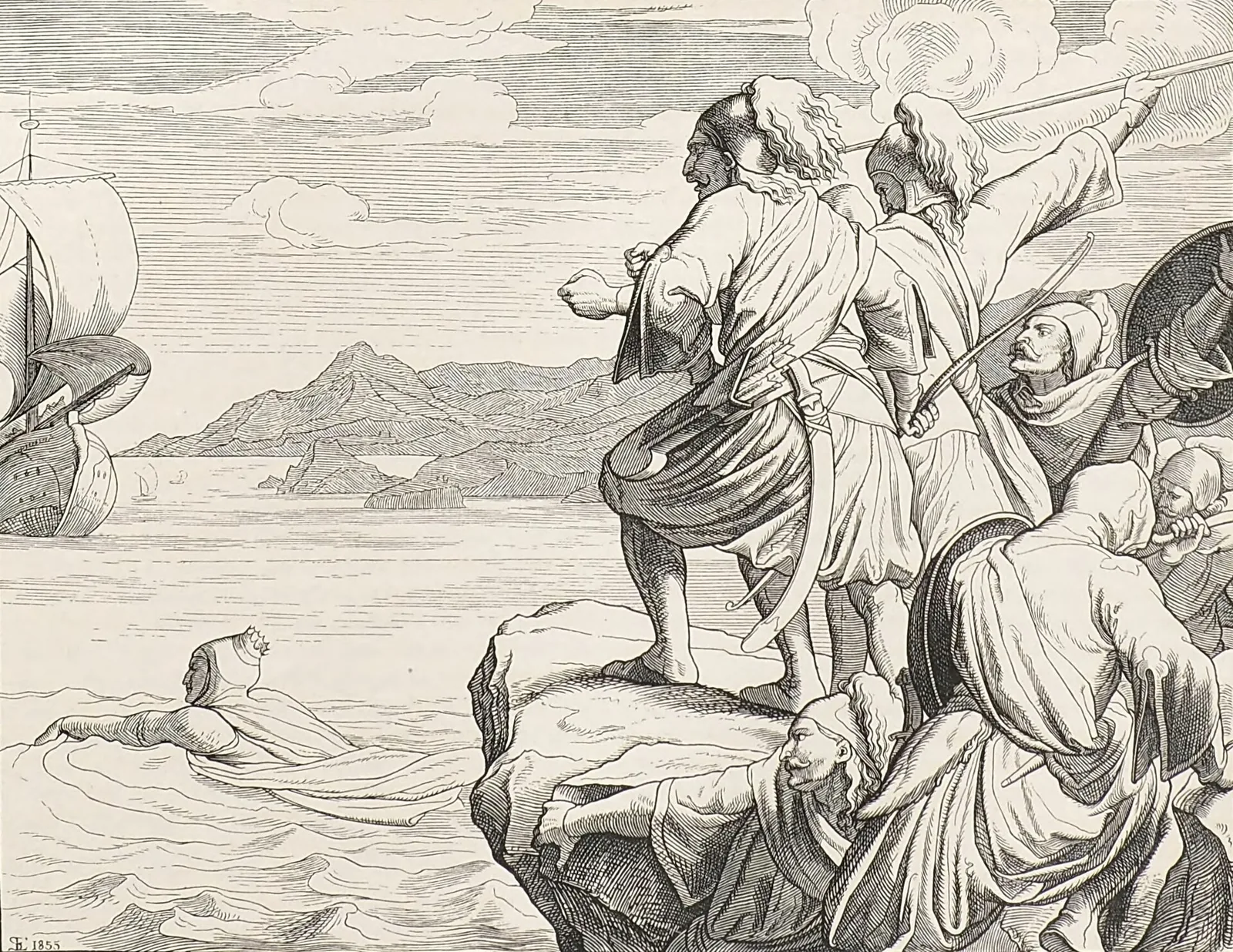
Wikimedia Commons · Public domain · file Otto returned to Rome after recovering from the defeat at Stilo and escaping Calabria.
Diet and election at Verona
· Verona, Italy
Otto held a major diet at Verona, where his young son Otto III was elected to co-rule and new dukes were selected. The exact timing is contested: one chronology dates the election 27 May 983, while another places it at Whitsun in June.
Final return to Rome
· Rome, Papal States
Otto returned to Rome to choose a successor to Pope Benedict VII and selected Pietro Canepanova, later Pope John XIV. The source dates Otto's return to September 983; the papal selection followed in November or early December.
Burial at St. Peter's Basilica
· St. Peter's Basilica, Rome, Papal States
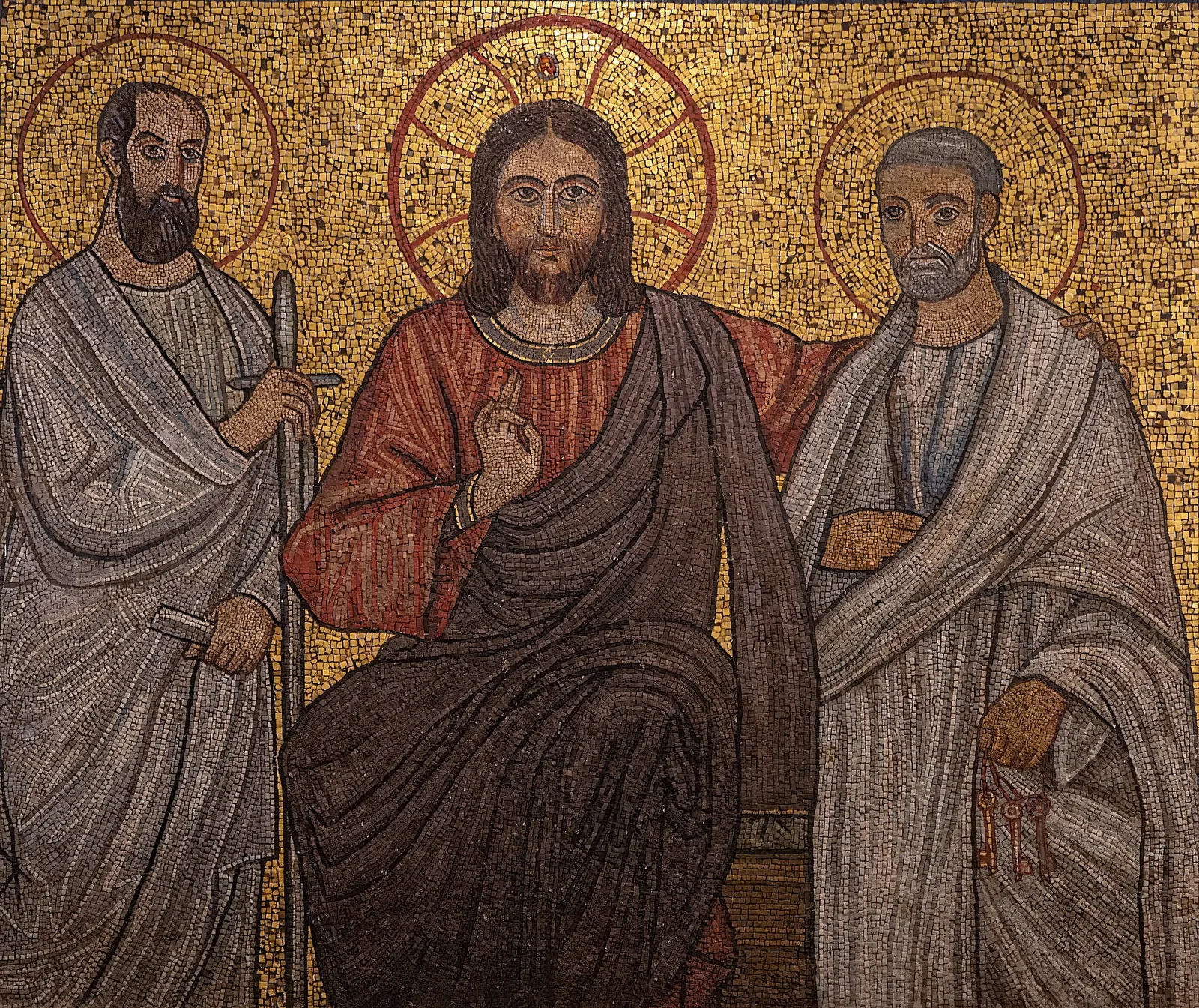
Wikimedia Commons · file After his death, Otto was buried in the atrium of St. Peter's Basilica, uniquely among Holy Roman emperors. The burial followed Otto's death on 7 December 983; the source does not give a separate burial date.
Death in Rome
· Rome, Papal States
Otto died during a malaria outbreak in his Roman palace, ending a reign of just over ten years. The precise palace is not identified in the source; coordinates represent Rome.