
16 moments
Birth at Uruk
· Uruk, Iraq
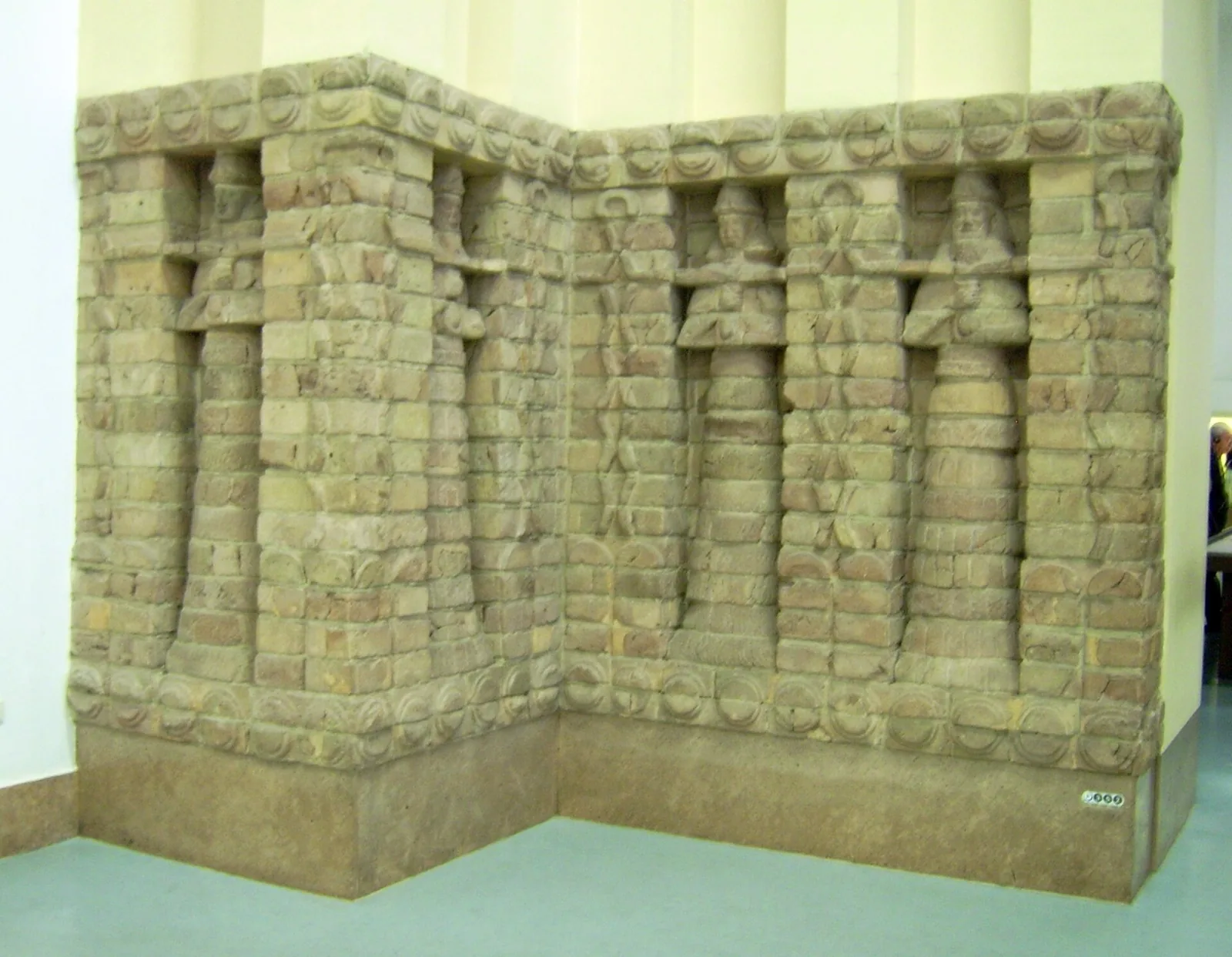
Wikimedia Commons · Creative Commons Attribution-Share Alike 2.5 Generic · file Nebuchadnezzar II was born at Uruk, the southern Mesopotamian city closely associated with his family. Birth year is approximate in the source; coordinates identify the archaeological site of ancient Uruk.
Campaign at Harran
· Harran, Türkiye
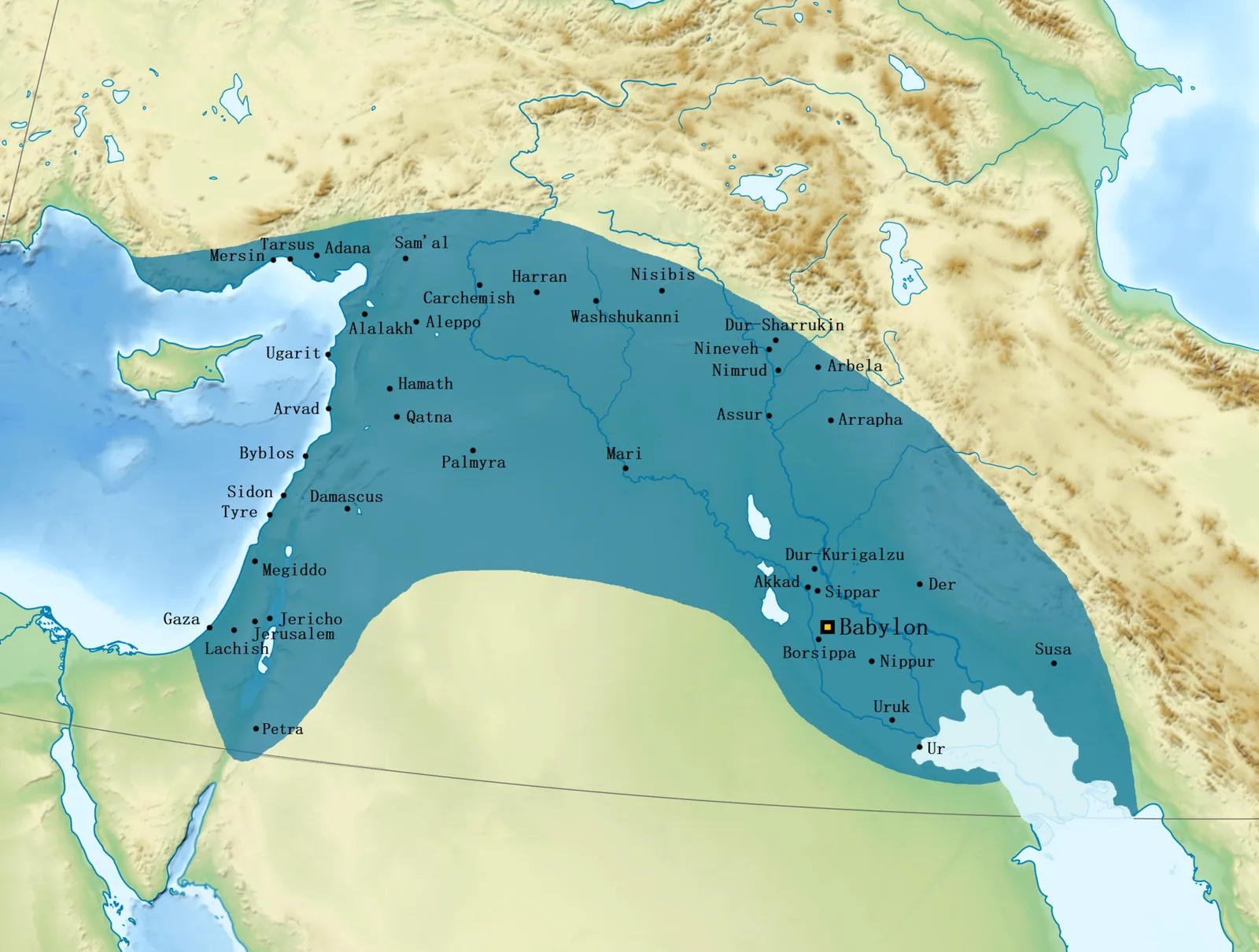
Wikimedia Commons · Creative Commons Attribution-Share Alike 4.0 International · file While crown prince, Nebuchadnezzar participated in his father's campaign to take Harran during the final war against the Assyrian rump state. The source qualifies his participation as appearing from a letter to the Eanna temple administration.
Battle of Carchemish
· Carchemish, near Karkamış, Türkiye
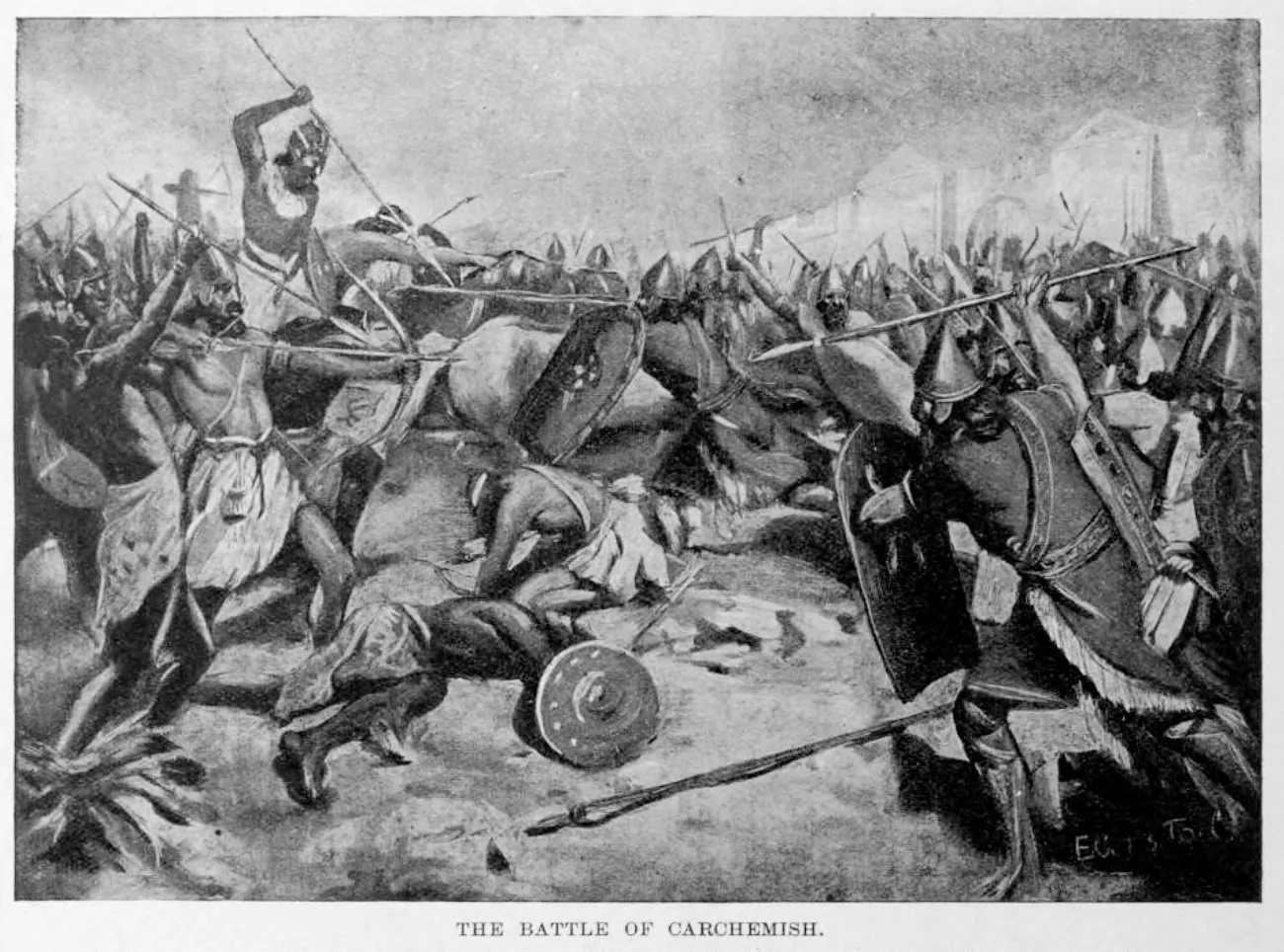
Wikimedia Commons · Creative Commons Attribution 2.0 Generic · file As crown prince and sole commander of the Babylonian army, Nebuchadnezzar led the campaign against Egypt at Carchemish, a decisive Babylonian victory. Date is circa 605 BC in the associated battle chronology.
Pursuit to the Hamath region
· Hama, Syria
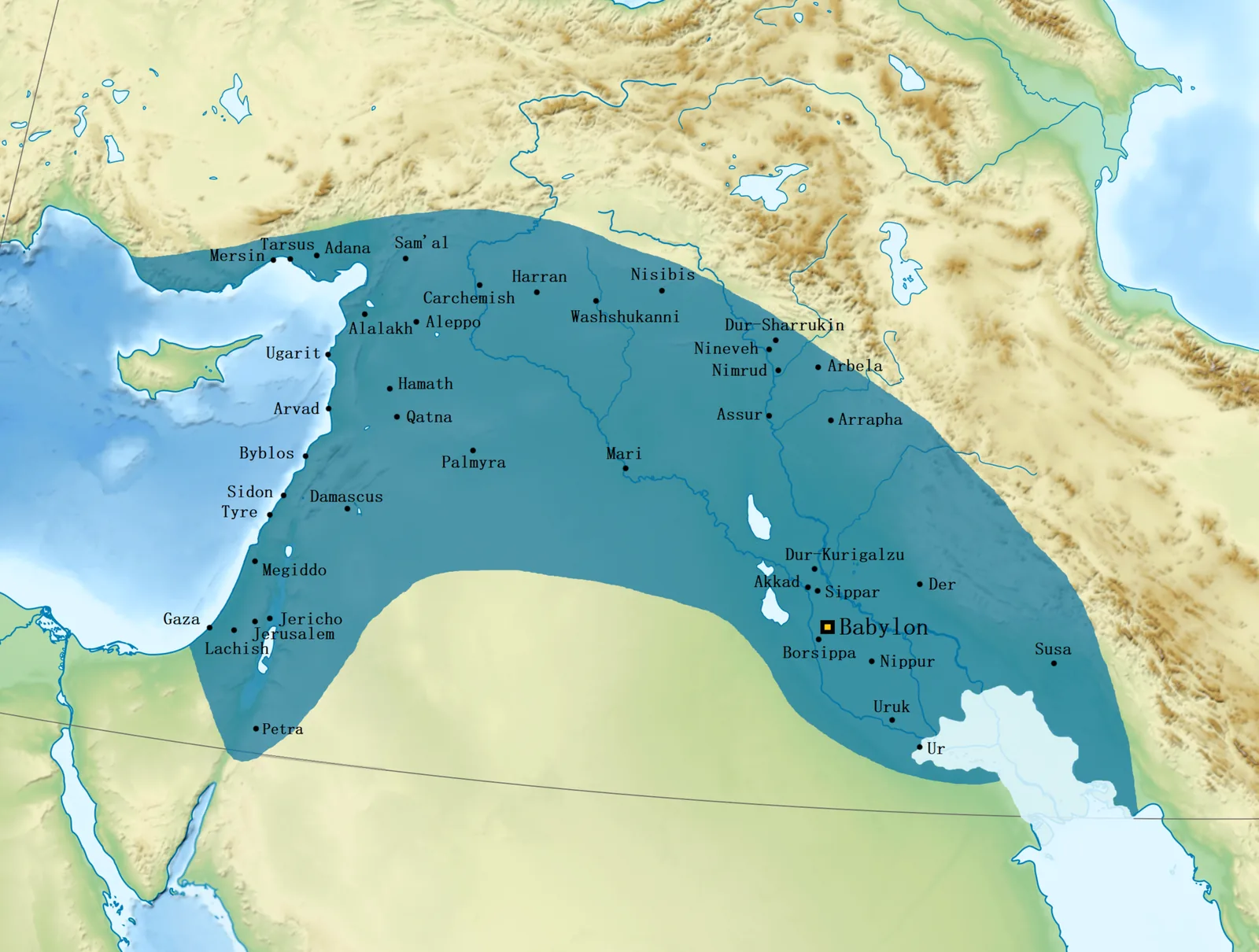
Wikimedia Commons · Creative Commons Attribution-Share Alike 4.0 International · file After Carchemish, Nebuchadnezzar pursued the retreating Egyptian force into the region around Hamath. Coordinates represent ancient Hamath at modern Hama; the evidence locates him in the surrounding region.
Return and accession at Babylon
· Babylon, Iraq
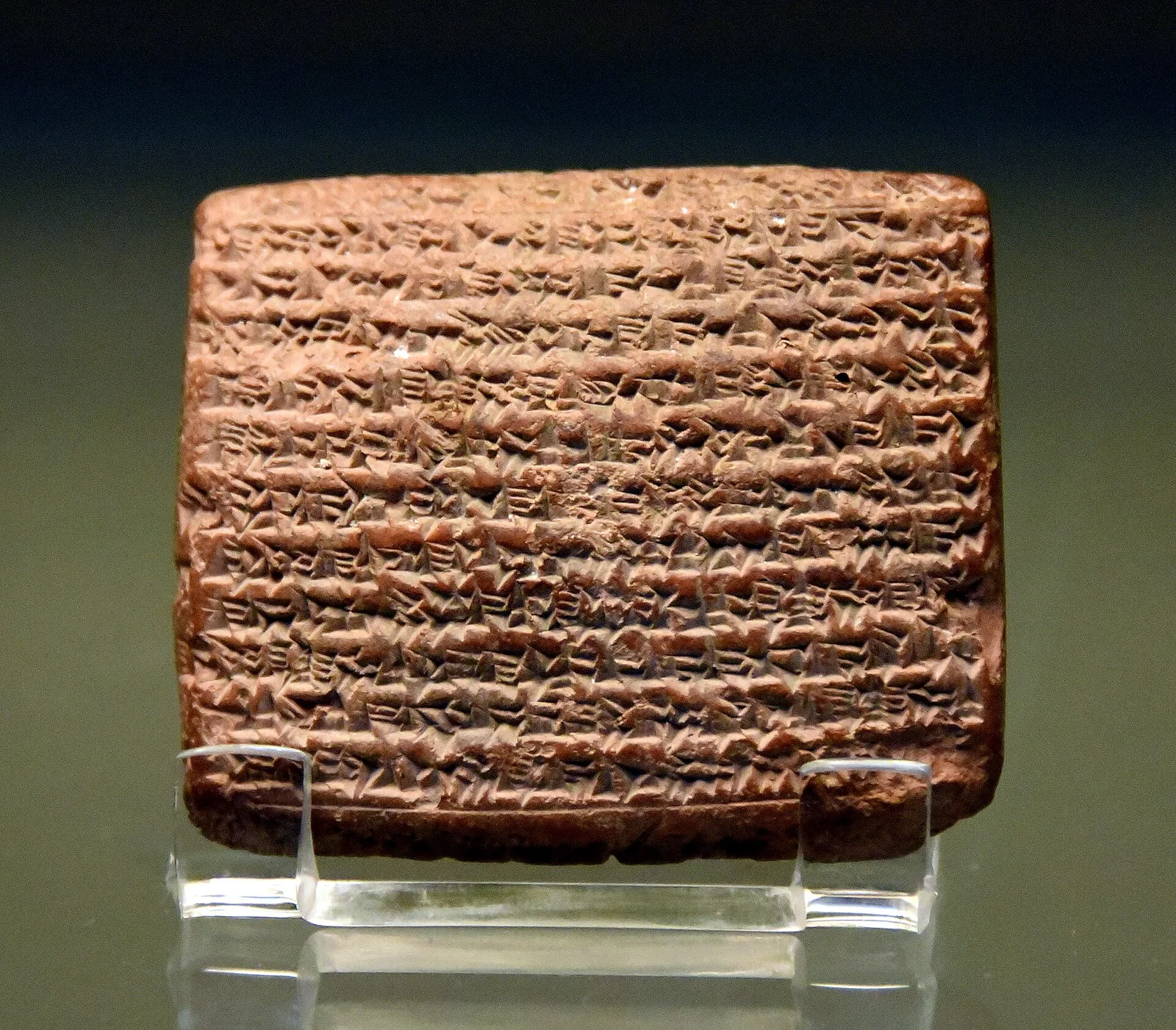
Wikimedia Commons · Creative Commons Attribution-Share Alike 4.0 International · file Following Nabopolassar's death, Nebuchadnezzar returned to Babylon and took the royal throne, beginning his reign. The source equates 1 Ululu with 7 September 605 BC.
Capture of Ashkelon
· Ashkelon, Israel
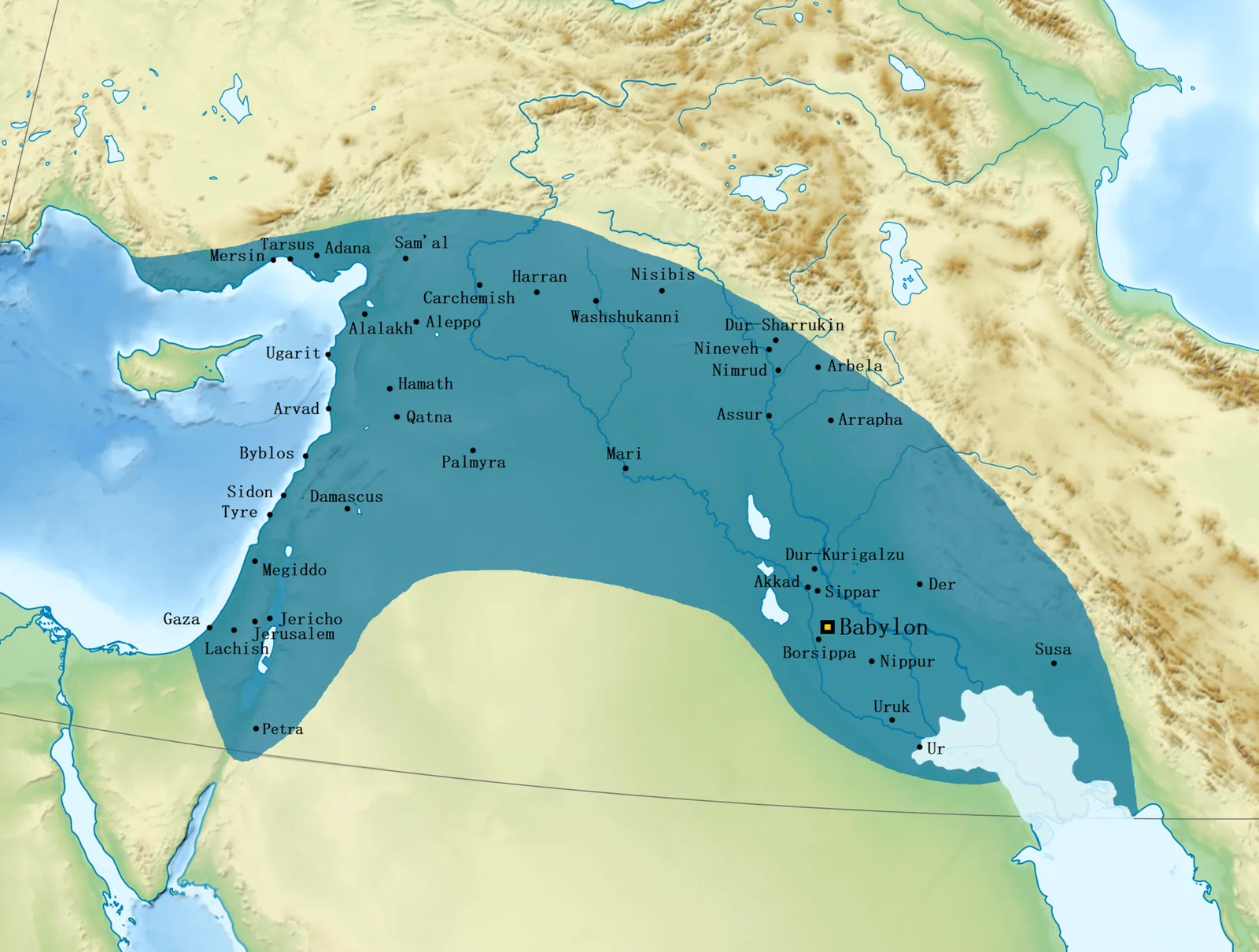
Wikimedia Commons · Creative Commons Attribution-Share Alike 4.0 International · file In his first regnal year, Nebuchadnezzar marched to Ashkelon, captured the city and its king, and then returned to Babylon. The chronicle dates the capture to Kislîmu at the end of 604 BC.
Return from Ashkelon campaign
· Babylon, Iraq
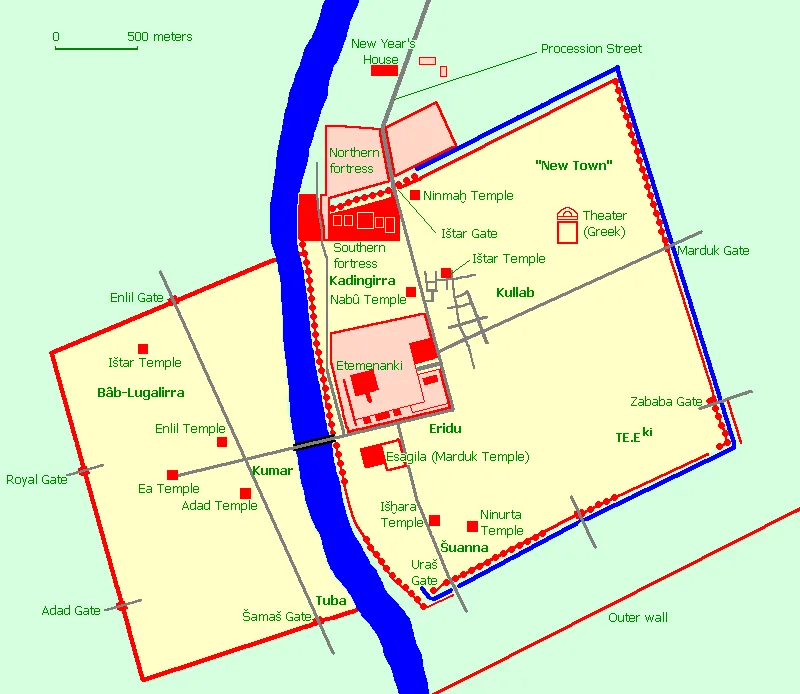
Wikimedia Commons · Creative Commons Attribution-Share Alike 2.0 Germany · file After the Ashkelon operation, Nebuchadnezzar marched back to his capital early in 603 BC. Šabatu is identified by the source as early 603 BC.
Egypt campaign
· Egypt
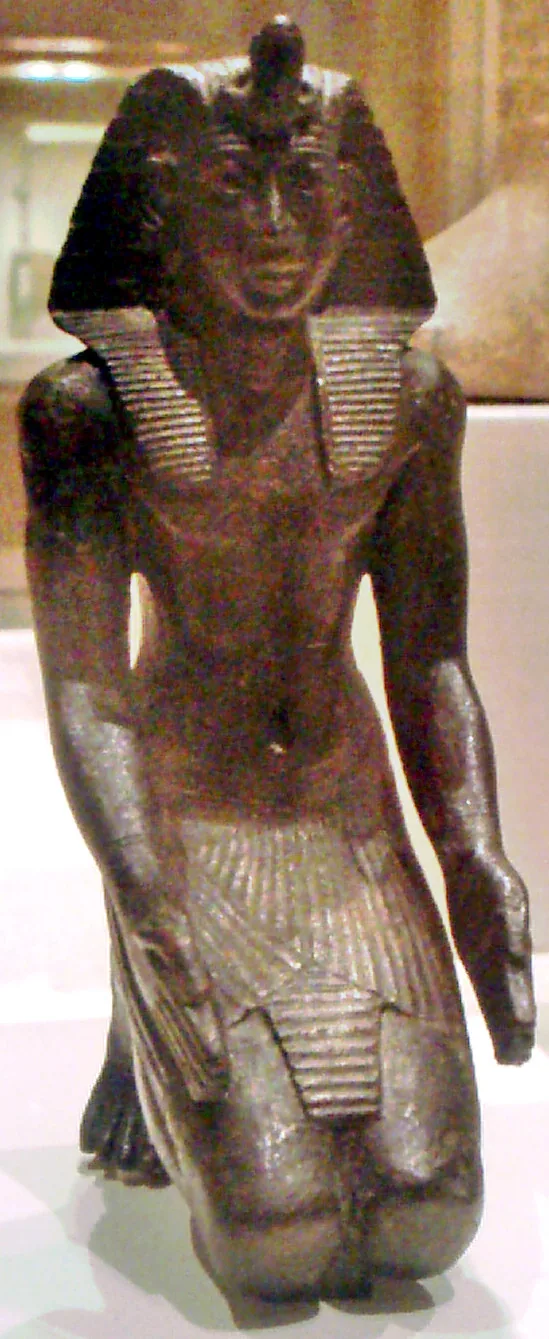
Wikimedia Commons · Creative Commons Attribution 2.5 Generic · file Nebuchadnezzar led his army from the Levant into Egypt; the ensuing battle caused heavy losses on both sides before the Babylonian withdrawal. The source establishes presence in Egypt but does not identify a more specific site; coordinates are a representative point for the country.
Stayed in Babylon to refit forces
· Babylon, Iraq
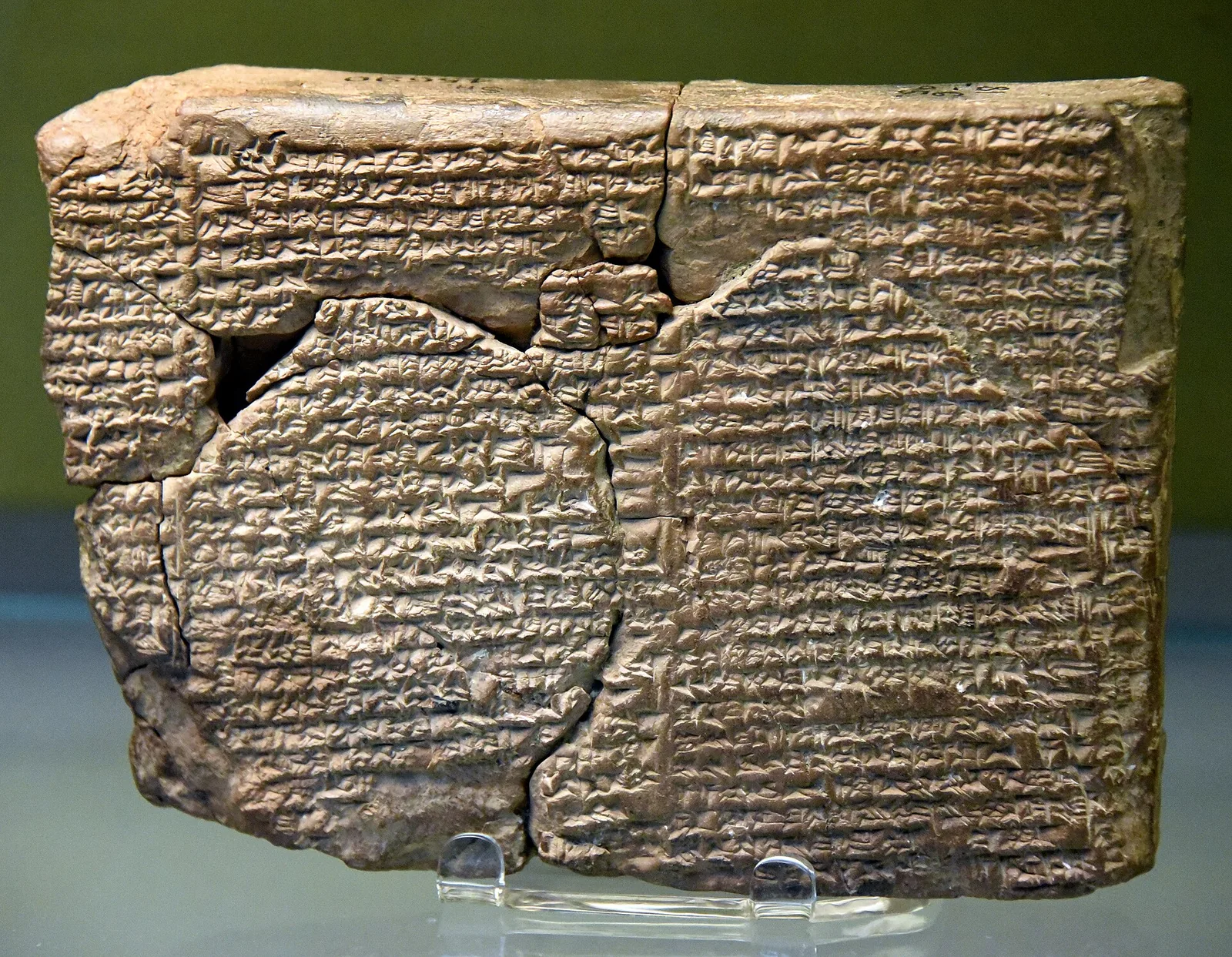
Wikimedia Commons · Creative Commons Attribution-Share Alike 4.0 International · file Nebuchadnezzar remained in Babylon during a year devoted to rebuilding his chariot and horse forces after the Egyptian campaign.
Arabian-desert raid
· Syrian Desert, Syria
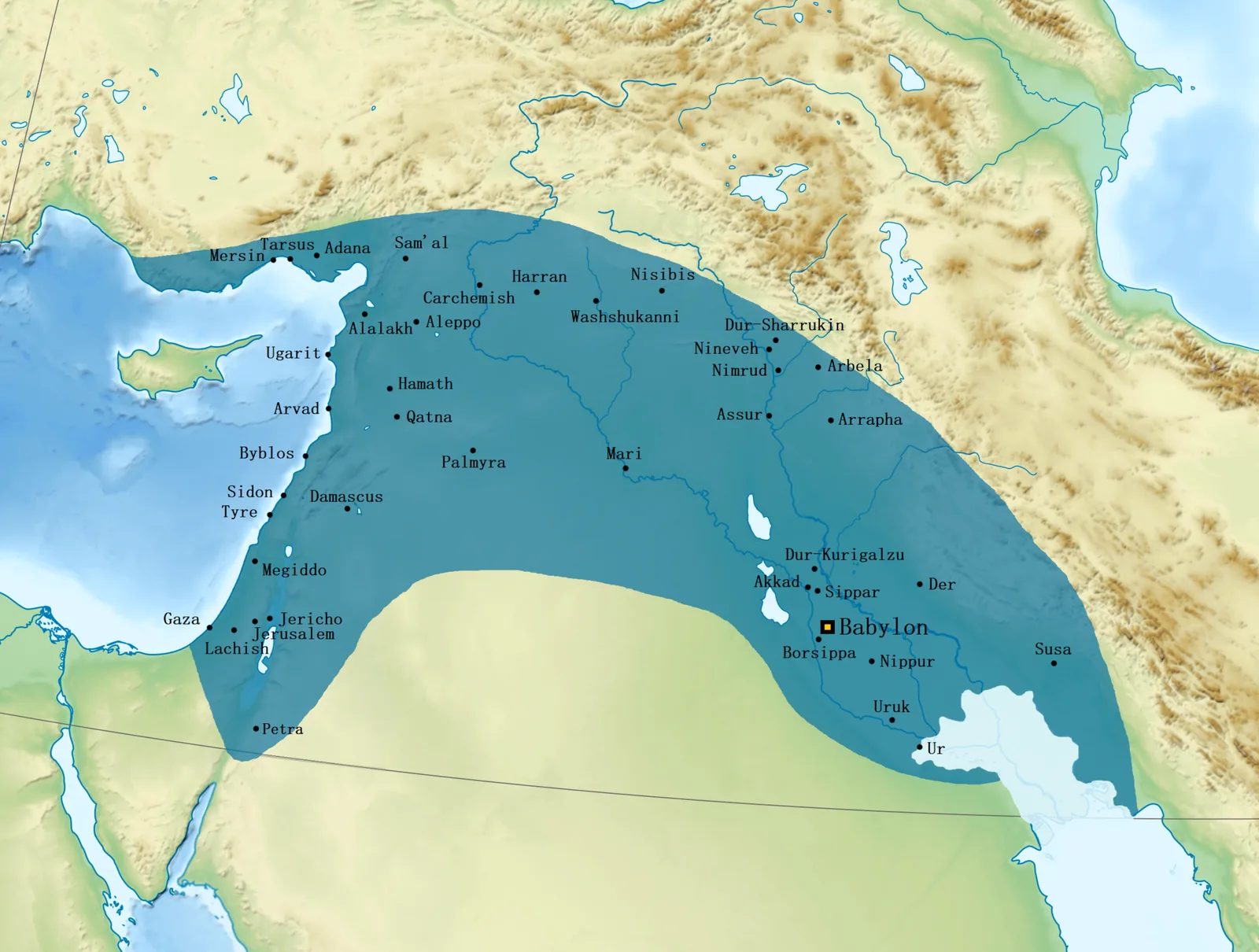
Wikimedia Commons · Creative Commons Attribution-Share Alike 4.0 International · file Nebuchadnezzar marched through the Levant and raided Arab groups in the Syrian desert during his sixth regnal year. The exact desert location is not specified; coordinates are a representative point in the Syrian Desert.
First siege of Jerusalem
· Jerusalem, Judah
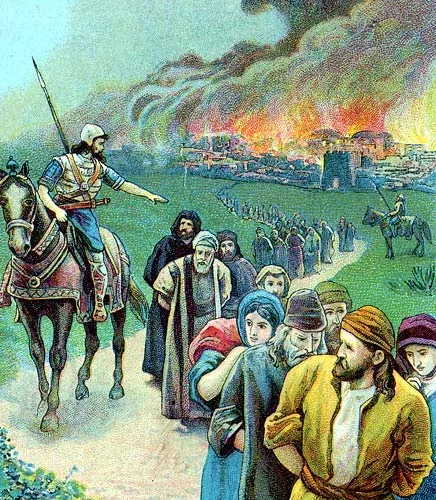
Wikimedia Commons · Creative Commons Public Domain Mark 1.0 · file Nebuchadnezzar began the campaign against Judah, besieging Jerusalem; the city and its king were seized in early 597 BC. The campaign began in Kislîmu of 598 BC and culminated in the capture of Jerusalem in February/March 597 BC.
Return from Jerusalem to Babylon
· Babylon, Iraq
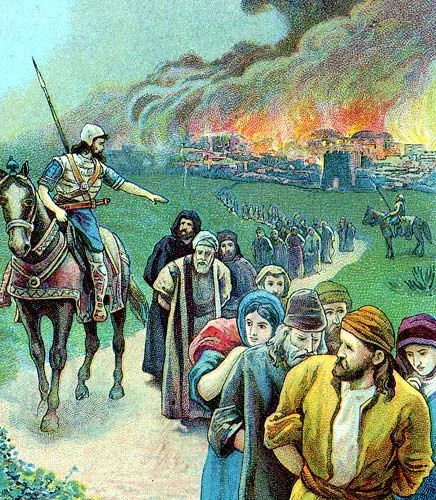
Wikimedia Commons · Creative Commons Public Domain Mark 1.0 · file After taking Jerusalem and installing a new Judean king, Nebuchadnezzar returned to Babylon with tribute. The quoted Babylonian Chronicle passage dates the capture to early 597 BC.
Advance to Carchemish
· Carchemish, near Karkamış, Türkiye
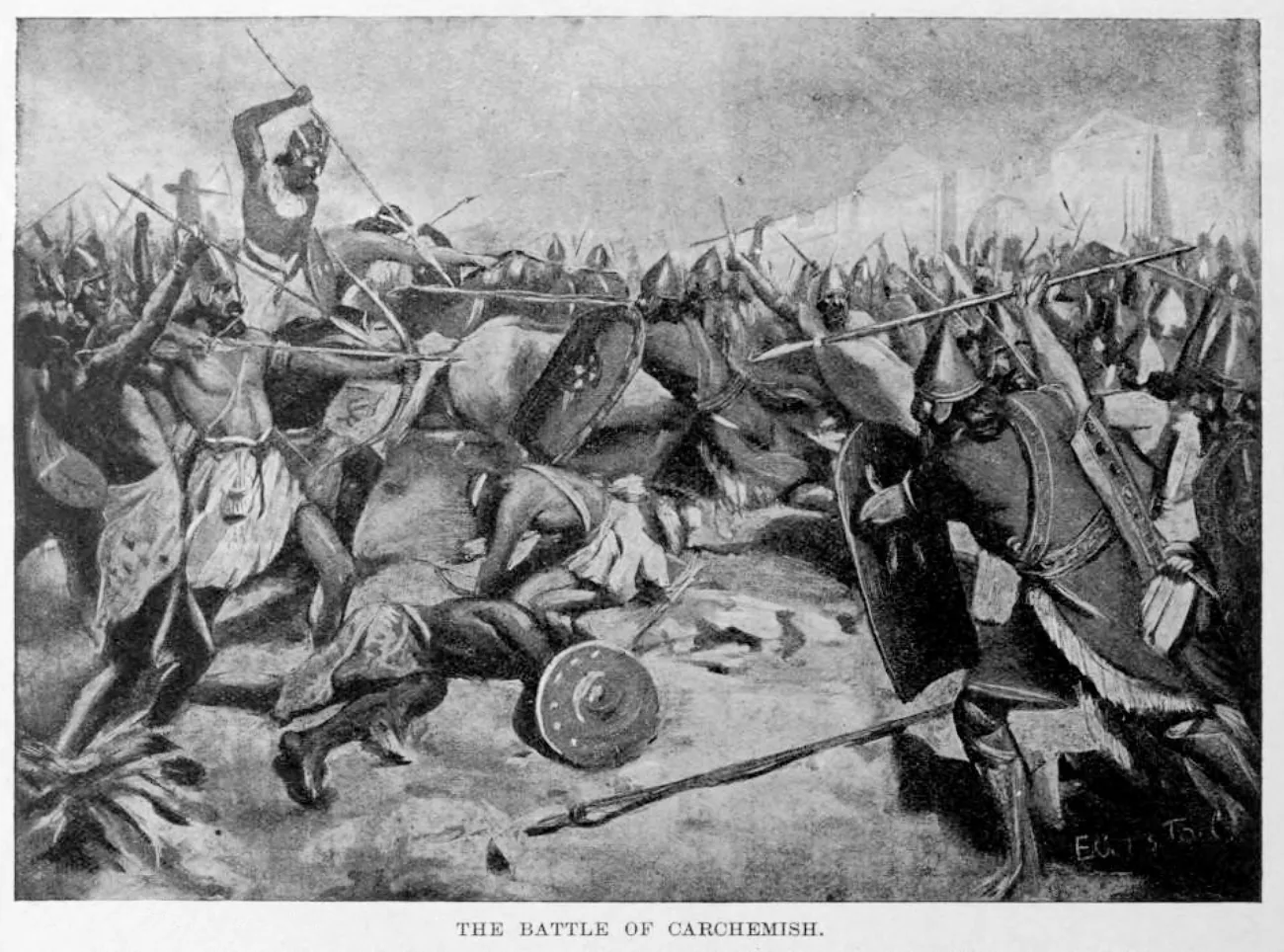
Wikimedia Commons · Creative Commons Attribution 2.0 Generic · file During a subsequent Levantine campaign, Nebuchadnezzar marched as far as Carchemish before returning to Babylonia. The event occurred in winter spanning 597–596 BC; the card uses 596 BC for chronological placement.
Suppression of rebellion in Babylon
· Babylon, Iraq
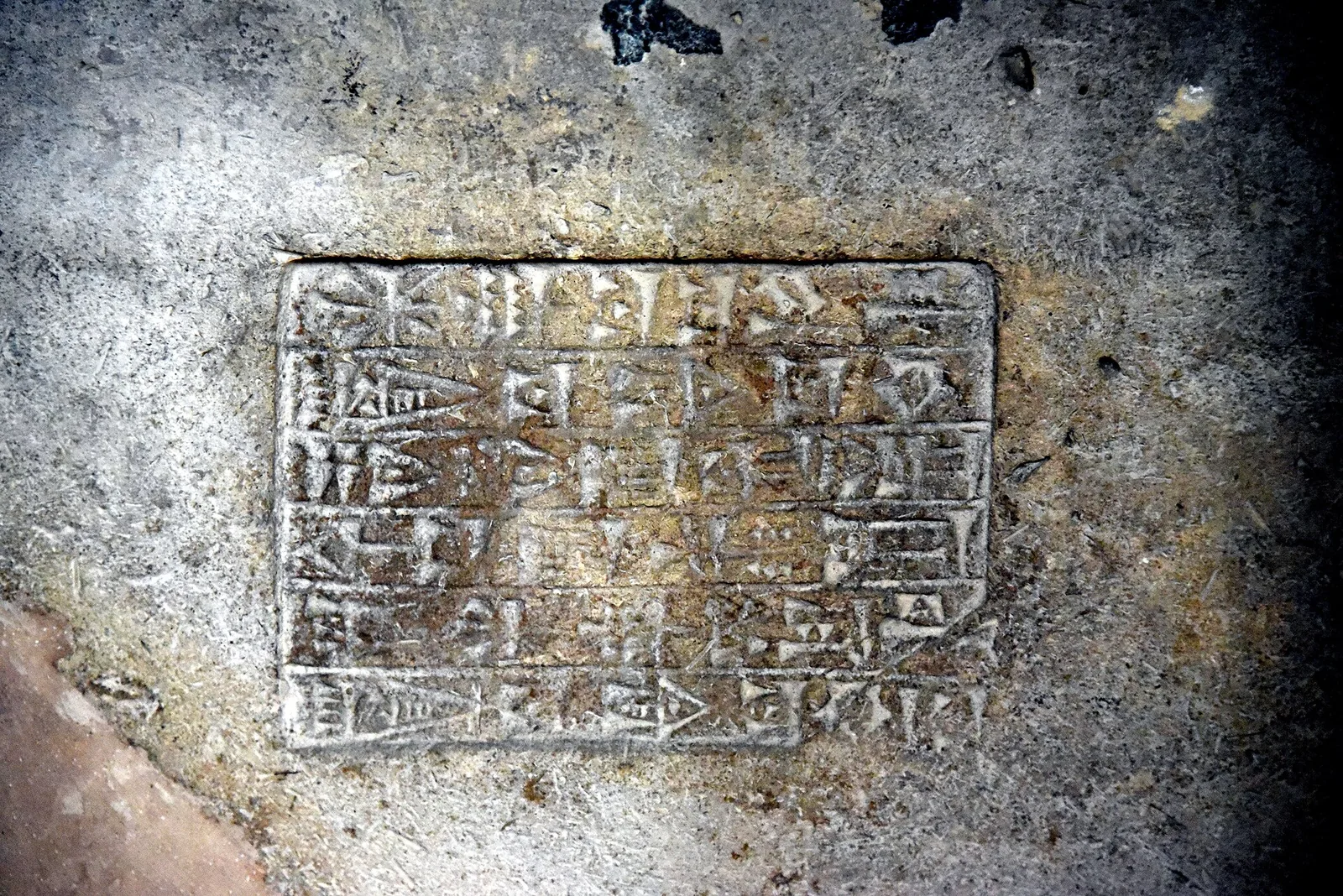
Wikimedia Commons · Creative Commons Attribution-Share Alike 4.0 International · file Nebuchadnezzar was in Babylon when a rebellion broke out; he defeated the rebels before resuming western campaigning.
Second siege of Jerusalem
· Jerusalem, Judah
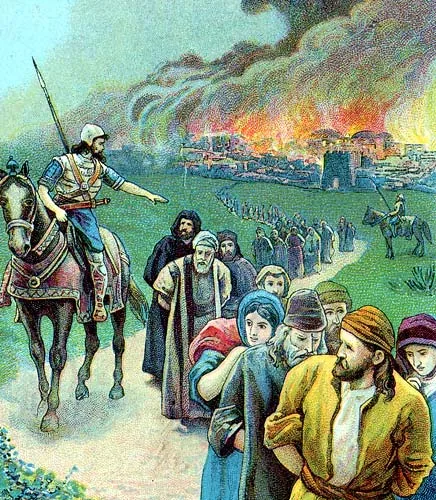
Wikimedia Commons · Creative Commons Public Domain Mark 1.0 · file Nebuchadnezzar began the approximately thirty-month siege that ended with Jerusalem's fall and destruction in the summer of 587 BC. The siege is dated 589–587 BC; this card is dated to its beginning.
Death at Babylon
· Babylon, Iraq
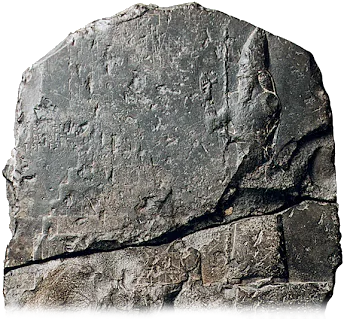
Wikimedia Commons · Public domain · file Nebuchadnezzar died in Babylon after a reign of forty-three years. The source supports 7 October 562 BC through the succession-date evidence.