
17 moments
Birth in Mexico City
· Mexico City, Mexico
Mario Molina was born in Mexico City, beginning the life of the Mexican scientist who later shared the 1995 Nobel Prize in Chemistry. Coordinates represent central Mexico City; the birth-site address is not specified by the source.
Enrollment at UNAM
· National Autonomous University of Mexico, Mexico City, Mexico
Molina enrolled in UNAM's chemical-engineering program, choosing it as his route toward physical chemistry. Coordinates represent UNAM's Ciudad Universitaria campus.
Chemical-engineering degree at UNAM
· National Autonomous University of Mexico, Mexico City, Mexico
Molina completed his chemical-engineering degree at UNAM before pursuing postgraduate research abroad. Coordinates represent UNAM's Ciudad Universitaria campus.
Assistant professorship at UNAM
· National Autonomous University of Mexico, Mexico City, Mexico
After his European study, Molina returned to Mexico and served as an assistant professor at UNAM while establishing graduate chemical-engineering teaching. Coordinates represent UNAM's Ciudad Universitaria campus.
Graduate study in Paris
· Sorbonne University, Paris, France
While preparing for graduate study in the United States, Molina studied and participated in the intellectual life of Paris. The interview identifies 1967 amid recollections spanning 1967–1968; coordinates represent the historic Sorbonne site.
Polymerization research at Freiburg
· University of Freiburg, Freiburg im Breisgau, Germany
Molina's postgraduate work in polymerization kinetics at the University of Freiburg earned him a master's degree. Coordinates represent the University of Freiburg's central campus.
Graduate studies at UC Berkeley
· University of California, Berkeley, California, United States
Molina left for Berkeley to pursue a doctorate in physical chemistry and joined George C. Pimentel's research group. Coordinates represent the UC Berkeley campus.
Conference with Harold Johnston
· University of California, Berkeley, California, United States
Molina and Sherwood Rowland went to Berkeley to consult Harold Johnston as they developed and communicated their CFC-ozone-depletion theory. The autobiography places this visit in its 1974 CFC-research narrative but does not provide a more precise date; coordinates represent UC Berkeley.
CFC report and press conference
· Atlantic City, New Jersey, United States
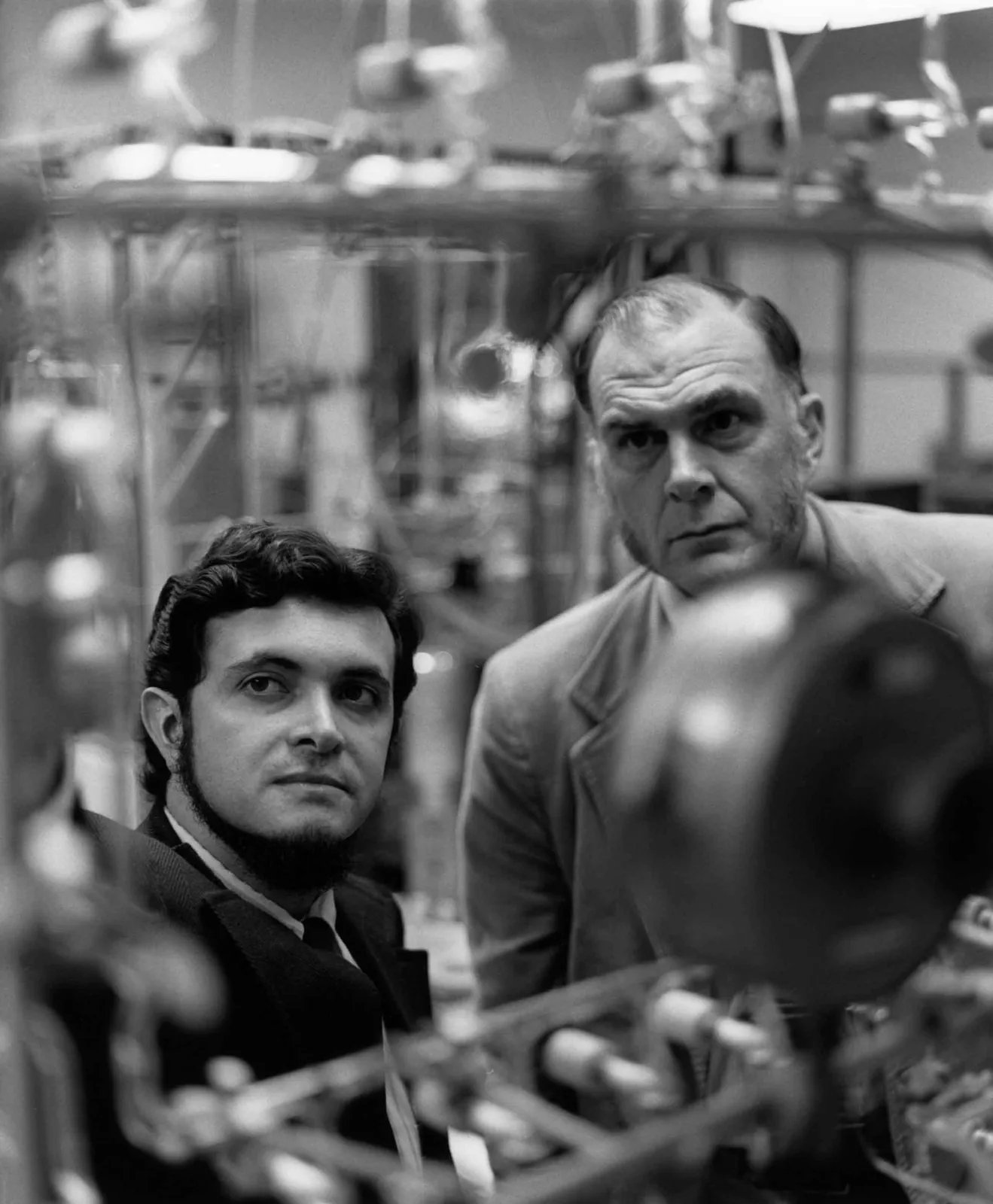
Wikimedia Commons · Courtesy of University of California, Irvine Molina and Rowland presented their report on CFCs and called for an end to further atmospheric releases at the American Chemical Society meeting. Wikipedia places the report at the September 1974 American Chemical Society meeting in Atlantic City; coordinates represent the Atlantic City Convention Center area.
Faculty appointment at UC Irvine
· University of California, Irvine, California, United States
Molina became a UC Irvine faculty member and pursued an independent atmospheric-chemistry research program after his postdoctoral work with Rowland. Coordinates represent the UC Irvine campus.
Move to Jet Propulsion Laboratory
· Jet Propulsion Laboratory, Pasadena, California, United States
Molina moved from UC Irvine to Caltech's Jet Propulsion Laboratory, where he conducted laboratory research on atmospheric chemistry and Antarctic ozone depletion. Coordinates represent the Jet Propulsion Laboratory campus.
Move to MIT
· Massachusetts Institute of Technology, Cambridge, Massachusetts, United States
Molina returned to academic life at MIT, where he continued research on global atmospheric-chemistry issues. Coordinates represent MIT's main Cambridge campus.
Move to UC San Diego and Mexico City
· University of California, San Diego, La Jolla, California, United States
Molina relocated from MIT to UC San Diego while also moving to Mexico City and creating the Mario Molina Center for Strategic Studies in Energy and Environment. This card uses UC San Diego as the place for the documented move; the same source explicitly records a concurrent move to Mexico City.
Nobel Laureate Symposium on Global Sustainability
· Royal Swedish Academy of Sciences, Stockholm, Sweden
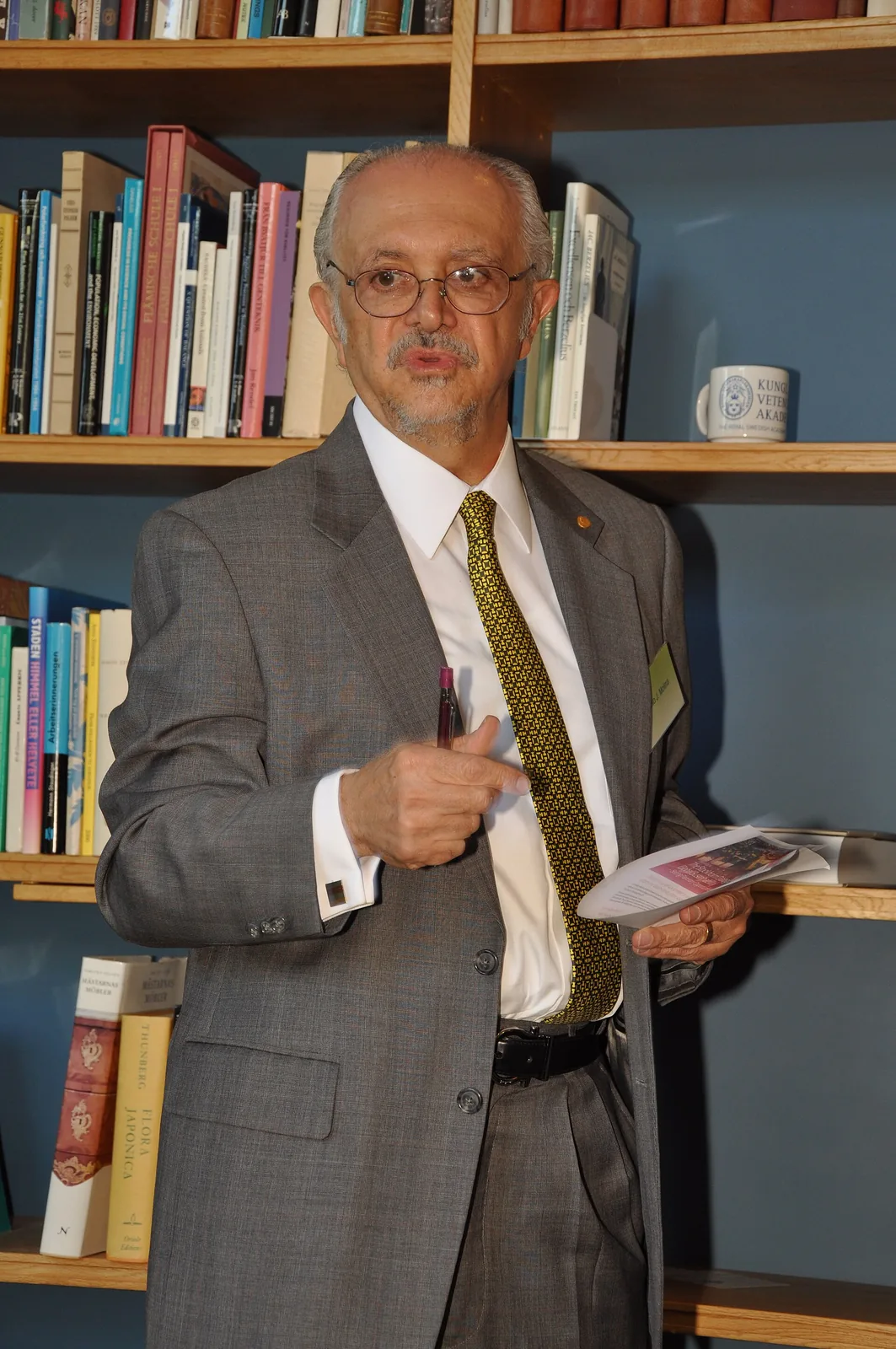
Wikimedia Commons · Creative Commons Attribution-Share Alike 3.0 Unported · file Molina participated in the third Nobel Laureate Symposium on Global Sustainability, which produced the Stockholm Memorandum on global change and sustainability. The source lists Molina among symposium participants; date precision is limited to the documented May 16–18 event.
Oral-history interview at Mario Molina Center
· Mario Molina Center, Mexico City, Mexico
Molina gave a recorded oral-history interview at the Mario Molina Center, discussing his life, research, public policy work, and career transitions. Coordinates represent central Mexico City because the source does not provide the center's street address.
Presidential Medal of Freedom ceremony
· East Room, White House, Washington, D.C., United States
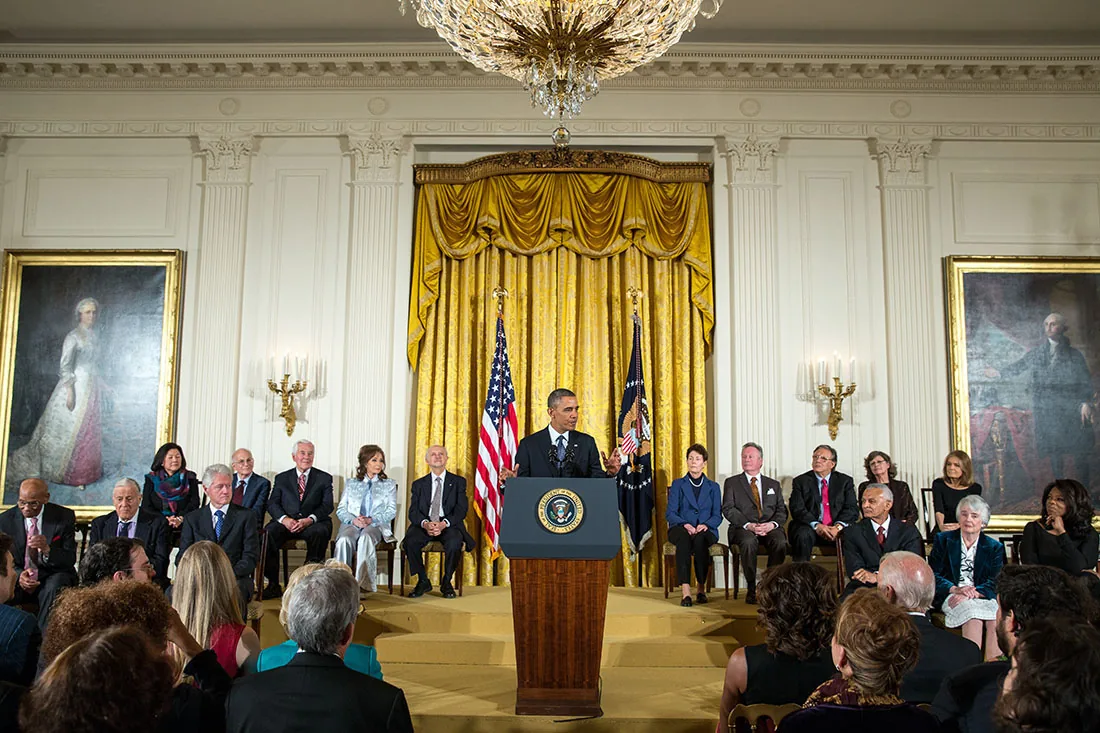
Wikimedia Commons · Official White House Photo by Pete Souza Molina was honored as a Presidential Medal of Freedom recipient during the White House ceremony. The official ceremony transcript is dated November 20, 2013 and identifies the location as the East Room of the White House.
Death in Mexico City
· Mexico City, Mexico
Molina died in Mexico City at age 77, ending a career that connected atmospheric chemistry with global environmental policy. Coordinates represent central Mexico City; the specific place of death is not stated by the source.