
28 moments
Birth at the Hofburg
· Hofburg Palace, Vienna, Austria
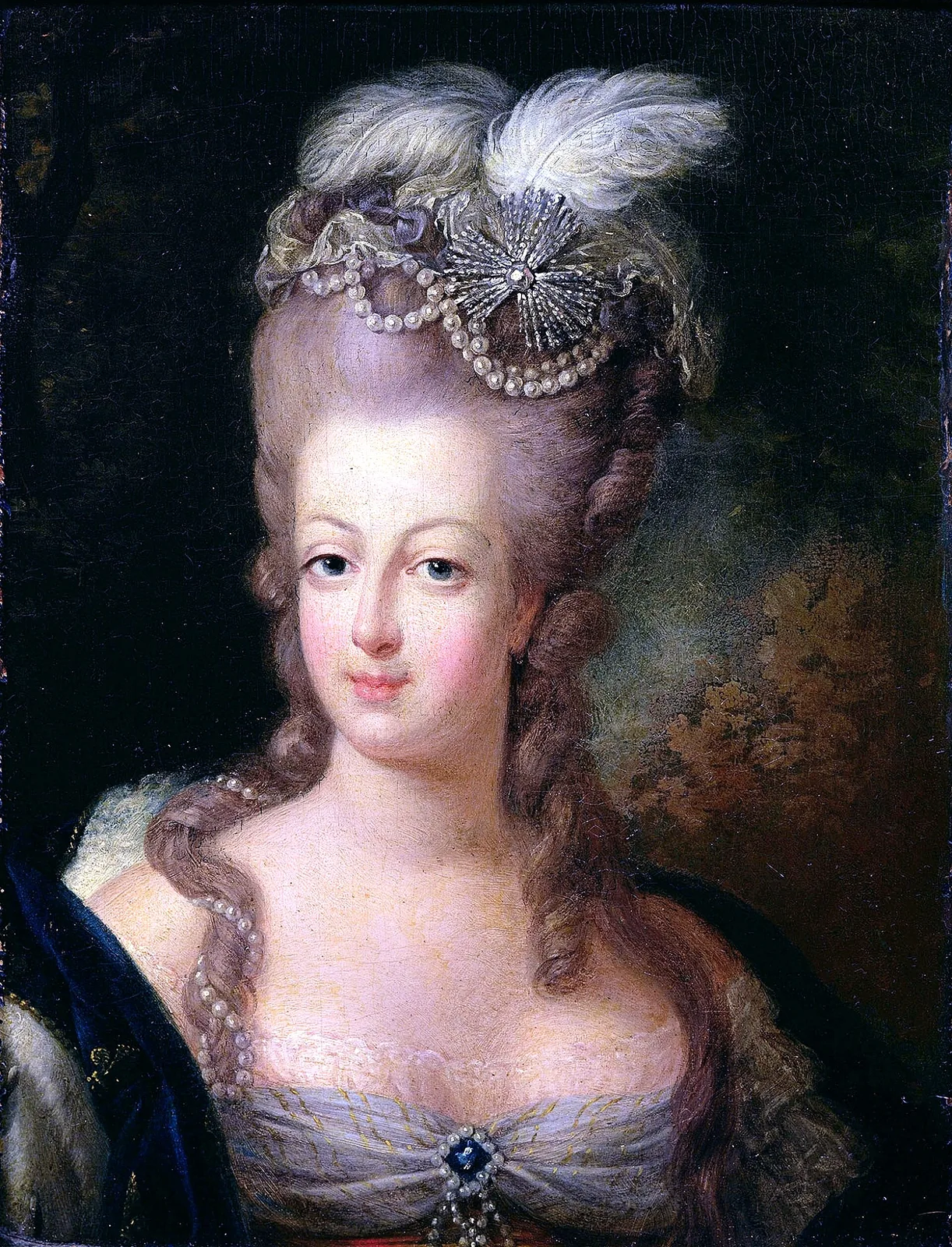
Wikimedia Commons · Public domain · file Marie Antoinette was born as Archduchess Maria Antonia in the Habsburg imperial residence in Vienna.
Meeting Mozart at Schönbrunn
· Schönbrunn Palace, Vienna, Austria
As a child, Maria Antonia met the young Wolfgang Amadeus Mozart at the imperial summer residence.
Proxy marriage
· Augustinian Church, Vienna, Austria
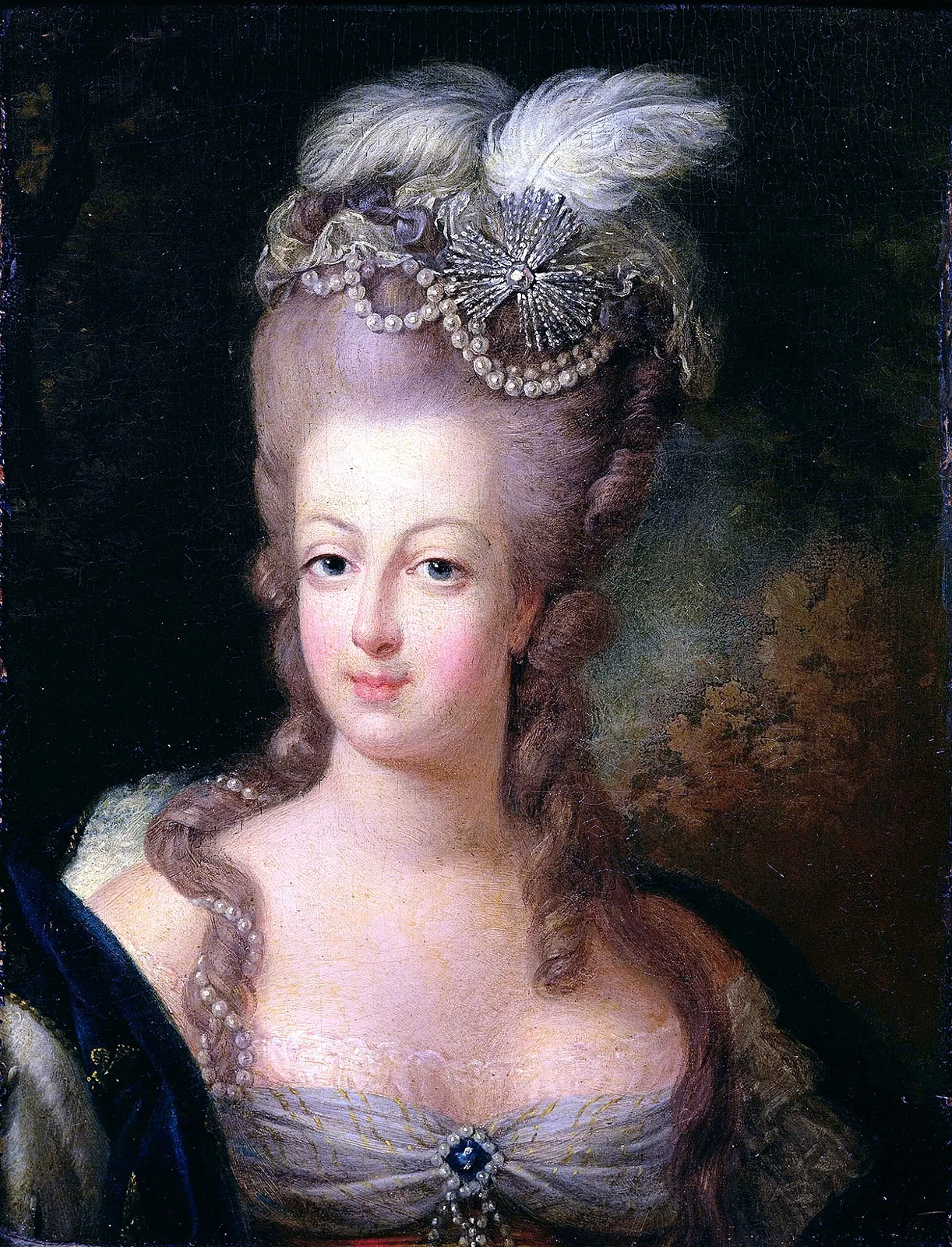
Wikimedia Commons · Public domain · file Maria Antonia married the Dauphin Louis Auguste by proxy before leaving Austria for France.
First meeting with Louis Auguste
· Forest of Compiègne, Hauts-de-France, France
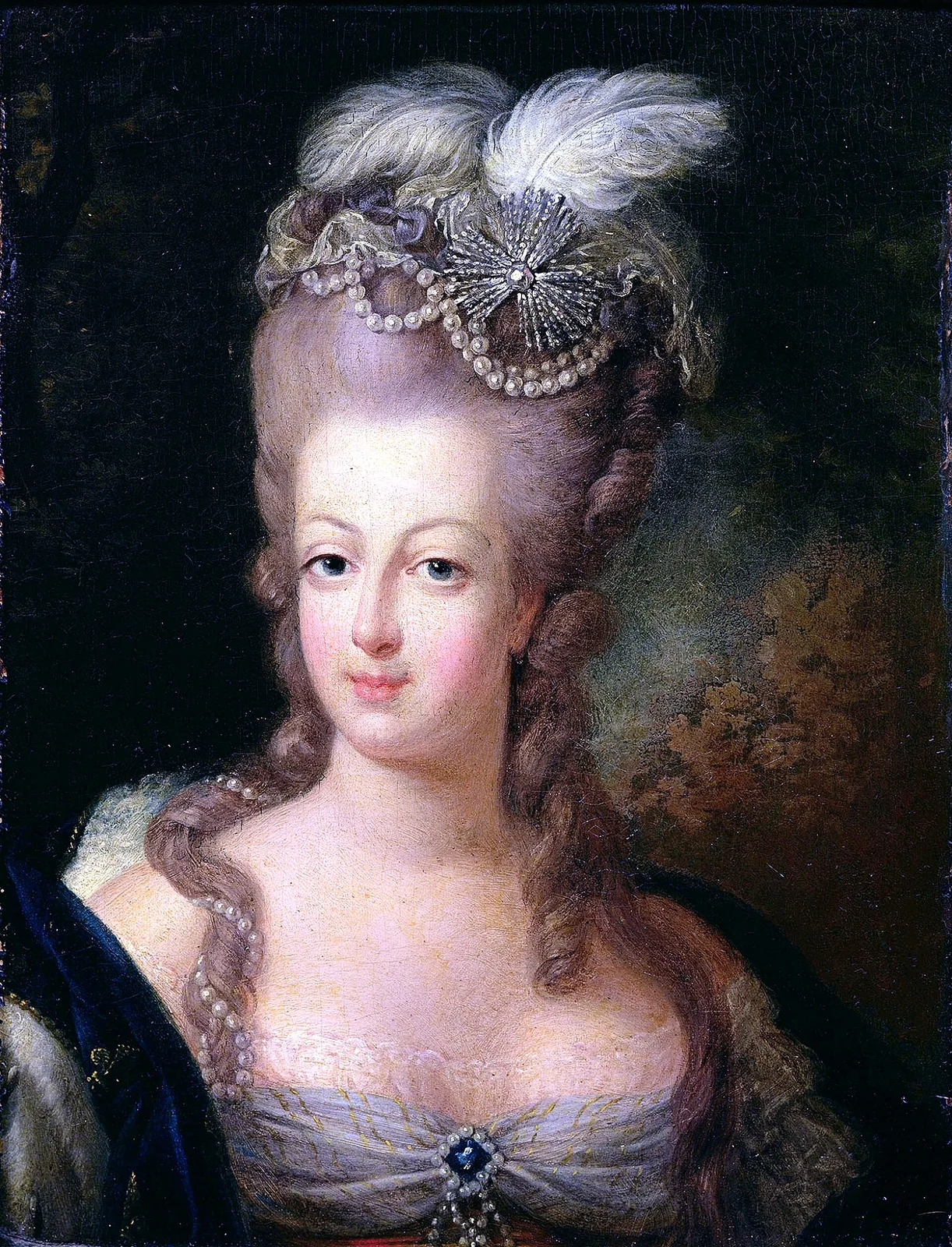
Wikimedia Commons · Public domain · file After her arrival in France, Marie Antoinette met her future husband at the edge of the forest of Compiègne. Coordinates represent the Forest of Compiègne rather than an identified meeting point.
Ceremonial wedding
· Palace of Versailles, Versailles, France
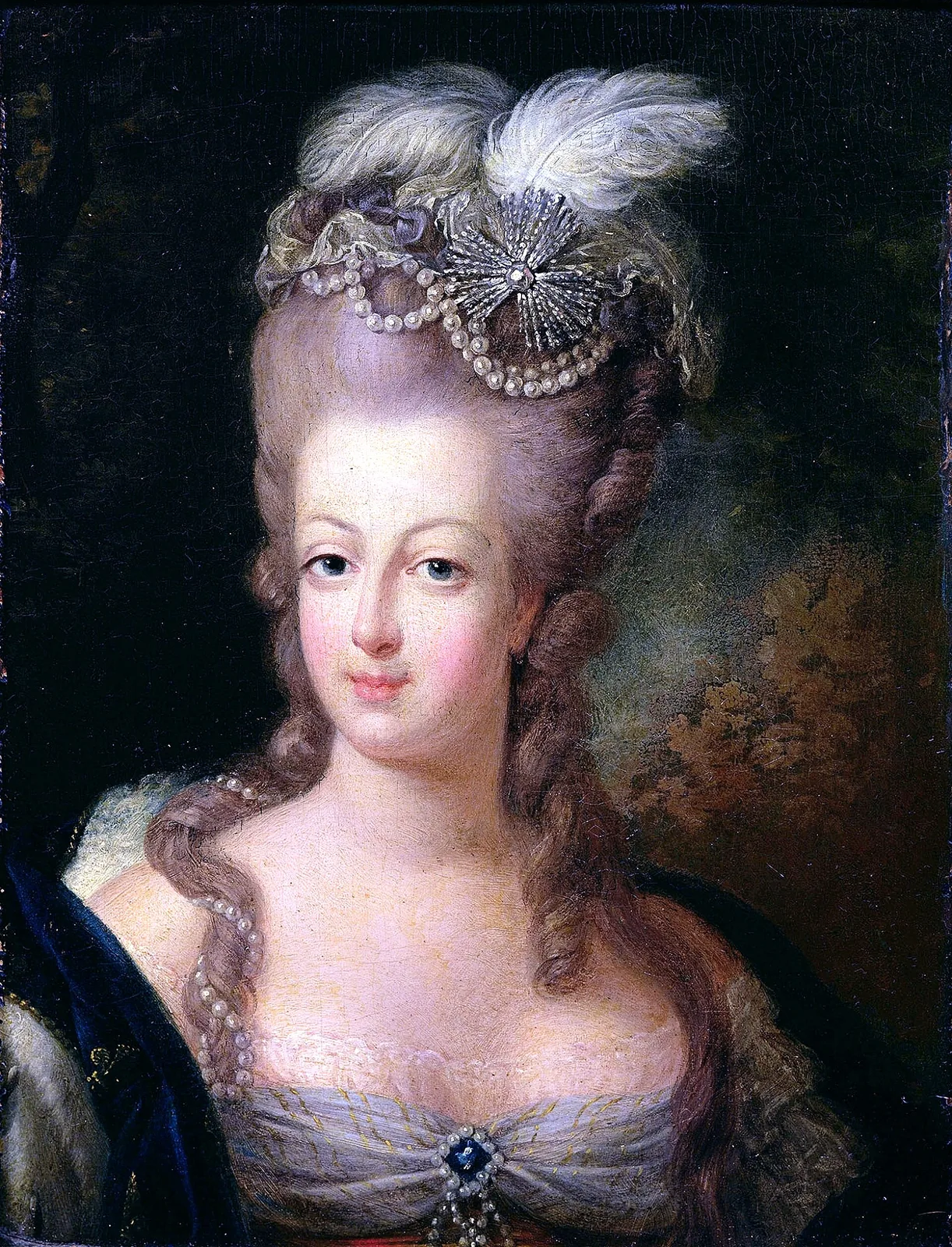
Wikimedia Commons · Public domain · file Marie Antoinette's ceremonial marriage to the Dauphin was held at the principal royal palace.
First official appearance in Paris
· Paris, France
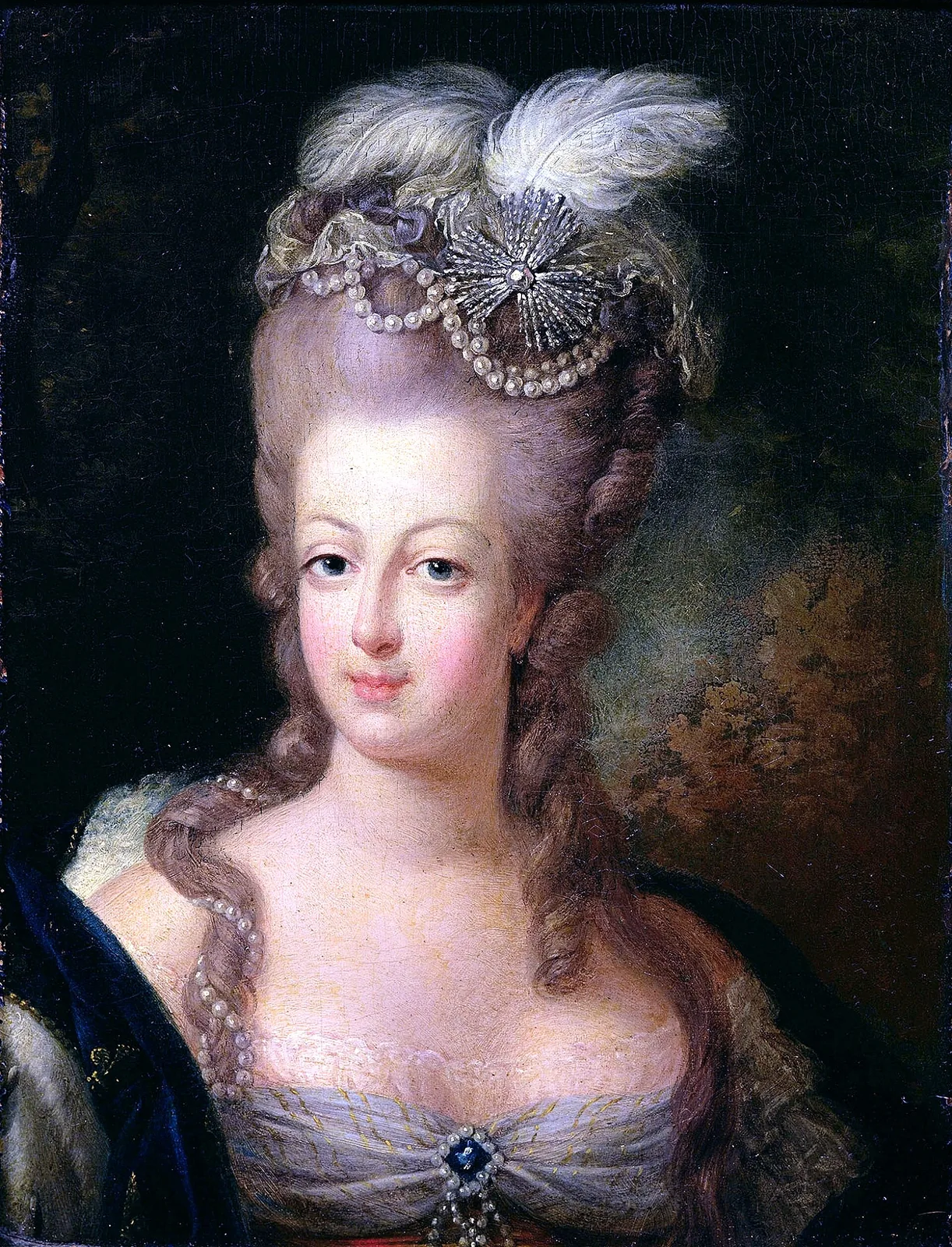
Wikimedia Commons · Public domain · file As dauphine, Marie Antoinette made a highly successful first official public appearance in Paris. The source identifies Paris but not a more specific venue.
Granted the Petit Trianon
· Petit Trianon, Versailles, France
Shortly after becoming queen, Marie Antoinette received the Petit Trianon from Louis XVI and made it a principal private retreat. The grant establishes her presence at the royal residence contextually, but does not specify a ceremonial handover location.
Meeting Joseph II
· Château de la Muette, Paris, France
Marie Antoinette met her brother, Emperor Joseph II, during his incognito visit to France.
Birth of Marie-Thérèse
· Palace of Versailles, Versailles, France
Marie Antoinette gave birth to her first surviving child, Marie-Thérèse Charlotte, at Versailles. The source states the child's birthplace; Marie Antoinette's presence follows directly from her giving birth.
Amateur performances
· Théâtre de la Reine, Versailles, France
Marie Antoinette began taking part in amateur theatrical and musical productions created for her private court circle. The source supports year-level precision only.
Musical gatherings
· Petit appartement de la reine, Palace of Versailles, Versailles, France
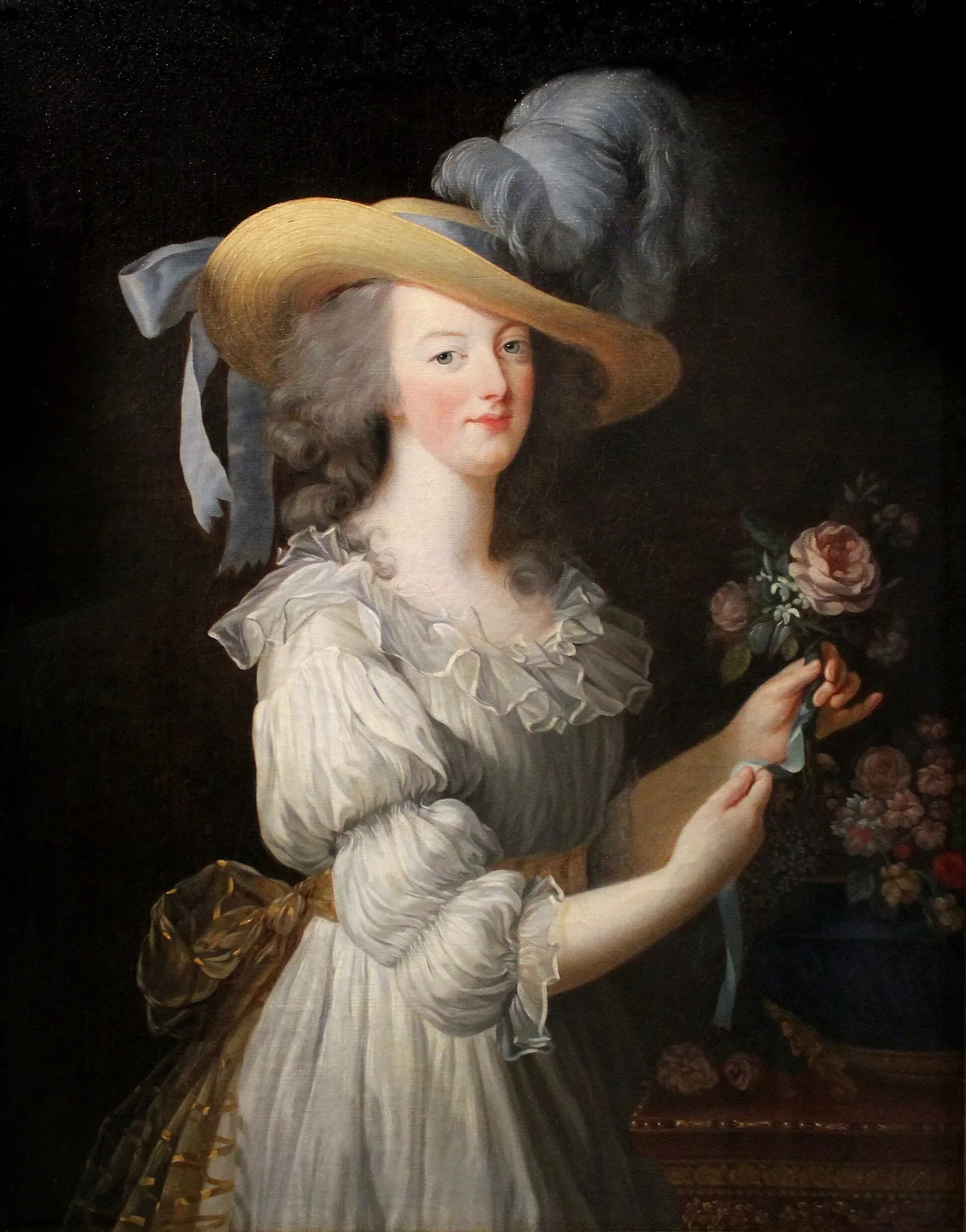
Wikimedia Commons · Public domain · file The queen held private musical gatherings at her Versailles apartments and theatre during the period when her private cultural patronage became prominent. The passage is undated; 1783 is used as the surrounding article chronology and is therefore approximate.
Purchase of Saint-Cloud
· Château de Saint-Cloud, Saint-Cloud, France
Louis XVI purchased Saint-Cloud in Marie Antoinette's name as a residence for her expanding family. The purchase documents her association with the residence, but the quoted wording does not explicitly describe her attendance on the purchase date.
House arrest at the Tuileries
· Tuileries Palace, Paris, France
Following the October Days, the royal family was compelled to leave Versailles and live under guard in Paris. The movement occurred on 5 October 1789; month precision is used because the quoted text does not give the family's arrival date separately.
Secret meeting with Mirabeau
· Château de Saint-Cloud, Saint-Cloud, France
Marie Antoinette privately met Honoré Gabriel Riqueti, Comte de Mirabeau, while the royal family was permitted to spend the summer at Saint-Cloud.
Fête de la Fédération
· Champ de Mars, Paris, France
The royal couple returned to Paris for the national commemoration of the fall of the Bastille; Marie Antoinette presented the Dauphin to the crowd.
Renewed confinement
· Tuileries Palace, Paris, France
Following the Varennes episode, Marie Antoinette and the royal family remained under round-the-clock National Guard surveillance in the Tuileries. The source supports year-level dating after the June 1791 return.
Prevented from leaving for Easter mass
· Tuileries Palace, Paris, France
A crowd and National Guard blocked Marie Antoinette and her family from departing Paris for Saint-Cloud, underscoring their confinement. The source states Paris rather than the departure point; Tuileries Palace is the royal family's documented place of confinement.
Arrest at Varennes
· Varennes-en-Argonne, Grand Est, France
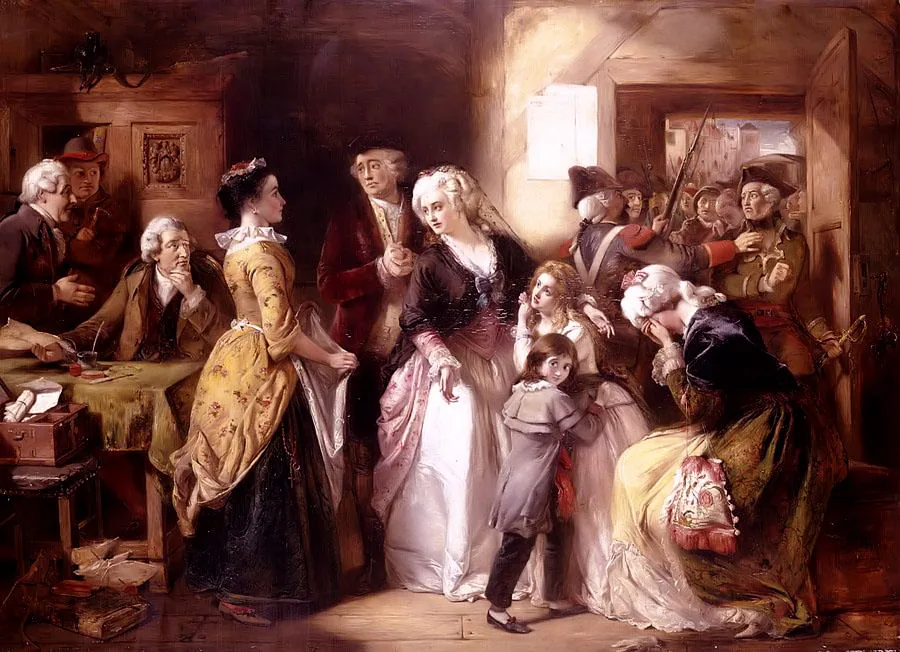
Wikimedia Commons · Public domain · file The attempted escape ended when the royal family was stopped and arrested at Varennes-en-Argonne.
Departure in the flight to Varennes
· Tuileries Palace, Paris, France
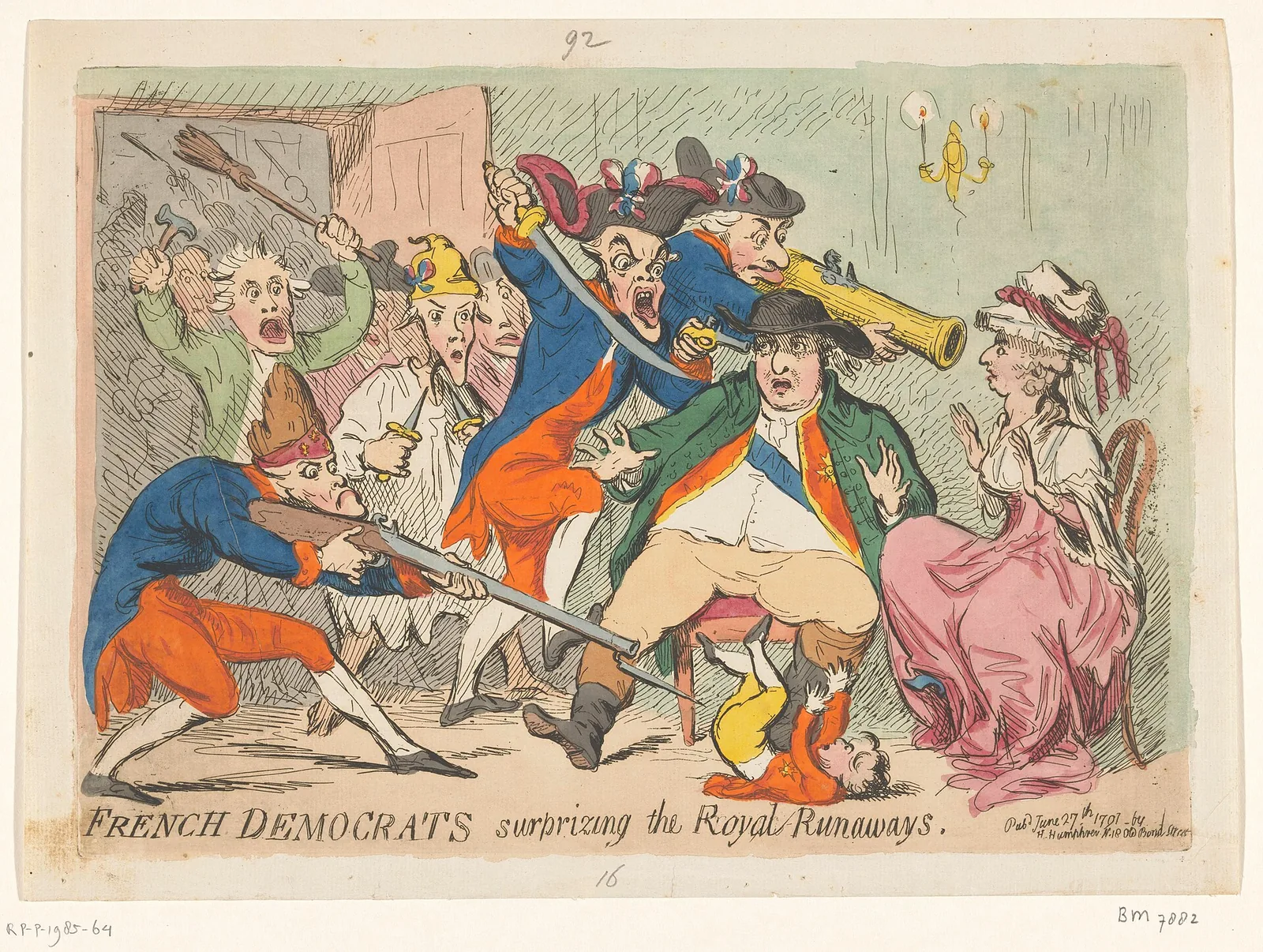
Wikimedia Commons · Public domain · file Marie Antoinette left Paris with the royal family in an attempted escape toward Montmédy. The flight began during the night of 20–21 June; 21 June is the article's stated date for the escape attempt.
Journey through Chaintrix
· Chaintrix-Bierges, Grand Est, France
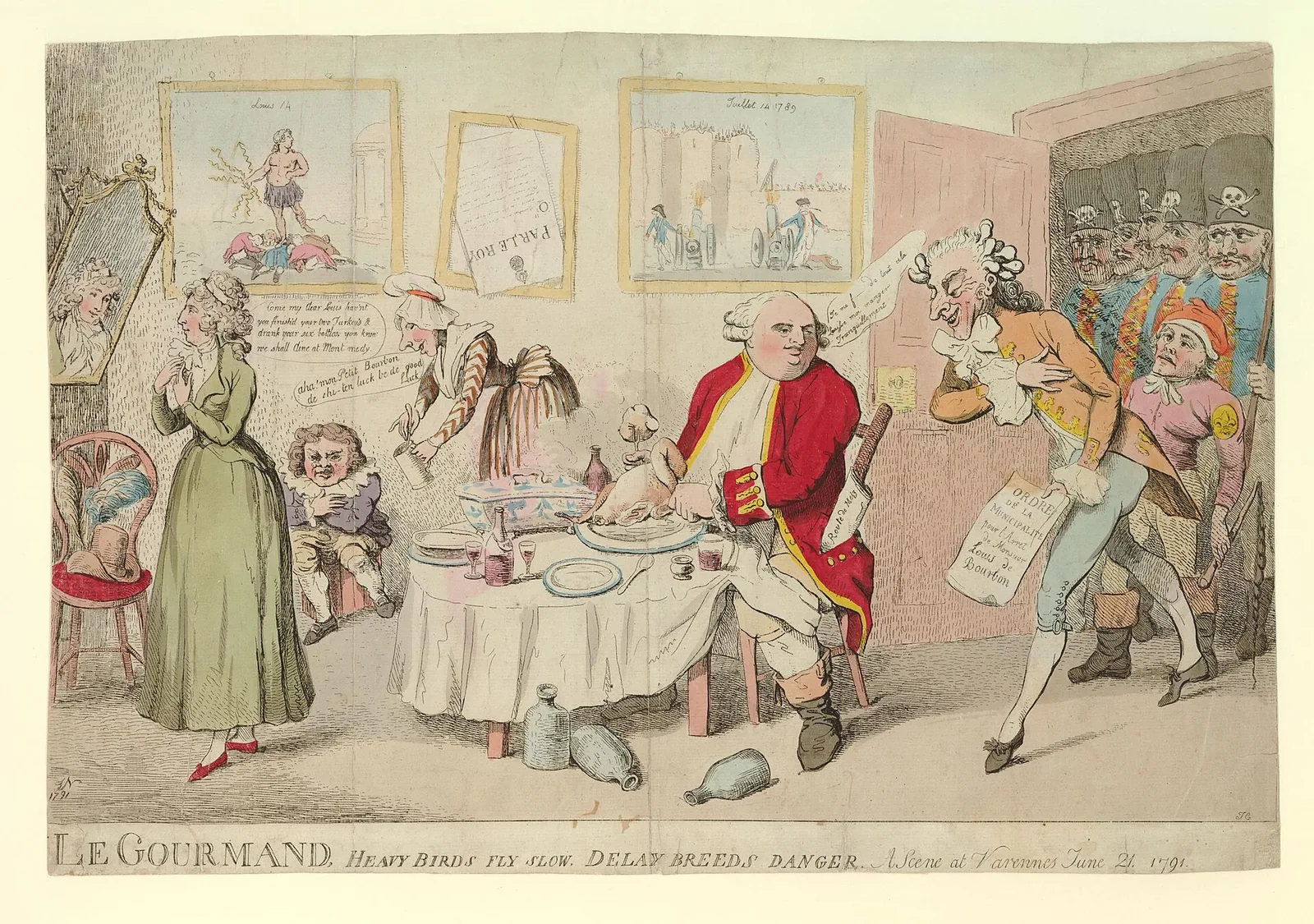
Wikimedia Commons · Public domain · file During the attempted flight, Marie Antoinette gave silver dishes to a local official while the royal party passed through Chaintrix. The source places this event during the 21 June 1791 flight; coordinates are representative of the modern commune.
Passage through Sainte-Menehould
· Sainte-Menehould, Grand Est, France
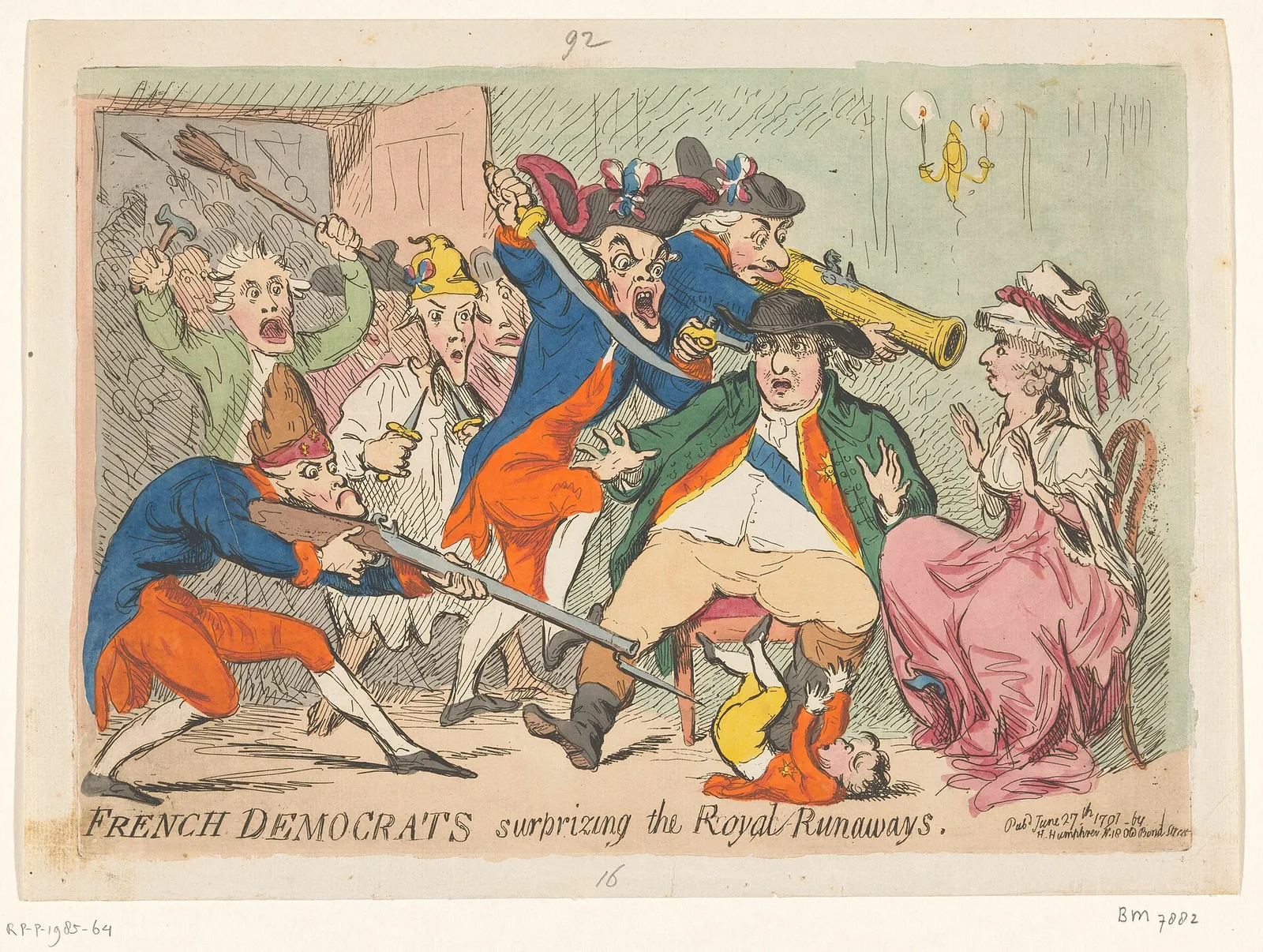
Wikimedia Commons · Public domain · file The postmaster at Sainte-Menehould recognized Louis XVI as the fleeing royal party travelled toward Varennes. Marie Antoinette's presence is supported by the immediately preceding identification of the travelling royal family; the quoted sentence itself names only the King.
Return under guard
· Tuileries Palace, Paris, France
Marie Antoinette returned to Paris under escort after the failed flight, after which the family's Tuileries confinement became still stricter. The linked article dates the guarded return to Paris to 25 June 1791; the precise arrival point is represented by the Tuileries, their documented confinement residence.
Mob invasion of the Tuileries
· Tuileries Palace, Paris, France
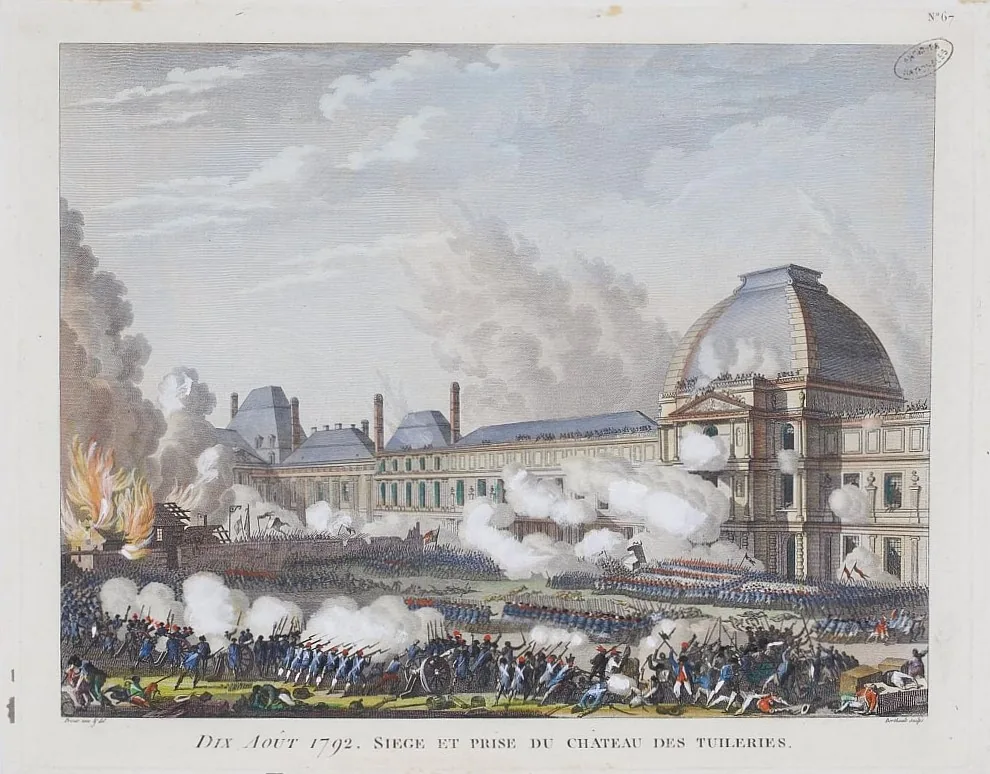
Wikimedia Commons · Public domain · file Marie Antoinette faced a revolutionary mob that entered the Tuileries, insulted her, and threatened her life.
Refuge at the Legislative Assembly
· Salle du Manège, Paris, France
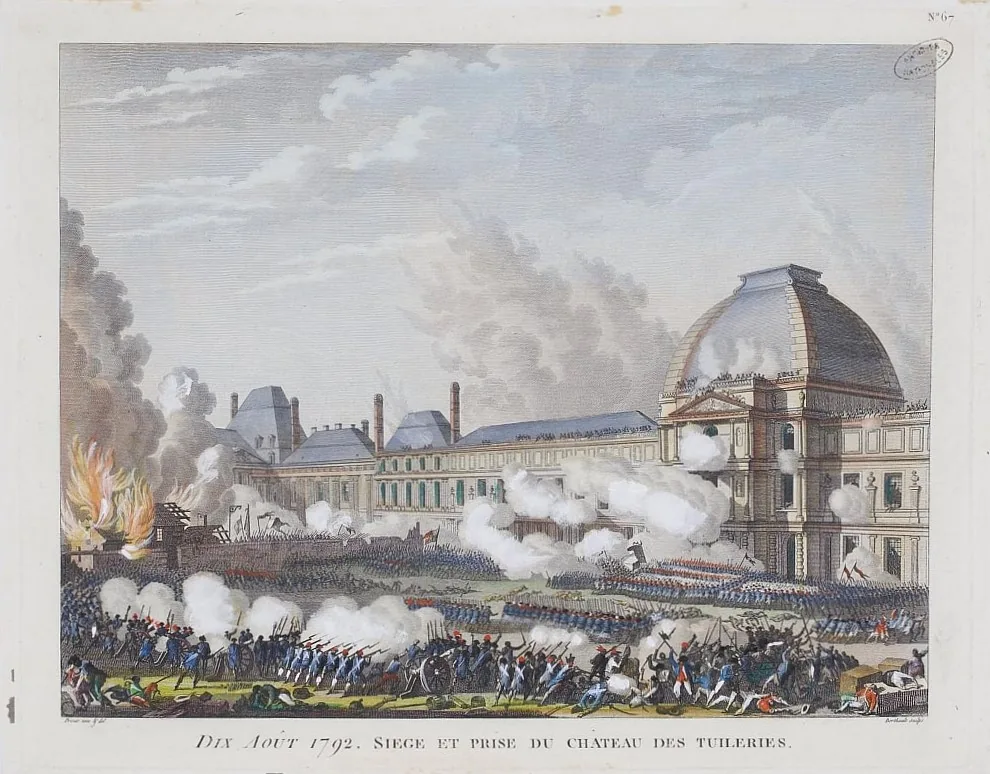
Wikimedia Commons · Public domain · file During the insurrection of 10 August, the royal family fled the threatened Tuileries and sought refuge with the Legislative Assembly. The Legislative Assembly met at the Salle du Manège; coordinates represent that meeting place.
Imprisonment in the Temple
· Temple Prison, Paris, France
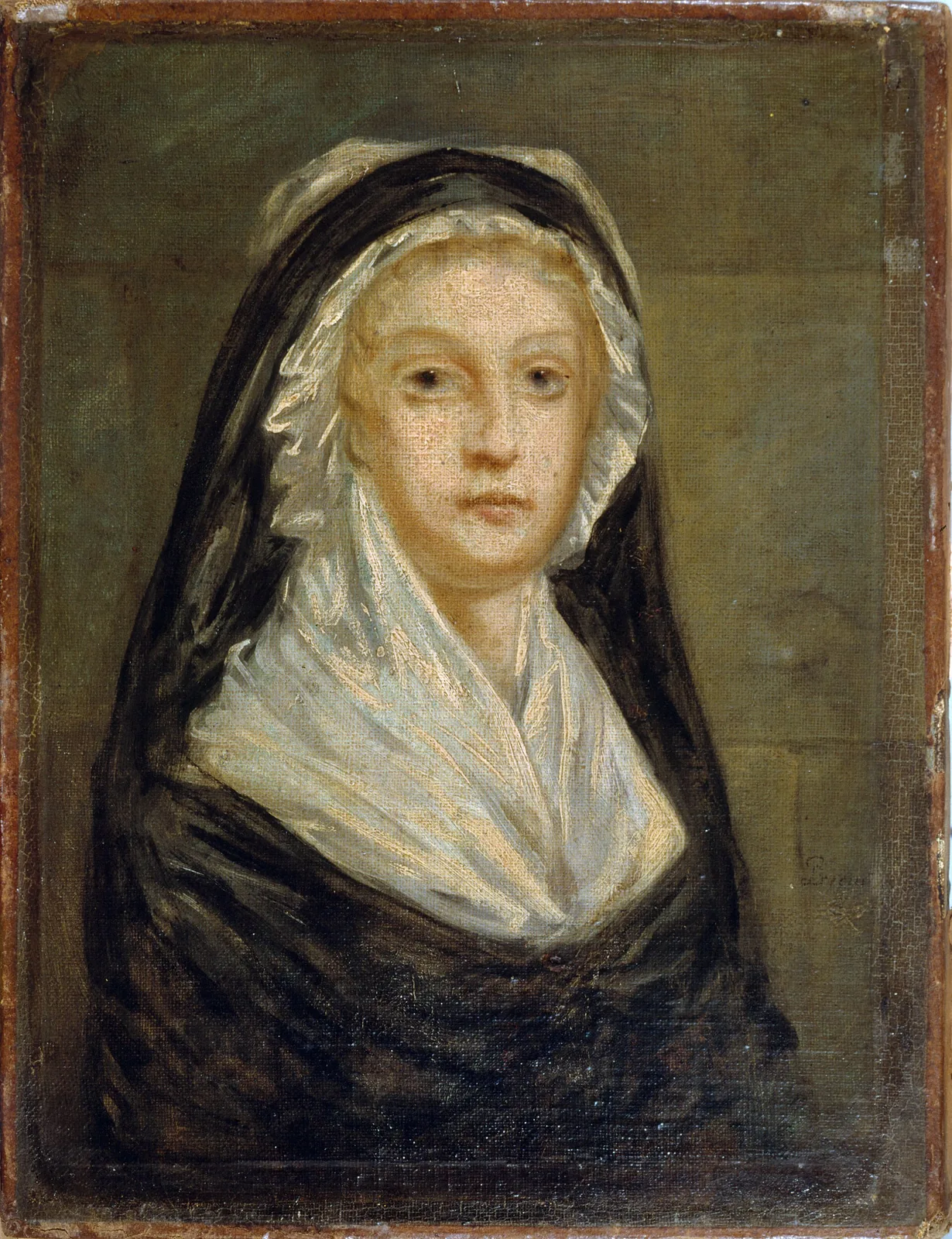
Wikimedia Commons · Public domain · file Three days after the Tuileries insurrection, Marie Antoinette and her family were imprisoned in the Temple tower. Coordinates mark the former Temple tower site.
Separation from Louis Charles
· Temple Prison, Paris, France
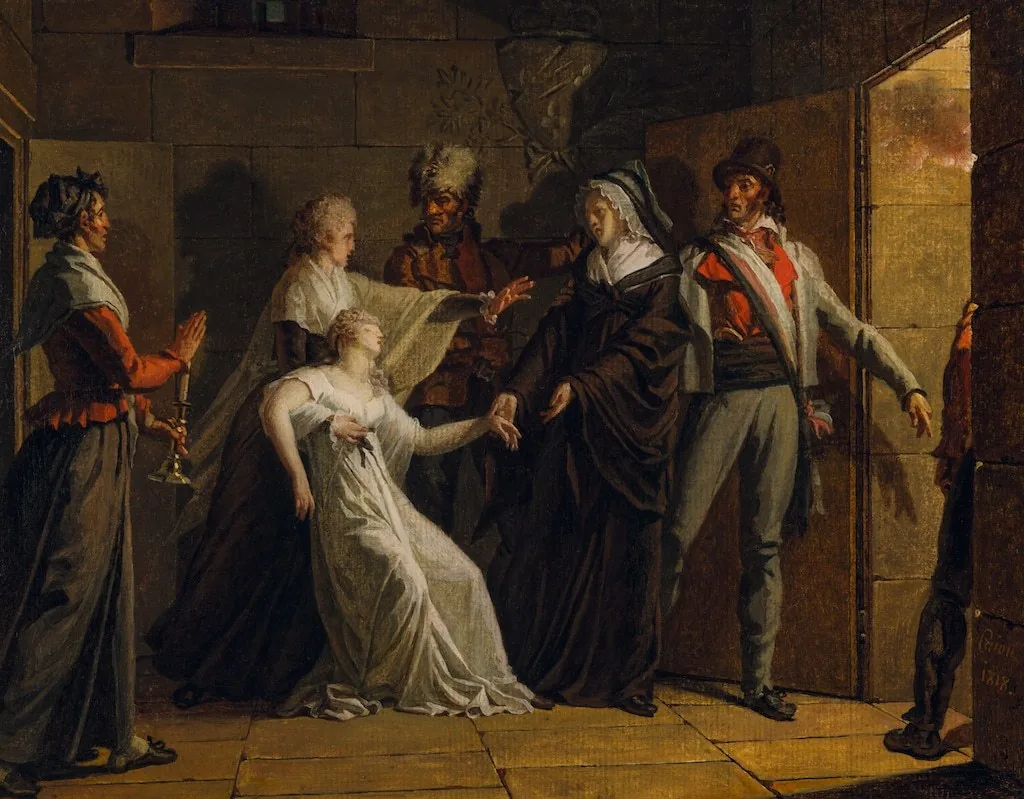
Wikimedia Commons · Public domain · file While imprisoned at the Temple, Marie Antoinette fought unsuccessfully to prevent the removal of her son Louis Charles. The preceding and following text identifies the Temple as her place of imprisonment.
Transfer to the Conciergerie
· Conciergerie, Paris, France
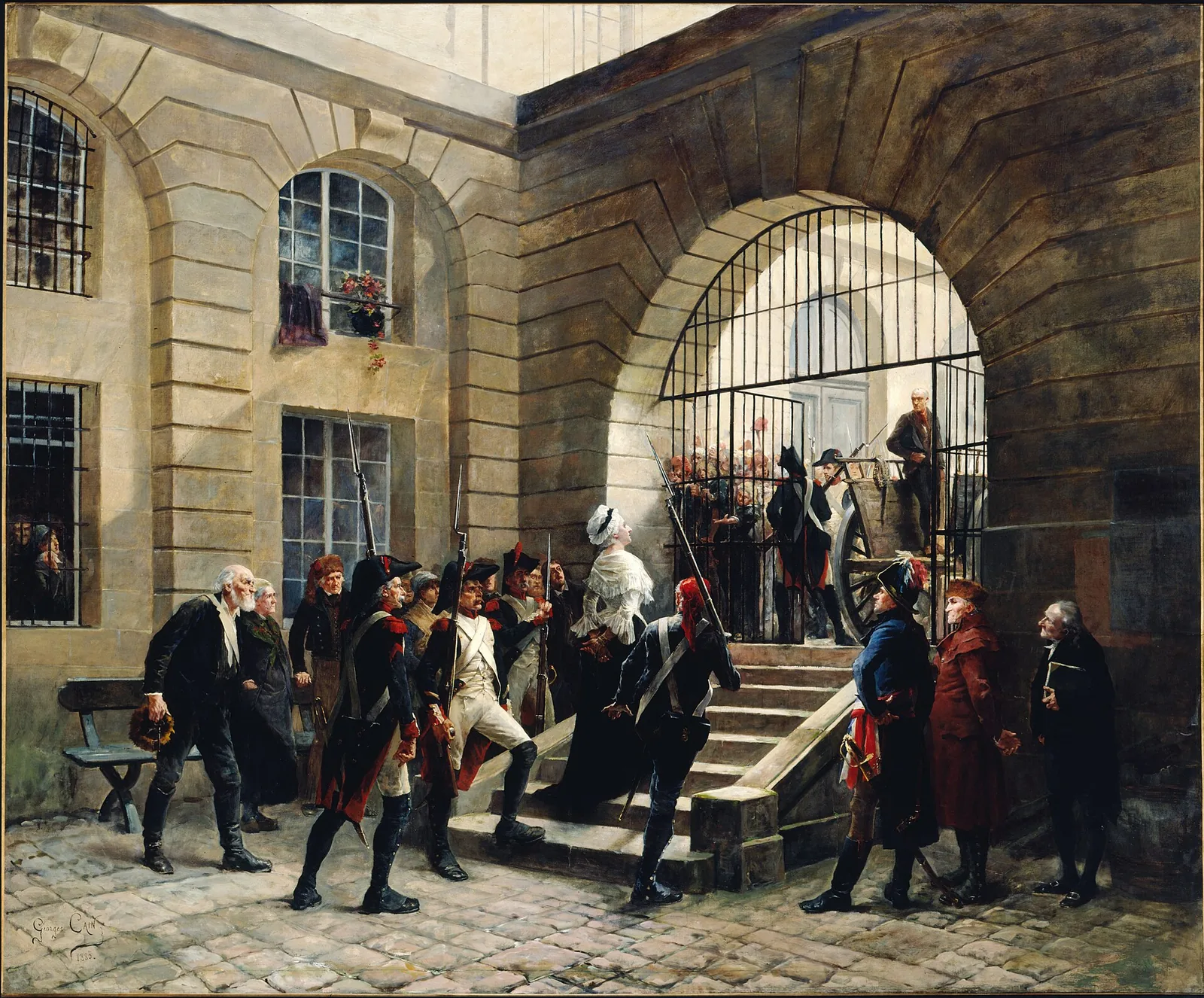
Wikimedia Commons · Public domain · file Marie Antoinette was removed from the Temple and placed alone in a Conciergerie cell as Prisoner no. 280.
Execution at the Place de la Révolution
· Place de la Concorde, Paris, France
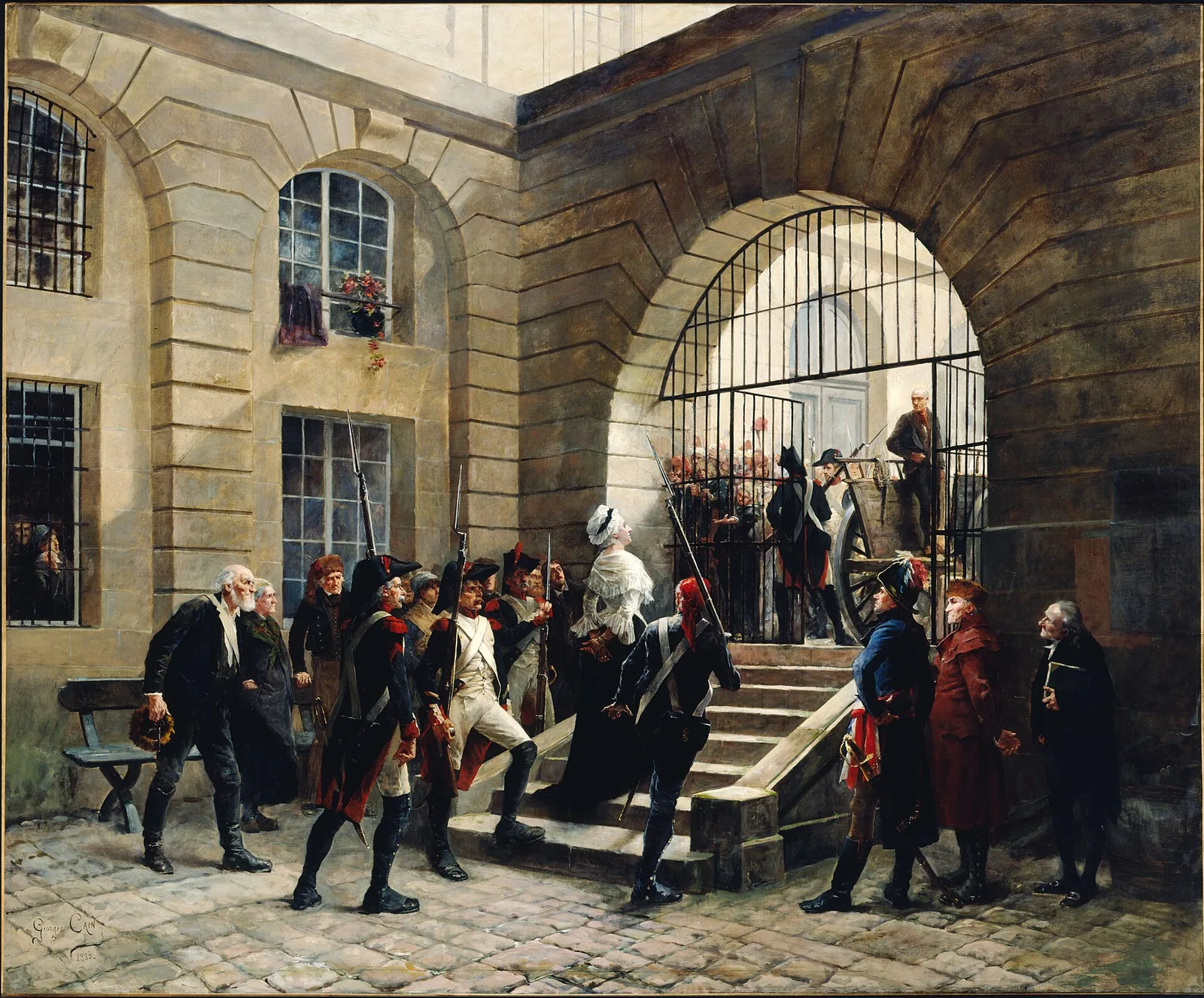
Wikimedia Commons · Public domain · file After conviction by the Revolutionary Tribunal, Marie Antoinette was taken from the Conciergerie and guillotined at the Place de la Révolution. The execution site was then called Place de la Révolution and is now Place de la Concorde.