
36 moments
Birth in Germantown
· Germantown, Philadelphia, Pennsylvania, United States
Alcott was born in Germantown, then an independent community and now part of Philadelphia. Coordinates represent central Germantown; the specific birth house is not identified in the cited text.
Family move to Boston
· Boston, Massachusetts, United States
The Alcott family relocated to Boston, where Bronson Alcott established the Temple School; Louisa spent part of her early childhood in the city. Coordinates represent central Boston; the family’s exact residence is not specified by this evidence.
Residence at Hosmer Cottage
· Hosmer Cottage, Concord, Massachusetts, United States
Following the family’s early Boston years, Alcott moved with her family to Hosmer Cottage in Concord, where she attended local schools and wrote an early poem. Coordinates are a representative point in central Concord; the cited article does not provide a precise site coordinate for Hosmer Cottage.
Fruitlands commune
· Fruitlands, Harvard, Massachusetts, United States
Alcott lived with her family at Fruitlands, the short-lived transcendentalist community that later informed her sketch Transcendental Wild Oats.
Still River residence
· Still River, Harvard, Massachusetts, United States
After Fruitlands collapsed, Alcott lived with her family in nearby Still River, attended public school, and wrote and directed plays. Coordinates represent the Still River village area.
Return to Concord at Hillside
· Hillside, Concord, Massachusetts, United States
Alcott returned to Concord with her family and lived at Hillside, using Emerson’s library and later teaching children near the house. Hillside is the later Wayside property; coordinates represent the historic house site.
Move to Boston’s South End
· South End, Boston, Massachusetts, United States
The family moved to Boston’s South End. Alcott supported the household through teaching, sewing, domestic work, and laundry work while writing. Coordinates represent the South End neighborhood rather than a documented individual residence.
Teaching near Hillside
· Hillside, Concord, Massachusetts, United States
At sixteen, Alcott opened a school in a barn near Hillside and taught twenty children, including children from the Emerson, Channing, and Alcott families. The school barn’s exact location is not supplied; coordinates represent Hillside.
Domestic service in Dedham
· Highland Avenue, Dedham, Massachusetts, United States
Alcott worked as a companion and housekeeper for the Richardson household on Highland Avenue, an experience she later fictionalized in How I Went Out To Service. The cited text identifies Highland Avenue but not a street number; coordinates represent Dedham center.
Walpole amateur theater
· Walpole, New Hampshire, United States
Alcott moved with her family to Walpole and participated with Anna in the Walpole Amateur Dramatic Company.
Publishing attempt in Boston
· Boston, Massachusetts, United States
Alcott traveled to Boston to seek publication of her Christmas-story collection while staying with a relative. The relative’s address is not identified in the cited text.
Return to Walpole to nurse Elizabeth
· Walpole, New Hampshire, United States
Alcott returned to Walpole and helped nurse her sister Elizabeth during an illness with scarlet fever.
Swampscott health visit
· Swampscott, Massachusetts, United States
Alcott joined her family’s visit to the Massachusetts coast, undertaken in an unsuccessful effort to improve Elizabeth Alcott’s health. The cited source does not give a more precise date or lodging.
Return to Concord
· Concord, Massachusetts, United States
Alcott returned to Concord with her family, rented there during repairs to Orchard House, and helped organize the Concord Dramatic Union. The temporary rental house is not identified.
Orchard House residence
· Orchard House, Concord, Massachusetts, United States
After the family moved into Orchard House, Alcott resumed searching for work in Boston. The house became the best-known Alcott family home and a principal setting for Little Women. The quoted movement establishes her presence at Orchard House before her return to Boston.
Union Hotel Hospital nursing service
· Union Hotel Hospital, Georgetown, Washington, D.C., United States
After applying to the U.S. Sanitary Commission, Alcott began Civil War nursing work at Georgetown’s Union Hotel Hospital. Coordinates mark the documented former Union Hotel corner at M and 30th Streets NW.
Recovery in Concord after nursing
· Concord, Massachusetts, United States
Alcott’s Civil War nursing service ended early because she contracted typhoid fever; her father brought her from the hospital to Concord to recover. The cited text supports late January but not an exact day.
Departure for first European tour
· Boston Harbor, Massachusetts, United States
Traveling as companion to an invalid woman, Alcott left Boston aboard the China for Europe. The journal labels the entry 1865; coordinates represent Boston Harbor rather than an exact berth.
Arrival at Liverpool
· Liverpool, England, United Kingdom
After a nine-day Atlantic passage, Alcott arrived at Liverpool and went ashore.
First stay in London
· London, England, United Kingdom
Alcott traveled from Liverpool to London, spent four days there, and visited parks, Westminster Abbey, and famous streets. The journal’s August 1865 heading supports month-level precision only.
Ostend stopover
· Ostend, Belgium
Alcott crossed from Dover to Ostend and spent two days at a hotel near the promenade. The journal entry is under the 1865 August heading.
Visit to Brussels
· Brussels, Belgium
On her continental journey, Alcott reached Brussels and explored the old city. The journal entry is under the 1865 August heading.
Visit to Cologne
· Cologne, North Rhine-Westphalia, Germany
Alcott traveled to Cologne, visited its cathedral, and departed after three days. The journal entry is under the 1865 August heading.
Rhine voyage and Coblenz arrival
· Koblenz, Rhineland-Palatinate, Germany
Alcott began a Rhine voyage and reached Coblenz at sunset, where she remained awake enjoying the river and fortress view. The journal uses the historical spelling Coblenz.
Stay at Schwalbach
· Bad Schwalbach, Hesse, Germany
Alcott was still at Schwalbach while assisting her traveling companion through a health treatment. Schwalbach is now Bad Schwalbach; the source supports month-level precision.
Vevay residence and social life
· Vevey, Vaud, Switzerland
Alcott stayed at Vevay during the first European tour, befriending Ladislas Wisniewski, later associated with the character Laurie. The preceding editorial context identifies this portion of the journal as occurring at Vevay; the quoted journal entry directly establishes Alcott’s activity but does not repeat the place name.
Winter in Nice
· Nice, Provence-Alpes-Côte d’Azur, France
Alcott traveled to Nice, where she lived in rooms, took daily drives along the Promenade, and remained into January 1866. The entry occurs under the December 1865 journal heading.
Return stay in London
· London, England, United Kingdom
Alcott spent the first ten days of June at Aubrey House, attended social and political gatherings, and then boarded in Westbourne Grove Terrace. Aubrey House was in Campden Hill, London; city coordinates are used.
Sailing home from Liverpool
· Liverpool, England, United Kingdom
Alcott left London for Liverpool and boarded the Africa for her Atlantic return voyage to Boston. The entry is under the July 1866 journal heading.
Independent Boston household
· Hayward Place, Boston, Massachusetts, United States
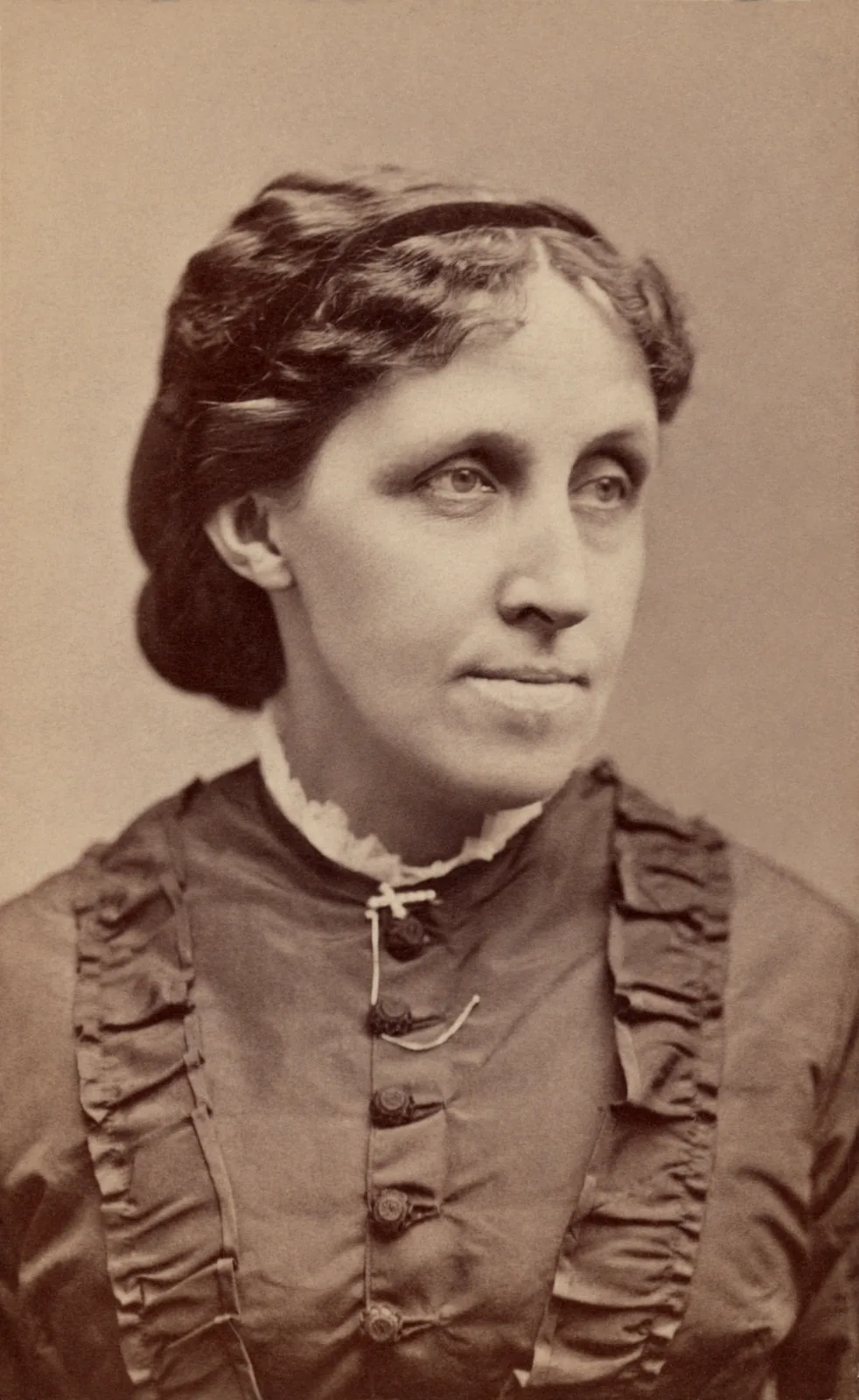
Wikimedia Commons · Public domain; Creative Commons Public Domain Mark 1.0 · file While editing Merry’s Museum, Alcott rented and furnished her own room at No. 6 Hayward Place in Boston. Hayward Place no longer survives in its nineteenth-century form; coordinates are an approximate historic downtown location.
European grand tour with May
· Europe
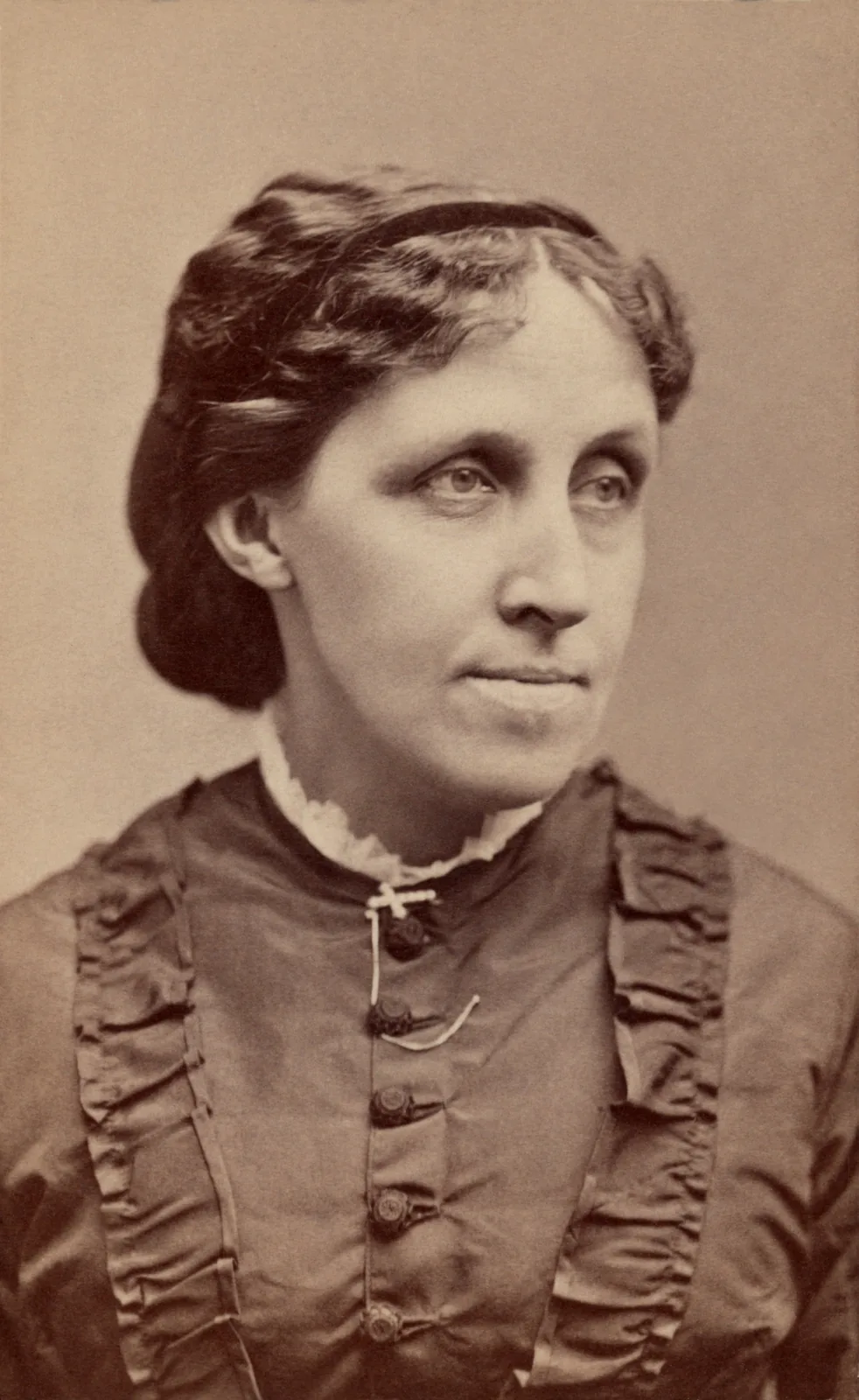
Wikimedia Commons · Public domain; Creative Commons Public Domain Mark 1.0 · file Alcott began a second European tour with her sister May Alcott and Alice Bartlett, traveling through France, Switzerland, Italy, Germany, and England. The source establishes a multi-country journey but not its precise point of departure; coordinates are a representative European-tour point in Paris and should not be read as an exact April 2 location.
Women’s Congress appearance
· Syracuse, New York, United States
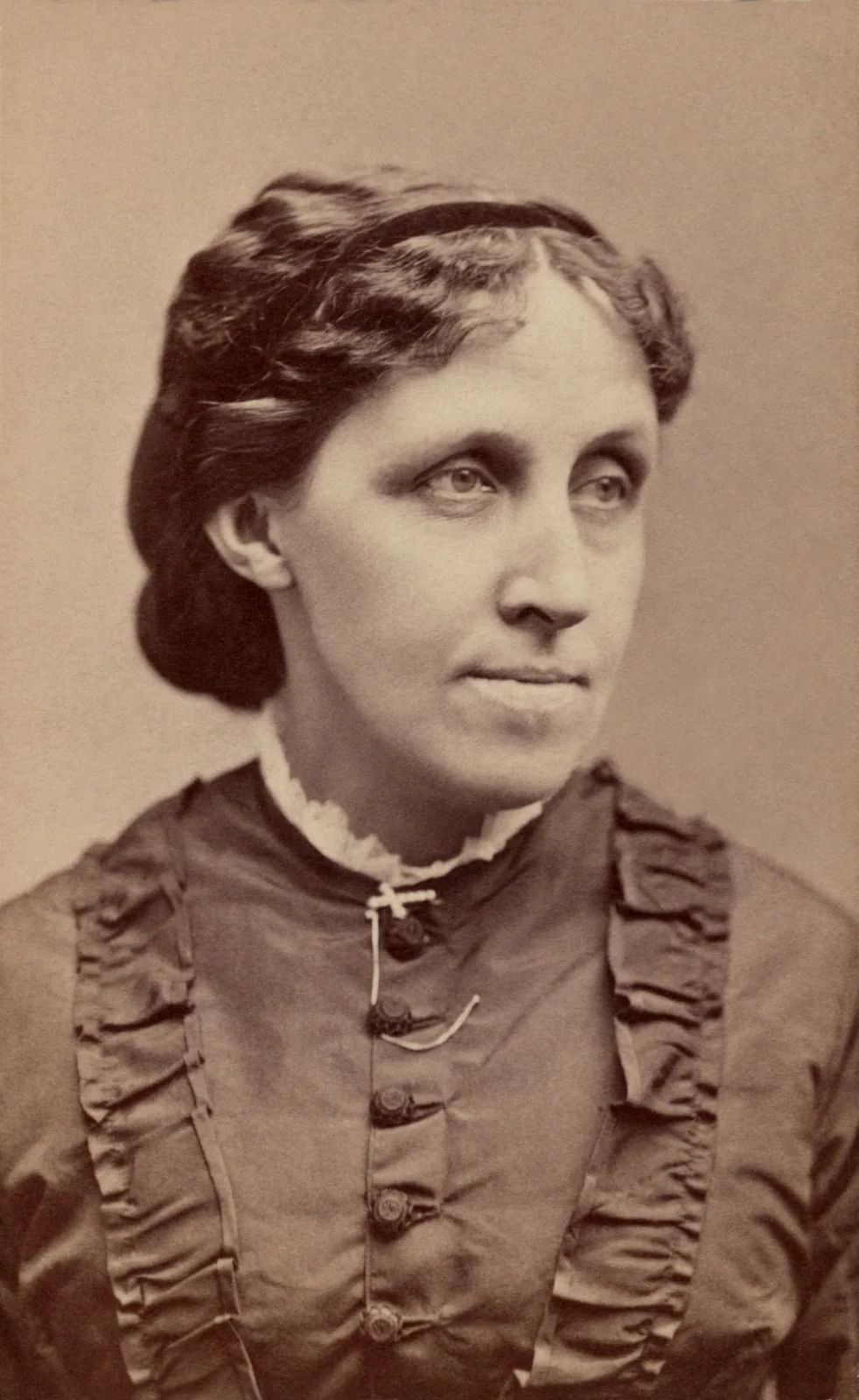
Wikimedia Commons · Public domain; Creative Commons Public Domain Mark 1.0 · file Alcott attended the Women’s Congress in Syracuse as part of her public women’s-rights activity and was introduced by Mary Livermore. The cited source supports year-level precision only.
Move into Anna Pratt’s house
· Thoreau-Alcott House, Concord, Massachusetts, United States
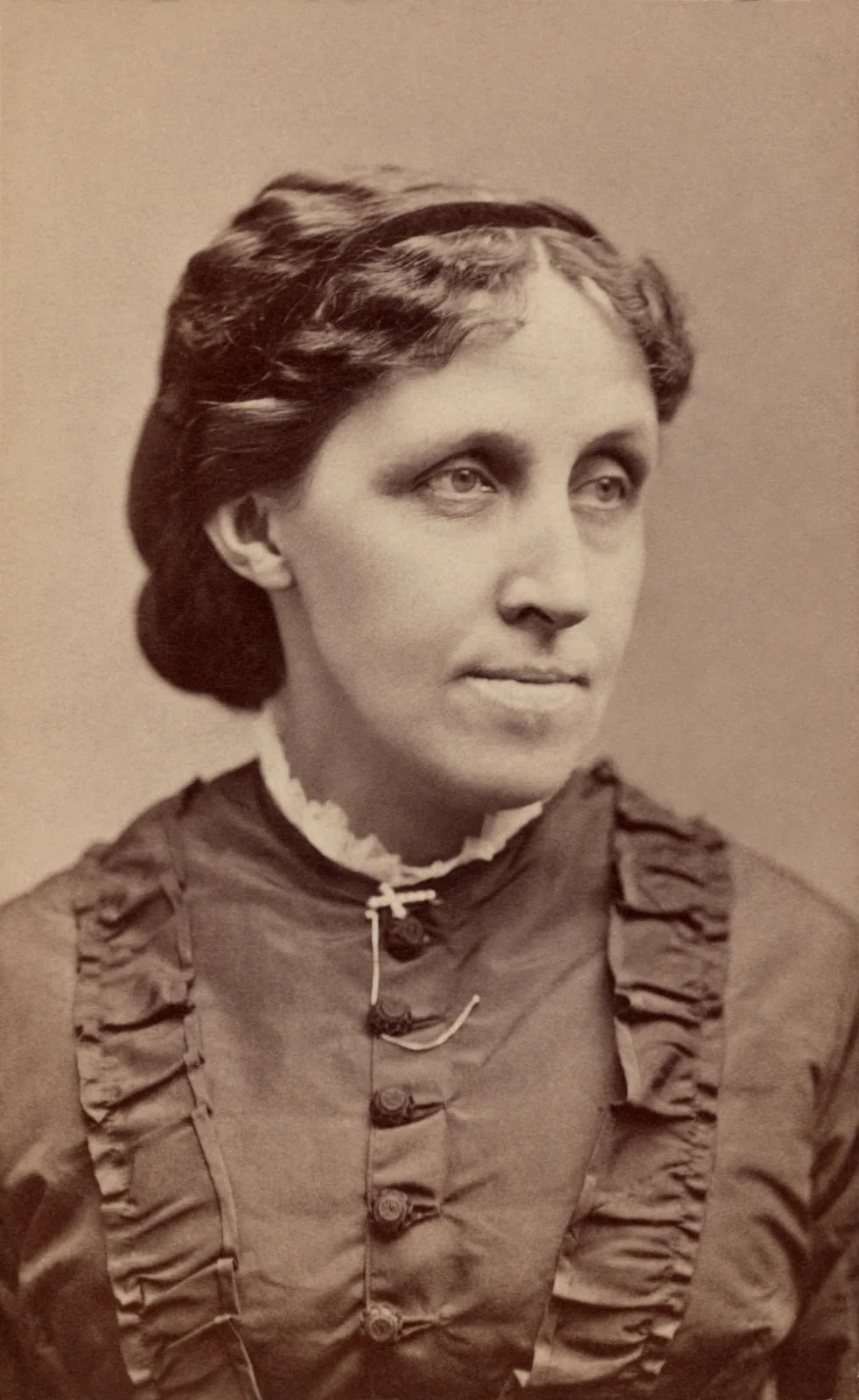
Wikimedia Commons · Public domain; Creative Commons Public Domain Mark 1.0 · file During her mother’s final illness, Alcott became seriously ill herself and moved with her family into the house her sister Anna had purchased in Concord. The cited text supports the move in 1877 but does not give a month.
Care of niece Lulu
· Concord, Massachusetts, United States
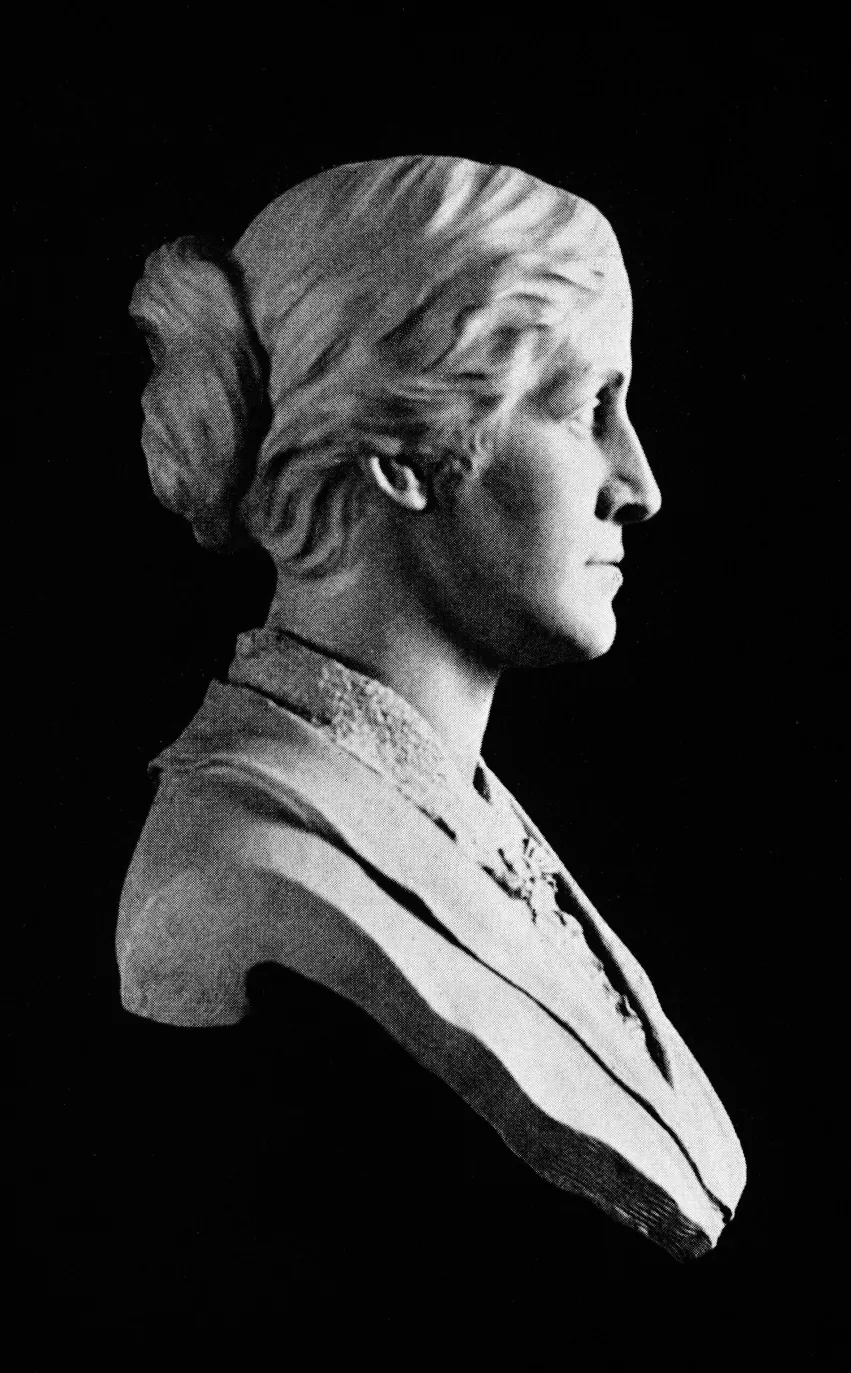
Wikimedia Commons · Public domain in the United States · file Following May Alcott Nieriker’s death, Alcott took responsibility for her niece Lulu, who was named after her. The immediately preceding account places Alcott at home with her family in Concord; the specific house is not restated in the quoted sentence.
Later residences including Nonquitt
· Nonquitt, Dartmouth, Massachusetts, United States
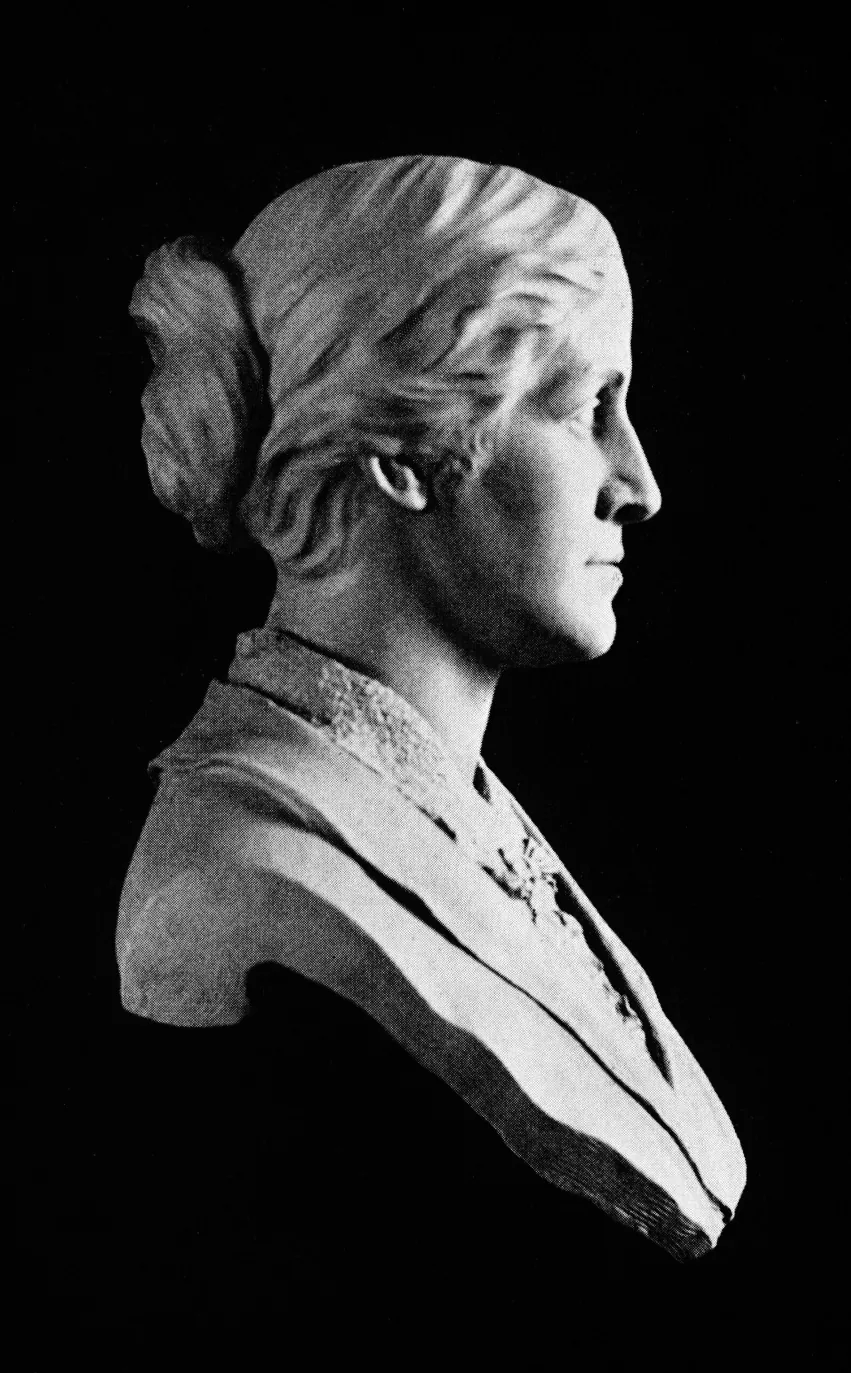
Wikimedia Commons · Public domain in the United States · file As she cared for her father after his stroke, Alcott divided her later years among Concord, Boston, and the coastal community of Nonquitt. The cited text follows Bronson Alcott’s 1882 stroke and supports a recurring later-years residence pattern rather than a single dated visit.
Death in Boston
· Boston, Massachusetts, United States
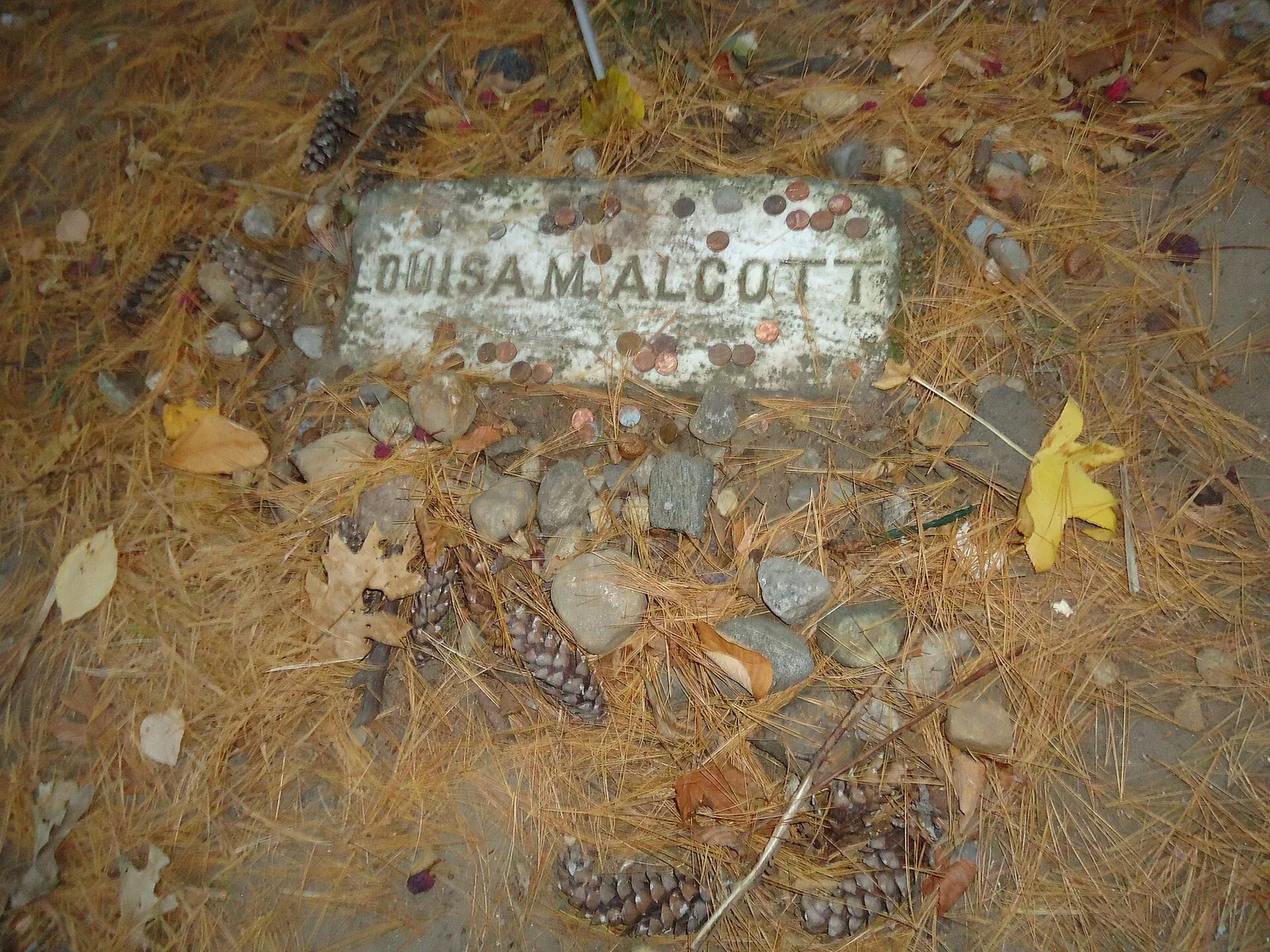
Wikimedia Commons · CC0 1.0 Universal Public Domain Dedication · file Alcott died in Boston two days after her father’s death, ending a life shaped by writing, family support, reform activity, nursing, and travel. The cited text does not identify the precise Boston building where she died.