
16 moments
Born at Woolsthorpe Manor
· Woolsthorpe Manor, Woolsthorpe-by-Colsterworth, Lincolnshire, England
Wikimedia Commons · Creative Commons Attribution-Share Alike 2.0 Generic · file Newton was born at his family’s Lincolnshire manor, which remained an important home during his childhood and plague-year retreats from Cambridge. Date is Gregorian/New Style; the contemporary English record was 25 December 1642 Old Style.
Boards and studies in Grantham
· Grantham, Lincolnshire, England
Wikimedia Commons · Creative Commons Attribution-Share Alike 2.0 Generic · file Around age twelve Newton began attending the grammar school in Grantham and lived with apothecary William Clarke, an environment associated with his early mechanical and chemical interests. Coordinates represent central Grantham because the evidence does not identify the surviving footprint of Clarke's house.
Enters Trinity College
· Trinity College, Cambridge, England
Wikimedia Commons · Creative Commons Attribution-Share Alike 2.0 Generic · file Newton entered Trinity College as a student, beginning the long Cambridge residence in which he pursued mathematics, optics, natural philosophy, theology, and alchemy. The cited passage supports month-level precision.
Plague retreat at Woolsthorpe
· Woolsthorpe Manor, Woolsthorpe-by-Colsterworth, Lincolnshire, England
Wikimedia Commons · Creative Commons Public Domain Mark 1.0 · file After Cambridge closed during the plague, Newton spent an extended period at Woolsthorpe. This retreat encompassed formative investigations in calculus, optics, motion, and gravitation. The residence was interrupted by a short return to Cambridge in spring 1666.
Returns to nurse his mother
· Woolsthorpe Manor, Woolsthorpe-by-Colsterworth, Lincolnshire, England
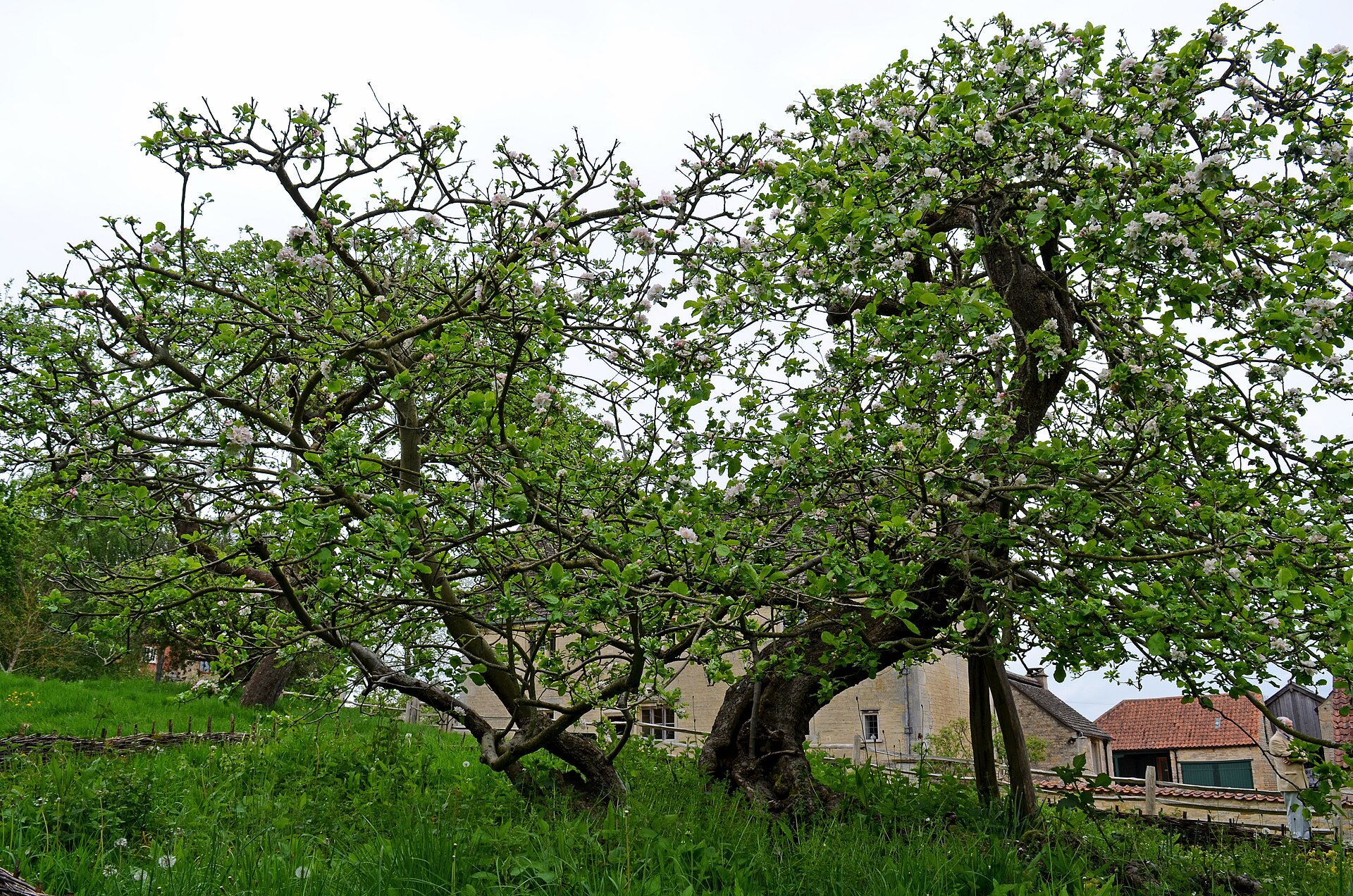
Wikimedia Commons · Creative Commons Attribution 2.0 Generic · file Newton returned from Cambridge to Woolsthorpe to care for his dying mother and remained for much of the year while settling family affairs. The source supports only spring and year-level precision for Newton's arrival.
Occupies Great Court rooms
· Great Court, Trinity College, Cambridge, England
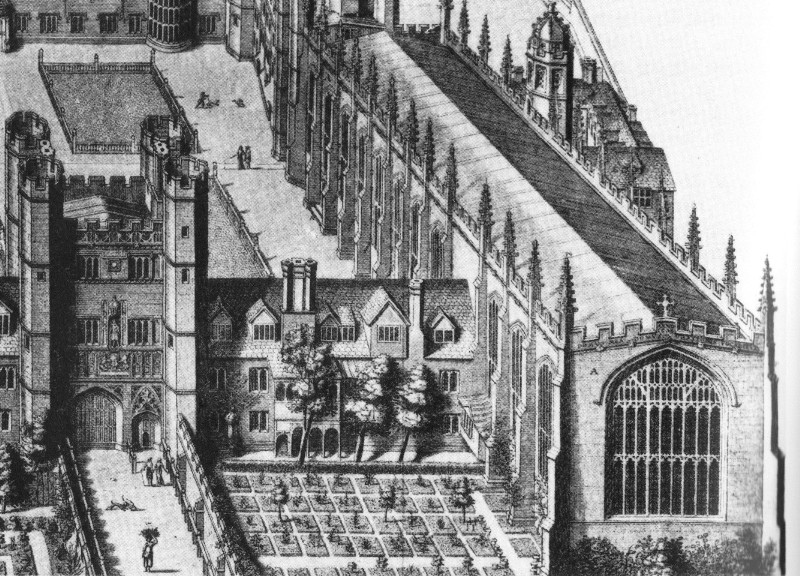
Wikimedia Commons · Creative Commons Public Domain Mark 1.0 · file From about 1682 Newton lived in rooms overlooking Trinity College’s Great Court and garden. This was his principal Cambridge base during the composition of the Principia. Coordinates indicate the northeast side of Great Court; internal arrangements have subsequently changed.
Faces the Ecclesiastical Commission
· Serjeants' Inn, Fleet Street, London, England
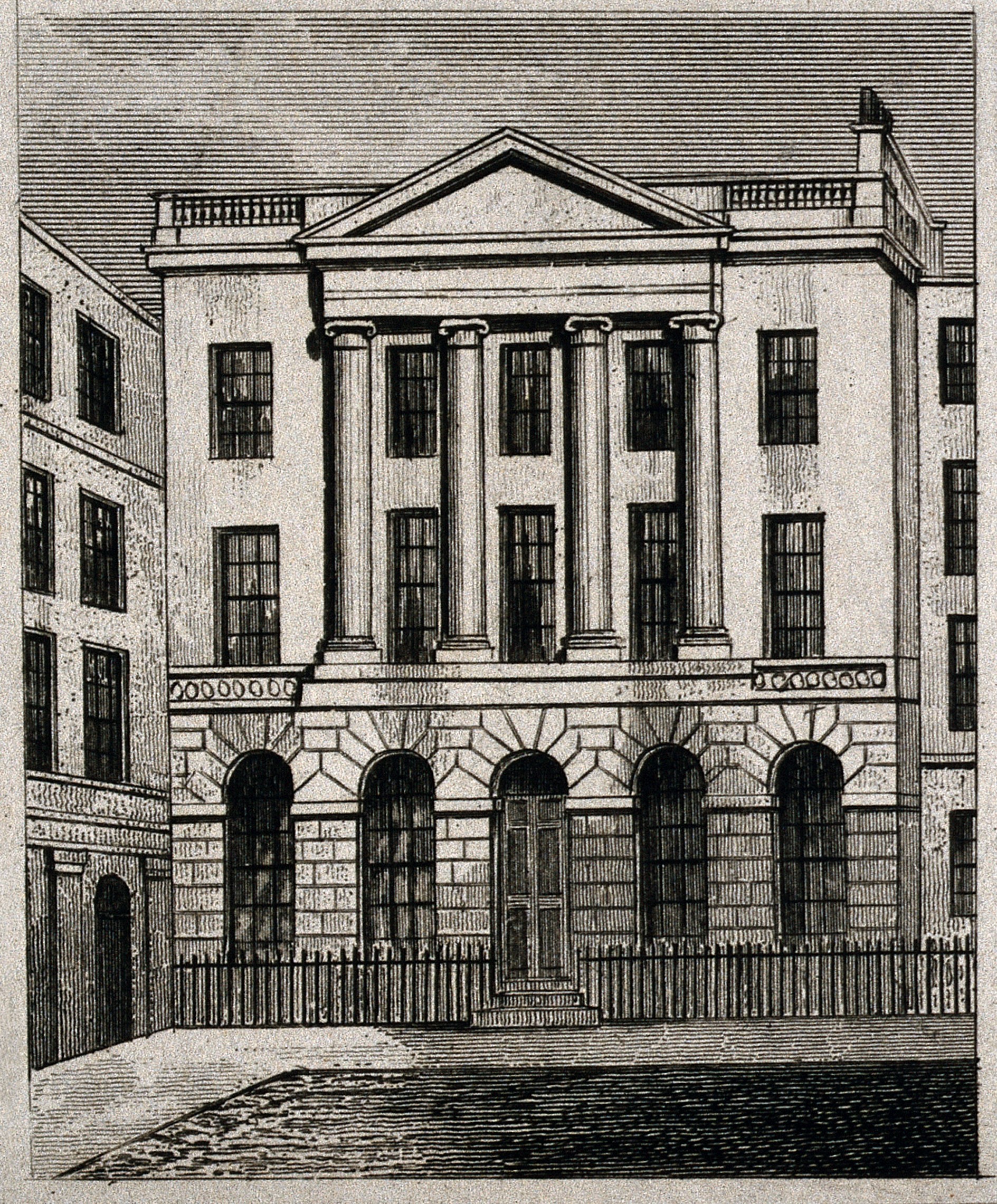
Wikimedia Commons · Creative Commons Attribution 4.0 International · file As a Cambridge University deputy, Newton appeared before James II’s Ecclesiastical Commission during the dispute over an order to grant a degree to the Benedictine Alban Francis. The date is the contemporary English Old Style date. The historic inn no longer survives; coordinates represent its Fleet Street vicinity.
Attends Hampton Court meeting
· Hampton Court Palace, East Molesey, Surrey, England
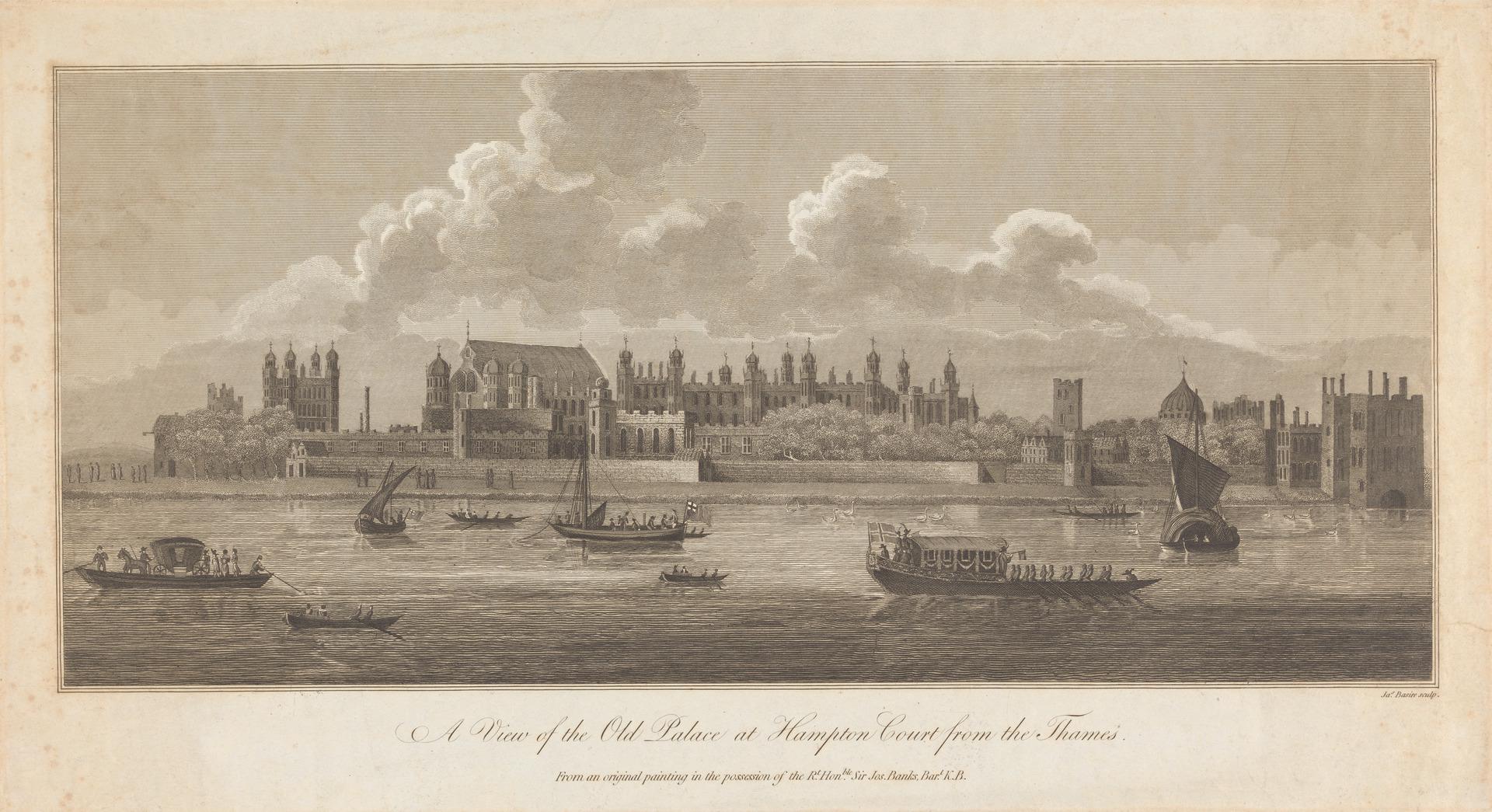
Wikimedia Commons · Creative Commons CC0 1.0 Universal Public Domain Dedication · file Newton attended a royal meeting concerning his unsuccessful effort to become provost of King’s College, Cambridge. The king favored him, but the college defended its statutory choice. The surrounding source discusses Newton's candidacy and preparations; his participation is sufficiently established, although the quoted sentence names the meeting rather than individually listing attendees.
Begins work at the Royal Mint
· Royal Mint, Tower of London, London, England
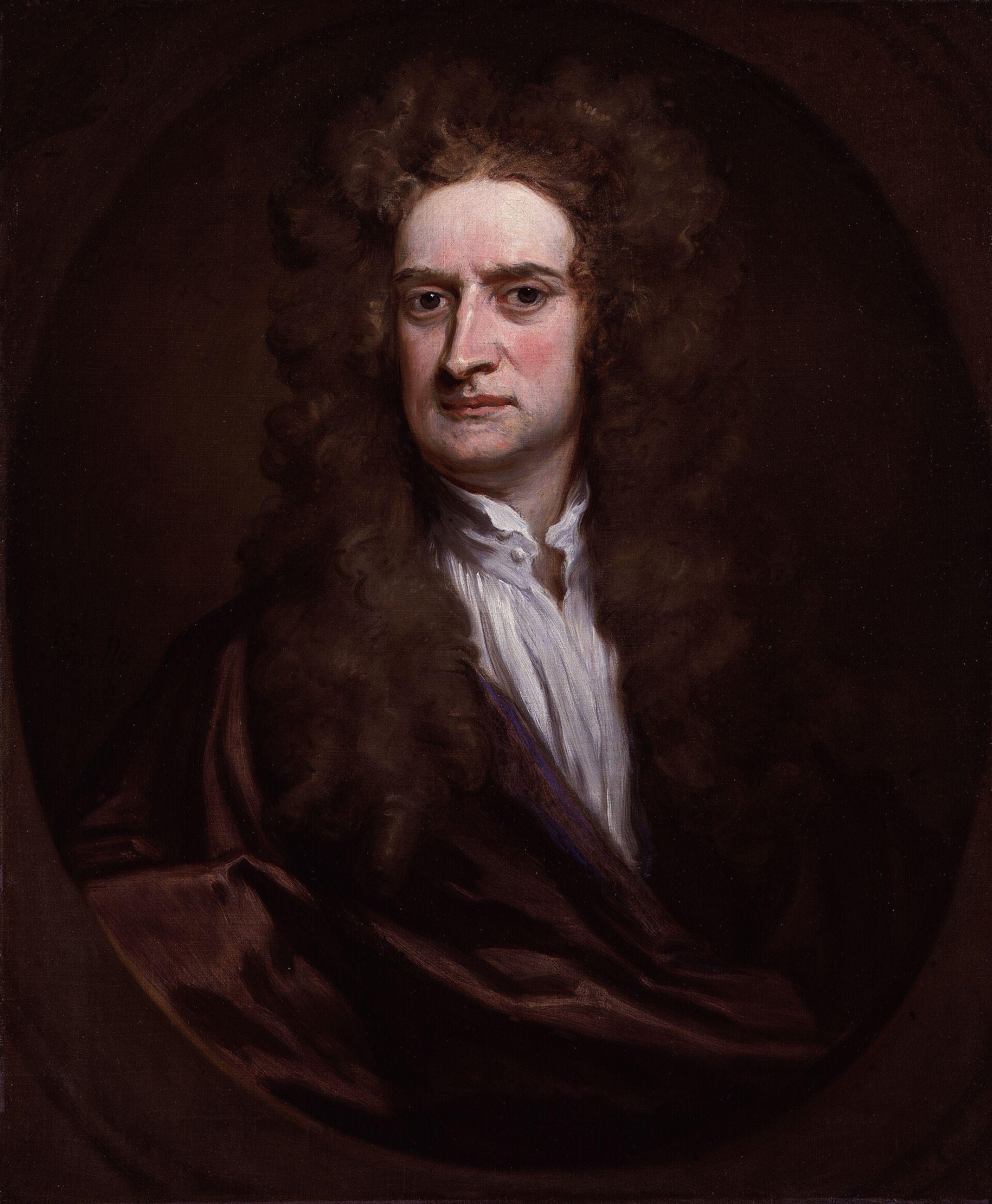
Wikimedia Commons · Public domain · file Newton moved into national administration as Warden of the Royal Mint. He became an unusually active officeholder during the Great Recoinage and later served as Master. The Mint then occupied buildings between the inner and outer defenses of the Tower of London.
Lives on Jermyn Street
· Jermyn Street, St James's, London, England
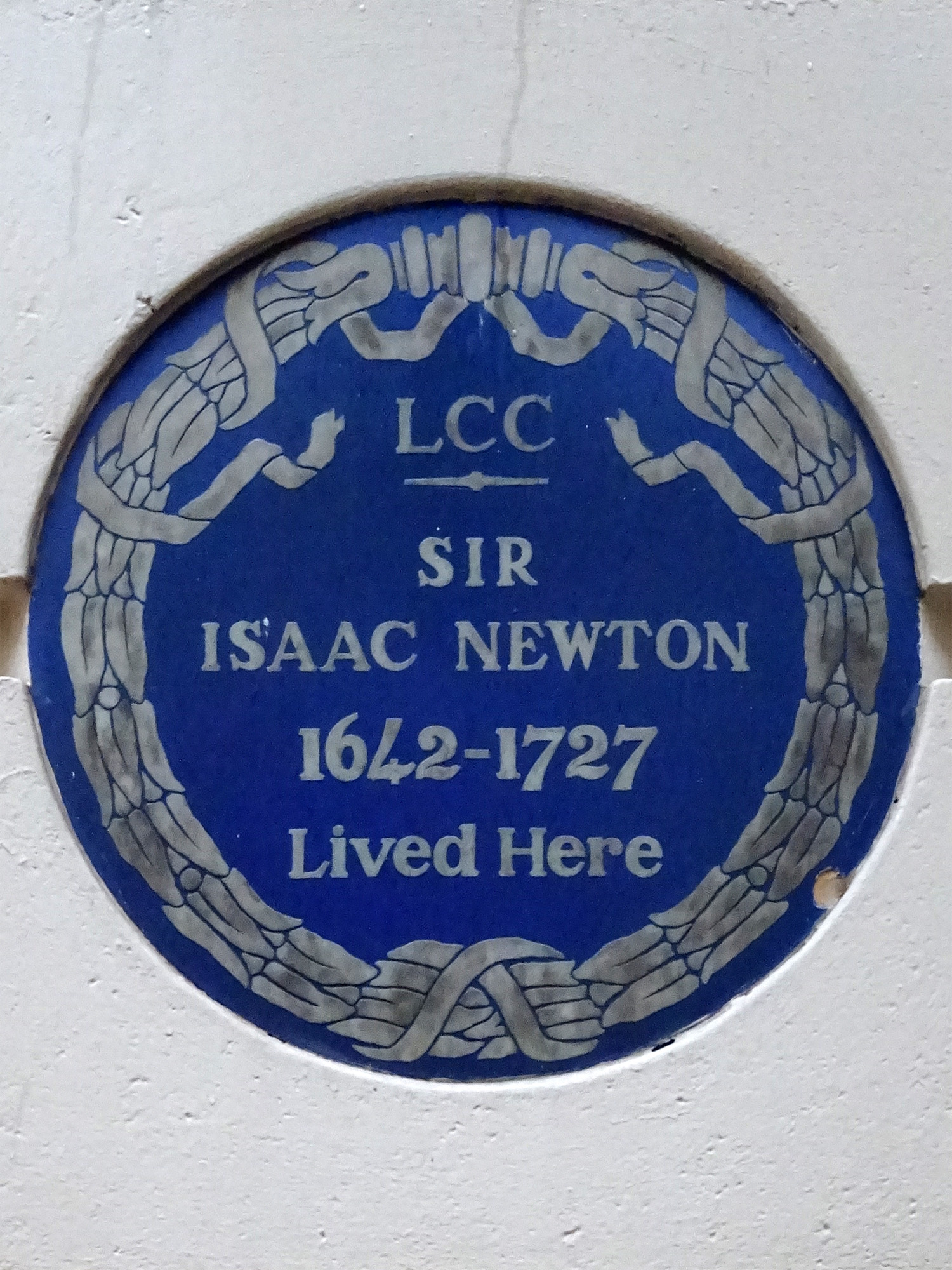
Wikimedia Commons · Creative Commons Attribution-Share Alike 4.0 International · file After his relocation to London, Newton established a home on Jermyn Street near St James’s Church while continuing his daily work at the distant Tower Mint. Newton occupied adjoining Jermyn Street houses during this period; the card uses a representative point near numbers 87–88.
Relocates to Chelsea
· Chelsea, London, England
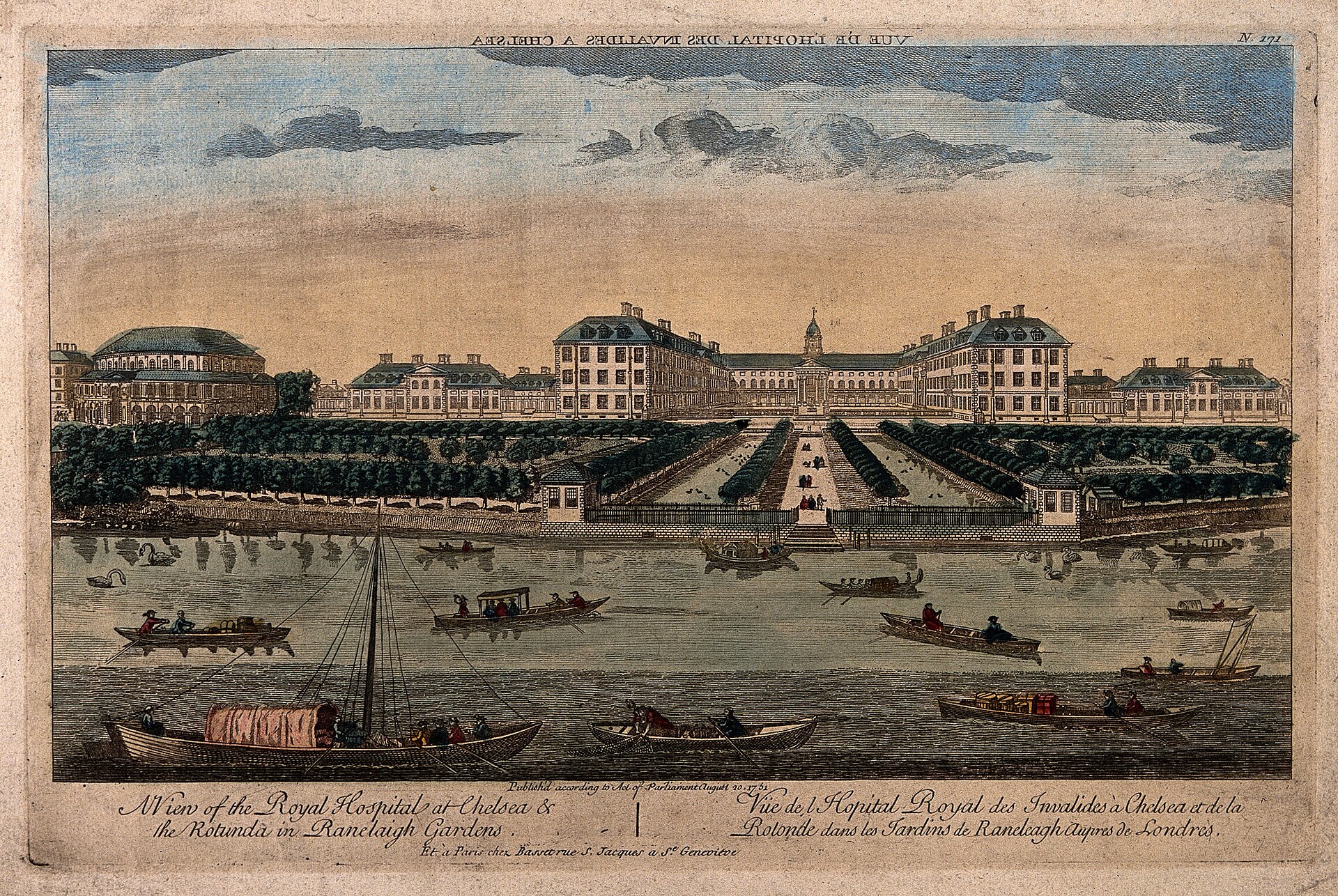
Wikimedia Commons · Creative Commons Attribution 4.0 International · file Newton temporarily left Jermyn Street for a house near Chelsea College, the institution now represented by the Royal Hospital Chelsea. The source describes the house only as near Chelsea College; coordinates represent the college grounds rather than a securely identified house.
Settles in St Martin's Street
· 35 St Martin's Street, Leicester Square, London, England
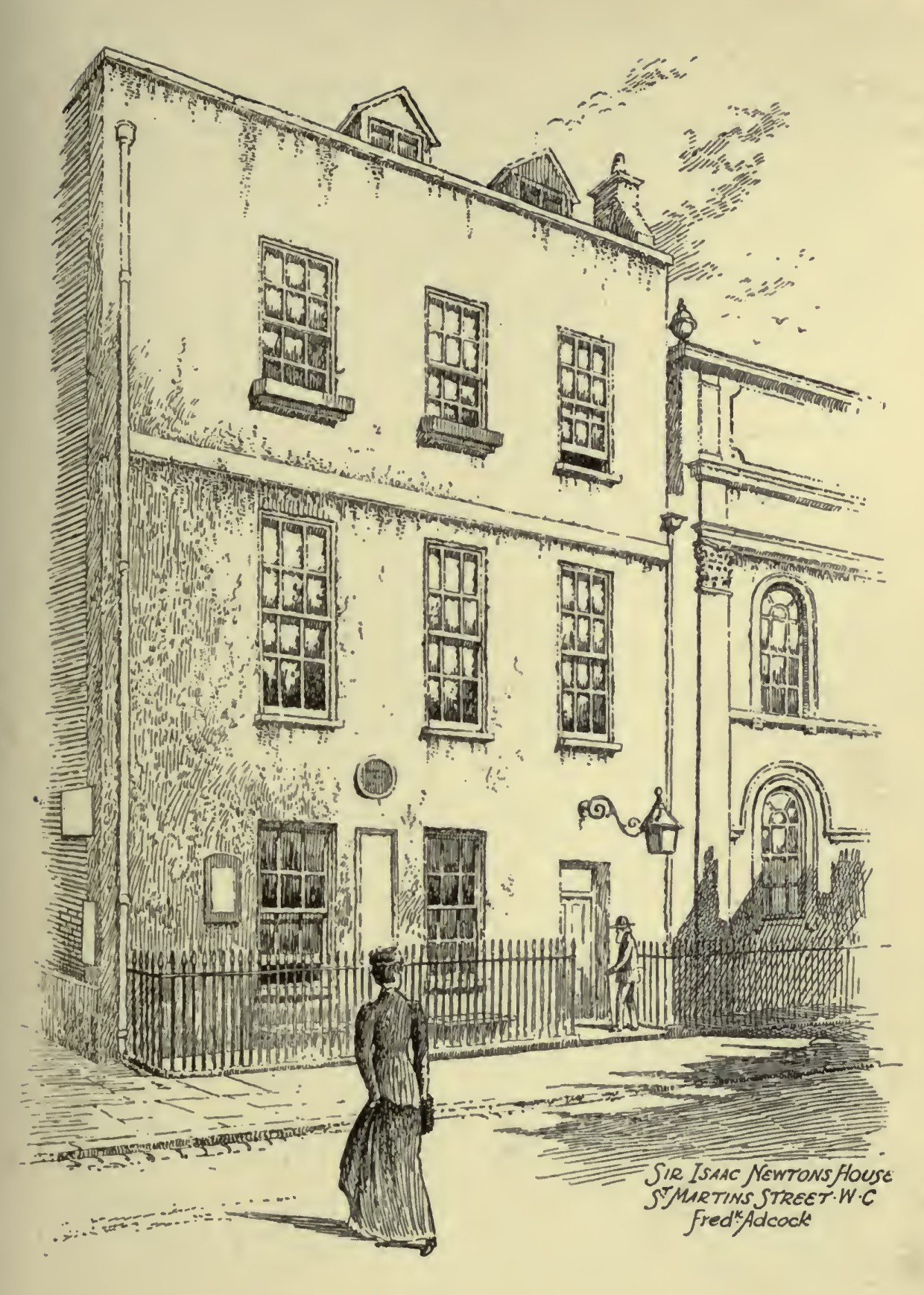
Wikimedia Commons · Creative Commons Public Domain Mark 1.0 · file Newton moved to St Martin’s Street near Leicester Fields. The substantial house became his principal London residence during his mature Royal Society and Mint careers. The historic house has been demolished; coordinates identify its documented St Martin's Street vicinity.
Testifies on the longitude problem
· House of Commons, Palace of Westminster, London, England
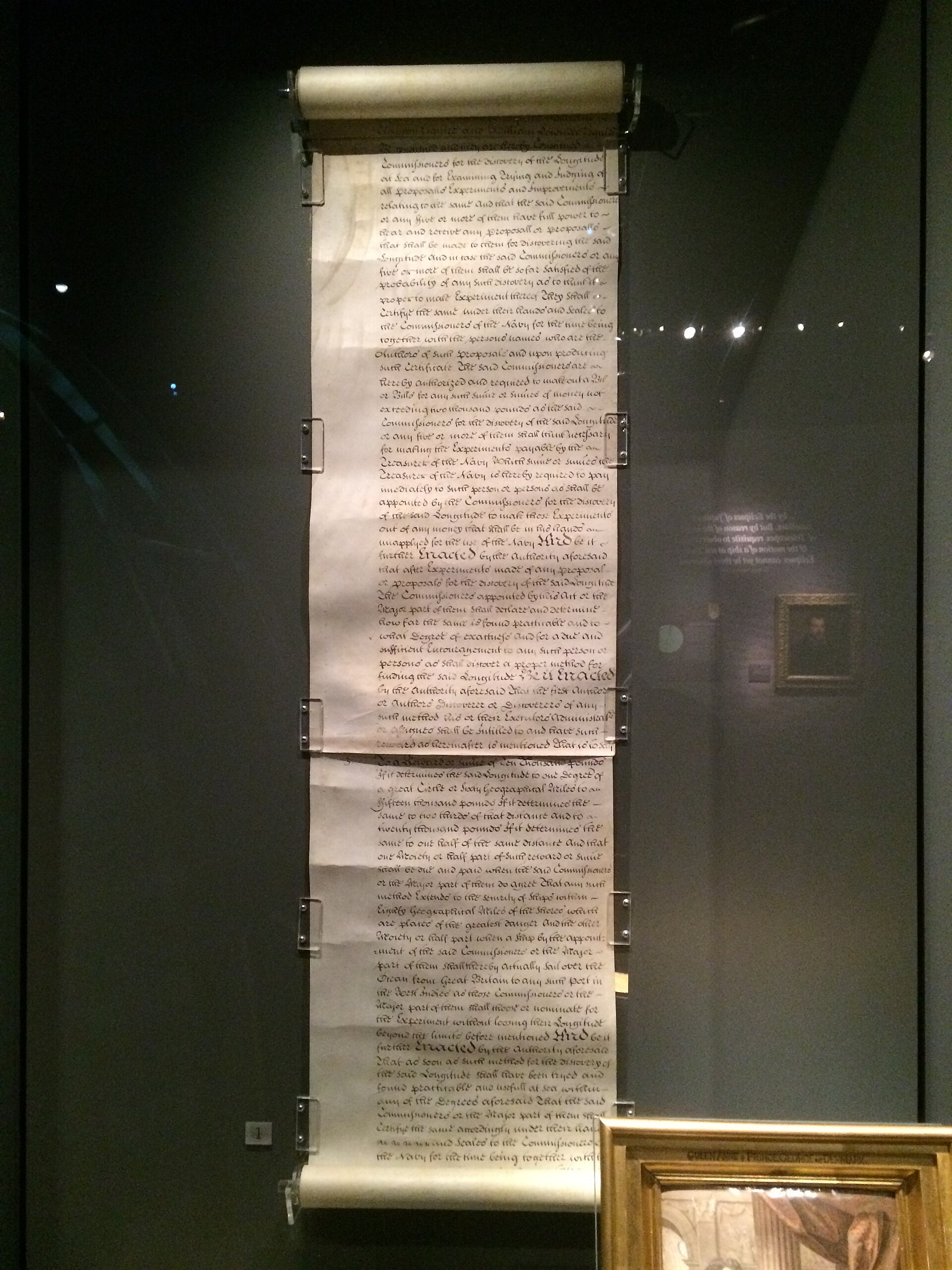
Wikimedia Commons · Creative Commons Attribution-Share Alike 3.0 Unported · file Newton appeared before a House of Commons committee considering practical methods for determining longitude at sea. His evidence helped shape the parliamentary response and Longitude Act. The source establishes the year but not the committee's exact room within the parliamentary complex.
Moves to Kensington for his health
· Orbell's Buildings, Kensington, London, England
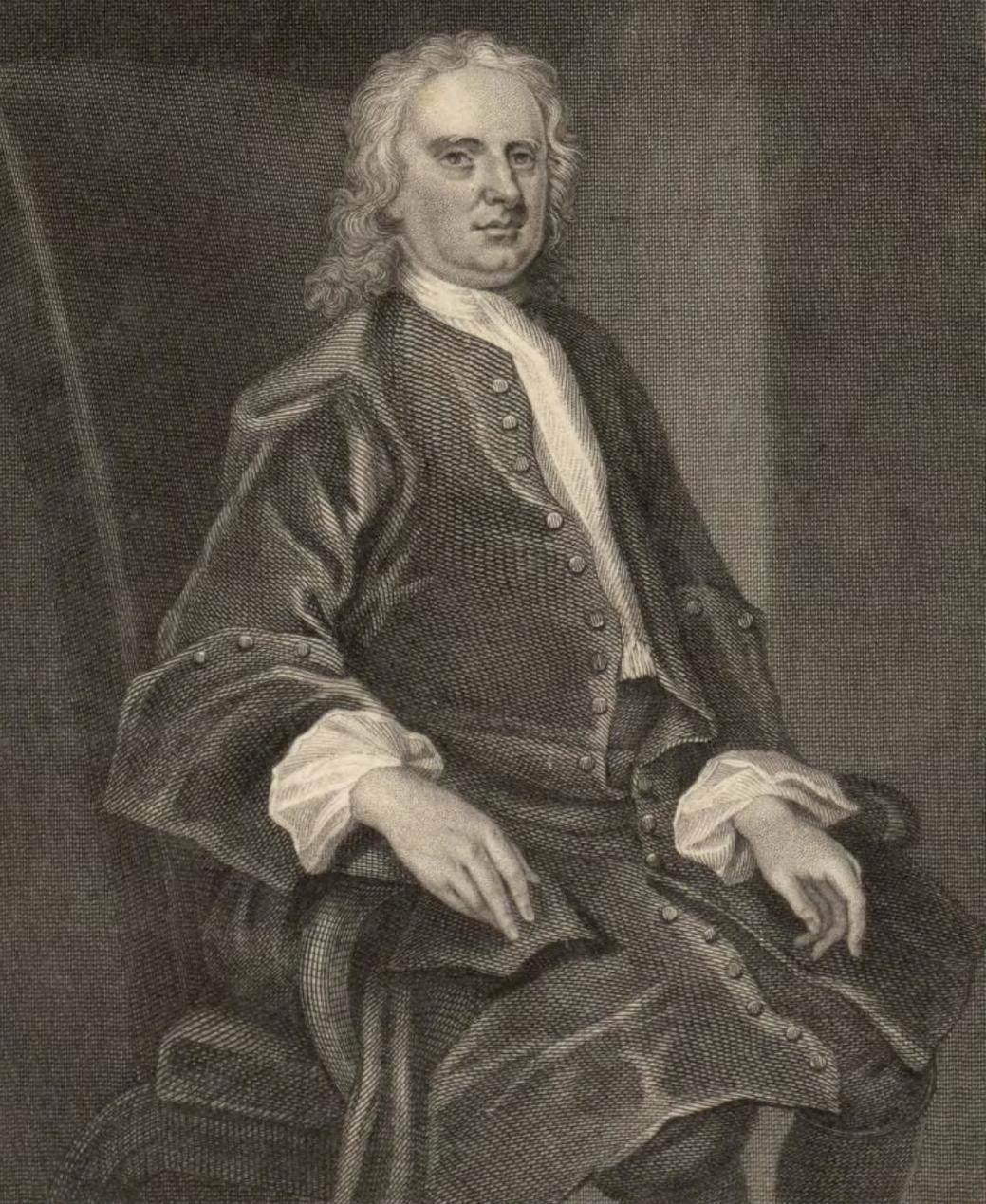
Wikimedia Commons · Public domain in the United States · file Ill health led Newton to leave his central London house for cleaner air in Kensington, where he retained lodgings for the remainder of his life. Orbell's Buildings no longer survives; the site is associated with the later Bullingham Mansions area.
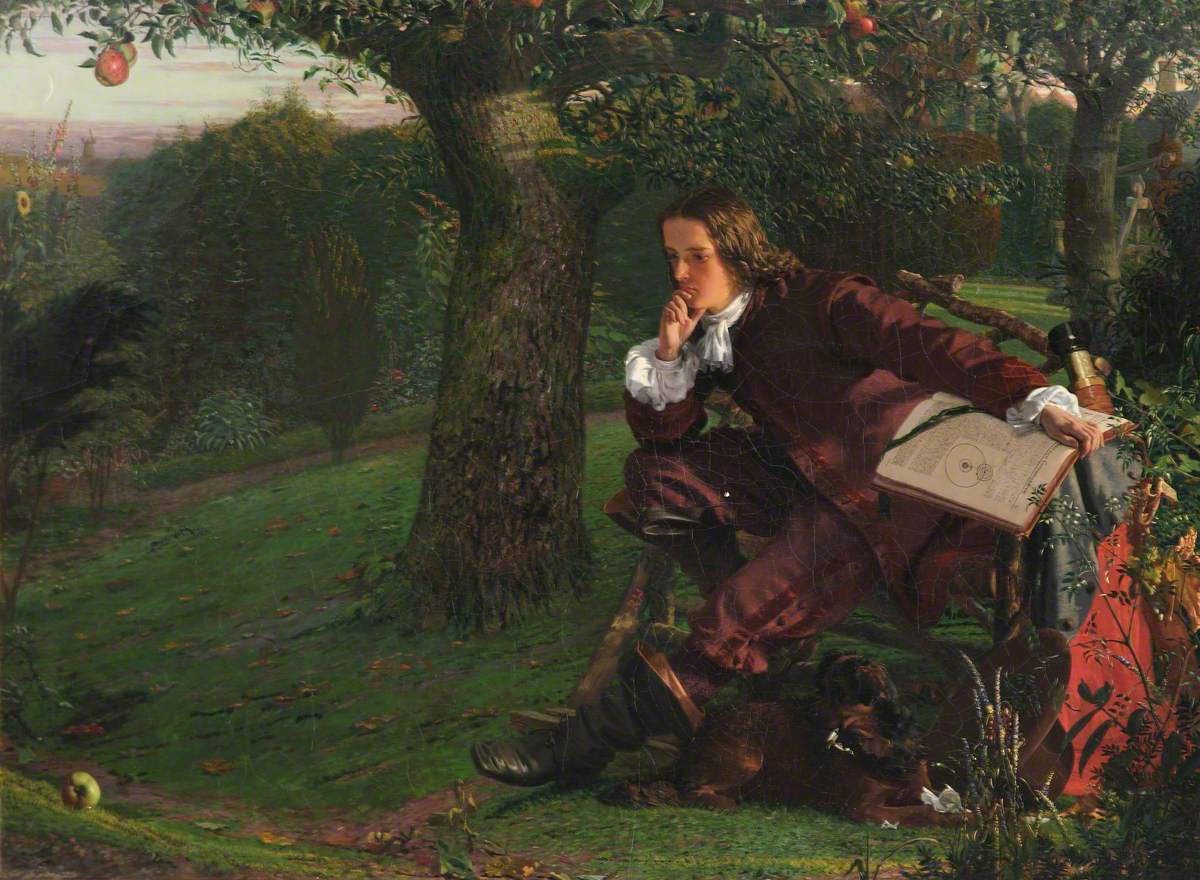
Recounts the falling-apple insight
· Orbell's Buildings, Kensington, London, England
During William Stukeley’s day-long visit, Newton dined and took tea in the Kensington garden, where he related how a falling apple had prompted his early thinking about gravitation. Coordinates are a representative point for the lost Orbell's Buildings site.
Dies at Kensington
· Orbell's Buildings, Kensington, London, England
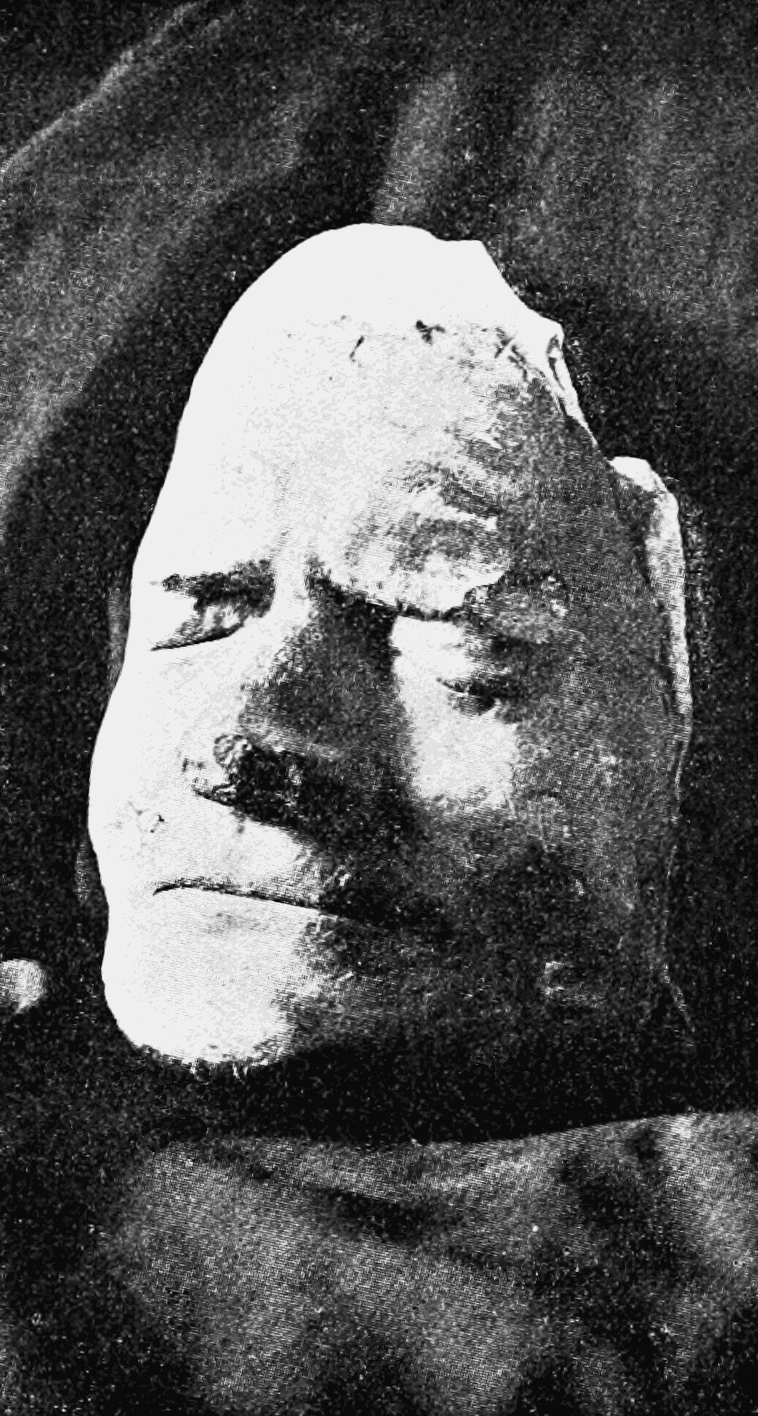
Wikimedia Commons · Public domain in the United States · file After a final journey into central London for Royal Society business, Newton returned to Kensington gravely ill and died there during the night. Card date is Gregorian/New Style. The quoted memoir gives 20 March 1726/27 Old Style, equivalent to 31 March 1727 New Style; Orbell's Buildings is the documented Kensington lodging.