
7 moments
Birth at Carthage
· Carthage, Roman Africa (modern Tunisia)
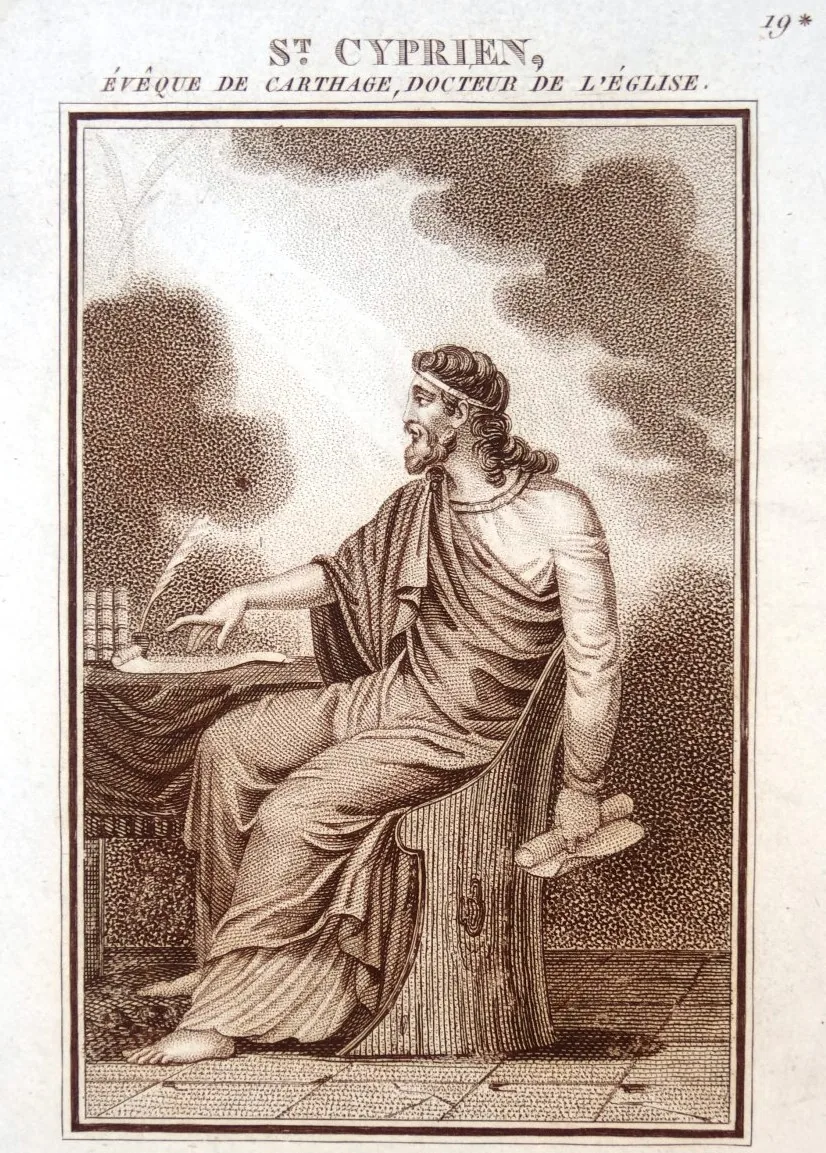
Wikimedia Commons · Public domain · file Cyprian was born into a wealthy Carthaginian family and later became bishop of the city. The year is approximate; the source dates his birth circa 210.
Election as bishop of Carthage
· Carthage, Roman Africa (modern Tunisia)
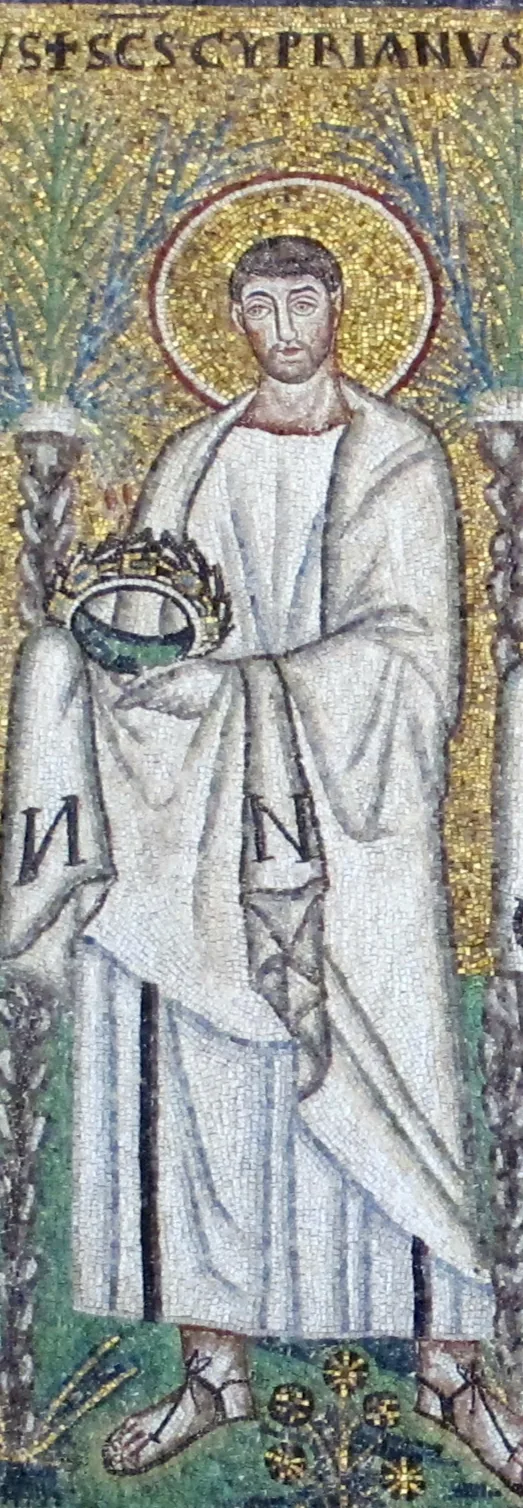
Wikimedia Commons · CC BY 4.0 · file Cyprian was elected bishop of Carthage shortly after his conversion, beginning the office that defined his surviving career. The election falls within July 248–April 249; 249 is used as the card year because the requested format cannot express a cross-year range.
Council on the lapsed
· Carthage, Roman Africa (modern Tunisia)
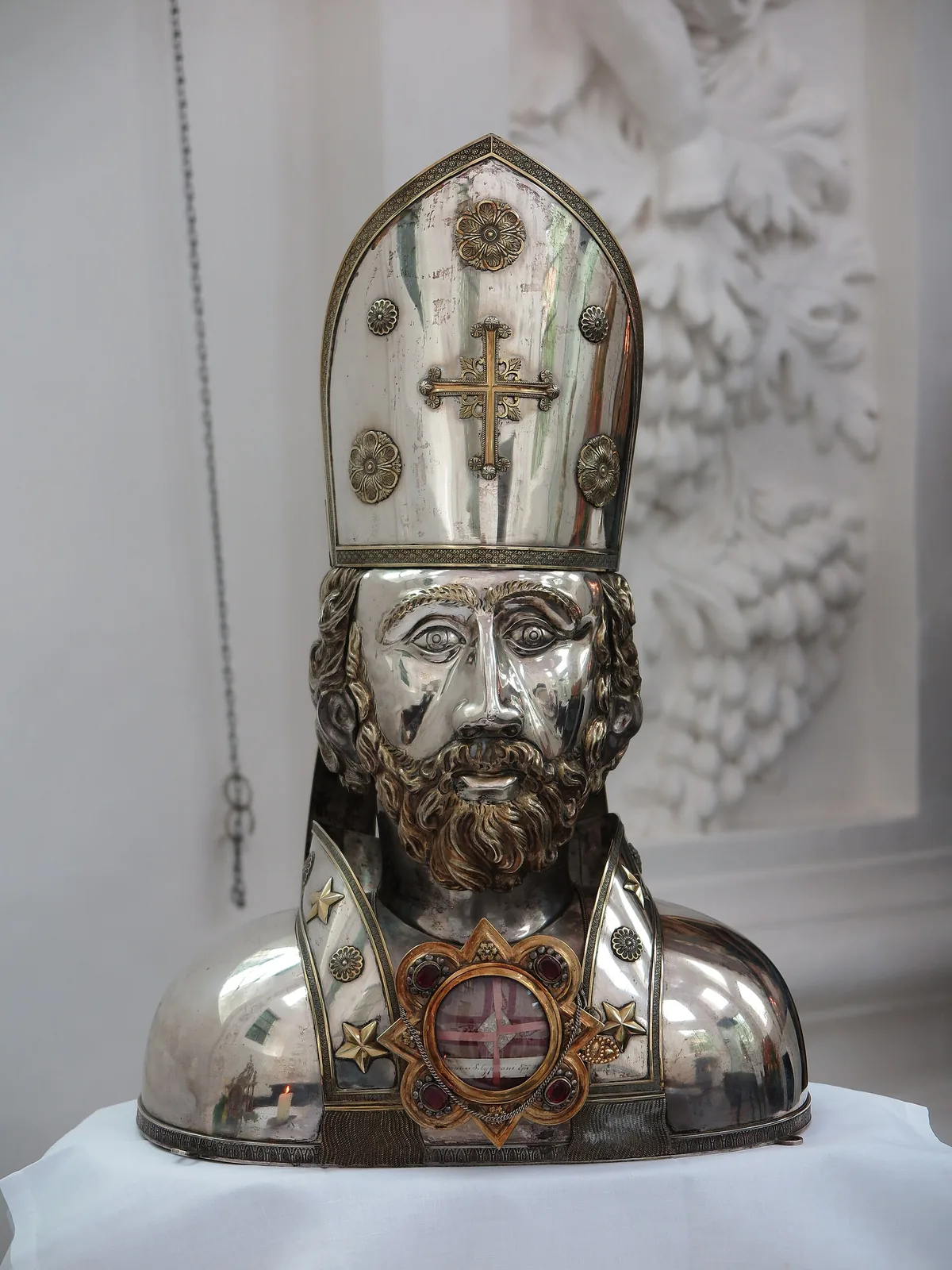
Wikimedia Commons · CC BY-SA 3.0 · file After returning from concealment during the Decian persecution, Cyprian convened a North African council at Carthage concerning the lapsed and the Felicissimus schism.
Exile at Curubis
· Curubis (modern Korba), Tunisia
Following his hearing, Cyprian was exiled to Curubis, the ancient settlement identified with modern Korba on Tunisia's Cap Bon coast. The source supports the year but not a more precise arrival date.
First hearing before Paternus
· Carthage, Roman Africa (modern Tunisia)

Wikimedia Commons · Public domain · file Cyprian appeared before Proconsul Aspasius Paternus in Carthage, identified himself as a Christian bishop, and refused to conform to Roman religious rites. The Roman date given in the Acta corresponds to 30 August 257.
Arrest and transfer to the estate of Sextus
· Estate of Sextus, near Carthage, Roman Africa (modern Tunisia)
After returning from exile, Cyprian was seized by officers and taken to the estate of Sextus, where the proconsul Galerius Maximus was staying. The Ides of September was 13 September 258. The exact archaeological location of the estate of Sextus is uncertain; coordinates represent nearby ancient Carthage.
Trial and execution at the field of Sextus
· Field of Sextus, near Carthage, Roman Africa (modern Tunisia)
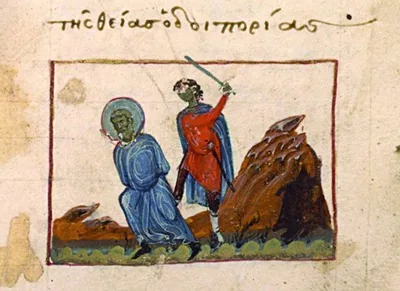
Wikimedia Commons · Public domain · file Cyprian was brought before Galerius Maximus at the estate of Sextus, sentenced to execution by the sword, and led into the estate's field, where he was killed. The Acta dates the execution to 14 September 258. The precise field is not securely located; coordinates represent nearby ancient Carthage.