
10 moments
Birth at Patiyali
· Patiyali, Uttar Pradesh, India
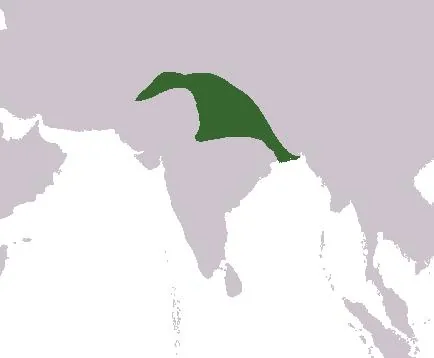
Wikimedia Commons · Public domain · file Amir Khusrau was born at Patiyali, then within the Delhi Sultanate. This is the starting point of his documented life chronology.
Visit to Bengal under Bughra Khan
· Bengal, Delhi Sultanate
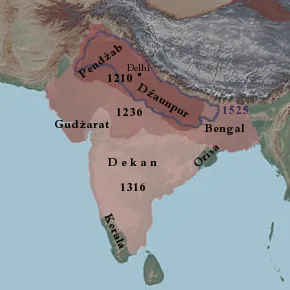
Wikimedia Commons · CC BY-SA 3.0 · file Khusrau visited his patron Nasir ud-Din Bughra Khan after Bughra Khan had become ruler of Bengal, while Khusrau was writing his second divan, Wast ul-Hayat. The evidence establishes Bengal but not a specific settlement; coordinates are a representative point near historic Gaur/Lakhnauti.
Move to Prince Muhammad's court at Multan
· Multan, Punjab, Pakistan
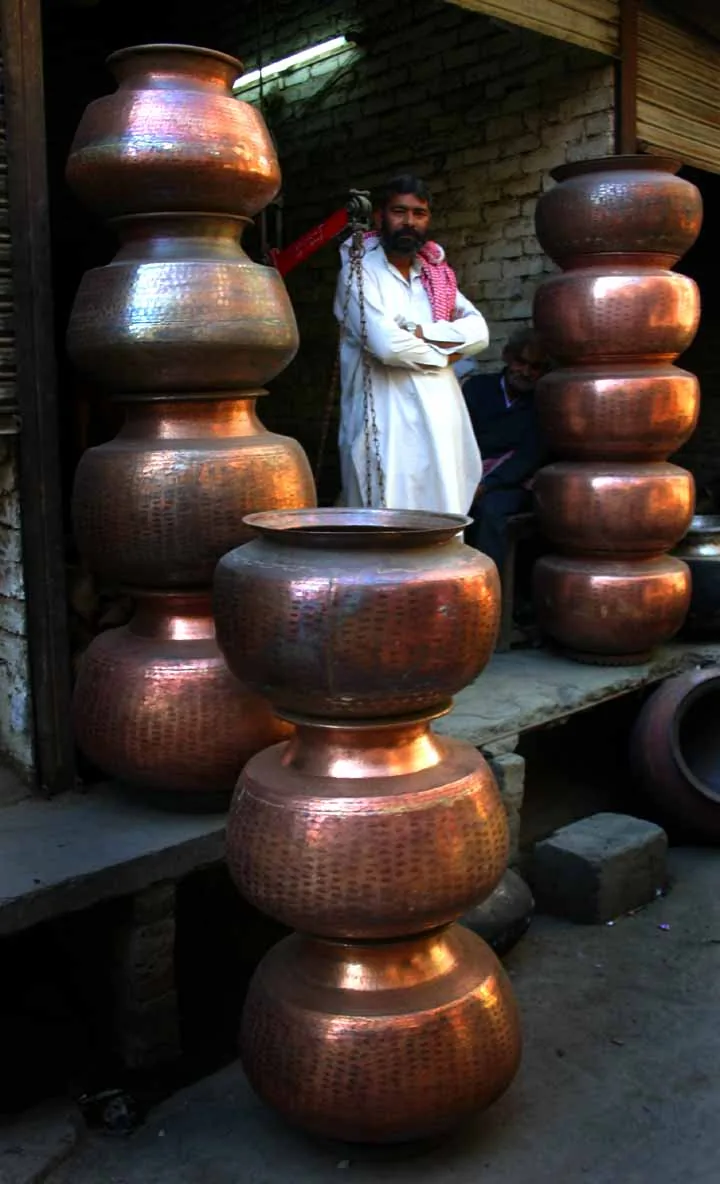
Wikimedia Commons · CC BY 2.0 · file Khusrau accompanied Prince Khan Muhammad to Multan, a major frontier and intellectual centre of the Delhi Sultanate.
Travel to Awadh with Amir Ali Hatim
· Awadh, Uttar Pradesh, India
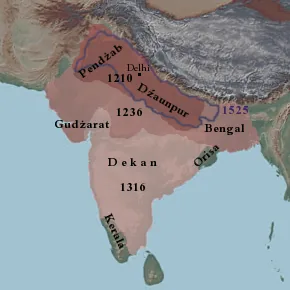
Wikimedia Commons · CC BY-SA 3.0 · file After the death of Khan Muhammad, Khusrau travelled to Awadh with his patron Amir Ali Hatim. The source identifies the broader region of Awadh rather than a particular town; coordinates are a representative point at Lucknow.
Return to Delhi from Awadh
· Delhi, India
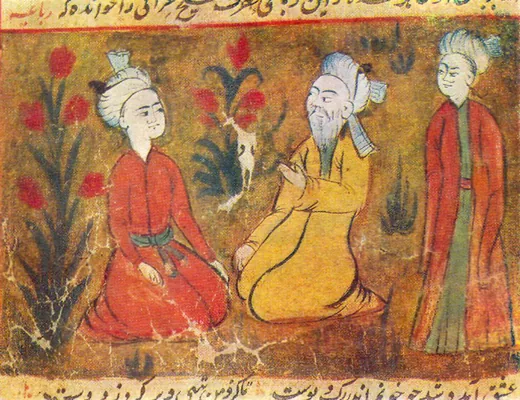
Wikimedia Commons · Public domain · file Following his period with Hatim Khan in Awadh/Oudh, Khusrau returned to Delhi, where he continued his courtly literary career.
Settlement as court poet in Delhi
· Delhi, India
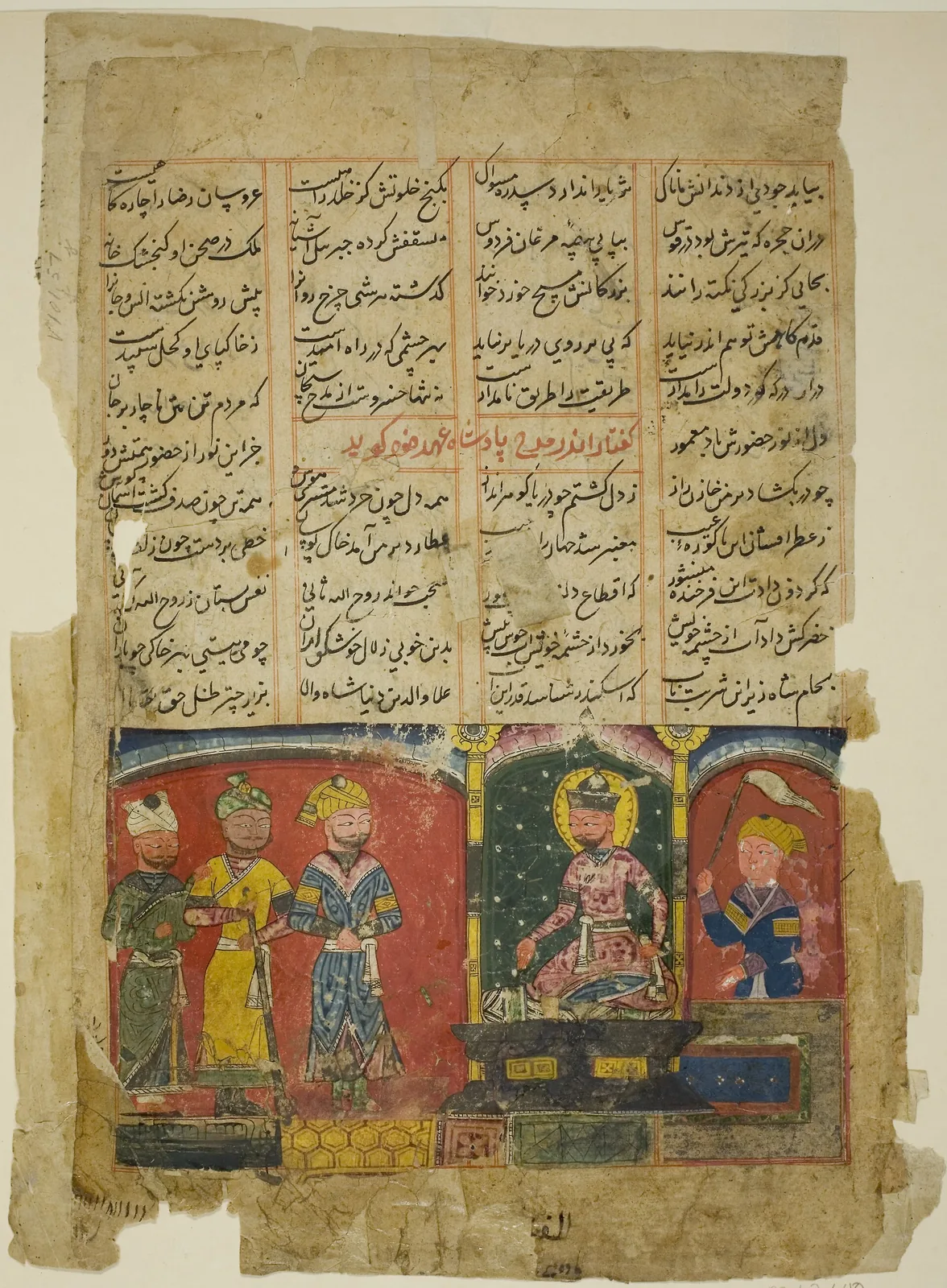
Wikimedia Commons · CC0 1.0 Universal Public Domain Dedication · file After earlier travel with patrons, Khusrau returned to Delhi and entered a sustained period as court poet under Ala al-Din Muhammad Khalji. The source supports a continuous Delhi-based period from 1296 to 1316; this card records its beginning.
Chittor campaign with Alauddin Khalji
· Chittorgarh Fort, Rajasthan, India
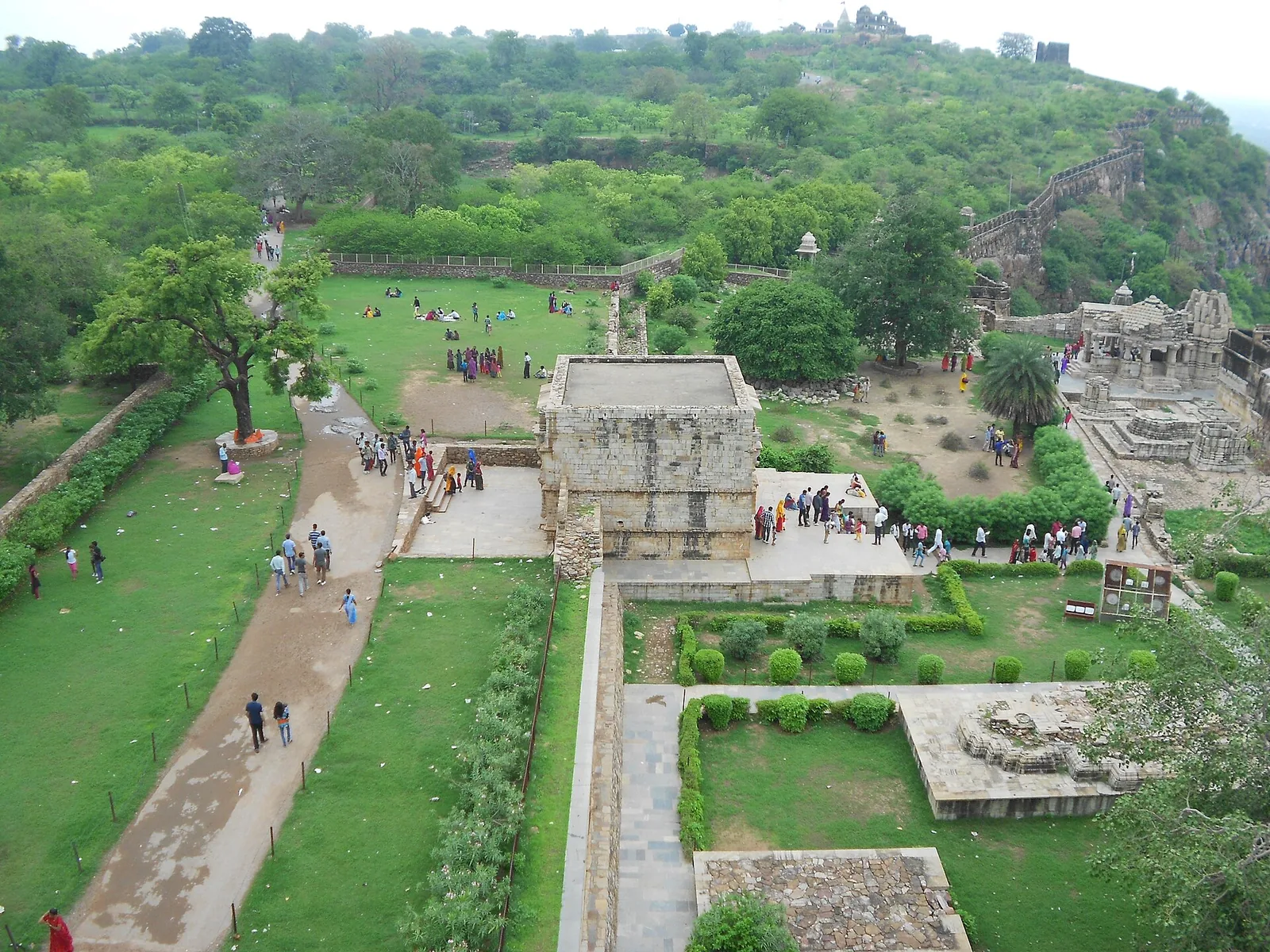
Wikimedia Commons · CC BY 4.0 · file Khusrau accompanied Sultan Alauddin Khalji's expedition against Chittor and later left a description of the siege and surrender of the citadel. The source dates the expedition's departure to 28 January 1303 but does not date Khusrau's arrival at Chittor more precisely; the card therefore uses year precision.
Bengal expedition with Ghiyath al-Din Tughluq
· Bengal, Delhi Sultanate
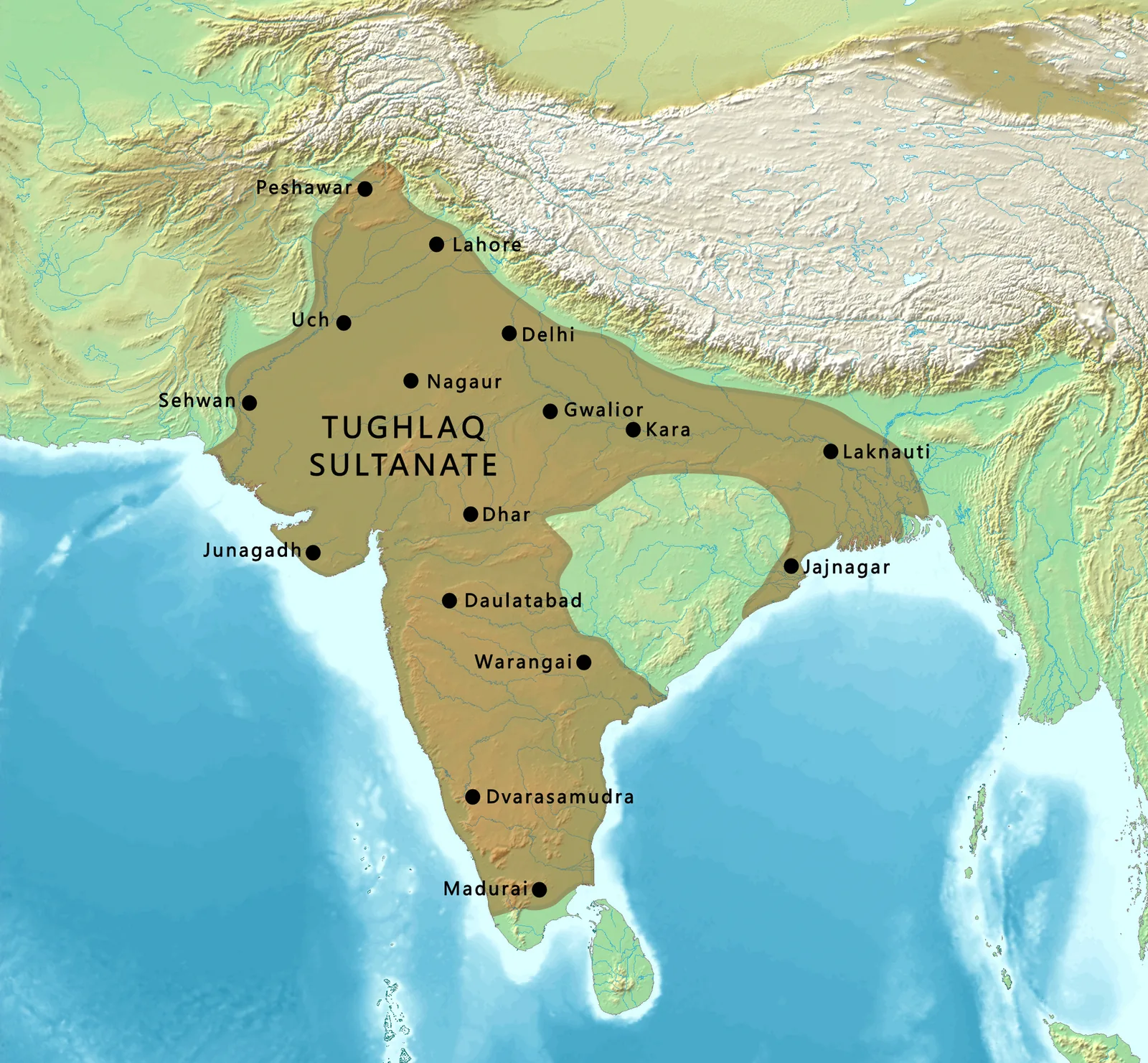
Wikimedia Commons · CC BY-SA 3.0 · file Khusrau accompanied Sultan Ghiyath al-Din Tughluq on the expedition to reclaim Bengal, late in Khusrau's life. The source establishes presence in the province of Bengal, not a specific campaign stop; coordinates are a representative point near historic Gaur/Lakhnauti.
Return to Delhi after the Bengal campaign
· Delhi, India
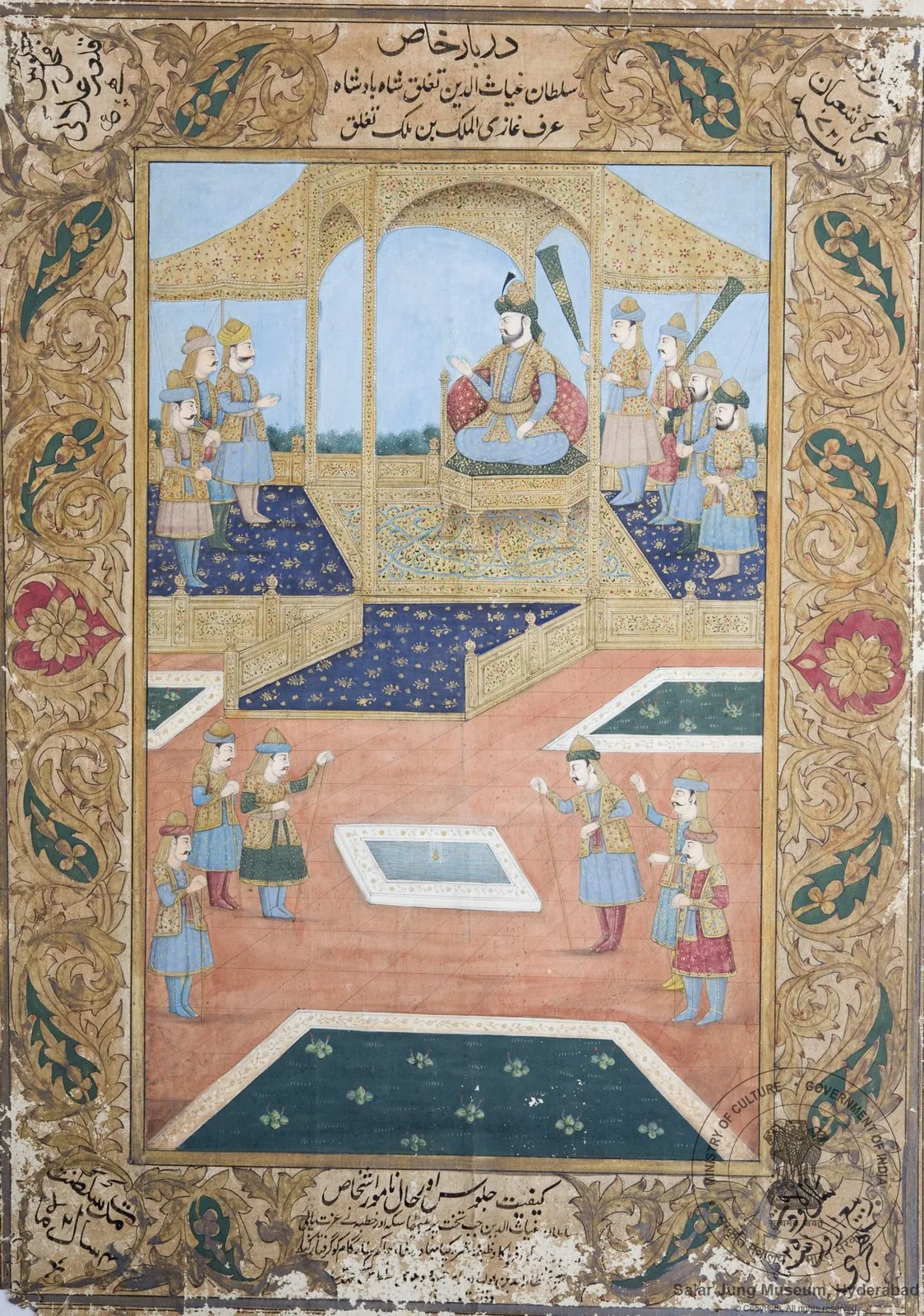
Wikimedia Commons · Public domain · file After the Bengal campaign and the death of Ghiyath al-Din Tughluq, Khusrau returned to Delhi, where he learned of the death of his spiritual master Nizam al-Din Auliya. The return occurred after the Bengal expedition and after 3 April 1325; the source does not support a more precise arrival date.
Death in Delhi
· Delhi, India
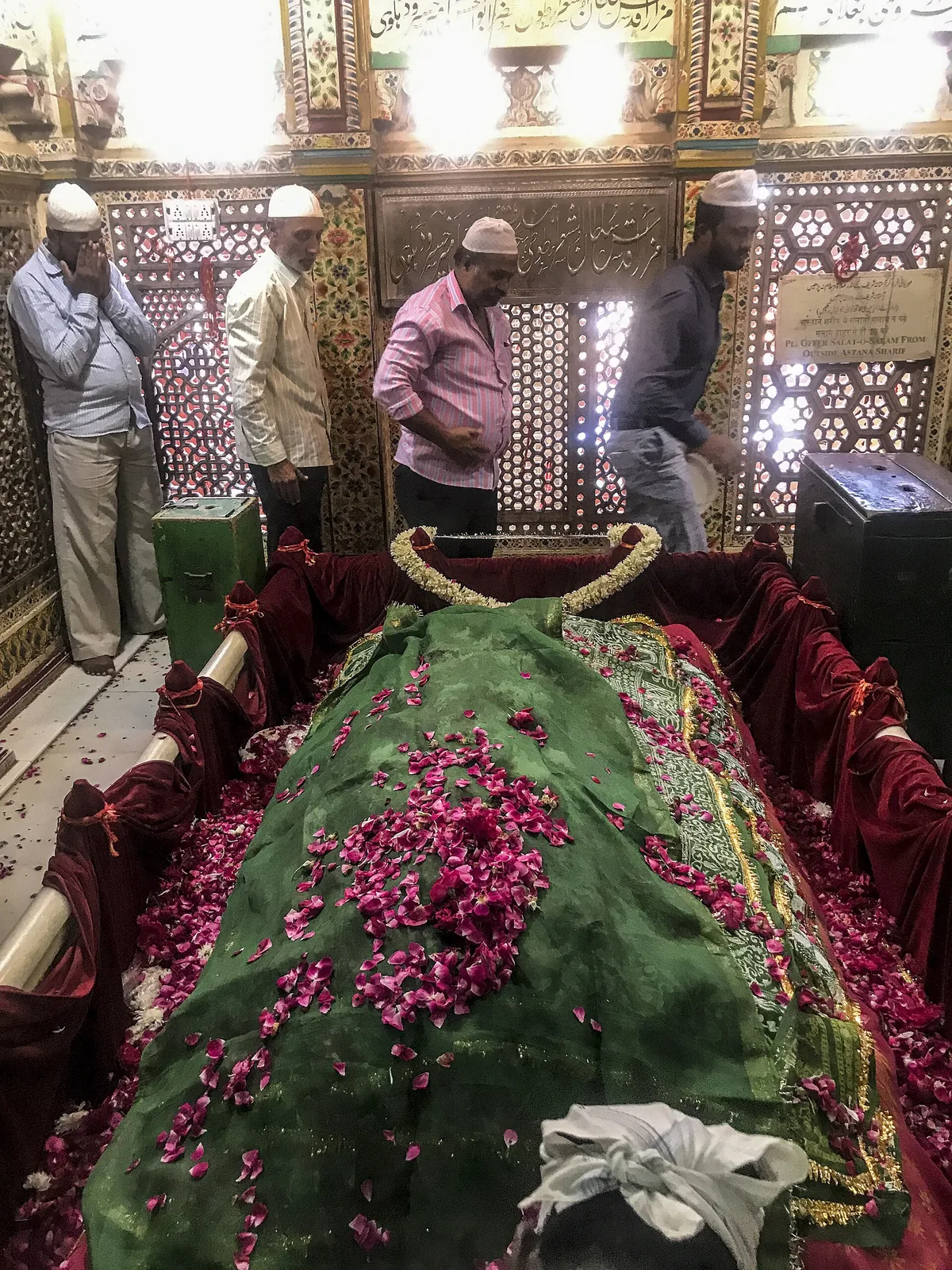
Wikimedia Commons · CC BY-SA 4.0 · file Khusrau died in Delhi in October 1325, several months after the death of Nizamuddin Auliya. He was buried beside his spiritual master at the Nizamuddin Dargah complex. The source identifies Delhi as the place of death but not a precise death site; coordinates represent central Delhi.